Category: Youth Voices

  • It is up to all of us to stand up to bullies

    It is up to all of us to stand up to bullies

    In the northern part of the country of a thousand hills, amidst volcanoes and the freezing air, there resides a Catholic high school. My name is Anderson and this is my story. I went to study there right after finishing my primary school.

    The school was competitive; the smartest, most intelligent and most talented students were found there. It was a school of sciences and it used to be in the top five best high schools in the country. It had an amazing environment. Though strict academically, the teachers were among the best.

    When I arrived, it wasn’t that hard to fit in because my elder sister had studied there before me. Some senior students recognized the resemblance and helped me get used to the school. This also gave me the privilege of not being bullied.

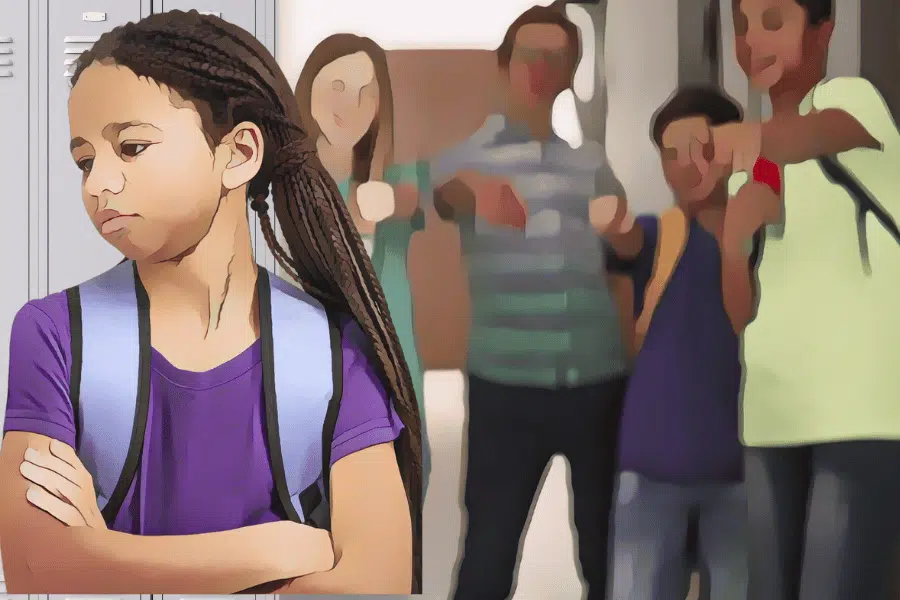
    Normally, new students in S1 were bullied by seniors and couldn’t report it because they were scared of what might happen. The bullying was actually different based on gender. Boys were beaten severely, while girls were pressured into “dating” seniors. You might think dating sounds harmless, but it often involved bullying too.

    There was a male friend of mine who was told to sit on his fork (the one used when we are eating) and say his weight — if he didn’t, the other students would beat him badly. This was also ridiculous because a fork cannot be used to measure someone’s weight. Another was given a leaf from a tree and told to use it to call his parents — again, he was beaten. This was a type of bullying because obviously you can’t talk on the leaf; they wanted him to pretend that the leaf is the phone.

    On the other hand, my girlfriend was called out by senior boys, made to greet each one in a way they preferred and surrounded by a big circle of them. In summary, the first year was really hard for some students.

    The bullied become bullies

    By the second year, we were seniors to new students and some of us began to bully them. At this point, I understood the perspective of bullies — though it didn’t justify their actions. Seeing new students, you feel the tendency to assert your seniority and demand respect.

    Some classmates acted out of revenge, targeting new students for what they had endured. On my side, I welcomed them with kindness and tried to help them adapt, knowing how hard it had been.

    We used to have shows, which were my favorite part. I loved fashion and wanted to model in the shows, but I was always scared. During the shows, boys would often stand at the entrance, waiting to touch the girls’ bodies; breasts, buttocks, even private parts. Girls could complain, but some students and authorities argued that some girls “wanted to be touched.”

    Others said that if girls didn’t want it, they could avoid participating or avoid wearing revealing clothes. Though some authorities promised to investigate, they often ignored the problem. Shows were considered entertainment, so the school left the organization to students. At some point, students feared reporting, worried the school might ban shows entirely.

    It wasn’t only during shows. In class, we had a group of bullies we studied with. When the lights went out, girls would run outside immediately, because boys would touch them by force in the darkness.

    When harassment is condoned

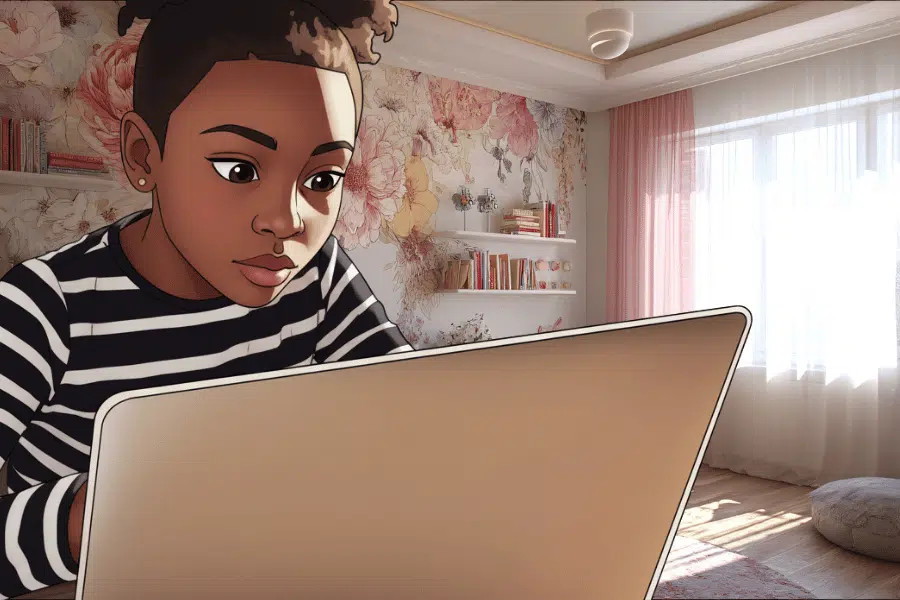
    Once, I was sitting in class, my head on the desk, taking a nap. The lights went out and I didn’t notice. I woke up surrounded by boys. When I tried to leave, they blocked my way. One of them, called Chris, touched my breasts and others grabbed me as well. I felt scared, ashamed and angry. They were about to do more, but fortunately, other students started entering the class, and they left.

    I laid my head back on the desk and cried. When people asked what was wrong, I couldn’t say. I had few friends; just my twin sister and another girl. When I reached the dormitory, I cried the whole night. My friend checked on me and though I hesitated at first, she comforted me.

    I opened up and told her the story. To my surprise, she had also been harassed by the same boy, Chris. He was undisciplined and we didn’t know how to report him; there was no evidence and I wasn’t ready.

    I spent months blaming myself. I was ashamed, hated myself and even had suicidal thoughts. My heart felt broken into pieces and no day passed without crying. But my twin sister was there for me. We cried together and I felt comforted. She suggested that we learn karate so no boy would dare harass me again.

    We joined a karate club at school. It was amazing. The group was friendly, teaching discipline, teamwork and flexibility. Chris still mocked me, but I knew he was scared. In class, he never bullied me again. I continued learning karate even in other schools.

    Fighting harassment

    At other schools, I began my journey in leadership. I was voted Head Girl at two schools, started reading about feminism and realized I was a feminist. I began challenging unfair school policies that hindered one gender. On many campuses, girls were forced to do cleaning chores because culture expected them to be “decent” and “clean.”

    Boys were allowed privileges girls could not have, without clear reason. It was a hard battle because authorities were biased. When I finished high school, I was voted Minister of Gender Promotion at my campus.

    Reflecting on my high school experience, I realized many other girls knew stories of friends who were sexually assaulted and who couldn’t report it. Sometimes it was done to them by teachers or fellow students or authorities.

    Schools often silence reports to protect their reputation. I understand that, but it shouldn’t come at the cost of student safety. There weren’t reporting platforms in place, but when girls tried to report, they were sometimes blamed, told they “wanted it.”

    All of this motivated me to start a high school research project to assess the impact of school policies, sexual harassment and sextortion (this means when someone asks for sexual intercourse in exchange for a certain favor. In this context it may be to give you grades or other favors which you can get after having sex with that person offering it) on gender equality outcomes in high schools.

    I am still working on my proposal, applying feedback and hoping for approval. As a survivor, I want to help my younger sisters get justice. I want to ensure no other girl cries alone at night, hiding the trauma she endured. I want to be their voice and advocate for solutions as youth.

    This is my story — though it is still being written and it is far from over.


    Questions to consider:

    1. How can someone who is bullied become a bully?

    2. Where do you think that some people get the idea that sexual harrassment is acceptable?

    3. Have you ever been bullied or felt harrassed at school?

    Source link

  • How one young woman broke free of a media addiction

    How one young woman broke free of a media addiction

    I knew every word to the saddest songs on my playlist. Not because I loved music, but because depression had become my language. I was 14, lying in my room with my family just beyond the door, close enough to hear their voices, far enough that they might as well have been in another country.

    I had been expelled from school months earlier. “Disciplinary issues,” they called it. My family’s disappointment sat heavy in our home, unspoken but everywhere. We lived together, ate together, but there was no closeness, no one I could talk to.

    I tried to find help. I downloaded mental health apps, desperate for someone, anyone, to talk to. Every single one wanted money: subscriptions, fees, payments I couldn’t afford. I stared at those payment screens feeling like I was drowning, watching help float just out of reach.

    That’s when the screen became my only escape. It started two years earlier, in Primary 6, when house workers casually showed me explicit images on their phones. I was just a child; curious, confused, not understanding what I was seeing. Then it continued at school with friends, and something awakened in me that I didn’t know how to name or control.

    Now, alone and depressed, pornography became my refuge. Not because it made me happy, but because for a few minutes, it made me feel something other than suffocating sadness. It was free. It was always available. And unlike everyone in my life, it didn’t judge me.

    A cycle begins

    I didn’t wake up one morning and decide to be addicted. At first, it felt harmless, a way to escape. I told myself, It’s just this once. I’m in control. But addiction is a liar. Soon, it wasn’t me making the choices, the choices were making me.

    I became a professional actor: smiling, joking, saying “I’m fine.” Inside, I was drowning. Mornings brought disgust and broken promises. “This is the last time,” I would whisper. By evening, I was back in the same cycle.

    Being a Christian made it worse. How could I worship on Sunday and fall back into the same pit during the week? I carried my Bible with trembling hands, wondering: Does God still want me? Is He tired of forgiving me?

    What made everything harder was the silence; not just mine, but from my entire community.

    In many African homes, conversations about struggles don’t happen. Children are raised to “be strong,” “obey,” and “not bring shame.” So, when addiction creeps in, we already know: I can’t tell my parents because we know the response is often punishment and disappointment rather than compassion and feeling secure.

    The things we don’t discuss

    My family was no different. We shared meals, went to church together. But I couldn’t tell them about the depression that made me want to die, or the addiction consuming me. Not because they were cruel, but because we’d never learned how to talk about things that hurt.

    In many communities, struggles like pornography are labeled as spiritual weakness rather than human pain. Youth are told to “pray harder” while root wounds remain untouched. Girls especially face pressure to be “good daughters” because any confession can bring family shame.

    After my expulsion, I carried not just my own shame, but my family’s disappointment, the fear of being labeled a failure, the burden of disgrace.

    Addiction thrives in that silence. It feeds on fear; fear of punishment, of shame, of losing respect. So, we hide behind grades, church attendance, fake smiles. Inside, we are prisoners.

    For Christians struggling with addiction, the battle isn’t linear. One day you pray and feel close to God; the next, guilt crashes down. You confess, repent, hope but relapse comes again. I can’t get free. I’m weak. I keep failing.

    Faith meets struggle.

    Each fall reinforces the lie that you’re beyond redemption. You watch others grow in faith and compare your hidden failures to their visible victories. The church can make this harder. Fear of gossip or rejection stops you from seeking support. If they knew, would they still respect me?

    I struggled with this constantly. Sundays brought worship and hope. By Tuesday, I’d be back in the cycle, convinced I’d disappointed God one too many times. Everyone seemed to have faith figured out while I failed again and again.

    It’s strange having a full contact list but feeling completely alone. People assume you’re fine. “You’re always smiling,” they say. That image becomes a trap. If you break the mask, they might judge.

    The worst I’ve discovered is that the more people around you, the lonelier you feel. Addiction thrives in isolation. Your mind becomes a battlefield of self-condemnation and guilt. You wonder if anyone could love you as you are not as the image you show.

    When you reach out, friends often laugh it off or assume you’re exaggerating. Each failed attempt reinforces that isolation is safer than vulnerability. Trust issues build. You question whether anyone can handle your truth.

    Small steps forward 

    I haven’t stopped struggling. But I’ve discovered steps that help me keep moving forward. God’s presence never left me, even when I couldn’t feel it. Even in the darkest moments, there was a whisper: You are not finished. I’m still here.

    I’ve learned to pray honestly. One night I prayed: God, I’m tired. I failed again.” That messy prayer brought relief. God doesn’t need eloquence, He wants honesty.

    Scripture became my anchor: “My grace is sufficient for you, for my power is made perfect in weakness” (2 Corinthians 12:9). These words remind me that weakness doesn’t disqualify me.

    I’ve sought godly friendship. Sharing my struggle with a mentor brought prayer, guidance, and relief I hadn’t felt in years. Accountability isn’t about judgment; it’s about having allies who speak truth when you’re too weary.

    I celebrate small wins: resisting harmful content one morning, admitting a relapse to a friend, choosing honesty over shame. These moments prove God is working, even if change feels slow.

    Most importantly, I keep returning to God. After rough weeks, I kneel and whisper, “I’m here again, God,” and find quiet peace. The journey isn’t linear, but persistent return is how healing begins.

    Lessons and hope 

    Silence makes struggle worse; speaking lifts the burden. Faith doesn’t remove struggle, but gives hope and a path forward. Vulnerability is strength. Grace works in the mess. Small wins matter.

    If you feel trapped by addiction, shame or loneliness: you are not alone, and your story isn’t finished. God sees every hidden struggle, every tear, every relapse, every moment you’ve smiled while breaking inside. His love is stronger than any fear or guilt you carry.

    Change may be slow. You may stumble again. But every honest step toward God, every whispered prayer, every confession is victory. The times you felt weakest may be when God was shaping your heart for strength.

    Do not be discouraged by setbacks. Healing is a process. God’s timing is perfect, his grace persistent. You are not defined by your struggles; you’re defined by the God who pursues you relentlessly and turns brokenness into testimony.

    To my fellow young Africans carrying battles in silence: I see you. Your pain is real. The silence in your home is real. But so is God’s grace, the possibility of healing, and the chance that your story could be the hope someone else needs.

    I am still on this journey. There are days when old habits call, when depression threatens, when I feel eight years of struggle. But I’m learning that every day I turn back to God, I choose life over death, hope over despair, truth over silence.

    Remember: hope is not passive. It’s a daily choice to trust that God sees you, values you and has a purpose for you. Your story is not over. It is still being written, and your struggles are chapters, not the conclusion. Break the silence. Reach out. Trust that there is grace enough for every fall, love enough for every shame and hope enough for every tomorrow.

    You are not alone.


    Questions to consider:

    1. Why might someone turn to media, like pornography, as a way to escape depression or loneliness?

    2. Why do you think media addiction is so difficult to break from?

    3. If you knew of someone with an addiction, how might you help them free themselves from it?

    Source link

  • When life is bitter, don’t lose hope

    When life is bitter, don’t lose hope

    When life takes away your greatest support, it can feel as if the world is falling apart. For me, losing my father as a child was more than heartbreaking. It was a true test of strength. Yet in a world that often seemed bitter, the kindness of strangers and the power of personal dreams helped me rise above my sorrow and shape a future full of hope.

    My family and I live in the Eastern province of Rwanda. I was only five years old when one morning, my father packed his bag and left the house. He didn’t say where he was going and he never came back. Days turned into weeks, weeks into years, but there was no sign of him. No call. No letter. Nothing. 

    At first, I didn’t understand what was happening. I kept asking my mother, “When is Papa coming back?” But she would just smile sadly and say, “One day, maybe.”

    In her heart, she knew he was not coming back. 

    Life changed quickly after that. Without a father and without money, things became hard for the family. My mother, Catherine, had no job. She had never worked outside the home before. Now, she had to take care of me and my four siblings alone. 

    Struggling with little

    We had no house of our own. We moved from one place to another, staying with kind neighbors or sleeping in small, broken huts. During rainy nights, water would leak through the roof and we had to stay awake holding buckets. Sometimes, we didn’t even have enough food to eat. Many nights, we went to bed hungry. 

    My siblings were in high school at the time, but the family could not afford school fees anymore. One by one, they dropped out and stayed home. It was painful for me to watch them suffer. I loved them deeply and wanted a better life for all of them. 

    Despite everything, I stayed in school. My mother worked hard doing small jobs washing clothes, digging gardens or selling vegetables in the market. She never gave up. “You are our hope,” she would tell me. “Even if your father left, we must move forward.”

    I listened. I promised myself that no matter how hard life became, I would not give up. I wanted to finish school, go to university and one day help my family live a better life. 

    But it was not easy. 

    Help can come from surprising places.

    I often went to school with old shoes. I had no school bag only an old plastic bag to carry my books. I had no lunch and many times, I sat in class with an empty stomach. But still, I worked hard. I listened carefully, asked questions and always completed my homework, even if it meant studying by candlelight or by the dim light of a kerosene lamp. 

    Many teachers began to notice me. They saw that even though I had nothing, I had determination and a kind heart. One teacher gave me exercise books. Another helped pay part of my school fees. A neighbor who owned a small shop gave me a few snacks sometimes. A church group gave my mother food and clothes once in a while. 

    These acts of kindness kept me going. 

    I studied harder than anyone else and soon became the best performer in my class. Every year, I got top marks. My name was always on the honor list. At school, students looked up to me. But at home, things were still hard. My siblings had lost hope, but I kept believing in a better future. 

    After many years of struggle, I finally finished high school. I was the first in my family to do so. On the day I received my final results, my mother cried tears of joy. You did it, my son. You made me proud, she said, hugging me tightly.

    But my journey wasn’t over

    I had one more goal: to go to university. That meant more fees, laptop, more books, more challenges, but I didn’t stop. I applied for scholarships and after many rejections, I finally got accepted to a university with some financial support. 

    Now, I’m 22 years old. I’m in university, studying hard every day. I met with a kind person again, who gave me a place to sleep and dinner. Even though I have that support, I’m still facing challenges. I still lack proper shoes, clothes and transport money, but I keep going. My dream is to become a professional, get a good job first, then become self-employed and return home to support my mother and siblings. 

    I remind myself: “My father left us when I was just a child. We had no house, no food and no money. My siblings could not finish school. But I decided to fight. Kind people helped me and I stayed strong. Now I am at university. I will not stop until I help my family rise again.” 

    I hope my story will teach young people that even when life feels bitter and people let you down, you must not give up. Strength is not about having everything. It is about standing tall even when you have nothing. This is the reason why I’m writing my story. 

    Even when life is painful and people walk away from you, never lose hope. With hard work, faith and the help of kind people, you can still rise, succeed and help others do the same. 


    QUESTIONS TO CONSIDER:

    1. What was one thing the author promised himself when things got really hard for his family?

    2. In what ways did people help the author succeed?

    3. When have people helped you when you were having difficulty?

    Source link

  • Are you storing toxic waste in your home or car?

    Are you storing toxic waste in your home or car?

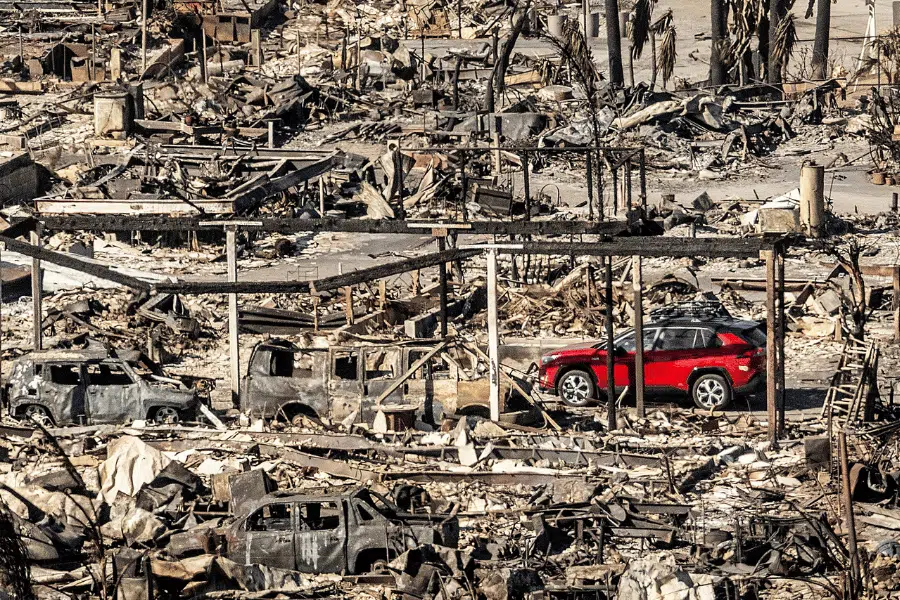
    Los Angeles, California has one of the largest economies in the world. It also has the largest concentration of electric vehicles in the United States. Los Angeles is my hometown and the same place where recent wildfires burned whole neighborhoods to the ground.

    With the fires came the destruction of thousands of lithium-ion batteries in cars, electronics and kitchen appliances.

    The fires started on 7 January 2025, and ended 24 days later. In October of 2025, police arrested a man from the state of Florida for starting the fire, but it was the near perfect environmental conditions that caused the fires to grow fast and move quickly. These fires are thought to have caused an estimated economic loss of between $28 billion and $53.8 billion, and have destroyed upwards of 16,000 structures.

    The fires wreaked havoc on my local community for an entire month. Just miles from my house, I witnessed the destruction these fires caused. Entire residential street blocks lined not with houses, but with rubble. I saw people milling about in front of houses, and I watched one woman stare with a stone-cold look on her face at the remains of a house burned to ashes.

    My family and many others were lucky we were far enough from the fires that we didn’t suffer any loss. Still, even those who didn’t lose their homes suffered from poor air quality.

    “Our business was down 75% immediately after the fires,” said Leila Jersualem, a local business owner. “Because soccer is an outdoor activity, air quality was a frequent concern voiced by our families.”

    Chemicals complicate cleanup.

    The fires also caused the release of many chemicals into the air. One of the most dangerous chemical transmitters, it turns out, are lithium-ion batteries that release toxic gases when burned and can explode when lit on fire.

    Due to this, the U.S. Environmental Protection Agency (EPA) had to safely remove more than a thousand burnt lithium-ion batteries from homes and vehicles, among other places.

    A schoolmate I interviewed at the time lived in the Pacific Palisades area. He told me he couldn’t enter his house due to toxic chemical residue from these destroyed batteries and other substances. He also didn’t think he’d ever move back in because of the dangers from these chemicals, which find their way onto household items and surfaces. Months later, he has still not moved back in.

    Cleanup from the Los Angeles fires has become an arduous task. Chris Myers, a lithium-ion battery tech specialist for the EPA, told reporter Erin Stone in nonprofit news site LAist that to clean up the batteries special teams collect them in sealed containers and take them to places where they can be discharged into a saltwater brine solution that extracts any remaining energy.

    The batteries are then crushed, and sent to a recycler who salvages critical minerals.

    The dangers from batteries are global.

    Myers told Stone that the heat from fires can cause a “thermal runaway” — the heat gets so intense that it causes a chemical reaction that creates more heat. When this happens, the batteries can emit toxic chemicals harmful to people in the area, and the chemicals, such as hydrogen chloride and hydrogen cyanide, can cause problems in the respiratory system.

    If a lithium-ion battery catches on fire, anyone within 25 meters has to evacuate and move out of the danger zone.

    Around the world, there were many incidents regarding the safety of lithium-ion batteries. In New York City, lithium-ion batteries were the leading cause of fire-related deaths in 2024. Additionally, lithium-ion batteries make up half of all garbage truck-related fires around the United States.

    One of the largest lithium battery storage and power plants caught on fire in Northern California in January 2025. The nonprofit news site Politico found that, in France, the number of fires at waste facilities caused by lithium batteries in common household items doubled between 2019 and 2023. In South Korea, more than 22 people were killed from a lithium battery explosion in a factory south of Seoul in June 2024.

    There are other problems with lithium ion batters. Conditions at lithium mines have raised some ethical questions, for example. In the U.S. state of Nevada, new lithium mines permitted by the Trump administration are preventing indigenous people from accessing sacred cultural areas, and raising fears of harm to drinking water and overall health of the local people.

    Do the benefits outweigh the danger?

    With all this danger, why are the batteries so prevalent in our homes? It is difficult to deny how useful they’ve been in humanity’s quest for clean energy.

    When comparing lithium-ion batteries to the internal combustion engine, we can see that over a car’s entire lifetime, ones with lithium-ion batteries will contribute less of a carbon footprint.

    It’s not far off to say that lithium-ion batteries have renovated our modern world.

    But even though there are many positives to using lithium-ion batteries, such as renewable energy, they’re only a small part of the actual solution and there are some alternatives.

    Vanadium flow batteries and sodium-ion batteries, for example, are considered viable alternatives to lithium-ion batteries. Sodium-ion batteries are faster to charge, and have a longer lifespan than lithium-ion batteries.

    Weighing alternatives

    The vanadium flow battery doesn’t decay and can contain the same level of recharge throughout the entire batteries’ lifetime. Also, unlike lithium batteries, vanadium flow batteries are non-flammable, making them much safer, especially in the event of fire.

    However, like lithium-ion batteries, they take significant resources to make, and their environmental and social impacts are high.

    When buying a car, getting a battery-powered car may be better for the environment, but consumers should be aware of the dangerous impacts of lithium-ion batteries.

    The effects of these batteries are felt everywhere, some good and some bad. The implications of them in the Los Angeles fires, however, raise questions on how safe they are to people and the environment.

    Further advancement of other parts of the climate solution must take place soon if we want to make a big impact in safer renewable energy.


    Questions to consider:

    1. What makes lithium-ion batteries dangerous?

    2. What alternatives to lithium-ion batteries are there for electric cars?

    3. What products do you use in your home that might contain a lithium-ion battery?

    Source link

  • How to amplify youth voice? Bring teens into the pressroom.

    How to amplify youth voice? Bring teens into the pressroom.

    Each year, Global Youth & News Media recognizes news organizations that are innovating in ways that include or help young readers and young journalists. 

    The France-based nonprofit, founded in 2018, seeks to reinforce connections between young people and news media. 

    This year, it held a global competition to find projects that could show how young people are helping news organizations survive in a world where too many of them are shutting down. 

    “I was looking at who was helping local news for a different project and noticed that nearly every journalism-related NGO I knew was doing something to help local news survive,” said Aralynn McMane, executive director at Global Youth & News Media. “And new nonprofits were emerging only for that purpose.”

    The problem, though, was that she didn’t see much sharing of that knowledge. So one of the aims of the competition was to create cross-pollination — highlight projects that could be replicated by other organizations elsewhere and provide a forum for the sharing of lessons learned. 

    “This was a particularly satisfying competition for us because we found so many great win-win cases of meaningful youth-local news collaborations from all over the world with lessons for newsrooms most anywhere,” McMane said.

    Can we fertilize the news deserts?

    News Decoder is deeply concerned about the emergence of “news deserts”: localities that no longer have any news outlets as profit-driven corporate owners pull the plug on local newspapers.

    A study in 2023 found that more news outlets in the UK were closing than were being launched. In Canada, between 2008 and 1 April 2025, more than 500 local news outlets closed in some 370 communities across the country, according to the Local News Map crowd-sourcing data initiative. Meanwhile, a report from the Brookings Institution found that in the United States in 2023, some 2.5 local news outlets folded every week.  

    That’s why I was honored to serve as one of 26 judges from 17 countries in the competition. While the entries taken as a whole gave me reason to hope, the winners left me inspired. 

    The competition found dozens of collaborations across six continents. They served to remind us of the vital public service mission local news organizations perform when they have the resources to do so. 

    Consider The Westsider in Melbourne, Australia. The staff there recognized the need for voters to be informed about the candidates in local elections and how they stand on important local issues. But to chase down dozens of candidates takes staffing that The Westsider doesn’t have. So with a small grant from a local journalism organization, the paper recruited 72 students from RMIT University to chase down every candidate running for a local office and ask them a series of questions. From that funding the paper produced a non-partisan voter’s guide. 

    Youth can tell important local stories.

    Another standout was Phralipen of Croatia, who collaborated with Youth Roma Congress to produce stories about the Roma community through reporting, multilingual content and participatory journalism.

    Then there was the Contra Costa Youth Journalism program in Northern California, a collaboration between the Contra Costa County Office of Education and Bay City News/Local News Matters, a news organization based in Berkeley, California. The program recruits and trains young people from underserved communities to be journalists and has published more than 70 stories from these areas as a result. 

    Katherine Rowlands, the founder and publisher of Bay City News and Local News Matters, said programs that bring young people into journalism are important.

    “It is critical to train and inspire the next generation of journalists so we create a pipeline of future reporters to inform, question and make sense of the world,” Rowlands said. “It is also really important for us to include these younger voices in the journalism we do now so that we more accurately reflect our communities and bring their issues to the forefront.”

    From Pakistan to Botswana, Bolivia to Tanzania, the competition identified news organizations finding ways to bring young people into their newsrooms to ensure that what young people do, and the issues that are important to them, are not left out of local news coverage. In the process, they are finding that for organizations that are short-staffed and short of funds, young people are a key resource that has been long overlooked.

    The entries were graded on the impact on the local community and transferability — whether the project could easily be replicated by other news organizations in other places. 

    One thing we’ve learned at News Decoder — and which the results of this competition clearly showed — is that young people are eager to have their voices heard and see journalism as an effective way to do that. 

    News organizations can benefit from their passion and energy and also from the perspectives they bring. 

    The full list of winners

    GOLD AWARD (most transferable, clearest on impact)

    • The Westsider with RMIT University (Australia)
    • Stamp Media (Belgium)
    • Phralipen and the local Roma community (Croatia)
    • The Greenline (Canada)
    • Časoris and Črni Vrh primary school (Slovenia)
    • Landshuter Zeitung/Mediengruppe Attenkofer podcast mies keck (Germany)
    • Bay City News Foundation with Contra Costa Youth Journalism (United States)
    • The Spotlight News with The University at Albany (United States)

    SILVER AWARD (transferability and clarity of impact)​

    • Casa de Nadie (Bolivia)
    • Nyugat.hu (Hungary)
    • Cable Newspaper Journalism Foundation (Nigeria)
    • Univerzitetski Odjek (Serbia)
    • Orkonerei FM Radio (Tanzania)
    • The Jersey Bee (United States)

    COMMUNITY AWARD (potential for community impact)

    • Daily News (Botswana)
    • Thinking Abyss (Greece)
    • Kashmir Times (Kashmir)
    • Risala Today (Pakistan)
    • SF Channel Bitegeere (Uganda)

    Full list of winners available on the Global Youth & News Media website.


    Source link

  • Is climate change carcinogenic?

    Is climate change carcinogenic?

    A study in California this year found that cancer patients were much more likely to die from the disease if they breathed in air pollution from wildfires a year after their diagnosis. 

    In 2020, flooding in Spain caused by Storm Gloria forced 118 cancer patients to cancel their radiotherapy treatment. And in 2019, researchers from the University of Michigan found a higher death rate among adult cancer patients who were affected by Hurricane Katrina. 

    It turns out that in many ways, climate change affects our health. We can see this directly when looking at cancer — something that affects one in five people around the world directly, and just about everyone else connected to those people indirectly.

    I know this first hand. Four years ago a close family member was diagnosed with cancer. It made me wonder: What could we have done to prevent it? Was it something they ate? Their amount of exercise? 

    At the time, we were living in South Korea, a country notorious for its heavy air pollution days, and I couldn’t help but wonder if that might have had an impact on the diagnosis. 

    Then, as I watched them go through multiple recurrences of cancer, the question gradually evolved into this: How can you ensure successful cancer treatment? And subsequently, how can you ensure that everyone has access to safe cancer treatment?

    Supply chain disruptions

    It turns out that air pollution isn’t the only problem. Extreme weather events caused by climate change can disrupt supply chains which results in shortages of critical medical supplies.

    In 2017, an intravenous fluid manufacturing company in Puerto Rico, for example, was destroyed by Hurricane Maria. The company was a major supplier of IV fluids for hospitals in the United States and the destruction led to a shortage in essential IV fluids. 

    In an attempt to investigate further, I contacted Dr. Kishan Gupta, a specialist in comprehensive ophthalmology, cornea and external diseases, at the Kaiser Downey Medical Center in California. Over a WhatsApp chat, he told me that Hurricane Maria not only led to major disruptions in eye drop manufacturing but also in IV saline for surgery and intraoperative anesthetics at his hospital. 

    Dr. David Kim, an orthopedic surgeon at the Worcester Medical Center in the U.S. state of Massachusetts, then told me that when IV supplies are disrupted, all surgeries that require such fluids are delayed — anything from hand and hip replacement surgeries to the removal of cancer tumors.

    IV saline and intraoperative anesthetics are crucial for cancer patients, especially IV saline, which helps to dilute toxic fluids and dehydration as a result of chemotherapy.

    Medical needs not met

    Crucially, climate change-induced extreme weather events damage infrastructure, preventing important medical equipment and supplies from reaching destined locations at an appropriate time.

    On the note of promptness, one of cancer’s most threatening characteristics is its fast, uncontrolled growth. In the field of medicine, this means that cancer treatment must be administered at the correct time, with the correct steps. 

    After Hurricane Maria in Puerto Rico, a 70% cancel rate was observed for brachytherapy, a form of radiation therapy. In Mexico after the 2017 earthquake, cancer surgeries were canceled with a median delay of 22.5 days

    During natural disasters, transportation networks and electrical systems break down. This means that people are unable to get to their hospital for treatment, and additionally, treatments like radiation which depend on electricity, can’t be administered.

    The COVID-19 pandemic, while not a climate change-induced event, showed what happens when supply chains break down. Needed supplies of everything from towels to anti-septic solutions became unavailable and as a result, people died.

    Lack of blood donors

    Of course, cancer isn’t the only health concern related to climate change. Rising temperatures and more frequent natural disasters can create favorable conditions for insects such as ticks and mosquitoes that transmit harmful pathogens. 

    Hurricanes, tornados and other extreme weather events also discourage people from traveling and that can cause a consequent lack in blood donations at hospitals, according to Dr. Sung Eun Yang at the Kaiser Panorama City Medical Center in California. “Blood and blood products are a limited precious resource,” Dr Yang said. “Donor turn out may be dependent on the weather. I recall in Boston we had a terrible winter storm with no donor turn out and experienced significant shortages in blood products.”

    In the United States, roughly 25% of blood donations in the United States go to cancer treatments. 

    Furthermore, it turns out that severe heat and humidity can affect medications — how they operate or their very properties. A number of common cancer medications are highly heat-sensitive. This means that as the Earth’ s climate warms, cancer patients who live in hot places will have a more difficult time storing and accessing safe medication, particularly in economically poor areas that can’t invest in energy-consuming storage. But even those in wealthier, cooler countries will be affected if they import products from those regions. 

    Finally, because of climate change, we are also seeing an increase in wildfires due to extreme and sustained drought conditions and wildfires too, ultimately leading to increases in cancer. 

    For instance, cancer is the number one cause of death in the fire fighting industry, accounting for 70% of all deaths.  

    Where there’s smoke, there’s cancer?

    Harvard University researcher Mary Johnson told the publication E&E News this year that potentially harmful chemicals are released every time a structure burns.

    “Plumbing has copper and lead in it,” she stated. “Paint has toxic chemicals. Electronics, plastics have really nasty stuff in them. All these chemicals we don’t think of occurring in a wildland fire are now part of the smoke.”

    So what can we do? 

    In preparation for all potential disasters, hospitals could have a disaster plan to help ensure that patients receive any and all important data during a future disaster. For example, the United States Department of Health and Human services has released a study on the efficacy of electronic health records during disasters. If a storm is forecasted in a region, an electronic emergency chart could be made for each patient. This plan could also come in the form of new infrastructure or mechanisms meant to keep the hospital safe from floods or fires. 

    Patients should also be provided with alternate ways to access healthcare information in order to connect with local healthcare teams, and the American Association of Colleges of Nursing recently added climate change education to the list of required skills for nursing education programs. 

    Finally, past cancer survivors of disasters have suggested that countries like Puerto Rico can be more prepared and adaptable in terms of exploring alternatives like renewable energy, that aren’t as susceptible to power outages from storms. 

    As the climate deteriorates, our responsibility in pushing back against the climate crisis will expand in multiple ways. 

    Our health and the health of the people we love will depend on the health of our planet. That means that it is our responsibility to protect ourselves, our loved ones and all of those currently battling cancer from climate change.


    Questions to consider:

    1. What connection is there between climate change and cancer rates?

    2. What can be done to keep people from dying of climate-change related cancer?

    3. What, if anything, can you do to help cool down our planet?


    Source link

  • What’s not talked about when you live overseas

    What’s not talked about when you live overseas

    The first time someone told me I was “too loud” in Latvia, I laughed. Not because it was funny, but because I genuinely hadn’t realized I was being loud. We were eating pizza one evening at Easy Wine in Riga, and despite being the only one not tipsy on the refreshments, I was still somehow the rowdiest at the table. 

    I shrank down an inch in my seat. The moment gave me pause. It was oddly familiar, like déjà vu. Everything around me felt almost known, just slightly askew, like it had been tilted on its axis. 

    The shame of taking up too much space? That I knew. But this time, it didn’t come from being Brown. It came from being American. 

    In the United States, my race is always top of mind. I’m a university student, and as a Government major, it’s a regular feature of my coursework. Having grown up in a nearly all-White town, I’ve been explaining my identity to others since I could talk. 

    With nearly two decades of practice under my belt, I’m well-versed in how my skin color and ancestry shape the world around me, and how to articulate that for others. So, the longer I spent in Riga, the more unsettled I felt by how absent race seemed from the conversation. 

    Conversations not had

    Hours spent gazing out the windows of trolleybuses gliding through the city confirmed what I suspected: Riga is not very diverse. Among the small number of people of color I did see, most were other South Asians, like me. In the United States, race is an ever-present topic, whether it’s in political debates, academic syllabi or heated threads on X. In Latvia, it felt like race had slipped out of the cultural vocabulary altogether. 

    As part of my study abroad program, we often heard from expert guest lecturers. And as each one spoke, a quiet confusion grew inside me: Why is nobody talking about race? I started to feel like a foreign lunatic, playing an internal game of “spot the non-white person” on every street. But the more I searched, the more questions I had. Where was the discussion? Why wasn’t it happening? 

    So, I brought it up with a friend I’d made in my hostel. Arsh is an Indian student studying mechanical engineering at Riga Technical University. He had been living in the city since February. When I asked if he’d experienced discrimination as a visibly Punjabi Sikh, his answer surprised me. 

    “No,” he said. 

    And then he added something that completely shifted my perspective. 

    “Nobody talks.”

    Silence and race

    I’d known Latvians were famously quiet, but I’d never considered how that silence might shape their understanding and construction of race. 

    In the United States, your racial identity is often the first thing people ask about. Strangers want to know what you are and where you’re from. Race in America is personal, political and inescapable. The constant conversation can be both exhausting and empowering: it pushes systems to change, creates space for shared stories of resilience and holds people accountable.

    But it also creates a kind of fatigue. As a person of color, you’re constantly on: explaining, reacting, defending. You’re visible, but often through a lens of trauma or tension. 

    In Latvia, it was different. What I came to think of as a kind of “quiet neutrality” reigned. People didn’t ask where I was from. They didn’t comment on my skin tone. They didn’t bring up diversity or inclusion, mainly because they weren’t speaking to me in the first place. 

    At first, that silence felt like relief. But eventually, it began to feel like an absence, because bias still exists, even if no one’s talking about it. 

    The power of passive racism

    After speaking with Arsh, I turned to the Internet, searching for other South Asian perspectives on racism in Latvia. I found plenty. 

    One Quora user bluntly wrote, “Indians are treated like shit here in Latvia.” Another shared that she didn’t know if others felt negatively about her brown skin, but if they did, they didn’t confront her about it. A Redditor described being told to “go back to your own country.” These stories varied wildly from hate crimes to total indifference, but they painted a clear picture: racism existed here. It just didn’t look the same. 

    Curious to dig deeper, I reached out to Gokul from @lifeinlatviaa on Instagram. A popular Indian content creator who’s lived in Latvia for seven years, Gokul shares his takes on life in the Baltics. Many of his videos humorously cover topics of social culture, stereotypes, education and work. He also co-hosts the podcast Baltic Banter with Brigita Reisone. 

    When I asked Gokul about his experience, he described the racism in Latvia as mostly “passive.” Latvians, he said, are reserved. “If they don’t like something, they won’t be in your face about it,” he said. 

    Still, he shared more overt examples, like housing ads that openly say Indians need not call. He noted persistent stereotypes, too: that Brown people are dirty kebab shop owners or delivery drivers. 

    The familiarity of bias

    None of this was unfamiliar to me. I’ve experienced housing discrimination. I’ve been called dirty by a White person. The common style of racism in Latvia was new to me: distant and quiet. In the United States, I once had a tween boy bike past me and mock an Indian accent — it was less traumatic than it was bizarre. There was certainly nothing subtle about it though. 

    Looking further, I found several reports from Latvian Public Broadcasting documenting hate crimes and prejudice against South Asians. So no, it’s not that racism doesn’t exist in Latvia. It’s that it shows up differently, and more importantly, it’s not widely discussed. 

    That difference matters.

    Race is fluid and contextual; its meaning shifts with time, place and history. In the United States, racism is foundational. It began with colonization and slavery, extending through the systemic injustice known as Jim Crow in the 19th and 20th centuries, to modern-day Islamophobia and racial profiling by police. Racial violence and resistance are woven into the country’s DNA. 

    Latvia’s history tells a different story. Latvia is a nation shaped more by being colonized than by colonizing. Ethnic Latvians have fought for sovereignty under foreign rule, whether by Germans or Soviets. Today, its population is overwhelmingly White, and ethnic tensions tend to focus on Latvians and Russians, or Roma communities. Immigration is relatively new here, so the language to talk about race may simply not have developed yet. 

    And that brings me back to volume. 

    In the United States, being loud is often classed and racialized as “trashy,” especially when tied to communities of color. In Latvia, loudness is framed differently: it’s seen as a kind of cultural rudeness. It’s not about being Brown, it’s about being foreign. And because everyone is generally quieter, the social cues around race, identity and belonging shift, too. 

    Little things like volume, friendliness and eye contact build the scaffolding around how race is perceived in different societies. They may seem like surface-level quirks, but they shape deep-rooted assumptions.

    And they remind us: racism may look different in various places, but it doesn’t disappear. It just changes form. And recognizing that change is the first step to dismantling it.


    Questions to consider:

    1. Why do many people outside the United States connect loudness with being American?

    2. Why was the author troubled about the lack of conversation about racism in Latvia?

    3. What kind of conversations do you have about race and do they make you feel more or less comfortable?


    Source link

  • Can you eliminate a gender gap by segregating genders?

    Can you eliminate a gender gap by segregating genders?

    In her 23 years as an educator at Hunter College High School, a highly-competitive coeducational high school in New York City, Jana Lucash has found that boys in her class will often participate even when they are not prepared. Her female students, in contrast, seem to be unwilling to participate unless they absolutely know the correct answer. 

    This is one reason that many parents choose to send their daughters to all-girls schools. These schools are known for fostering connections and developing academic success. 

    But do social pressure, competition and other negative consequences outweigh the benefits of a predominantly female environment?

    I attend an all-girls school and so I decided to explore the positive and negative aspects of being a part of this type of environment.

    All-girls schools are educational institutions catering exclusively to female students, allowing them to grow intellectually and socially in a single-gender environment. 

    Gender segregation

    These schools generally have a reputation for creating a supportive and empowering atmosphere for young girls and women. The purpose of an all-girls school is to encourage academic excellence, build confidence and teach leadership skills to their students. 

    While these institutions around the world often leave positive impacts on their attendees, like increased participation in class and eliminating distractions, they are also critiqued for their competitive nature, which could negatively affect student mental health. 

    These issues raise serious concerns and questions about how beneficial and positively impactful these all-girls schools truly are for the population that they serve.  

    Research has shown that all-girls schools increase student participation in the STEM field and other male-dominated fields after graduation. A study conducted by Goodman Research Group, back in 2005 asked some 1,000 recent graduates of all-girl schools to participate in a survey, which focused on the academic and social impact of single-gender institutions. 

    After conducting the survey, the authors found that 74% of the grads felt more encouragement in math, science and technology by attending an all-girls school. Additionally, they found that all-girls school graduates were six times more likely to major in science, math and technology, in comparison to girls attending coeducational schools. 

    Girl empowerment

    All-girls institutions cultivate an environment where female students feel empowered to explore their interests and academic pursuits, specifically in male-dominated fields. This not only encourages young women to follow their aspirations, but allows them to challenge the stereotypical gender barriers in professional fields where women are underrepresented. 

    All-girls schools also offer students a social environment with a strong sense of community and an emphasis on building strong relationships. Many young women feel more connected to their peers and lose the social pressures that are typically present in coeducational schools. 

    A 2013 survey, which was conducted on behalf of the National Coalition for Girls Schools, asked a series of questions to 2,000 students from schools that were all-girls, with an additional 5,000 girls who attended coed private schools and another 5,000 girls who attended coed public schools. 

    The study concluded that almost 97% of all-girls school students felt their ideas and opinions were more respected at their single-gender school compared to 58% of girls at coeducational schools.

    Without feeling pressure and judgement from their male counterparts, female students tend to feel more safe and are more inclined to express themselves and their ideas. This environment allows students to feel a sense of belonging, confidence and power that is not always found in a coed environment.

    Coed education versus single-gender schools

    At coeducational schools, girls’ voices and opinions might be self silenced or silenced by the more rambunctious boys in the room. In addition, these institutions and faculty can further undermine the confidence and self-worth of their female students.

    Lucash at Hunter College High School, for example, found that girls tend to self-silence and boys have no trouble expressing themselves throughout class. 

    This sentiment is echoed by a 10th-grade student at The Hewitt School, which I attend. Abby Potenza attended a coeducational school prior to switching to Hewitt.

    “Being at an all-girls school has given me both confidence and a sense of comfort to express my opinions and ask questions, which I did not receive at a coed school,” Potenza said. “I feel the environment, both social and educational, is stronger and more supportive at an all-girls school.”

    When I was an elementary school student in a progressive, coeducational environment, I too experienced the detrimental impact of being silenced, both institutionally and by an educator. 

    Being silenced and self-silencing

    In an advanced math class in fourth grade, I found myself one of three girls in a class of 20 students. For a school which valued diversity and equity, it was disturbing that the institution itself could not see that as a problem.

    This shows that many institutions in the 21st century do not prioritize creating a supportive and empowering environment for girls.

    Most positive associations with single-gender education can be countered by certain challenges and all-girls schools are no exception. While these schools empower young women and can foster a supportive environment, a sense of competition can often emerge.

    Miriam Walden teaches English at The Hewitt School and sees a similar competitive nature. 

    “Even when you take away the boys in the classroom, there is still competition between girls, a lot of competition,” Walden said. “It’s very subtle and it’s very insidious and so there is a lot of harm that happens at the school, socially, around status, academic success, wealth, where you are going to college. All of this stuff becomes extremely damaging to many students.”

    The global popularity of single-gender education

    Outside of the United States, single-gender education is popular in many countries. The reasoning for attending these single-gender schools varies from community to community, country to country. Some of the variables that impact the choice to attend these schools include religion, socio-economic status and geography. 

    In 2022, University of Oslo researcher Sadaf Basharat looked at math achievement in Saudi Arabia where single-gender education is mandatory and found that girls do better than boys in math, according to international assessment standards known as TIMSS. 

    Other countries in the Middle East, such as Oman, Iran, Kuwait and Bahrain, which have a high proportion of single-gender schools, have also seen female students in recent years outperforming their male classmates in math.

    While single-gender schools open the opportunity for girls and young women to be educated, countries such as Afghanistan are prohibiting women from attending secondary schools, whether single-gender or coeducational.

    The academic effect single-gender schools in the United States have on their students is equal to the ones at international single-gender schools. A 2016 study in the Caribbean Educational Research Journal found that students at all-girls schools in the Caribbean have a higher passing rate than both girls attending coeducational schools, as well as boys in coeducational schools and single-gender schools.  

    Due to the demographics of the students who attend all-girls schools outside of the United States, the data is not as conclusive as to the negative impact of these types of schools on their students’ competitive nature. 

    For instance, UNESCO published a study by the London Business School’s Global Entrepreneurship Monitor that found that all-girl’s schools in countries such as Trinidad and Tobago and Thailand attract a wealthier subset of the population, which could create a false representation of what the possible positive outcomes are. 

    Competition between girls

    All-girls schools offer an educational environment with both important benefits and possible limitations for students. On one hand, these institutions offer students a supportive atmosphere which encourages them to reach their full potential and cultivate a strong sense of confidence. This environment can lead to higher academic success and a greater likelihood of breaking gender norms in the workplace. 

    They also encourage young women to move past gendered expectations regarding future intellectual pursuits and challenges them to break societal barriers by moving into STEM-based fields specifically. 

    On the other hand, all-girls schools can create a bubble of competition and rivalry that can limit a young woman’s development and aspirations. The focus on academic achievement is only intensified in a single-gender educational environment and can be pressuring and damaging. 

    Weighing out the benefits and drawbacks of an all-girls school is important when making the decision on whether to attend one, or in determining how you perceive single-gender schools in general. The question is, what would be best for you or your daughter?


    The views and citations expressed by this student journalist are their own and not those of their school or any person or organization affiliated or doing business with their school.


    Questions to consider:

    1. Why might a parent choose to send a child to a single-gender school?

    2. Why do some teachers think girls don’t do as well when there are boys in the class?

    3. Do you think you would do better or worse by changing to an single-gender school if you attend a coed school now or vice versa? Why?


    Source link

  • For women athletes, world recognition is a long time coming

    For women athletes, world recognition is a long time coming

    Last year was arguably the best year for women’s sports yet.

    According to data analysis company S&P Global, in-person attendance and viewership were higher, with women’s professional sports sponsorships increasing by 22% since 2023. According to UN Women Australia, globally, there has been a lack of interest in women’s sports. But it seems that they might finally be getting the attention they deserve.

    To find out what is driving this change in attitude towards women’s sports, I interviewed 10 women athletes across high school, university, and coaching. 

    Historically, women’s sports have not gotten the recognition that they deserve. However, during 2024, women’s collegiate basketball had a significant increase in viewership compared to the previous year. The Final Four game in 2024 was a showdown between two players from two U.S. universities: Caitlin Clark of the University of Iowa and Paige Bueckers of the University of Connecticut. The game drew in a peak audience of 16.1 million, according to an article in Sports Illustrated

    Women’s media coverage has tripled since 2019. At this rate, if coverage trends continue, women’s share of coverage could reach 20% by the end of this year, according to Women.org, an organization within the United Nations devoted to gender equality and the empowerment of women. 

    Gender parity in sports

    The Paris Olympic and Paralympic Games were officially the first to see 50:50 coverage in gender equality.

    Avery Elliot, a track and field athlete from the University of Pennsylvania, attended the Paris Olympics as a spectator and said she noticed the change – more social media presence and sponsorships, particularly highlighting women of color, especially in women’s gymnastics, spurred by the popularity and success of U.S. athletes Simone Biles and Jordan Chiles and Brazilian Rebeca Andrade. 

    The lack of media coverage of women has always played a role in the lack of recognition that they receive. Lanae Carrington, a track star at Lehigh University in the U.S. state of Pennsylvania, said that in the past, women athletes would get dismissed for getting a low number of views or for the belief that women’s games were not as entertaining as those of men. “Overall, women are making a stronger impact in the entertainment industry, whether that’s more highlight reels on TikTok or screen time on TV,” Carrington said. “It’s finally becoming normalized.” 

    One of the hardest things to deal with as an athlete is a lack of support, whether from the media, in person or on the sidelines. 

    Brianna Gautier, a volleyball and basketball sensation at Neumann University in Pennsylvania, said it is hard to play a game where you’re not going to have a full house. “But it’s kind of helped me learn to just play for myself instead of waiting for people to show up and relying on that to bring some type of energy because I feel like it starts within you and your teammates,” she said.

    Play for yourself first

    As a track and field athlete, I have seen this firsthand. It is unfortunate to see people walk away after the men are finished competing. But I found that when you start showing up for yourself with energy, success comes rolling in. Gautier has embraced the idea of playing for herself and nobody else.

    It used to be that at Neumann, people would attend the men’s basketball games but never stay afterward to support the women. She also expressed the importance of the support of NBA players such as Steph Curry, who came out to watch several women’s Stanford basketball games in 2023. Gautier said that people think to themselves that if their favorite male basketball players are tuning in to watch women’s sports, it must be worthwhile. 

    Carrington said parents also need to support their daughters in athletics. “This is important because many girls don’t have parents who encourage them to play more traditionally masculine sports, such as basketball and soccer,” she said. 

    Most of the women I interviewed commented on the change in the WNBA as the catalyst for the change in women’s sports.. 

    Liz Spagnolo is a soccer player at Tower Hill High School in the U.S. state of Delaware who appreciates the opportunities she now has. “Women in sports is big for us because based on women 100 years ago, we wouldn’t be expected to play sports, or be expected to do something like cheer,” Spagnolo said. 

    The Caitlin Clark effect

    Arianna Montgomery, an athlete at The Tatnall School, the private school in Delaware that I also attend, said she appreciates the change in women’s basketball.

    “It’s gotten a lot more fame, definitely more college sports have gotten a lot more fame,” Montgomery said. “I think women’s games are starting to become more popular. People are starting to look more towards women’s sports as well as men’s sports, and even since before, instead of men’s sports now, a decade ago, that wasn’t the case.”

    Many of the women I spoke to said that a big contributor to the success of women’s sports is due to the Catlin Clark effect. The Caitlin Clark effect is a term that was created after her record-breaking seasons playing women’s basketball at the University of Iowa during the years of 2023-2024.

    As a result, she has become the all-time leading scorer in college basketball before entering the WNBA,  and has reportedly signed sponsorship deals worth more than $11 million. 

    Ruth Hiller, a lacrosse coach at my school said that are a number of successful women athletes that young women can now look up to, including tennis superstars Venus and Serena Williams and Alex Morgan, the former captain of the U.S. women’s soccer team, women’s tennis pioneer Billie Jean King and Charlotte North, a professional lacrosse player who broke the all-time goals record in college lacrosse. 

    Women now rack up medals and points

    Daija Lampkin, my track and field coach, pointed to Alison Felix, who won more medals than any other U.S. track and field athlete, and tennis superstar Serena Williams.

    It is important, Lampkin said, that women support women. “Our body is critical, and some women are self-conscious that they are going to be muscular,” Lampkin said. “It can tear down your confidence. It’s not talked about in sports how women look at their bodies. People tear down Serena Williams and her body all the time, but look at where she is and how much she has accomplished”. 

    I have been participating in sports since I was 3 years old, when my parents signed me up for gymnastics. I run track and field and am a runner, jumper and hurdler. I began training for track and field competitions at the age of 8, and my dad has been my coach since the very beginning. 

    In my experience, my father was instrumental in encouraging me to participate in dance and gymnastics growing up, while also encouraging me to run track and play basketball and soccer for fun.

    With opportunity comes pressure, and Gautier said it is important for girls not to put too much pressure on themselves. “When you are an athlete, you tend to feel that you have to perform a certain way to be successful or please everyone else, but I feel you kind of get blinded by the fact that you are doing it for yourself,” she said. 


    Questions to consider:

    1. Why have women not gotten the same recognition and pay as male athletes in sports? 

    2. What does “parity” mean when it comes to gender in sports?

    3. Should there be any differentiation when it comes to gender in sports and why?


    Source link

  • The politics of representation

    The politics of representation

    When I searched for Sarah McBride’s name on March 12, the first thing I saw was a story about a member of the U.S. Congress calling her “Mr. McBride” in an official hearing.

    Ms. McBride is the first congressional representative in United States history to be openly transgender.

    Since 18 November 2024, when McBride was elected to Congress, I’ve seen dozens of articles in which the only thing in question is her gender identity. It’s funny that Republicans in the U.S. Congress have made such a fuss over McBride’s gender, while McBride – the only congressperson representing the state of Delaware – has done nothing of the sort.

    For someone so polarised and one-dimensional by the media, McBride seems intent on collaboration.

    Delawareans have been overwhelmingly supportive of McBride. A University of Delaware poll, which recorded the pre-election numbers, had McBride at 52% of the vote, while her opponent, John Whalen, received 30%. Sarah McBride ended up with a 58% return, which could be considered a landslide.

    This starkly contrasted primaries across the country, with many states flipping Republican, that had gone Democrat in 2020.

    So, what’s the difference between Delaware and McBride, compared to the rest of the nation?

    What voters care about

    For starters, Delaware, where I live, is minuscule compared to its sister states. These conditions make Delaware not only ideal grounds to break history on, but also the only place it could have happened for McBride.

    Delaware does not boast a large number of gay and trans people. A UCLA poll found that only 4.5% of citizens in Delaware are queer and trans and over half are under voting age. By and large, McBride was elected by a primarily straight electorate.

    This election did not contrast with the national sentiment of Democrats. A Pew Research study found that about 64% of Americans believe trans people should be protected from discrimination when it comes to employment, housing, and education. Additionally, democrats had even stronger support of the notion that gender is not assigned at birth.

    Simply put, Delaware and McBride are a good fit.

    McBride is calm, composed, and focusing on her Delaware constituents more than anything else. In fact, she is the first freshman democrat in the 119th Congress to bring a bill to the floor. A bipartisan bill protecting consumers from credit appraisal scams.

    Opposition from Republicans

    Some congressional Republicans prefer to call McBride names rather than work to make a stronger nation.

    Describing McBride’s welcome to D.C. can be summarized in two words: Political Theatre.

    On McBride’s first visit to D.C., she was greeted by a ban on the use of bathrooms in the house by transgender people brought forward by Republican Congresswoman Nancy Mace. This pointed attack by Representative Mace didn’t seem to affect McBride, who was more focused on: “Delivering on the issues that keep Delawareans up at night.”

    In recent months, McBride has been subject to even more unwarranted scrutiny and misnomers from her republican colleagues.

    I spoke with McBride to hear her plans for Delaware, her response to President Trump’s actions, and what she has accomplished thus far in her congressional term.

    Jack McConnel: What was your main reason to run for congressional office? 

    Sarah McBride: So my interest in politics was really rooted in my own journey to authenticity as a young person, as someone growing up here in Delaware, I was scared. I wondered whether the heart of this country was big enough to love someone like me.

    And I faced a crisis of hope. And in that crisis of hope, I went searching for solutions and examples of our world becoming kinder and fairer. And I found a little glimmer of hope as I read history books and saw the through line of every chapter was a story of advocates, activists and a handful of courageous and effective elected officials working together to right the wrongs of our past, to address injustice, to bring people from the shadows and the margins of society into the circle of opportunity.

    I ultimately decided to run for office, though, in 2019 for the state Senate was really the byproduct of my experience as a caregiver to my husband during his battle with terminal cancer.

    Because I know despite the fact that Andy lost his life to cancer, I know how lucky we were. I know how lucky he was to have health insurance that allowed him to get care that prolonged his life. And I know how lucky both of us were to have flexibility with our jobs that allowed him to focus on the full-time job of getting care and me to focus on the full-time job of caring for him.

    McConnel: What are you most proud of so far in your term?

    McBride: First is that I’ve introduced multiple bipartisan bills.

    One with [California Republican] Young Kim that provides consumer protections for Americans against the predatory practices of so-called credit repair organizations.

    The second more recently with [Republican] Representative Mike Lawler from New York, which protects farmers and in so doing helps to lower costs for Delawareans at the grocery store by investing in combating avian flu.

    McConnel: How do you think the Democratic party should respond to the results of the 2024 election?

    McBride: What we can do is we can help to mobilize the public against [President Donald Trump]. Public opinion still matters. We are still under democracy. These people still care about their popularity. They still care about the next election and the goal in this moment as we defend Medicaid in the short run.

    The goal in this moment also has to be to make sure that this president, that the public understands the harms that this president is inflicting on people of every political persuasion across the country. As the public mobilizes against this president, it throws sand in the gears of an authoritarian machine that slows it down, that extends the runway of our democracy so that we can get to the next election and get to the next election.

    McConnel: How do you plan on responding to these movements?

    McBride: Fighting back against that is at the top of my priority list at this moment. In the longer term, obviously, there is an answer to your question, a real effort by this president to illegally and unconstitutionally consolidate power to essentially create absolute power.

    I mean, his first step is to employ what’s called the unitary executive theory, which is absolute authority within the executive branch under the purview of Congress. But he’s also clearly trying to undermine the main power of Congress, the power of the purse. He’s questionable about whether he’s going to listen to the Supreme Court and when all is said and done, making sure that we can’t stop every action by this president. The results of the last election give us limited institutional levers.

    McConnel: Thank you, Representative McBride.

    The main concern McBride reiterated again and again was what she was doing for the Delawareans who elected her. McBride took every opportunity during our interview to highlight the issues most relevant to her constituents. She talked to me about the effort to defund programs Delawareans rely on.

    When asked about what the Democratic Party should be doing going forward, McBride said that Democrats have lost the “art of social change” and that they must be willing to meet people where they are and engage in conversations where people disagree. She pointed towards the 2026 midterms as a place to build momentum towards.

    McBride said when Democrats try to sound the alarm about everything the president is doing, it dilutes the effect of the message. “We can’t ever go to 10 if we’re always at 10,” she said.

    McBride’s goal? Slow down Trump where she can and build support going into 2026.


    Questions to consider: 

    1. In what way does Representative Sarah McBride get treated differently than her Congressional colleagues?

    2. What did Delaware voters care about when they voted to elected McBride to Congress?

    3. If you were to vote for a government representative, what issues do you most want that person to tackle?


    Source link