
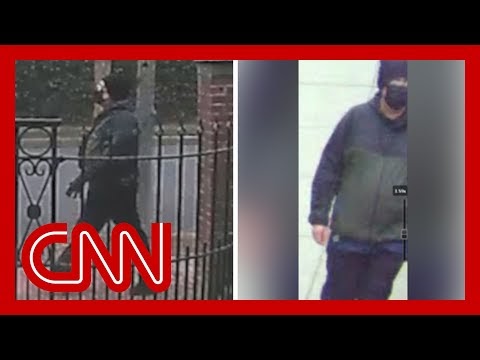
The tragic shooting at Brown University in December 2025, which claimed two lives and left nine students wounded, is a stark reminder that even elite U.S. campuses are not immune to violence. For international students, understanding this incident requires placing it in the broader context of the United States’ history of social dangers, treatment of mental illness, and policies affecting foreigners.
The United States has historically had higher rates of violent crime, including gun-related incidents, than many other developed nations. While campus shootings remain statistically rare, they reflect deeper societal issues: widespread gun access, social inequality, and a culture that often prioritizes armed self-protection over preventative public safety measures. Universities, traditionally viewed as open spaces for learning and discussion, are increasingly sites of surveillance and armed response, reshaping the student experience.
Foreign students and immigrants may face additional vulnerabilities. Throughout U.S. history, immigrants have often been subject to discrimination, harassment, or violence based on nationality, race, or religion. Universities are not insulated from these pressures, and international students can be particularly susceptible to microaggressions, exclusion, or even targeted hostility. These risks were heightened under the Trump administration, when rhetoric and policies frequently cast foreigners as suspicious or undesirable. Visa restrictions, heightened scrutiny of foreign scholars, and public statements fostering distrust created an environment in which international students might feel unsafe or isolated.
Mental illness plays a critical role in understanding campus violence, but its treatment in the United States is inconsistent. While many universities provide counseling centers, therapy services, and crisis hotlines, the broader mental health system in the U.S. remains fragmented and under-resourced. Access often depends on insurance coverage, ability to pay, and proximity to care, leaving some individuals untreated or inadequately supported. Cultural stigmas and underdiagnosis can exacerbate the problem, particularly among minority and immigrant populations. International students, unfamiliar with local mental health norms or hesitant to seek care due to cost or cultural barriers, may be less likely to access help until crises arise.
U.S. universities deploy extensive surveillance systems, emergency protocols, and campus police to respond to threats. These measures aim to mitigate harm once an incident occurs but focus less on prevention of violence or addressing underlying causes, including untreated mental illness. Students are required to participate in drills and safety training, creating a reactive rather than preventative model.
Compared to other countries, the U.S. approach is distinct. Canadian universities emphasize mental health support and unarmed security. European campuses often maintain open environments with minimal surveillance and preventive intervention strategies. Many Asian universities operate in low-crime contexts with community-based safety measures rather than extensive surveillance. The U.S. approach emphasizes rapid law enforcement response and monitoring, reflecting a society with higher firearm prevalence and less coordinated mental health infrastructure.
The Brown University tragedy underscores a sobering reality for international students: while the U.S. offers world-class education, it is a nation with elevated risks of violent crime, inconsistent mental health care, and historical and ongoing challenges for foreigners. Awareness, preparedness, community engagement, and proactive mental health support are essential tools for international students navigating higher education in this environment.
Sources
The Guardian: Brown University shooting: police release more videos of person of interest as FBI offers reward
Reuters: Manhunt for Brown University shooter stretches into fourth day
Washington Post: Hunt for Brown University gunman starts anew as tension rises
AP News: Brown University shooting victims identified
People: Brown University shooting victim Kendall Turner
WUSF: Brown University shooting victims update
Wikipedia: 2025 Brown University shooting
Pew Research Center: International Students in the United States
Brookings Institution: Immigrant Vulnerability and Safety in the U.S.
National Alliance on Mental Illness: Mental Health in Higher Education
Journal of American College Health: Mental Health Services Utilization Among College Students