This audio is auto-generated. Please let us know if you have feedback.
Dive Brief:
S&P Global Ratings on Tuesday issued a negative 2026 outlook for U.S. nonprofit colleges, with analysts writing that institutions “will struggle to navigate through mounting operating pressures and uncertainty that will require budgetary and programmatic adjustments.”
The credit ratings agency pointed to federal policy changes, competition over enrollment, rising costs and financial disruption from new revenue-sharing arrangements with college athletes.
S&P analysts expect weak operating margins at nonprofit colleges as they balance rising costs with revenue pressures. Institutions will continue shutter at higher rates than usual in 2026 as they come under mounting financial struggles, with small, regional private colleges especially vulnerable, the analysts wrote.
Dive Insight:
S&P joins Moody’s Ratings in its gloomy view of higher education’s financial prospects in the new year.
Moody’s issued a negative outlook for the overall sector in November, citing similar woes: enrollment disruption from demographic changes, Trump administration policies, and continued— albeit slowed —operating cost increases.
Last year around this time, S&P analysts split their outlook for the sector in 2025, leaning negative for “highly regional, less-selective institutions that lack financial flexibility” but positive for larger colleges with ready demand and ample resources.
However, the Trump administration has since waged a painful campaign against many of those large, previously well-positioned institutions.
The federal government has frequently frozen the research funding of the high-profile colleges it is investigating. It has also broadly curtailed college research funding, long a source of revenue and jobs at universities and innovation and knowledge for the country.
Next year could bring more cuts to research funding as federal agencies push for limiting reimbursement for overhead research costs. However, federal courts have so far blocked those moves.
“We believe that a continued contraction in funding could not only threaten the financial health of institutions across the country, but could also jeopardize graduate and postdoctoral programs, and overall research capabilities,” S&P analysts wrote.They added that many of the large institutions navigating research cuts are financially strong overall and have “robust” liquidity, helping them to weather the disruption.
S&P expects additional challenges for the more regional and less selective colleges. The population of high school graduates has been forecast to peak in 2025, leaving fewer traditional-age students for colleges to compete over.
“Schools with a highly regional draw will likely face continued diminishing enrollment, unless they can attract students through expanded programmatic diversity — from master’s and doctorate programs to certificate programs,” analysts wrote. They noted, however, that it can take years for colleges to see the benefits of expanding academic offerings.
Add to all those disruptions a rapidly evolving financial landscape for college sports. This year’s House v. NCAA antitrust settlement paved the way for paying college athletes a portion of the revenue Division I institutions make from athletics. That, in turn, has created pressure for universities and athletics departments to raise money to support athletes and athletics operations.
“In a number of cases, this is also affecting academic budgets at a time of considerable stress in higher education,” S&P analysts wrote.
When it comes to digital student recruitment, many institutions feel they need to choose between Paid Search vs Paid Social. Budgets are tight. Teams are often siloed; admissions handles one, marketing handles the other. And with so many moving parts, it’s tempting to simplify: pick one channel and double down.
But that’s a false choice. Here’s the reality: today’s prospective students don’t live in a single marketing lane. They might first discover your school on Instagram, then Google you weeks later to check deadlines, read reviews, or submit an application. Search and social are part of the same decision journey, and schools that favour one while ignoring the other are leaving attention, applications, and enrollments on the table.
At Higher Education Marketing (HEM), the right approach isn’t to choose between Paid Search and Paid Social. Instead, the most effective strategy is to combine both channels to engage and optimize the entire enrollment funnel fully. Social media excels at generating awareness and early interest. Search converts when intent is high. Together, they create a powerful synergy, reinforcing your message, capturing more leads, and moving students smoothly from first click to enrollment. In this article, we’ll break down how both channels work, where each shines, and how schools can maximize performance by aligning them strategically.
Changing Search Behaviours in 2025
Student search behaviour is fragmented, fast, and heavily value-driven. Today’s prospective students, especially from Gen Z and Gen Alpha, don’t wait to be told what to think. They research across platforms long before filling out an inquiry form.
This is the Zero Moment of Truth: when students validate a school by triangulating across ads, websites, reviews, and social content. Credibility must show up everywhere, because trust is built before contact is ever made. Zero-click searches, like featured snippets and Google answer boxes, are also reshaping the landscape. Being cited here or placing targeted ads can influence decisions without ever earning a click.
The numbers speak volumes: 41% of Gen Z use social media to search, while only 32% use traditional engines, and 11% use chatbots. Gen Alpha takes it further. Their research is values-first. They’re looking for sustainability, inclusion, and innovation. And they’re starting earlier than ever.
The Power of Paid Social
One of the biggest misconceptions in education marketing is that paid social is only good for brand awareness. While it’s true that platforms like Instagram, Facebook, and TikTok are excellent for reaching new audiences, their real power extends far beyond the top of the funnel.
Paid social can drive leads, retarget warm prospects, and support conversions when used strategically. It allows schools to engage students emotionally through storytelling and keep them in the conversation through personalized messaging and real-time interactions.
Is paid search the same as paid social? No. Paid search displays ads based on keyword searches on platforms like Google, while paid social promotes content on social media platforms like Facebook or TikTok. They target users differently and serve distinct stages of the enrollment funnel.
Best Use Cases:
Story-Driven Awareness Campaigns: Think student testimonials, day-in-the-life content, or campus highlights. These build connection and trust.
Lead Generation Ads: Click-to-convert campaigns using forms or optimized landing pages can capture inquiries on the spot.
Event Promotions and Student Life Visibility: Showcase open houses, webinars, or vibrant campus life to entice prospective students.
Best Practices:
Awareness Ads: Use high-impact visuals and short videos that highlight a key outcome, like career success or global opportunities. Keep the message clear and focused, with an obvious CTA that invites students to learn more.
Lead Gen Ads: Avoid generic links to your homepage. Instead, use program-specific landing pages or native lead forms. Segment audiences to tailor messages, and emphasize value on different content, such as scholarships, graduate outcomes, or flexible learning options.
Messenger and WhatsApp Ads: These are ideal for live engagement. Use them to invite students to ask questions, book a meeting, or receive instant info.
The Case for Paid Search
What is the difference between search and social? While paid social excels at sparking interest and building emotional connection, paid search is unmatched when it comes to capturing high-intent prospects. These are the students actively looking for programs, comparing options, or ready to take the next step. Paid search meets them right at the decision-making moment.
This channel is especially powerful for reaching mid- and bottom-funnel audiences. When someone types “best MBA programs in Canada” or “nursing diploma with January intake,” they are already considering enrollment. Paid search allows schools to appear at the top of those results, capturing attention before competitors do.
On the flip side, what are the disadvantages of paid search vs paid social? Paid search can be costly due to high competition for keywords, especially in education. It also depends on users already showing intent, which limits brand-building. Without complementary channels, it may not generate enough awareness or early-stage interest.
Ideal Use Cases:
Branded and Program-Specific Searches: Ensure your school shows up when a student searches your name or flagship program.
High-Converting Keywords: Focus on queries like “apply now,” “tuition fees,” or “open house registration.”
Deadline-Driven Campaigns: Push applications during key moments, like the final days before a semester starts.
Recommended Tactics:
Responsive Search Ads (RSAs): Automatically test combinations of headlines and descriptions to maximize performance.
Dynamic Search Ads (DSAs): Let Google fill in the gaps by matching relevant queries to your website content.
Intent Segmentation: Use different ad groups and copy for high, medium, and low-intent keywords. This improves quality scores and keeps your messaging relevant.
One of the benefits of paid search is that it enables clarity, timing, and precision to come together to convert interest into action.
Building a Full-Funnel Strategy: Social + Search Together
Many schools fall into the trap of treating paid search and paid social as separate silos. But in 2025’s student journey, they’re two halves of the same enrollment engine. When integrated properly, they guide prospects from first glance to final decision, boosting visibility, engagement, and conversions along the way.
Funnel Roles: How Each Channel Contributes
Let’s break down how these platforms complement each other throughout the marketing funnel:
Awareness: Paid social leads the charge. Platforms like TikTok and Instagram are perfect for storytelling, aspirational videos, and brand introductions. These top-of-funnel ads help your school get noticed by students who may not yet be actively searching.
Consideration: As interest deepens, both channels play a role. Paid search catches students researching specific programs or comparing schools, while social reinforces your value with student testimonials, video tours, and real-time answers to FAQs.
Decision: This is where paid search shines. When students start typing in branded or program-specific queries, they’re ready to act. Paid social can add fuel here with urgency messaging, think deadline countdowns, financial aid reminders, or last-chance open house invites.
Enrollment: Now it’s about closing the loop. Use search ads to reinforce time-sensitive messaging, while Meta and WhatsApp retargeting keep your brand top of mind and prompt final steps like booking a call or submitting an application.
Matching Platforms to Funnel Stages
To maximize impact, align your platforms with the right funnel phase:
TikTok & Instagram: Best for awareness and early engagement. Use these channels to build emotional resonance and plant seeds of interest.
Google & Bing: Ideal for high-intent actions. When students are actively searching for answers, programs, or deadlines, your ads need to show up.
Meta & WhatsApp: Great for nurturing leads mid-funnel. Messenger CTAs and remarketing help bring students back into the conversation.
LinkedIn: A go-to for graduate and professional programs, especially among career switchers and upskillers.
Niche Channels: Want to reach Gen Z authentically? Explore Reddit threads, Snapchat lenses, or user-generated TikToks that mimic how real students talk and share.
What Does This Look Like in Practice?
Here’s how a real-world campaign could unfold:
Week 1–3: Launch TikTok videos to raise awareness: spotlight student stories, “day in the life” clips, or big-picture program benefits.
Week 2–3: Add Instagram ads to deepen interest with engaging visuals and strong CTAs.
Week 3–6: Deploy Google Search ads targeting keywords like “apply to [Program Name]” or “college deadlines 2025.”
Week 6–8: Use Meta retargeting to reconnect with visitors who didn’t convert, offering application checklists or counselor consult invites.
This layered strategy ensures your message is reinforced across platforms, leading to more informed, confident applicants.
Sample Budget Breakdown
TikTok Ads: $500
Instagram Ads: $500
Google Search Ads: $2,000
Meta Retargeting Ads: $300
By diversifying spend across the funnel and choosing the right tools for each stage, schools move from guesswork to strategy and from isolated clicks to full-funnel enrollment growth.
Common Mistakes Schools Make
Despite investing in digital ads, many schools fall into avoidable traps that limit performance. One of the most common mistakes is relying entirely on paid search. While it excels at capturing high-intent prospects, paid search often reaches students too late in their decision process. Without early-stage awareness from paid social, those leads may never warm up enough to convert.
Another issue is the widespread misunderstanding of paid social’s role. Some marketers dismiss it as a brand play with no immediate ROI. In reality, paid social plays a crucial role in shaping perception, building familiarity, and generating qualified leads over time. When schools skip this step, they weaken their funnel.
Disjointed campaigns also create problems. Running separate social and search efforts without coordination means you miss opportunities for synergy and message consistency.
Additionally, many schools neglect retargeting. If a prospective student browses your program page but leaves, that should trigger follow-up ads to reignite interest. Failing to retarget leaves valuable leads on the table.
Finally, default settings on ad platforms can be misleading. Relying on them often results in wasted impressions and mismatched audiences. Custom targeting and exclusions are essential to reaching the right students with the right message at the right time.
Search Trends & Emerging Platforms
The digital landscape is evolving rapidly, and student search behaviour is shifting along with it. One major trend is the rising cost and competitiveness of Google Ads. As more advertisers bid on the same education-related keywords, prices continue to climb, making it harder for schools with modest budgets to compete effectively.
At the same time, prospective students are changing how they search. Many now prefer visual, snackable results and quick answers over scrolling through text-heavy webpages. This shift is fueling the rise of social platforms as search engines in their own right.
TikTok is a clear standout. Its new Search Ads feature allows schools to place short, captioned videos directly within search results, reaching students who are actively exploring options.
To stay visible, schools must also optimize their organic content for discovery. Think FAQ-style posts, hashtag strategy, and short videos that answer common questions in the formats students prefer.
Measurement: How to Track Campaign Impact
Running great campaigns is only half the battle; measuring their true impact is where the real insight lies. To understand which channel is delivering results, schools must go beyond surface-level metrics like clicks or impressions.
Start by tracking key funnel metrics: Cost per Inquiry (CPI), Cost per Lead (CPL), Cost per Application (CPA), and Cost per Enrollment (CPE). These figures help quantify the effectiveness of your campaigns at every stage of the recruitment journey.
To gather this data, use platforms that support full-funnel tracking. CRMs like HubSpot or Mautic are ideal for managing contact progression, while Google Analytics 4 provides visibility into multi-touch user journeys across platforms.
Most importantly, ensure that all campaigns are tagged with UTM codes and that your CRM accurately records lead sources. This lets you attribute not just the first click, but the entire path to enrollment, helping you optimize future budget allocation with confidence.
Real-World Examples of Integrated Paid Search & Social in Education
Story-Driven Awareness Campaign: The Rivers School (a private high school in Massachusetts) regularly hosts Instagram student takeovers, where current students share a day in their life via the school’s official Instagram Stories. These takeovers give prospective families an authentic glimpse of campus life. Such story-driven content humanizes the school experience and builds trust with audiences in the awareness stage.
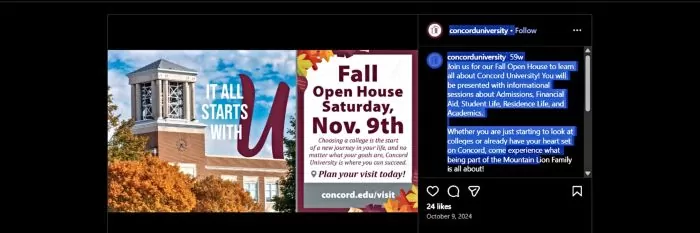
Event Promotions & Student Life Visibility: Concord University (West Virginia) ran a Fall Open House campaign on Facebook, urging students to “REGISTER NOW for Fall Open House”. The official post emphasized that whether you’re just starting your college search or already set on Concord, you should “come experience what being at Concord is like”. This call-to-action, boosted to target local high schoolers, drove sign-ups by promising an immersive campus visit.
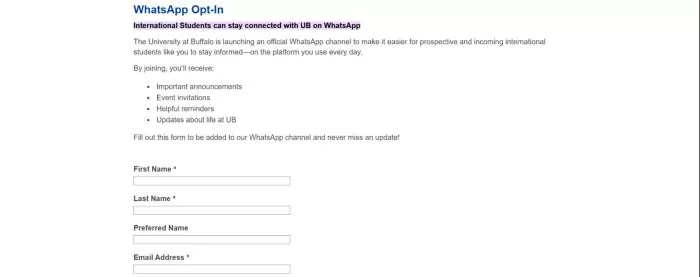
Messenger and WhatsApp Engagement: The University at Buffalo (SUNY) launched an official WhatsApp channel for prospective international students. By opting in, students receive personalized updates – announcements, event invites, deadline reminders – right in WhatsApp, a platform they use daily. This allows UB’s admissions team to handle inquiries and nurture leads through quick chats and broadcasts on a familiar channel.
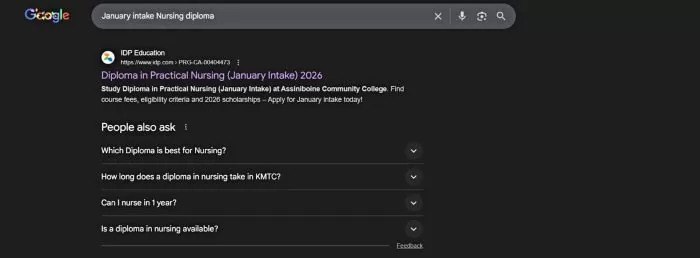
Branded and Program-Specific Search Campaigns: A real example is Assiniboine Community College in Canada, which runs search ads for terms such as “January intake Nursing diploma” – ensuring that students searching for nursing programs with upcoming start dates find Assiniboine’s program page first. By focusing on branded queries (school name, flagship programs) and niche program keywords, schools across the board make sure they capture students who are already intent on a particular school or offering.
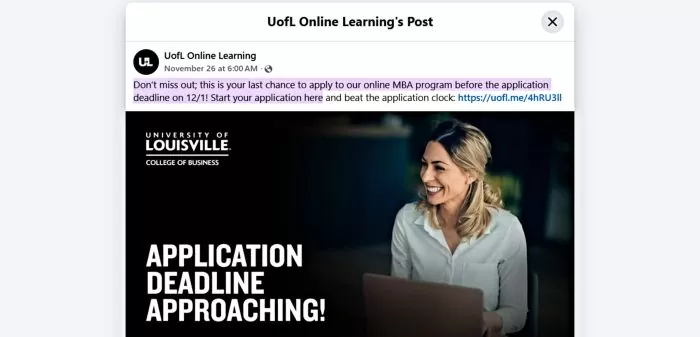
High-Converting Keyword Campaigns: Educational marketers also bid on bottom-funnel keywords that signal immediate intent – like “apply now,” “admissions deadline,” or “tuition fees [School].” University of Louisville business school promoted its online MBA program with an urgent message: “Don’t miss out – this is your last chance to apply before the application deadline on 12/1! Start your application here.” By targeting such high-converting phrases in ads and search (and using urgency-laden copy), schools push motivated prospects to take action.
Recap: Why You Need Both Paid Search and Paid Social
Schools that depend on just one marketing channel risk falling behind. Students don’t stick to a single path when researching their options. Instead, they move fluidly between search engines and social platforms, using both to gather information, compare schools, and make decisions.
This is why a dual-channel strategy matters. Paid Social helps schools introduce themselves, tell a compelling story, and spark curiosity early in the decision journey. It creates awareness and builds emotional connection. Paid Search, on the other hand, reaches students who are actively looking for specific programs, deadlines, and next steps. It captures intent and drives action.
When both channels are aligned, schools gain full-funnel coverage. Retargeting efforts become more strategic, and nurture campaigns stay relevant from the first interaction to enrollment. As a result, conversions improve and return on investment increases.
But to unlock the full value, schools must track every touchpoint, not just the final click. Integrating CRM data with UTM tags and analytics tools ensures you’re seeing the full picture and making smarter marketing decisions moving forward.
Frequently Asked Questions
Question: Is paid search the same as paid social? Answer: No. Paid search displays ads based on keyword searches on platforms like Google, while paid social promotes content on social media platforms like Facebook or TikTok. They target users differently and serve distinct stages of the enrollment funnel.
Question: What is the difference between search and social? Answer: While paid social excels at sparking interest and building emotional connection, paid search is unmatched when it comes to capturing high-intent prospects. These are the students actively looking for programs, comparing options, or ready to take the next step. Paid search meets them right at the decision-making moment.
Question: What are the disadvantages of Paid Search? Answer: Paid search can be costly due to high competition for keywords, especially in education. It also depends on users already showing intent, which limits brand-building. Without complementary channels, it may not generate enough awareness or early-stage interest.
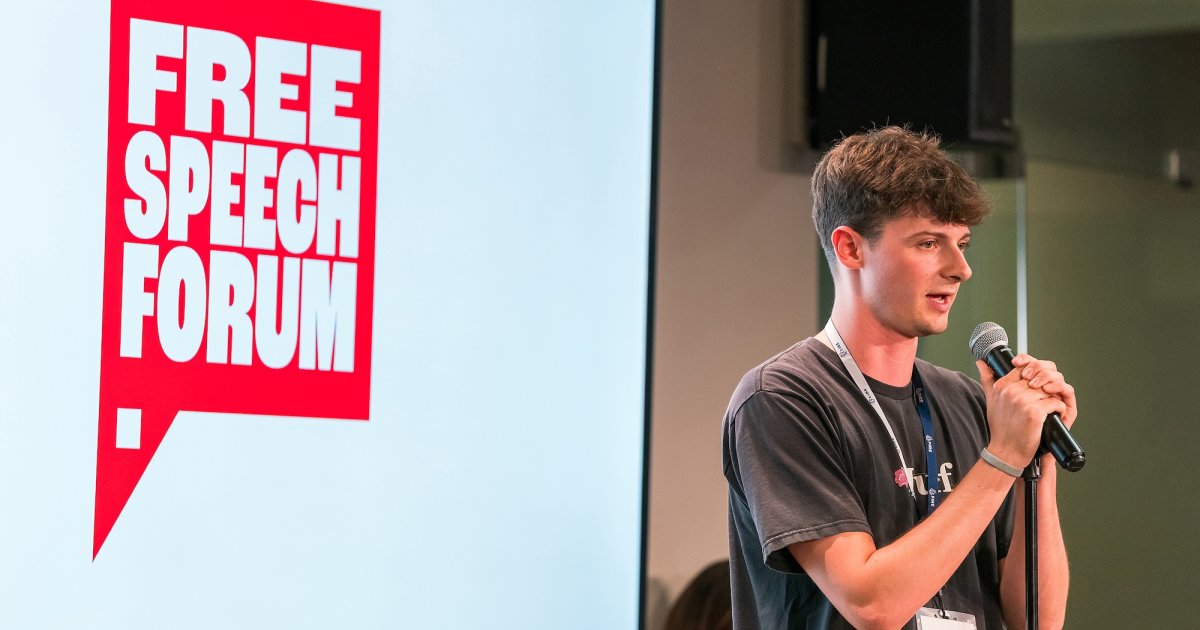
Free speech is more than just a constitutional right — it’s the foundation of democracy and social progress. In today’s divided political climate, defending this right has never been more important. That’s why FIRE’s Free Speech Forum is bringing together passionate young leaders who are ready to become tomorrow’s defenders of free expression.
Not your average summer camp
The Free Speech Forum is an immersive, week-long experience designed for rising 10th through 12th graders who want to strengthen their understanding of free speech and the First Amendment. From June 21–27, 2026, students will gather in Washington, D.C. for an unforgettable program that combines expert-led learning, hands-on skill building, and meaningful peer connections.
This isn’t just about classroom sessions — it’s about becoming part of a movement.
What to expect
Dynamic workshops with leading free speech experts
Advocacy training to sharpen your voice
Field trips to iconic sites like the U.S. Capitol and the Supreme Court
Interactive cohort activities
College prep and career development sessions
Networking with advocates, policymakers, and fellow students who share your passion
From the moment you arrive, you’ll meet your counselor and the students in your cohort where you can start building lasting friendships. Wind-down time is built into each day, so you’ll have the space you need to recharge.
Who should apply?
College-bound students with a passion for free speech and advocacy
Those eager to explore a career in law or First Amendment work
Students enrolled in grades 9–11 at the time of application
Applicants who will be at least 15 years old at the program’s start and no older than 18 when it ends
What does it cost? It’s completely free! FIRE covers registration, housing, and meals. Students are responsible for their own travel arrangements to and from Washington, D.C., but free transportation is provided between Ronald Reagan National Airport or Union Station and the university where the event will be hosted.
Need help with travel expenses? A limited number of need-based scholarships are available. Students accepted into the program will receive details about how to apply.
How do I apply? Applications are now open! The application deadline is March 30, 2026. Due to the competitive nature of the program, we strongly recommend applying early.Important: To submit your application, you’ll need to create a CampInTouch account. When you click the application link on our website, you will be taken to the CampInTouch login page, where you can log in or sign up for a new account before beginning your application.
This is your chance to:
Dive deep into the history and future of the First Amendment
Learn from leaders in advocacy, education, and policy
Build confidence in explaining the importance of free speech to others
Develop the skills to defend free expression in your community, on campus, and beyond
Student success in higher education is still measured by one dominant metric: whether students stay. On many campuses, it’s the only metric anyone talks about. Retention matters, of course. It’s the foundation of student success. But it is not the definition of success.
Families aren’t asking whether a student will stay enrolled. They’re asking whether the investment will pay off. With rising costs, declining public trust, and growing scrutiny of degree value, the conversation has shifted. Students want what every investor wants: a clear, credible return.
Here’s the piece many campuses overlook—retention and ROI aren’t competing priorities. They are connected. When students see a path to meaningful work, build skills employers need, receive strong academic and professional support, and prepare for a purposeful life, they stay. They finish. And they graduate into careers that validate the investment.
The institutions that will stand apart in the next decade won’t treat retention as an endpoint. They will show a seamless arc from persistence to career readiness to long-term economic mobility and a thriving life. And the campuses that communicate this value with transparency and conviction will earn the trust of students and families.
So what should you do about it?
1. Clarify Accountability for Student Success
For too long, “student success” has been everyone’s job, and therefore no one’s job. Responsibility is often diffused across student affairs, academic leadership, the provost’s office, advising, and career services, with no single owner empowered to drive an institution-wide strategy.
Recent research reinforces this gap. In national surveys, fewer than half of student success leaders report that their institution is highly effective at making student success a priority or collecting the data required to measure progress. The fragmentation is real—and costly.
To deliver on ROI, institutions need a senior, empowered Student Success Leader (VP or Associate Provost level) who:
Owns the vision from enrollment through career launch
Coordinates cross-campus efforts across academic affairs, student affairs, advising, and career services
Aligns outcomes, data, and interventions across the full learner lifecycle
Measures, reports, and continuously improves operational and performance outcomes
Student success is a shared responsibility, but true progress requires an empowered and accountable leader.
2. Build the Right Data Infrastructure
A strong ROI story is impossible without strong data. Tracking retention and graduation alone won’t explain value to students or help leadership improve it. Institutions need a data-driven student success strategy that captures outcomes across the full learner lifecycle.
Essential data includes:
Post-graduation earnings and income trajectories
Job placement outcomes, including role relevance, time-to-employment, and satisfaction
Employer demand and alignment between programs and labor-market needs
Experiential learning pathways such as internships, co-ops, research, and apprenticeships
Career engagement metrics: mentorship usage, career services engagement, skills gaps
Cost, debt, and net price data tied to long-term value
Outcomes for non-degree pathways, including certificates, stackable micro-credentials
Institutions should use this data to inform academic planning, enrollment strategy, employer engagement, advising, and marketing. Without data-driven student retention insights, institutions cannot meaningfully improve outcomes—or communicate their value with confidence.
3. Create a Holistic Roadmap to Career Readiness
A forward-looking higher ed ROI strategy requires coordinated effort across curriculum, student supports, employer engagement, and technology. Students need a clear path from classroom learning to career launch, and institutions need a roadmap that makes that path visible and consistent.
A strong career-readiness framework includes:
Curriculum + Competency Alignment: Define the competencies students gain in every program and connect them to real career pathways. Liberal arts institutions, in particular, have an opportunity to better articulate how critical thinking, communication, problem-solving, and adaptability translate into skills employers value.
Integrated Professional Development: Career readiness must be embedded across the learner journey, not relegated to a final-semester workshop. This includes employer partnerships, alumni mentorship, experiential learning, resume and interview preparation, digital portfolios, and networking support.
Proactive Data and Continuous Improvement: Use predictive data to anticipate student needs, identify risk early, and guide students toward high-value pathways. Advising and support structures should reflect real-time insight, not end-of-term surprises.
Leveraging AI for Scalable Career Support: The emergence of AI presents transformative opportunities for institutions to scale personalized career development. Examples include:
AI-powered interview simulators that provide real-time feedback
Skill-gap analytics that help students understand where they need development
Career-exploration engines mapping pathways based on interests, competencies, and market demand
AI-enabled advising assistants that extend the reach of human advisors
When institutions implement these elements cohesively, students receive consistent, individualized support that strengthens persistence, confidence, and long-term career outcomes.
4. Make Career Readiness a Market Differentiator
Students and families want clear evidence that an institution can help them launch a career successfully. Recent Gallup findings show that Americans see career-relevant, practical education as the most important change colleges can make to strengthen confidence in higher education. They are looking for visible support, real outcomes, and a system that connects education to employment. In a crowded market with rising expectations, this is no longer optional.
Institutions should weave their career-readiness strategy into admissions and recruitment by:
Showcasing investments in career services, professional development, and employer partnerships
Demonstrating the infrastructure that supports learners from day one through career launch
Highlighting success stories, alumni career trajectories, and employer relationships
Communicating results clearly by sharing employment rates, salary bands, and experiential learning participation
When institutions share this work consistently, they differentiate their value and give prospective students what they need most—confidence that the investment will lead somewhere.
Student Success Solutions We Offer
Carnegie partners with higher ed institutions across the country to strengthen data-driven student success and ROI strategies with support that drives measurable outcomes. We focus on ensuring you are keeping the promises you make to students, all students.
Our Services Include:
Student Success Assessment: Identifies structural gaps, opportunities, and strategic priorities across your advising, data systems, curriculum alignment, and career readiness ecosystem.
Strategy Session (1 Hour): A working session with Carnegie’s Student Success team to help leadership teams rapidly assess where they stand—and what steps to take next.
And looking ahead, one of the key focus areas at the Carnegie Conference in January will be how institutions can design and operationalize an ROI-focused student success strategy. It’s an ideal opportunity for leaders who want to go deeper, compare notes with peers, and leave with a concrete action plan.
Partner With Us
In an era where students and families demand clear returns, the institutions who align success and career outcomes now will be the ones who stand out, compete, and thrive. Carnegie is here to help you lead the way.
FAQ: Student Success, Retention, and ROI
What data can help predict student dropouts?
Predictive indicators include early academic performance, LMS engagement, advising frequency, financial stress markers, and participation in support services. Institutions that integrate this data through analytics systems can identify risk earlier and intervene proactively.
How can institutions improve student success rates?
A holistic student success strategy should align academic support, advising, career services, and early-warning analytics. Clear institutional ownership and cross-department coordination improve outcomes significantly.
Which metrics matter most when measuring student ROI?
Beyond retention and graduation, key ROI metrics include job placement rates, post-graduation earnings, salary growth, employer demand alignment, and debt-to-income outcomes.
What role does career readiness play in retention and long-term ROI?
Students who see clear career pathways—supported by internships, mentorship, and employer partnerships—are more likely to persist, graduate, and achieve strong employment outcomes, reinforcing institutional value perception.
How can AI support scalable student success initiatives?
AI tools can provide interview simulations, skills assessments, personalized advising prompts, and career exploration pathways at scale. This expands advisor capacity and helps students make informed, confident decisions.
What services does Carnegie offer to support student success and retention?
Carnegie provides a Student Success Assessment to identify institutional gaps and opportunities, along with one-hour Strategy Sessions to help leadership teams clarify priorities and build an actionable plan for improving outcomes and ROI.
Failure is not the opposite of success, but a deeply valuable learning experience. In this issue, we rethink what it means to “fail” and discuss how setbacks can make an even bigger impression on admissions officers than a spotless record. Other articles include:
Focus on Majors: Psychology – A path for students fascinated with human behavior. Financial Matters – How tuition reciprocity can make out-of-state options more affordable. Honors Colleges – Is an honors program worth it? Benefits often include preferential registration, small classes and honors housing options.
Latin America—a region of thirty-three countries stretching from Mexico through Central and South America and across the Caribbean—has spent more than a century fighting against foreign exploitation. Its universities, which should anchor local prosperity, cultural autonomy, and democratic life, have instead been repeatedly reshaped by foreign corporations, U.S. government interests, global lenders, and now crypto speculators. Yet the region’s history is also defined by persistent, courageous resistance, led overwhelmingly by students, faculty, and Indigenous communities.
Understanding today’s educational crisis in Latin America requires tracing this long arc of exploitation—and the struggle to build systems rooted in equity rather than extraction.
1900s–1930s: Bananas, Oil, and the Rise of the “Banana Republics”
Early in the 20th century, American corporations established vast profit-making empires in Latin America. United Fruit Company—today’s Chiquita Banana—dominated land, labor, and politics across Guatemala, Honduras, and Costa Rica. Standard Oil and Texaco secured petroleum concessions in Venezuela and Ecuador, laying foundations for decades of foreign control that extracted immense wealth while leaving behind environmental devastation, as seen in Texaco’s toxic legacy in the Ecuadorian Amazon between 1964 and 1992.
Universities were bent toward these foreign interests. Agricultural programs were geared toward serving plantation economies, not local farmers. Engineering and geological research aligned with extractive industries, not community development.
Resistance did emerge. Student groups in Guatemala and Costa Rica formed part of early anti-oligarchic movements, linking national sovereignty to university reform. Their demands echoed global currents of democratization. Evidence of these early student-led struggles appears in archival materials and Latin American scholarship on university reform, and culminates in the influential 1918 Córdoba Manifesto in Argentina—a radical declaration that attacked oligarchic, colonial universities and demanded autonomy, co-governance, and public responsibility.
1940s–1980s: Coups, Cold War Interventions, and the Deepening of U.S. Oil Interests
During the Cold War, exploitation intensified. In Guatemala, the CIA-backed overthrow of democratically elected President Jacobo Árbenz in 1954 protected United Fruit’s land holdings. Universities were purged or militarized, and critical scholars were exiled or killed.
In Chile, the 1973 overthrow of Salvador Allende—supported by American corporate giants such as ITT and Anaconda Copper—ushered in a brutal dictatorship. Under Augusto Pinochet, thousands were murdered, tortured, or disappeared, while the Chicago Boys imported radical neoliberal reforms that privatized everything, including the higher education system.
Throughout the region, oil deals disproportionately favored American companies. Mexico and Venezuela saw petroleum wealth siphoned off through arrangements that benefited foreign investors while leaving universities underfunded and politically surveilled. Scholarship critical of foreign intervention was marginalized, while programs feeding engineers and economists to multinational firms were expanded.
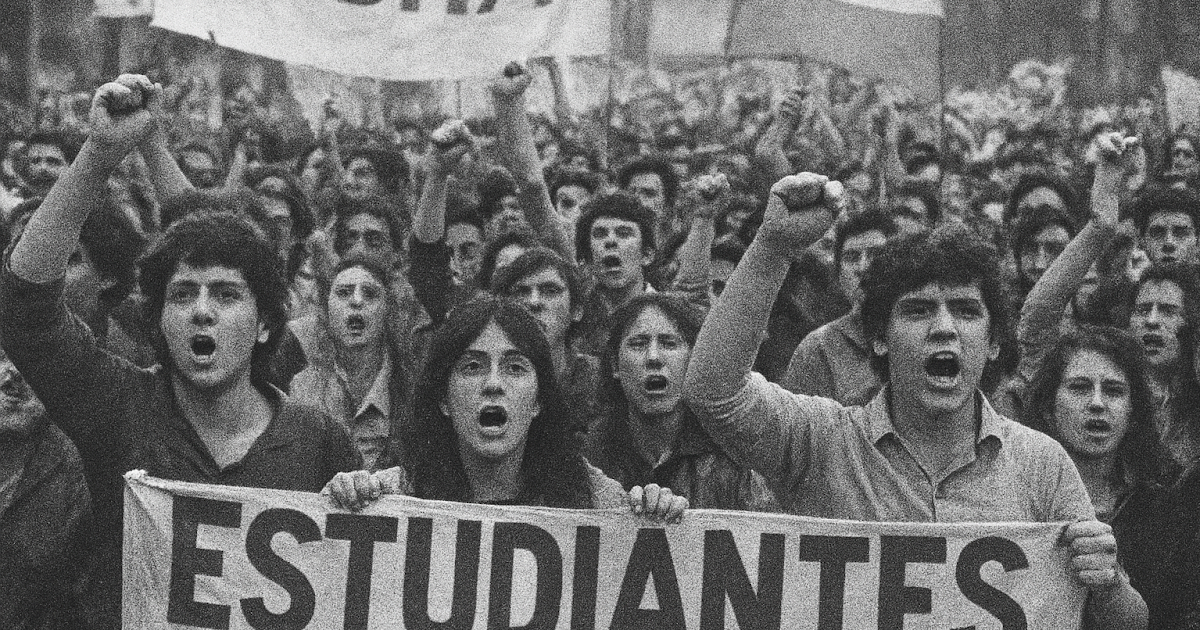
Student resistance reached historic proportions. Chilean students and faculty formed the core of the anti-dictatorship movement. Mexico’s students rose in 1968, demanding democracy and university autonomy before being massacred in Tlatelolco. CIA declassified documents reveal that student uprisings across Latin America in the early 1970s were so widespread that U.S. intelligence considered them a regional threat.
1990s–2000s: Neoliberalism, Privatization, and the Americanization of Higher Education
In the 1990s, neoliberalism swept the region under pressure from Washington, the IMF, and the World Bank. After NAFTA, Mexico’s universities became increasingly aligned with corporate labor pipelines. In Brazil, Petrobras’ partnerships with American firms helped reshape engineering curricula. Private universities and for-profit models proliferated across the region, echoing U.S. higher ed corporatization.
Hugo Chávez captured the broader sentiment of resistance when he declared that public services—including education—cannot be privatized without violating fundamental rights.
Students fought back across Latin America. In Argentina and Brazil they contested tuition hikes and privatization. In Venezuela, the debate shifted toward whether oil revenue should fund tuition-free universities.
Indigenous Exclusion, Racism, and the Colonial Foundations of Inequality
One of the greatest challenges in understanding Latin American education is acknowledging the deep racial and ethnic stratification that predates U.S. exploitation but has been exacerbated by it. Countries like Ecuador, Bolivia, Peru, Mexico, Brazil, and Guatemala have large Indigenous populations that, to this day, receive the worst education—much like Native American communities relegated to underfunded reservation schools in the United States.
Racism remains powerful. Whiter populations enjoy greater economic and educational access. University admission is shaped by class and color. These divisions are not accidental; they are a machinery of control.
There have been important exceptions. Under President Rafael Correa, Ecuador built hundreds of new schools, including Siglo XXI and Millennium Schools, and expanded public education access. In Mexico, the 2019 constitutional reform strengthened Indigenous rights, including commitments to culturally relevant education. Bolivia—whose population is majority Indigenous—has promoted Indigenous languages, judicial systems, and education structures.
But progress is fragile. Austerity, IMF conditionalities, and elite resistance have led to cutbacks, school closures, and renewed privatization across the region. The study you provided on Ecuador documents Indigenous ambivalence, even hostility, toward Correa’s universal education plan—revealing how colonial wounds, cultural erasure, and distrust of state power complicate reform and provide openings for divide-and-conquer strategies long exploited by ruling classes.
These contradictions deepen when Indigenous movements—rightfully demanding no mining, no oil extraction, and protection of ancestral lands—collide with leftist governments reliant on resource extraction to fund public services. This tension is especially acute in Ecuador and Bolivia.
2010s–Present: Crypto Colonialism and a New Frontier of Exploitation
Cryptocurrency has opened a new chapter in Latin America’s long history of foreign-driven experimentation. El Salvador’s adoption of Bitcoin in 2021, promoted by President Nayib Bukele, transformed the country into a speculative test lab. Bukele has now spent more than $660 million in U.S. dollars on crypto, according to investigative reporting from InSight Crime. Universities rushed to create blockchain programs that primarily serve international investors rather than Salvadoran students.
In Venezuela, crypto became a survival tool amid hyperinflation and economic collapse. Yet foreign speculators profited while universities starved. Student groups warned that crypto research was being weaponized to normalize economic chaos and distract from public-sector deterioration.
Resistance has grown. Salvadoran students have protested the Bitcoin law, demanding that public resources focus on infrastructure, health, and education. Venezuelan students call for rebuilding social programs rather than chasing speculative financial technologies.
Contemporary Student Resistance: 2010s–2020s
Across the region, student movements remain powerful. The Chilean Winter of 2011–2013 demanded free, quality public education and challenged Pinochet’s neoliberal legacy. The movement culminated in the 2019 uprising, where education reform was central.
Mexico’s UNAM students continue to resist corruption, tuition hikes, gender violence, and the encroachment of corporate and foreign interests. The 1999–2000 UNAM strike remains one of the longest in modern higher education.
Colombian students have forced governments to negotiate and invest billions in public universities, framing their struggle as resistance to neoliberal austerity shaped by U.S. policy.
Argentina continues to face massive austerity-driven cuts, sparking protests in 2024–2025 reminiscent of earlier waves of resistance. Uruguay’s Tupamaros movement—largely student-led—remains a historical touchstone.
Every country in Latin America has experienced student uprisings. They reflect a truth that Paulo Freire, exiled from Brazil for teaching critical pedagogy, understood deeply: education can either liberate or oppress. Authoritarians, privatizers, and foreign capital prefer the latter, and they act accordingly.
Today’s Regional Education Crisis
The COVID-19 pandemic pushed the system into further crisis. Children in Latin America and the Caribbean lost one out of every two in-person school days between 2020 and 2022. Learning poverty now exceeds 50 percent. Entire generations risk permanent economic loss and civic disenfranchisement.
Infrastructure is collapsing. Rural and Indigenous communities suffer the worst conditions. Public investment is chronically insufficient because governments are trapped in cycles of debt repayment to international lenders. Ecuador has not seen a major public-investment program in a decade, as austerity and IMF repayments dominate national budgets.
The result is a system starved of resources and increasingly vulnerable to privatization schemes—including U.S.-style online coursework, ideological “instruction kits,” and for-profit degree mills.
Latin American Universities as Battlegrounds for Sovereignty
Latin America’s universities are shaped by the same forces that have dominated the region’s history: oil extraction, agribusiness, foreign capital, neoliberalism, structural racism, debt, and now crypto speculation. Yet universities have also been homes to transformation, rebellion, cultural resurgence, and hope.
Across more than a century, students—Indigenous, Afro-descendant, mestizo, working-class—have been the region’s fiercest defenders of public education and national sovereignty. Their resistance continues today, from Quito to Buenos Aires, from Mexico City to Santiago.
For readers of the Higher Education Inquirer, the lesson is clear: the struggle for higher education in Latin America is inseparable from the struggle for democracy, racial justice, Indigenous autonomy, and freedom from foreign domination. The region’s ruling elites and international lenders understand that an educated public is dangerous, which is why they starve, privatize, and discipline public schools. Students understand the opposite: that education is power, and that power must be reclaimed.
The next chapter—especially in countries like Ecuador—will depend on whether students, teachers, and communities can defend public education against the dual forces that have undermined it for more than a century: privatizers and fascists.
Sources (Selection)
National Security Archive, CIA Declassified Documents (1971) InSight Crime reporting on El Salvador Bitcoin expenditures Luciani, Laura. “Latin American Student Movements in the 1960s.” Historia y Memoria (2019) The Córdoba Manifesto (1918) UNESCO, World Bank data on learning poverty (2024) Latin American studies on United Fruit, Standard Oil, Texaco/Chevron in Ecuador LASA Forum: Analysis of Indigenous responses to Correa’s education reforms Periodico UNAL: “The Student Rebellion: Córdoba and Latin America” Multiple regional news sources on Argentina’s 2024–2025 education protests
In higher education, organic social media often serves as the front door of your institution’s brand. It’s the place where prospective and current students, parents, alumni, and donors first get a sense of your institution’s culture, values, and voice.
Standing out in today’s saturated social media feeds requires more than just frequent posting. It’s about understanding what makes social media “social” and using it to connect with your audience in engaging ways.
Below, we’ll explore best practices for higher education institutions looking to elevate their organic social media. With these tips, you can foster genuine engagement, all while infusing your brand’s unique personality in each post.
What is Organic Social Media?
Organic social media refers to the unpaid content your institution shares on platforms like Instagram, TikTok, Facebook, and LinkedIn. Rather than running targeted, paid campaigns with these posts, organic social media relies on building and maintaining relationships with users who follow your institution’s accounts or come across your posts via recommendations made by platform algorithms.
Organic social is where your audience experiences the heart of your institution: the people, stories, and everyday moments that bring your campus community to life. It’s not about flashy production or ad-level polish; it’s about connection, authenticity, and storytelling.
Organic Social Media Best Practices for Higher Ed
Keep these tips in mind as you work on your institution’s organic social media strategy:
Keep It Casual (and Native)
Users scroll quickly, and they know when something feels too polished or out of place. Today’s audiences crave authenticity, not perfection. In fact, 90% of consumers say authenticity is important when deciding which brands to support (Adweek), and 63% of people say they’d engage more with brands that share content that feels real and unfiltered (Visual Contenting).
Embrace lo-fi, native-style content that blends naturally into their feeds. Phone-filmed videos, trending audio, and spontaneous moments often outperform professional shoots on platforms like TikTok and Instagram. The ultimate goal is relatability.
Show Real People
Faces stop the scroll. Featuring students, faculty, and staff helps humanize your brand and creates content the algorithm favors. Showcase day-in-the-life clips, student takeovers, or behind-the-scenes glimpses to build trust and relatability.
Be Trend-Aware (But True to You)
Trend participation can boost visibility, but don’t jump on every viral moment. Choose trends that align with your school’s voice and mission, then add your institution’s own creative spin. That’s what makes content memorable.
Don’t Be Overly Salesy
Organic social media isn’t the place to push “Apply Now” or “Learn More” in every post. Instead, focus on cultivating community, telling authentic stories, and providing value. When your audience feels connected, conversions follow naturally through awareness and affinity.
Respond to Comments
Engagement is a two-way street. Replying to comments, answering questions, and even reacting with humor show that your brand listens and cares. It also signals to platform algorithms that your account fosters consistent, genuine interaction.
Every college or university has a unique voice and culture, so let it shine. Whether it’s pride, humor, or heartwarming stories, your organic social media’s tone and storytelling style should reflect what makes your community distinct. A consistent voice builds familiarity and recognition.
Listen to Your Audience
Use your comments, DMs, mentions, forum-based platforms like Reddit, and organic social listening tools as insight. What are students asking about? What content types spark the most discussion? Social listening allows you to adjust your strategy and create content they want to see.
Hone in on 3–5 Content Pillars
Avoid the temptation to post anything and everything. Identify 3–5 key themes that represent your institution (e.g., student life, academics, athletics, alumni success, community impact) and stick to them. This keeps your feed consistent and recognizable.
Take Note of Top-Performing Content
Regularly analyze what’s working through platform audits. Look at engagement metrics and qualitative feedback to identify trends in format, tone, or topic. Use those insights to refine your future content strategy, without having to reinvent the wheel each time.
Sharpen Your Organic Social Media
Organic social media is your institution’s opportunity to connect, not just communicate. By showing up authentically, highlighting real people, and leaning into your school’s unique personality, you can transform your platforms into vibrant communities that reflect campus life and values.
If your higher ed institution is ready to take the next step in its social media strategy—whether that means creating a strong organic social strategy, developing and posting content, performing a social listening analysis, or conducting a full social audit, Carnegie can help. Start a conversation with us today.
This module of CUPA-HR’s Career Growth Series is a three-part professional development opportunity for higher ed HR managers who want to explore how to support employee growth. These 90-minute virtual workshops will offer practical tools, peer insights and a reflective space to support your growth as a higher ed HR leader.
While you can register for only one or two of the workshops, together they form a cohesive journey — from identifying the benefits of employee professional and career development to succession planning and coaching your employees for success.
The Career Growth Series is a pilot program that is open to invited CUPA-HR members. Seats are limited to support interaction among participants. The workshops will be highly interactive, so come prepared to engage, reflect and share ideas. The sessions will not be recorded.
CUPA-HR is a nonpartisan, nonprofit educational organization of HR professionals serving our nation’s institutions of higher education. The content and discussions in these workshops are intended to be educational in nature and do not constitute legal advice or counsel. To that end, we request that participants refrain from promoting partisan positions during the workshops.
The Lasting Value of Career and Professional Development for Your Employees
Thursday, January 29 | 1:00-2:30 p.m. ET
This workshop will frame career and professional development not as a perk, but as a strategic investment tied to performance, engagement, retention and succession. We’ll explore how managers can actively facilitate development even when budgets are limited, and why investing in employees, even those who move internally, strengthens institutional talent pipelines. You’ll leave with actionable ideas for moving your employees’ growth forward.
Presenters
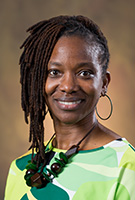
Lisa Laughter Senior Career Coach, Learning and Professional Development University of California-Davis
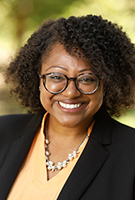
Edda Urea Senior Executive Director, HR Learning and Organizational Development, and Compliance/Title IX and ADA/504 Coordinator Texas State Technical College
Jeanann Croft Haas Associate University Librarian for Administrative Services and Organizational Development University of Pittsburgh
This workshop will challenge higher ed HR managers to move from static replacement lists to active talent cultivation. We’ll hear from a higher ed HR leader who began as a student employee and advanced to chief HR officer, demonstrating how intentional development can transform potential into leadership. We’ll also explore how to identify and grow talent in everyday work while designing low-risk stretch assignments that build leadership capacity for the future.
Presenters
Kristin Turner Assistant Vice President, HR, Learning and Development University of Colorado
Jill Haskell Training and Development Coordinator University at Albany
This workshop will equip managers with practical tools for coaching employees to own and design their growth path. Using principles grounded in inquiry and curiosity, we’ll practice asking powerful questions, guiding reflection and creating development plans that align with both individual goals and team needs. You’ll leave with an understanding of core coaching skills and resources to navigate everyday coaching.
Zhivi Williams Learning and Development Manager Rowan-Cabarrus Community College
Nicole Englitsch Organizational Development Manager The University of Texas Rio Grande Valley
Valyncia C. Raphael-Woodward Executive Director, Employee and Labor Relations University of Southern California
New to CUPA-HR Virtual Events? The CUPA-HR website requires you to create a free site account if you don’t already have one. After you’ve created a website account and established a login, you can then proceed to register for this event. If you have any questions while registering, please contact CUPA-HR toll free at 877-287-2474 or via e-mail at [email protected].
For the last 6-7 years, Salo has been out busking in public. What started as a suggestion from a friend quickly turned into a hobby and then a lifelong love for these public performances.
He prefers these public performances over performing in concert halls; it is here that he is “free in his choices,” both managing and directing every performance to his taste.
He can also talk to his audience on almost every performance. I often observed him chatting with nearby listeners and taking song requests every few minutes. Though his Korean is limited, it doesn’t stop him from connecting with Korean people of diverse backgrounds and ages. It also doesn’t stop him from researching Korean songs on the internet and curating a diverse but meaningful repertoire of all genres of music.
His mother still lives in Ukraine, a country at war with Russia. He knows that the situation there remains unstable but he believes in peace.
He has advice for young musicians wherever they live and whatever the conditions are around them. “No matter what, don’t stop,” he said.
Music creates community.
Music has been the compass of Salo’s life, and his love for it has kept him from ever putting the instrument down. It even led him to Korea, a country that he might have initially never imagined living in, where he says he will likely never leave.
“I found myself here,” he said.
And when asked what music means to him? He answered in two words: “My life.”
For me, meeting Salo, a Ukrainian violinist, was a pivotal moment. It can be easy to feel like an outsider in a new country, something that Salo acknowledged during the interview. Yet, when I saw his performance, I didn’t see any shyness in his musical expression. Rather, he passionately engaged with his music, playing songs that touched the hearts of everyone who was listening.
I, myself, often feel like a foreigner. While I may look Korean, I still feel the cultural disconnect that comes from growing up in a Western country. Yet, Salo’s performance created a space for me to chat with the nearby Korean listeners, even exchanging phone numbers with some people who I became closer to.
For the first time, I truly felt a sense of belonging to this country. Listening to Mr. Salo’s performance reminded me of the purpose of music: not to impress others, but to connect us beyond our divisions.
Questions to consider:
1. Why does Sergiy Salo perform for free when he can get paid for his performances?
2. How can music bring people together?
3. What music do you appreciate and who do you share that appreciation with?