Blog

  • Addressing educational poverty – HEPI

    Addressing educational poverty – HEPI

    • By Pam Tatlow, Policy Adviser to the Cathedrals Group of Universities

    The Government’s decision to extend free school meals to an estimated 500,000 primary school children is a win-win, both in addressing disadvantage and supporting learning and attainment. In fact, all primary-age school children in Scotland and London now receive free school meals, with an evaluation of the latter concluding that its impact was overwhelmingly positive and that for some children, school attendance and mental well-being had also been improved.

    It’s clear that free school meals are a worthwhile investment of Department of Education resources. It is also why Ministers should maximise take-up in England by linking auto-enrolment of Free Schools Meals with universal credit and pupil premium.

    But why should universities care about Free School Meals? The answer is quite simple, especially if, like the Cathedrals Group of Universities, you recruit students who progress to university later in life. In some universities, many students are parents and carers in their own right who will undoubtedly benefit from widening the eligibility for free school meals. It’s a policy that has inter-generational impact as well as positive impacts on the children of today.  

    Moreover, rising levels of inequality as documented by the OECD, the IMF, the World Bank and in the UK by Danny Dorling, Professor of Human Geography at the University of Oxford, constrain not only economic growth (an objective of Rachel Reeves, Chancellor of the Exchequer) but also educational attainment – a fact not lost on Professor Becky Francis, Chair of the government’s Curriculum and Assessment review who concluded in 2015 ‘that all the data supports the idea that the socioeconomic divide is the biggest issue in education’. While diverse in size, Cathedrals Group Universities continue to play a key role in educating the teachers of the future, but crucially are also united by a commitment to social justice – and this means a continuing interest in measures that address inequality.

    The June Spending Review was notable for its silence on other measures which might directly support educational attainment beyond the primary stage. There is still time for Ministers to recognise that supporting pupils and students during their studies is an investment in their futures that will pay dividends in terms of monetised and non-monetised benefits for individuals, communities and ultimately the Treasury itself.

    At the secondary phase, Education Maintenance Allowance (EMA) was a weekly payment to disadvantaged young people aged 16-19 in full-time education. Introduced in 1999, expanded nationwide in 2004, the EMA was abolished by the Coalition Government in England in October 2010, with the 2010/11 academic year marking the final year of the scheme. Replaced by a 16-19 Bursary Fund that continues today, the Fund has a significantly reduced budget and, other than for the most disadvantaged and vulnerable young people, is administered at the discretion of colleges and training providers, which decide their own schemes.

    The difference between this Fund and the EMA is stark. EMA provided direct payments to young people for which they could apply before opting for a specific post-16 education course or institution. As shown by its continuation in Scotland, Wales and Northern Ireland, the EMA remains a popular policy with young people (who were not consulted about its abolition in England). Research by the Edge Foundation confirmed that the EMA had a positive impact on post-16 education participation and retention rates among young people from lower-income families and those with disabilities. Although the school leaving age has been increased to 18 for over a decade, there are often costs associated with post-16 study, such as specialist equipment and transport, for which young people get little support. What does exist in England is discretionary and dependent on a postcode lottery.

    Then there’s higher education, which by common agreement needs a new funding model in England and, in the view of the Cathedrals Group, more direct government investment. Investment in universities and investment to address the hardship of students are two sides of the same coin. If maintenance support for students is increased by inflation, it will be welcome but not enough. London Economics research for the Sutton Trust in 2024 confirmed that the abolition of maintenance grants (which did not have to be repaid) has resulted in students from the poorest families incurring the highest debts during their studies. Moreover, parental income thresholds, which determine when parents are expected to contribute to the living costs of their children at university, have remained frozen at £25,000 pa. The same research estimated that in real terms, household income thresholds should have increased to £32,535 and that students from poorer households could graduate with over £60,000 of debt, 38% higher than those from wealthier families.

    Universities know only too well about educational poverty. Notwithstanding the pressures on institutional funding, many have increased their hardship funds. In spite of their best efforts, including money advice, demand from students for financial support outstrips budgets. Hepi and Advance HE’s 2025 Student Experience Survey confirms that cost-of-living concerns have impacted on students’ studies but also the extent to which students now combine study and paid employment with the average total of study and workload hours for students who work standing at 44.3 hours a week – ‘higher than the average full-time job in the UK’.

    And to end where we began: in Finland, there are no free school meals because the provision of free meals is an integral part of the Finnish education system – the same system which is consistently ranked first among all OECD countries in education and in terms of the outcomes and well-being of its pupils and students. Only the Treasury can now help square the circle and address educational poverty of pupils, students and their families at every stage of their educational journey. Such a strategy would not only support the government’s stated ambition to tackle inequality but also Ministers’ aspiration to improve educational attainment – a win all round.

    Source link

  • What Gen Z and Gen Alpha Can Teach Us About Enrollment Marketing

    What Gen Z and Gen Alpha Can Teach Us About Enrollment Marketing

    Three smiling teenagers sit on a step outside as they talk and tap their phones
    How can you capture the attention of teenagers who are skeptical of marketing?

    Let’s stop pretending all teens are some mysterious, moody monolith. That old stereotype doesn’t hold up anymore, especially with what we know about how they think and behave today.

    Recent research from TeenVoice shines a light on how different 13-year-olds and 18-year-olds are—not just in age, but in how they use social media, how skeptical they are of marketing, and what grabs their attention. The gap is massive, and it’s a huge wake-up call for anyone trying to reach them.

    Here’s what science tells us about why teens aren’t just older versions of kids but are actually leveling up in how they think and engage:

    1. Scrollers vs. Searchers

    Younger teens mostly scroll social media for entertainment and fun; it’s their playground. Older teens, on the other hand, use platforms as tools for research and decision-making. They’re looking for real info, not just distractions. If your content isn’t easy to find or useful, it’s like you don’t exist to them. This fits with what Pew Research has found: nearly half of teens say they’re online almost constantly, but the way they use social media evolves with age toward more purposeful searching and information gathering (Pew Research Center, 2024).

    2. Teen Skepticism Is Real and Growing

    Adolescents don’t just blindly accept marketing messages. Their brains are developing the ability to question, analyze, and outright reject advertising that feels fake or manipulative. This skepticism comes from both cognitive development, when teens begin to think more critically and realistically, as well as social factors like peer influence and natural resistance to being sold to (Buijzen, 2009; Lumen Learning, n.d.).

    3. Peer Stories Carry Weight

    When teens hear stories from other students, real people with authentic experiences, it resonates more deeply than any slick ad campaign. Peer influence shapes decision-making significantly during adolescence, sometimes even more than adult advice. This isn’t just about risky behavior; positive peer stories can guide teens toward safer, smarter choices, too (Chein et al., 2011; Gardner & Steinberg, 2005).

    4. Authenticity Isn’t Just a Buzzword

    Gen Z, especially, are human BS detectors. They crave brands and messages that are honest, transparent, and aligned with their values. Authenticity builds trust, engagement, and loyalty, straight up. If your marketing feels forced or fake, they’ll scroll right past. This is backed by research showing authentic content generates way more engagement and lasting connections with young people (QuirkBank Media, 2025; History Factory, 2024).

    5. The Brain Changes a Lot Between 13 and 18

    The teen brain isn’t static. At 13, many teens are still developing concrete thinking and emotional regulation. By 18, their prefrontal cortex, the part responsible for reasoning, impulse control, and decision-making, is much more mature. This means the way you communicate with a 13-year-old will be very different from how you reach an 18-year-old who can think abstractly and critically. Treating them like the same audience is a recipe for missing the mark (National Institute of Mental Health, 2022; American Academy of Child and Adolescent Psychiatry, 2023).

    What does all this mean to you if you work in enrollment marketing, admissions, or financial aid? Here are five takeaways.

    • Younger teens hang out on social media mostly to chill and have fun. So, if you want to catch their attention, keep things light, entertaining, and visual. Older teens want to dig in and figure stuff out. Make sure your info is easy to find and answers real questions, they’re not here to waste time.
    • Don’t try to sell with flashy slogans or over-the-top hype. Teens are sharp and skeptical. If your message feels fake or manipulative, they’ll tune out fast. Instead, be straightforward and honest, show them you respect their smarts.
    • Peer stories aren’t just noise, they’re gold. Real testimonials or student voices will hit way harder than any polished ad. Let your current students share their genuine experiences. That kind of authenticity influences teens more than anything else.
    • Authenticity isn’t a trend, it’s a must. If you want teens to trust and stick around, your marketing must feel real. That means ditching corporate jargon, being transparent about what you offer, and aligning with values that matter to them.
    • Remember, a 13-year-old isn’t just a smaller 18-year-old. Their brains and decision-making skills are still growing. Tailor your messaging for different age groups, simple and engaging for younger teens, more detailed and logical for older ones. One-size-fits-all won’t cut it.

    Dive into more insights into teen behavior in the 2025 E-Expectations Report

    If you want to see how these attitudes play out in college planning, what platforms students are actually using to explore colleges, how they interact with school websites, what makes them click (or ghost) your outreach, and how AI and privacy concerns are shifting the game, you need the latest data from the 2025 E-Expectations Trend Report.

    In the full report, you’ll find answers to questions like:

    • Which digital resource do students trust the most for their college search?
    • Is email still alive (spoiler: yes), and what role does it play?
    • What are the make-or-break features for a college website?
    • Who’s using AI tools, and what do they really want from personalization?
    • Which social platforms drive engagement, and why?

    If you want real, actionable insights, not just another “state of Gen Z” report, this report is your roadmap!

    And if you are curious about the TeenVoice data and want to dive into, read the TeenVoice research here.

    Source link

  • Practical Strategies for Interdisciplinary Teaching in Today’s University – Faculty Focus

    Practical Strategies for Interdisciplinary Teaching in Today’s University – Faculty Focus

    Source link

  • Practical Strategies for Interdisciplinary Teaching in Today’s University – Faculty Focus

    Practical Strategies for Interdisciplinary Teaching in Today’s University – Faculty Focus

    Source link

  • Why RNL Helps the Next Generation

    Why RNL Helps the Next Generation

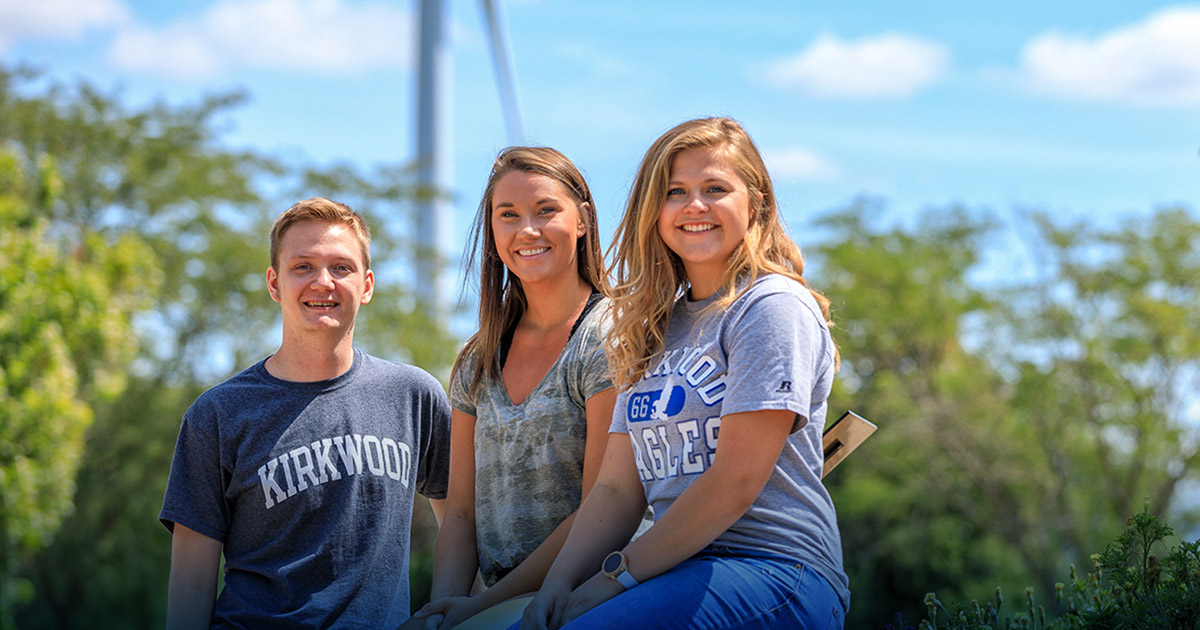
    Admit it. You were young once. And when you were young, chances are you didn’t know what the future held. Enter job shadowing, a great way to explore careers and gain useful information about what it takes to succeed in different fields, according to Kirkwood Community College in Cedar Rapids, Iowa. As a higher education marketing firm and award-winning design agency, RNL was an ideal choice as a job shadowing partner.

    When Kirkwood helps connect classroom learning to real-world opportunities, the results speak for themselves:

    • 98% of job shadow/internship students said their experience provided valuable information regarding their career interests.
    • 67% said their experience positively influenced their decision to live and work in Iowa.

    Job shadows give teens a sneak peek into what it’s like to work in a professional setting. They offer an opportunity to meet people, make connections, and potentially land internships or even future jobs.

    Joining forces with RNL

    Kirkwood’s Workplace Learning Connection first teamed with RNL’s content writing services and design strategy team six years ago to expose students to marketing for higher education and fundraising tactics.

    As Kirkwood advertises the RNL virtual shadowing day: “Use your creative powers for good! The concept behind art and design is for people to react to your work. Get a positive reaction to a product and — boom! That’s marketing. Chat with graphic designers, content writers and web designers at Ruffalo Noel Levitz. Learn how they use their creative abilities to help you make one of the most important decisions of your lives—where to go to college.”

    RNL’s expertise in higher education marketing helps colleges and universities effectively attract, engage, and enroll students. Our extensive experience in marketing strategy for fundraising benefits non-profits and universities. We believe sharing our collaborative and creative process encourages younger people to pursue rewarding careers at design and marketing agencies.

    Each year, high school students from seven Iowa counties register to listen, ask questions, and seek guidance about future positions in marketing. In turn, RNL creative team members share our work and the reasons we chose our profession.

    Helping the next generation

    Jolie Baskett has been the glue for the RNL job shadow team for years—this year, Sarah Reimer and I also participated.

    “Six years ago, I volunteered because I wanted to be the help that I needed when I was young,” she said. Since then, she has advanced from designer to senior designer to director of design.

    “I love working with wonderful clients and brands and helping others. I want to help the next generation find their paths and be the best they can be,” she said. Personally, I am a former high school teacher and am passionate about writing and public speaking, so I raised my hand several years ago to share my enthusiasm for writing with these high school students. As I tell them, effective writing and clear communication are essential to every career.

    Senior Designer Sarah Reimer enjoys working with RNL’s collaborative creative team. She wants high school students to know graphic design is a competitive industry, but there’s room for everyone.

    “It’s important that we share our experiences and expertise with the next generation of creatives coming up, getting them excited to be creative as a career, learn about collaboration, and how to work on a team,” said Reimer. “Those are job skills they can apply anywhere.”

    Listening and learning

    During a 90-minute presentation, our RNL team shares our experiences and answers questions from students, ranging from broad queries like “What advice would you give an aspiring writer?” to much more specific questions like “How do you code for accessible web design?”

    Female student working on a design project at her computer

    The proof is in the pudding. Here’s what three students had to say about our presentation:

    • “I learned a lot about what specifically a creative marketing job would entail, and I also learned there are several different types of jobs within this field (coder, writer, designer).”
    • “It helped me think of what classes I need to get into for different careers.”
    • “I liked being able to ask questions about their day-to-day work and what exactly their responsibilities are.”

    Refreshing perspectives

    All three of us agree that seeing our experience through fresh eyes helps us appreciate our roles in a new perspective. Plus, when we help others, it’s a meaningful way to contribute to both the workforce and the community.

    As we looked back through the years and considered ourselves as teenagers, we all had advice for our high school selves:

    Baskett was an art kid her entire life and always had a drive to make the world a more beautiful place. To her teenage self, she’d say, “Believe in yourself.”

    I knew I wanted to become a writer in fifth grade. I fell in love with feature writing and served as newspaper editor in high school. I’d tell my 17-year-old self: “You’re passionate about telling other’s stories. Do what you love.”

    As for Reimer? Art wasn’t on her radar when she began college as a law enforcement major, before pivoting to graphic design. She would tell that college freshman: “You can make a career and support yourself being creative. Learn to be assertive, accept constructive criticism, and have fun letting that creative mind do its job!”

    Source link

  • Higher education postcard: Oh I do like to be beside the seaside!

    Higher education postcard: Oh I do like to be beside the seaside!

    Student life can mean lots of things, but for some universities it means the seaside! And I’m not talking here about universities in towns by the sea, I mean ones where the seaside is literally on their doorstep.

    Now I’m not claiming that this is a comprehensive survey of UK seaside universities – I haven’t visited them all, and I’m almost certain to have missed some. But let’s visit three.

    First of all, the University of the Highlands and Islands. Which, as the name suggests, includes some campuses on islands. And the Stornoway campus is in Lews castle, overlooking the sea. I wrote about UHI a couple of years ago – here’s a link – and it’s highly likely that some of the other campuses are right by the sea too. But I don’t have postcards, so I can’t really check.

    Secondly, going widdershins, is Aberystwyth. The old college, which is in the card, is no longer the hub of the university, but it is still part of the university. And it is literally on the seafront. I’ve written about Aberystwyth a few times – here’s one on the university, here’s one about student representation, and here’s one about the university court.

    And finally, here’s Swansea. The university’s old campus is right next to the coast – you can see the coast road, the now-gone railway and the edge of the beach at the bottom right of the card above. Swansea has a new campus too, further round the bay and still on the sea front. Here’s a blog I wrote about Swansea almost three years ago now.

    So what other universities are right by the sea? Let me know in the comments below, and I’ll try and find postcards and add them to my list of future bogs.

    Anyway, here’s a jigsaw of the three postcards, pinned, as it were, on the cork-board in your office. It’s a tougher one then normal!

    Thank you for reading, and for all of the comments and feedback. I hope you have a great summer, and I’ll be back again with some more higher education postcards in September.

    Source link

  • Safety must shape policy on single-sex spaces

    Safety must shape policy on single-sex spaces

    As a campaigner focusing on gender-based violence within higher education, I am extremely concerned about the consequences for trans and non-binary people of the recent Supreme Court judgement on the meaning of “sex” in the Equality Act 2010.

    Crucial work is being done by trans activists and their allies to challenge this judgement, including a proposed judicial review. In the meantime, the Equality and Human Rights Commission (EHRC) has been consulting on its guidance, and higher education institutions are discussing the implications of the judgement.

    Given that any further legal case will take some time to come to fruition, it is crucial that decisions being made around trans and non-binary people’s access to spaces within higher education are informed by good quality evidence.

    This evidence – which comes from a wide range of international studies, as outlined below – shows clearly that trans and non-binary people face much higher risks in relation to sexual harassment and assault than cis people, both men and women. This fact is entirely missing in the consultation version of the guidance.

    My response to the consultation has outlined these issues. But this point needs to be taken into account by all HEIs currently considering how to implement the Supreme Court judgement. This piece aims to give evidence and wording to help staff to do so.

    Research context

    Trans and non-binary people are much more likely than cis people, including cis women, to be subjected to sexual harassment and violence. This is a well-established fact, evidenced by national studies of 180,000 students in the US; 8000 students in Ireland; and 43,000 students in Australia, as well as studies focusing on staff-student sexual misconduct (p.277) or on specific disciplines; and studies across campuses and that compare different sexual and gender minority groups.

    For example a survey of over 43000 students in Australia published in 2022 found that trans students were more than twice as likely as cis women to have been subjected to sexual violence in the past year, and also significantly more likely to be subjected to sexual harassment, as detailed in the figure below.

    In addition, non-binary and trans people may often experience sexual harassment that intersects with harassment on the basis of their gender identity. For example, in a large national survey of sexual harassment and violence in Ireland with responses from 7901 students, 45% of non-binary students described being subjected to sexualised comments related to their gender identity.

    Toilets have been identified as a particularly risky space for trans and non-binary children at school.

    A recent US study analysed a survey of 3673 transgender and nonbinary US adolescents in grades 7 to 12. They found that – while trans and non-binary students were already more likely to experience sexual assault than cis students – this risk was increased by a large amount where they are not allowed to use toilets that match their self-identified gender (this included policies where trans and non-binary students had to use alternative facilities such as staff bathrooms).

    Transgender boys and girls, as well as nonbinary students assigned female at birth, whose restroom and locker room use was restricted, were more likely to have experienced sexual assault in the past 12 months compared with those without restrictions and the largest increased risk (149%) was among transgender girls.

    This study – with an unusually large sample of trans and non-binary students from across the US – shows the significantly heightened risk that trans and non-binary youth are subjected to sexual assault as a result of bathroom usage policies.

    This is not a negligible amount of risk. The study’s focus on youth is particularly important – in the UK context, more than a third (35 per cent) of trans and non-binary people report having started transitioning by age 18 and two-thirds (67 per cent) by age 25. Therefore, schools and higher education institutions are a key site where trans and non-binary people’s safety needs to be considered.

    These research findings are not currently reflected in the EHRC guidance, as outlined below.

    How the EHRC guidance needs to change

    At points in the current (consultation) version of the EHRC guidance, women’s “safety” is used as a justification for providing single-sex services for cis women only. For example, in point 13.3.4:

    When considering the benefits of offering a separate or single-sex service, the service provider (including a person providing a service in the exercise of public functions) should think about whether women’s safety, privacy and / or dignity would be at risk in the service if it was shared with men.

    Considered in light of the evidence presented above, it is concerning that women’s safety is discussed but there is no mention of the safety of trans and non-binary people. Trans and non-binary people face the greatest risk to their safety and dignity (as sexual harassment is by definition a violation of dignity) if compared to the current practice where trans women use women-only facilities.

    Trans and non-binary people’s safety is significantly more compromised by the use of single sex spaces than cis women’s. But the guidance is entirely silent on the risks that trans and non-binary people face if single-sex spaces are limited to cisgendered women and men respectively.

    Similarly, section 13.5 discusses “relevant considerations when deciding whether the exclusion of trans people from a separate or single-sex service is a proportionate means of achieving a legitimate aim” but does not mention trans and non-binary people’s increased risk of sexual harassment and assault.

    Throughout the guidance, where arguments are made about considering cis women’s safety or perceived safety in relation to single-sex services, the same arguments also need to be made – and indeed are heightened – in relation to trans and non-binary people. This means that HEIs, in considering provision of single-sex spaces, must also consider the ways in which trans and non-binary people’s risk of sexual assault and harassment is heightened when they are excluded from spaces that match their gender identity.

    HEIs considering their provision of space could draw on the finding from the US study of trans and non-binary high school students, discussed above. This study found that offering alternative provision trans and non-binary students, for example whereby they would use the staff toilets (which are single toilets) instead of the student toilets, still correlated with increased risk of sexual assault for trans and non-binary students.

    Harassment on the basis of gender reassignment

    The other area that the EHRC guidance needs to consider more carefully is the risk of harassment on the basis of gender reassignment. In 13.5.6 the consultation version of the guidance discusses the circumstances that might be considered when making decisions on trans or non-binary people’s use of single sex spaces. The relevant text reads (trigger warning: transphobia):

    13.5.6 A legitimate aim for excluding a trans person from a separate or single-sex service for their own biological sex might be to prevent alarm or distress for other service users. Whether it is reasonable to think that the presence in that service of the trans person will cause alarm or distress will depend on all the circumstances, including the extent to which the trans person presents as the opposite sex. For this reason, a service provider (including a person providing a service in the exercise of public functions) should only consider doing this on a case-by-case basis. [my emphasis]

    The suggestion that service providers should consider “the extent to which the trans person presents as the opposite sex” as part of their consideration of circumstances on a case-by-case basis is highly problematic.

    This suggestion seems to invite harassment on the basis of gender reassignment, i.e. service providers are invited to pass judgement on whether a trans person “passes” or not; as this judgement is being made on a case-by-case basis, the service providers are required to assess the gender presentation of a particular individual.

    This is likely to have the effect of creating an intimating, hostile, degrading, humiliating or offensive environment – i.e. harassment on the basis of gender reassignment – for the person being considered. Furthermore, judgements about how a person of any sex should “present” also puts other groups at risk such as butch cis women and femme cis men, and I could not find any mention of intersex people throughout the consultation.

    Implications for higher education institutions

    The high prevalence of sexual violence and harassment faced by trans and non-binary students is particularly relevant in light of the Office for Students’ new regulatory requirements for higher education institutions to address harassment and sexual misconduct.

    Firstly, this regulation includes the requirement to address harassment on the basis of gender reassignment, so the example identified above would contravene the OfS requirements. Second, the regulatory requirements state that each provider will need to understand its student population and the extent to which its students may be likely to experience harassment or sexual misconduct in order to properly address these issues

    As such, higher education institutions in England have obligations under the new regulations to ensure that any steps they take following the Supreme Court judgement take into account the heightened risk of sexual harassment and violence faced by trans and non-binary students (and indeed staff).

    Next steps

    In considering any steps in response to this judgement, HEIs would do well to consider this guide from Gendered Intelligence. Drawing on a legal opinion from the Good Law Project, they make a distinction between single sex spaces or services, i.e. those designated for a group of people (women or men) using the (new) Equality Act 2010 definition of sex; and single gender spaces or services designated for a group of people (women or men) that are trans inclusive. As they note:

    …there is no automatic individual or collective right to ‘single sex’ provision or spaces’ under the Equality Act; this is only justifiable when it is a ‘proportionate means of achieving a legitimate aim’.

    HEIs also have obligations under the Public Sector Equality Duty (PSED) which aims to eliminate discrimination, advance equality of opportunity, and foster good relations. This duty of course applies to all protected characteristics and therefore the evidence presented above of trans and non-binary people’s increased risk of sexual harassment and assault should be considered within PSED implementation. The fundamental point is that “a service for all women does not have to say that it is a single sex provision.”

    It’s important to note that this opinion is likely to be significantly more progressive than those produced by HEIs’ own legal advisers, assuming the latter are primarily concerned with protecting the institution against legal risk. Nevertheless, this means there is a significant amount of space for activism; this judgement reveals how provision of single-sex or single-gender services is a political choice that depends in a large part on the relative power of different voices or groups in arguing their case.

    However, for staff who are attempting to navigate this terrain via policy, a further crucial consideration is put forward by Gendered Intelligence:

    a policy must be implementable and the very act of writing a policy and considering its implementation will establish that taking a trans exclusionary approach around single sex services and spaces will prove to be impossible in practice. Conversely, taking a trans inclusive approach is more practical and workable in reality.

    This is because “there is no evidence or documentation that anyone can provide that proves definitively that they are cisgender. It would not only be pointless to try, but potentially highly intrusive and inappropriate”. It could be that the practicalities end up guiding policy implementation as much as the legal or political arguments.

    Taken as a whole, the Supreme Court judgement, and the EHRC’s interpretation of it, risks making trans and non-binary people even more unsafe by revealing their identities when it may not be safe to do so, and by creating a climate where targeting them for abuse on the basis of their identities is more acceptable. As a result, the figures given above on the prevalence of sexual violence and harassment against trans and non-binary people are likely to grow even larger.


    Source link

  • Podcast: AI and jobs, provider closure, UCAS figures

    Podcast: AI and jobs, provider closure, UCAS figures

    This week on our final podcast before the summer break, we unpack the mounting panic about graduate jobs – is AI really to blame, or are today’s students simply paying the price for a sluggish economy, a stalling skills strategy, and shifting recruitment practices?

    Plus we discuss new figures from UCAS that show a record number of 18-year-olds applying to university, and we look at a major new report on how provider closures are affecting students, and what the sector should do next to avoid chaos when courses collapse.

    With Hillary Gyebi-Ababio, Head of Public Affairs at Jisc, Hugh Jones, independent consultant and higher education postcard maestro, Michael Salmon, News Editor at Wonkhe, and presented by Jim Dickinson, Associate Editor at Wonkhe.

    UCAS applications and offer making by June deadline, 2025

    Student protection through market exit is not a compliance exercise

    Source link

  • 10 GOP senators call on OMB to release frozen K-12 funds

    10 GOP senators call on OMB to release frozen K-12 funds

    This audio is auto-generated. Please let us know if you have feedback.

    Dive Brief:

    • Ten Republican senators on Wednesday urged the White House budget director to unfreeze over $6 billion in already appropriated federal education funds that the Trump administration has been withholding.
    • Withholding the funds, which states were to receive July 1, “is contrary to President Trump’s goal of returning K-12 education to the states,” the GOP letter said. 
    • Their plea follows a similar request from the other side of the aisle, made in a July 10 letter from 32 Democratic senators to both the Office of Management and Budget the U.S. Department of Education. 

    Dive Insight:

    In the Republican senators’ letter to OMB Director Russell Vought, they said they want to work with him and U.S. Education Secretary Linda McMahon to ensure all of the federal education dollars “help states and school districts provide students an excellent education.”

    While they said they share concerns about using federal dollars to fund “radical left-wing programs,” they said they don’t believe that’s happening with these funds meant to support after-school and summer programming as well as adult learners. 

    The GOP senators emphasized the money had already won approval from Congress and President Donald Trump through the continuing resolution enacted earlier this year. 

    Other programs at risk — if the funds are not released —  include English learner services, academic supports, migrant student assistance and professional development.

    “We want to see students in our states and across the country thrive, whether they are adult learners, students who speak English as a second language, or students who need after-school care so that their parents can work,” the senators wrote to Vought. “We believe you share the same goal.”

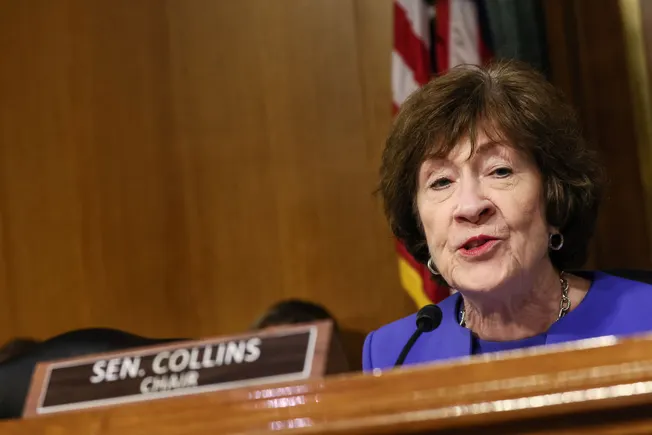
    The signees include Shelley Moore Capito (W.Va.), Susan Collins (Maine), John Boozman (Ark.), Katie Boyd Britt (Ala.), Deb Fischer (Neb.), John Hoeven (N.D.), Jim Justice (W.Va.), Mitch McConnell (Ky.), Lisa Murkowski (Alaska) and Mike Rounds (S.D.). 

    Last week’s letter from 32 Democratic senators charged that OMB and the Education Department are illegally withholding funds. “It is unacceptable that the administration is picking and choosing what parts of the appropriations law to follow, and you must immediately implement the entire law as Congress intended and as the oaths you swore require you to do,” the Democrats wrote to Vought and McMahon. 

    Additionally, 24 states and the District of Columbia on Monday sued Trump, the Education Department and OMB over the funding freeze. Students and schools are already beginning to feel the impacts of the freeze, which has disrupted student programs for summer services and supports for English learners, according to the lawsuit.

    In a July 17 statement to K-12 Dive, an OMB spokesperson said no funding decisions had been made and that it was still reviewing education funding. The spokesperson added that its preliminary findings show the grant programs “have been grossly abused to promote a radical leftwing DEI agenda” and directly violate Trump’s executive orders. 

    The OMB spokesperson said it found examples of funds being used by schools to “promote illegal immigrant advocacy organizations” and “conduct a seminar on ‘queer resistance in the arts.’” 

    The bipartisan calls to unfreeze the funds come as public pushback mounts against the Trump administration over the situation. 

    On Thursday, 600 local, state and national organizations representing districts, teachers, families and students sent a letter to McMahon and Vought urging them to immediately disburse the funds. The “damage has already been done,” the groups said, as K-12 leaders have had to lay off staff, cancel programs, and terminate contracts “that will impact more than 95,000 schools, nearly 55 million K-12 students, and 1.2 million adult learners.”

    Source link

  • Free Speech Forum empowers next generation of First Amendment heroes

    Free Speech Forum empowers next generation of First Amendment heroes

    By FIRE Summer Interns Eli Kronenberg, Suhani Mathur, and Matt Rigby.


    This June, high school students from across the country assembled in our nation’s capital to offer a glimpse of one of the most important things in America — the future of the First Amendment.

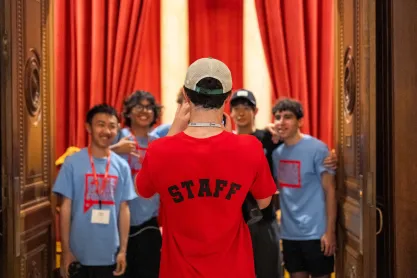
    Held at American University in Washington, D.C., FIRE’s Free Speech Forum mixed big ideas with bigger conversations, bringing together 200 high schoolers to explore, deepen, and celebrate their interest in free speech. Thanks to the collaborative efforts of our generous donors, dedicated staff, enthusiastic counselors, and our incredible students, the forum was a resounding success, leaving us with a feeling of immense pride and a renewed belief in the power of young voices to shape the future of free expression.

    Throughout the week-long event, students had the opportunity to hear from world-renowned free speech advocates, engage in respectful discussions with their peers on pressing political issues, and explore the capital’s treasure trove of historic landmarks. But as one student remarked, the main highlight was simply “being around others who are also interested in civil discourse!”

    The conference kicked off in earnest with a keynote address by musician and activist Daryl Davis, who is known for convincing members of the Ku Klux Klan to renounce the group. Davis captivated the audience with his tales of attending KKK rallies as a black man, bringing Klan leaders inside his home for interviews, and even walking one Klansman’s wife down the aisle at her wedding. Through his commitment to civil dialogue, Davis has persuaded dozens of Klan officials to abandon their racist beliefs, and continues to inspire future generations of free speech advocates. 

    As one student reflected, “Opening with Daryl Davis made a big impact because it forced us to consider if this man can hear this hateful speech and still believe in free expression, then we should be able to do so as well.”


    WATCH VIDEO: An accomplished blues musician, Daryl Davis has dedicated decades of his life to a mission that defies conventional wisdom. Through the transformative power of conversation, Davis fearlessly takes on the challenging task of convincing members of the Ku Klux Klan and other extremist groups to renounce their deep-seated bigotry.

    Students also had the opportunity to meet former congressman and FIRE advisory councilmember Justin Amash during a live taping of FIRE Executive Vice President Nico Perrino’s So to Speak podcast. Campers thoughtfully engaged the former representative with questions about his time in office and his future political aspirations. 

    Capping off our keynote speakers for the week was Mary Beth Tinker, the plaintiff in the landmark Supreme Court decision Tinker v. Des Moines (1969). In 1965, Tinker and her brother wore black armbands in protest of the Vietnam War and were subsequently punished under the school’s code of conduct. Tinker’s victory in the Supreme Court paved the way for generations of students to enjoy greater First Amendment rights in the classroom. Tinker gave students an inspiring testimony about advocating for expression and taking an active role in defending causes you believe in. Her legendary story and lifelong dedication to public service was a striking reminder of students’ power to make an impact on a national scale.

    During the week, students learned the “dos and don’ts” of productive civil discourse, how to engage with opposing perspectives, the fundamentals of First Amendment case law, and how to connect and network with their peers in ways that foster lifelong personal and professional relationships. Breakout sessions like our model debate tournament gave students the chance to think on their feet and work together to form cohesive arguments about a variety of topics. In the session titled “Protected vs. Unprotected,” students tested their critical thinking skills by analyzing potential real-world speech scenarios and determining their protected status under the First Amendment.

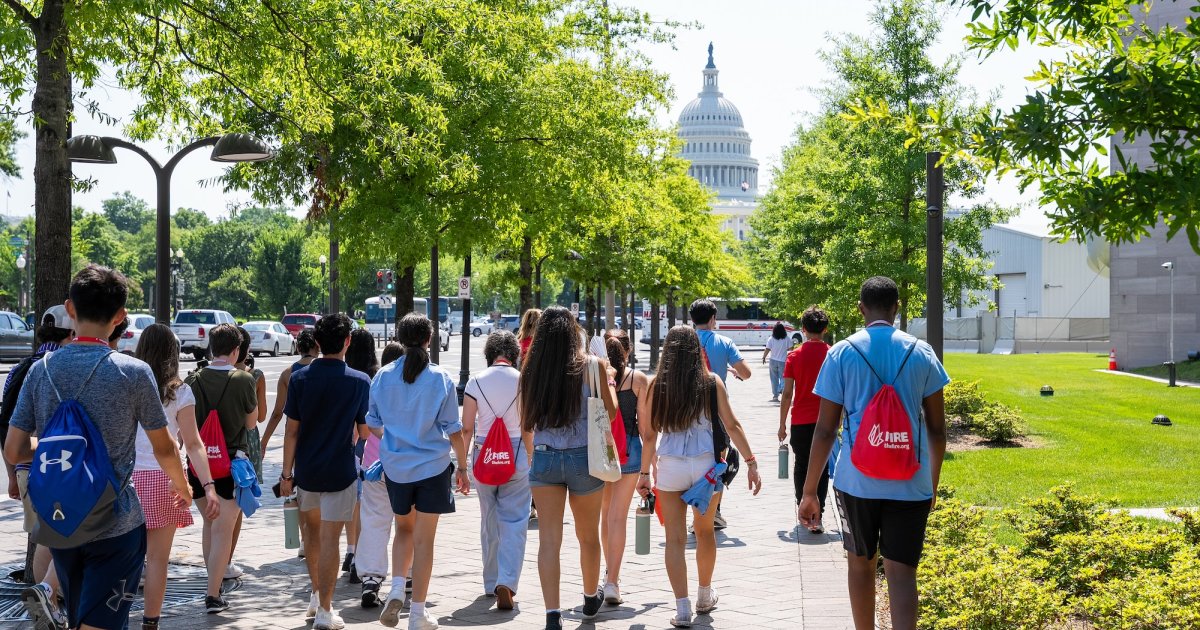
    Free Speech Forum students and counselors exploring the Supreme Court

    Free Speech Forum attendees and counselors explore the Supreme Court building in Washington, D.C.

    As the week progressed, it became clear that whether it was a lively discussion in the dining hall, a spirited debate on the walk to sessions, or the inquisitive questions posed to our speakers, students were engaged and used each opportunity to learn and mold their own perspectives, all while keeping an open mind and a curious attitude. One student said one of the things that most influenced their view on free speech was the “different debates and conversations we had amongst ourselves — on topics not everyone agreed with.”

    In addition, students had the chance to explore their nation’s capital beyond American’s campus, venturing to some of D.C.’s iconic museums and federal buildings. The National Archives, Library of Congress, Supreme Court, and Capitol Building each played host to scores of forum attendees, who supplemented their First Amendment education by standing at the sites where America’s enduring commitment to free speech has been cemented.

    And in true FIRE fashion, students who debated fervently in the classroom still managed to become friends outside of it. We would be remiss not to mention the impromptu piano sing-along during our game night when counselors and campers alike started belting out Ed Sheeran and Bruno Mars hits. The Free Speech Forum talent show was no snoozer either, featuring speed cubing, magic tricks, and cohort acapella. The show was capped off with a group of students presenting a new FIRE flag representing the forum’s transformative impact on our campers.

    “My daughter had an incredible experience,” one parent commented. “She particularly appreciated the chance to connect with other like-minded students from diverse backgrounds.” The parent added, “My daughter left the program feeling more confident in her ability to advocate for causes she cares about and to contribute to open, respectful dialogue.”

    It’s no surprise our Saturday dismissal was accompanied by teary goodbyes, the exchanges of contact information, and promises to stay in touch. We as interns hope students take what they learned at the conference to their communities and campuses, advocating for an America in which no one fears the censorious axe of the government, and in which political differences are resolved with mutually respectful discourse.

    Source link