Blog

  • Experts Weigh In on “Everyone” Cheating in College

    Experts Weigh In on “Everyone” Cheating in College

    Is something in the water—or, more appropriately, in the algorithm? Cheating—while nothing new, even in the age of generative artificial intelligence—seems to be having a moment, from the New York magazine article about “everyone” ChatGPTing their way through college to Columbia University suspending a student who created an AI tool to cheat on “everything” and viral faculty social media posts like this one: “I just failed a student for submitting an AI-written research paper, and she sent me an obviously AI-written email apologizing, asking if there is anything she can do to improve her grade. We are through the looking-glass, folks.”

    It’s impossible to get a true read on the situation by virality alone, as the zeitgeist is self-amplifying. Case in point: The suspended Columbia student, Chungin “Roy” Lee is a main character in the New York magazine piece. Student self-reports of AI use may also be unreliable: According to Educause’s recent Students and Technology Report, some 43 percent of students surveyed said they do not use AI in their coursework; 5 percent said they use AI to generate material that they edit before submitting, and just 1 percent said they submit generated material without editing it.

    There are certainly students who do not use generative AI and students who question faculty use of AI—and myriad ways that students can use generative AI to support their learning and not cheat. But the student data paints a different picture than the one presidents, provosts, deans and other senior leaders did in a recent survey by the American Association of Colleges and Universities and Elon University: Some 59 percent said cheating has increased since generative AI tools have become widely available, with 21 percent noting a significant increase—and 54 percent do not think their institution’s faculty are effective in recognizing generative Al–created content.

    In Inside Higher Ed’s 2025 Survey of Campus Chief Technology/Information Officers, released earlier this month, no CTO said that generative AI has proven to be an extreme risk to academic integrity at their institution. But most—three in four—said that it has proven to be a moderate (59 percent) or significant (15 percent) risk. This is the first time the annual survey with Hanover Research asked how concerns about academic integrity have actually borne out: Last year, six in 10 CTOs expressed some degree of concern about the risk generative AI posed to academic integrity.

    Stephen Cicirelli, the lecturer of English at Saint Peter’s University whose “looking glass” post was liked 156,000 times in 24 hours last week, told Inside Higher Ed that cheating has “definitely” gotten more pervasive within the last semester. But whether it’s suddenly gotten worse or has been steadily growing since large language models were introduced to the masses in late 2022, one thing is clear: AI-assisted cheating is a problem, and it won’t get better on its own.

    So what can institutions do about it? Drawing on some additional insights from the CTO survey and advice from other experts, we’ve compiled a list of suggestions below. The expert insights, in particular, are varied. But a unifying theme is that cheating in the age of generative AI is as much a problem requiring intervention as it is a mirror—one reflecting larger challenges and opportunities within higher education.

    (Note: AI detection tools did not make this particular list. Even though they have fans among the faculty, who tend to point out that some tools are more accurate than others, such tools remain polarizing and not entirely foolproof. Similarly, banning generative AI in the classroom did not make the list, though this may still be a widespread practice: 52 percent of students in the Educause survey said that most or all of their instructors prohibit the use of AI.)

    Academic Integrity for Students

    The American Association of Colleges and Universities and Elon University this month released the 2025 Student Guide to Artificial Intelligence under a Creative Commons license. The guide covers AI ethics, academic integrity and AI, career plans for the AI age, and an AI toolbox. It encourages students to use AI responsibly, critically assess its influence and join conversations about its future. The guide’s seven core principles are:

    1. Know and follow your college’s rules
    2. Learn about AI
    3. Do the right thing
    4. Think beyond your major
    5. Commit to lifelong learning
    6. Prioritize privacy and security
    7. Cultivate your human abilities

    Connie Ledoux Book, president of Elon, told Inside Higher Ed that the university sought to make ethics a central part of the student guide, with campus AI integration discussions revealing student support for “open and transparent dialogue about the use of AI.” Students “also bear a great deal of responsibility,” she said. They “told us they don’t like it when their peers use AI to gain unfair advantages on assignments. They want faculty to be crystal clear in their syllabi about when and how AI tools can be used.”

    Now is a “defining moment for higher education leadership—not only to respond to AI, but to shape a future where academic integrity and technological innovation go hand in hand,” Book added. “Institutions must lead with clarity, consistency and care to prepare students for a world where ethical AI use is a professional expectation, not just a classroom rule.”

    Mirror Logic

    Lead from the top on AI. In Inside Higher Ed’s recent survey, just 11 percent of CTOs said their institution has a comprehensive AI strategy, and roughly one in three CTOs (35 percent) at least somewhat agreed that their institution is handling the rise of AI adeptly. The sample size for the survey is 108 CTOs—relatively small—but those who said their institution is handling the rise of AI adeptly were more likely than the group over all to say that senior leaders at their institution are engaged in AI discussions and that effective channels exist between IT and academic affairs for communication on AI policy and other issues (both 92 percent).

    Additionally, CTOs who said that generative AI had proven to be a low to nonexistent risk to academic integrity were more likely to report having some kind of institutionwide policy or policies governing the use of AI than were CTOs who reported a moderate or significant risk (81 percent versus 64 percent, respectively). Leading on AI can mean granting students institutional access to AI tools, the rollout of which often includes larger AI literacy efforts.

    (Re)define cheating. Lee Rainie, director of the Imagining the Digital Future Center at Elon, said, “The first thing to tackle is the very definition of cheating itself. What constitutes legitimate use of AI and what is out of bounds?” In the AAC&U and Elon survey that Rainie co-led, for example, “there was strong evidence that the definitional issues are not entirely resolved,” even among top academic administrators. Leaders didn’t always agree whether hypothetical scenarios described appropriate uses of AI or not: For one example—in which a student used AI to generate a detailed outline for a paper and then used the outline to write the paper—“the verdict was completely split,” Rainie said. Clearly, it’s “a perfect recipe for confusion and miscommunication.”

    Rainie’s additional action items, with implications for all areas of the institution:

    1. Create clear guidelines for appropriate and inappropriate use of AI throughout the university.
    2. Include in the academic code of conduct a “broad statement about the institution’s general position on AI and its place in teaching and learning,” allowing for a “spectrum” of faculty positions on AI.
    3. Promote faculty and student clarity as to the “rules of the road in assignments.”
    4. Establish “protocols of proof” that students can use to demonstrate they did the work.

    Rainie suggested that CTOs, in particular, might be useful regarding this last point, as such proof could include watermarking content, creating NFTs and more.

    Put it in the syllabus! (And in the institutional DNA.) Melik Khoury, president and CEO of Unity Environmental University in Maine, who’s publicly shared his thoughts on “leadership in an intelligent era of AI,” including how he uses generative AI, told Inside Higher Ed that “AI is not cheating. What is cheating is our unwillingness to rethink outdated assessment models while expecting students to operate in a completely transformed world. We are just beginning to tackle that ourselves, and it will take time. But at least we are starting from a position of ‘We need to adapt as an institution,’ and we are hiring learning designers to help our subject matter experts adapt to the future of learning.”

    As for students, Khoury said the university has been explicit “about what AI is capable of and what it doesn’t do as well or as reliably” and encourages them to recognize their “agency and responsibility.” Here’s an excerpt of language that Khoury said appears in every course syllabus:

    • “You are accountable for ensuring the accuracy of factual statements and citations produced by generative AI. Therefore, you should review and verify all such information prior to submitting any assignment.
    • “Remember that many assignments require you to use in-text citations to acknowledge the origin of ideas. It is your responsibility to include these citations and to verify their source and appropriateness.
    • “You are accountable for ensuring that all work submitted is free from plagiarism, including content generated with AI assistance.
    • “Do not list generative AI as a co-author of your work. You alone are responsible.”

    Additional policy language recommends that students:

    • Acknowledge use of generative AI for course submissions.
    • Disclose the full extent of how and where they used generative AI in the assignment.
    • Retain a complete transcript of generative AI usage (including source and date stamp).

    “We assume that students will use AI. We suggest constructive ways they might use it for certain tasks,” Khoury said. “But, significantly, we design tasks that cannot be satisfactorily completed without student engagement beyond producing a response or [just] finding the right answer—something that AI can do for them very easily.”

    In tandem with a larger cultural shift around our ideas about education, we need major changes to the way we do college.”

    —Emily Pitts Donahoe, associate director of instructional support in the Center for Excellence in Teaching and Learning and lecturer of writing and rhetoric at the University of Mississippi

    Design courses with and for AI. Keith Quesenberry, professor of marketing at Messiah University in Pennsylvania, said he thinks less about cheating, which can create an “adversarial me-versus-them dynamic,” and more about pedagogy. This has meant wrestling with a common criticism of higher education—that it’s not preparing students for the world of work in the age of AI—and the reality that no one’s quite sure what that future will look like. Quesenberry said he ended up spending all of last summer trying to figure out how “a marketer should and shouldn’t use AI,” creating and testing frameworks, ultimately vetting his own courses’ assignments: “I added detailed instructions for how and how not to use AI specifically for that assignment’s tasks or requirements. I also explain why, such as considering whether marketing materials can be copyrighted for your company or client. I give them guidance on how to cite their AI use.” He also created a specialized chat bot to which students can upload approved resources to act as an AI tutor.

    Quesenberry also talks to students about learning with AI “from the perspective of obtaining a job.” That is, students need a foundation of disciplinary knowledge on which to create AI prompts and judge output. And they can’t rely on generative AI to speak or think for them during interviews, networking and with clients.

    There are “a lot of professors quietly working very hard to integrate AI into their courses and programs that benefit their disciplines and students,” he adds. One thing that would help them, in Quesenberry’s view? Faculty institutional access to the most advanced AI tools.

    Give faculty time and training. Tricia Bertram Gallant, director of the academic integrity office and Triton Testing Center at the University of California, San Diego, and co-author of the new book The Opposite of Cheating: Teaching for Integrity in the Age of AI (University of Oklahoma Press), said that cheating part of human nature—and that faculty need time, training and support to “design educational environments that make cheating the exception and integrity the norm” in this new era of generative AI.

    Faculty “cannot be expected to rebuild the plane while flying it,” she said. “They need course release time to redesign that same course, or they need a summer stipend. They also need the help of those trained in pedagogy, assessment design and instructional design, as most faculty did not receive that training while completing their Ph.D.s.” Gallant also floated the idea of AI fellows, or disciplinary faculty peers who are trained on how to use generative AI in the classroom and then to “share, coach and mentor their peers.”

    Students, meanwhile, need training in AI literacy, “which includes how to determine if they’re using it ethically or unethically. Students are confused, and they’re also facing immense temptations and opportunities to cognitively offload to these tools,” Gallant added.

    Teach first-year students about AI literacy. Chris Ostro, an assistant teaching professor and instructional designer focused on AI at the University of Colorado at Boulder, offers professional development on his “mosaic approach” to writing in the classroom—which includes having students sign a standardized disclosure form about how and where they’ve used AI in their assignments. He told Inside Higher Ed that he’s redesigned his own first-year writing course to address AI literacy, but he is concerned about students across higher education who may never get such explicit instruction. For that reason, he thinks there should be mandatory first-year classes for all students about AI and ethics. “This could also serve as a level-setting opportunity,” he said, referring to “tech gaps,” or the effects of the larger digital divide on incoming students.

    Regarding student readiness, Ostro also said that most of the “unethical” AI use by students is “a form of self-treatment for the huge and pervasive learning deficits many students have from the pandemic.” One student he recently flagged for possible cheating, for example, had largely written an essay on her own but then ran it through a large language model, prompting it to make the paper more polished. This kind of use arguably reflects some students’ lack of confidence in their writing skills, not an outright desire to offload the difficult and necessary work of writing to think critically.

    Think about grading (and why students cheat in the first place). Emily Pitts Donahoe, associate director of instructional support in the Center for Excellence in Teaching and Learning and lecturer of writing and rhetoric at the University of Mississippi, co-wrote an essay two years ago with two students about why students cheat. They said much of it came down to an overemphasis on grades: “Students are more likely to engage in academic dishonesty when their focus, or the perceived focus of the class, is on grading.” The piece proposed the following solutions, inspired by the larger trend of ungrading:

    1. Allow students to reattempt or revise their work.
    2. Refocus on formative feedback to improve rather than summative feedback to evaluate.
    3. Incorporate self-assessment.

    Donahoe said last week, “I stand by every claim that we make in the 2023 piece—and it all feels heightened two years later.” The problems with AI misuse “have become more acute, and between this and the larger sociopolitical climate, instructors are reaching unsustainable levels of burnout. The actions we recommend at the end of the piece remain good starting points, but they are by no means solutions to the big, complex problem we’re facing.”

    Framing cheating as a structural issue, Donahoe said students have been “conditioned to see education as a transaction, a series of tokens to be exchanged for a credential, which can then be exchanged for a high-paying job—in an economy where such jobs are harder and harder to come by.” And it’s hard to fault students for that view, she continued, as they receive little messaging to the contrary.

    Like the problem, the solution set is structural, Donahoe explained: “In tandem with a larger cultural shift around our ideas about education, we need major changes to the way we do college. Smaller class sizes in which students and teachers can form real relationships; more time, training and support for instructors; fundamental changes to how we grade and how we think about grades; more public funding for education so that we can make these things happen.”

    With none of this apparently forthcoming, faculty can at least help reorient students’ ideas about school and try to “harness their motivation to learn.”


    Source link

  • Three Questions for Coursera’s New CEO, Greg Hart

    Three Questions for Coursera’s New CEO, Greg Hart

    For many institutions of higher education (including the one I work for), Coursera is an important online learning partner. Therefore, it was a big deal when Coursera announced earlier this year that Greg Hart was taking over as CEO from Jeff Maggioncalda. This space seemed like a good place to begin to get to know Greg, and he graciously agreed to answer my questions.

    Q: You’ve spent the majority of your career at Amazon, so education is a new space for you. What do you want universities to know about how you’ll approach partnerships, and how will your background influence how you lead Coursera? 

    A: My background is rooted in building and scaling technology-driven businesses that serve millions of customers. At Amazon, I led the creation and launch of Alexa and later served as the global head of Prime Video. Those roles shaped how I think about innovation, long-term customer value and meaningful experiences at scale. While higher education is a new sector for me, there are clear parallels: At Amazon, we solved enduring customer problems through technology. That same principle applies at Coursera—learners are seeking flexible, high-quality and job-relevant education, often in moments that define the trajectory of their lives. Both our university and industry partners are working with us to meet these evolving needs with world-class learning content, enabled by our platform’s ability to deliver personalized learning experiences at scale.

    What makes this work especially meaningful is the higher stakes involved. We’re not just helping people shop or stream content—we’re helping them transform their lives through access to learning. That sense of purpose is what drew me to Coursera. I approach our university partnerships with deep respect for the role higher education plays in society, and I see my responsibility as ensuring Coursera is a trusted, effective and mission-aligned partner for institutions around the world.

    Q: Can you update us on Coursera’s business, focusing on the biggest growth drivers and challenges? How confident can universities be in Coursera’s long-term financial resilience as a strategic partner?

    A: Coursera is where the world comes to gain new skills and learn from the most trusted institutions. Content is the engine of our business and the foundation of our ecosystem. Today, we partner with more than 350 leading universities and companies, offering job-relevant content across a wide range of domains, including technology, business, AI and data science.

    This catalog has attracted more than 175 million learners globally, including more than seven million new registered learners in the first quarter of this year alone. Many learners come to Coursera directly through our platform, while a growing number access content through institutional settings via our enterprise offerings. This entire ecosystem is powered by a unified platform that enables our partners to reach a global audience at scale, leverage data to inform content strategy and skills recommendations and harness advanced AI tools to drive personalized learning and discovery.

    Since going public in 2021, we’ve operated as responsible stewards of our capital, balancing disciplined cost management with long-term investments in growing our business and advancing our mission. Coursera is in an extremely stable position financially: We are growing, we generate positive free cash flow, we have a very healthy balance sheet and we have no debt.

    In Q1 2025, we delivered $179 million in revenue, up 6 percent year over year on growth in our consumer and enterprise segments and generated over $25 million in free cash flow, marking our strongest quarter of cash performance to date. Based on this strong start, we now expect full-year 2025 revenue to be between $720–730 million, with annual adjusted EBITDA margin improvement of 100 basis points to 7 percent—an outlook that reflects both durable demand and growing operating leverage. As of March 31, 2025, we have approximately $748 million in unrestricted cash and no debt, giving us both the stability and flexibility to invest in platform innovation, expand our content ecosystem and continue supporting our partners and learners around the world.

    Q: Given your background in industry, do you see more value in partnerships and content from businesses, like industry microcredentials? How do colleges and degrees factor into your long-term vision?

    A: Coursera was founded in 2012 by two Stanford professors, Andrew Ng and Daphne Koller. Universities are, and will continue to be, central to Coursera’s mission and strategy—especially in an era shaped by generative AI, where enduring human skills and trusted credentials are more important than ever. University content is vital not only to degree programs, but also to our offerings for individuals, businesses and governments. Some of our most popular courses are from top university instructors—Jules White of Vanderbilt, Vic Strecher of Michigan, Laurie Santos of Yale and Sydney Finkelstein of Dartmouth.

    We do not view degrees and nondegree programs as competing priorities. Rather, we believe in building an interconnected ecosystem that gives learners the flexibility to start with entry-level microcredentials, build towards academic credit and ultimately stack into full degrees. Today, 90-plus entry-level professional certificates are offered by our industry partners, and a third of them carry credit recommendations, making them a natural on-ramp to higher education. Our degree portfolio has expanded to over 50 programs and remains a strategic component of our consumer offering.

    Source link

  • Our Debate Over Higher Ed Has Lost the Plot (opinion)

    Our Debate Over Higher Ed Has Lost the Plot (opinion)

    There is an endless war being waged against colleges and universities in this country, one unprecedented in our lifetimes. Not merely a war of words, it is one of deeds. Beginning with state-level efforts to ban “critical race theory” and “divisive concepts” from college classrooms and diversity, equity and inclusion initiatives from campuses, it has now grown into an obsessive preoccupation of federal policy.

    Broad executive orders have sought to ban concepts related to race, gender and identity on campus, using the leverage of withheld federal grants. Drastic and indiscriminate cuts have been made to university funding. International students have had their visas revoked on the basis of their political views. Attacks on nonpartisan university accreditors have mounted. And escalating demands that elite private research universities effectively place themselves in government receivership or lose further billions in federal dollars have thrown the sector into chaos.

    That is why I was honored to sign, and to help coordinate, last month’s letter from more than 600 college, university and scholarly society presidents in defense of our nation’s institutions of higher learning. The letter, which calls for “constructive engagement that improves our institutions and serves our republic,” also criticizes “the unprecedented government overreach and political interference now endangering” institutions of higher learning and warns that “the price of abridging the defining freedoms of American higher education will be paid by our students and our society.”

    I remain concerned that the problems colleges and universities face today go deeper than funding cuts and government threats. Indeed, our national debate over higher education has lost the plot entirely. Critics of higher education present the entire sector as an elitist, out-of-touch indoctrination factory for liberal orthodoxy, one that has replaced the great books of the Western canon with political claptrap. This charge has gained broad traction among the public. But not only is it untrue on the merits, it fundamentally misunderstands the purpose and mission of higher education. It asks the wrong question and delivers the wrong answer.

    If our sector is to regain the respect and appreciation of American society, we need to reorient the national conversation. We need to help people remember what it is that colleges and universities actually do—and why it matters.

    The American Association of Colleges and Universities, where I have been president since 2016, is a voice and a force for what we call liberal education. Let me be clear: teaching students to believe in liberal politics or conservative politics is the opposite of what “liberal education” means. Rather, the term, which predates modern political labels, refers to liberating the mind from received orthodoxies of all types.

    I agree with Margaret Mead—and with leaders across the political spectrum, from Barack Obama to Ron DeSantis—that students should be taught how to think, not what to think. A successful college education is measured not by what its graduates believe but by what they can conceive. It fires the imaginations of its students, helps them explore ideas and experiences different from their own, and trains them in habits of thought and mind that aid them in making their own meaning from the world. It provides them both with the practical skills they will need for their future employment and with the critical thinking tools that help them attain, and succeed in, their jobs of choice. By providing a forum and a method for open inquiry and intellectual freedom, and by exposing students and communities to new ideas and perspectives, it also helps to strengthen our democracy.

    This type of education does not happen by chance, from a hodgepodge of unconnected courses; it is part of a plan. For decades, AAC&U has served as a learning lab for a type of comprehensive undergraduate education that teaches students in a systematic way, over the course of a two-year or four-year degree, how to become effective thinkers and problem-solvers. We pioneered the concepts of high-impact practices, inclusive excellence and innovations in general education, learning outcomes and assessment, innovations that have been adopted by hundreds of campuses across the country, including many of our nearly 900 member institutions.

    Higher education should always try to do better at opening students’ minds; in fact, that commitment is at the core of my organization’s work. Taking criticism seriously is how colleges and universities innovate and improve. But that innovation cannot happen if the government steps in to ban or defund ideas it dislikes, taking away the academic freedom of faculty; if it strips university leadership of its autonomy to make decisions about what ideas are permitted or promoted on campus; or if it makes so many threats or cuts that professors and students become afraid to speak and think freely.

    The careful process of preparing students for democratic citizenship requires helping them understand the great multiplicity of people, cultures and beliefs that make up the world we live in. It is time for us to stop asking whether colleges and universities teach the “right” ideas and ask, instead, whether they teach students the skills they need to navigate our complex world. That approach would lead us away from culture wars and heavy-handed government restrictions and toward constructive engagement with the educational missions of colleges and universities so they can work together with government to improve our students’ educations.

    Lynn Pasquerella is president of the American Association of Colleges and Universities.

    Source link

  • Globally Competitive? What International Students Are Really Experiencing in the UK 

    Globally Competitive? What International Students Are Really Experiencing in the UK 

    In recent years and months, the UK has seen considerable debate over immigration policy, with proposed changes that could make studying here less attractive for prospective students.  

    The Government’s new Immigration White Paper includes plans to cut the post-study Graduate Route visa to 18 months and impose new levies on universities. Against this backdrop, the Russell Group Students’ Unions (RGSU), in partnership with the UK Council for International Student Affairs (UKCISA) and with support from the All-Party Parliamentary Group (APPG) for International Students, launched Globally Competitive: A Report on the International Student Experience at a Parliamentary event on 14 May 2025. The report draws on surveys from nearly 5,000 international students at Russell Group universities (about 40% of the UK total), making it one of the most comprehensive studies of its kind. 

    A mixed picture of success and struggle 

    The report’s findings present a striking varied picture. On one hand, it reaffirms the UK’s position as a leading global study destination, with one in seven respondents stating the UK’s high-quality education and globally recognised universities were their main motivations for studying here. For three in four students, the UK was their first-choice destination. Students are also attracted by the shorter course lengths, multicultural environments and post-study work opportunities offered through the Graduate Route. 

    Alongside this positive narrative, the report reveals a deeply challenging reality for many students once they arrive. Half of the international students we surveyed reported struggling with poor mental health during their time here, a statistic that will resonate with academic and professional services staff who see students day in, day out.  

    Living costs are also having a direct impact on student wellbeing, with monthly expenses (excluding tuition fees) averaging £1,402 and rising to £1,635 for students in London. For many, studying in the UK means short- and medium-term financial hardship and consignment to long-term debt. Over 30 per cent of postgraduate taught students rely on bank loans or credit cards. One in five worries about money all the time. Those most affected by financial stress are also more likely to report poor mental health. 

    Despite these pressures, current visa rules prevent international students from pursuing freelance work or self-employment, even in areas where their skills are in high demand. These restrictions are not only impractical but risk undermining both the student experience and the UK’s wider economic priorities. 

    Barriers to belonging 

    Just as concerning are the social barriers many students face. One in three international students reported they had experienced racism while in the UK. While 94% reported feeling safe and welcome on campus, that sense of belonging often didn’t extend to the wider community, with only 73% stating they feel safe and welcome in the UK more generally. These experiences can leave lasting impacts and send the wrong message to future students weighing up their study options against other international destinations. 

    Ultimately, these findings highlight a simple reality: the UK remains a top choice, but we cannot take that status for granted. Negative public rhetoric, which sometimes labels international students as a ‘problem’, ignores evidence that they contribute billions to our economy, volunteer in our local communities and improve our universities’ teaching and contribute to our world-leading research. International students are our peers, colleagues and future leaders. Therefore, it’s important we balance any concerns about immigration with the fact that international students are part of our future. 

    A roadmap for reform 

    This report centres students’ experience of studying here and sets out a roadmap for meaningful change. At a national level, we are calling on the Government to: 

    • Freeze visa application fees and the Immigration Health Surcharge;
    • Allow greater flexibility in term-time work and permit self-employment and freelance work during study; and
    • Conduct a cross-departmental impact assessment on how immigration policies and public messaging affect the international student experience. 

    These policies are essential if we want to keep the UK globally competitive.  

    Shared responsibility across the sector 

    But change cannot come from Westminster alone. Universities and higher education sector bodies must also act. We’re asking universities to consider: 

    • Fixing international students’ tuition fees at the point of entry;
    • Providing equitable access to hardship funds with clear eligibility criteria;
    • Delivering culturally competent mental health support that truly meets students’ needs;
    • Call on employers and careers services to better understand the Graduate Route and provide more tailored advice and job opportunities for international students; and
    • Adopt UKCISA’s #WeAreInternational Student Charter as a framework to improve the international student experience. 

    Working together for a welcoming UK 

    Our report is a call to action. We invite government ministers, MPs and Peers, and university leaders to work with their students’ unions to engage with the report’s findings and work collaboratively on solutions. The APPG for International Students and UKCISA have helped amplify the student voice; now we ask on all stakeholders to join the conversation and implement evidence-based policies. 

    Source link

  • The widening access narrative must return to speaking about places

    The widening access narrative must return to speaking about places

    Widening access to higher education has experienced a precipitous fall from grace in the eyes of politicians over the last ten years – a fall that may have slowed slightly but as yet to stop under this government.

    This fall may have coincided with the shift away from place-based to institutional-focused approaches to the problem. The access and participation plan regime may have stopped widening participation slipping out of sight completely but as our latest report shows, they have done little to increase higher education participation for those from the poorest backgrounds, particularly in rural and coastal areas.

    Split geographies

    The report – Coast and country: access to higher education cold spots in England – looks at the data published annually by the Department of Education on participation in higher education by free school meal (FSM) backgrounds. There are things we know about what this data shows as outlined in previous reports I have written and more recent work such as that from the Sutton Trust – in particular that London does far better than everywhere else.

    In this report, though, we show exactly how much. The national higher education participation rate in 2022–23 for those from FSM backgrounds was 29 per cent. If you take out London, which has only 16 per cent of the population of England, it falls to 23 per cent. London is covering up a much more challenging situation in the rest of the country than we are prepared to admit.

    These challenges increase as areas get smaller. The report looks at the relationship between the size of an area and the FSM higher education participation rate. It drops steadily as population decreases from 43 per cent in big cities to 18 per cent in rural villages. Nor is the situation improving. The gap between London and the other 84 per cent of the population has increased 3 per cent from 2012–23 to 2022–23 and just under 3 per cent between predominantly urban areas and predominantly rural areas over the same period.

    Many coastal areas in England – especially seaside resorts – have well documented problems with poverty, unemployment and health inequalities and higher education participation can be added to that list. The higher education participation rate for those from FSM backgrounds coastal communities was 11 per cent lower than in inland areas in 2022–23 with in many areas less than one in five such young people going onto higher education. There is an overlap here between rural and coastal areas here with the South West especially including areas of lower higher education participation.

    It is often said that the differences in higher education participation described above are associated with attainment in schools. Increasing attainment was the priority where widening access work was concerned for the Office for Students for a number of years. In the report, we map GSCE attainment at the area level against FSM higher education participation – and the correlation is indeed strong.

    It is far weaker, though, in villages and coastal areas than the rest of the country. This suggest that in the places where the problems are the greatest, better GCSE results alone won’t be enough. In 2022–23, six of the ten areas with the lowest levels of higher education participation did not have a university campus within them. What provision exists also matters.

    We need new (old) stories

    If any progress in closing the gaps between regions described above is to be made then place must again become the central focus for widening access to higher education work – as it was when the last Labour government championed the issue so vigorously in the 2000s.

    The pendulum has swung too far since then toward what institutions themselves do. Consequently, that political link between widening access, opportunity and growth has been broken. It is possible that the government itself will swing the pendulum back to place, and some of the signs coming from the Office for Students in recent months have been promising.

    However, higher education providers themselves can take the initiative themselves here and look for new ways to form stronger partnerships – ones that take whatever replaces Uni Connect as the start, not the endpoint, of what regional collaboration means.

    While the sector’s financial challenges make competition for students more intensive than it has ever been – and thus collaboration in this area more difficult – the value of higher education itself is being questioned by young people more than it ever has been since participation increased rapidly in the 1990s. Fighting between each other for young people’s and their schools’ attention won’t convince those, especially from the poorest backgrounds, that higher education is worth it. But collaboration will.

    Collaboration won’t produce additional provision in rural and coastal areas, or the money to fund it. But unless we shift the story and the practice of widening access back to place, this additional provision will never come.

    Source link

  • Charles Negy was fired over a tweet — now he’s having his day in court

    Charles Negy was fired over a tweet — now he’s having his day in court

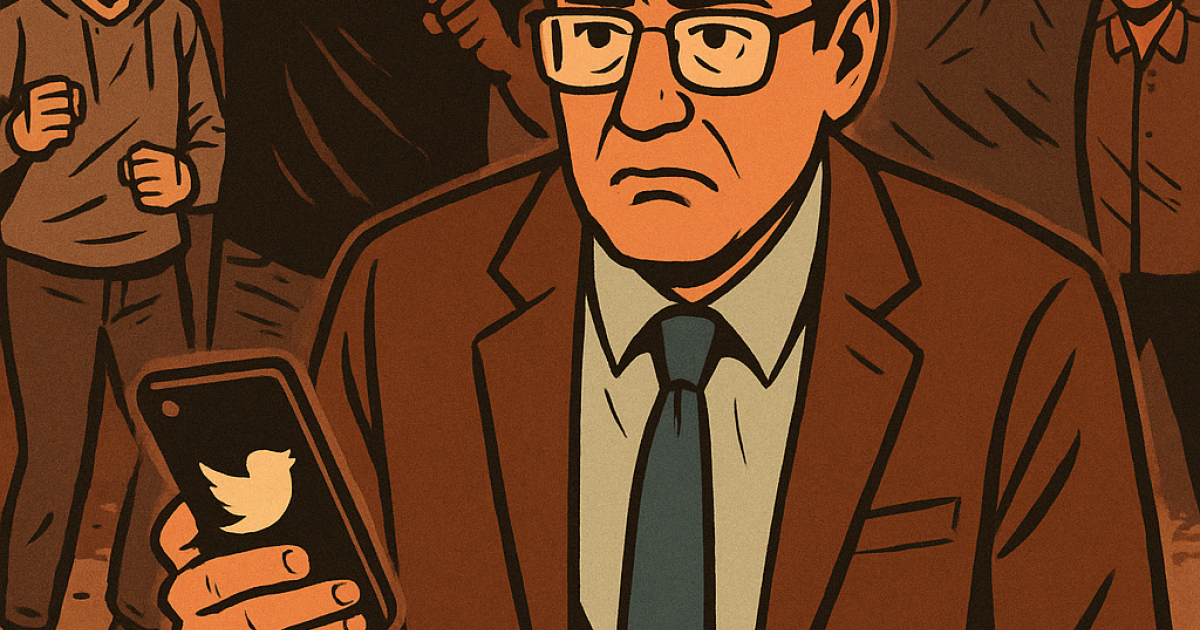
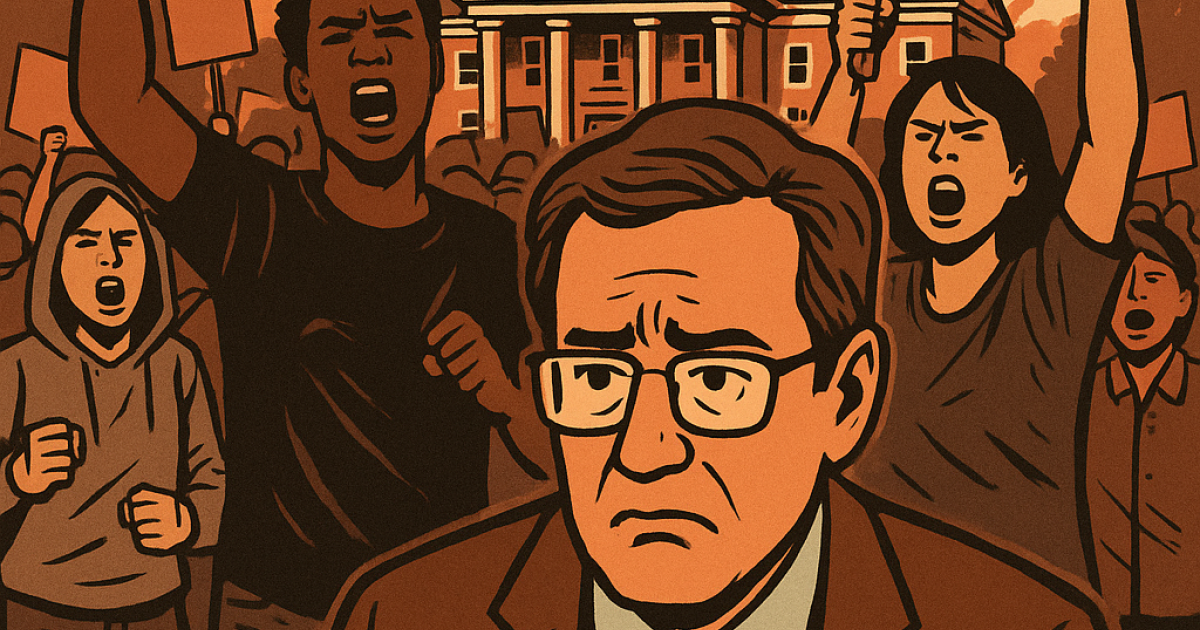
    In the summer of 2020, two issues dominated the headlines: the COVID pandemic and the widespread unrest surrounding George Floyd, Black Lives Matter, and the “racial reckoning.” It was in this environment, with the country also at or near the apex of “cancel culture,” that the University of Central Florida tried to fire associate professor of psychology Charles Negy for his tweets about race and society. Negy fought back and sued.

    Five years later, his lawsuit continues — and last week, it brought good news not just for Professor Negy but for everyone who cares about free speech on campus.

    Last week, Judge Carlos E. Mendoza of the U.S. District Court for the Middle District of Florida ruled that Negy’s lawsuit could proceed against four of the five administrators he sued. Importantly, the court denied claims of qualified immunity, a doctrine that says public officials aren’t liable for unconstitutional activity unless they knew or should have known their actions were unconstitutional. By denying qualified immunity to UCF’s administrators, Judge Mendoza formally recognized what was obvious from the very beginning: UCF knew or should have known that what it was doing violated the First Amendment, but they went ahead and did it anyway.

    (As a note, Negy is represented by Samantha Harris, a former FIRE colleague, which is how I learned about his case a few years ago.)

    Negy was fired for his speech, then re-instated by an arbitrator

    In the summer of 2020, Negy posted a series of tweets (since deleted) commenting on race and society. (For example, on June 3, 2020, he tweeted: “Black privilege is real: Besides affirm. action, special scholarships and other set asides, being shielded from legitimate criticism is a privilege.”)

    After some students complained to the school about Negy’s tweets, UCF responded by soliciting further complaints about him. That led to the opening of an investigation into Negy’s classroom speech as well. Seven months later, what began as an investigation of tweets led to 300 interviews; which led to a (get ready for this) 244-page report. As I wrote at the time, the report made absolute hash of academic freedom with what struck me as nonsensical lines drawn between speech it believed to be protected and unprotected: 

    According to the UCF investigation, it is protected speech to say that girl scouts preserve their virginity (p. 25), but not that women are attracted to men with money (p. 26). It is protected speech to say that Jesus was schizophrenic (p. 36), but unprotected to say that Jesus did not come into the world to die for everyone’s sins (p. 36). It’s protected to say that Islam is cruel and not a religion of peace (p. 107) but not that it is a toxic mythology (p. 35).

    Based on the report, in January 2021, UCF administrators decided to fire Negy without providing a normally required six-month notice period — allegedly because he was a “safety risk.” (Caution: Dangerous Tweets!) Unsurprisingly, in May of 2022, an arbitrator ordered him re-instated, citing a lack of due process. And as I pointed out then

    UCF’s case against Negy was never likely to survive first-contact with a neutral decision-maker. When an investigation of tweets includes incidents from 2005 — the year before Twitter was founded — either the investigator is lying about their purpose or confused about the linear nature of time.

    In 2023, Negy sued the institution and five individuals who had been involved in the UCF decision. Some of Negy’s claims were dismissed last year; the recent ruling was on motions for summary judgment on the remaining claims. 

    Why claims only went forward against four out of five defendants

    Last week’s ruling involved two causes of action. The first is a First Amendment retaliation claim against five individual defendants. First Amendment retaliation is basically just what it sounds like: a government employee retaliating against an individual for his or her protected speech. In Negy’s case, his claim is that certain UCF employees didn’t like his tweets, and decided to fire him for those tweets — with everything in-between, including the investigation and report, motivated by the desire to punish him for using his First Amendment rights on the Internet.

    The second cause of action is against one particular UCF employee — the employee who was in charge of writing the report — alleging a direct First Amendment violation. Again, that’s just what it sounds like: a government official censoring Negy’s protected expression. Negy argued UCF’s report claimed that several instances of Negy’s in-classroom speech amounted to discriminatory harassment, when his speech was actually protected by the First Amendment as an exercise of academic freedom. In other words, Negy claimed that the UCF employee violated his First Amendment rights by telling decision-makers that Negy’s speech wasn’t protected. 

    To understand the judge’s ruling, it’ll be helpful to be able to refer to the defendants by something more than pronouns. Let’s meet them!

    The first three were joint decision-makers about what to do with the investigation results. They are: 

    • Alexander Cartwright, the president of UCF.
      • FUN FACT: While this case was pending, Cartwright received a 20% pay raise, giving him a base salary of $900,000 and potential total compensation of $1.275 million.
      • QUOTE: As quoted in the opinion, Cartwright responded to demands that Negy be immediately fired with: “Sometimes we have to go through a process, as frustrating as … that process is to me.” When asked, Cartwright could not recall what was frustrating about the process.
    • Michael Johnson, UCF’s provost and executive vice president for academic affairs.
      • FUN FACT: After 35 years at UCF, Johnson announced his retirement last month.
      • QUOTE:  Johnson publicly condemned Negy’s tweets the day the investigation started. At a 2022 arbitration hearing, Johnson said Negy was “dangerous” and that “[w]e didn’t see any way to put him safely in a classroom situation again.” Johnson was apparently so unconvincing that the arbitrator re-instated Negy anyway.
    • Tosha Dupras, who was at the time the interim dean of UCF’s College of Sciences. Dupras issued the notice of termination.
      • FUN FACT: Since 2022, this native of Canada has been dean of the College of Arts and Sciences at Texas Tech.
      • QUOTE: When responding to an email calling for Negy’s removal from the classroom long before the investigation was complete, Dupras said: “I agree with the thoughts you have expressed in [y]our email.”  

    Two others had different roles, but were not directly the decision-makers:

    • Nancy Fitzpatrick Myers, then the director of UCF’s Office of Institutional Equity. Myers ran the investigation.
      • FUN FACT: Since 2024, attorney Myers has been director of Yale’s University-Wide Committee on Sexual Misconduct.
      • QUOTE: From the opinion: “Although Myers stated that OIE performed an independent credibility assessment for the witness statements, she noted that the results were not written down and that it ‘was something [she] was assessing as [she] went through the record.’”
    • S. Kent Butler, who at the time was UCF’s interim chief Equity, Inclusion and Diversity officer, and is now a professor of counselor education. Butler, Cartwright, and Johnson put out the initial statement soliciting complaints about Negy.
      • FUN FACT: Butler did crisis management work in New Orleans after Hurricane Katrina.
      • QUOTE: Less than 24 hours after the start of the investigation, an incoming freshman asked Butler what would happen to Negy. Butler responded: “The wheels are in motion … [B]elieve that by the time you get on the campus as a freshman, it will have been dealt with.” 

    A brief summary of their roles in Negy’s firing, at least as described in the court’s opinion (I wasn’t there, after all): 

    • Cartwright, Johnson, and Butler issued UCF’s initial statement about Negy, which invited people to submit complaints about him.
    • Myers wrote and submitted the 244-page report to Negy’s supervisor (not a party to this action), who then recommended Negy’s termination.
    • Cartwright, Johnson, and Dupras made the decision to terminate Negy

    The court granted Butler’s motion for summary judgment, deciding that Butler wasn’t at any point in the process a decision-maker. If Butler wasn’t part of the process to decide to terminate Negy, the court reasoned, then he wasn’t in a position to retaliate. I’m not sure I agree; I think putting out a press release inviting people to submit complaints could certainly create a chilling effect on speech, and therefore constitute an act of retaliation. 

    The court seems to view the termination as the only form of retaliation in question, but that isn’t how the complaint was written, which lists the statement as a form of retaliation. Sure, termination is worse, but I think that anything that would chill a person of reasonable fortitude from speaking out is potentially a form of retaliation. Having a government official multiple levels of supervision above you put out a call for complaints specifically about you would be a disincentive for most people, I’d think. But what do I know? “I’m just a caveman… your world frightens and confuses me.” 

    The court also granted Myers’ summary judgment motion on the second claim for direct censorship, ruling that the right to academic freedom over in-class speech has not been clearly established in the Eleventh Circuit. Negy had precedent from other circuits, but not this circuit, to show that in-classroom speech was entitled to some level of academic freedom. The court here is indeed bound by bad circuit precedent. The Supreme Court needs to fix this doctrine at some point

    Nevertheless, let’s move on… 

    The court rejects the qualified immunity defense for the retaliation claims

    The remaining defendants argued they were entitled to qualified immunity, specifically arguing that Negy could not show he was terminated for his tweets. After all, in a vacuum, at no point did any of them say, “You, sir, have the wrong opinions on the Internet, and therefore you must fly from us. Begone!” Instead, there was a long investigation that found lots of things they didn’t like about what he said in the classroom. So their argument, in a nutshell, was that there’s no causality here. Where’s the smoking gun? 

    Negy’s response was that there was no observable “smoking gun” because the entire process was a smokescreen, and the decision to terminate him was effectively made by the time they announced the investigation. (Duh.) Because this was a motion for summary judgment made by the defendants, Negy only had to show the possibility that he could prove it at trial, and so he provided evidence that suggested the decision-makers had a preordained outcome in mind.

    Scroll back and read the quotes in the mini-bios above. The court found that a reasonable jury could determine, given this and more evidence like it, that the investigation was a pretense. 

    There’s a second way the defendants could have gotten qualified immunity: by showing they’d have made the decision to fire Negy even if he hadn’t tweeted those statements, on the basis of the things reflected in the report. But the argument that they would’ve fired Negy for his classroom speech alone faced an awfully big hurdle: their 15 years of deciding not to do that. It wasn’t like Negy woke up one morning in 2020 after a lifetime of milquetoast platitudes and chose rhetorical violence. 

    From following this case, it seems to me that Negy’s entire career has been what I’d describe as punk rock pedagogy: he didn’t care if you loved it or hated it, as long as you remembered the show. There is an argument that the pursuit of truth is enhanced by that kind of teaching — a darned good one given how many of us have experienced it at one time or another. All of our interactions are balances between our honest opinions and what we can say within the bounds of society. There is only one human being I genuinely believe was so intrinsically good that his unfiltered views were socially acceptable to everyone, and Fred Rogers isn’t with us anymore. The rest of us are wearing masks at least some of the time, and letting those masks slip to study our real thoughts is something we might want to allow in a psychology classroom

    The court also noted that the purpose of qualified immunity was to avoid liability for unsophisticated decision-makers or decisions that had to be made on-the-spot, where the decision-maker wasn’t in a position to know what they did was unlawful. (The paradigmatic example is that of a police officer who has to make a split-second decision.) The court rejected that rationale: “Defendants had ample time to make reasoned, thoughtful decisions regarding how they wished to proceed with the investigation. Moreover, they had the benefit of making those decisions with counsel.” At some point, while writing their 244-page report, perhaps one of them might have considered the law? (FIRE has pushed this argument before.)

    You stop that censorship right meow

    The excessively logical among you might well be asking: If (diversity officer) Butler’s motion for summary judgment on the retaliation claim was granted because he wasn’t a decision-maker, and (investigator) Myers also wasn’t a decision-maker, why wasn’t Myers able to get summary judgment on the retaliation claim, too? 

    It has to do with something called the “cat’s paw” theory. The name comes from the fable of the monkey and the cat. The short, not-very-artistic version is this: A clever monkey talks a cat into reaching into a fire and pulling chestnuts out of it, promising to share them. Instead, the monkey eats the chestnuts as they come out, and all the cat gets is a burned paw. (Is it just me, or are monkeys in fables always mischievous? Where’s the decent monkey in mythology? Just once, give me the monkey who shares the chestnuts and and even brings some milk. Just once, 17th century French authors, subvert my expectations.) 

    Under the cat’s paw theory, a state actor can be liable for retaliation if they make intentionally biased recommendations to the decision-maker (who then does not independently investigate) in order to reach the desired outcome. Was this a biased investigation? My feelings on the topic are summed up in a 2021 story

    The entire process of preparing this report was motivated by complaints about Negy’s tweets. Nobody interviews 300 people over seven months about incidents covering 15 years unless they’re desperate to find something, anything, to use against their target. UCF’s lack of sincerity in their investigation of Negy’s tweets — which, technically, was what they were investigating, based on the spurious allegation that Negy’s offensive tweets were required reading in his classes — is reflected in their decision to investigate allegations as far back as 2005, the year before Twitter was founded.

    I’ll paws here to make clear that I don’t purr-sonally know either Negy or the Defendants. Still, based on the timeline, the purr-ported need for the investigation, and its fur-midible scope, I’m feline like Negy was purr-secuted. The meow-nifestly unfair termination, I feel, is inseparable from the hiss-tory behind the report’s creation. (Okay, I’ll stop. Sorry, I was just kitten around.)

    Institutions need to avoid overreacting to outrage 

    For Negy and the defendants (which is not the name of a punk rock band, yet), the next step is to decide if they can work this out themselves or they need a trial to look deeper into whether UCF’s decision to fire him was effectively made when the investigation started. But there’s a larger principle here that other institutions need to learn before they learn it the embarrassing way UCF has.

    Maybe, just maybe, people saying things that merely offend you isn’t that serious. Maybe having someone in your community of nearly 70,000 students and over 13,000 faculty and staff members who says things that simply offend people is not actually a sign of a dire crisis. Maybe the students who demand that level of ideological conformity are not the ones you should be trying to attract. Because maybe, if you cultivate a level of automatic groupthink that rejects the possibility of dissenting views, you will come to discover that, eventually, your administration has a dissenting view

    What if, instead of reacting to every declaration of witchcraft by tightening the buckles on your hats, you tried explaining that lots of things might be offensive, and if you don’t like Negy, you might have luck with one of the thousands of other professors? What if, instead of modeling the kind of purge your ideological opponents might adopt one day if, I don’t know, they were politically powerful at some point, you modeled the idea that we can cooperate across deeply-held but incompatible beliefs? 

    I don’t know much about politics, but… It would certainly be cheaper, wouldn’t it? 

    FIRE will continue to follow Negy’s case and keep you updated. 

    Source link

  • Lawsuit from UCF professor targeted for tweets survives summary judgment motions

    Lawsuit from UCF professor targeted for tweets survives summary judgment motions

    In the summer of 2020, two issues dominated the headlines: the COVID pandemic and the widespread unrest surrounding George Floyd, Black Lives Matter, and the “racial reckoning.” It was in this environment, with the country also at or near the apex of “cancel culture,” that the University of Central Florida tried to fire associate professor of psychology Charles Negy for his tweets about race and society. Negy fought back and sued.

    Five years later, his lawsuit continues — and last week, it brought good news not just for Professor Negy but for everyone who cares about free speech on campus.

    Last week, Judge Carlos E. Mendoza of the U.S. District Court for the Middle District of Florida ruled that Negy’s lawsuit could proceed against four of the five administrators he sued. Importantly, the court denied claims of qualified immunity, a doctrine that says public officials aren’t liable for unconstitutional activity unless they knew or should have known their actions were unconstitutional. By denying qualified immunity to UCF’s administrators, Judge Mendoza formally recognized what was obvious from the very beginning: UCF knew or should have known that what it was doing violated the First Amendment, but they went ahead and did it anyway.

    (As a note, Negy is represented by Samantha Harris, a former FIRE colleague, which is how I learned about his case a few years ago.)

    Negy was fired for his speech, then re-instated by an arbitrator

    In the summer of 2020, Negy posted a series of tweets (since deleted) commenting on race and society. (For example, on June 3, 2020, he tweeted: “Black privilege is real: Besides affirm. action, special scholarships and other set asides, being shielded from legitimate criticism is a privilege.”)

    After some students complained to the school about Negy’s tweets, UCF responded by soliciting further complaints about him. That led to the opening of an investigation into Negy’s classroom speech as well. Seven months later, what began as an investigation of tweets led to 300 interviews; which led to a (get ready for this) 244-page report. As I wrote at the time, the report made absolute hash of academic freedom with what struck me as nonsensical lines drawn between speech it believed to be protected and unprotected: 

    According to the UCF investigation, it is protected speech to say that girl scouts preserve their virginity (p. 25), but not that women are attracted to men with money (p. 26). It is protected speech to say that Jesus was schizophrenic (p. 36), but unprotected to say that Jesus did not come into the world to die for everyone’s sins (p. 36). It’s protected to say that Islam is cruel and not a religion of peace (p. 107) but not that it is a toxic mythology (p. 35).

    Based on the report, in January 2021, UCF administrators decided to fire Negy without providing a normally required six-month notice period — allegedly because he was a “safety risk.” (Caution: Dangerous Tweets!) Unsurprisingly, in May of 2022, an arbitrator ordered him re-instated, citing a lack of due process. And as I pointed out then

    UCF’s case against Negy was never likely to survive first-contact with a neutral decision-maker. When an investigation of tweets includes incidents from 2005 — the year before Twitter was founded — either the investigator is lying about their purpose or confused about the linear nature of time.

    In 2023, Negy sued the institution and five individuals who had been involved in the UCF decision. Some of Negy’s claims were dismissed last year; the recent ruling was on motions for summary judgment on the remaining claims. 

    Why claims only went forward against four out of five defendants

    Last week’s ruling involved two causes of action. The first is a First Amendment retaliation claim against five individual defendants. First Amendment retaliation is basically just what it sounds like: a government employee retaliating against an individual for his or her protected speech. In Negy’s case, his claim is that certain UCF employees didn’t like his tweets, and decided to fire him for those tweets — with everything in-between, including the investigation and report, motivated by the desire to punish him for using his First Amendment rights on the Internet.

    The second cause of action is against one particular UCF employee — the employee who was in charge of writing the report — alleging a direct First Amendment violation. Again, that’s just what it sounds like: a government official censoring Negy’s protected expression. Negy argued UCF’s report claimed that several instances of Negy’s in-classroom speech amounted to discriminatory harassment, when his speech was actually protected by the First Amendment as an exercise of academic freedom. In other words, Negy claimed that the UCF employee violated his First Amendment rights by telling decision-makers that Negy’s speech wasn’t protected. 

    To understand the judge’s ruling, it’ll be helpful to be able to refer to the defendants by something more than pronouns. Let’s meet them!

    The first three were joint decision-makers about what to do with the investigation results. They are: 

    • Alexander Cartwright, the president of UCF. 
      • FUN FACT: While this case was pending, Cartwright received a 20% pay raise, giving him a base salary of $900,000 and potential total compensation of $1.275 million.
      • QUOTE: As quoted in the opinion, Cartwright responded to demands that Negy be immediately fired with: “Sometimes we have to go through a process, as frustrating as … that process is to me.” When asked, Cartwright could not recall what was frustrating about the process. 
    • Michael Johnson, UCF’s provost and executive vice president for academic affairs. 
      • FUN FACT: After 35 years at UCF, Johnson announced his retirement last month. 
      • QUOTE:  Johnson publicly condemned Negy’s tweets the day the investigation started. At a 2022 arbitration hearing, Johnson said Negy was “dangerous” and that “[w]e didn’t see any way to put him safely in a classroom situation again.” Johnson was apparently so unconvincing that the arbitrator re-instated Negy anyway.
    • Tosha Dupras, who was at the time the interim dean of UCF’s College of Sciences. Dupras issued the notice of termination.
      • FUN FACT: Since 2022, this native of Canada has been dean of the College of Arts and Sciences at Texas Tech. 
      • QUOTE: When responding to an email calling for Negy’s removal from the classroom long before the investigation was complete, Dupras said: “I agree with the thoughts you have expressed in [y]our email.”  

    Two others had different roles, but were not directly the decision-makers:

    • Nancy Fitzpatrick Myers, then the director of UCF’s Office of Institutional Equity. Myers ran the investigation.
      • FUN FACT: Since 2024, attorney Myers has been director of Yale’s University-Wide Committee on Sexual Misconduct.
      • QUOTE: From the opinion: “Although Myers stated that OIE performed an independent credibility assessment for the witness statements, she noted that the results were not written down and that it ‘was something [she] was assessing as [she] went through the record.’” 
    • S. Kent Butler, who at the time was UCF’s interim chief Equity, Inclusion and Diversity officer, and is now a professor of counselor education. Butler, Cartwright, and Johnson put out the initial statement soliciting complaints about Negy. 
      • FUN FACT: Butler did crisis management work in New Orleans after Hurricane Katrina. 
      • QUOTE: Less than 24 hours after the start of the investigation, an incoming freshman asked Butler what would happen to Negy. Butler responded: “The wheels are in motion … [B]elieve that by the time you get on the campus as a freshman, it will have been dealt with.” 

    A brief summary of their roles in Negy’s firing, at least as described in the court’s opinion (I wasn’t there, after all): 

    • Cartwright, Johnson, and Butler issued UCF’s initial statement about Negy, which invited people to submit complaints about him. 
    • Myers wrote and submitted the 244-page report to Negy’s supervisor (not a party to this action), who then recommended Negy’s termination.
    • Cartwright, Johnson, and Dupras made the decision to terminate Negy

    The court granted Butler’s motion for summary judgment, deciding that Butler wasn’t at any point in the process a decision-maker. If Butler wasn’t part of the process to decide to terminate Negy, the court reasoned, then he wasn’t in a position to retaliate. I’m not sure I agree; I think putting out a press release inviting people to submit complaints could certainly create a chilling effect on speech, and therefore constitute an act of retaliation. 

    The court seems to view the termination as the only form of retaliation in question, but that isn’t how the complaint was written, which lists the statement as a form of retaliation. Sure, termination is worse, but I think that anything that would chill a person of reasonable fortitude from speaking out is potentially a form of retaliation. Having a government official multiple levels of supervision above you put out a call for complaints specifically about you would be a disincentive for most people, I’d think. But what do I know? “I’m just a caveman… your world frightens and confuses me.” 

    The court also granted Myers’ summary judgment motion on the second claim for direct censorship, ruling that the right to academic freedom over in-class speech has not been clearly established in the Eleventh Circuit. Negy had precedent from other circuits, but not this circuit, to show that in-classroom speech was entitled to some level of academic freedom. The court here is indeed bound by bad circuit precedent. The Supreme Court needs to fix this doctrine at some point

    Nevertheless, let’s move on… 

    The court rejects the qualified immunity defense for the retaliation claims

    The remaining defendants argued they were entitled to qualified immunity, specifically arguing that Negy could not show he was terminated for his tweets. After all, in a vacuum, at no point did any of them say, “You, sir, have the wrong opinions on the Internet, and therefore you must fly from us. Begone!” Instead, there was a long investigation that found lots of things they didn’t like about what he said in the classroom. So their argument, in a nutshell, was that there’s no causality here. Where’s the smoking gun? 

    Negy’s response was that there was no observable “smoking gun” because the entire process was a smokescreen, and the decision to terminate him was effectively made by the time they announced the investigation. (Duh.) Because this was a motion for summary judgment made by the defendants, Negy only had to show the possibility that he could prove it at trial, and so he provided evidence that suggested the decision-makers had a preordained outcome in mind.

    Scroll back and read the quotes in the mini-bios above. The court found that a reasonable jury could determine, given this and more evidence like it, that the investigation was a pretense. 

    There’s a second way the defendants could have gotten qualified immunity: by showing they’d have made the decision to fire Negy even if he hadn’t tweeted those statements, on the basis of the things reflected in the report. But the argument that they would’ve fired Negy for his classroom speech alone faced an awfully big hurdle: their 15 years of deciding not to do that. It wasn’t like Negy woke up one morning in 2020 after a lifetime of milquetoast platitudes and chose rhetorical violence. 

    From following this case, it seems to me that Negy’s entire career has been what I’d describe as punk rock pedagogy: he didn’t care if you loved it or hated it, as long as you remembered the show. There is an argument that the pursuit of truth is enhanced by that kind of teaching — a darned good one given how many of us have experienced it at one time or another. All of our interactions are balances between our honest opinions and what we can say within the bounds of society. There is only one human being I genuinely believe was so intrinsically good that his unfiltered views were socially acceptable to everyone, and Fred Rogers isn’t with us anymore. The rest of us are wearing masks at least some of the time, and letting those masks slip to study our real thoughts is something we might want to allow in a psychology classroom

    The court also noted that the purpose of qualified immunity was to avoid liability for unsophisticated decision-makers or decisions that had to be made on-the-spot, where the decision-maker wasn’t in a position to know what they did was unlawful. (The paradigmatic example is that of a police officer who has to make a split-second decision.) The court rejected that rationale: “Defendants had ample time to make reasoned, thoughtful decisions regarding how they wished to proceed with the investigation. Moreover, they had the benefit of making those decisions with counsel.” At some point, while writing their 244-page report, perhaps one of them might have considered the law? (FIRE has pushed this argument before.)

    You stop that censorship right meow

    The excessively logical among you might well be asking: If (diversity officer) Butler’s motion for summary judgment on the retaliation claim was granted because he wasn’t a decision-maker, and (investigator) Myers also wasn’t a decision-maker, why wasn’t Myers able to get summary judgment on the retaliation claim, too? 

    It has to do with something called the “cat’s paw” theory. The name comes from the fable of the monkey and the cat. The short, not-very-artistic version is this: A clever monkey talks a cat into reaching into a fire and pulling chestnuts out of it, promising to share them. Instead, the monkey eats the chestnuts as they come out, and all the cat gets is a burned paw. (Is it just me, or are monkeys in fables always mischievous? Where’s the decent monkey in mythology? Just once, give me the monkey who shares the chestnuts and and even brings some milk. Just once, 17th century French authors, subvert my expectations.) 

    Under the cat’s paw theory, a state actor can be liable for retaliation if they make intentionally biased recommendations to the decision-maker (who then does not independently investigate) in order to reach the desired outcome. Was this a biased investigation? My feelings on the topic are summed up in a 2021 story

    The entire process of preparing this report was motivated by complaints about Negy’s tweets. Nobody interviews 300 people over seven months about incidents covering 15 years unless they’re desperate to find something, anything, to use against their target. UCF’s lack of sincerity in their investigation of Negy’s tweets — which, technically, was what they were investigating, based on the spurious allegation that Negy’s offensive tweets were required reading in his classes — is reflected in their decision to investigate allegations as far back as 2005, the year before Twitter was founded.

    I’ll paws here to make clear that I don’t purr-sonally know either Negy or the Defendants. Still, based on the timeline, the purr-ported need for the investigation, and its fur-midible scope, I’m feline like Negy was purr-secuted. The meow-nifestly unfair termination, I feel, is inseparable from the hiss-tory behind the report’s creation. (Okay, I’ll stop. Sorry, I was just kitten around.)

    Institutions need to avoid overreacting to outrage 

    For Negy and the defendants (which is not the name of a punk rock band, yet), the next step is to decide if they can work this out themselves or they need a trial to look deeper into whether UCF’s decision to fire him was effectively made when the investigation started. But there’s a larger principle here that other institutions need to learn before they learn it the embarrassing way UCF has.

    Maybe, just maybe, people saying things that merely offend you isn’t that serious. Maybe having someone in your community of nearly 70,000 students and over 13,000 faculty and staff members who says things that simply offend people is not actually a sign of a dire crisis. Maybe the students who demand that level of ideological conformity are not the ones you should be trying to attract. Because maybe, if you cultivate a level of automatic groupthink that rejects the possibility of dissenting views, you will come to discover that, eventually, your administration has a dissenting view

    What if, instead of reacting to every declaration of witchcraft by tightening the buckles on your hats, you tried explaining that lots of things might be offensive, and if you don’t like Negy, you might have luck with one of the thousands of other professors? What if, instead of modeling the kind of purge your ideological opponents might adopt one day if, I don’t know, they were politically powerful at some point, you modeled the idea that we can cooperate across deeply-held but incompatible beliefs? 

    I don’t know much about politics, but… It would certainly be cheaper, wouldn’t it? 

    FIRE will continue to follow Negy’s case and keep you updated. 

    Source link

  • How to Develop a Student Persona: Strategies and Examples

    How to Develop a Student Persona: Strategies and Examples

    Why College Student Personas Are Critical for Enrollment Marketing Success

    Every message has an audience. Even this article was written with you in mind: someone navigating the complexities of higher ed marketing and looking for a smarter way to connect with students. 

    In the competitive world of college and university marketing, developing comprehensive college student personas is essential. A well-crafted persona helps you move beyond generic outreach and into the realm of meaningful engagement, putting you in the shoes of your prospective students to tell the story of: 

    A story-driven, persona-based approach allows you to lower acquisition costs, boost student engagement, and reinforce your institution’s mission. But more importantly, it helps students feel seen. When students feel welcomed and understood, real connection happens. 

    That’s when a prospect takes a first step toward becoming a future graduate.

    What Are Student Personas

    College student personas are fictional, research-based profiles that represent key segments of your institution’s prospective audience. 

    A persona can help you understand an audience group’s motivations, goals, challenges, backgrounds, and even decision-making behaviors. Rather than marketing to a broad, faceless group, personas allow you to tailor your messaging to be more relevant and compelling. 

    A well-detailed student persona might include details such as: 

    Ideally, each persona will be grounded in data from multiple sources including surveys, interviews, feedback from admissions, and digital marketing analytics, if available.

    How Personas Enhance the Student Journey

    Student personas are a critical jumping-off point for marketing and enrollment efforts in higher education. Persona identification should occur early in the brand development process to ensure that the brand, messaging, and story align with each audience — whether it is career changers, veterans pursuing education in civilian life, or working nurses looking to advance in their careers. 

    A persona-driven approach focuses on a multifaceted view of your college or university’s core audiences, primarily consisting of their demographics, psychographics, and behavioral attributes.

    While developing multiple custom personas for all your degree programs may seem daunting and can be time consuming, the effort will pay off in the long run in terms of enrollment and student success. 

    Aligning all key stakeholders involved in developing and deploying the story and identity of a brand around key student personas is also critical to creating a more cohesive and clear experience for students throughout their journey. These personas should inform and influence all teams and stakeholders in their strategies — from paid media ads and targeting, to blog content, to website copy and landing pages, to nurture campaigns. 

    No matter where students are in their educational journey, having a seamless experience across all channels and touchpoints is more important than ever before. 

    Utilizing various forms of primary and secondary research in the form of interviews, focus groups, market research, historical student data, and more, we at Archer Education are able to craft a deeper and more comprehensive understanding of what prospective students care about and how to most effectively reach and engage with them.

    Steps to Create College Student Personas

    Creating college student personas starts with research. Whether your enrollment marketing team does the research itself or relies on secondary sources (we suggest using a combination of both) the information-gathering process for developing student personas is essentially the same. Enrollment marketers will want to begin by gathering a lot of information from a wide range of sources.

    1. Conduct Discovery Interviews

    Interviews with key institutional stakeholders including program directors, enrollment and admissions teams, faculty, alumni, and current students are an important source of information for understanding student aspirations and goals, challenges and pain points, and even lifestyle circumstances. 

    We recommend speaking with as many stakeholders as possible to gather diverse insights and perspectives through one-on-one discussions, group interviews, and focus groups to inform robust college student personas. The interviewer’s goals are to:

    Stories and examples gathered during interviews with current students and alumni about how your program helped them achieve their educational or career goals are especially effective for connecting with prospective students. 

    2. Mine Historical Student Data

    Existing student demographic data (if available) including age, gender, prior education (degree type and level), and job title can help provide very tangible and relevant information for student personas. Institutions that consistently track and report data have an advantage, while brand-new programs that lack historical data may need to lean more heavily on other sources. 

    Student or alumni reports or survey results, if available, can provide great supplemental information for getting to know prospective, current, and former students better.

    3. Conduct Market Research

    Many students today, and nontraditional adult learners in particular, are hyperfocused on outcomes and looking for a return on investment in their chosen degree program. Marketing tools and resources enrollment marketers can use to make their program’s case to prospective students include:

    4. Leverage Audience Intelligence Tools

    The ability to gather insights into audiences through social listening and other data sources — known as audience intelligence — is gaining traction with marketers as tools become more advanced. At Archer, one tool that our team uses is Sparktoro, an audience research tool that crawls millions of social profiles and web pages to learn what (and who) your audience reads, listens to, watches, follows, shares, and talks about online. This is a helpful supplemental tool that can help provide a clearer picture of your audiences across various data points and attributes.

    If you’re not in a position to pay for audience intelligence tools, some free tools are available, such as CareerOneStop, which is sponsored by the U.S. Department of Labor. This tool is more limited to demographic information, but it can be helpful for learning more about certain industries or occupations that relate to a given student persona. 

    Facebook Audience Insights is another free tool that we have leveraged in the past to gain a better understanding of users connected to our partners’ pages, as well as to learn about the interests and affinities of a given audience. The tool has become more limited as Facebook has tightened up its access to users’ data and profile attributes, but it still may be worth checking out — especially if Facebook is one of your primary marketing channels.

    5. Synthesize Research and Outline Personas

    When discovery interviews are complete and market, audience, and other research has been gathered, it’s time to begin synthesizing what you’ve found and outlining your data-informed personas. 

    Depending on the scope of your project and goals, the structure and template you decide to use for college student personas may look quite different. Personas developed for the entire graduate school of an institution, for example, will probably look very different from personas created for one specific program. 

    Regardless of the scope and subsequent approach, you should ensure that you’ve covered your bases across the spectrum of core audiences while trying to make each as distinct as possible from one another — either in terms of shared interests and goals, or in terms of demographic factors such as incoming occupation (such as being a working nurse) or lifestyle circumstances (such as being a stay-at-home parent returning to school). 

    Once you’ve identified the distinct student personas you want to focus on, it’s time to build them out in greater detail. The more in-depth information you’ve gathered, the easier it will be to create distinct, detailed personas that are applicable. When creating personas, make sure to honor your institution’s commitment to diversity, equity, and inclusion by representing students of different races, ethnicities, gender identities, and abilities. Don’t let your personas reinforce stereotypes. 

    There are many different templates and approaches you can use to develop personas — and there is no “right” way. Again, it really depends on your specific goals and how you can make the personas as applicable and actionable as possible. 

    At Archer, our teams find that including areas such as skills, interests, incoming occupations, age, education, media usage, and more are important. Also, we highly recommend including a “story” section (as in the examples below) to humanize your fictional student and create a clearer picture of who this persona is and what they care about.

    College Student Persona Examples 

    When we are tasked with creating personas across multiple programs and verticals, we like to create a persona architecture with overarching personas and subpersonas so we can plug them in across various programs, depending on our partner’s needs and goals. This gives our enrollment marketing teams options to target student personas on a broader or more granular level, depending on what makes the most sense for the program. 

    The persona examples for students below feature overarching personas for a mix of tech/coding bootcamp programs with detailed subpersonas for each target beneath.


    Technology is a broad field with opportunities for individuals who come in with a diverse mix of experience, education, interests, and skills. Developing a broader overarching persona (with subpersonas underneath) can help provide a high-level snapshot into a broader group of individuals who still share important commonalities. You can include things such as an overview and some of the top motivations that are most relevant to that audience, in addition to other elements that help showcase who this audience is and what they care about. 

    Then drill down using the data and stories you’ve collected in your research to animate your multiple subpersonas. Below is a subpersona we created for a partner’s tech bootcamp degree program.

    The next example below is a program-specific persona created for a single degree program. Programmatic personas typically include more in-depth and detailed information than personas designed to encompass more than one program. Notice the inclusion of sample job titles and skills.

    Developing student personas will not only help your institution attract the right students, it will help your marketing teams, enrollment specialists, and administrators identify and better understand your students’ needs and goals — a win-win for educators and students alike. 

    Creating Student Personas to Drive Enrollment 

    Persona-based marketing is a tried-and-true tool for customer acquisition, and higher education is no exception. When exploring colleges or degree programs, students want to know which one will be a good fit for them. Recognizing themselves in your marketing materials can make the difference between their moving forward in the enrollment funnel and moving on to a competitor. 

    At Archer Education, we partner with dozens of institutions to craft story-driven, persona-based approaches to student acquisition. Request more information and see what Archer can do to help you connect with and enroll the right students.

    Source link

  • EEOC Initiates Investigation Into Harvard University Over Racial Discrimination – CUPA-HR

    EEOC Initiates Investigation Into Harvard University Over Racial Discrimination – CUPA-HR

    by CUPA-HR | May 19, 2025

    On April 25, the Equal Employment Opportunity Commission’s Acting Chair, Andrea Lucas, issued a Commissioner’s Charge against Harvard University announcing that the EEOC is investigating whether “Harvard may have violated and may be continuing to violate Title VII [of the Civil Rights Act of 1964] by engaging in a pattern or practice of disparate treatment against white, Asian, male, or straight employees, applicants, and training program participants in hiring, promotion (including but not limited to tenure decisions), compensation, and separation decisions; internship programs; and mentoring, leadership development, and other career development programs.”

    The charge also covers “entities managed by, affiliated with, related, or operating jointly with or successors to” Harvard University. This includes the institution’s medical school, school of public health, and school of arts and sciences, as well as the Brigham and Women’s Hospital and Massachusetts General Hospital, among others. The investigation will look back to 2018 for potential discrimination.

    As Acting Chair Lucas explains in the charge, the allegations “are based on publicly available information regarding Harvard, including, but not limited to, documents and information published on Harvard and its affiliates’ public webpages (including archived pages); public statements by Harvard and its leadership; and news reporting.” The charge references documents that were on Harvard’s website, including resources that tracked its decade-long progress to diversify its faculty, but these documents have since been deleted from the university’s website.

    Lucas highlights data showing a 10% drop in white men among “all ladder faculty” from 2013 to 2023 and the corresponding 10% increase in total women, nonbinary, and faculty of color in the same time span. She also points to the increase in the percentage of tenured and tenure-track faculty that are women, nonbinary, and/or people of color. Acting Chair Lucas believes Harvard took “such unlawful action in an effort to achieve, in Harvard’s own words, ‘demographic diversification of the faculty.’” Moreover, Lucas claims, “there is reason to believe that these trends and the underlying pattern or practice of discrimination based on race and sex have continued in 2024 and are ongoing.”

    The charge also emphasizes that various programs hosted by the university and its affiliates — including fellowship programs, research opportunities, and other initiatives targeted toward underserved groups, including Black and Native American students — demonstrate disparate treatment by the university and its affiliates against White, Asian, male, and straight applicants and training program participants.

    The EEOC’s Commissioner’s Charge is the latest escalation of the battle between Harvard and the Trump administration, which has frozen or paused billions of dollars in federal grants and contracts, threatened to revoke the school’s tax-exempt status, and initiated a task force to investigate the university’s behavior towards Jewish students. The Department of Education and Department of Health and Human Services are also investigating the university, including for race-based discrimination.

    In a letter in response to the Department of Education, Harvard explained:

    “Employment at Harvard is similarly based on merit and achievement. We seek the best educators, researchers, and scholars at our schools. We do not have quotas, whether based on race or ethnicity or any other characteristic. We do not employ ideological litmus tests. We do not use diversity, equity, and inclusion statements in our hiring decisions. We hire people because of their individual accomplishments, promise, and creativity in their fields or areas of expertise, and their ability to communicate effectively with students, faculty, and staff. And we take all of our legal obligations seriously, including those that pertain to faculty employment at Harvard, as we seek to offer our students the most dynamic and rewarding educational experience that we can.”

    CUPA-HR will continue to monitor for updates related to this charge and other relevant enforcement activity at the EEOC.


    Source link

  • How Federal Budget Cuts Threaten Small Colleges—and the Towns That Depend on Them – Edu Alliance Journal

    How Federal Budget Cuts Threaten Small Colleges—and the Towns That Depend on Them – Edu Alliance Journal

    May 19, 2025, by Dean Hoke: In my recent blog series and podcast, Small College America, I’ve highlighted the essential role small colleges play in the fabric of U.S. higher education. These institutions serve as academic homes to students who often desire alternatives to larger universities, and as cultural and economic anchors, especially in rural and small-town America, where, according to IPEDS, 324 private nonprofit colleges operate. Many are deeply embedded in the towns they serve, providing jobs, educational access, cultural life, and long-term economic opportunity.

    Unfortunately, a wave of proposed federal budget cuts may further severely compromise these institutions’ ability to function—and in some cases, survive. Without intervention, the ripple effects could devastate entire communities.

    Understanding the DOE and USDA Budget Cuts

    The proposed reductions to the U.S. Department of Education (DOE) and U.S. Department of Agriculture (USDA) budgets present a two-pronged threat to small colleges, particularly those in rural areas or serving low-income student populations.

    Department of Education (DOE)

    The most significant concerns center on proposed changes to Pell Grants, a vital financial resource for low-income students. One House proposal would redefine full-time enrollment from 12 to 15 credit hours per semester. If enacted, this change would reduce the average Pell Grant by approximately $1,479 for students taking 12 credits. Students enrolled less than half-time could become ineligible entirely.

    Additionally, the Federal Work-Study (FWS) and Supplemental Educational Opportunity Grants (SEOG) programs face serious threats. The House Appropriations Subcommittee has proposed eliminating both programs, which together provide over $2 billion annually in aid to low-income students.

    Programs like TRIO and GEAR UP, which support first-generation, low-income, and underrepresented students, have been targeted in previous proposals; however, current budget drafts maintain level funding. Nonetheless, their future remains uncertain as negotiations continue.

    The Title III Strengthening Institutions Program, which funds academic support services, infrastructure, and student retention efforts at under-resourced colleges, received a proposed funding increase in the FY 2024 President’s Budget, though congressional appropriations may differ.

    Department of Agriculture (USDA)

    The USDA’s impact on small colleges, while less direct, is nonetheless critical. Discretionary funding was reduced by more than $380 million in FY 2024, reflecting a general pullback in rural investment.

    Programs like the Community Facilities Direct Loan & Grant Program, which supports broadband access, healthcare facilities, and community infrastructure, were level-funded at $2.8 billion. These investments often benefit rural colleges directly or indirectly by enhancing the communities in which they operate.

    While some funding has been maintained, the broader trend suggests tighter resources for rural development in the years ahead. For small colleges embedded in these communities, the consequences could be substantial: delayed infrastructure upgrades, reduced student access to services, and weakened town-gown partnerships.

    Why Small Colleges Are Particularly Vulnerable

    Small private nonprofit colleges—typically enrolling fewer than 3,000 students—operate on thin margins. Many are tuition-dependent, with over 80% of their operating revenue derived from tuition and fees. They lack the substantial endowments or large alumni donor bases that buoy more prominent institutions during hard times.

    What exacerbates their vulnerability is the student profile they serve. Small colleges disproportionately enroll Pell-eligible, first-generation, and minority students. Reductions in federal financial aid and student support programs have a direct impact on student enrollment and retention. If students can’t afford to enroll—or stay enrolled—colleges see revenue declines, leading to cuts in academic offerings, faculty, and student services.

    Additionally, small colleges are often located in areas experiencing population decline. The so-called “demographic cliff”—a projected 13% drop in the number of high school graduates from 2025 to 2041 will affect 38 states and is expected to hit rural and non-urban regions the hardest. This compounds the enrollment challenges many small colleges are already facing.

    Economic and Social Impact on Rural Towns

    The closure of a small college doesn’t just mean the loss of a school; it signifies a seismic shift in a community’s economic and social structure. Colleges often rank among the top employers in their towns. When a college closes, hundreds of jobs disappear—faculty, staff, groundskeepers, maintenance, food services, IT professionals, and more.

    Consider Mount Pleasant, Iowa, where the closure of Iowa Wesleyan University in 2023 cost the local economy an estimated $55 million annually. Businesses that relied on student and faculty patronage—restaurants, barbershops, bookstores, and even landlords—felt the immediate impact. Community organizations lost vital volunteers. Town officials were left scrambling to figure out what to do with a sprawling, empty campus in the heart of their city.

    Colleges also provide cultural enrichment that is often otherwise absent in small towns. Lectures, concerts, art exhibitions, and sporting events bring together diverse groups and add vibrancy to the local culture. Many offer healthcare clinics, counseling centers, or continuing education for adults—services that disappear with a campus closure.

    USDA investments in these communities are often tied to colleges, whether in the form of shared infrastructure, grant-funded development projects, or broadband expansions to support online learning. As these federal investments diminish, so too does a town’s ability to attract and retain both residents and employers.

    Real-Life Implications and Stories

    The headlines tell one story, but the real impact is felt in the lives of students, faculty, and the surrounding communities.

    Presentation College in Aberdeen, South Dakota, ceased operations on October 31, 2023, after citing unsustainable financial and enrollment challenges. Hundreds of students, many drawn to its affordability, rural location, and nursing programs, were forced to reconsider their futures. The college quickly arranged teach-out agreements with over 30 institutions, including Northern State University and St. Ambrose University, which offered pathways for students to complete their degrees. The Presentation Sisters, the founding order, are now seeking a buyer for the campus aligned with their values, while local officials explore transforming the site into a technical education hub to continue serving the community.

    Birmingham-Southern College in Alabama, a 168-year-old institution, closed its doors on May 31, 2024, after a $30 million state-backed loan request was ultimately rejected despite initial legislative support. The college had a $128 million annual economic impact on Birmingham and maintained partnerships with K–12 schools, correctional institutions, and nonprofits. The closure triggered the transfer of over 150 students to nearby colleges like Samford University, but left faculty, staff, and the broader community facing economic and cultural losses. A proposed sale of the campus to Miles College fell through, leaving the site’s future in limbo.

    Even college leaders who have weathered the past decade worry they’re nearing a breaking point. Rachel Burns of the State Higher Education Executive Officers Association (SHEEO) has tracked dozens of recent closures and warns that many institutions remain at serious risk, despite their best efforts. “They just can’t rebound enrollment,” she says, noting that pandemic aid only temporarily masked deeper structural vulnerabilities.

    Potential Closures and Projections

    College closures are accelerating across the United States. According to the State Higher Education Executive Officers Association (SHEEO), 467 institutions closed between 2004 and 2020—over 20% of them private, nonprofit four-year colleges. Since 2020, at least 75 more nonprofit colleges have shut down, and many experts believe this pace is quickening.

    A 2023 analysis by EY-Parthenon warned that 1 in 10 four-year institutions—roughly 200 to 230 colleges—are currently in financial jeopardy. These schools are often small, private, rural, and tuition-dependent, serving large numbers of first-generation and Pell-eligible students. Even a modest drop of 5–10% in tuition revenue can be catastrophic for colleges already operating on razor-thin margins.

    Compounding the challenge, the Federal Reserve Bank of Philadelphia released a 2024 predictive model forecasting that as many as 80 additional colleges could close by 2034 under sustained enrollment decline driven by demographic shifts. This figure accounts for closures only—not mergers—and spans public, private nonprofit, and for-profit sectors.

    Layered onto these economic and demographic vulnerabilities are the potential impacts of proposed federal education funding cuts. The Trump administration’s FY 2026 budget blueprint once again targets student aid programs, proposing the elimination or severe reduction of subsidized student loans, TRIO, GEAR UP, Federal Work-Study, and the Supplemental Educational Opportunity Grant (SEOG). Although similar proposals from Trump’s first term (FY 2018–2021) were rejected by Congress, the renewed push signals ongoing political pressure to curtail support for low-income and first-generation students.

    To assess the potential impact of these policy shifts, a policy stress test was applied to both the Philadelphia Fed model and the historical closure trend. The analysis suggests that if these cuts were enacted, an additional 50 to 70 closures could occur by 2034.

    • Philadelphia Fed model baseline: 80 projected closures
    • With policy cuts: Up to 130 closures
    • Historical average trend (2020–2024): ~14 closures/year
    • 10-year projection (status quo): ~140 closures
    • With policy cuts: Up to 210 closures

    In short, depending on the scenario, anywhere from 130 to 210 additional college closures may occur by 2034. Institutions most at risk are those that serve the very populations these federal programs are designed to support. Without intervention—through policy, partnerships, or funding—the number of closures could rise sharply in the years ahead.

    These scenario-based projections are summarized in the chart below.

    Why Should Congress Care

    According to the National Association of Independent Colleges and Universities (NAICU), a private, nonprofit college or university is located in 395 of the 435 congressional districts. These institutions are not only centers of learning but also powerful economic engines that generate:

    1. $591.5 billion in national economic impact
    2. $77.6 billion in combined local, state, and federal tax revenue
    3. 3.4 million jobs supported or sustained
    4. 1.1 million people are directly employed in private nonprofit higher education
    5. 1.1 million graduates are entering the workforce each year

    As such, the fate of small private colleges is not just a higher education issue—it is a national economic and workforce development issue that should command bipartisan attention.

    Strategies for Resilience and Policy Recommendations

    There are clear, actionable strategies to reduce the risk of widespread college closures:

    • Consortium and shared governance models: Small colleges can boost efficiency and sustainability by sharing administrative functions, faculty, academic programs, technology infrastructure, and enrollment services. This allows institutions to reduce operational costs while maintaining their distinct missions and brands. In some cases, these arrangements evolve into formal mergers. An emerging example is the Coalition for the Common Good, a new model of mission-aligned institutions that maintain individual identities but operate under shared governance. This structure offers long-term financial stability without sacrificing institutional purpose or community impact.
    • Strategic partnerships: Collaborations with community colleges, online education providers, regional employers, and nonprofit organizations can expand reach, enhance curricular offerings, and improve student outcomes. These partnerships can support 2+2 transfer pipelines, workforce-aligned certificate programs, and hybrid learning models that meet the needs of adult learners and working professionals, often underserved by traditional residential colleges.
    • State action: States should establish stabilization grant programs and offer targeted incentive funding to support mergers, consortium participation, and regional collaboration. Policies that protect institutional access in rural and underserved areas are especially urgent, as closures can leave entire regions without viable higher education options. States can also play a role in convening institutions to plan for shared services and long-term viability.
    • Federal investment: Continued and expanded funding for Pell Grants, TRIO, SEOG, Title III and V, and USDA rural development programs is essential to sustaining the institutions that serve low-income, first-generation, and rural students. These investments should be treated as critical infrastructure, not discretionary spending, given their role in expanding educational equity, enhancing workforce readiness, and promoting rural economic development. Consistent federal support can help stabilize small colleges and enable long-term planning.

    College leaders, local governments, and community groups must advocate in unison. The conversation should move beyond institutional survival to one of community survival. As the saying goes, when a college dies, the town begins to die with it.

    Conclusion

    Small colleges are not expendable. They are vital threads in the educational, economic, and cultural fabric of America, especially in rural and underserved communities. The proposed federal budget cuts across the Departments of Education and Agriculture represent a direct threat not only to these institutions but to the communities that depend on them.

    If policymakers fail to act, the consequences will be widespread and enduring. The domino effect is real: reduced funding leads to fewer students, tighter budgets, staff layoffs, program cuts, and eventually, campus closures. And when those campuses close, entire towns are left to absorb the fallout—economically, socially, and spiritually.

    We have a choice. We can invest in the future of small colleges and the communities they anchor, or we can stand by as they vanish—along with the promise they hold for millions of students and the towns they call home.

    References

    • U.S. Department of Education, FY 2025 Budget Summary and Justifications
    • National Association of Student Financial Aid Administrators (NASFAA), Analysis of Proposed Pell Grant and Campus-Based Aid Reductions
    • State Higher Education Executive Officers Association (SHEEO) and Higher Ed Dive, Data on College Closures and Institutional Viability Trends
    • Fitch Ratings, Reports on Financial Pressures in U.S. Higher Education Institutions
    • Iowa Public Radio and The Hechinger Report, Case Studies on Rural College Closures and Community Impact
    • Council for Opportunity in Education (COE), Statements and Data on TRIO Program Reach and Effectiveness
    • Federal Reserve Bank of Philadelphia, Predictive Modeling of U.S. College Closures (2024)
    • EY-Parthenon, 2023 Report on Financial Vulnerability Among Four-Year Institutions
    • U.S. Department of Agriculture (USDA), Rural Development and Community Facilities Loan & Grant Program Summaries
    • Interviews and commentary from institutional leaders, TRIO program directors, and SHEEO policy staff
    • Integrated Postsecondary Education Data System (IPEDS), Data on Enrollment, Institution Type, and Geographic Distribution

    Dean Hoke is Managing Partner of Edu Alliance Group, a higher education consultancy. He formerly served as President/CEO of the American Association of University Administrators (AAUA). With decades of experience in higher education leadership, consulting, and institutional strategy, he brings a wealth of knowledge on small colleges’ challenges and opportunities. Dean is the Executive Producer and co-host for the podcast series Small College America. 

    Source link