Blog

  • Urgent Need for AI Literacy

    Urgent Need for AI Literacy

    The rapid advent of AI capabilities, coupled with the developing economic pressures worldwide, have led to a surge in employers seeking to reduce operating expenses through widespread use of generative and agentic AI to augment, and in some cases, replace, humans in their workforce. This follows last year’s warning from the World Economic Forum that said, “AI skills are becoming more important than job experience.”

    The World Economic Forum report goes on to cite the 2024 Work Trend Index Annual Report, which draws on a survey of 31,000 people across 31 countries, hiring trends from LinkedIn, Microsoft 365 productivity data and research with Fortune 500 companies: “Over the past eight years, hiring for technical AI roles was up 323%, and businesses are now turning to non-technical talent with the skills to apply generative AI tools like ChatGPT and Copilot. Two-thirds of business leaders surveyed say they wouldn’t hire a candidate without AI skills. Nearly three-quarters said they would rather hire a less experienced candidate with AI skills than a more experienced candidate without them.”

    Writing in The Chronicle of Higher Education, Beth McMurtrie defines AI literacy: “The term AI literacy can feel squishy. But the definitions circulating among campus working groups, disciplinary associations, and other organizations share several key components. To be AI literate, they agree, you must understand how generative AI works, be able to use it effectively, know how to evaluate its output, and understand its weaknesses and dangers. For AI skeptics, that last point is crucial. Too many workshops stop short, they say, focusing only on how to use AI tools.”

    In a survey conducted last November, Educause reported only 37 percent of institutions were supporting needed AI abilities by “upskilling or reskilling” faculty or staff, and just 1 percent reported hiring new AI staff. A larger percentage of faculty and staff were addressing related academic integrity and assessment issues. The Educause AI Landscape Study reported,

    “Respondents from smaller institutions are remarkably similar to respondents from larger institutions in their personal use of AI tools, their motivations for institutional use of AI, and their expectations and optimism about the future of AI.

    “Respondents from small and larger institutions differ notably, however, in the resources, capabilities, and practices they’re able to marshal for AI adoption.”

    These responses from as recently as the end of last semester show that the majority of institutions are lagging behind in preparing themselves and their graduates and certificate completers for the rapid changes that are expected to take place in workplaces around the world over the coming months. Yet, as reported in Government Technology, new laws creating frameworks in California and the European Union are leading the way in ensuring learners are well prepared for the emerging workplace:

    “Under California’s new law, AI literacy education must include understanding how AI systems are developed and trained, their potential impacts on privacy and security, and the social and ethical implications of AI use. The EU goes further, requiring companies that produce AI products to train applicable staff to have the ‘skills, knowledge and understanding that allow providers, deployers and affected persons … to make an informed deployment of AI systems, as well as to gain awareness about the opportunities and risks of AI and possible harm it can cause.’ Both frameworks emphasize that AI literacy isn’t just technical knowledge but about developing critical thinking skills to evaluate AI’s appropriate use in different contexts.”

    The American Library Association has taken a leading role in developing a draft document, “AI Competencies for Academic Library Workers,” that is currently under review based upon recommendations made by constituencies in recent weeks. The document includes two sections: “dispositions (tendencies to act or think in a particular way) and competencies (skills, knowledge, behaviors, and abilities). Dispositions are presented as a single list. Competencies are organized into four categories: Knowledge & Understanding; Analysis & Evaluation; Use & Application; and Ethical Considerations.”

    In a project backed by a $1 million grant from Google, Government Technology reports that the City University of New York is supporting 75 faculty members to develop teaching methods that support best practices in utilizing AI in higher education. The report goes on to say,

    “Such initiatives are spreading rapidly across higher education. The University of Florida aims to integrate AI into every undergraduate major and graduate program. Barnard College has created a ‘pyramid’ approach that gradually builds students’ AI literacy from basic understanding to advanced applications. At Colby College, a private liberal arts college in Maine, students are beefing up their literacy with the use of a custom portal that lets them test and compare different chatbots. Around 100 universities and community colleges have launched AI credentials, according to research from the Center for Security and Emerging Technology, with degree conferrals in AI-related fields increasing 120 percent since 2011.”

    These initiatives are exemplars of a variety of approaches that institutions might consider to respond to the urgent need to prepare learners for the workplace that is so rapidly emerging. Yet, now, as we move into the final weeks of the spring semester, it still appears that many, if not most, of the institutions of higher learning are failing their students. We are failing to fully prepare those students to enter the workforce where, as the World Economic Forum says, two-thirds of business leaders surveyed say they wouldn’t hire a candidate without AI skills and nearly three-quarters said they would rather hire a less experienced candidate with AI skills than a more experienced candidate without them.

    What is your institution doing to meet this urgent need? Who is leading a universitywide initiative to meet this need? Will your spring graduates and certificate completers be able to compete with others who have credentials that include knowledge and competencies in AI?

    Source link

  • Addressing Nursing Student Shortages with Precollege Support

    Addressing Nursing Student Shortages with Precollege Support

    The U.S. is expected to experience a shortage of nurses by 2030, which will only grow as older generations age and health-care needs increase, according to the American Association of Colleges of Nursing.

    One of the contributing factors to this shortfall is a disconnect between the number of students enrolling in nursing school and the projected demand for nursing services. Another is high levels of work-related stress, leading to burnout.

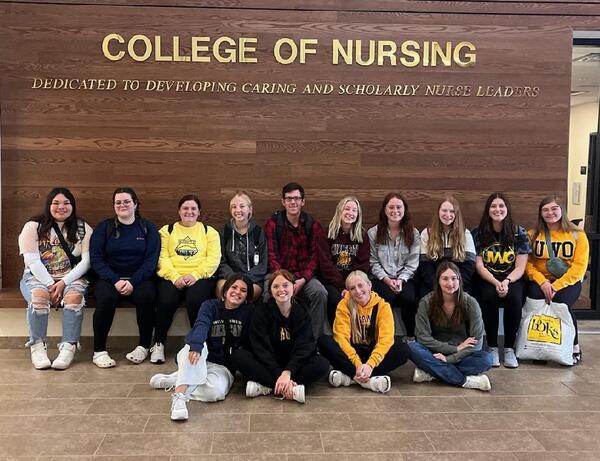
    In August 2023, the University of Wisconsin–Oshkosh launched the Pre-Nursing Pathway, a weeklong intensive precollege program that helps students prepare for the academic rigor of the nursing program and connects them with resources. In the pathway, students engage in peer interactions, mentorship and additional time with faculty and staff, allowing them to build emotional resiliency and a network of support.

    What’s the need: Staff at UW-Oshkosh noticed a decrease in qualified applicants to the nursing program and an overall decline in the matriculation of pre-nursing students, said Jessica Spanbauer, director of the center for academic resources.

    Students had large gaps in their foundational science and math concepts as well as a lack of time management and organizational skills, which could be tied in part to remote instruction due to the COVID-19 pandemic, Spanbauer said.

    The university decided to implement a pre-nursing program, in part to boost enrollment of students, but also to ensure students who do attend are successful on their career journey.

    How it works: The program is organized by the Center for Academic Resources and the College of Nursing, but is supported by admissions, the Undergraduate Advising Resource Center, the counseling center, the biology and chemistry departments, residence life, and recreation and wellness.

    Both admitted and deposited students are eligible to apply to the program, with special priority given to first-generation students.

    Selected program participants move onto campus a week before classes start for an intensive orientation experience. All students live in one wing of a residence hall together, mentored by two current nursing students, building a sense of community and peer support.

    During their week on campus, students participate in biology and chemistry labs led by professors; attend workshop presentations by advisers, counselors and academic support staff; and explore campus, familiarizing themselves with support resources. The goal is to proactively address knowledge gaps among students early on, enhancing their success and preparing them for the future demands of their profession.

    “By focusing on crucial and relevant concepts, we could ensure that students are well-equipped to excel in their nursing education,” Spanbauer said. “We could help build students’ confidence and encourage students to actively engage in shaping their academic trajectory.”

    Program participants are also offered tours of local hospitals, a Q&A session with nursing students and recent alumni, professional development workshops, and support from financial aid, dining, residence life and the Office of Accessibility.

    “We were fortunate that we had colleagues ready to enhance collaboration across units to further promote a student-focused supportive learning environment where students can thrive,” said Seon Yoon Chung, dean of the college of nursing.

    The impact: The program launched in August 2023 with 15 participants. Ninety percent of those students retained to fall 2024, and they earned an average GPA of 3.1. Eighty percent of the fall 2023 cohort are still in the pre-nursing major or accepted into the nursing program.

    An additional 12 students participated in August 2024 (100 percent of whom retained to spring 2025), and the staff hope to double participation rates this upcoming fall, Spanbauer said.

    Staff collect qualitative data about participants by using surveys and focus groups, as well as insights from faculty and other staff. In the future, longitudinal career-progression data and alumni surveys will help assess the program’s long-term impact, Spanbauer said.

    Campus leaders are also considering ways to enhance recruitment efforts and increase capacity for students through various resources, online modules and flexible scheduling to accommodate more interested students.

    Do you have an academic intervention that might help others improve student success? Tell us about it.

    This article has been updated to correct attribution of a quote to Seon Yoon Chung.

    Source link

  • Three Laws for Curriculum Design in an AI Age (opinion)

    Three Laws for Curriculum Design in an AI Age (opinion)

    Almost a third of students report that they don’t know how or when to use generative AI to help with coursework. On our campus, students tell us that they worry if they don’t learn how to use AI, they will be left behind in the workforce. At the same time, many students worry that technology undermines their learning.

    Here’s Gabby, an undergraduate on our campus: “It turned my writing into something I didn’t say. It makes it harder for me to think of my ideas and makes everything I think go away. It replaces it with what is official. It is correct, and I have a hard time not agreeing with it once ChatGPT says it. It overrides me.”

    Students experience additional anxiety around accusations of unauthorized use of AI tools—even when they are not using them. Here’s another student: “If I write like myself, I get points off for not following the rubric. If I fix my grammar and follow the template, my teacher will look at me and assume I used ChatGPT because brown people can’t write good enough.”

    Faculty guidance in the classroom is critical to addressing these concerns, especially as campuses increasingly provide students with access to enterprise GPTs. Our own campus system, California State University, recently rolled out an AI strategy that includes a “landmark” partnership with companies such as OpenAI, and a free subscription to Chat GPT Edu for all students, faculty and staff.

    Perhaps unsurprisingly, students are not the only ones who feel confused and worried about AI in this fast-moving environment. Faculty also express confusion about whether and under what circumstances it is OK for their students to use AI technology. In our roles at San Francisco State University’s Center for Equity and Excellence in Teaching and Learning (CEETL), we are often asked about the need for campuswide policies and the importance of tools like Turnitin to ensure academic integrity.

    As Kyle Jensen noted at a recent American Association of Colleges and Universities event on AI and pedagogy, higher ed workers are experiencing a perceived lack of coherent leadership around AI, and an uneven delivery of information about it, in the face of the many demands on faculty and administrative time. Paradoxically, faculty are both keenly interested in the positive potential of AI technologies and insistent on the need for some sort of accountability system that punishes students for unauthorized use of AI tools.

    The need for faculty to clarify the role of AI in the curriculum is pressing. To address this at CEETL, we have developed what we are calling “Three Laws of Curriculum in the Age of AI,” a play on Isaac Asimov’s “Three Laws of Robotics,” written to ensure that humans remained in control of technology. Our three laws are not laws, per se; they are a framework for thinking about how to address AI technology in the curriculum at all levels, from the individual classroom to degree-level road maps, from general education through graduate courses. The framework is designed to support faculty as they work their way through the challenges and promises of AI technologies. The framework lightens the cognitive load for faculty by connecting AI technology to familiar ways of designing and revising curriculum.

    The first law concerns what students need to know about AI, including how the tools work as well as their social, cultural, environmental and labor impacts; potential biases; tendencies toward hallucinations and misinformation; and propensity to center Western European ways of knowing, reasoning and writing. Here we lean on critical AI to help students apply their critical information literacy skills to AI technologies. Thinking about how to teach students about AI aligns with core equity values at our university, and it harnesses faculty’s natural skepticism toward these tools. This first law—teaching students about AI—offers a bridge between AI enthusiasts and skeptics by grounding our approach to AI in the classroom with familiar and widely agreed-upon equity values and critical approaches.

    The second part of our three laws framework asks what students need to know in order to work with AI ethically and equitably. How should students work with these tools as they become increasingly embedded in the platforms and programs they already use, and as they are integrated into the jobs and careers our students hope to enter? As Kathleen Landy recently asked, “What do we want the students in our academic program[s] to know and be able to do with (or without) generative AI?”

    The “with” part of our framework supports faculty as they begin the work of revising learning outcomes, assignments and assessment materials to include AI use.

    Finally, and perhaps most crucially (and related to the “without” in Landy’s question), what skills and practices do students need to develop without AI, in order to protect their learning, to prevent deskilling and to center their own culturally diverse ways of knowing? Here is a quote from Washington University’s Center for Teaching and Learning:

    “Sometimes students must first learn the basics of a field in order to achieve long-term success, even if they might later use shortcuts when working on more advanced material. We still teach basic mathematics to children, for example, even though as adults we all have access to a calculator on our smartphones. GenAI can also produce false results (aka ‘hallucinations’) and often only a user who understands the fundamental concepts at play can recognize this when it happens.”

    Bots sound authoritative, and because they sound so good, students can feel convinced by them, leading to situations where bots override or displace students’ own thinking; thus, their use may curtail opportunities for students to develop and practice the kinds of thinking that undergird many learning goals. Protecting student learning from AI helps faculty situate their concerns about academic integrity in terms of the curriculum, rather than in terms of detection or policing of student behaviors. It invites faculty to think about how they might redesign assignments to provide spaces for students to do their own thinking.

    Providing and protecting such spaces undoubtedly poses increased challenges for faculty, given the ubiquity of AI tools available to students. But we also know that protecting student learning from easy shortcuts is at the heart of formal education. Consider the planning that goes into determining whether an assessment should be open-book or open-note, take-home or in-class. These decisions are rooted in the third law: What would most protect student learning from the use of shortcuts (e.g., textbooks, access to help) that undermine their learning?

    University websites are awash in resource guides for faculty grappling with new technology. It can be overwhelming for faculty, to say the least, especially given high teaching loads and constraints on faculty time. Our three laws framework provides a scaffold for faculty as they sift through resources on AI and begin the work of redesigning assignments, activities and assessments to address AI. You can see our three laws in action here, in field notes from Jennifer’s efforts to redesign her first-year writing class to address the challenges and potential of AI technology.

    In the spirit of connecting the new with the familiar, we’ll close by reminding readers that while AI technology poses new challenges, these challenges are in some ways not so different from the work of curriculum and assessment design that we regularly undertake when we build our courses. Indeed, faculty have long grappled with the questions raised by our current moment. We’ll leave you with this quote, from a 1991 (!) article by Gail E. Hawisher and Cynthia L. Selfe on the rise of word-processing technology and writing studies:

    “We do not advocate abandoning the use of technology and relying primarily on script and print for our teaching without the aid of word processing and other computer applications such as communication software; nor do we suggest eliminating our descriptions of the positive learning environments that technology can help us to create. Instead, we must try to use our awareness of the discrepancies we have noted as a basis for constructing a more complete image of how technology can be used positively and negatively. We must plan carefully and develop the necessary critical perspectives to help us avoid using computers to advance or promote mediocrity in writing instruction. A balanced and increasingly critical perspective is a starting point: by viewing our classes as sites of both paradox and promise we can construct a mature view of how the use of electronic technology can abet our teaching.”

    Anoshua Chaudhuri is the senior director of the Center for Equity and Excellence in Teaching and Learning and professor of economics at San Francisco State University.

    Jennifer Trainor is a faculty director at the Center for Equity and Excellence in Teaching and Learning and professor of English at San Francisco State University.

    Source link

  • Renters’ Rights Bill – The Devil’s in the Detail

    Renters’ Rights Bill – The Devil’s in the Detail

    • By Martin Blakey, the former Chief Executive of the student housing charity Unipol and a member of the British Property Federation’s Student Accommodation Committee.

    HEPI has maintained, as one would expect, a serious interest in student housing and the impact this Bill will have on students. The last update was given on 3 February 2025, and since then, there have been significant developments. On that basis, this update covers three areas:

    1. Work has finally commenced on how purpose-built student accommodation (PBSA) will transition from the current assured student tenancy regime into common law tenancies, as those tenancies are largely outside the provisions of the Act;
    2. The Renters’ Rights Bill (RRB) is now at the Lords Committee Stage, and on 22 April 2025, around half the day was taken up discussing student-related housing, giving a clear indication of the Government’s thinking on the outcome of the Bill and student housing; and
    3. The Government-approved Unipol/ANUK National Code has undergone significant revision and is now out for public consultation before its final text is agreed.

    Purpose-Built Student Accommodation (PBSA)

    Long overdue work is now taking place by the Ministry of Housing, Communities and Local Government (MHCLG) to establish the mechanism whereby PBSA providers will become ‘specified’ under the Housing Act (1988). This will put them outside the remit of much of the Renters’ Rights legislation.

    As part of the earlier discussions on this with the British Property Federation (and their Student Accommodation Committee), MHCLG had previously advised that existing tenancies would automatically become common law tenancies. However, on 1 April, Unipol was informed that there were problems with this and that Assured Shorthold Tenancies (ASTs) existing before the implementation of the Act will now transition to be assured tenancies that will fall under the remit of the Act.

    This may seem a rather nerdy legal change with little impact, but it would be a mistake to conclude that.

    The timescale of the Bill has self-evidently slipped from the initial aim of obtaining Royal Assent by Easter 2025, and the Government is racing to ensure that it passes through all its parliamentary stages by the summer recess on July 22, 2025. Some aspects of the Act will be subject to further detailed consultation, but the main tenure reforms will be implemented quickly. This rush to get the Bill through its parliamentary stages may explain the evident ‘make do and mend’ approach to the transition of PBSA tenancies. This rush certainly explains the Government’s unwillingness to accept any non-Government amendments in both the Commons and the Lords.

    Because PBSA tenancies will now transition into assured tenancies, the timing of implementation is important because it will determine the extent to which the PBSA market will be disrupted by this change of position. It is reasonable to conclude that tenure changes are likely to occur around December 2025 or January 2026. Since most students living in PBSA will have already signed contracts for the 2025–26 academic year, around 402,000 students are expected to be affected, based on the Unipol/NUS Accommodation Cost Survey 2021. Only bed spaces provided directly by universities will fall outside of these transitional arrangements.

    So, what are those arrangements?

    Previous AST tenants, as they become assured tenants, will:

    • Be able to pay rent monthly, and longer payment periods will be unenforceable. It is not yet clear whether rent already paid in advance will have to be refunded.
    • Be able to give two months’ notice and then leave their contracts.
    • Be able to remain in their property because the fixed-term nature of their previous contract has been abolished.

    So how will PBSA providers be able to guarantee room availability for the start of 2026-27?

    For those students living in houses in multiple occupation (HMOs), MHCLG say that providers will be able to give notice under the new repossession ground 4a for students. This will allow repossession to take place between June and September, thus ensuring those rooms are available for new student tenants. But here, the new system is not clear because, as Baroness Taylor Parliamentary Under-Secretary of State, Ministry of Housing, Communities and Local Government said in the Lords on 22 April 2025:

    The core aim of the Bill is to enhance the security of tenants in the private rented sector, including students. The prior notice requirement in ground 4A is key to this. If tenants are liable to be evicted through no fault of their own simply because of their student status, they must be informed of this reduced security before entering into a tenancy.

    And in the case of PBSA tenants, this notice will not have been given. MHCLG say that legislative changes will be made to allow for such a notice to be given within 28 days of the implementation of the Act but, so far, there is no sign of how that will be achieved, nor was it referenced in the Lords Committee debate.

    But ground 4a only applies to HMOs (roughly defined as a dwelling housing three or more students). PBSA has very few two-bed flats, but it does have 78,000 studio flats that will fall outside of ground 4a. In these cases, students can stay as long as they wish, provided they give two months’ notice of when they want to leave.

    Many of those involved at the coal-face in student accommodation will know that each year there are many requests (particularly from international postgraduates who make up the majority of the market for studios) to extend their contracts from September to just before Christmas (the reasons are various, ranging from over-running dissertation time to wanting to attend the pre-Christmas degree ceremonies). These students have to be moved on in order to make way for incoming new students – now they will be able to stay.  So, in the case of studios, PBSA suppliers will not be able to guarantee room availability to incoming students until the outgoing students have served notice (and they may ‘forget’ to do this anyway).

    If PBSA studio tenants decide to stay on for a further year (as some do as they move from masters to research degrees), then their transitional assured tenancy status will stay with them until they choose to leave.

    This added flexibility may sound great for current students, but it is very bad news for the cost and availability of accommodation for future students, particularly those looking for housing in 2026-27.

    For PBSA providers, this transitional phase is an administrative and legal nightmare; they

    • will have to re-tool their rent collection systems;
    • change their legal documentation;
    • serve specified notice to gain repossession;
    • deal with student tenants who can come and go as they wish; and
    • absorb the possibility of additional voids if students choose to leave their accommodation mid-year

    And there are other implications:

    • Students remaining in their accommodation when they are no longer students will cause many providers to be in breach of their planning permissions, which stipulate student-only occupation;
    • The Act does not allow landlords to discriminate against tenants who may have children, but it is generally accepted that PBSA studios are not a suitable environment to house children (and housing children may place the landlord in breach of any licensing conditions imposed by the local authority).

    Politicians may say ‘So what?’; this is only a transitional phase. But it is important to remember that in private sector housing, the tenant pays for everything, and so these added (and unnecessary) costs are likely to be reflected in future supply uncertainty and higher rent levels.

    Furthermore, this ‘transitional phase’ goes directly against what the Government said was going to happen when Matthew Pennycook, the Minister for Housing and Planning, said to parliament (on 19 December 2024):

    The Bill will exempt Purpose Built Student Accommodation (PBSA) from the assured tenancy system if the landlord is signed up to a government approved code of management practice.

    No mention of a disastrous ‘transitional phase’. The shifting goalposts approach of MHCLG has significantly eroded trust among housing providers in the Government’s ability to manage the transition of PBSA to common law tenancies without further problems emerging.

    Does it have to be like this?

    Well no. Firstly, the Government could seek to mitigate the effect of the transitional phase by having a time-limited new repossession ground (say 4b) which would allow repossession for students living in PBSA studios in line with existing Ground 4a. That would, at least, maintain the academic cycle on the availability of accommodation – but perhaps they are in too much of a rush to get the Bill approved to consider this.

    Secondly, the Government could seek to mitigate how many students were affected by these transitional arrangements by using powers the Secretary of State already has (under Section 8 of the Rent Act 1977 and paragraph 8 of Schedule 1 to the Housing Act 1988) to give specified status now to PBSA providers, ahead of the RRA implementation. Using those existing powers the wording in an SI could be:

    The following bodies of persons (whether unincorporated or bodies corporate) are hereby specified as bodies for the purposes of paragraph 8 of Schedule 1 to the Housing Act 1988, that is to say –

    any person managing or having control of purpose-built student accommodation if the accommodation let or to be let is registered with a code of practice which has been approved by the appropriate national authority under powers conferred by section 233 of the Housing Act 2004.

    This would mean that as soon as that Statutory Instrument was approved (and that could be done by the end of May 2025), tenancies issued after that would then be common law tenancies and this would drastically reduce the number of tenancies in any transitional stage.

    In the Lords, Baroness Taylor said the reason that Ministers were seeking additional powers to create specified status (in clause 34 of the Bill) instead of using powers they already had was:

    Although there is an existing power in the Housing Act 1988 to exempt PBSA landlords, it would have required government to frequently update secondary legislation with a list of landlords, causing a duplication of work between code administrators and officials and a lag in the link between code membership and exemption status.

    Even if this were true (there is no reason why the list of ‘landlords’ needs to be individually specified), this supposed ‘duplication of work’ over the transitional period would require a great deal less work to be done than that being caused by the Government’s currently disruptive and onerous proposals.

    Why has this ‘transition problem’ appeared now? 

    It may be unkind to conclude that after three year’s discussion with Unipol (who run the relevant Government-approved Code and the BPF) that real work by MHCLG has only just started on their own proposal and there are issues to be resolved. Even following the Minister’s statement that new powers will be granted under Clause 34 of the Housing Act, where are those new powers? There is, as yet, no evidence of any drafting of the new Statutory Instrument/s now that those are apparently needed.

    This ‘dog’s dinner’ rushed approach to the PBSA transition period has still to play out fully, and more detailed work is still required to achieve implementation.

    The Lords Committee Stage

    There was considerable discussion about students on 22 April 2025 in the Lords and it is worth highlighting some of the points made because they provide a clear indication of how the Government is thinking about student housing. As Baroness Taylor said in this debate:

    The Government made a clear manifesto commitment to transform the experience of private renting by levelling the playing field decisively between landlords and tenants…One of the reasons the Government do not want to reintroduce fixed terms or anything like them is that they add complexity into the system. Having a simple, single system of periodic tenancies will make it easier for both parties to better understand their rights and responsibilities.

    All the discussion on this Bill has been polarised into a landlord v tenant framework. This approach does not work well in addressing issues within student housing, where a third educational aspect is also relevant: the availability of good-quality housing at the right time of year, allowing students to undertake their studies in the most productive way.

    Security of tenure (the central pillar of the Bill) has only limited value to a very small minority of students and this has been recognised by what might be called ‘intermediary sector bodies’ such as UUK, CUBO, ASRA and Unipol – none of which easily fall into the Bill’s landlord v tenant framework.

    Lord Willetts, in proposing what would have been a useful amendment, eloquently summed up what has happened to student housing during discussions on the Bill:

     I understand the arguments that the Minister makes about the need for tenants to have security and be able to put down roots in the long term, but so many of her arguments for this legislation do not apply to students who are seeking reliable accommodation for an academic year. The model that she proposes is clearly not in their interests.

    The Government have clearly accepted that there is a need for some special arrangements for student lets…The Government have made some concessions to recognise the student market. There is already one exemption from the legislation, which is for purpose-built student accommodation.

    There is now a second category that has been added, and that is ground 4A, which is essentially for HMOs with three bedrooms or more in the private rented sector.

    But that leaves a third group for whom the Government are not currently providing any exemption. These are students in smaller accommodation, maybe one or two-bedroom properties, for whom none of the special exemptions are going to apply. It is therefore very odd that, in the Government’s model to tackle this problem, you could have three university students who are friends and are in three totally different rental regimes because of the structure of the exemptions which the Government are trying to offer.

    Lord Willetts’ analysis reflects how, initially, the previous Government Bill failed to take much account of the housing needs of students and how pressure from the sector had caused some of those special needs to be recognised and accounted for in a rather grudging and piecemeal fashion.

    In rejecting the amendment (which was supported by Lords from all the major parties), Baroness Taylor, on behalf of the Government said:

    We have thought very carefully about the design of ground 4A. Limiting it to HMOs captures the bulk of typical students—that is, groups living in a house share. Meanwhile, students who need more security of tenure, such as single parents living with their children, postgraduate couples living together who have put down roots in an area, or families containing students, will be protected.

    The core principle of the Bill is that tenants should have more security in their homes, and we think it is right that these groups should not be exposed to potential eviction using ground 4A. Self-contained one-bedroom and two-bedroom homes are also easier to let to non-students than student HMOs are, so, if a landlord cannot gain possession in line with the academic year and the tenants leave in the middle of the next one, the landlord is highly likely to be able to let the property out to non-student tenants…

    What this says indirectly is that the Government accepts that between 25% and 32% (estimates vary) of off-street student housing could be lost by being occupied by non-students, as landlords let properties when they become vacant rather than fitting into the academic cycle. This loss of 138,000 beds (taking the lower estimate) will hit different University towns and cities differently, depending on their housing stock and is likely to take place over the next few years. As an earlier HEPI blog said back in June 2024,

    The concern in student housing was not only about overall supply but the specific reduction of student housing supply because, if students were no different to any other tenant group and could come and go as they pleased, then why would landlords rent to students and incur void periods, when they could rent to other rental groups without having empty rooms in the context of rising overall demand for renting?

    There has been no suggestion of how this lost stock could be replaced – certainly not by newly developed higher cost PBSA bed spaces which has seen net growth of only around 48,000 beds over the last three years and few of these would have been affordable and appropriate for students looking to share with a friend or partner in a lower rental bracket.

    In reality, the Government has not really accepted the sector view that students are a special group and should be catered for separately. The calls for a specialist student tenancy regime have been firmly rejected. As Baroness Taylor made clear:

    It would not be either right or fair for students to have less flexibility than other tenants just because of their educational status.

    As my HEPI blog said back in October 2024:

    It could be that the big gainers from this tenure reform are longer-term family renters and professional renters and that the poorest and most vulnerable in society together with student renters could become ‘collateral damage’. These reforms are well-intentioned by those who campaigned for them, but that does not mean all tenants will be winners from these changes.

    The discussion in the Lords has now confirmed that this collateral damage for students is part of the design within the Bill. Landlords renting non-HMO properties can be reassured about their rent by simply switching their lettings to non-students – tough luck on the students, as their housing supply contracts.

    The revised Unipol/ANUK National Code

    My previous blog on 3 February 2025 outlined possible changes to the private providers’ Code and those have now been worked up into a revised Code. Briefly, these changes are:

    • The continued protection of deposits using a Government-approved deposit protection scheme;
    • Improving the flexibility for students either leaving their institution of study or not gaining a place to study, giving them the right to leave their agreement with a notice period of 4 weeks;
    • That in the event of the death of a tenant, any guarantor agreement would not be proceeded with or enforced;
    • The Code now references the Building Safety Act, the Fire Safety Act and tighter guidance on how to respond to damp and mould; and
    • In handling complaints, timescales have been tightened, and Code Members have been given a clearer pathway to ensure they respond promptly to students complaining.

    Only one significant addition has been made to the revised Code and that follows the Education Minister, Janet Daly MP clarifying the positon of students withdrawing for medical reasons from their studies and the proposed four week notice period has been extended to cover ‘if the occupant has been absent from their course for more than 60 days due to illness and has agreed with their higher education (HE) provider to suspend their studies.

    These proposals are subject to both a sector and public consultation period which is taking place across 9th April – 22nd May 2025. Details can be found online here and those interested are encouraged to respond.

    The changes to the Code are designed to protect and improve students’ rights in renting PBSA but, because of the uncertainty caused by the ‘transitional arrangements’ for PBSA providers, they are going into a sector that is now increasingly hostile to the Government’s approach to them and the additional administrative and legal burdens connected with assured tenancy status that have suddenly appeared. It could well be that some responses to these Code changes will be affected by a ‘feel-bad’ factor and may be opposed by some Members.

    Just two observations on the consultation. Firstly, the Code has been drafted so that the additional flexibility given to tenants to give notice on their agreement is restricted to common law tenancies, so these will not apply to transitional assured tenancies (so no ‘double-whammy’) and secondly, it is important for the PBSA sector to look beyond the immediate transitional mess and concentrate on the longer term purpose of the Code which has been a force for good, not just for student housing rights and standards, but for the sector itself, giving the student market a set of recognised value-based rules that is rarely seen in private sector renting. This demonstrates real recognition from the Code’s Members (since the Code’s inception in 2004) that students and the role of housing in education are special and need a bespoke regulatory framework.

    Conclusion

    As reflected throughout HEPI’s work, this blog approaches the issue of student housing as an educational issue and seeks to provide evidence-based observations on the student housing sector. It also seeks to offer some practical suggestions so that the possible cost and chaos in the transitional phase of the Act can be mitigated, particularly for PBSA providers.

    There are still discussions to be held with MHCLG and practical issues to be resolved on how future Statutory Instruments and specified status is to be achieved. So far, although the Government say they are in ‘listening mode’ they seem not to have heard terribly well and the way in which students have been ‘accommodated’ within the Bill has been both secretive and unpredictable. It would be good if a more open relationship on future proposals could be established.

    Finally, this is the first mention of the Department for Education in this blog because they appear to have had no discernible influence or input into a Bill that will both disrupt the student housing market and see some significant reduction in supply. Going back to 24 October, Education Minister Janet Daby MP stressed that the Department for Education was:

    ‘Working with the Ministry of Housing, Communities and Local Government to promote the importance of a strategic approach to meeting student housing needs to providers and local authorities.

    Going forward, it would be good to see some, or any, evidence of that.

    Source link

  • The Silent Crisis: Bullying Among Nurse Educators in Higher Education – Faculty Focus

    The Silent Crisis: Bullying Among Nurse Educators in Higher Education – Faculty Focus

    Source link

  • Labor hikes visa application fee to $2000, Dutton’s is $2500+ – Campus Review

    Labor hikes visa application fee to $2000, Dutton’s is $2500+ – Campus Review

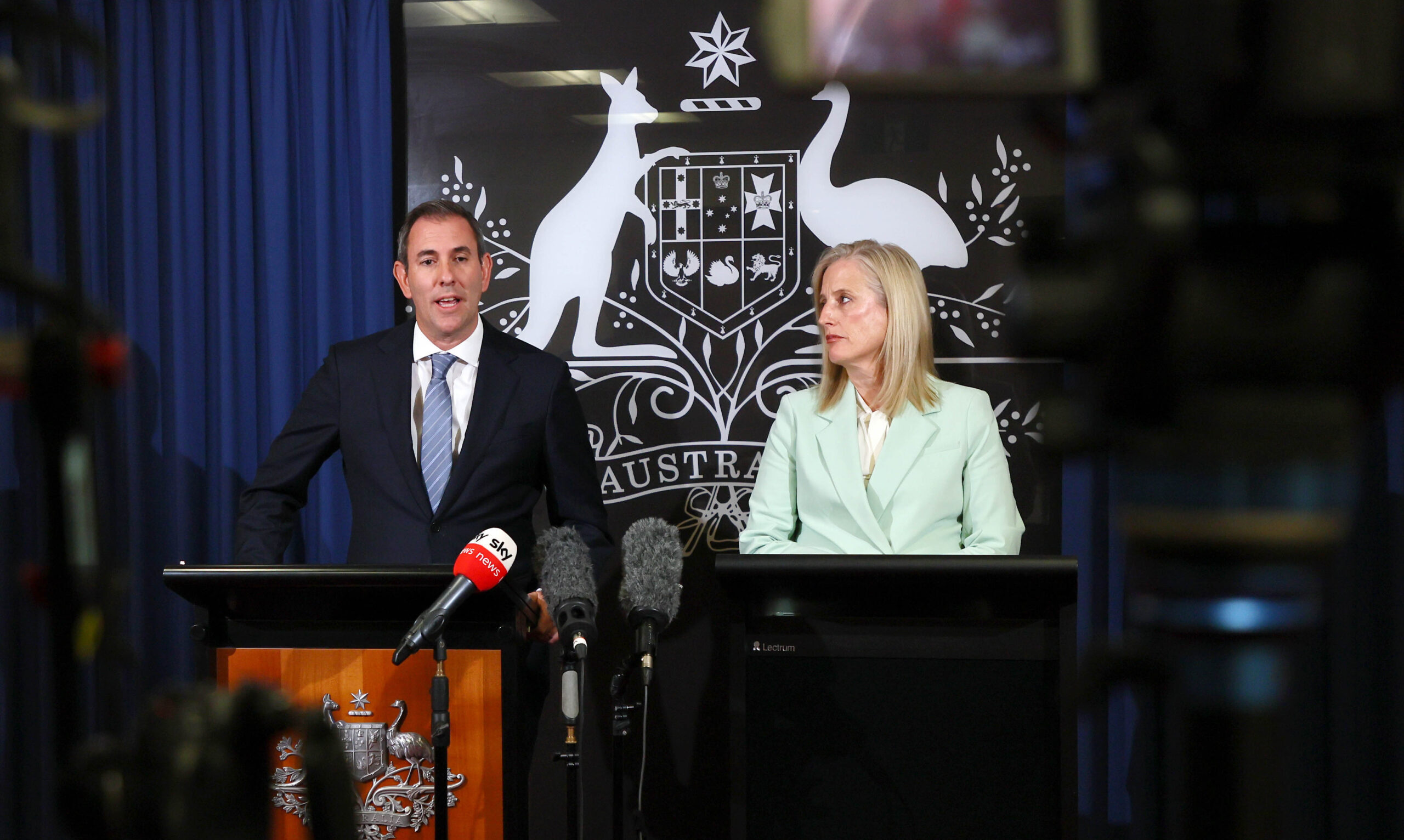
    Labor will cut back on outside consultants and hike visa fees for foreign students to cover the extra cost of spending in the March budget.

    Please login below to view content or subscribe now.

    Membership Login

    Source link

  • Labor, Coalition and Green education policies compared – Campus Review

    Labor, Coalition and Green education policies compared – Campus Review

    Australians go to the polls this Saturday to choose the next government. The Australian Labor Party, the Liberal-National Coalition and the Australian Greens have a variety of different policies for education in the funding, content and management spaces.

    Please login below to view content or subscribe now.

    Membership Login

    Source link

  • Australia Institute criticises $390m travel, $410m consultant spending amid job cuts and deficits – Campus Review

    Australia Institute criticises $390m travel, $410m consultant spending amid job cuts and deficits – Campus Review

    Analysis from The Australia Institute said 10 universities together spent more than $390m on travel in 2023 and 27 institutions spent $410m on consultants amid executive pay and wage underpayment scandals.

    Please login below to view content or subscribe now.

    Membership Login

    Source link

  • The UK can seize the opportunity from US academia’s brain drain

    The UK can seize the opportunity from US academia’s brain drain

    The American higher education system, long admired as a global bastion of innovation, faces an existential threat. Since early 2025, sweeping federal funding cuts and politically motivated restrictions have destabilised universities, echoing the mid-twentieth century flight of European scientists to the USA – but with the roles reversed.

    This time, the UK has a chance to emerge as a refuge for displaced talent. To do so, it must act decisively, blending strategic policy with moral clarity.

    Academia unravelled

    Federal grants have historically fuelled breakthroughs in US universities, from cancer therapies to artificial intelligence. However, recent policies have transformed funding into a tool of ideological control. Take Columbia University, which lost $400 million in federal contracts after refusing to dismantle its diversity initiatives. Or Dr Naomi Lee, a public health researcher in Arizona, whose decade-long NIH-funded programme linking indigenous students to STEM careers was abruptly defunded. “They told us our work ‘promoted division,’” she says. “But our data showed it was bridging gaps.”

    The consequences ripple beyond individual projects. At Johns Hopkins, layoffs have gutted labs studying pediatric vaccines. Graduate students at Southern Illinois University, already grappling with shrinking state support, now face indefinite pauses on dissertations reliant on federal grants. “I’ve seen colleagues pack up microscopes and hard drives,” says Dr Raj Patel, a materials scientist at SIU. “They’re not just leaving institutions – they’re leaving the country.”

    This climate of fear mirrors Europe’s 1930s, when scholars fled fascism for American shores. Albert Einstein, denied a professorship in Nazi Germany, reshaped US physics. Enrico Fermi’s reactor experiments at the University of Chicago laid groundwork for the atomic age. Today, the US risks squandering this legacy – and the UK can learn from history.

    Post-war America’s scientific dominance wasn’t accidental. Programmes like the Rockefeller Foundation’s refugee fellowships lured talent with visas, funding, and academic freedom. Similarly, the UK’s response must be proactive. Canada’s “Tech Talent Strategy,” which fast-tracked visas for 3,000 displaced US researchers in 2025, offers a blueprint. But Britain’s advantages – language, elite universities, and shared research traditions – could yield even greater rewards.

    Here’s how

    Simplify pathways for displaced scholars: the UK’s Global Talent Visa, while robust, remains underutilised. Streamlining applications for researchers in contested fields – climate science, EDI, public health – would signal openness. Pair this with grants to offset relocation costs, as Germany’s Alexander von Humboldt Foundation does.

    Forge strategic institutional partnerships: UK higher education institutions should leverage ties with US peers under duress. Imagine Cambridge and Columbia co-funding a “satellite lab” in Cambridge for researchers fleeing US restrictions. During the Cold War, the CERN particle accelerator thrived through multinational collaboration.

    Target gaps in the US research landscape: The Trump administration’s aversion to “politicised” fields has left vacuums. The NIH’s 2025 freeze on gender-affirming care research stalled dozens of clinical trials. By prioritising such areas, UK funders could attract top talent while addressing unmet needs.

    Mobilise private and philanthropic support: A modern “research sanctuary fund” could operate on this principle – pooling resources from philanthropic organisations, ethical investors, and forward-thinking corporations to create a safety net for displaced researchers. Unlike traditional grants tied to narrow deliverables, this fund might prioritise intellectual freedom, offering multi-year support for teams whose work has been deemed “controversial” or politically inconvenient elsewhere.

    The power of such a fund lies in its ability to align diverse interests. Corporate partners, for instance, could gain early access to breakthroughs in exchange for underwriting lab costs, while higher education institutions might leverage these partnerships to expand their global research networks. To attract talent, the fund could experiment with hybrid models – pairing academic stipends with industry fellowships, or offering “innovation visas” that fast-track relocation for researchers whose expertise fills critical gaps in national priorities like AI ethics or climate resilience.

    Speed would be essential. When a government abruptly withdraws funding, researchers don’t have years to navigate bureaucracy. A streamlined application process – perhaps involving peer endorsements rather than exhaustive proposal requirements – could allow decisions within weeks, not months. The goal? To position the UK as the default destination for thinkers seeking stability, not just survival.

    Critics might argue this approach risks politicising philanthropy. But that’s precisely the point. In an era where knowledge itself is increasingly weaponised, protecting open inquiry becomes a radical act. By framing the fund as a defence of academic sovereignty, backers could transcend traditional charity narratives, appealing to those who view intellectual migration not as a crisis to manage but a talent pipeline to cultivate.

    Navigating challenges

    Any ambitions for the UK to become a global hub for displaced academic talent face undeniable obstacles. Lingering funding shortfalls following Brexit, coupled with persistent political resistance to immigration, threaten to undermine even the most well-intentioned initiatives. The bureaucratic realities – such as visa processing times stretching to six months – create additional friction at precisely the moment when speed and flexibility are most critical.

    Yet these challenges only underscore the urgency of action. The competition for top-tier researchers has never been more intense. Countries like Canada and Germany have already streamlined their immigration systems to capitalize on the shifting academic landscape, offering faster visa approvals and more generous relocation packages. Every day of delay risks ceding ground to these rivals, eroding the UK’s long-term position as a leader in research and innovation.

    The choice is stark: adapt quickly or accept a diminished role in shaping the future of global scholarship. Addressing these hurdles will require more than piecemeal solutions – it demands a fundamental rethinking of how the UK attracts and retains intellectual talent. This means not only expediting visa processes but also confronting deeper questions about funding priorities and public narratives around immigration. The alternative – watching as the world’s best minds bypass Britain for more welcoming shores – would represent a historic missed opportunity.

    A question of values

    This isn’t merely about poaching talent. It’s about safeguarding the ethos of academia – curiosity, collaboration, dissent – at a time when the US is retreating from these principles. When the University of Frankfurt dismissed Einstein in 1933, he didn’t just bring equations to Princeton; he brought a belief that science should transcend borders and ideologies.

    The UK now faces a similar crossroads. By opening its doors, it can honour the spirit of figures like Rosalind Franklin, whose X-ray work in London (though overlooked in her lifetime) underpinned DNA discovery. It can also modernise its economy: a 2024 Royal Society study found that every pound invested in migrant researchers yields four pounds in patents and spin-offs.

    History rarely offers second chances. The UK has an extraordinary, fleeting opportunity to redefine itself as a global hub for free inquiry – one that could echo America’s post-war ascent. This requires more than visas and funding; it demands a public commitment to academia as a force for progress, not a political pawn.

    Source link

  • Creating learning environments that work for BTEC entrants to higher education

    Creating learning environments that work for BTEC entrants to higher education

    We know that past learning experiences directly correlate to progress and preparedness for higher education study. But are we to accept that the adverse relationship with outcomes for different students’ entry routes is driven by academic performance at university?

    There is evidence that students who enter with vocational qualifications are more likely to drop out or get a lower degree classification because of poorer academic performance. This lack of progression is alarming, and initiatives steered to increase progression opportunities that support better overall performance remain both a challenge and a strategic priority for the university sector. HESA statistics for the 2021–22 academic year show the “dropout rate” for first year students with vocational qualifications continues to increase by one percentage point across the sector year on year.

    Furthermore, there remains a consistent four percentage point awarding gap between those with vocational and those with traditional qualifications. Despite their higher dropout and non-progression rates, students progressing from vocational qualifications represent a significant growing pathway into HE and many who progress, go on to graduate with at least a 2.1.

    A 2022 Nuffield report on the relationship between 16-19 subject, higher education choices and graduate outcomes found “…a weakening of the relationship between entry qualifications and outcomes once comparing individuals with similar module scores.” This implies that educators have a significant part to play in ensuring approaches to setting, measuring and enhancing performance are fair and equitable. Specifically, inclusive assessment design should be central to the educational experience, ensuring all students can fulfil their potential irrespective of their route to HE.

    A very particular set of skills

    Ongoing work on student engagement such as this 2023 framework for inclusive and effective student engagement from QAA, has demonstrated clear benefits from creating communities that build identity and belonging though adopting inclusive approaches, enhancing student engagement, motivation and progression. Applying these principles means recognising that students entering HE from vocational routes like BTECs possess unique skills.

    Through their studies they have developed hands-on learning and real-world application, giving them practical skills directly relevant to their chosen field. Additionally, they engage in self-directed projects and coursework, fostering independence and time management skills essential for managing university workloads. Many vocational courses offer work placements, providing valuable career insights that foster a professional mind-set from day one. Unlike traditional A levels, BTECs are assessed through coursework and practical assessments, helping students develop strong research, critical writing, and project management skills.

    All of the above combines with a wealth of lived experience – BTEC students often come from diverse educational backgrounds – which enhances these students’ adaptability and resilience. Furthermore, the emphasis on practical achievements and continuous assessment fosters a positive mindset and a sense of belonging and community. These skills provide vocational students with a solid foundation for success in HE. So what are we not getting right?

    Like many other universities, we recognise each cohort is unique and a one size fits all approach may not have sustained impact. Learning, teaching, and assessment design should provide an equitable experience for all students regardless of prior learning experiences and route into HE. We have streamlined our approaches, drawing on evidence of what is “working” to enable us to embed efficient and effective approaches to being intentionally inclusive within assessment design.

    Five ways to inclusion

    It’s early days, but we are already seeing improvements in the number of students that are passing all modules first time from a variety of entry routes and through approaches that celebrate and embrace the unique skillsets of all students. Through five interconnected themes we are making steady and sustained progress through exploring inclusive assessment practices and reviewing the narrative of learning.

    Supporting student confidence is foundational to academic success. We have found that developing shared assessment literacies can help students recognise their capabilities and potential. This can directly speak to the unique skillset that students bring from a range of diverse routes: for example, creating Hidden Curriculum Guides that unpack unfamiliar language and concepts, drawing from past experiences to socialises the unknown so that students can feel confident in their understanding and learning journey.

    Embedding effective pedagogical approaches employs a blend of student-centred and humanistic methods to create dynamic and responsive learning environments. These approaches are tailored to meet the specific needs of students. Evidence-based approaches include empowering students to bridge the gap between theoretical knowledge and practical application for life-wide learning and preparedness for the journey ahead. These examples not only integrate effective pedagogical approaches but support a range of skillsets, positioning the educational experience through empathy and compassion in developing supportive transition and orientation interventions and deepening the shared understanding of lived experiences.

    Assessment diversity and timely feedback are crucial. Our commitment to inclusive assessment practices creates space where all students can demonstrate their knowledge and skills effectively. Through co-created integrated approach to inclusive assessment, we have produced a set of inclusive assessment and feedback principles: clear, understood, authentic, robust and personalised.

    Creating a sense of belonging is vital for student engagement and retention. Inclusive classroom environments that celebrate diversity and foster community connections help students feel valued and supported. Harnessing the practice elements will bring a newfound confidence to the forefront of the learning experience. Flipping the classroom, so students have a more meaningful experience creates a sticky campus, and a strong sense of togetherness which particularly suit students that have entered HE via a vocational route. Initiatives such as peer mentoring and collaborative projects have been successful in creating a welcoming and inclusive atmosphere.

    Recognising and valuing the diverse entry backgrounds of students not only enhances learning but also promotes equity and inclusion by drawing on the value of their individual learning experiences to enhance their learning journey. We identified the need for targeted support mechanisms that bolster student confidence during the transition to and through HE. Our emphasis on the importance of diverse pedagogical approaches, inclusive assessment practices, and feedback mechanisms provided solid foundations.

    Learning from programme teams about what works to maximise real-world learning from current practice is essential to building trust. Our five-phase approach provides a scaffolding based on our unique learning journey. The challenge remains for us as a sector to address and share knowledge holistically, which draws from evidence-based practice with the aim of enhancing student outcomes. Working collegiately with the student body, this is both an urgent and important issue to address with the growing number of students joining universities from vocational routes. There is a government push to increase capacity for vocational routes in HE and so if universities are to stay relevant in this space, there is an urgency to find solutions, learning from programme leaders who are passionate and best placed to know students. Together and collaboratively, we can drive forward real intervention with sustained impact, it matters for student success.

    For more about the authors’ work to create inclusive learning environments see the special editions of Innovative practice in higher education and Pedagogy collating evidence shared at our learning and teaching festivals in 2023 and 2024.

    Source link