This audio is auto-generated. Please let us know if you have feedback.
Dive Brief:
Coursera is acquiring fellow MOOC provider Udemy to create an online education and upskilling giant valued at$2.5 billion, the companies announced Wednesday.
The combined company is poised to generate $1.5 billion in annual revenueand eliminate some $115 million in costs,Coursera and Udemy said in a press release.
In explaining the deal — expected to close in the second half of 2026 — the companies pointed to their complementary consumer-facing and business-to-business offerings, as well as rising demand for artificial intelligence skills training.
Dive Insight:
Coursera and Udemy featured AI prominently in their merger rationale, saying that their combination would provide skills training for the emerging technology to the global workforce.
Elaborating, the companies said the combination would enhance “capacity for sustained investment in AI-driven platform innovation, rapid product development, and durable growth initiatives.”
The messaging tracks with each company’s emphasis on the technology prior to the merger announcement.
AI was mentioned over 50 times on an outlook and strategy call with Coursera executives in November. On the call, CEO Greg Hart touted Coursera’s “AI-enabled platform,” which includes an AI tutor called Coursera Coach.
“We need to continue to accelerate our development cycles to leverage AI and data to improve the learner experience and continuously enhance our capabilities across all areas of the platform,” Hart said.
On the company’s latest earnings call, Hart described generative AI as “the most in-demand skill in Coursera’s history.”On average, 14 users per minute were enrolling in one of the company’s roughly 1,000 generative AI courses, he said.
Meanwhile, Coursera recently partnered with OpenAI to embed the MOOC provider’s platform directly into ChatGPT, making its videos and information available to the AI platform.
Likewise, Udemy CEO Hugo Sarrazin emphasized AI’s importance to the company’s business on its latest earnings call in October.
Framing AI as a demand driver for Udemy’s offerings, he said that “companies are heavily invested in AI transformation” but are “struggling to demonstrate ROI because many haven’t developed the core workforce capabilities required to extract value from their investments.”
At the same time, both companies also acknowledge potential downsides to AI. In Coursera’s latest earnings report with the U.S. Securities and Exchange Commission, its list of risk factors pointed to the novelty of AI andcautioned that the market for AI skills and Coursera’s own AI products may not grow as planned.
Moreover, the company said, AI could “displace or otherwise adversely impact the demand for online learning solutions, including our offerings.”
That is exactly what has happened to ed tech specialist Chegg, which operates in an adjacent space with online learning tools.The company recently announced it would lay off nearly half its staff after multiple quarters of cratering revenue, which Chegg executives have attributed to loss of traffic — and thus subscribers — with the release of Google’s AI summaries in the search giant’s results.
For now, Coursera and Udemy are relatively stable financially for tech companies in a dynamic, ever-changing market. Both companies logged over $550 million in revenue for the first nine months of their fiscal years. In both cases, that represented growth from the previous year.
While Coursera is historically unprofitable, Udemy made $6.1 million in net income for the first three quarters of its fiscal year after a $75.4 million loss for the same period last year.
Coursera is valued more highly, with a market cap of $1.3 billion to Udemy’s $948.7 million as of Wednesday afternoon. Under the transaction, which requires regulatory and shareholder approvals, Udemy shareholders will receive 0.8 shares of Coursera stock for each of their Udemy shares.
The holiday season offers a valuable opportunity for schools to foster connection and celebrate community. Each year, Higher Education Marketing reviews holiday videos from institutions across the education spectrum to spotlight standout examples that capture the spirit of the season while supporting broader marketing goals.
This annual holiday video post brings together some of our favourite picks from this year’s festive content. From heartfelt messages of gratitude to creative student-led performances, these videos show how colleges and universities are using year-end storytelling to connect with students, staff, alumni, and prospective families in meaningful ways. Beyond tradition, holiday videos have become a strategic tool in higher education marketing, helping schools showcase their personality, values, and milestones from the past year.
Whether it is a lighthearted campus moment or a thoughtful message from institutional leadership, a well-crafted holiday video can generate goodwill, boost social engagement, and reinforce school spirit. The best part is that these moments do not require a Hollywood budget. With a strong concept, authentic voices, and a little seasonal creativity, schools of any size can produce compelling year-end content.
In this post, we will explore what makes an effective holiday video, share practical production tips, and highlight some of the best holiday videos of the season, according to the HEM team.
Are you looking for education marketing services?
Our expert digital marketing services can help you attract and enroll more students!
What Is a Holiday Highlight Video for Schools?
A holiday highlight video is a short, engaging piece of content that schools create to celebrate the festive season while reflecting on the year’s milestones. Blending seasonal charm with storytelling, these videos typically showcase memorable moments, achievements, and community messages, wrapped in a festive tone that resonates with audiences across generations.
Unlike a standard event recap, holiday highlight videos often include holiday music, decorations, or creative themes to evoke warmth and cheer. They may feature snippets from campus events, student performances, messages of thanks from leadership, or lighthearted skits that show off your school’s personality.
These videos are usually concise and shareable, perfect for distribution across social media, email newsletters, and your website. Whether heartwarming or humorous, the goal is to celebrate your school community, express appreciation, and leave viewers with a lasting positive impression. Think of it as a year-in-review meets a holiday greeting card, brought to life on screen.
Why Should Colleges and Universities Create Holiday Videos For Their Community?
Producing a holiday video might seem like a lighthearted tradition, but it holds serious strategic value for educational institutions. From strengthening community ties to enhancing your brand visibility, here are five reasons why colleges and universities should consider creating a holiday highlight video:
1. Strengthen Community Connections
Holiday videos offer a powerful way to reinforce a sense of belonging. By featuring students, faculty, staff, and alumni, schools can celebrate their shared experiences and spirit. These videos become a reflection of community life, highlighting festive events, volunteer efforts, and everyday moments that matter.
For example, the University of Louisville once released a holiday video where its mascot delivered handwritten cards across campus, culminating in a warm message from an administrator. This kind of storytelling reinforces school pride and strengthens emotional bonds among viewers.
2. Showcase Values and Campus Culture
A holiday video is also a chance to communicate your school’s values in action. Whether it’s highlighting inclusivity, creativity, service, or academic excellence, these videos offer a glimpse of campus life through a seasonal lens.
Adelphi University, for instance, created a holiday video featuring its panther mascot distributing scarves and hats to students. Along the way, viewers were treated to quick scenes in the library, labs, and dorms, an engaging way to showcase school spirit while spotlighting facilities and values like generosity and community support.
3. Engage Students, Prospects, and Alumni
Video is a highly engaging content format, especially across platforms like Instagram, Facebook, and YouTube. A well-produced holiday video grabs attention more effectively than a typical end-of-year message and offers entertainment, recognition, and emotional connection in one package.
Students enjoy seeing familiar faces and moments captured, while prospective students gain a glimpse of campus life and the people who shape it. A great holiday video can humanize your institution and offer a feel-good experience that’s easy to share, extending your reach organically.
4. Celebrate Successes and Boost Morale
The end of the calendar year is the perfect moment to celebrate your school’s accomplishments. A holiday video allows you to highlight academic achievements, sports victories, community impact, and institutional milestones, all wrapped in a festive, uplifting tone.
The University of Michigan, for example, once released a holiday video of its annual tree lighting ceremony that featured pediatric patients as special guests. The message was heartwarming and celebratory, perfectly blending joy with meaning, boosting morale, and reinforcing shared values.
5. Build Tradition and Institutional Memory
Producing a holiday video each year can evolve into a cherished tradition. These videos serve as visual keepsakes, documenting your institution’s journey and growth. Schools like UNC Greensboro (UNCG) have become known for their annual holiday productions, consistently showcasing creativity and school spirit. Over time, these videos build anticipation, tradition, and a deeper emotional connection with your audience.
In short, holiday videos are more than just festive fun; they’re powerful storytelling tools that strengthen community, showcase culture, engage audiences, and leave a lasting impression.
Using Holiday Videos for Student Recruitment and Brand Awareness
Beyond community engagement, holiday videos can also be a strategic asset for student recruitment and brand visibility. How can a school use holiday videos to support student recruitment and brand awareness? Schools can use holiday videos to showcase campus culture, student life, and values in a warm, authentic way. These videos humanize the brand, create an emotional connection, and give prospective students a real glimpse of the community, helping strengthen brand awareness and support recruitment decisions.
Here’s how they support marketing objectives:
Showcasing Campus Life to Prospects
Prospective students want to feel a connection with a school before applying. Holiday videos, featuring real moments, smiling faces, and decorated spaces, offer a genuine snapshot of campus life. When students from diverse backgrounds or student clubs are included, the video subtly highlights key differentiators such as diversity, inclusivity, and student support services.
Highlighting Unique Selling Points (USPs)
Some institutions weave their USPs directly into their holiday messaging. Loyola Marymount University’s business school did this creatively with a festive jingle that spotlighted the school’s mission and LA location. Similarly, the University of Georgia released a video featuring the excitement of acceptance letters, reminding viewers of the transformative power of education.
Boosting Reach and Engagement on Social Media
Posting your holiday video on YouTube, Instagram, Facebook, and TikTok can significantly increase impressions and engagement. These platforms are ideal for spreading festive content organically, with the potential to reach prospective students through shares, likes, and algorithmic boosts.
Humanizing Your Brand
Holiday videos put a friendly face on your institution. Whether it’s professors sending greetings, mascots dancing, or students sharing traditions, this content feels personal. Boston University’s College of Arts & Sciences, for example, created a multilingual video featuring holiday wishes from staff and faculty, an inclusive gesture that made the school feel warm and welcoming.
Standing Out in the Recruitment Cycle
Not every school produces a holiday video. Doing so, especially with creativity, helps differentiate your institution. A joyful, thoughtful video signals school spirit, attention to detail, and a people-first culture. In short, holiday videos serve as soft-sell marketing: warm, memorable, and brand-enhancing.
Creative Holiday Video Ideas (Even on a Small Budget)
Producing a standout holiday video doesn’t require a Hollywood budget, just heart, creativity, and smart use of the resources at your disposal. In fact, many of the most engaging school holiday videos are simple in execution but rich in authenticity and charm. Here are cost-effective ideas to inspire your next festive project:
1. Leverage Student Talent
Involve students in video creation, whether through filming, editing, animation, or music. Georgia State University’s College of the Arts, for example, produced a delightful animated video created entirely by students and alumni. It doubled as a class project and portfolio piece. Similarly, student musicians can perform holiday tunes as soundtracks, adding personality while saving on licensing and production costs.
2. Use Smartphones and Free Tools
A smartphone, a tripod (or steady hand), and free apps like iMovie or TikTok are all you need. Many schools shoot short clips of decorated halls, festive events, or faculty greetings using DIY techniques. Planning your shots ahead of time and keeping edits tight will go a long way in producing polished results.
3. Keep It Short and Focused
Short videos (under 60 seconds) are cheaper to make and often more effective online. UWE Bristol, for instance, shared a short clip of its lit Christmas tree and the season’s first snow, a serene moment that resonated with viewers. Viewership stats show drop-off rates after two minutes, so brevity is best.
4. Pick a Simple Theme
Stick to one clever idea. Clackamas Community College parodied Home Alone with its president on an empty campus, while James Madison University reimagined ’Twas the Night Before Christmas for finals week. Both relied on humor, recognizable formats, and minimal props, proving that creativity trumps complexity.
5. Crowdsource Clips
Ask students and staff to submit short videos or photos answering a seasonal prompt (“What’s your favorite winter tradition?”). Compile the submissions into a festive montage with background music. UNC Greensboro’s Bryan School used this approach for a holiday tips video, creating a lively, inclusive piece with no production costs.
6. Repurpose Existing Content
Footage from recent concerts, service events, or campus celebrations can be repackaged into a highlight reel. Layer in a new narration or a simple greeting to refresh the narrative and give it a festive twist.
7. Add Holiday Magic with Simple Effects
Basic editing tricks, like sparkles, snowfall overlays, or festive text, can elevate even the simplest shots. Trent University created a magical moment by using a glowing book effect in its holiday greeting. Free overlays and royalty-free music can help polish your final product without added expense.
8. Embrace Authenticity
When production quality is limited, lean into warmth and sincerity. A candid thank-you message from your president or a casual walk through campus celebrations can feel more genuine, and often more engaging, than a heavily scripted production.
Ultimately, holiday videos are about joy, gratitude, and connection. With a little planning and a lot of heart, even a small-budget project can leave a lasting impact.
Optimal Length and Platform: Making Sure Your Holiday Video Hits the Mark
When planning a holiday video, two key questions often come up: How long should it be? And where should it be posted for the best engagement? Getting these right can make a big difference in how your video performs.
Ideal Length
The sweet spot for holiday videos is typically between one and three minutes. Shorter videos tend to perform better across all platforms. Data shows that videos under one minute retain up to 70 percent of viewers, while completion rates drop sharply after the two-minute mark. Unless your content is highly compelling, longer videos are at risk of losing viewers before the message is delivered.
Platform-Specific Strategy
Each social platform has its own best practices. TikTok and Instagram Reels are ideal for short-form content under 60 seconds. Facebook and YouTube are more accommodating for videos in the one-to-three-minute range. If your video is for social sharing, create a quick version under a minute. For website placement or email campaigns, a slightly longer version may be appropriate.
Editing for Pace and Impact
A well-edited video can deliver a meaningful message in a short amount of time. Quick cuts, engaging visuals, and upbeat music help keep viewers interested. If you have a lot of content, consider creating a teaser or trailer version for social media, with a call to action to watch the full video on your website.
Aim for clarity, energy, and brevity. Your audience will appreciate a concise, thoughtful message that respects their time.
Best Platforms for Sharing School Holiday Videos
To maximize the reach and impact of your holiday video, share it across multiple platforms. Each channel offers unique advantages:
YouTube YouTube is essential. It functions as both a content hub and a search engine, making it ideal for embedding on your website and sharing in emails. Optimize your video with a descriptive title, a thoughtful caption, and tags that include your school’s name and keywords like “holiday video” or “seasonal greeting.” YouTube is particularly effective for reaching a wide audience, including prospective students, alumni, and the public.
Facebook and Instagram These platforms are perfect for community engagement. Upload the video directly to Facebook for better reach and visibility in the algorithm. On Instagram, short videos (under 60 seconds) work well as Reels or posts. For longer content, consider sharing a teaser with a link in your bio or stories. Both platforms allow easy sharing, which helps spread the message organically.
Twitter (X) While not a primary video platform, Twitter is useful for posting short clips or teasers, especially if you want to reach media or partners. Keep videos under the platform’s time limit, or link to the full version elsewhere.
TikTok If your school has a presence on TikTok, share a short, creative version of your holiday message here. This could be a behind-the-scenes moment, a student-led skit, or a festive transformation. TikTok content thrives on authenticity and trend alignment, making it a powerful tool for reaching Gen Z.
School Website and Emails Feature your holiday video prominently on your homepage, news section, or in year-end emails. A dedicated landing page adds a professional touch and provides space for a message or photo gallery.
Final Tip Use strong thumbnails and captions. A festive visual and on-screen text can capture attention and ensure your message gets across, even when the sound is off.
Planning and Timing: When to Start Working on Your Holiday Video
Timing is crucial to producing a successful school holiday video. Here’s how to ensure your video comes together smoothly and on schedule.
Begin Early in the Fall Start brainstorming in September or October. This gives you time to develop the concept, write a script, recruit participants, and schedule filming. If your video needs approvals from administration or marketing, building in lead time is essential. Early planning also allows for creativity; you’ll have time to troubleshoot or reshoot if needed.
Work Around Academic Calendars Aim to film before the busiest part of the term. November is ideal, before finals and year-end events begin. If you plan to include winter decorations, schedule shoots for late November when the campus is typically dressed for the season.
Target a December Release The first two weeks of December are the sweet spot. Audiences are still engaged, and the festive mood is building. Releasing too late, such as during winter break, means missing students and staff who have already checked out for the holidays.
Leave Time for Editing and Approvals Once filming is complete, allocate at least one to two weeks for editing and stakeholder review. You’ll need time for feedback, fine-tuning, and adding polish such as titles, transitions, music, and captions.
Consider a Campus Premiere Launch your video at a holiday event or on the last day of classes. Play it on big screens or in student lounges to create buzz, then share it widely online.
Promote Everywhere All at Once Coordinate your launch across YouTube, Instagram, Facebook, email newsletters, and student portals. Simultaneous posting helps your video gain traction and reach the widest audience.
Learn for Next Year After launch, note what worked and what you’d change. Holiday videos often become annual traditions, and each cycle brings opportunities to refine the process.
Examples of Outstanding School Holiday Videos
Looking for inspiration for your school’s next holiday video? These 10 standout examples from colleges and universities around the world illustrate the wide range of creative approaches available. From lighthearted skits to heartfelt messages, these videos show how festive storytelling can connect and delight on any budget.
The University of Vermont
The University of Vermont’s 2025 holiday greeting video, titled “Holiday Gratitudes, from UVM to You,” compiles touching moments of gratitude from across the campus community. It features students, faculty, and staff expressing what they’re most thankful for amid warm, wintry scenes of campus. This uplifting montage works as a holiday message because it fosters a sense of community and reflection, leaving viewers feeling appreciative and connected.
Camosun College’s 2025 holiday video features President Dr. Lane Trotter delivering a warm thank-you to the community and a hopeful outlook for the year ahead. Filmed at the new John Horgan Campus, the video highlights the resilience and spirit of the Camosun community. This personal approach works because it puts a familiar face front and center, making the gratitude and optimism feel genuine and resonant.
New College at the University of Toronto’s 2025 holiday video takes an inclusive approach, uniting heartfelt greetings from alumni, donors, faculty, staff, and students into one festive montage. This warm compilation works well because viewers see themselves represented, which truly reinforces a sense of belonging for all and community pride during the holidays while celebrating the entire New College family’s diversity.
Marking SFU’s 60th anniversary, the 2025 holiday video asks the community, “What is your favourite holiday tradition?” and features students, faculty, and alumni sharing cherished customs old and new, showcasing SFU’s rich tapestry of celebrations.
This concept shines by inviting personal storytelling and nostalgia. Celebrating both long-held and emerging traditions creates a warm, inclusive atmosphere that honors the university’s history and diverse holiday spirit.
Quinnipiac University’s 2025 video, “Home for the Holidays,” mixes fun and heart by having Boomer the Bobcat (the mascot) host a festive holiday party. It’s designed to capture the sense of belonging the community gave the new president and her family.
This “home” narrative works because a beloved mascot and charming storyline showcase the university community as a family, yielding a feel-good message full of school spirit and inclusivity.
Kutztown University chose a daring and endearing route this time. Seeking to do something different, the university settled on recreating scenes from some of the most beloved Christmas movies (including, you guessed it, Home Alone), with Kutztown University President Dr. Phil Cavalier dressed as the protagonists each time.
Later on, the president appears alongside the student government president and secretary to wish everyone in the community a safe, happy holiday. The simplicity of this concept is its strength: uniting administrators and students in one sincere greeting makes it feel authentic and inclusive to the whole K.U. family.
Widener University’s 2025 video, “Holiday Lights: A Chester & Melrose Story,” is a playful short film starring the university’s lion mascots, Chester and Melrose. Framed as a mini holiday movie (even earning cheeky “reviews” like “the purr-fect holiday movie”), it follows the mascots on a festive adventure to light up campus.
This fun approach brims with school spirit and works by using mascots in a humorous narrative that makes the message memorable.
The University of St Andrews’ 2025 festive video celebrates tradition with a beautiful performance by the St Salvator’s Chapel Choir set against a festively decorated campus. It also thanks the global St Andrews community for their support.
This concept succeeds by showcasing a cherished university tradition (the chapel choir), evoking nostalgia and pride. The blend of music, scenery, and gratitude creates a heartfelt connection with alumni and students around the world.
Loyola Marymount University (College of Business Administration)
LMU’s College of Business Administration goes musical with a catchy holiday jingle. Students wrote and performed custom lyrics (set to a familiar holiday tune) that highlight the school’s programs and its Los Angeles locale. The video feels like a mini music number. A group of business students don Santa hats and LMU gear as they sing about CBA’s offerings, from entrepreneurship to the sunny L.A. campus, all to the melody of a well-known Christmas song. It’s professionally shot but student-driven.
Notably, LMU credited two student marketing interns for leading the production, emphasizing the student involvement. It’s catchy, festive, and informative. The jingle sticks in your head while subtly conveying the college’s strengths (academic programs, location, vibe). This fun approach differentiates LMU CBA from more standard greetings. Plus, showcasing student talent (both on camera and behind the scenes) sends a message that CBA is a creative, close-knit community, one that knows how to celebrate in style.
Make Sure To Spread Your Message This Festive Season
The holiday season is a meaningful opportunity for schools to highlight community, values, and accomplishments in a creative and heartfelt way. A thoughtfully produced holiday video can engage students, alumni, faculty, and prospective families alike, while reinforcing your school’s brand and culture.
As we’ve seen, schools don’t need a big budget to make a big impression. With early planning, creativity, and collaboration, even small teams can produce memorable content that brings people together. Whether your video is humorous, reflective, musical, or student-led, the most impactful ones are authentic and community-driven.
So gather your creative team, involve students and staff, and let your school’s spirit shine. Your holiday video won’t just be a seasonal greeting; it will become a tradition, a marketing asset, and a lasting keepsake.
Are you looking for education marketing services?
Our expert digital marketing services can help you attract and enroll more students!
Frequently Asked Questions
Question: What is a holiday highlight video for schools?
Answer: A holiday highlight video is a short, engaging piece of content that schools create to celebrate the festive season while reflecting on the year’s milestones. Blending seasonal charm with storytelling, these videos typically showcase memorable moments, achievements, and community messages, wrapped in a festive tone that resonates with audiences across generations.
Question: Why should colleges and universities create holiday videos for their community?
Answer: Producing a holiday video might seem like a lighthearted tradition, but it holds serious strategic value for educational institutions. From strengthening community ties to enhancing your brand visibility.
Question: How can a school use holiday videos to support student recruitment and brand awareness?
Answer: Schools can use holiday videos to showcase campus culture, student life, and values in a warm, authentic way. These videos humanize the brand, create emotional connection, and give prospective students a real glimpse of the community, helping strengthen brand awareness and support recruitment decisions.
Soon, I’ll teach a graduate course centered around teaching and learning online. In my roles as an adjunct instructor in higher education and the Director of Distance Learning for a community college, I live and breathe this modality. One of the assignments my students will be asked to do is to create an “Online Teaching and Learning Manifesto” in which they share their current beliefs. I love the reflective nature of this assignment and thought it was the right time to put mine on (digital) paper. In no particular order, here are some of the tenets that shape my beliefs and reflect how I teach graduate courses asynchronously and how I would like to be taught.
Design matters. From user experience (UX) to interaction design (IX/ID), every decision made by an online instructor is important. Many students (and instructors) have bitter memories of in-person courses being moved online during 2020’s Emergency Remote Learning. Taking an in-person course and moving it online with no change to design or pedagogy is a disservice to the modality and to the students. Online courses should be constructed to help students easily navigate the interface while interacting with classmates, content, and the instructor.
Content knowledge matters. Good teachers never stop learning and are open to learning alongside their students. Using materials that are current and relevant helps students stay engaged and connect course concepts to real-world experiences. I keep a living document throughout the year that contains links, articles, and ideas to implement each time I teach. Updating content, checking links, and being mindful of accessibility every time a course runs should be the norm for all teachers.
Passion matters. Each semester, I give an anonymous survey to my students asking for feedback on design, pedagogy, and content. Regularly, I receive comments about how well the course is designed and how my passion for technology in education comes through. These are asynchronous courses- yet my passion for my subject matter still comes through to my students. Having a sense of curiosity and wonder, along with continuous learning on my own and with my students, helps them feel connected to the content. Some begin to develop passions of their own.
Multimodal content is important. We live in a world where snackable content and short attention spans are the norm. This isn’t a judgment or an excuse; it’s our reality. To meet our students where they are (and how they learn), we need to provide content that is tactile, visual, auditory, and more. In 2025, this isn’t difficult to do, and we owe it to our students to meet them where they are, not where we are.
Building community is important. I am a strong believer in Participant Pedagogy. I am not the ‘keeper of all knowledge’ for my students. I want to learn with them and from them! I help my students take ownership of their learning by providing a safe space for them to share ideas, express wonderings, and connect with classmates, all while adding their own personal touch. My students blog instead of using our LMS discussion platform. Expressing themselves and responding to classmates in this format makes them feel more connected to each other, as if they are having casual conversations instead of meeting a course requirement.
Learner agency is important. In education, there is no such thing as ‘one size fits all!’ This is another reason why multimodal content is so important. Students not only learn in complex, individual ways but should have the ability to demonstrate this learning through multiple avenues. I offer choice in assignments and allow students to tailor work to fit their current or intended career paths.
This isn’t a complete list of my beliefs, and I didn’t arrive here overnight. Throughout my time in education, I’ve had to learn to move away from being the ‘center of attention’ in my courses and acting more in the interest of policy than in individuals. I’m continuing to practice showing more grace and assuming positive intent.
I’m still a work in progress- and I always hope to be.
P.S. I inserted my manifesto into NotebookLM and asked it to generate two infographics based on my writing. The results are below!
This audio is auto-generated. Please let us know if you have feedback.
Federal Republican lawmakers on Tuesday suggested that increasing students’ access and participation in sports could help stem school and gun violence, as Democrats pushed back on whether that’s a viable solution. The disagreement came on the heels of a fatal mass shooting at Brown University that occurred on the eve of Sandy Hook Elementary School massacre’s 13th anniversary.
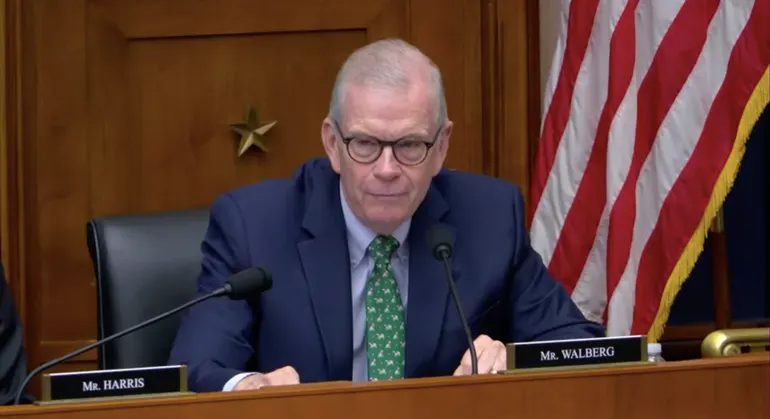
“This is a hearing on school safety,” said House Education and Workforce Committee Chair Tim Walberg, R-Mich. Walberg spoke during a hearing titled “Benched: The Crisis in American Youth Sports and Its Cost to Our Future,” held by the subcommittee on Early Childhood, Elementary and Secondary Education Subcommittee. Walberg chairs the full committee.
“If we did this right again, we would have less violence in schools,” Walberg said. “These are the types of things that will change [the] perspective of kids and what they do in life itself. So this is a hearing on gun violence.”
While Democrats and witnesses agreed that access and affordability are barriers to youth sports participation,they disagreed with Republicans over its potential to address school shootings. Studies have shown that youth sports participation is linked to better attendance, graduation rates, and academic performance.
“As important as sports participation is for kids, there is a much more pressing crisis at hand that the majority needs to recognize,” said subcommittee ranking member Rep. Suzanne Bonamici, D-Ore. “We know what happened over the weekend.”
Saturday’s shooting at Brown University killed two students and injured nine others. In K-12, there have been 230 school shootings in 2025 as of Dec 16, according to the K-12 School Shooting Database, which tracks anytime a weapon is brandished with intent to harm on school grounds.
That number puts this year on track to fall well below last year’s 330 school shootings. Last year became the first year since 2020 that school shootings hadn’t broken a record high. Still, however, the 330 school shootings recorded in 2024 marked the second-highest number since 1966 and fell only 19 below the all-time high of 349 recorded in 2023.
“This subcommittee has held several hearings this year, but we have not had a single hearing related to gun violence,” nor has the committee marked up a bill this year on school gun violence, said Bonamici. “We can talk about the other issues as much as we want — reading, math, CTE, screentime, student privacy, sports. None of that matters if children are shot and killed.”
Witnesses at the hearing, however, stressed that better access to school sports could help improve student mental health, academics and outcomes. They reported anecdotes of students being less likely to engage in violence or commit crimes when after-school time is filled with sports activities.
“If you can calm yourself down when you’re in an anxious state, you’re a better athlete. If you can calm your anger down when you’re hypercompetitive, you’re a better athlete,” said Steve Boyle, co-founder and executive director of 2-4-1 Care, Inc., a nonprofit organization that partners with school districts to provide sports opportunities.
John O’Sullivan, another witness and founder and CEO of the Changing the Game Project, said, “We have to keep as many kids as possible, as long as possible, in the best environment possible. ” His organization advocates for parents and coaches to become better participants in kids’ sports.
Democrats remained doubtful and pushed for a hearing specifically on gun violence.
“While sports are important for school safety, we have to have a hearing on this committee to address school shootings and the safety of our children in American schools,” said Rep. Jahana Hayes, D-Conn. “I know that my constituents expect something more than to just normalize school shootings and teach our children how to shelter in place.”
Hayes and other lawmakers on Sept. 12 sent a letter to Walberg and full committee ranking member Bobby Scott, D-Va., seeking a hearing before the end of the year on school shootings, and she said she received a response saying her concerns were “noted.” The letter was sent in wake of shootings at a Catholic school in Minnesota and a Colorado high school.
“We need meaningful action to keep our students, teachers, and schools safe and a plan to address the underlying causes of gun violence,” the letter said. “This Committee has the ability to bring together experts and individuals with firsthand experience to help develop federal legislation that implements school security upgrades, invests in mental health services, creates evidence-based crisis and threat assessments, and fosters a positive and trusting school environment.”
The subcommittee has no hearings currently scheduled on gun violence or school safety, according to its calendar.
Congress in 2022 passed theBipartisan Safer Communities Act in the wake of the Uvalde, Texas, mass shooting, the first significant gun safety legislation that also included school-based mental health measures in nearly three decades.
The funding provided to district mental health programs by that legislation, however, was put on pause and in many cases revoked by the Trump administration as it reviewed grants for potential diversity, equity and inclusion initiatives. The administration revoked about $1 billion in grants related to mental health earlier this year as a result, according to court documents.
Last week, the administration distributed a lesser amount — $208 million — to recipients who applied under a new grant application with updated requirements. These grants limit funding to the training of school psychologists only, instead of also funding school counselors and social workers, who often provide student mental health supports.
There was something very odd about the big Westminster government announcement on the UK rejoining Erasmus+.
Pippa Crerar’s reporting in the Guardian on Tuesday night quoted “sources” claiming that there is expected to be an “international fee waiver” for EU students studying at UK universities under the scheme, meaning they would pay the equivalent of domestic fees that are capped at £9,535 a year.
The piece added:
In return, UK students would continue paying their standard domestic fees at their home university during their year studying in Europe as part of their UK degree courses. They would be eligible for a grant to help with the additional costs of living abroad.
But hold on. That makes no sense. Not only would that break a fundamental Erasmus rule (you don’t pay fees to the host university), the arrangement as described would see £10,648 flowing into the UK university for doing very little for the student studying abroad.
Meanwhile the European student coming to the UK would suddenly be forking out a lot more than most of them do at home.
All of the material published on the announcement day merely said that UK students will pay “no more” than they do now – but what most of the media missed is that what they pay now is a fixed 15 per cent of the maximum fee to the UK university. “No more” than £1,598 or “no more” than £10,648?
The Department for Education (DfE) – which has already announced that the maximum fee a UK university can levy on a student studying abroad will be that 15 per cent thing that’s been in place for a decade – referred me to the Cabinet Office. No reply was forthcoming there or via the EU, and UUK simply told me to contact the government. Weird.
For the time being, let’s assume that Crerar’s “sources” were mixing up what might well be coming in the wider youth mobility deal – it does suggest that for students coming here (or going there) for a course outside of Erasmus+, students will pay the home fee rate in the host country, as they did pre-Brexit – which resurrects the “EU students pay £0, RUK students pay £9,535” issue in Scotland.
The issue of fees will matter quite a bit when considering inward demand given fees are generally much lower and loan schemes to pay them less common. And from a UK student perspective, even 15 per cent of the max fee looks like a rip off. What are they getting for that?
It’s a jolly holiday in Bari
The political debate has been mainly focussed on the “middle class jolly” thing, which is not helped by half a billion flowing to HE for this looking very odd when there’s very little other money that students don’t take out a loan for flowing into the sector, at least on the teaching side.
The government has pressed the breadth of opportunities for non-HE students, the widening participation aspects of the plus version of Erasmus, and the “bang for buck” on wider spending – but does look a little top heavy.
Overall of course the cost should be covered by the raid on Plan 2 graduates in the Budget – suffering their second repayment threshold freeze in a decade. Let’s think of this as robbing Covid grads whose year abroad was on Youtube to pay students to have a proper one now.
As I’ve noted on here before, Erasmus+ is not your granddad’s Erasmus. For higher education students there’s your core study periods of 2-12 months at partner institutions, as well as traineeships in workplaces abroad for 2-12 months, or a combo both within a mobility period.
Doctoral students can access shorter “mobilities” of 5-30 days or longer periods of 2-12 months, with the option to include traineeships. School pupils can participate in group mobilities of 2-30 days accompanied by staff, individual short-term learning mobilities of 10-29 days, or long-term mobilities exceeding one month.
FE students and apprentices can access group mobilities of 2-30 days, short-term placements of 10 days to 3 months (or from 2 days for disadvantaged students), long-term Erasmus Pro placements up to one year, and funding to attend skills competitions for 1-10 days. Adult education learners can spend up to one month learning, training or volunteering abroad.
Young people can also join youth exchanges of 5-21 days for workshops and activities, access Discover EU rail passes at age 18, and participate in youth participation projects addressing civic and cultural issues.
Mobility funding covers travel, living costs, course fees, visa costs, language preparation and organisational costs, with additional support for students with disabilities, additional learning needs and disadvantaged backgrounds.
Universities and education institutions can access multiple partnership and mobility frameworks. Higher education institutions must first secure Erasmus Charter for Higher Education accreditation, then can participate in cooperation partnerships, Erasmus Mundus Joint Masters programmes, Alliances for Innovation, and capacity-building projects. And Jean Monnet actions support teaching and learning about EU policies in schools and universities.
Staff can undertake teaching periods or training activities of 2-60 days, combining both if desired, with job shadowing and observation opportunities at partner institutions or enterprises.
Schools can develop partnerships with other schools, access the eTwinning online collaboration platform, and send teachers for training courses of 2-10 days, job shadowing from 2 days to 2 months, or teaching assignments from 2 days to one year. VET providers can establish partnerships addressing Erasmus+ priorities and send staff for courses and training of 2-10 days, job shadowing of 2 days to 2 months, or teaching assignments of 2 days to one year. Adult education providers can develop partnership projects for innovative practices.
Youth organisations can run Mobility Projects for Youth Workers lasting 3 months to 2 years, including seminars, training courses, networking events and study visits. Funding applications must be submitted through institutions either individually or via consortia, with some Key Action 2 and 3 activities managed directly by the European Education and Culture Executive Agency.
The programme extends beyond formal education into youth work and sport as well. Youth workers can access professional development through mobility projects involving seminars, training courses, networking events, study visits and job shadowing abroad in projects involving at least two organisations from different countries. Sports coaches and grassroots sports staff can undertake job shadowing or observation periods of 2-14 days, or coaching and training assignments of 2 weeks to 2 months, with non-grassroots staff eligible if their work benefits grassroots sport.
Not a fair swap
The main moan about Erasmus always was that far more students came to study in the UK than vice versa, which Brexit types put down to our education system being better. I’m not so sure about that – there were clearly a range of other barriers in play, and a lot of European HE is now taught in English given wider non-EU internationalisation agendas as universities across the continent clock on to international fees as an income source.
Here in 2025, however expensive student housing is across Europe, it’s almost always cheaper than here – and the “pent up demand” thing may well kick in, as well as the attractions of what was usually a “pass/fail” second year rather than their weird grind of grading everything that moves that we maintain in the UK.
The decision in 2012 to allow universities to charge that 15 per cent came off the back of a report led by Colin Riordan, then VC at Cardiff on barriers to mobility. It said that the problem was mainly money and language, but those headline barriers were reinforced by a system that made mobility feel like an optional add-on for confident, well-off students rather than a normal, supported part of study.
Costs and debt aversion sat alongside low language confidence, especially once pupils had already been funnelled into narrower choices at school. Then the university-level friction kicked in – tightly specified curricula, professional accreditation constraints (particularly in health and STEM), patchy recognition of overseas learning (itself a subset of the UK’s general failure to do credit transfer properly), and the sheer administrative grind of making exchanges work when support teams are small and incentives for academics and departments are thin.
The report called for a coherent UK outward mobility strategy and an organising body to professionalise practice, coordinate messaging, and create a single, navigable portal of opportunities and support. It argued for sustainable funding beyond fragile pots, including sponsorship and philanthropy, and for mainstream student finance to travel with the learner (loan portability), backed by a clearer map of scholarships and bursaries so students were not left guessing.
It called for curriculum redesign so mobility would fit more easily, and for consistent recognition and accreditation of the learning and skills gained abroad, with targeted work with professional bodies to unblock the hardest-to-move disciplines. It also pushed for a proper national data regime with agreed definitions, so the sector could understand participation patterns and equity gaps and stop flying blind.
Alongside that, it recommended collaboration and shared services to reduce duplication and build capacity, more creative models than the traditional “extra year abroad”, and earlier intervention through schools and stronger language learning as national infrastructure. And it made a case for equality – if employers care about a global mindset more than the route, then UK-based “international” experiences were to be recognised too.
A lot of that simply never materialised – although HEFCE was funded to do a supplement to support students on overseas exchange programmes, offering around £2,250 for full-year placements abroad. Albeit with a declining value per student over time, that actually survived in England until this academic year – only for it to be scrapped in Bridget Phillipson’s OfS allocation for 2025-26. Unsurprisingly, there’s no news on a resurrection to accompany today’s announcement.
Widening access to mobility
Later in the decade an EU-funded UUKi report on widening participation in mobility found that UK’s problem was never just “low participation” overall, but was patterned inequality with compounding effects. Students with overlapping disadvantages had even lower rates of participation.
In 2015–16, students from higher socio-economic backgrounds were sixty-five per cent more likely to be outwardly mobile (2.5 per cent vs 1.5 per cent). BME students were 22.2 per cent of the cohort but only 17.6 per cent of outwardly mobile students. Care leavers sat at 1.0 per cent participation (below the 1.7 per cent sector average).
Practical exposure to upfront costs, uncertainty, and the limits of support were all key, and those financial issues were felt more strongly among certain socio-economic groups. Students often financed mobility through loans, because grants did not cover all costs.
Longer-term mobility was blocked by cost, responsibilities at home such as caring duties or paid work, and less flexibility in the length of degree programmes. So the barrier was structural. When the timetable didn’t not bend, only certain lives could travel.
Students’ decisions were shaped by the type of information provided and the timing of it, with many saying earlier awareness helped. Academic staff mattered too, and academic buy-in was persuasive when students were considering mobility. If the message comes late, or from someone students do not trust, why would we expect take-up to widen?
The report also flags negative assumptions and links these to culture shock and homesickness. It also noted that for some groups, families needed to know what to expect in terms of cost, culture, and impact on the degree. Outward mobility is often sold as a confidence booster. But whose confidence is being asked for upfront?
Weak national signalling on widening participation in mobility was also a factor. It drew on European-level analysis that national targets that included widening participation signalled strong political commitment. Yet it noted the UK did not have a national target for mobility participation by underrepresented groups.
To fix, university leaders were invited to shift from mobility-as-optional-extra to mobility-as-designed-and-funded pathway (our old friend “whole university approach”), targets were to be set to mirror the institution’s student body, delivery was to be hardwired through academic departments (including named coordinators and staff induction) rather than leaving it to an international office, and it wanted joined-up support with widening participation teams, disability services, careers and SUs, alongside clearer “no surprises” information and pre-departure preparation.
No doubt that happened in some universities, but I’m also willing to stick my neck out and suggest that the report and its recommendations gathered digital dust in the way that so many reports of its ilk do. If nothing else, DfE should require outward mobility to show up in access and participation plans in England.
The road ahead
Here in 2025, I’d add in money and provision responsibility. The Riordon report tended to treat Erasmus as an intercalary extra year that extended a standard bachelor’s degree, warning that higher fees and debt could deter students from extending their degree to encompass a period of mobility”. That later report tended to treat an Erasmus “year” (or, more often in the case studies, a semester-length period) as part of the degree rather than some bolt-on “extra credit” activity.
In the latter case, UK universities’ repeated lack of interest in student transfer (a duty in England that few observe with enthusiasm) is a signal of the problem – having three years of fees is financial lock in, so mobility becomes a financial loss. While I’d love to imagine that governing bodies will ever think about anything else (like purpose or the student interest), I’m also a realist.
Generally, the lack of action on transfer, credit accumulation, mobility and any number of issues also reflects that unlike across the EU, we don’t seem much interested in framing anything as a student right, despite levying much higher fees than most of the continent. If ministers really want this to succeed, they should get a grip. A lifelong “entitlement” to loans with barely any rights over the education the loans buy remains the worst aspect of the UK’s “wooden legs, real feet” approach to HE policy.
Meanwhile it’s always been the case that the regulatory position is up in the air – QA has often been “light” (assumed to be covered by Bologna processes) but things like harassment and sexual misconduct, or free speech, or any number of other areas where a student might assume at best equivalence or at least that someone’s thought about it back home (in exchange for their 15 per cent of the fee) have tended to be filed in the “too difficult to resolve” box.
Without a proper strategy inside DfE, proper incentives (or targets) for universities and progress on stuff like credit transfer, the real danger is that a future government that is less interested in being anything other than little England mentality will look at similarly disappointing participation (either in volume or access terms) and just yank the reverse lever. I’d love to be wrong.
by Jackie Mader, The Hechinger Report December 17, 2025
Each day, nearly 70 percent of the world’s children are cared for and educated by adults other than their parents in home-based settings, many of which are informal and run by women. (In the United States, it’s about 30 percent.) In many countries, these home-based settings receive little financial or training support from their governments.
This summer, I moderated a panel made up of global child care experts at the National Association for Family Child Care’s (NAFCC) global learning convening. The event marked the first time that the association brought together child care leaders from across the globe to share their expertise in how family child care works in their countries. About 1,000 people attended, including representatives from Bangladesh, Ecuador, South Africa and the United States, to discuss how early learning programs face similar challenges around the world, including low pay and a lack of respect. Attendees also discussed progress securing funding and more awareness and recognition for the sector.
The session I moderated, on home-based child care policy and advocacy, featured Grace Matlhape as one of the panelists.Matlhape is the chief executive director of SmartStart, a nonprofit that supports high-quality home-based early learning programs in South Africa.
The organization’s model, which trains community members to teach a play-based curriculum and run their own early learning programs, has been found to decrease achievement gaps between higher- and lower-income children.
In early 2025, after advocacy from Matlhape and other early childhood organizations, South African President Cyril Ramaphosa announced he would prioritize the early years in his education agenda, acknowledging the country is decades behind in the field. The government also dedicated $500 million to expand early childhood development programs to some of the country’s 1.3 million young children not already enrolled in early care. That number represents about 18 percent of the country’s 0-5 population.
I recently caught up with Matlhape to hear more about progress she is seeing in South Africa, stereotypes of home-based care and which countries she’s looking to for guidance as the sector continues to grow. This interview has been edited for length and clarity.
What is the landscape of early childhood in South Africa?
Up to now, South Africa’s main approach is center-based child care. There’s still a gap in access, it’s not equitably accessible, but the main seen, acknowledged, recognized and regulated mode of child care is center-based care.
SmartStart is the first organization to look at home-based care as a model to build. Having said that, South Africa is very similar to the U.S. in that the early childhood care education is market-driven. The government does not run programs directly. From time to time, they may have a school here and a preschool there, but in the early years, government is not the main provider of programs. SmartStart is the first organization that decided to build [home-based care] into a national model that becomes acceptable even to policy makers.
Why are you focusing on home-based care?
It enables rapid setup, because it avoids all of the lead times in buildings and so on. It lowers the cost when you take away all of the infrastructure investments required. It’s community-based. People have very strong local relationships, for example, a shopkeeper down the road delivers bread every day. It builds on this very strong local culture of looking after children and just investing in their care and their stimulation.
We recruit our providers within close proximity to one another so that they can form into communities of practice to support one another. It’s a very powerful vehicle of building belonging and identity. It creates cultural acceptability very quickly.
Finally, we’ve seen fantastic child outcomes compared to the national average in South Africa. Many of [the programs] are in informal housing in very, very poor environments, but their child outcomes outperform the national average. We think it is a matter of good child ratios. You can’t have a massive class of children at a home. You have children in smaller groups, and we think that’s the answer.
What challenges have you encountered?
It is really hard for people to let go of this overreliance on quality associated with physical structures. People expect to see quality with their eyes, whereas what we are seeing in home-based child care is the experience and the love and attention, and the power of practicing good pedagogy between one loving practitioner and a handful of children. That’s the secret sauce. And so it’s been a challenge just to change mindsets, for people to see child care, home-based child care, in that way.
This summer you came to Dallas and met with other home-based child care experts from around the world. Did anything stick out to you regarding how South Africa’s home-based landscape compares to other countries?
What was very different in the U.S. is just how mature the sector is. It’s significantly more mature. It has matured to a practitioner-led advocacy level, with a platform like NAFCC and people who are leading the organization! [In South Africa], it is very strongly practitioner led. We are still on that journey of the practitioner representing themselves and driving advocacy in their own provinces or states. It gave me a sense of what the future might look like, the power in the practitioner-led alliance or coalition.
What are your goals moving forward?
We’ve actually moved into the zone now of regulation and funding by the government. We co-founded an advocacy organization about three to four years ago with other early childhood development organizations in South Africa. We’ve invested in policy research on what’s going on around the world [in early childhood]. My colleagues really invested in understanding what home-based child care looks like, particularly in Latin America — we drew a lot from that. And we are partnering with the government, with the Department of Education. As insights emerge, we partner with them to say, ‘This is what the research says. These are the trends.’ We are very effectively influencing policy in South Africa by getting the president to announce early childhood as one of the apex priorities for our government. We are trying to make early childhood development in general, and promoting home-based child care as a first tier approach, a societal priority.
This <a target=”_blank” href=”https://hechingerreport.org/what-the-us-can-teach-other-countries-about-home-based-child-care/”>article</a> first appeared on <a target=”_blank” href=”https://hechingerreport.org”>The Hechinger Report</a> and is republished here under a <a target=”_blank” href=”https://creativecommons.org/licenses/by-nc-nd/4.0/”>Creative Commons Attribution-NonCommercial-NoDerivatives 4.0 International License</a>.<img src=”https://i0.wp.com/hechingerreport.org/wp-content/uploads/2018/06/cropped-favicon.jpg?fit=150%2C150&ssl=1″ style=”width:1em;height:1em;margin-left:10px;”>
This audio is auto-generated. Please let us know if you have feedback.
Dive Brief:
President Donald Trumpon Tuesdayfully banned individuals from an additional seven countries from traveling to the U.S., as well as those with travel documentation from Palestinian authorities, effective Jan. 1.
In a presidential proclamation, he also placed partial entry limitations on 15 additional countries,including Nigeria, one of the top 10 sources for international students in the U.S.
Higher education officials pushed back on the travel ban expansion — which will include 39 countries — arguing it will further constrict the U.S.’s international student pipeline and stymie the country’s global competitiveness.
Dive Insight:
Both partial and full federal travel restrictions block F and J visas, the types mostly frequently used by international students. F visas are more commonly known as international student visas. And certain foreign students can obtain J visas, which also cover short-termcollege instructors and researchers.
In June, Trump issued a presidential proclamation that banned or restricted entry into the U.S. from 19 countries, amove which sparked several lawsuits. Tuesday’s proclamation more than doubled the number of affected countries.
NAFSA: Association of International Educators called the expansion “anticipated” but “disappointing and misguided” in a Tuesday statement.
“At a time when countries including China, Canada, Germany, and Japan are actively courting talented students, scholars, and researchers from around the world, this travel ban sends the message that the United States is better off without their contributions,” the group said. “The administration’s latest actions will undoubtedly prevent some of the world’s best and brightest students from contributing to U.S. predominance in research, science, and innovation.”
Miriam Feldblum, president and CEO of the Presidents’ Alliance on Higher Education and Immigration, called the travel ban “a self-inflicted wound that directly undermines our economic competitiveness and our ability to welcome and retain global talent.”
“It signals to the world that the U.S. is no longer a welcoming destination for talent from around the world,” she said in a Wednesday statement.
The proclamation exempts lawful permanent residents, current visa holders, and “individuals whose entry serves U.S. national interests” from the restrictions. It also exempts certain visa categories for athletes and diplomats.
It did not list exceptions for international students, arguing that individuals overstaying their F and J visas, among other types, necessitate travel bans against some countries.
High visa-overstay rates among individuals from these countries “demonstrate disregard for U.S. immigration laws and burden American enforcement resources,” the proclamation said.
For example, Trump cited visa overstays in part when placing partial travel restrictions on Nigeria.
In his proclamation, Trump alleged that more than 1 in 10 Nigerian citizens in the U.S. on a F, J or M visa overstay their visa, citing an annual reportfrom U.S. Customs and Border Protection. An M visa allows foreign students to study at a vocational or approved nonacademic institution.
But NAFSA said that data is “known to be deeply flawed.”Feldblum similarly called it “highly flawed and selective.” Both cited a June reportfrom theNational Foundation for American Policy, which conducts public policy research.
Researchers at the nonprofit found that Trump’s June travel ban “significantly overstates the number of overstays from individual countries” in part by counting people who already left the country and people who changed status inside the U.S.
“The overstay report allowed for a veneer of data to justify predetermined policy decisions,” the foundation report said. It added that the U.S. Department of State could address overstays by denying individual applications from people they suspect will overstay — “a less draconian approach than banning everyone in that country from entering the United States.”
Nigeria first became a top 10 country for international students in 2020-21 and has held that status since.In 2024-25, almost 22,000 Nigerian students studied in the U.S.
The number of foreign students from Nigeria studying in the U.S. has risen steadily for at least a decade and a half, except for a small dip during the height of the pandemic, according to Open Doors data.
Countries facing travel restrictions as of Jan. 1 2026
*extended from June travel ban. **changed from partial restrictions under June travel ban. ***applies only to immigrant visas.
The new proclamation moves two countries — Laos and Sierra Leone — from partial to full travel restrictions. It is lowering restrictions on only one country: Turkmenistan.
Trump will allow nonimmigrant visas, like student visas, to be processed for Turkmenistani citizens “because Turkmenistan has engaged productively with the United States and demonstrated significant progress since the previous Proclamation,” Trump’s proclamation said.
Turkmenistan’s embassy on Wednesday said the country had shown “substantial progress in improving identity-management and information-sharing procedures.”
Immigrants from Turkmenistan will continue to be denied entry.
The months since Charlie Kirk’s murder on Utah Valley University’s campus in September have seen a deluge of firings and suspensions of teachers, faculty, and staff across the country for celebrating the assassination, or just for being insufficiently mournful. As the dust settles and court cases proceed, more details are emerging about the political pressures universities faced to punish protected political expression.
In Iowa, lawmakers were so incensed by one Iowa State University staff member’s speech about the shooting that they outright dismissed the possibility of a lawsuit. Public records obtained by FIRE through a Freedom of Information Act request show state lawmakers exchanging messages inviting the possibility of First Amendment lawsuits for the sake of punishing speech they found offensive. “It’s worth the risk of lawsuits,” one lawmaker texted.
In other words, censorship is worth lawsuits. Iowa taxpayers: that’s your free speech rights — and your money — they’re putting at risk.
On Sept. 23, less than two weeks after the shooting, Iowa State University fired Caitlyn Spencer, a financial aid advisor at the university. Spencer had posted that she believed Kirk “got what was coming” to him and wrote that she was “happy he’s rotting in hell now.” The prominent X account Libs of TikTok picked up Spencer’s post, prompting social media outrage.
That outrage did not stay confined to the internet. Behind the scenes, Iowa lawmakers urged university officials to take action. The records obtained by FIRE show text messages from state lawmakers to Board of Regents State Relations Officer Jillian Carlson. State Rep. Carter Nordman sent Carlson a screenshot of Spencer’s post, asking, “Will she be put on leave today?” Rep. Taylor Collins added that Spencer “better be” put on leave.
After Carlson responded that the university was investigating all complaints they were receiving about social media activity, Collins responded, “There’s no way this is allowed under the Univeristy [sic] code of conduct.” He added: “It is worth the risk of lawsuits.”
Nordman then expressed frustration at a potential lawsuit, writing, “I am so sick of us scurrying around a law suit. Let them sue.” He added that he and two other individuals were “just fine with [Carlson] telling [ISU] President Wintersteen that’s coming from the House Higher Ed & Budget Chairman’s [sic].”
It’s bad enough that lawmakers publicly called for punishment of faculty and staff for their speech about Kirk, including Collins, who was both publicly pushing punishments and sending messages behind the scenes. But Nordman’s mention of the Iowa House Higher Education Committee invoked the power of the committee that controls the funding ISU receives, unsubtly implying that lawmakers were ready to cut budgets if administrators did not comply with their demands to punish speech. And given their talk about lawsuits, it’s clear that they had doubts about whether punishing the speech would violate the First Amendment.
FIRE has seen this sort of attitude before. For example, when FIRE was poised to file a lawsuit against Kirkwood Community College in 2020 after it moved to terminate a professor for describing himself as “Antifa,” Kirkwood president Lori Sundberg told a media outlet there was “no evidence” the professor had espoused his controversial views in the classroom. The president remarked, “at the end of the day for me, if I’m found legally wrong on this, I can live with that.”
The college eventually settled with the professor for $25,000. Similarly, in 2013, a federal jury held the former president of a public college in Georgia personally liable for violating the rights of a student who protested against the building of two parking garages on campus. There, the student and the university reached a $900,000 settlement after a lengthy court battle, as the court ruled that the president had ignored the student’s “clearly established constitutional right to notice and a hearing before being removed from VSU.”
Those fired over protected comments about Kirk’s assassination could be looking at similar payouts, courtesy of the tax- and tuition-payers of Iowa.
While Kirk’s murder has divided Americans across the board, one thing should unite them all: Iowans — and Americans more broadly — shouldn’t be on the hook for public officials’ decisions to ignore the First Amendment.
The City Club of Cleveland’s creed, written in 1912, begins, “I hail and harbor and hear persons of every belief and party; for within my portals prejudice grows less and bias dwindles.”
Over the years, figures as varied as Clarence Darrow, Babe Ruth, George Wallace, Rosa Parks, and every sitting U.S. president from Ronald Reagan to Barack Obama have appeared on the City Club’s stage. The day after Martin Luther King Jr. was assassinated, Sen. Robert F. Kennedy set aside his prepared remarks there and delivered his now-famous speech condemning “the mindless menace of violence.”
This century-long tradition of hosting “conversations of consequence that help democracy thrive” has cemented the City Club’s reputation as a “citadel of free speech.” The institution is now upholding that tradition by refusing calls to disinvite a controversial speaker.
Speaker invitation sparks backlash
In November, the City Club announced it will host a conversation with Aaron Baer, president of the Center for Christian Virtue. City Club CEO Dan Moulthrop is set to moderate the event, which includes an unscreened audience question-and-answer period.
The announcement triggered immediate calls to cancel the event from critics of CCV’s views and advocacy on LGBT issues. The City Club’s Facebook page was flooded with complaints. “We don’t support those who give hate groups platforms,” read one. “Promoting hate speech should never be the goal. Do better,” read another.
Central to the backlash is the Southern Poverty Law Center’s designation of CCV as an “anti-LGBTQ+ hate group.” The label appears to stem in part from the organization’s role in advancing an Ohio law banning medical treatments intended to assist minors with gender transition and excluding transgender girls and women from women’s K-12 and college sports.
“We’re not canceling, and we have never had any intention of canceling this.”
The controversy escalated last week when a coalition of organizations and individuals penned an open letter urging the City Club to “cancel or modify this forum in a way that does not platform” an SPLC-designated hate group. Failing outright cancellation, the letter called for an external moderator “trained in navigating civil rights or constitutional issues” and “capable of challenging extremist claims.”
The City Club stays true to its mission
Moulthrop’s response to the pushback was unequivocal:
We’re not canceling, and we have never had any intention of canceling this. We’re gonna continue to do what we always do, and have done for 113 years, which is convene conversations of consequence that help democracy thrive and do that with the leadership of relevant organizations who are shaping our communities.
That’s exactly the right response from an institution dedicated to free speech and civic dialogue.
Moulthrop told me the City Club’s mission “necessarily means making the platform available to diverse points of view and people with political influence — people who, if they’re not shaping policy, they have the ear of people who are.” So it made sense to book Baer for the Friday Forum, a “luncheon program devoted to significant national and regional concerns.” The event description notes that under Baer’s leadership, CCV “has emerged as one of the most influential nonprofit advocacy organizations in the state of Ohio, notching legislative victories on school choice and building coalitions with state government leaders.”
The City Club is not endorsing Baer’s views any more than it has endorsed the views of other speakers it has hosted. It is allowing attendees to engage with ideas that, for better or worse, have gained purchase in society. Notably, the executive director of the LGBT Community Center of Greater Cleveland, who criticized the event by arguing that free speech “should never be used to legitimize rhetoric that undermines the safety, dignity, and well-being” of LGBT people, was herself a City Club speaker just two months ago.
This is hardly the first time the City Club has weathered such controversy. In 1923, after socialist presidential candidate Eugene Debs was invited to speak, prominent business leaders resigned their memberships in protest. More recently, the announcement of a forum featuring President Donald Trump’s former campaign manager Corey Lewandowski provoked outrage.
In an era when cancellation demands are widespread and too often successful, the City Club’s refusal to yield is a welcome affirmation of the values of free speech and open discourse. FIRE’s Campus Deplatforming Database has recorded 1,824 attempts to disinvite speakers or cancel controversial performances, screenings, or exhibits on campus since 1998. Nearly half (847) succeeded. And the pace has accelerated sharply in recent years. This year alone has seen 151 attempts, about two-thirds (98) of which were successful.
Deplatforming is unwise
This trend comes at a cost. As FIRE President Greg Lukianoff often argues, we are not better off knowing lessabout what people think or why they think it. That point has even more force when it comes to someone like Baer, who wields significant influence over policies affecting a state’s 11.9 million residents.
“Whether you agree or disagree with these individuals, a chance to hear directly from them, rather than just about them in the media or from a researcher, is the kind of thing that makes democracy work better,” Moulthrop toldThe Buckeye Flame last month. In a fuller response he later shared with me, he added, “It’s a chance for speakers to understand how their ideas are heard and felt and it’s a chance for audiences to understand where different political philosophies and beliefs are born.”
Deplatforming attempts often rest on the flawed assumption that giving someone a platform inevitably makes their ideas more popular. But if the ideas are truly indefensible, exposing them to scrutiny may have the opposite effect. To that end, Baer will face questions from Moulthrop and from audience members who are unlikely to be uniformly supportive. The alternative is for him to speak only in ideologically friendly spaces where his views go unchallenged and perhaps harden further.
Baer’s critics should also consider that attempts to silence speakers often backfire by bringing them more attention. Before this controversy, I had no idea who Baer was. Media coverage of the dispute will only increase public curiosity about him and CCV. The Streisand effect strikes again.
Meanwhile, the targeted speaker obtains a rhetorical advantage. He can cast himself as a victim of suppression at the hands of intolerant critics who can’t refute his ideas on the merits.
Free speech is more than the First Amendment
When private institutions resist deplatforming demands in the name of free speech, critics often retort that it’s not a free speech issue because the First Amendment restrains only government action. That response misunderstands what sustains free speech in practice. Constitutional protection is indispensable. But culture matters too.
If silencing and punishment, rather than persuasion and criticism, gain wide acceptance as righteous responses to objectionable speech — the logic that justifies those practices may soon be turned against legal protections for free speech as well.
True, the First Amendment does not require private forums to facilitate the free exchange of ideas. It also doesn’t compel private universities to uphold free speech and academic freedom in the pursuit of knowledge, publishers to offer readers a wide range of perspectives and information, or private businesses to exercise restraint when faced with calls to fire an employee whose political opinion offended an online mob. But these norms and institutions sustain a healthy culture of free expression. They create conditions in which free speech can flourish and reinforce related values like curiosity, intellectual humility, and engagement with different points of view.
And if we abandon these norms — if silencing and punishment, rather than persuasion and criticism, gain wide acceptance as righteous responses to objectionable speech — the logic that justifies those practices may soon be turned against legal protections for free speech as well.
In standing its ground, the City Club of Cleveland has done more than defend a single event. It has defended the broader cultural foundations on which free speech depends.
My friend Kerry left me one of her infamous voice messages today. These are the fancy kinds that go beyond voice mail, but instead show up in my text messages app, only I get to hear her voice. Apple nicely transcribes these messages for me, too, though it cracks me up what it sometimes thinks Kerry says in these messages. This time, it thought that she called me “Fran,” but instead she was calling me, “friend.”
She’s going to be on sabbatical next semester, so is wanting to get going with a note-taking application. In my over two decades in higher education, I’ve never had a sabbatical, but I imagine that if that time were to come, I would really want to get a jump on the organization side of things, as well. I’ve enjoyed following Robert Talbert’s transparency around his sabbatical as he seeks to be intentional with his sabbatical, even subtitling one of his blogs: Or, how my inherent laziness has made me productive on a big project. He also suggests that we regularly carve out time to reflect on whether where we are spending our time and devoting our attention is in alignment with the things that are most important to us.
I like reading Robert’s blogs in which he geeks out about the tools that he uses. Like me, he’s evolved what applications he uses, most recently documenting the digital tools he is using for his own sabbatical project (part 1 and part 2).
Even though Kerry asked me about my suggestions for a note-taking tool, I can’t help but zoom back out and make sure we both understand that bigger picture. I can’t really answer the question as to giving my advice related to taking notes, unless I’m sure she’s got the other vital pieces going that she will need to maximize her time. Not to mention, giving herself permission to wander and be entirely “unproductive” for at least some portions of this time away.
The Tools
For any sabbatical, I’m making an assumption that at least some portion of it will involve doing research and some writing.
References Manager
There are many good references managers out there. I haven’t changed mine really ever, since landing on Zotero many years ago. I didn’t have a references manager when doing my master’s or doctorate, so when I talk about the power of one, I tend to sound like an old person talking about having to walk uphill to get to school, both ways, with a bit of “get off my lawn” sentiment, throughout.
Hands down, if you’re going to research, or plan on doing some academic writing, it makes zero sense not to be capturing sources in a references manager. Off the top of my head, be sure you know how to:
Add sources using the Zotero extension installed on your preferred browser. Zotero must be running in the background as an application, at least for how I have things configured on my Mac, but it will nudge you, if you forget.
I choose to check each source, as I add it, though this isn’t necessary. Zotero is great because much of the time, it will grab the metadata associated with the item you have saved, including the author’s name, date of publication, URL, etc. However, sometimes websites don’t have their information set up such that some of the information gets missed. I would always way rather just add it, manually, in the moment I’m already on that page. Others just figure they’ll wait to see if they actually wind up citing that source.
Cite sources within your word processor, which for me is Microsoft Word. I use the toolbar for Zotero when I need to cite a source, as I’m writing, I easily search for it, and then press enter and away I go.
Create a bibliography using Zotero. This would have been a game changer, had I had this tool when I was in school. Some years back, they made this auto-update so each time you add a new source, your references list automatically updates, as you go. If you delete a sentence containing a citation, it is removed from your references. So cool.
Digital Bookmarks
For any other type of digital resource (ones I doubt I’ll wind up citing in formal, academic writing), I save them to my preferred digital bookmarking tool: Raindrop.io. I can’t even imaging doing any computing in any context without having a bookmarking tool available to save things to…
I’ve got collections (folders) for Teaching in Higher Ed, AI (this one is publicly viewable as a page, and as an RSS feed), Teaching, Technology, and ones for specific classes, just as an example. Take a look at my Raindrop blog post, which talks more about why I recommend it and how I have it set up to support my ongoing learning.
Note-Taking
Now we’re finally getting around to Kerry’s original question. I had to first talk about a references manager and digital bookmarks, since I wanted to ensure that she will have at least Zotero (or similar tool) for the formal, academic writing, including citing sources and doing the necessary sense-making required for academic writing.
Chicken Scratch (Quick Capture) Notes
There’s a place in many people’s lives for quick-capture notes. You’re talking to someone and they mention something you want to remember. You don’t first want to figure out where to put that information; you just want to grab it, like you might a sticky note in an analog world.
At this exact moment, I would consider myself a “bad” Drafts user. I’ve got 172 “chicken scratch” notes sitting, unorganized. That said, I don’t put anything there that it would be terrible if the notes got “lost” from my attention for a while. These past three months, I was a keynote speaker at a conference in Michigan, and did a pre-conference workshop for the POD Conference in San Diego. Being on the road means lots of opportunities for me to hear about something, or have an idea, that I just want to quickly capture in that moment, and get back to, later.
I submitted grades late last night, so today means getting back to a more regular GTD weekly review, at which point I’ll be emptying my inboxes, including my Drafts inbox. If you’re curious about the process I use to accomplish this, I couldn’t recommend more another post by Robert Talbert: How and why to achieve inbox zero.
One other thing I’ll mention about Drafts is that it is incredibly easy to get started with… and once you’re up and running, there are a gazillion bells and whistles you could discover, should you want to get even more benefit out of it.
One fun thing I enjoy is using an app on my iPhone and Apple Watch (via a complication) called Whisper Memos, which lets me record a voice memo and then receive an email with my “ramblings turned into paragraphed articles.” However, instead of cluttering up my email inbox, I have it set up to send an email to my special Drafts email, which then sends the transcription (broken into paragraphs, which I find super handy) to my Drafts inbox, for later use.
I also keep a Drafts workspace (not in my inbox) dedicated just to my various checklists, such as packing lists, a school departure checklist (which we haven’t had to use in a long while, since our kids keep getting older and more independent), password reset checklist (where are all of the different apps and services I need to visit, anytime I get forced to reset my password for work), and a checklist for all the places I have to change my profile photo, anytime in the future I get new headshots or otherwise want a change.
Primary Note Taking Tool
Now we’re finally to the real question Kerry was asking: What app should she use to take notes? Well, as I mentioned, I actually have a fair amount of them, but since I’m at least attempting to stay focused on the sabbatical needs, I had better get back to it now.
My primary notetaking tool these days is Obsidian. Robert Talbert again does a great job of articulating how and why he uses Obsidian. A big driver for me is that if I ever want to switch things up down the road, I don’t have to worry about how to get stuff out of Obsidian. As it is just a “wrapper” or a “view” of plain text files that are sitting on my computer. If they ever decided to jack their users around by significant increases to their pricing model, without the added value one might expect, I wouldn’t be locked in at all. There are plenty of other note-taking apps that would know how to “talk” to and display the plain text files on my computer in a similar fashion as Obsidian.
That said, some people might be intimidated by becoming familiar with writing using Markdown, which is the formatting used in plain text files. Since the text is “plain,” that means you can only make something bold by using other indicators that a given word or phrase is meant to be bold. However, I find you could get up and running with the vast majority of Markdown in less than five minutes, such that this isn’t as big a barrier as it might seem.
As an example, I don’t have to type the formatting for bold, I can just high light those words and then press command-B on my keyboard, same as I would in any other writing context. Headings are just indicated by typing the number of pound signs at the start of a line. So the heading for this section of this post required four number signs, because it is a heading 4 (H4), and then I just press space and type the subheading, like normal.
That said, you couldn’t go wrong with Bear, or Craft, if you aren’t as concerned about being able to get stuff easily out of them, should you ever change note taking tools in the future.
Getting Started
The tool we select is important, yes. But more important is how we set them up to help us achieve the intended purpose of wanting a note taking tool in the first place.
Meeting notes. I am close to 100% disciplined about taking notes during meetings (really helps me stay focused, as otherwise my mind can wander quite a bit), or when attending conferences or webinars. I keep a consistent naming convention for these notes, as follows: yyyy-mm-dd-meeting-name and then move the note to a dedicated folder in Obsidian. I only move the note into the follow after I have reviewed it for any “open loops” and then captured those in my task manager.
Other writing. I’ve got folders for other types of writing that I do, as well. To me, the key is having a “home” for where things belong and to be super disciplined about consistent naming conventions, so I don’t get overwhelmed with the messiness of the creative process.
That said, Kerry will first want to play around with any note taking tool she is considering just at the note level, before she worries about how she will organize things. Otherwise, it is way too easy to get overwhelmed and not cross over the finish line of getting started using a note taking tool, consistently.
The University of Virginia Library offers ideas for how to organize research data across all disciplines. Don’t miss the part where they say to write down your organization system before you start, or in my experience, it is too easy to forget how I set things up in the first place.




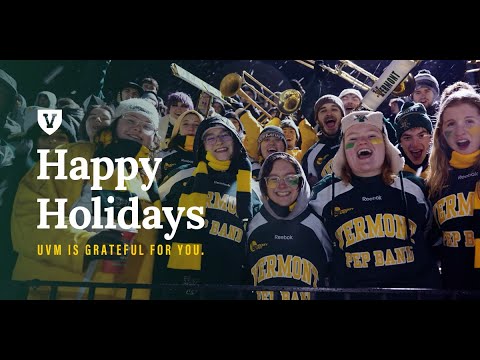
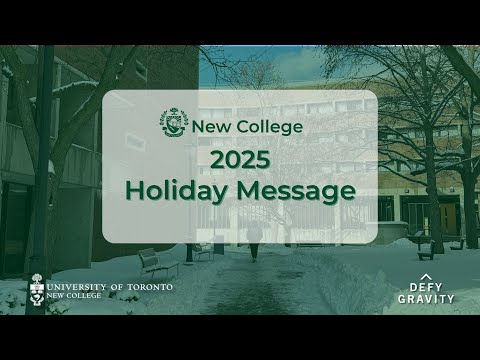


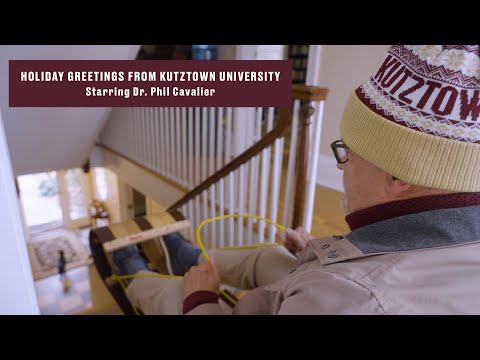
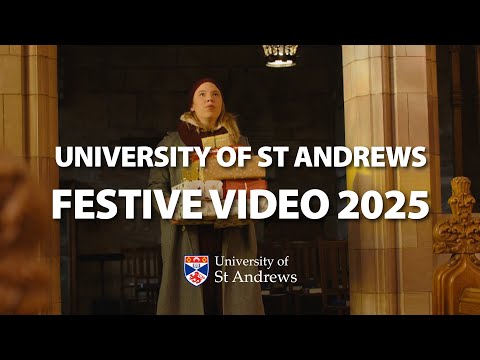
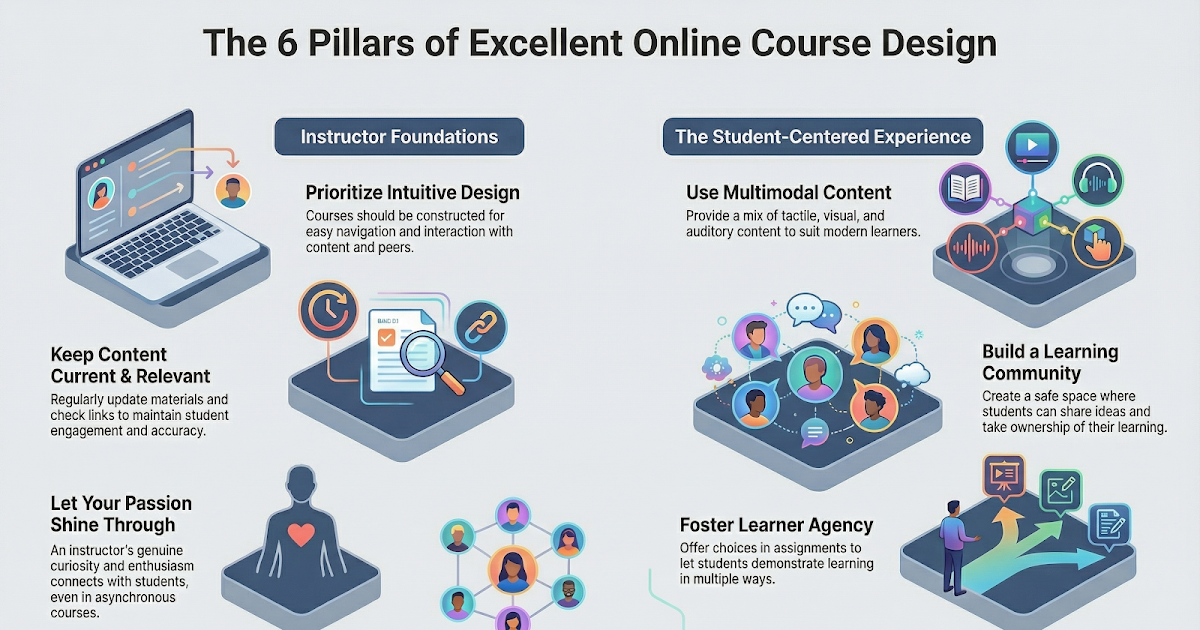
.png)