Blog

  • Free speech advocates rally to support FIRE’s defense of First Amendment protections for drag shows

    Free speech advocates rally to support FIRE’s defense of First Amendment protections for drag shows

    Drag shows are inherently expressive and protected under the First Amendment. That’s what a panel of the U.S. Court of Appeals for the Fifth Circuit held back in August, reversing a district court’s decision that had upheld West Texas A&M University’s campus-wide drag show ban. 

    Yet several weeks later, the Fifth Circuit elected to vacate the panel’s decision and rehear the case en banc, meaning the full Court will consider whether the First Amendment permits government officials to ban a drag show because they disagree with the show’s message. As FIRE fights to preserve the panel’s decision upholding the right of public university students to engage in expressive conduct, a broad coalition of free speech advocates has rallied to file “friend of the court” briefs in support.

    Here’s what happened: West Texas A&M University maintains Legacy Hall as an open forum for students and the public to interact and engage in expression. FIRE’s client in this case is Spectrum WT, a long-recognized student organization that seeks to provide support for and promote acceptance of the LGBTQ+ student body. To that end, Spectrum WT hosts a wide range of campus events, both social and educational, to raise awareness of issues important to LGBTQ+ students and foster a strong sense of community and acceptance.

    The Constitution prohibits University officials from censoring student expression on campus because they happen to disagree with its underlying message.

    Several years ago, Spectrum WT began planning a charity drag performance to be held at Legacy Hall. Proceeds from the event would benefit the Trevor Project, an organization dedicated to suicide prevention in the LGBTQ+ community. 

    But eleven days before the performance’s scheduled date, the university’s President, Walter Wendler, canceled the event. In a lengthy public statement, Wendler announced that “West Texas A&M will not host a drag show on campus,” even while conceding that drag performance is “artistic expression” and that “the law of the land” requires him to let the show go on. According to Wendler, he opposes drag’s underlying “ideology,” believing it “demeans” women and that there is “no such thing” as a “harmless drag show.”

    West Texas A&M President cancels student charity drag show for second time

    West Texas A&M President Wendler enforced his unconstitutional prior restraint by canceling a student-organized charity drag show for the second time.


    Read More

    That’s when FIRE stepped in. Our country’s universities are bastions of free expression, exploration, and self-discovery. They are uniquely places where young adults may have their opinions tested and viewpoints expanded. And the Constitution prohibits university officials from censoring student expression on campus because they happen to disagree with its underlying message. 

    That was what the Fifth Circuit panel held when it heard this case on appeal. Yet several weeks later, the court decided to vacate the panel’s decision and consider the case a second time. So the fight to preserve First Amendment protections for students’ artistic performance, regardless of whether university officials agree with the message, continues.

    Last week, a bipartisan coalition of university professors, prominent legal scholars, and no fewer than thirteen organizations filed five amicus briefs in support of Spectrum WT:

    • The ACLU of Texas and Equality Texas highlight the district court’s doctrinal errors in upholding Wendler’s blanket drag ban, including the court’s failure to recognize the message, history, and context of drag performance and its reliance on a standard for protected expression the Supreme Court has explicitly rejected. As the ACLU of Texas and Equality Texas explain: “The district court’s narrowing of the First Amendment’s protective scope sets an alarming precedent, which, if left uncorrected, could extend beyond the drag performance at issue in this case.”
    • The First Amendment Lawyers Association argues that the lower court’s decision violates the “bedrock First Amendment principle” that government officials may not censor speech merely because they dislike the message. They emphasize how this violation is even more egregious in the university setting, “where speech rights are particularly important.” As FALA describes, Wendler “suppressed protected speech, impoverished public discourse, and denied students and the broader community the right to engage, critique, and learn in a free marketplace of ideas.”
    • The National Coalition Against Censorship, Dramatists Guild of America, Comic Book Legal Defense Fund, Fashion Law Institute, Authors Guild, Woodhull Freedom Foundation, Freedom to Read Foundation, American Booksellers Association, and Americans United for Separation of Church and State emphasize the evidence establishing that Wendler’s blanket prohibition was inherently a viewpoint-based prior restraint that finds no support in First Amendment law. They argue that Wendler’s prohibition is, in fact, “a ‘classic’ example of a prior restraint” that is “unmoored from any objective standards” constraining his censorship authority. As they explain, such prior restraints are unconstitutional as reflected in the “text, history, and tradition of the First Amendment.”
    • The CATO Institute and renowned legal scholars Eugene Volokh and Dale Carpenter describe the applicable legal doctrine to explain why it ultimately does not matter whether Legacy Hall is classified as a limited public forum or nonpublic forum: because Wendler’s viewpoint discrimination is impermissible everywhere. They argue that drag performance is clearly protected expression under the First Amendment and that Wendler violated that protection by censoring drag performance because he disagrees with its message.
    • A coalition of eight professors specializing in LGBTQ+ studies delve into the history of drag performance as artistic expression. They describe how drag has long existed as a medium to celebrate the LGBTQ+ community and defy gender norms and stereotypes. They argue that its message is unmistakable among the general public, and that Wendler’s sole motivation in censoring this artistic expression was his personal disagreement with that message.
    Source link

  • Third Australian university to open in Sri Lanka amid rising demand

    Third Australian university to open in Sri Lanka amid rising demand

    The campus, set to be established in the capital of Colombo with its first intake by mid-2026, will initially offer courses in business and early childhood education, with programs in IT, psychology, engineering, and health “earmarked” for future expansion.

    “We are excited to bring Charles Sturt’s world-class courses to students in Sri Lanka. It will also facilitate new and valuable academic and research connections and build greater awareness of Charles Sturt University and our regional communities internationally,” stated Charles Sturt vice-chancellor, Renée Leon.

    Despite over 160,000 Sri Lankan students seeking tertiary education each year, roughly three-quarters miss out due to limited spaces across just 20 public universities.

    But with a private education market worth over USD$1.1 billion and more than 60,000 Sri Lankan students pursuing transnational education (TNE) each year, Charles Sturt University aims to make its programs more accessible while generating revenue that can be reinvested into its regional education mission.

    “The benefits of this venture are not limited to the students in Sri Lanka and the skills and knowledge they will bring to their nation’s workforce,” Leon said. 

    “This vital and underfunded regional mission remains at the heart of Charles Sturt. It is why we are here and why we are important.” 

    It (Sri Lanka campus) will also facilitate new and valuable academic and research connections and build greater awareness of Charles Sturt University and our regional communities internationally

    Renée Leon, Charles Sturt

    The university will lean on Prospects Education for its TNE delivery in Sri Lanka, similar to its longstanding China Joint Cooperation program, another key TNE venture.

    According to Mike Ferguson, pro vice-chancellor (international) at Charles Sturt, the new Sri Lanka campus “will create high-quality university places in areas of skills priority, aligning closely with the Australian government’s priorities”, he said in a post on LinkedIn.

    Sri Lanka already hosts two Australian institutions: Edith Cowan University, launched in August 2023, and Curtin University in December 2024. Australia’s TNE enrolments in Sri Lanka reached 3,145 in 2022.

    Source link

  • Willamette University and Pacific University seek to merge

    Willamette University and Pacific University seek to merge

    This audio is auto-generated. Please let us know if you have feedback.

    Dive Brief:

    • Willamette University and Pacific University are looking to merge after their leaders signed a letter of intent to negotiate a definitive agreement, the Oregon institutions announced Thursday.
    • Under the plan, the two private nonprofits would operate as a single institution under a shared administrative structure but maintain “their character, identities, and historic campuses.” They would also run separate academic and athletics programs and set their own admissions requirements.
    • Willamette and Pacific officials expect to announce details about the operational and structural changes under the merger in the coming months. During that time, their leadership teams plan to enter into a definitive agreement and begin seeking regulatory approval.

    Dive Insight:

    The two institutions “provisionally” expect to call the combined college the University of the Northwest, according to Thursday’s announcement. It would be the largest private university in Oregon, with a combined student body of about 6,000. 

    “Together we’re looking to create pathways and opportunities for students that would be difficult for either institution to do alone,” Willamette President Steve Thorsett said in a statement. As a merged institution, the universities could “offer broader academic programs, enhanced resources, and have the flexibility to build and innovate in the future,” Thorsett said.

    Pacific is the larger of the two institutions. In fall 2023, the university enrolled 3,479 students, a 2.9% decline from a decade prior, according to federal data. 

    Willamette enrolled 2,112 students in fall 2023, down 26% from a decade prior. The university’s enrollment reached a four-decade low during the pandemic, though it has steadily recovered since.

    The loss of students has hit Willamette’s budget hard. Roughly half of the university’s revenue comes from net tuition and fees, and it has reported multimillion-dollar deficits from fiscal years 2016 to 2024.

    Meanwhile, Pacific, another tuition-reliant institution, has posted positive net income each year over the same period.

    Both institutions are accredited by the Northwest Commission on Colleges and Universities, which would need to sign off on their merger.

    Federal and state regulators would also need to approve the proposed merger. 

    One top state official gave Willamette and Pacific an early show of support Thursday.

    “At a time when increased investment and innovation in all sectors of higher education is crucial for our state’s economic future, I appreciate the bold approach Willamette and Pacific are taking to meet the moment,” Ben Cannon, executive director of Oregon’s Higher Education Coordinating Commission, said in a statement. “We look forward to supporting their work to expand access to higher education for all Oregonians.”

    Each institution’s undergraduate colleges will remain separate. That includes Willamette’s art school, which it established following its acquisition of the Pacific Northwest College of Art in 2021. PNCA became Willamette’s fourth college and retained its name, faculty and Portland campus.

    “Pacific and Willamette are both deeply rooted in Oregon’s history and have educated thousands of leaders who have helped make the Pacific Northwest synonymous with innovation and excellence,” Thorsett said in a statement.

    Willamette was founded in 1842 as a school for the children of settlers. It became “Wallamet University” in 1853 before adopting the current spelling of its name in 1870. The university established Oregon’s first law school and medical school.

    Pacific, similarly founded as a school for children in 1849, awarded its first bachelor’s degree in 1863.

    Source link

  • Willamette and Pacific Universities Plan Merger

    Willamette and Pacific Universities Plan Merger

    Pacific University and Willamette University have signed a letter of intent to merge, pending approval, which would create the largest private institution in Oregon if the deal is finalized.

    Together the two institutions have a collective study body of about 6,000 students.

    “If finalized and approved, this merger would be a defining moment for private higher education in the region. Pacific and Willamette are both deeply rooted in Oregon’s history and have educated thousands of leaders who have helped make the Pacific Northwest synonymous with innovation and excellence,” Willamette president Steve Thorsett said in a news release. 

    Pacific president Jenny Coyle emphasized a shared “commitment to addressing the region’s most pressing workforce needs while preserving the personalized, mission-driven education that defines both of our institutions” and the opportunity to leverage “our collective strengths.”

    The combined entity would be known as the University of the Northwest.

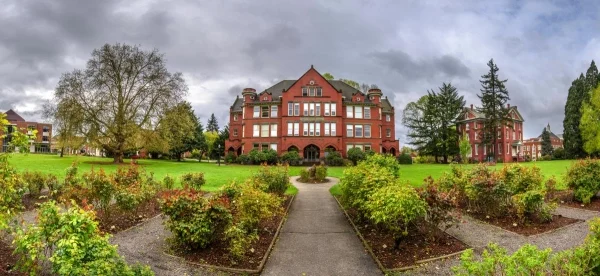
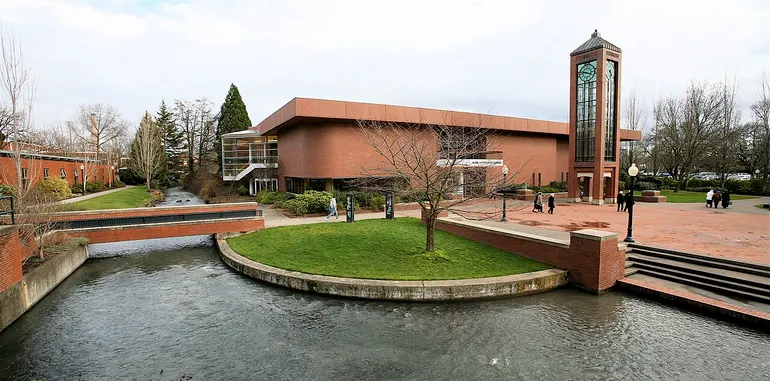
    The two institutions plan to operate under a shared administrative structure but maintain their respective campuses, admissions requirements, academic programs and athletic teams. Their main campuses are located roughly an hour apart; Willamette is in Salem and Pacific in Forest Grove. Willamette also has a campus in Portland that houses an art college.

    The merger will require approval from regulatory bodies, including the Department of Education.

    Source link

  • Climate change brings new worries to an old industry

    Climate change brings new worries to an old industry

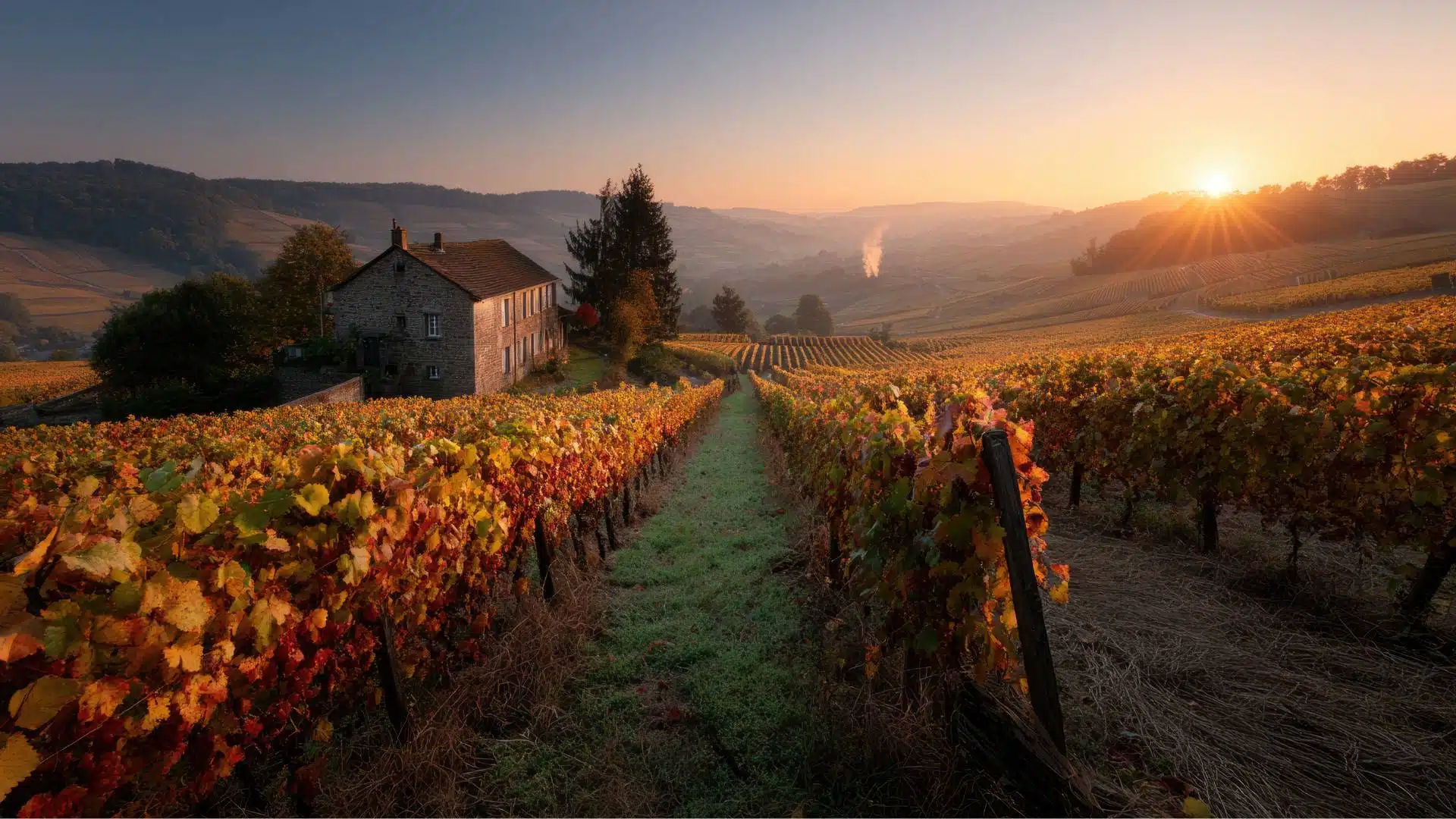
    It is another early harvest for the Vignoble des Agaises, a vineyard in the region of Mons in Belgium. While the country is widely known for its variety of Trappist beers, the proximity that Mons and the region of Wallonia bears to French Burgundy and Picardie influences the local drinking culture. 

    Indeed, wine means a great deal to Arnaud Leroy, the vineyard’s sales manager. He and his family have, for 20 years now, pioneered the potential of the frontier that is Southern Belgium in the production of champagne and other sparkling wines. 

    Wine has been a staple of the regional economy and culture for centuries and has been a vital part of Leroy’s life and that of millions of other people around the world. Recently, however, a series of early frosts have decimated large quantities of the harvests in the lands stretching from Lombardy to Flanders. 

    These poor harvests have left many local vineyards in a state of financial uncertainty. Such events aren’t unique to the regions of Western Europe. Similar problems and hardships have been experienced in most other winemaking regions of Europe and have caused harm to winemaking communities around the world.

    Europe has been hit by what may only be compared to a “tidal wave” of change as previously predictable and constant meteorological conditions that have allowed winemaking to prosper in these regions for millennia have been altered significantly in the span of nearly a few decades.

    “In the last 10 years we have always harvested in October,” Leroy said. “But recent harvests have systematically been earlier and earlier into September, this year’s harvest being around the third of September.” This seemingly light change may have an outsized impact on the nature of the wine produced, deeply affecting the wine’s taste and composition.

    With wine, climate is everything.

    Wine is widely regarded as one of the most climate-sensitive crop cultures, experiencing possible changes to its texture, taste and tannin density from even the smallest constant meteorological change. 

    Earlier harvests can affect the wine’s taste, as a low maturation of the grapes may cause an increased sourness and a less sweet taste as well as a lighter, less-defined aroma, while spring frosts like the ones experienced in the last few years may cause the exact opposite, making a much sweeter, less-acidic and more tannin heavy wine. 

    Thus, the taste of many well-established sorts and brands of wines may be inconsistent and altered significantly by the seasonal changes brought by the climate crisis. Renowned regions such as Tuscany, Burgundy, Greece, the Rhine Valley, California and many more may be considerably different — and potentially even in danger of being displaced in a few decades.

    Indeed, it would seem one of Europe’s oldest industries is in a crisis. Wine has been a luxury product for thousands of years and holds a cultural, economic, social and historical value that few other comparable goods hold. 

    Associated with the higher class and nobility for centuries and being a valued good for over 10 millennia, wine is arguably one of Europe’s most important goods. It holds a vital place in Christian tradition and practice and — having two saints and a multitude of deities of hundreds of religions and mythologies — it is perhaps one of the most important components to the cultural development of the continent and perhaps, of the world.

    Addressing climate change

    The changes experienced in the last decades have not gone unnoticed. Many oenologists and vintners have called for more attention and action in the fight against climate change and the seasonal changes it may bring. What is now often called a crisis is even further fueled by other external causes.

    “The younger generation simply consumes less alcohol,” Leroy said. This makes the financial impact of said seasonal effects even more devastating to the smaller domaines and vineyards while bigger producers cling on to what is left of their harvests. 

    This year’s harvest has been plentiful and record-breaking in some regions such as Champagne, mostly due to favourable conditions and the development of better technology. But this success has taken media attention away from the longer term crisis.

    In the summer of 2025 large floods hit the regions of Picardie in Belgium and Champagne in France, causing two deaths and large amounts of damage to private property and agricultural lands, further hindering the European wine market.

    Even worse, in the case of an increase of two degrees Celsius (35 degrees Fahrenheit) of global temperatures, scientists warn that the world may pass a tipping point (a point of irreversibility) in the patterns of ocean currents, potentially causing drastic change to the European climate as we know it — a threat that has been mostly ignored by mass media and climatological institutions. 

    And that threat is only about 20 years from now.

    Some grapes suffer, others thrive.

    This doesn’t mean, however, that absolutely all regions will suffer and that there are no solutions. In some southern parts of Sweden for instance, a multitude of new, more resilient vines have laid the foundation for a Scandinavian wine industry, made possible due to the changes experienced in the local climate. 

    “While there have been some exceptions, notably in 2024, wine production has been top quality,” Leroy said. “The earlier harvests have their advantages.”

    As older, more renowned wine producing regions lose their significance, this instability may prove a good time for newer regions and producers with other defined traits such as Scandinavia, the Balkans and the Agaises vineyard with their chalky ground and distinct latitude to fill in the gap left by the older producers. 

    Of course, a solution to the entire issue would be the halting or at least the delaying of climate change through the lowering of consumption and of carbon emissions. But such halting would take a tremendous individual and national effort that is lacking in Europe and in the world. 

    Thus, this problem presents us with yet another reason to continue the costly yet imperative fight against the climate crisis and all effects that it causes.


    Questions to consider:

    1. What does the author mean by a “tidal wave” of change that has hit Europe?

    2. How can climate change help grape growing in some regions when it devastates other regions?

    3. Can you think of other long-time industries that have been affected by climate change?

    Source link

  • Educators Speak: Interview – Ei Study

    Educators Speak: Interview – Ei Study

    “It takes a village to raise a child.” In a residential school, this is not a proverb — it’s daily life. Everyone has a role, and each contribution matters.

    A teacher can teach hygiene, but a caretaker helps a young girl practice it. We can hold sessions on menstrual health, but when a child experiences it for the first time, she needs a motherly figure, not a presentation. We may put energy-conservation charts in classrooms, but it’s in the kitchen and cooking classes where these ideas are lived and understood.

    A residential school is really a modern-day gurukul. Growth is stitched into simple routines — making their beds, cleaning their rooms, doing their dishes, learning with a study buddy, and living peacefully with peers from different backgrounds.

    A caretaker reminding them to tidy up, a kitchen staff member urging them to try a new vegetable, a warden sitting with them after a tough day — each one shapes the child quietly.

    Our girls often say they miss the hostel more than the school building, because that’s where they truly grew. That’s the magic of a residential setup: the environment becomes the teacher, and adults simply keep the child aligned to the right path.

    Source link

  • 7 in 10 employers have high confidence in higher ed, survey finds

    7 in 10 employers have high confidence in higher ed, survey finds

    Dive Brief: 

    • Seventy percent of employers nationwide said they have high confidence in higher education, according to a poll released Thursday from the American Association of Colleges and Universities and research firm Morning Consult. 
    • Three-quarters of Republican employers expressed high confidence in higher education, followed by 70% of Democrats and 55% of independents. That finding contrasts with other recent polls, which show Democrats viewing the sector more positively than Republicans. 
    • The survey suggests that employers hold colleges in higher esteem than the general public does. Just 42% of adults said they had high confidence in the higher education sector in a poll earlier this year from Gallup and Lumina Foundation. 

    Dive Insight: 

    The results from AAC&U and Morning Consult contrast sharply with recent surveys that show the public is continuing to question whether higher education is worth the price. In the new poll, nearly three-quarters of surveyed employers, 73%, said they believe a college degree is “definitely” or “somewhat” worth it. 

    Meanwhile, a recent NBC News poll found just one-third of registered voters adults agreed that a four-year degree is “worth the cost because people have a better chance to get a good job and earn more money over their lifetime.” That’s down from 53% of adults who said the same in 2013. 

    The results of the new poll suggest employers want college graduates to have a wide range of skills when they enter the workplace. Applying knowledge to the real world was the No. 1 skill desired, with 95% of employers agreeing that ability is “very” or “somewhat” important. 

    Similar shares of employers also said teamwork, oral and written communication, locating and evaluating information, analyzing and solving complex problems, critical thinking, and ethical judgment and decision-making were important skills. 

    In addition, employers indicated they want college graduates to have skills related to artificial intelligence. 

    More than 9 in 10 of the respondents said AI skills are very or somewhat important. A slightly smaller share, 81%, expressed confidence that colleges are helping students develop those skills.

    Employers indicated they’d be more likely to hire graduates who had hands-on experiences in college. When considering such experiences, employers were most likely to say completing an internship or apprenticeship, as well as holding a leadership role, would make them more likely to consider hiring a candidate. 

    Eight in 10 employers said they’d be very or somewhat more likely to hire someone with those experiences. 

    Around three-quarters of respondents also said they’d be more likely to hire graduates who participated with a community organization, worked with people from different backgrounds, acted as a peer mentor, held either an on- or off-campus job, or undertook research with the help of faculty. 

    Microcredentials are also becoming more popular with employers, with 81% saying they are somewhat or very valuable when making hiring decisions. Nearly half of employers, 47%, consider them as “evidence of proficiency for a technical skill.”

    However, only 22% of employers view them as a substitute for a college degree. 

    According to a report accompanying the survey, the results also suggest that employers “strongly support conditions that foster open dialogue, diverse perspectives, and students’ freedom to learn.”

    Nearly 9 in 10 employers agreed that “all topics should be open for discussion on college campuses.” And a similar share said they would view a degree more favorably if it came “from an institution known for respecting diverse perspectives.” 

    Additionally, a little more than 8 in 10 said they would have a more positive view of a degree from an institution “that was not subject to government restrictions on what students learn and discuss.” 

    The survey was administered online in August to a little over 1,000 employers, whom the survey defined as managers or higher at organizations that employ 25 or more workers. Nearly three-quarters were hiring managers, while the remainder were executives.

    Source link

  • How Superior Public Schools united curriculum and data

    How Superior Public Schools united curriculum and data

    Key points:

    Creating consistency between classrooms and ensuring curriculum alignment school-wide can be challenging, even in the smallest of districts. Every educator teaches–and grades–differently based on their experience and preferences, and too often, they’re forced into a solution that no longer respects their autonomy or acknowledges their strengths.

    When Superior Public Schools (SPS), a district of 450 students in rural Nebraska, defined standards-referenced curriculum as a priority of our continuous improvement plan, bringing teachers in as partners on the transition was essential to our success. Through their support, strategic relationships with outside partners, and meaningful data and reporting, the pathway from curriculum design to classroom action was a smooth one for teachers, school leaders, and students alike.

    Facing the challenge of a new curriculum

    For years, teachers in SPS were working autonomously in the classroom. Without a district-wide curriculum in place, they used textbooks to guide their instruction and designed lesson plans around what they valued as important. In addition, grading was performed on a normative curve that compared a student’s performance against the performance of their peers rather than in relation to a mastery of content.

    As other educators have discovered, the traditional approach to teaching may be effective for some students, but is inequitable overall when preparing all students for their next step, whether moving on to more complex material or preparing for the grade ahead. Kids were falling through the cracks, and existing opportunity gaps only began to grow.

    SPS set out to help our students by instituting standards-referenced instruction at both the elementary and secondary levels, allowing us to better identify each child’s progress toward set learning standards and deliver immediate feedback and intervention services to keep them on the path toward success.

    Take it slow and start with collaboration

    From day one, school leaders understood the transition to the new curriculum needed to be intentional and collaborative. 

    Rather than demand immediate buy-in from teachers, administrators and the curriculum team dedicated the time to help them understand the value of a new learning process. Together, we took a deep dive into traditional education practices, identifying which set students up for success and which actually detoured their progress. Recognizing that everyone–teachers included–learns in different ways, administrators also provided educators with a wide range of resources, such as book studies, podcasts, and articles, to help them grow professionally.

    In addition, SPS partnered with the Curriculum Leadership Institute (CLI) to align curriculum, instruction, and assessment practices across all content areas, schools, and grade levels. On-site CLI coaches worked directly with teachers to interpret standards and incorporate their unique teaching styles into new instructional strategies, helping to ensure the new curriculum translated seamlessly into daily classroom practice.

    To bring standards-referenced curriculum to life with meaningful insights and reporting, SPS integrated the Otus platform into our Student Information System. By collecting and analyzing data in a concise manner, teachers could measure student performance against specific learning targets, determining if content needed to be re-taught to the whole class or if specific students required one-on-one guidance.

    With the support of our teachers, SPS was able to launch the new curriculum and assessment writing process district-wide, reaching students in pre-K through 12th grade. However, standards-reference grading was a slower process, starting with one subject area at a time at the elementary level. Teachers who were initially uncomfortable with the new grading system were able to see the benefits firsthand, allowing them to ease into the transition rather than jump in headfirst. 

    Empowering educators, inspiring students

    By uniting curriculum and data, SPS has set a stronger foundation of success for every student. Progress is no longer measured by compliance but by a true mastery of classroom concepts.

    Teachers have become intentional with their lesson plans, ensuring that classroom content is directly linked to the curriculum. The framework also gives them actionable insights to better identify the skills students have mastered and the content areas where they need extra support. Teachers can adjust instruction as needed, better communicate with parents on their students’ progress, and connect struggling students to intervention services.

    Principals also look at student progress from a building level, identifying commonalities across multiple grades. For instance, if different grade levels struggle with geometry concepts, we can revisit the curriculum to see where improvements should be made. Conversely, we can better determine if SPS needs to increase the rigor in one grade to better prepare students for the next grade level.

    While the road toward standards-referenced curriculum had its challenges, the destination was worth the journey for everyone at SPS. By the end of the 2024-2025 school year, 84 percent of K-5 students were at or above the 41st percentile in math, and 79 percent were at or above the 41st percentile in reading based on NWEA MAP results. In addition, teachers now have a complete picture of every student to track individual progress toward academic standards, and students receive the feedback, support, and insights that inspire them to become active participants in their learning.

    Latest posts by eSchool Media Contributors (see all)

    Source link

  • The Housing Crisis and the Rise of the Educated Underclass

    The Housing Crisis and the Rise of the Educated Underclass

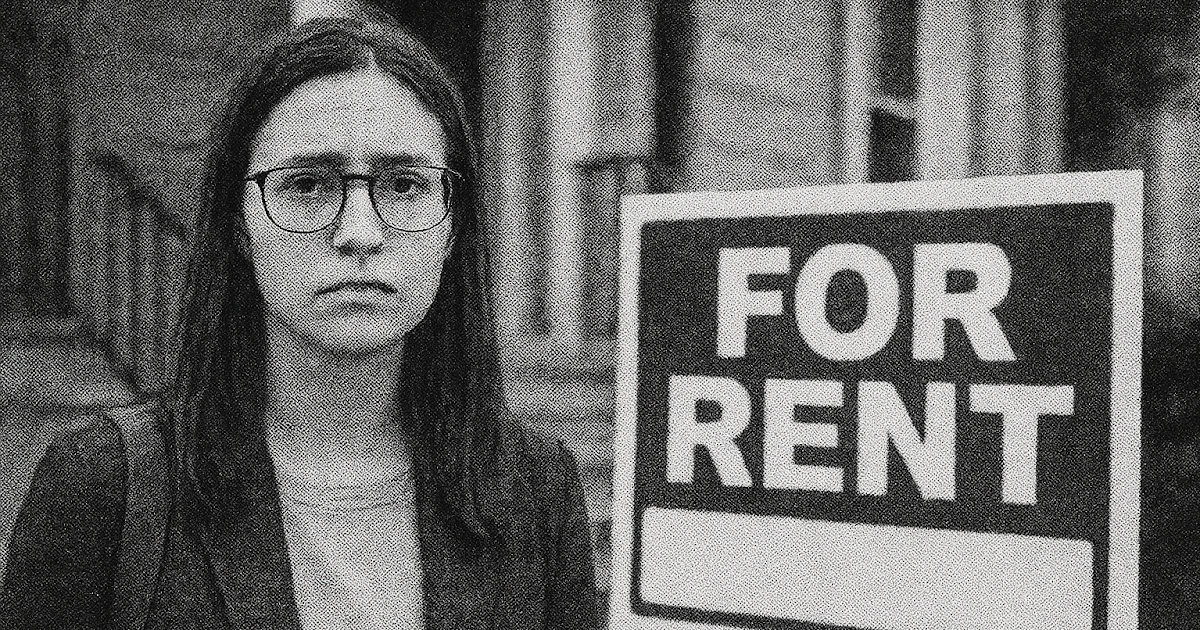
    The latest data from the National Low Income Housing Coalition (NLIHC) makes clear that the housing crisis is not just about poverty — it is about the shrinking distance between the working poor and the working-educated. The gap between wages and rent has widened so dramatically that even college-educated workers, adjunct faculty, nonprofit staff, social workers, and early-career professionals are drowning in housing costs.

    The Housing Wage and the Broken Promise of Higher Ed

    According to NLIHC’s Out of Reach 2025 report, a full-time worker in the U.S. needs to earn $33.63 an hour to afford a modest two-bedroom apartment and $28.17 an hour for a one-bedroom. That’s far higher than what many degree-holders earn, especially those in education, public service, healthcare support, and the nonprofit sector.

    The academic workforce itself is emblematic of the problem: adjunct instructors with master’s degrees — sometimes PhDs — often earn poverty-level wages. Yet the rents they face are no different from those of skilled professionals in high-paying industries.

    Higher education promised mobility; instead, it delivered a generation of renters one missed paycheck away from eviction.

    An Educated Underclass Renting in Perpetuity

    NLIHC’s data shows a national shortage of affordable housing: only 35 affordable and available homes exist for every 100 extremely low-income renters. While this crisis hits the lowest-income Americans hardest, it also drags down millions of educated workers who now compete for the same shrinking stock of affordable units.

    This convergence — between the working poor and the working educated — reflects a structural breakdown:

    • New graduates carry student debt while starting in low-wage jobs.

    • Millennial and Gen Z workers face rents that have grown far faster than wages.

    • Former middle-class professionals, displaced by automation and recession, re-enter the workforce at lower wages that no longer match their credentials.

    • Public-sector and nonprofit workers do “mission-driven” work but cannot afford to live in the communities they serve.

    Increasingly, higher education is not a safeguard against housing insecurity — it is a gateway into it.

    The Spiral: Student Debt, Rent Burden, and Delayed Adulthood

    The educated underclass faces a double bind:

    High rents prevent saving, while student debt prevents mobility.

    NLIHC data shows that renters who are cost-burdened (spending more than 30% of income on housing) or severely cost-burdened (over 50%) are forced to cut spending on essentials. For many degree-holders, this means:

    • Delaying or abandoning homeownership

    • Working multiple jobs to cover rent

    • Moving back in with parents

    • Delaying marriage and child-rearing

    • Relocating constantly in search of slightly cheaper housing

    This is not “adulting” — it’s economic triage.

    The educated underclass is increasingly indistinguishable from the broader working class in terms of economic vulnerability, yet still burdened by expectations that their degrees should have delivered them stability.

    When Housing Costs Undermine Higher Education Itself

    The affordability crisis is reshaping entire higher education ecosystems:

    • Students struggle to find housing close to campus, leading to long commutes, couch surfing, or dropping out.

    • Graduate students and postdocs — essential academic labor — increasingly rely on food aid, emergency grants, and organizing unions just to survive.

    • Colleges in high-cost cities cannot hire or retain staff because employees cannot afford to live nearby.

    • Public institutions face declining enrollment because families see no payoff to degrees that lead to poverty wages and unaffordable housing.

    If higher education cannot provide a pathway out of housing insecurity, its legitimacy — and its future — is in question.

    Toward Real Solutions: Housing as an Educational Issue

    Solving this crisis requires acknowledging a simple truth: housing policy is higher-education policy.

    The educated underclass is not a natural outcome of individual failure; it is the product of a system that overcharges for education and underpays for labor while allowing rents to skyrocket.

    Real solutions would include:

    • Large-scale public investment in deeply affordable housing

    • Expansion of rental assistance and housing vouchers

    • Living-wage laws that reflect real housing costs

    • Student-housing development tied to public colleges

    • Forgiveness of rental debt accumulated during economic shocks

    • Strengthening unions among educators, adjuncts, graduate workers, and other low-paid professionals

    The promise of higher education cannot be realized while a degree-holder earning $20, $25, or even $30 an hour still cannot afford a one-bedroom apartment.

    The Verdict: Housing Is the Fault Line of the New Class Divide

    NLIHC’s data confirms what millions of renters already know: the U.S. housing market punishes workers regardless of education level, and higher education no longer protects against precarity. The educated underclass is not a fringe category — it is becoming the norm.

    Until wages align with housing costs and the housing system is restructured to serve people rather than profit, the divide between those who can afford stability and those who cannot will continue to widen. And higher education, once marketed as the bridge to a better life, will remain yet another broken promise — one rent payment away from collapse.

    Sources

    National Low Income Housing Coalition, Out of Reach 2025

    NLIHC Research and Policy Briefs

    NLIHC Affordable Housing Data and Fact Sheets

    Source link

  • Edu – Praxis – Ei Study

    Edu – Praxis – Ei Study

    Other evidence suggests that even watching a skilled performer from multiple angles and in slow motion is not enough to master a skill from sight alone, as “no matter how many times people watch a performance, they never gain one critical piece: the feeling of doing”. Research does suggest that observing others is better than doing nothing, but to really develop talents and expertise requires many hours of deliberate practice.

    A recent survey asked students which of the following five options would they first seek and then use most to help them learn new material. The options were a) watching others perform the task, b) reading about it or c) hearing the instructions. Overall, watching others perform was reported as the go to strategy, the easiest to process and the most effective. The results from this study suggest that this may not be a wise choice. As the researchers of the study conclude, “while people may feel they are acquiring the skills that athletes, artists and technicians perform in front of their eyes, often these skills may be easier seen than done”.

    Source link