
FIRE staff also take your questions on Charlie Kirk’s
assassination, President Trump’s lawsuit against The New York
Times, cancel culture, and more. Timestamps:
00:00 Intro
01:42 Attorney General Pam Bondi’s comments that “hate speech”
is distinct from “free speech”
02:23 Is it OK for the Department of Justice to target people
for “hate speech”?
05:42 How have “hate speech” laws played out overseas?
07:19 President Trump’s response to Pam Bondi’s “hate speech”
remarks
08:50 Are “fighting words,” “incitement,” and “true threats”
free speech?
11:22 What about doxxing?
15:15 Is it free speech to celebrate or condone the
assassination of Charlie Kirk?
21:52 The termination of k-12 and university faculty in response
to their commentary on Kirk’s assassination
28:40 Is there a law that might implicate the Discord users who
had reason to be aware of malicious intentions the shooter had
towards Kirk ahead of the assassination?
30:05 The agency of speakers and those hearing their speech
under the incitement standard
31:14 What are the differences between the free speech rights of
citizens and non-citizens?
36:20 Does a court filing by President Trump as an individual in
the New York Times lawsuit open him up to being deposed about a
wide range of behaviors and actions?
37:40 What is the Trump’s administration’s legal strategy with
the New York Times lawsuit?
39:24 What is FIRE doing about private employees being fired for
their political commentary?
46:50 What is Charlie Kirk’s legacy on free speech?
50:04 What is the difference between the academic protections
enjoyed by tenured and non-tenured faculty members?
52:05 Does FIRE trust the Supreme Court to protect free
speech?
56:12 How can we prevent capitulation from The New York
Times?
59:20 How can ordinary people safely express their opinions on
social media and promote civil discourse?
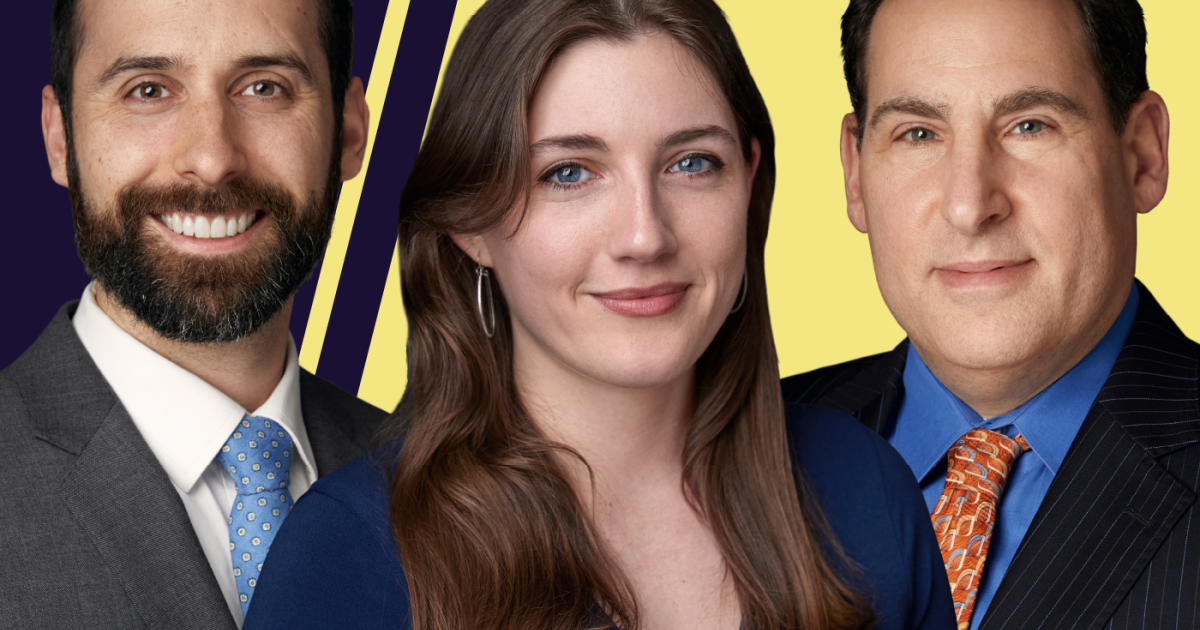
Joining us:
-
Ronnie London, general counsel
-
Sarah McLaughlin, senior scholar, global expression
-
Aaron Terr, director of public advocacy