In order to reach young boys ‘before they radicalise in dangerous ways’
The taxpayer-subsidized anti-Trump site The Conversation is at it again, featuring a Christmas Eve article on how boys kissing and diverse Asgardian characters such as “deaf elves, Muslim American female warriors and genderfluid pottery artists” can improve the concept of masculinity.
According to Edinburgh Napier University Senior Research Fellow Adrianna Zabrzewska, “toxic masculinity” not only “marginalizes” women and those in the LGBTQ+ community, but hurts straight males by “discouraging emotional expression, tenderness, and connection.”
In order to reach young boys “before they radicalise in dangerous ways,” Zabrzewska says children’s and young adult literature can assist in “rethinking masculinity” by focusing on “relationality, vulnerability, and inclination.”
Two books in particular Zabrzewska recommends are “Two Boys Kissing” and “Magnus Chase and the Gods of Asgard.” In the former, two boys are “hoping to set the world record for the longest kiss,” while the latter features a “sweet, caring” teenaged male protagonist and an “engaging” lesson on intersectionality via “deaf elves […] Muslim American female warriors and genderfluid pottery artists.”
Cover of Two Boys Kissing; ZayBeachum/YouTube
She continues:
Vulnerability refers to the shared human condition of being a body born from another body. We are all finite and fragile, susceptible to harm, loss, and injustice. Through our fragility and dependence, vulnerability can be transformed into resilience and connection. This is especially true when we recognise the diverse experiences of disenfranchisement that we each face.
In Two Boys Kissing, the chorus of narrators celebrate imperfect bodies, both cis-gendered and trans, that defy unrealistic beauty standards. They whisper encouragement to a lonely teen contemplating suicide and agonise over his pain. They affirm that care, intimacy and affection are not signs of weakness but of strength. Through these voices, [author David] Levithan’s readers learn that self-acceptance comes not from independence or dominance but from reaching out to others.
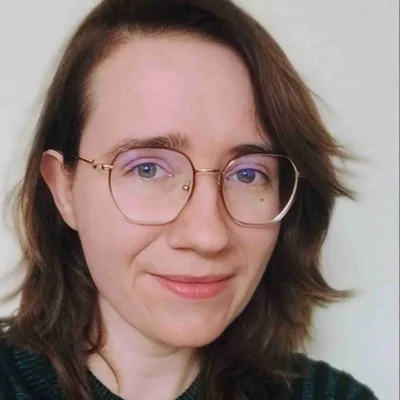
Adrianna Zabrzewska/Edinburgh Napier University
When strategically integrated into stories, educational practices and daily interactions, vulnerability, relationality, and inclination can help us sketch new ethical horizons, and not only for masculinity but for gendered existence as a whole.
According to her university page, Zabrzewska is a “feminist philosopher” whose research interests include “continental feminist philosophy,” “gendered embodiment and embodied voice,” and “queer-feminist resistances to anti-gender politics across Europe.”
Zabrzewska also works on the RESIST Project which deals with “‘anti-gender’ politics that imperil equality, gender and sexual diversity, and legitimacy of critical knowledge” in Europe. It is funded by Horizon Europe — “the EU’s key funding programme for research and innovation” — whose current total budget is €93.5 billion.