Developed with the help of volunteer leaders and member institutions across the country, The Job Descriptions Index provides access to sample job descriptions for positions unique to higher education.
Descriptions housed within the index are aligned with the annual survey data collected by the CUPA-HR research team. To aid in the completion of IPEDS and other reporting, all position descriptions are accompanied by a crosswalk section like the one below.
Crosswalk Example
Position Number: The CUPA-HR position number BLS SOC#: Bureau of Labor Statistics occupation classification code BLS Standard Occupational Code (SOC) Category Name: Bureau of Labor Statistics occupation category title US Census Code#: U.S. Census occupation classification code VETS-4212 Category: EEO-1 job category title used on VETS-4212 form
***SOC codes are provided as suggestions only. Variations in the specific functions of a position may cause the position to better align with an alternate SOC code.
Sample Job Descriptions
Associate Registrar
Responsible for one or several areas of student registration and records. Reports to the Registrar.
CROSSWALKS Position Number: 418100 BLS SOC #: 25-9099 BLS Standard Occupational Code (SOC) Category Name: E Educational Instruction and Library Workers, All Other US Census Code: 0230 VETS-4212 Category: Prof
Responsible for the direction of student services and student life programs. Overall responsibilities typically include student conduct, counseling and testing, career development and placement, student housing, student union, campus/student activity, minority student support program, residence life, and related functions.
CROSSWALKS Position Number: 471710 BLS SOC #: 11-9033 BLS Standard Occupational Code (SOC) Category Name: Education Administrators, Postsecondary. US Census Code: 0230 VETS-4212 Category: Exec/Sr Level Officials
SAMPLE JOB DESCRIPTIONS Dean of Students (College of Western Idaho)
Coordinator, Student Conduct
Adjudicates and investigates student conduct cases. Holds administrative hearings and determines sanctions as necessary. Creates and provides workshops for students, faculty and staff integrating civility, student engagement, and student success. Assists with programs and activities to promote student engagement and increase awareness regarding campus civility and code of conduct. Educates faculty and staff about student/faculty rights, campus resources, classroom behavior management techniques, and informal/formal channels of conflict resolution. Consults with faculty/staff about individual student situations.
CROSSWALKS Position Number: 412140 BLS SOC # 25-9099 BLS Standard Occupational Code (SOC) Category Name: Educational Instruction and Library Workers, All Other US Census Code # 0230 VETS-4212 Category: Prof
Assists the head in the organization, development, planning, promotion, and assessment of the recreation, intramural, and/or wellness programs, including supervision of student staff. Typically requires: Bachelor’s degree, preferably in physical education, recreation, wellness or related field preferred; 1 -2 years experience at the collegiate level in the organization and administration of recreation, intramural, and/or wellness programs.
CROSSWALKS Position Number: 415140 BLS SOC #: 39-9032 BLS Standard Occupational Code (SOC) Category Name: Recreation Workers US Census Code: 0020 VETS-4212 Category: Prof
Responsible for one or several areas relative to the operation of the student union building and related student activities. Reports to the Director of the Student Union.
CROSSWALKS Position Number: 415150 BLS SOC #: 25-9099 BLS Standard Occupational Code (SOC) Category Name: Educational Instruction and Library Workers, All Other US Census Code: 0020 VETS-4212 Category: Prof
Responsible for one or several areas of coordinating all campus student activities, including special events, student organizations, publications, and student government activities.
CROSSWALKS Position Number: 415110 BLS SOC #: 39-9032 BLS Standard Occupational Code (SOC) Category Name: Recreation Workers US Census Code: 0020 VETS-4212 Category: Prof
Responsible for one or several areas of residence hall operations for students. If housing (room and board) is provided and is reported as taxable income, add its value to the reported salary data for this position. Report 12-month, full-time equivalent salary. Reports to the Director of Student Housing.
CROSSWALKS Position Number: 414100 BLS SOC #: 39-9041 BLS Standard Occupational Code (SOC) Category Name: Residential Advisors US Census Code: 4640 VETS-4212 Category: Prof
Coordinates admissions process for an individual graduate school/program (e.g., law, business, medicine, etc.). Receives and evaluates application materials and makes admissions recommendations. Coordinates communications and interactions between the program and applicants. Notifies applicants of admissions decisions. Coordinates with graduate school, main campus admissions, registrar, and financial aid offices.
CROSSWALKS Position Number: 411115 BLS SOC #: 25-9099 BLS Standard Occupational Code (SOC) Category Name: Educational Instruction and Library Workers, All Other US Census Code: 0230 VETS-4212 Category: Prof
Directs operational aspects of one or more of the following: campus recreation activities, non-varsity and club (intramural) sports, wellness programs. Responsible for planning and coordination of programs, scheduling (both times and locations), and budget administration and monitoring. May also have responsibility for recreational or wellness facilities. Typically requires: Bachelors degree; 3 or more years related experience.
CROSSWALKS Position Number: 415120 BLS SOC #: 39-9032 BLS Standard Occupational Code (SOC) Category Name: Recreation Workers US Census Code: 0020 VETS-4212 Category: Prof
Responsible for leading the design and implementation of activities and initiatives that advance the institution’s priorities for improved student persistence by providing a coordinated first year experience that aligns with the institution’s strategic retention goals. The incumbent will work in partnership with faculty to connect existing institutional FYEs while making recommendations for new universal first year programs. Leads in the establishment of a coordinated, comprehensive approach that brings together the institution’s portfolio of first year programs.
CROSSWALKS Position Number: 412120 BLS SOC # 25-9099 BLS Standard Occupational Code (SOC) Category Name: Educational Instruction and Library Workers, All Other US Census Code # 0230 VETS-4212 Category: Prof
Delivers support services to foster the education and development of international students and scholars. Provides advice, counseling, and advocacy regarding immigration, cross-cultural, and personal matters. Supports an environment conducive to international education and intercultural awareness via educational, social, and cross-cultural programs.
CROSSWALKS Position Number: 410135 BLS SOC # 25-9099 BLS Standard Occupational Code (SOC) Category Name: Educational Instruction and Library Workers, All Other US Census Code # 0230 VETS-4212 Category: Prof
Coordinates and administers counseling programs, awareness efforts, and support programs for the campus LGBTQ community. May be responsible for inviting LGBTQ speakers to campus, or coordinating housing or other services for LGBTQ students.
CROSSWALKS Position Number: 410115 BLS SOC # 25-9099 BLS Standard Occupational Code (SOC) Category Name: Educational Instruction and Library Workers, All Other US Census Code # 0230 VETS-4212 Category: Prof
Includes those heading general multicultural student affairs for a specific race/ethnicity (e.g., Asian, Black, Hispanic/Latino, Indian). Responsible for direction of counseling programs, cultural affairs, and remedial and support programs. Also invites minority speakers to campus. In addition, may be responsible for minority housing and cultural/intercultural centers.
CROSSWALKS Position Number: 410110 BLS SOC # 25-9099 BLS Standard Occupational Code (SOC) Category Name: Educational Instruction and Library Workers, All Other US Census Code # 0230 VETS-4212 Category: Prof
Directs the daily operations of a designated college/school admissions and recruitment services function that is distinct from the institution’s central admissions/enrollment function (such as for a graduate or professional school). Assists in policy planning and development on all departmental related matters. Plans and develops strategies for admission of graduate and undergraduate students.
CROSSWALKS Position Number: 411105 BLS SOC #: 25-9099 BLS Standard Occupational Code (SOC) Category Name: Educational Instruction and Library Workers, All Other US Census Code: 0230 VETS-4212 Category: Prof
Advises and counsels students concerning employment opportunities and careers. Encourages employers to recruit campus graduates. Conducts individual and group sessions to inform students of services, policies, and procedures and to provide assistance in resume preparation and interviewing techniques. Serves as liaison between employers and students; administers and coordinates activities associated with the campus interview program. Coordinates production of job opportunities bulletin and refers students to prospective employers. Requires a bachelor’s degree or equivalent plus 2-3 years’ related experience. Exclude instructional faculty.
CROSSWALKS Position Number: 412100 BLS SOC #: 21-1012 BLS Standard Occupational Code (SOC) Category Name: Educational, Guidance, and Career Counselors and Advisors US Census Code: 0230 VETS-4212 Category: Prof
Provides psychological and counseling services of a remedial, preventive, and developmental nature through direct and indirect (consultation) contacts with students, faculty, and staff (individually and in groups). Requires a Ph.D. in clinical/counseling psychology or a master’s degree in clinical/counseling psychology plus 4-5 years’ experience as a professional psychologist. Meets state licensing requirements. Report 12-month FTE salary.
CROSSWALKS Position Number: 416110 BLS SOC #: 19-3034 BLS Standard Occupational Code (SOC) Category Name: School Psychologists US Census Code: 0350 VETS-4212 Category: Prof
Provides professional counseling to students on academic, financial, and personal matters. Provides individual and group therapy and counseling. Responsible for vocational testing and assessment, program development and evaluation, and outreach activities. Consults with academic departments and student affairs organizations. Requires a master’s degree in counseling psychology or related field plus 4-5 years’ experience. Reports to Academic Advisor/Counselor under 401130.
CROSSWALKS Position Number: 416120 BLS SOC # 19-3034 BLS Standard Occupational Code (SOC) Category Name: School Psychologists US Census Code # 0350 VETS-4212 Category: Prof
Provides personal and financial aid application counseling to students and parents. Assists in the administration of the financial aid program. Makes decisions to award funds to students eligible for scholarships, grants, and college work-study. Responsible for auditing and reconciling financial aid accounts and packaging financial aid awards. Requires a bachelor’s degree or equivalent plus 2-3 years’ financial aid program experience and familiarity with relevant federal/state regulations.
CROSSWALKS Position Number: 413110 BLS SOC #: 13-2072 BLS Standard Occupational Code (SOC) Category Name: Loan Officers US Census Code: 0230 VETS-4212 Category: Prof
Designs, implements, and evaluates programs and activities to support the personal and professional health and well-being of students. Collaborates with academic counselors and psychologist/learning support specialists to coordinate and deliver longitudinal workshops and/or other student training sessions to promote student success. Collaborates with student activities coordinators in developing, implementing, and evaluating programs that promote student health and wellness, including service programs, leadership development programs, volunteerism, and other related activities; maintains records as appropriate for these activities.
CROSSWALKS Position Number: 416115 BLS SOC # 25-9099 BLS Standard Occupational Code (SOC) Category Name: Educational Instruction and Library Workers, All Other US Census Code # 0350 VETS-4212 Category: Prof
Responsible for the supervision and direction of residence life, staff, and student housing. If housing (room and board) is provided and is reported as taxable income, add its value to the reported salary data for this position. Report 12-month, full-time equivalent salary.
CROSSWALKS Position Number: 414120 BLS SOC #: 39-9041 BLS Standard Occupational Code (SOC) Category Name: Residential Advisors US Census Code: 4640 VETS-4212 Category: Prof
Supervises and administers activities of a residence hall. Manager is given room and board at the residence hall as part of the employment package. Duties include oversight of maintenance and renovation, purchase and inventory of supplies, assignment of rooms and summer housing, housekeeping functions, and management of student conduct and discipline. Requires bachelor’s degree or equivalent plus 4-5 years’ related experience. Excludes Director of Housing and/or Student Residence. Report base salary only. Room and board included in employment package; report 12-month FTE salary, exclude students.
CROSSWALKS Position Number: 414130 BLS SOC #: 39-9041 BLS Standard Occupational Code (SOC) Category Name: Residential Advisors US Census Code: 4640 VETS-4212 Category: Prof
Provides direct service and support to students through comprehensive academic and career planning from the point of admission to graduation. Provides learning strategy support, graduation planning, and monitoring student progress toward degree. Specific responsibilities include the provision of guidance and mentoring to optimize the student experience and, in turn, improve student retention and success. Provides services related to orientation, registration, assessment of learning, referral, and facilitates student engagement in academic and career planning activities and the life of the university.
CROSSWALKS Position Number: 412130 BLS SOC # 21-1012 BLS Standard Occupational Code (SOC) Category Name: Educational, Guidance, and Career Counselors and Advisors US Census Code # 0230 VETS-4212 Category: Prof
Developed with the help of volunteer leaders and member institutions across the country, The Job Descriptions Index provides access to sample job descriptions for positions unique to higher education.
Descriptions housed within the index are aligned with the annual survey data collected by the CUPA-HR research team. To aid in the completion of IPEDS and other reporting, all position descriptions are accompanied by a crosswalk section like the one below.
Crosswalk Example
Position Number: The CUPA-HR position number BLS SOC#: Bureau of Labor Statistics occupation classification code BLS Standard Occupational Code (SOC) Category Name: Bureau of Labor Statistics occupation category title US Census Code#: U.S. Census occupation classification code VETS-4212 Category: EEO-1 job category title used on VETS-4212 form
***SOC codes are provided as suggestions only. Variations in the specific functions of a position may cause the position to better align with an alternate SOC code.
Sample Job Descriptions
Business Continuity/Emergency Planning Professional
Responsible for the development, administration and maintenance for a college or university’s business continuity program that supports the continuance of critical functions before, during, or after a disaster. Reviews and evaluates risk assessment, business impact analysis plans and planning proposals, and materials. Design, direct and oversee campus-wide disaster exercises in accordance with the Federal Emergency Management Agency (FEMA) requirements. May serve as liaison with federal, state, and local agencies to coordinate continuity and restoration activities, emergency management plans, or services. May assign and/or supervise the work of others. Works under limited supervision, with considerable latitude for the use of initiative and independent judgment.
CROSSWALKS Position Number: 178000 BLS SOC #: 11-3031 BLS Standard Occupational Code (SOC) Category Name: Financial Managers US Census Code: 0120 VETS-4212 Category: First/Mid-Level Officials
Advises the CEO on policy, procedural, and operational issues of the system or district. May be charged with leading the operationalization of strategic initiatives for the CEO. Represents the CEO to senior vice presidents, campus officials, and critical external constituents. Serves as a visible top-level leadership role for the institution on behalf of the CEO; considered a peer of the institution’s other senior/executive officers.
CROSSWALKS Position Number: 187020 BLS SOC #: 11-9033 BLS Standard Occupational Code (SOC) Category Name: Education Administrators, Postsecondary US Census Code: 0230 VETS-4212 Category: First/Mid-Level Officials
Responsible for leading and maintaining campus-wide risk management and/or compliance programs. Generally reports to an executive position. May involve a single incumbent who fulfills both roles of risk and compliance or may involve multiple incumbents fulfilling one or both of these roles for different units or divisions.
CROSSWALKS Position Number: 196270 BLS SOC #: 11-1021 BLS Standard Occupational Code (SOC) Category Name: General and Operations Managers US Census Code: 0110 VETS-4212 Category: First/Mid Level Officials
Conducts research and studies on the institution under the supervision of the IR Director. Responsibilities typically include the design of studies, data collection, analyses, and reporting.
CROSSWALKS Position Number: 428100 BLS SOC #: 13-1111 BLS Standard Occupational Code (SOC) Category Name: Management Analysts US Census Code: 0710 VETS-4212 Category: Prof
Responsible for one or several areas of Title IX compliance under direction of the head.
CROSSWALKS Position Number: 423155 BLS SOC #: 13-1071 BLS Standard Occupational Code (SOC) Category Name: Human Resources Specialists US Census Code: 0630 VETS-4212 Category: Prof
Responsible for assuring equal access for persons with mental health and other disabilities to all educational and vocational programs. Identifies and provides reasonable accommodations at institution to ensure equal educational opportunities for individuals with disabilities.
CROSSWALKS Position Number: 423115 BLS SOC # 21-1012 BLS Standard Occupational Code (SOC) Category Name: Educational, Guidance, and Career Counselors and Advisors US Census Code # 0230 VETS-4212 Category: Prof
Plans, directs, and oversees the administration of all programs and services ensuring compliance with ADA and provides leadership and consultation in promoting access and equity for persons with disabilities.
CROSSWALKS Position Number: 423110 BLS SOC # 25-9099 BLS Standard Occupational Code (SOC) Category Name: Educational Instruction and Library Workers, All Other US Census Code # 0230 VETS-4212 Category: Prof
Directs daily operations of the Office of Disability Services to ensure equal access for students and staff with disabilities to all aspects of campus life (programs, services and activities) as outlined by the Americans with Disabilities Act. Responsibilities include reviewing and maintaining medical documentation, determining reasonable accommodations, implementing accommodations, organizing and arranging awareness activities, supervising staff, advising other departments, researching and purchasing assistive technology and maintaining a budget. As the primary contact for university administrators, faculty, staff and students, serves as the compliance officer for the ADA in academic, physical and employment areas.
CROSSWALKS Position Number: 423100 BLS SOC # 25-9099 BLS Standard Occupational Code (SOC) Category Name: Educational Instruction and Library Workers, All Other US Census Code # 0230 VETS-4212 Category: Prof
Responsible for coordinating the institution’s compliance with federal and state discrimination and sexual harassment laws. Responsibilities may include providing educational programs regarding discrimination and sexual harassment prevention; responding to, investigating and seeking resolution to allegations of discrimination and sexual harassment; selecting and overseeing sexual harassment advisors who serve as additional information resources on issues of sexual harassment; training student peer educators to facilitate discussions with other students on sexual harassment. With regard to the OCR letter of April 4, 2011 expanding upon Title IX sexual harassment and violence guidelines, also oversees all Title IX complaints and reports student sexual harassment, sexual violence and related allegations of misconduct. Identifies and addresses any systemic problems relating to complaints and works with other departments to ensure Title IX policies communicated to all constituencies. Assists law enforcement personnel in handling reports and complaints of sexual violence and related misconduct.
CROSSWALKS Position Number: 423150 BLS SOC # 13-1071 BLS Standard Occupational Code (SOC) Category Name: Human Resources Specialists US Census Code # 0630 VETS-4212 Category: Prof
Oversees academic and/or institutional assessment. Collaborates with faculty, staff, and administrators in establishing and refining an academic/institutional assessment framework directed at improving student learning and achievement or institutional quality. Shares best assessment practices and serves as a resource to faculty and staff. Works with accreditation staff and administrators to ensure alignment of assessment with accreditation efforts. May supervise staff who work in improving learning outcomes, retention, or institutional quality.
CROSSWALKS Position Number: 429100 BLS SOC #: 13-1111 BLS Standard Occupational Code (SOC) Category Name: Management Analysts US Census Code: 0710 VETS-4212 Category: Prof
Creates and implements all new government-funded programs that promote the admission and retention of students from low-income and disadvantaged backgrounds; audits current programs and consistently works to improve the institution’s offerings; completes all reporting required by the Department of Education.
CROSSWALKS Position Number: 423140 BLS SOC # 13-1071 BLS Standard Occupational Code (SOC) Category Name: Human Resources Specialists US Census Code # 0630 VETS-4212 Category: Prof
Develops and conducts research in areas that may include: student retention and attrition; student goal attainment; financial optimization analysis; enrollment management modeling and forecasting; resource utilization, institutional costs and productivity; access and equity studies; and functional benchmarking specific to higher education. Responsible for identification and analysis of patterns in institutional data, make critical observations of policy impact, and recommending strategies and actions. May select and adapt quantitative methods, practices and theories to perform forecasting and analysis, interpret results, document findings, and organize and implement research projects, identifying ways to improve research design and data validity.
CROSSWALKS Position Number: 429000 BLS SOC # 13-1111 BLS Standard Occupational Code (SOC) Category Name: Management Analysts US Census Code # 0710 VETS-4212 Category: Prof
SAMPLE JOB DESCRIPTIONS
Institutional Review Board (IRB) Coordinator
Responsible for support of the Institutional Review Board (IRB) in managing protocols, applications, approvals, and records. May be responsible for scheduling IRB meetings, helping to select board members, contacting board members, and/or communicating with researchers about the IRB process. The IRB reviews applications involving research with human subjects to ensure that the rights of human participants are protected.
CROSSWALKS Position Number: 427200 BLS SOC # 43-9199 BLS Standard Occupational Code (SOC) Category Name: Misc Office and Administrative Support Workers, All Other US Census Code # 5940 VETS-4212 Category: Prof
Conducts investigations under the direction/ oversight of the head of institutional Title IX compliance. Drafts reports and findings for institutional decision-making.
CROSSWALKS Position Number: 423160 BLS SOC #: 13-1071 BLS Standard Occupational Code (SOC) Category Name: Human Resources Specialists US Census Code: 0630 VETS-4212 Category: Prof
Developed with the help of volunteer leaders and member institutions across the country, The Job Descriptions Index provides access to sample job descriptions for positions unique to higher education.
Descriptions housed within the index are aligned with the annual survey data collected by the CUPA-HR research team. To aid in the completion of IPEDS and other reporting, all position descriptions are accompanied by a crosswalk section like the one below.
Crosswalk Example
Position Number: The CUPA-HR position number BLS SOC#: Bureau of Labor Statistics occupation classification code BLS Standard Occupational Code (SOC) Category Name: Bureau of Labor Statistics occupation category title US Census Code#: U.S. Census occupation classification code VETS-4212 Category: EEO-1 job category title used on VETS-4212 form
***SOC codes are provided as suggestions only. Variations in the specific functions of a position may cause the position to better align with an alternate SOC code.
Sample Job Descriptions
Chief Cost Accounting Administrator
Directs institution-wide cost accounting activities, including development of facilities and administrative fringe benefit rates. Negotiates fringe benefit rates with the federal government, manages fixed assets for the institution, develops and maintains institution’s disclosure statement required by federal government, and develops institutional policy and procedures.
CROSSWALKS Position Number: 178000 BLS SOC #: 11-3031 BLS Standard Occupational Code (SOC) Category Name: Financial Managers US Census Code: 0120 VETS-4212 Category: First/Mid-Level Officials
Responsible for the coordination of pre-award and/or post-award activities relating to grant and contract proposals. Pre-award activities include assisting departmental faculty in the development, preparation, and submission of grant and contract proposals. Also ensures that all applications meet agency and university guidelines and published time tables and deadlines. Post-award activities include establishment of accounts in the financial accounting system, re-budgeting of funds, and making of changes to the award or expenditures. Requires a bachelor’s degree or equivalent plus 2-3 years’ related experience.
CROSSWALKS Position Number: 433110 BLS SOC #13-2031 BLS Standard Occupational Code (SOC) Category Name: Budget Analysts US Census Code # 0840 VETS-4212 Category: Prof
Grant Writer, Sponsored Contracts/ Grants Administration
Assists the Principal Investigator (PI) with the development or completion of non-technical aspects of grant proposals. Typically responsible for editing, formatting, and the submission of grant proposals. May also research sources for grant opportunities for the principle investigators. Can assist with fundamental budget preparation for grant proposals.
CROSSWALKS Position Number: 433130 BLS SOC # 13-2031 BLS Standard Occupational Code (SOC) Category Name: Budget Analyst US Census Code # 0840 VETS-4212 Category: Prof
Coordinates the budget portion of the pre-award cycle and manages the post-award cycle of sponsored projects, grants, contracts, and special funds. Position often reports to the Comptroller.
CROSSWALKS Position Number: 433120 BLS SOC # 13-2031 BLS Standard Occupational Code (SOC) Category Name: Budget Analysts US Census Code # 0840 VETS-4212 Category: Prof
Developed with the help of volunteer leaders and member institutions across the country, The Job Descriptions Index provides access to sample job descriptions for positions unique to higher education.
Descriptions housed within the index are aligned with the annual survey data collected by the CUPA-HR research team. To aid in the completion of IPEDS and other reporting, all position descriptions are accompanied by a crosswalk section like the one below.
Crosswalk Example
Position Number: The CUPA-HR position number BLS SOC#: Bureau of Labor Statistics occupation classification code BLS Standard Occupational Code (SOC) Category Name: Bureau of Labor Statistics occupation category title US Census Code#: U.S. Census occupation classification code VETS-4212 Category: EEO-1 job category title used on VETS-4212 form
***SOC codes are provided as suggestions only. Variations in the specific functions of a position may cause the position to better align with an alternate SOC code.
Sample Job Descriptions
Advancement Services, Prospect Researcher
Organizes and oversees the institution’s records relating to current and prospective donors, conducts research to discover prospects for gifts, and documents the association of these prospects with the college or university.
CROSSWALKS Position Number: 442120 BLS SOC # 13-1131 BLS Standard Occupational Code (SOC) Category Name: Fundraisers US Census Code # 0726 VETS-4212 Category: Prof
Under supervision, assists in cultivating and broadening alumni interest in and financial support of the university. Develops, strengthens, and implements both campus and regional alumni programs; plans and implements major homecoming and reunion events. May supervise support staff and/or a group of volunteers. Requires a bachelor’s degree. Senior level typically requires 2-3 years of related experience.
CROSSWALKS Position Number: 438100, 438110 BLS SOC # 27-3031 BLS Standard Occupational Code (SOC) Category Name: Public Relations Specialists US Census Code # 2825 VETS-4212 Category: Prof
Under supervision, assists in the administration and implementation of annual giving programs. Develops, oversees, and evaluates assigned area of the campaign; researches, visits, cultivates, solicits, and thanks prospective donors to annual fund; monitors content and substance of mailings to constituents and analyzes past responses; coordinates staff reunion development committees. May supervise support staff and/or a group of volunteers. Requires a bachelor’s degree. Senior level typically requires 2-3 years of fundraising experience.
CROSSWALKS Position Number: 437110, 437115 BLS SOC # 13-1131 BLS Standard Occupational Code (SOC) Category Name: Fundraisers US Census Code # 0726 VETS-4212 Category: Prof
Implements and coordinates a broad-based strategy of donor recognition, stewardship, and donor communications. Publishes and distributes stewardship reports on endowed funds. Manages donor gift acknowledgements and proactively identifies opportunities to communicate with donors and alumni. Plans and executes cultivation and stewardship events on campus and around the country. Manages communication between development staff and academic departments, interdisciplinary programs, and research centers.
CROSSWALKS Position Number: 437160 BLS SOC #: 13-1131 BLS Standard Occupational Code (SOC) Category Name: Fundraisers US Census Code: 0726 VETS-4212 Category: Prof
Responsible for providing information about the institution to students, faculty, and the public. Functions typically include news media relations; preparation or review of news releases and photographs; and preparation and distribution of newsletters, magazines, and other publications.
CROSSWALKS Position Number: 443140 BLS SOC #: 27-3023 BLS Standard Occupational Code (SOC) Category Name: News Analysts, Reporters, & Journalists US Census Code: 2860 VETS-4212 Category: Prof
Head, Communications/Marketing for College or School
Manages a designated college’s/ school’s communications function that is distinct from the institution’s central communications function. Engages in media relations, public information, public affairs, and publications. Develops communication strategies consistent with university/ school goals, objectives, and priorities, in consultation with university leadership and other appropriate individuals and groups.
CROSSWALKS Position Number: 443120 BLS SOC #: 13-1161 BLS Standard Occupational Code (SOC) Category Name: Market Research Analysts & Marketing Specialists US Census Code: 0735 VETS-4212 Category: Prof
Responsible for the identification, cultivation and solicitation of alumnae, parents, and friends of the institution capable of making gifts of $50,000 or more. Requires a bachelor’s degree. Senior level typically requires 2-3 years of related experience.
CROSSWALKS Position Number: 437120, 437125 BLS SOC # 13-1131 BLS Standard Occupational Code (SOC) Category Name: Fundraisers US Census Code # 0726 VETS-4212 Category: Prof
Identifies, cultivates and motivates donors to make significant gifts assisting them with gift planning strategies, financial and estate planning, tax law and real estate. Collaborates with all divisions/schools in the institution. Requires a bachelor’s degree. Senior level typically requires 2–3 years of experience in planned giving/development and/or a related field.
CROSSWALKS Position Number: 437135, 437140 BLS SOC # 13-1131 BLS Standard Occupational Code (SOC) Category Name: Fundraisers US Census Code # 0726 VETS-4212 Category: Prof
Responsible for nurturing top donor prospects and securing the institution’s largest gifts (typically in the $2M-$5M range). Works closely with the chief development/advancement officer, institutional executive officers, and academic deans to solicit principal top gift prospects and to secure and maintain top donor relations.
CROSSWALKS
Position Number: 437130
BLS SOC #: 13-1131
BLS Standard Occupational Code (SOC) Category Name: Fundraisers
US Census Code:0726
VETS-4212 Category: Prof
Ensures that institution’s brand identity is properly represented on goods and services. Protects and controls the use of institution’s name and marks on merchandise. Distributes and approves logo artwork; promotes products and designs consistent with the goals and image of the institution. Approves licenses, establishes/maintains cooperative relationships, and oversees royalty revenues. Manages market share of products in retail venues.
CROSSWALKS Position Number: 443150 BLS SOC # 13-1161 BLS Standard Occupational Code (SOC) Category Name: Market Research Analysts & Marketing Specialists US Census Code # 0735 VETS-4212 Category: Prof
Developed with the help of volunteer leaders and member institutions across the country, The Job Descriptions Index provides access to sample job descriptions for positions unique to higher education.
Descriptions housed within the index are aligned with the annual survey data collected by the CUPA-HR research team. To aid in the completion of IPEDS and other reporting, all position descriptions are accompanied by a crosswalk section like the one below.
Crosswalk Example
Position Number: The CUPA-HR position number BLS SOC#: Bureau of Labor Statistics occupation classification code BLS Standard Occupational Code (SOC) Category Name: Bureau of Labor Statistics occupation category title US Census Code#: U.S. Census occupation classification code VETS-4212 Category: EEO-1 job category title used on VETS-4212 form
***SOC codes are provided as suggestions only. Variations in the specific functions of a position may cause the position to better align with an alternate SOC code.
Sample Job Descriptions
Athletics Trainer/Physical Therapist
Under the general supervision of the Head Athletic Trainer, provides physical therapy and assists in the prevention, care, and rehabilitation of athletic injuries. Provides trainer coverage of athletic activities, organizes orthopedic clinics, advises on prevention and care of athletic injuries, and team-teaches athletic training classes. Supervises student trainers. Typically requires: Bachelor’s degree, preferably in physical therapy or health science, and 1 – 3 years of related experience at the collegiate level. Certification as an athletic trainer desirable.
CROSSWALKS Position Number: 469110 BLS SOC # 29-9091 BLS Standard Occupational Code (SOC) Category Name: Athletic Trainers US Census Code # 3245 VETS-4212 Category: Prof
Coordinates all aspects of team defense, assesses players’ skills and assigns positions, evaluates own and opposition team capabilities to determine game strategy, instructs players in techniques of game, and assists with recruitment and retention of student athletes. Requires a bachelor’s degree in physical education, recreation, health, or related field or equivalent plus 4-5 years’ experience as an assistant coach or high school head coach. Must have knowledge of NCAA rules and regulations.
CROSSWALKS Position Number: 499280 BLS SOC #: 27-2022 BLS Standard Occupational Code (SOC) Category Name: Coaches and Scouts US Census Code: 2720 VETS-4212 Category: Prof
Responsible for developing, implementing, supervising and evaluating the overall academic services offered to student athletes to insure they strive to achieve their full academic potential. Also responsible for monitoring institutional compliance with NCAA/conference academic eligibility regulations for student-athletes in all sports. Typically requires: Bachelors degree and 3-5 years of related administrative experience.
CROSSWALKS Position Number: 400170 BLS SOC # 25-9030 BLS Standard Occupational Code (SOC) Category Name: Instructional Coordinators US Census Code # 2550 VETS-4212 Category: Prof
Responsible for developing, administering and monitoring the compliance system for maintaining institutional control for the school’s athletics program. Responsible for the comprehensive administration of all athletic compliance functions of the institution to ensure compliance with NCAA and other league rules and regulations, as well as pertinent governmental regulations. Responsibilities include, but are not limited to, monitoring recruiting activities, initial eligibility certification, continuing eligibility certification, financial aid administration, self reporting and rules education. Typically requires: Bachelors degree and 2 – 4 years of NCAA Compliance experience at an institution of higher learning.
CROSSWALKS Position Number: 427100 BLS SOC # 13-1041 BLS Standard Occupational Code (SOC) Category Name: Compliance Officers US Census Code # 0565 VETS-4212 Category: Prof
Responsible for all fund raising for athletic programs, including major gift cultivation and solicitation, capital campaigns, athletic club, premium seating programs, private suites, etc. Typically requires: Bachelors degree, 3- 5 or more years of college or university athletic fund-raising experience.
CROSSWALKS Position Number: 437150 BLS SOC # 13-1131 BLS Standard Occupational Code (SOC) Category Name: Fundraisers US Census Code # 0726 VETS-4212 Category: Prof
Responsible for advising the Athletic Director on all external affairs and overseeing the external relations program which includes advertising, promotions, marketing, communications, ticketing and public affairs for the entire department. Oversees all marketing and promotions fulfillment as well as game day operations and all media resources (television, radio, internet, etc.). Serves as liaison with sponsors and negotiate contracts between various marketing, promotion and advertising entities. Typically requires: Bachelors degree in related field; 5 years of management experience in a college or university athletic department; experience in developing and implementing strategies related to external affairs preferred.
CROSSWALKS Position Number: 468100 BLS SOC # 27-3031 BLS Standard Occupational Code (SOC) Category Name: Public Relations Specialists US Census Code # 0060 VETS-4212 Category: Prof
SAMPLE JOB DESCRIPTIONS
Head, Athletics Operations
Directs use, operation, and maintenance of all Institution athletic facilities and fields including stadiums, arenas, gymnasiums, pools, rinks and boathouses. Oversees administration of all events and establishes facilities revenue goals. Establishes long-range planning for facilities, identifies, assesses and addresses short- and long-term program needs in conjunction with staff members and coaches, and plans for and recommends technology improvements. Typically requires: Bachelor degree, with Master degree preferred; 8 or more years experience in facility and operation management; preferably athletic facility administration and operations experience desired.
CROSSWALKS Position Number: 457110 BLS SOC # 13-1199 BLS Standard Occupational Code (SOC) Category Name: Business Operations Specialists, All Other US Census Code # 0020 VETS-4212 Category: Prof
Directs the athletic training program for intercollegiate athletics and supervises the training room. Collaborates with coaching staff in developing conditioning, weight training and nutrition programs for athletes. Coordinates medical coverage for athletic events. Supervises Assistant Athletic Trainers/ Physical Therapists in the prevention, care, and rehabilitation of athletic injuries. Determines, with advice from a doctor, when and at what level an athlete can return to participation in a sport. Typically requires: Bachelors degree in physical therapy, athletic training or related field; 5 – 8 years of related experience and certification as an athletic trainer.
CROSSWALKS Position Number: 469100 BLS SOC # 29-9091 BLS Standard Occupational Code (SOC) Category Name: Athletic Trainers US Census Code # 3245 VETS-4212 Category: Prof
Directs intercollegiate and intramural athletic programs for men only. Responsible for scheduling and contracting for athletic events, employment and direction of athletic coaches, publicity, ticket sales, and equipment and facilities maintenance. Typically requires: Bachelor’s degree and 3-5 years of management experience in intercollegiate athletics.
CROSSWALKS Position Number: 468120 BLS SOC # 13-1199 BLS Standard Occupational Code (SOC) Category Name: Business Operations Specialists, All Other US Census Code # 2720 VETS-4212 Category: Prof
SAMPLE JOB DESCRIPTIONS
Head, Sports Information / Athletics Communications
Institutional representative to the media for all athletic activities. Manages preparation and dissemination of news releases, articles, videos, WEB updates and other communications about the institutions sports programs, including games and other events. Typically requires: Bachelors in journalism, public relations, marketing or related field; 3- 5 years of experience in sports journalism.
CROSSWALKS Position Number: 468110 BLS SOC # 27-3031 BLS Standard Occupational Code (SOC) Category Name: Public Relations Specialists US Census Code # 0050 VETS-4212 Category: Prof
Oversees all aspects of women’s athletic programs. Responsibilities typically include budget planning, resource allocation, scheduling and contracting for athletic events, coordination and/or administrative support for coaches of all women’s sports. Also provides academic support to all women student-athletes, to include monitoring of academic performance and attendance, tutoring, advising or referring to appropriate resources. In charge of gender equity within the Athletic Department and advises the director on all matters concerning Women’s Athletics and gender related issues. Typically requires: Bachelor’s degree and 4-7 years of experience in athletic department administration, coaching, counseling or related field.
CROSSWALKS
Position Number: 468130
BLS SOC # 13-1199
BLS Standard Occupational Code (SOC) Category Name: Business Operations Specialists, All Other
US Census Code #2720
VETS-4212 Category: Prof
Coordinates all aspects of team offense, assesses players’ skills and assigns team positions, evaluates own and opposition team capabilities to determine game strategy, and coaches or directs coaches to instruct players in techniques of game. Requires a bachelor’s degree in physical education, recreation, health, or related field or equivalent plus 4-5 years’ experience as an assistant coach or high school head coach. Must have knowledge of NCAA rules and regulations.
CROSSWALKS Position Number: 499270 BLS SOC #: 27-2022 BLS Standard Occupational Code (SOC) Category Name: Coaches and Scouts US Census Code: 2720 VETS-4212 Category: Prof
Supports coaches’ decision-making by organizing, analyzing, and presenting information. Attends sporting events and records data in real time. Audits and compiles official statistics and prepares reports for media. May be involved in resolution of disputed calls. Analyzes player performance and team strategy. Requires a bachelor’s degree in mathematics, statistical analysis, or computer science.
CROSSWALKS Position Number: 468150 BLS SOC # 15-2041 BLS Standard Occupational Code (SOC) Category Name: Statisticians US Census Code # 1230 VETS-4212 Category: Prof
Developed with the help of volunteer leaders and member institutions across the country, The Job Descriptions Index provides access to sample job descriptions for positions unique to higher education.
Descriptions housed within the index are aligned with the annual survey data collected by the CUPA-HR research team. To aid in the completion of IPEDS and other reporting, all position descriptions are accompanied by a crosswalk section like the one below.
Crosswalk Example
Position Number: The CUPA-HR position number BLS SOC#: Bureau of Labor Statistics occupation classification code BLS Standard Occupational Code (SOC) Category Name: Bureau of Labor Statistics occupation category title US Census Code#: U.S. Census occupation classification code VETS-4212 Category: EEO-1 job category title used on VETS-4212 form
***SOC codes are provided as suggestions only. Variations in the specific functions of a position may cause the position to better align with an alternate SOC code.
Sample Job Descriptions
Academic Advisor/Counselor
Advises students concerning an appropriate academic schedule, choice of major, number of hours that may be taken, probation, and/or suspension. Contact may be on individual or group basis or be made by correspondence. No supervisory responsibilities. Requires a bachelor’s degree in counseling or related field or equivalent plus 2-3 years’ related experience. Exclude instructional faculty.
CROSSWALKS Position Number: 401130 BLS SOC # 21-1012 BLS Standard Occupational Code (SOC) Category Name: Educational, Guidance, and Career Counselors and Advisors US Census Code # 2550 VETS-4212 Category: Prof
Responsible for reviewing, analyzing, assessing and processing information, records and transcripts for determining academic credit and eligibility for degrees and specialized program designations. Requires at least six months of related experience.
CROSSWALKS Position Number: 400150 BLS SOC # 25-9030 BLS Standard Occupational Code (SOC) Category Name: Instructional Coordinators US Census Code # 2550 VETS-4212 Category: Prof
Plans programs and supervises individuals involved in proficiency/evaluation testing. Supervises special tutors for students with language barriers or students requiring remedial education in math or English. Maintains a liaison with academic deans and faculty. Advises and assists students in determining proficiency in college-level courses. Requires bachelor’s degree or equivalent plus 2-3 years’ related experience.
CROSSWALKS
Position Number: 400120 BLS SOC # 25-9030 BLS Standard Occupational Code (SOC) Category Name: Instructional Coordinators US Census Code # 2550 VETS-4212 Category: Prof
Coordinates activities involved in provision of conference and workshop services. Assists in the selection or design of workshops to be presented. Develops preliminary program budget. Coordinates registration process, including fee collection and payment of honorarium and conference expenses. Secures appropriate conference setting and arranges for auxiliary services, including lodging, meals, and transportation. Requires a bachelor’s degree or equivalent plus 2-3 years’ related experience.
CROSSWALKS
Position Number: 404120 BLS SOC # 25-9030 BLS Standard Occupational Code (SOC) Category Name: Instructional Coordinators US Census Code # 2550 VETS-4212 Category: Prof
Responsible for planning and developing continuing education programs. Coordinates and manages the planning, design, and development of university level credit and non-credit courses. May include planning and development of workshops, certificate programs, seminars, and special events. Requires a bachelor’s degree or equivalent plus 4-5 years’ related experience.
CROSSWALKS
Position Number: 404110 BLS SOC # 25-9030 BLS Standard Occupational Code (SOC) Category Name: Instructional Coordinators US Census Code # 2550 VETS-4212 Category: Prof
Responsible for a broad range of credentialing functions that include reviewing, analyzing, evaluating, and processing applications for public school teaching credentials, certificates, and permits. Serves as a campus resource and provides assistance, guidance, and current information to students, members of the faculty, faculty committees, and other interested parties on matters regarding state and campus credentialing requirements.
CROSSWALKS
Position Number: 400140 BLS SOC # 25-9030 BLS Standard Occupational Code (SOC) Category Name: Instructional Coordinators US Census Code # 2550 VETS-4212 Category: Prof
Coordinates, assists, and facilitates various aspects of the development and implementation of academic curricula and associated educational initiatives in collaboration with faculty instructors.
CROSSWALKS
Position Number: 406060 BLS SOC #: 25-9030 BLS Standard Occupational Code (SOC) Category Name: Instructional Coordinators US Census Code: 2550 VETS-4212 Category: Prof
Coaches instructors on effective classroom teaching. Develops faculty, graduate teaching assistants, and postdocs in evaluating and refining teaching skills and practices. Promotes conversations and develops workshops on teaching and learning.
CROSSWALKS
Position Number: 409100 BLS SOC # 13-1150 BLS Standard Occupational Code (SOC) Category Name: Training & Development Specialists US Census Code # 0650 VETS-4212 Category: Prof
Reporting to the Dean, the Executive Director articulates and operationalizes an entrepreneurial vision for state of the art execution education programs. This position leads a team of business development staff, educational designers, and instructors who deliver custom training, open enrollment classes, certificate curricula, online learning, consulting and related research. Identifies and cultivates key client/stakeholder groups to be served, develops and maintains a network of relationships to build understanding of the major forces shaping the needs, positions and actions of key client/stakeholder groups. Develops and executes a business plan that supports the strategic priorities of the program and the needs of key client stakeholders. Secures professional development contracts with major corporations, nonprofits, and government entities. May work with an advisory board. Qualifications typically include 10+ years of experience, with a master’s degree mandatory and a PhD preferred.
CROSSWALKS
Position Number: 407100 BLS SOC # 25-9030 BLS Standard Occupational Code (SOC) Category Name: Instructional Coordinators US Census Code # 2550 VETS-4212 Category: Prof
SAMPLE JOB DESCRIPTIONS
Head, Campus Educational Media Services
Responsible for providing audio-visual/media services and equipment in support of the institution’s instruction/learning process, research and public service programs.
CROSSWALKS
Position Number: 406140 BLS SOC # 25-9030 BLS Standard Occupational Code (SOC) Category Name: Instructional Coordinators US Census Code # 2550 VETS-4212 Category: Prof
Directs all activities of the institution’s Learning Resources Center for students.
CROSSWALKS
Position Number: 400130 BLS SOC # 25-9030 BLS Standard Occupational Code (SOC) Category Name: Instructional Coordinators US Census Code # 2550 VETS-4212 Category: Prof
SAMPLE JOB DESCRIPTIONS
Head, Campus Teaching Center
Responsible for promoting innovative college teaching, providing a venue for sharing pedagogical strategies across disciplines, introducing advances in teaching and curricular improvement, strengthening graduate students’ teaching skills and enhancing and facilitating undergraduate and graduate student learning.
CROSSWALKS
Position Number: 400135 BLS SOC # 25-9030 BLS Standard Occupational Code (SOC) Category Name: Instructional Coordinators US Census Code # 2550 VETS-4212 Category: Prof
Recruits and advises foreign students and coordinates academic studies for foreign students on campus.
CROSSWALKS
Position Number: 400160 BLS SOC # 25-9030 BLS Standard Occupational Code (SOC) Category Name: Instructional Coordinators US Census Code # 2550 VETS-4212 Category: Prof
SAMPLE JOB DESCRIPTIONS
Head, Intensive English Program
Oversees a program to provide international students with the language and cultural skills needed to be successful at an American university. The director’s functions include placing students; planning courses; selecting and training teachers; selecting texts and materials; supervising testing and evaluation. In addition, the Director and the IEP contribute to the integration of international students into all aspects of campus life, and collaborates with faculty, staff and students across campus toward creating a successful academic experience for all international students.
CROSSWALKS
Position Number: 407160 BLS SOC # 25-9030 BLS Standard Occupational Code (SOC) Category Name: Instructional Coordinators US Census Code # 2550 VETS-4212 Category: Prof
Directs the provision of academic counseling and testing services for students. Generally reports to Chief Campus Academic Advising Administrator, 196320
CROSSWALKS
Position Number: 401010 BLS SOC # 21-1012 BLS Standard Occupational Code (SOC) Category Name: Educational, Guidance, and Career Counselors and Advisors US Census Code # 2550 VETS-4212 Category: Prof
Works with senior management to create a vision and strategy for performing arts. Plans, directs and markets theater/performing arts center programs. Responsible for all administrative activities and the day-to-day operations of the theater, including working with students, faculty and rental clients, hiring and scheduling of staff, managing revenue targets, payroll and budget management, program development, overseeing new productions, marketing, public relations, and developing community related performing arts programs, such as festivals and concert series. Integrating the theater more into student and community life is always a focus, including managing the relationships between the Center and other academic and administrative departments.
CROSSWALKS
Position Number: 408200 BLS SOC # 27-2012 BLS Standard Occupational Code (SOC) Category Name: Entertainers and Performers, Sports and Related Workers / Producers and Directors US Census Code # 2600 VETS-4212 Category: Prof
Responsible for fostering student learning and development by providing vision, leadership, best practices and assessment for the tutoring program. The position works closely with other staff on campus (e.g., in Student Affairs), and with faculty from all schools to improve campus-wide tutoring on a continual basis.
CROSSWALKS
Position Number: 407140 BLS SOC # 25-9030 BLS Standard Occupational Code (SOC) Category Name: Instructional Coordinators US Census Code # 2550 VETS-4212 Category: Prof
SAMPLE JOB DESCRIPTIONS
Instructional Technology, Faculty Support Manager
Supervises and oversees online education instructional and document support services, which may include a training center. Provides educational support to online education faculty. Creates online, face-to-face and/or blended customized training courses and products. Teaches instructional sessions for faculty, teaching assistants and graders on online learning teaching styles and methodologies based on individual or group needs. Conducts training needs assessments and evaluates training effectiveness. Develops strategies to streamline paper processes. Recommends new technical services to improve faculty support services. Minimum requirements typically include Bachelor’s degree, knowledge of online learning curriculum design, development and training, with 3 or more years of relevant experience.
CROSSWALKS
Position Number: 406050 BLS SOC # 25-9030 BLS Standard Occupational Code (SOC) Category Name: Instructional Coordinators US Census Code # 2550 VETS-4212 Category: Prof
Responsible for a comprehensive data management program that serves the needs of faculty and students. Works in collaboration with subject librarians to build liaisons with faculty, students, and staff in the collection, description, curation, and reuse of data. Provides training and support in the discovery, use, and management of locally created and externally available data. Common job specialties include but are not limited to: data curation, data visualization, management of institutional repositories and disciplinary specializations in STEM, geographic information systems (GIS), social sciences, or humanities. Job titles include Data Librarian, Research Data Librarian, Research Data Management Librarian, or Data Curation Librarian. Degree requirement: ALA Accredited Masters or other graduate degree with experience.
CROSSWALKS
Position Number: 402275 BLS SOC #: 25-4020 BLS Standard Occupational Code (SOC) Category Name: Librarians and Media Collections Specialists US Census Code: 2430 VETS-4212 Category: Prof
Responsible for identifying, adopting, and applying digital arts and humanities approaches to research, teaching, and learning; identifies and evaluates tools and methods for digital arts and humanities scholars; collaborates with other areas of the library such as digital initiatives, data management, and digital repository or publishing; often serves as the liaison to Humanities areas. This position often collaborates with campus IT and teaching and learning offices to provide expertise in the fields of digital scholarship. Job titles may include: Digital Humanities Librarian, Open Science. Degree requirement: ALA Accredited Masters.
CROSSWALKS
Position Number: 402310 BLS SOC #: 25-4020 BLS Standard Occupational Code (SOC) Category Name: Librarians and Media Collections Specialists US Census Code: 2430 VETS-4212 Category: Prof
Provides general and virtual information, research, and reference services. Plans, teaches, and assesses information literacy instruction in collaboration with faculty and/or department head. Develops web- and print-based materials. Serves as liaison to academic departments. Locates and creates digital content to support academic instruction. Explores, evaluates, and encourages deployment of emergent technologies into library programs and services. Job titles may include Reference Librarian, Liaison Librarian, First Year Experience Librarian, Student Success Librarian, Instructional Design Librarian, Government Documents Librarian. Generally has 0‐1 years of experience in the field. Degree requirement: ALA Accredited Masters.
CROSSWALKS
Position Number: 402180 BLS SOC #: 25-4020 BLS Standard Occupational Code (SOC) Category Name: Librarians and Media Collections Specialists US Census Code: 2430 VETS-4212 Category: Prof
Directs and assesses the scholarly communications programs of the library, including educating librarians and campus communities and coordinating promotions. Coordinates with the digital resources librarian for the storage and dissemination of digital content. Has a deep knowledge of one or more of the technologies used to maintain and disseminate scholarly works. Understands the power of and need for excellent metadata, the issues related to open access, the current publishing model, and how open scholarship influences academia. Works closely with liaison librarians to educate the campus community regarding scholarly communications issues. Job titles may include: Scholarly Services Librarian, Copyright and Intellectual Property Librarian, Open Access Librarian. Degree requirement: ALA Accredited Masters.
CROSSWALKS
Position Number: 402320 BLS SOC #: 25-4020 BLS Standard Occupational Code (SOC) Category Name: Librarians and Media Collections Specialists US Census Code: 2430 VETS-4212 Category: Prof
Serves as the database administrator for the library’s integrated system. Investigates, recommends, implements, and troubleshoots APIs and other integrations for the purpose of expediting the quality of work within library departments and/or the user experience with library resources. Responsible for the information technology infrastructure for the library; trains staff on new technologies; provides leadership in solving problems associated with delivery of electronic resources. Researches, evaluates, and recommends methodologies, standards, and software for the creation and preservation of digital collections. Serves as an expert to other library and college staff regarding the digitization and preservation of resources and records. Manages any open source projects and licensing of digital content. Degree requirement: ALA Accredited Masters.
CROSSWALKS
Position Number: 402065 BLS SOC #: 25-4020 BLS Standard Occupational Code (SOC) Category Name: Librarians and Media Collections Specialists US Census Code: 2430 VETS-4212 Category: Prof
Provides support to faculty, programs and schools in development and conversion of courses and programs to innovative online and other technology-assisted educational venues and/or face-to-face courses utilizing cutting-edge and creative design and course delivery options. Responsibilities include analysis, design, development, and implementation of online courses, web-based training, and face-to-face training curricula; proactive consultation with subject matter experts to identify and obtain training objectives and content; draft storyboards and mock-ups, and write and develop content as needed. Minimum requirements typically include Bachelor’s degree in education, education technology, instructional design or related field.
CROSSWALKS
Position Number: 406120 BLS SOC # 25-9030 BLS Standard Occupational Code (SOC) Category Name: Instructional Coordinators US Census Code # 2550 VETS-4212 Category: Prof
With supervision from the Director, provides advisory, referral, and information services to students, parents, and others interested in study abroad opportunities, as well as work, travel, or volunteer opportunities. Provides, organizes, and implements materials and forums regarding overseas study opportunities and sources of financial aid; assists students in complying with registration and academic credit transfer requirements. May supervise support staff positions. Requires a bachelor’s degree and 2 years’ related professional experience.
CROSSWALKS
Position Number: 400110 BLS SOC # 25-9030 BLS Standard Occupational Code (SOC) Category Name: Instructional Coordinators US Census Code # 0020 VETS-4212 Category: Prof
Develops, manages, and markets study abroad programs. Collaborates with faculty and external/international providers to ensure the academic quality of programs.
CROSSWALKS
Position Number: 400115 BLS SOC #: 25-9030 BLS Standard Occupational Code (SOC) Category Name: Instructional Coordinators US Census Code: 0020 VETS-4212 Category: Prof
Nearly 60% of student affairs professionals witnessed racism on their campuses in the past year, with one-third experiencing it directly, according to a new national study that exposes significant racial disparities in workplace conditions across higher education.
Dr. Royel M. JohnsonThe report, released by the USC Race and Equity Center, analyzed responses from 1,992 student affairs professionals at 73 colleges and universities who participated in the National Assessment of Collegiate Campus Climates Staff Survey between 2021-2023.
“When we look at over 2000 student affairs professionals across 73 institutions, we often see that student affairs professionals are really the backbone of our campuses, who are the first line of defense in supporting students and responsible for creating the conditions of belonging,” said Dr. Royal Johnson, a professor in the Rossier School of Education at the University of Southern California and director of the National Assessment of Collegiate Campus Climates in the USC Race and Equity Center. “But the same sort of realities that students are facing of race and discrimination, student affairs professionals are also being plagued with those same challenges.”
Black student affairs professionals reported the highest rates of direct racist experiences at 61%, followed by Asian (46%) and multiracial staff (46%). In contrast, only 17% of white professionals reported experiencing racism personally.
“Student affairs professionals are expected to champion equity and care for students, yet they often labor in environments that fall short of those same principles,” the researchers wrote.
In an interview with Diverse, Johnson noted that upwards of 60% of those surveyed reported experiencing racism and the lingering consequences, “whether it be the emotional toll and frustration associated with it, the distrust that emanates from it, their sense of mattering,” he added.
The perpetrators of racism came primarily from within institutions themselves. White staff members were the most common source of racist behavior (27% of respondents reported experiencing racism from white colleagues), followed by white students (22%) and white faculty (21%). Additionally, 22% experienced racism from external contacts such as vendors and community partners.
The emotional toll proved significant, with 72% of respondents reporting feelings of frustration and 50% experiencing anger as a result of racist incidents. More than a quarter (27%) said the experiences led to declines in mental health and emotional well-being.
Confidence in institutional commitment to diversity, equity and inclusion varied sharply by race. While half of white staff expressed strong confidence in their institution’s DEI commitment, only 30% of Black staff and 35% of Asian staff shared that view.
The workplace climate issues extended beyond racist incidents to broader patterns of exclusion and inequality. Less than half of all respondents felt they mattered at their institution, with Asian (33%) and Black (38%) professionals reporting the lowest rates of feeling valued.
Staff of color also reported significant barriers to advancement. Among Black professionals, 34% disagreed that they received equal opportunities for advancement compared to colleagues, while 32% of Hispanic/Latinx staff reported similar concerns. One in ten Black professionals said their perspectives were not valued at all in workplace decision-making processes.
“We know that staff of color have long struggled with equitable professional mobility kind of opportunities, or feel relegated to lower level, lower status kinds of roles,” Johnson explained, adding that the study represents “one of the more larger scale analysis that’s national in scope, that’s offering behind the scenes if you will, of the kind of racial realities that folks are experiencing.”
The study revealed gaps in institutional support systems as well. While 70% of staff of color and 81% of white staff learned about race through self-directed efforts, only about half received formal professional development from their institutions on racial topics.
During the survey period, which coincided with national discussions about anti-Asian hate crimes and police brutality against Black Americans, less than half of institutions addressed these issues. Only 42% of respondents said their leaders addressed anti-Asian hate crimes, while 50% said leaders addressed police brutality and racially motivated violence against Black people.
The findings come as student affairs faces broader retention challenges, with 39% of staff indicating they are likely to seek other employment within the next year, according to separate research by the College and University Professional Association for Human Resources.
The USC researchers offered seven recommendations for institutional action, including strengthening reporting mechanisms, embedding equity goals in staff evaluations, regularly assessing campus climate with disaggregated data, and ensuring transparent advancement pathways.
“Addressing racism in the workplace is not about individual resilience—it is about institutional responsibility,” the researchers concluded. “Without bold, sustained, and collective action, campuses risk losing the very professionals who are central to advancing their diversity and student success missions.”
The study’s sample included professionals from 28 two-year and 45 four-year institutions. The demographic breakdown was 54% white, 18% Hispanic/Latinx, 12% Black, 5% Asian, and 7% biracial or multiracial staff members.
That was the message displayed on signs across the National Mall on June 6, where thousands of veterans rallied against sweeping federal job cuts. With the Dropkick Murphys on stage and lawmakers like Sens. Tammy Duckworth (D-IL) and Ruben Gallego (D-AZ) in the crowd, the “Unite for Veterans, Unite for America” rally marked a striking show of both unity and frustration.
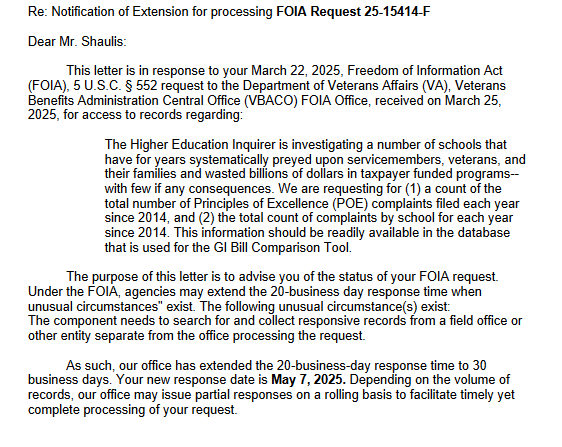
While many agencies are facing delays or court injunctions, the Department of Veterans Affairs (VA) is moving forward with plans to eliminate approximately 83,000 positions, or about 15 percent of its workforce. Public attention has been understandably focused on the impact these cuts may have on veterans’ health care. But staffing losses could also disrupt access to veterans’ education benefits, just as even more veterans and service members may be turning to higher education and career training.
Among the many education and training benefits administered by the VA, the Post-9/11 GI Bill is the cornerstone of financial aid for military learners, including veterans, service members, and their families. From 2009 to 2019, the federal government budgeted nearly $100 billion for the program, with 2.7 million enlisted veterans eligible to use those benefits over the next decade. And the return on investment is clear: Veterans who use their education benefits complete college at twice the rate of other independent students—those typically supporting themselves without parental aid—according to research by the American Institutes for Research.
Despite the GI Bill’s importance, military learners often struggle to access the benefits they’ve earned. Eligibility rules can be confusing, and transferring benefits to spouses or dependents involves time-consuming red tape. Many students and the institutions that serve them rely on VA staff to interpret the rules, resolve disputes, and ensure benefits are processed on time. With fewer staff, that support system is at risk of breaking down.
This strain comes amid a broader wave of federal downsizing that is hitting the veteran community especially hard. The federal government has long been the largest employer of veterans, and the current reduction in force across the federal government is disproportionately affecting them. In just one example, the Department of Defense is reportedly cutting 50,000 to 60,000 civilian jobs, many held by veterans.
At the same time, the Army is considering reducing its active-duty force by as many as 90,000 troops, amid shrinking reenlistment options. Even senior military leadership have seen targeted cuts. The result is that more veterans and service members will be leaving military service and looking to build new careers. This in turn will increase the demand for VA education and training benefits, just as fewer staff may be available to help them access those benefits.
For decades, support for military learners has united policymakers across party lines. In a time of significant change in Washington, we need to uphold our commitments to those who have dedicated their lives and careers to serving our nation. This includes a commitment to ensuring that the VA has the staffing and resources it needs to deliver on its promise—so every veteran can access the education benefits they’ve earned.
If you have any questions or comments about this blog post, please contact us.
The historian and political analyst Garry Wills once described writing for magazines and newspapers as a way to continue his education while getting paid to do it. The thought made a lasting impression on me and has been a driving force since well before I started writing “Intellectual Affairs” in 2005.
Twenty years is a sizable portion of anyone’s life; a kind of record of it exists in the form of something short of a thousand columns. I am a slow writer (my wonderful and long-suffering editors at IHE can confirm this), and quantifying the amount of time invested in each piece would probably make me feel older, even, than I look.
The launch of the column came after a decade of covering scholarly books and debates, first as a contributing editor at Lingua Franca and then as a senior writer at The Chronicle of Higher Education. The founders of Inside Higher Ed approached me with an offer of far less money but complete freedom in what and how I wrote. The decision was easy to make. The offer seemed as close to tenure as a perpetual student could hope to get.
The shift from writing for dead-tree publications to an online-only venue was not an obvious choice to make, but IHE’s audience and reputation grew rapidly. Getting review copies of new books was not always straightforward or quick. Confusion with other publications having similar names was also a problem. But “Intellectual Affairs” began to draw a certain amount of attention—whether enthusiastic, contemptuous or trollish—in the academic blogosphere of the day.
The work itself, while grueling at times, was for the most part gratifying. Scholars would write to express astonishment that I’d actually read their books, and even understood them. It seemed best to regard that as a compliment.
I tend to forget about a column as soon as it’s finished and rarely look at it again. To explain this it is impossible to improve upon Samuel Johnson, who was a columnist of sorts even though the term had not yet been coined. In 1752 he wrote,
“He that condemns himself to compose on a stated day will often bring to his task attention dissipated, a memory embarrassed, an imagination overwhelmed, a mind distracted with anxieties, a body languishing with disease: he will labour on a barren topic till it is too late to change it; or, in the ardour of invention, diffuse his thoughts into wild exuberance, which the pressing hour of publication cannot suffer judgment to examine or reduce.”
It’s not always that bad, but the experience he describes is familiar and typically yields the resolution to start earlier next time. But there is no next time with this column.
I’ve revisited the digital archive in recent days to assemble the selection below. If “Intellectual Affairs” has served as the notebook of an intellectual vagabond, here are a few pages from a long, strange trip.
Among the earlier columns was one considering the practice of annotating texts while you are reading—specifically, ones printed on paper with ink. A few people found my account of an improvised method useful. These days I mark up PDFs along much the same lines.
Much Sturm und Drang over e-publishing was underway during the column’s first decade—not least in scholarly circles. A column from 2014 surveys some of the trends predicted, emergent and/or collapsing at the time. Another piece described efforts to rethink literary history with an eye to the prevailing energy sources at the time a text was written.
More offbeat (and a personal favorite) was this exposé of the unspeakable secret behind Miskatonic University’s financial stability. Another piece brought together the purported psychic powers of Edgar Cayce, a.k.a. “the sleeping prophet,” with news of a technological advance permitting someone to “read” a closed book, or its first few pages, at any rate.
Early in the last decade, the New York Public Library prepared to offload a sizable portion of its holdings to locations outside the city—freeing up space for more computer terminals. Scholars and citizens spoke up in protest. A second column was necessary to correct the record after an official spun his way through a response to the first one.
Compulsive and compulsory technological change was at issue in this column suggesting that the Pixar film WALL-E owed a lot to the dystopian satire presented in the cultural theorist Kenneth Burke’s “Helhaven” essays. It was a bit of a stretch, sure, but the point was to honor their “margin of overlap,” as KB would say.
Many interviews ran in “Intellectual Affairs” over the years. Two in particular stand out. The earliest was with Barbara Ehrenreich on the occasion of her 2005 book about white-collar labor. I also reviewed two of her later books, here and here.
The other interview was with George Scialabba—a public intellectual working at a certain distance from the tenure track—on the occasion of his first book. His collected essays appeared not too long ago.
I stand by this assessment of Cornel West’s self-portrait. It caused a ruckus for a few days, but nothing changed in its wake, which is disappointing.
While by no means prescient, a column on the scholarly study of ignorance from 2008 still feels topical. The subject remained far too relevant 15 years later. Someone will eventually start an Institute for Applied Agnotology; it won’t have trouble finding financial backing.
Also distressingly perennial is a column considering social-scientific analysis of American demagogues of the 1930s and ’40s. A sequel of sorts, at least in hindsight, was this look into the stagnant depths of a spree killer’s worldview. And I was at work on a column about Ku Klux Klan historiography when Charlottesville broke into the news.
Less connected to the news cycle but likewise bloody was an item filed after attending a seldom-performed Shakespeare play in 2009. A year earlier, I looked into the far-fetched legend that The Tempest was inspired by a small island near New Bedford, Mass. (Copies of this column were available for a while in pamphlet form at the local historical society.)
Finally—and a matter of bragging rights— there’s this piece on the first volume of a biography of the long-forgotten Hubert Harrison, a Caribbean-born African American polymath and pan-African activist from the early 20th century. On more than one occasion the author told me that nothing generated more interest in the book than the column.
George Orwell characterized the professional book reviewer as someone “pouring his immortal spirit down the drain, half a pint at a time.” I once considered this amusing; now it makes me wince. (It’s not even a whole pint, mind you.) The rewards of non-celebrity-oriented cultural journalism tend to be meager and infrequent, but writing this column for Inside Higher Ed has provided more than my share. Thanks in particular to Scott Jaschik, Sarah Bray and Elizabeth Redden for their patience and keen eyes.
Scott McLemee is Inside Higher Ed’s “Intellectual Affairs” columnist. He was a contributing editor at Lingua Franca magazine and a senior writer at The Chronicle of Higher Education before joining Inside Higher Ed in 2005.