In 2025, much of my professional focus has been on small colleges in the United States. But as many of you know, my colleague and Edu Alliance co-founder, Dr. Senthil Nathan, and I also consult extensively in the international higher education space. Senthil, based in Abu Dhabi, UAE—where Edu Alliance was founded was asked by a close friend of ours, Chet Haskell, about how the Middle East and its students are reacting to the recent moves by the Trump Administration. Dr. Nathan shared a troubling May 29th article from The National, a UAE English language paper titled, “It’s not worth the risk”: Middle East students put US dreams on hold amid Trump visa crackdown.
The article begins with this chilling line:
“Young people in the Middle East have spoken of their fears after the US government decided to freeze overseas student interviews and plan to begin vetting their social media accounts. The directive signed by Secretary of State Marco Rubio and sent to diplomatic and consular posts halts interview appointments at US universities.”
The UAE, home to nearly 10 million people—90% of whom are expatriates—is a global crossroads. Many of their children attend top-tier international high schools and are academically prepared to study anywhere in the world. Historically, the United States has been a top choice for both undergraduate and graduate education.
But that is changing.
This new wave of student hesitation, and in many cases fear, represents a broader global shift. Today, even the most qualified international students are asking whether the United States is still a safe, welcoming, or stable destination for higher education. And their concerns are justified.
At a time when U.S. institutions are grappling with enrollment challenges—including a shrinking pool of domestic high school graduates—we are simultaneously sending signals that dissuade international students from coming. That’s not just bad policy. It’s bad economics.
According to NAFSA: Association of International Educators, international students contributed $43.8 billion to the U.S. economy during the 2023–2024 academic year and supported 378,175 jobs across the country. These students fill key seats in STEM programs, support local economies, and enrich our campuses in ways that go far beyond tuition payments.
And the stakes go beyond higher education.
A 2024 study found that 101 companies in the S&P 500 are led by foreign-born CEOs. Many of these executives earned their degrees at U.S. universities, underscoring how American higher education is not just a national asset but a global talent incubator that fuels our economy and leadership.
Here are just a few examples:
Jensen Huang: Born in Taiwan (NVIDIA) – B.S. from Oregon State, M.S. from Stanford
Elon Musk: Born in South Africa (Tesla, SpaceX) – B.A. from the University of Pennsylvania
Sundar Pichai: Born in India (Alphabet/Google) – M.S. from Stanford, MBA from Wharton
Mike Krieger: Born in Brazil (Co-founder of Instagram) B.S. and M.S. Symbolic Systems and Human-Computer Interaction, Stanford University
Satya Nadella: Born in India (Microsoft) – M.S. from the University of Wisconsin–Milwaukee, MBA from the University of Chicago
Max Levchin: Born in Ukraine (Co-founder of PayPal, Affirm), Bachelor’s in Computer Science, University of Illinois at Urbana-Champaign
Arvind Krishna: Born in India (IBM) – Ph.D. from the University of Illinois, Urbana-Champaign
Safra Catz: Born in Israel (Oracle) – Undergraduate & J.D. from University of Pennsylvania
Jane Fraser: Born in the United Kingdom (Citigroup) – MBA from Harvard Business School
Nikesh Arora: Born in India (Palo Alto Networks) – MBA from Northeastern
Jan Koum: Born in Ukraine (Co-founder of WhatsApp), Studied Computer Science (did not complete degree) at San Jose State University
These leaders represent just a fraction of the talent pipeline shaped by U.S. universities.
According to a 2023 American Immigration Council report, 44.8% of Fortune 500 companies were founded by immigrants or their children, including iconic firms like Apple, Google, and Tesla. Together, these companies generate $8.1 trillion in annual revenue and employ over 14.8 million people globally.
The Bottom Line
The American higher education brand still carries immense prestige. But prestige alone won’t carry us forward. If we continue to restrict and politicize student visas, we will lose not only potential students but also future scientists, entrepreneurs, job creators, and community leaders.
We must ask: Are our current policies serving national interests, or undermining them?
Our classrooms, campuses, corporations, and communities are stronger when they include the world’s brightest minds. Let’s not close the door on a future we have long helped build.
Dean Hoke is Managing Partner of Edu Alliance Group, a higher education consultancy. He formerly served as President/CEO of the American Association of University Administrators (AAUA). With decades of experience in higher education leadership, consulting, and institutional strategy, he brings a wealth of knowledge on international partnerships and market evaluations.
May 19, 2025, by Dean Hoke: In my recent blog series and podcast, Small College America, I’ve highlighted the essential role small colleges play in the fabric of U.S. higher education. These institutions serve as academic homes to students who often desire alternatives to larger universities, and as cultural and economic anchors, especially in rural and small-town America, where, according to IPEDS, 324 private nonprofit colleges operate. Many are deeply embedded in the towns they serve, providing jobs, educational access, cultural life, and long-term economic opportunity.
Unfortunately, a wave of proposed federal budget cuts may further severely compromise these institutions’ ability to function—and in some cases, survive. Without intervention, the ripple effects could devastate entire communities.
Understanding the DOE and USDA Budget Cuts
The proposed reductions to the U.S. Department of Education (DOE) and U.S. Department of Agriculture (USDA) budgets present a two-pronged threat to small colleges, particularly those in rural areas or serving low-income student populations.
Department of Education (DOE)
The most significant concerns center on proposed changes to Pell Grants, a vital financial resource for low-income students. One House proposal would redefine full-time enrollment from 12 to 15 credit hours per semester. If enacted, this change would reduce the average Pell Grant by approximately $1,479 for students taking 12 credits. Students enrolled less than half-time could become ineligible entirely.
Additionally, the Federal Work-Study (FWS) and Supplemental Educational Opportunity Grants (SEOG) programs face serious threats. The House Appropriations Subcommittee has proposed eliminating both programs, which together provide over $2 billion annually in aid to low-income students.
Programs like TRIO and GEAR UP, which support first-generation, low-income, and underrepresented students, have been targeted in previous proposals; however, current budget drafts maintain level funding. Nonetheless, their future remains uncertain as negotiations continue.
The Title III Strengthening Institutions Program, which funds academic support services, infrastructure, and student retention efforts at under-resourced colleges, received a proposed funding increase in the FY 2024 President’s Budget, though congressional appropriations may differ.
Department of Agriculture (USDA)
The USDA’s impact on small colleges, while less direct, is nonetheless critical. Discretionary funding was reduced by more than $380 million in FY 2024, reflecting a general pullback in rural investment.
Programs like the Community Facilities Direct Loan & Grant Program, which supports broadband access, healthcare facilities, and community infrastructure, were level-funded at $2.8 billion. These investments often benefit rural colleges directly or indirectly by enhancing the communities in which they operate.
While some funding has been maintained, the broader trend suggests tighter resources for rural development in the years ahead. For small colleges embedded in these communities, the consequences could be substantial: delayed infrastructure upgrades, reduced student access to services, and weakened town-gown partnerships.
Why Small Colleges Are Particularly Vulnerable
Small private nonprofit colleges—typically enrolling fewer than 3,000 students—operate on thin margins. Many are tuition-dependent, with over 80% of their operating revenue derived from tuition and fees. They lack the substantial endowments or large alumni donor bases that buoy more prominent institutions during hard times.
What exacerbates their vulnerability is the student profile they serve. Small colleges disproportionately enroll Pell-eligible, first-generation, and minority students. Reductions in federal financial aid and student support programs have a direct impact on student enrollment and retention. If students can’t afford to enroll—or stay enrolled—colleges see revenue declines, leading to cuts in academic offerings, faculty, and student services.
Additionally, small colleges are often located in areas experiencing population decline. The so-called “demographic cliff”—a projected 13% drop in the number of high school graduates from 2025 to 2041 will affect 38 states and is expected to hit rural and non-urban regions the hardest. This compounds the enrollment challenges many small colleges are already facing.
Economic and Social Impact on Rural Towns
The closure of a small college doesn’t just mean the loss of a school; it signifies a seismic shift in a community’s economic and social structure. Colleges often rank among the top employers in their towns. When a college closes, hundreds of jobs disappear—faculty, staff, groundskeepers, maintenance, food services, IT professionals, and more.
Consider Mount Pleasant, Iowa, where the closure of Iowa Wesleyan University in 2023 cost the local economy an estimated $55 million annually. Businesses that relied on student and faculty patronage—restaurants, barbershops, bookstores, and even landlords—felt the immediate impact. Community organizations lost vital volunteers. Town officials were left scrambling to figure out what to do with a sprawling, empty campus in the heart of their city.
Colleges also provide cultural enrichment that is often otherwise absent in small towns. Lectures, concerts, art exhibitions, and sporting events bring together diverse groups and add vibrancy to the local culture. Many offer healthcare clinics, counseling centers, or continuing education for adults—services that disappear with a campus closure.
USDA investments in these communities are often tied to colleges, whether in the form of shared infrastructure, grant-funded development projects, or broadband expansions to support online learning. As these federal investments diminish, so too does a town’s ability to attract and retain both residents and employers.
Real-Life Implications and Stories
The headlines tell one story, but the real impact is felt in the lives of students, faculty, and the surrounding communities.
Presentation College in Aberdeen, South Dakota, ceased operations on October 31, 2023, after citing unsustainable financial and enrollment challenges. Hundreds of students, many drawn to its affordability, rural location, and nursing programs, were forced to reconsider their futures. The college quickly arranged teach-out agreements with over 30 institutions, including Northern State University and St. Ambrose University, which offered pathways for students to complete their degrees. The Presentation Sisters, the founding order, are now seeking a buyer for the campus aligned with their values, while local officials explore transforming the site into a technical education hub to continue serving the community.
Birmingham-Southern College in Alabama, a 168-year-old institution, closed its doors on May 31, 2024, after a $30 million state-backed loan request was ultimately rejected despite initial legislative support. The college had a $128 million annual economic impact on Birmingham and maintained partnerships with K–12 schools, correctional institutions, and nonprofits. The closure triggered the transfer of over 150 students to nearby colleges like Samford University, but left faculty, staff, and the broader community facing economic and cultural losses. A proposed sale of the campus to Miles College fell through, leaving the site’s future in limbo.
Even college leaders who have weathered the past decade worry they’re nearing a breaking point. Rachel Burns of the State Higher Education Executive Officers Association (SHEEO) has tracked dozens of recent closures and warns that many institutions remain at serious risk, despite their best efforts. “They just can’t rebound enrollment,” she says, noting that pandemic aid only temporarily masked deeper structural vulnerabilities.
Potential Closures and Projections
College closures are accelerating across the United States. According to the State Higher Education Executive Officers Association (SHEEO), 467 institutions closed between 2004 and 2020—over 20% of them private, nonprofit four-year colleges. Since 2020, at least 75 more nonprofit colleges have shut down, and many experts believe this pace is quickening.
A 2023 analysis by EY-Parthenon warned that 1 in 10 four-year institutions—roughly 200 to 230 colleges—are currently in financial jeopardy. These schools are often small, private, rural, and tuition-dependent, serving large numbers of first-generation and Pell-eligible students. Even a modest drop of 5–10% in tuition revenue can be catastrophic for colleges already operating on razor-thin margins.
Compounding the challenge, the Federal Reserve Bank of Philadelphia released a 2024 predictive model forecasting that as many as 80 additional colleges could close by 2034 under sustained enrollment decline driven by demographic shifts. This figure accounts for closures only—not mergers—and spans public, private nonprofit, and for-profit sectors.
Layered onto these economic and demographic vulnerabilities are the potential impacts of proposed federal education funding cuts. The Trump administration’s FY 2026 budget blueprint once again targets student aid programs, proposing the elimination or severe reduction of subsidized student loans, TRIO, GEAR UP, Federal Work-Study, and the Supplemental Educational Opportunity Grant (SEOG). Although similar proposals from Trump’s first term (FY 2018–2021) were rejected by Congress, the renewed push signals ongoing political pressure to curtail support for low-income and first-generation students.
To assess the potential impact of these policy shifts, a policy stress test was applied to both the Philadelphia Fed model and the historical closure trend. The analysis suggests that if these cuts were enacted, an additional 50 to 70 closures could occur by 2034.
Philadelphia Fed model baseline: 80 projected closures
With policy cuts: Up to 130 closures
Historical average trend (2020–2024): ~14 closures/year
10-year projection (status quo): ~140 closures
With policy cuts: Up to 210 closures
In short, depending on the scenario, anywhere from 130 to 210 additional college closures may occur by 2034. Institutions most at risk are those that serve the very populations these federal programs are designed to support. Without intervention—through policy, partnerships, or funding—the number of closures could rise sharply in the years ahead.
These scenario-based projections are summarized in the chart below.
Why Should Congress Care
According to the National Association of Independent Colleges and Universities (NAICU), a private, nonprofit college or university is located in 395 of the 435 congressional districts. These institutions are not only centers of learning but also powerful economic engines that generate:
$591.5 billion in national economic impact
$77.6 billion in combined local, state, and federal tax revenue
3.4 million jobs supported or sustained
1.1 million people are directly employed in private nonprofit higher education
1.1 million graduates are entering the workforce each year
As such, the fate of small private colleges is not just a higher education issue—it is a national economic and workforce development issue that should command bipartisan attention.
Strategies for Resilience and Policy Recommendations
There are clear, actionable strategies to reduce the risk of widespread college closures:
Consortium and shared governance models: Small colleges can boost efficiency and sustainability by sharing administrative functions, faculty, academic programs, technology infrastructure, and enrollment services. This allows institutions to reduce operational costs while maintaining their distinct missions and brands. In some cases, these arrangements evolve into formal mergers. An emerging example is the Coalition for the Common Good, a new model of mission-aligned institutions that maintain individual identities but operate under shared governance. This structure offers long-term financial stability without sacrificing institutional purpose or community impact.
Strategic partnerships: Collaborations with community colleges, online education providers, regional employers, and nonprofit organizations can expand reach, enhance curricular offerings, and improve student outcomes. These partnerships can support 2+2 transfer pipelines, workforce-aligned certificate programs, and hybrid learning models that meet the needs of adult learners and working professionals, often underserved by traditional residential colleges.
State action: States should establish stabilization grant programs and offer targeted incentive funding to support mergers, consortium participation, and regional collaboration. Policies that protect institutional access in rural and underserved areas are especially urgent, as closures can leave entire regions without viable higher education options. States can also play a role in convening institutions to plan for shared services and long-term viability.
Federal investment: Continued and expanded funding for Pell Grants, TRIO, SEOG, Title III and V, and USDA rural development programs is essential to sustaining the institutions that serve low-income, first-generation, and rural students. These investments should be treated as critical infrastructure, not discretionary spending, given their role in expanding educational equity, enhancing workforce readiness, and promoting rural economic development. Consistent federal support can help stabilize small colleges and enable long-term planning.
College leaders, local governments, and community groups must advocate in unison. The conversation should move beyond institutional survival to one of community survival. As the saying goes, when a college dies, the town begins to die with it.
Conclusion
Small colleges are not expendable. They are vital threads in the educational, economic, and cultural fabric of America, especially in rural and underserved communities. The proposed federal budget cuts across the Departments of Education and Agriculture represent a direct threat not only to these institutions but to the communities that depend on them.
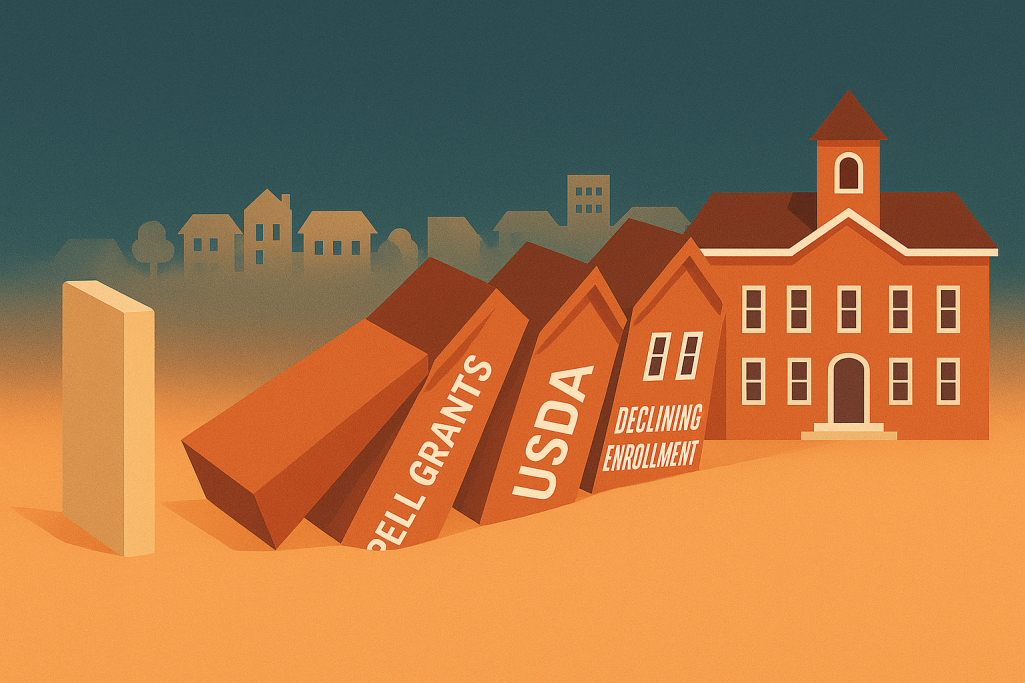
If policymakers fail to act, the consequences will be widespread and enduring. The domino effect is real: reduced funding leads to fewer students, tighter budgets, staff layoffs, program cuts, and eventually, campus closures. And when those campuses close, entire towns are left to absorb the fallout—economically, socially, and spiritually.
We have a choice. We can invest in the future of small colleges and the communities they anchor, or we can stand by as they vanish—along with the promise they hold for millions of students and the towns they call home.
References
U.S. Department of Education, FY 2025 Budget Summary and Justifications
National Association of Student Financial Aid Administrators (NASFAA), Analysis of Proposed Pell Grant and Campus-Based Aid Reductions
State Higher Education Executive Officers Association (SHEEO) and Higher Ed Dive, Data on College Closures and Institutional Viability Trends
Fitch Ratings, Reports on Financial Pressures in U.S. Higher Education Institutions
Iowa Public Radio and The Hechinger Report, Case Studies on Rural College Closures and Community Impact
Council for Opportunity in Education (COE), Statements and Data on TRIO Program Reach and Effectiveness
Federal Reserve Bank of Philadelphia, Predictive Modeling of U.S. College Closures (2024)
EY-Parthenon, 2023 Report on Financial Vulnerability Among Four-Year Institutions
U.S. Department of Agriculture (USDA), Rural Development and Community Facilities Loan & Grant Program Summaries
Interviews and commentary from institutional leaders, TRIO program directors, and SHEEO policy staff
Integrated Postsecondary Education Data System (IPEDS), Data on Enrollment, Institution Type, and Geographic Distribution
Dean Hoke is Managing Partner of Edu Alliance Group, a higher education consultancy. He formerly served as President/CEO of the American Association of University Administrators (AAUA). With decades of experience in higher education leadership, consulting, and institutional strategy, he brings a wealth of knowledge on small colleges’ challenges and opportunities. Dean is the Executive Producer and co-host for the podcast series Small College America.
May 5, 2025, by Dean Hoke: For years, there have been conversations among many higher education podcasters asking: Why isn’t there a podcasting conference just for us? This question lingered, raised in passing at virtual meetups, in DM threads, and on campuses where faculty and staff were creating podcasts with little external support or collaboration.
Last winter, a group of us decided it was time to do something about it.
Joe Sallustio and Elvin Freytes of The EdUp Experience, Dean Hoke of Small College America, and Gregg Oldring and Neil McPhedran of Higher Ed Pods took a leap of faith and began planning a first-time national gathering. We believed there was a clear void. Podcasting in higher education was growing rapidly, but most lacked a community outside of their home institution to network with, share ideas, and be inspired.
That leap of faith is now a reality. On Saturday, July 12, 2025, we will convene in Chicago for the inaugural HigherEd PodCon—the first conference built by and for higher education podcasters and digital media creators.
Hosted at the University of Illinois, Chicago
This one-day event will bring together over 40 presenters, 15 sessions, and 25+ institutions and organizations from across North America. Whether you’re a faculty innovator, student producer, tech strategist, or communications pro, HigherEd PodCon offers an immersive, hands-on experience designed to elevate the impact of campus-based podcasting.
Sessions run from 8:30 a.m. to 6:00 p.m., which includes networking opportunities and a reception closing out the day. The program is structured across three practical and dynamic tracks:
Strategy, Growth & Discovery
Content & Production
Tech, Tools & Analytics
The keynote speaker is Matt Abrahams, lecturer in Strategic Communication at Stanford Graduate School of Business and host of Think Fast, Talk Smart. His insights on clarity, message delivery, and audience engagement will set the tone for a day of meaningful exploration.
A National Cross-Section of Institutions
HigherEd PodCon showcases participation from institutions of all sizes and types, including:
Purdue University
Stanford University
University of South Carolina Beaufort
Lansing Community College
Brigham Young University
Penn State University
Whether it’s a faculty-led series, a student-led network, or an advancement-focused production, you’ll hear how campuses are using podcasts to educate, engage, and amplify their stories.
Session Spotlights
Here are three sessions you won’t want to miss:
1. Podcasting, Social Media, and Video: Oh My! Kate Young and Maria Welch, Purdue University With more than 130 episodes and thousands of monthly downloads, This Is Purdue is among the country’s top university podcasts. In this session, Kate and Maria walk through their formula for success, including social media workflows, video strategy, and content optimization.
2. Why Podcasts Fail (And How to Make Sure Yours Doesn’t) Dave Jackson, Podpage; Podcast Hall of Fame Inductee Dave Jackson has helped hundreds of shows succeed—and watched others fall flat. This session offers practical guidance for anyone launching or relaunching a podcast with purpose. Topics include budget-friendly production, YouTube distribution, and sustainable growth.
3. From 5 to 30: Growing a Podcast Network That Speaks Higher Ed Daedalian Lowry and Layne Ingram, Lansing Community College What started as five faculty shows grew into a 30+ program podcast network that engages the entire campus and community. Learn how Lansing Community College scaled LCC Connect with collaboration, creativity, and cross-departmental buy-in.
Why Attend HigherEd PodCon?
Whether you’re just starting out or looking to take your podcast to the next level, this is the community you’ve been waiting for. Here are three reasons not to miss it:
Network with your peers: Build meaningful relationships with fellow higher ed podcasters and digital media innovators.
Gain tools and templates you can use immediately: From show planning to promotion, walk away with actionable strategies you can implement on Monday.
Stay ahead of the curve: Learn how leading institutions are using podcasts to engage students, alumni, donors, and the public.
Save the Date
HigherEd PodCon 2025 is your opportunity to help shape the future of podcasting in higher education—and to find your people in the process.
Learn more and register at www.higheredpodcon.com. We have room for only 200 attendees in this inaugural event. Early bird rate of $249 available until the end of May
Dean Hoke is Managing Partner of Edu Alliance Group, a higher education consultancy, and a Senior Fellow with the Sagamore Institute. He formerly served as President/CEO of the American Association of University Administrators (AAUA). With decades of experience in higher education leadership, consulting, and institutional strategy, he brings a wealth of knowledge on small colleges’ challenges and opportunities. Dean, along with Kent Barnds, is a co-host for the podcast series Small College America.
Their suit argues that the thousands of terminations, which to date have left more than 1,800 students without valid status, are “unlawful” and came “without warning, individualised explanation and an opportunity to respond”.
The Presidents’ Alliance on Higher Education and Immigration, which advocates for immigrant and international student rights, and several impacted students from institutions such as MIT and Boston University filed the suit in the District Court for the district of Massachusetts yesterday.
Not only have students been forced out of housing, jobs or their chosen institution mere weeks away from graduation, but the Trump administration’s crackdown on international students has “undermined’ institutions’ being able to “attract, retain, and effectively serve” students from overseas, the group warned.
The court is asked to find that the policy is unlawful and unconstitutional, reactivate the SEVIS records of affected students, halt the policy while the case is being fought and “vacate all improper SEVIS terminations”.
President and CEO of the Presidents’ Alliance, Miriam Feldblum, warned that students would be put off from studying in the US because of the “fear and uncertainty diminishing our global competitiveness and reputation”.
“The unlawful termination of student records without due process strikes at the heart of higher education’s mission. Colleges and universities drive innovation, research, and workforce growth by fostering global talent – but they can’t do that when students’ futures are derailed without explanation,” she said.
“These actions deter future students from studying here in the US, and hinder campus administrators from carrying out their work by the arbitrary upending of established regulations and processes.”
Meanwhile, Sirine Shebaya, executive Director at the National Immigration Project – which is representing the Presidents’ Alliance – blasted the policy vas “not only lawless… [but] cruel” – marking “yet another manifestation of policies that fly in the face of both legal standards and common decency”.
These actions deter future students from studying here in the US, and hinder campus administrators from carrying out their work by the arbitrary upending of established regulations and processes Miriam Feldblum, Presidents’ Alliance
While the surge in visa revocations was at first thought to mainly affect students who had expressed pro-Palestinian sympathies, international education stakeholders have been left baffled at a growing number being issued at institutions where no such protests had taken place.
Some students – including one unnamed Boston University graduate represented in the legal case – are reporting that their visas had been taken away due to minor traffic infractions. Others have been left confused after their visas were revoked despite having no criminal history.
Yet the State Department continues to back the policy.
“The Trump administration is focused on protecting our nation and our citizens by upholding the highest standards of national security and public safety through our visa process,” a State Department spokesperson told The PIE News this week.
“The Department of State will continue to work closely with the Department of Homeland Security to enforce zero tolerance for aliens in the United States who violate US laws, threaten public safety, or in other situations where warranted.”
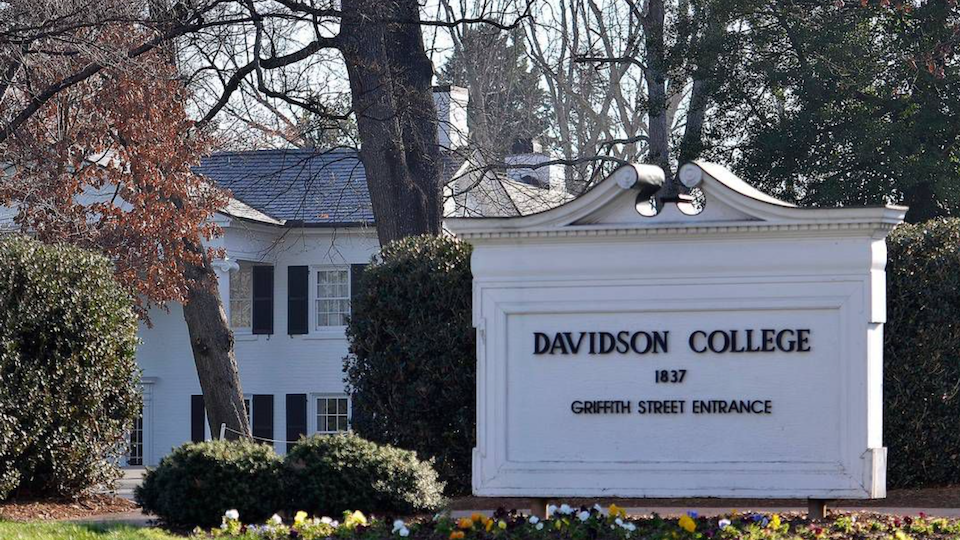
April 21, 2025, by Dean Hoke: With this profile of Davidson College, I complete the tenth and final entry in my series exploring small colleges across the United States. This journey has deepened my appreciation for the distinct contributions and lasting impact of these diverse institutions. Collectively, these colleges have further strengthened my belief in the diversity, resilience, and enduring importance of American higher education — and reaffirmed the vital role that small colleges continue to play in communities across the country.
Background
Founded in 1837 by Presbyterian leaders, Davidson College is a private liberal arts college located in Davidson, North Carolina, just north of Charlotte. Named after Revolutionary War hero General William Lee Davidson, the college embraces a strong tradition of academic excellence and service. Although it maintains historical ties to the Presbyterian Church (USA), Davidson welcomes students of all faiths and backgrounds. A hallmark of Davidson’s culture is its student-run Honor Code, fostering a climate of trust and integrity. With about 2,000 undergraduates, Davidson remains committed to developing “humane instincts and disciplined, creative minds” through a personalized liberal arts education steeped in tradition, yet responsive to the challenges of a changing world.
Curricula
Davidson College offers a broad and rigorous liberal arts education, exclusively focused on undergraduate learning. Students choose from 37 majors and 39 minors, ranging from traditional fields like English, History, and Biology to interdisciplinary studies like Data Science and Environmental Studies. Through the Center for Interdisciplinary Studies, students can even create personalized majors. All students must complete a comprehensive general education program, emphasizing writing, critical thinking, and exposure to diverse disciplines.
Davidson has an 8:1 student-faculty ratio, which promotes mentorship and in-depth discussion. Faculty, all holding terminal degrees, foster an environment that encourages original research and creative work. Davidson emphasizes experiential learning, with over 70% of students studying abroad and many engaging in faculty-mentored research or community-based projects. Signature programs include the Center for Civic Engagement and Humanities Seminars. The college’s academic culture, shaped by its Honor Code, blends classic liberal arts education with forward-looking innovation, producing graduates who are both intellectually agile and socially responsible.
Strengths
Academic Achievements: Davidson students and alumni excel in prestigious awards. The college has produced 23 Rhodes Scholars (one of the highest totals per capita for an undergraduate institution) and is a top producer of Fulbright Scholars. Students are also competitive for Goldwater, Watson, and Marshall scholarships, reflecting the quality of preparation.
Employment and graduate school placement rates: In the class of 2024, 92% were employed or enrolled in postgraduate education 6 months after graduation. This has been consistent for a number of years.
Selective Admissions: Admission to Davidson is highly competitive (“most selective” according to Princeton Review and U.S. News). For the Class of 2027 entering fall 2023, Davidson’s acceptance rate was ~14.5% (1,068 accepted out of 7,363 applicants) and has a yield rate of nearly 50%. Davidson practices need-blind admissions for U.S. students and meets 100% of demonstrated financial need.
Notable Faculty and Resources: Davidson’s faculty are dedicated teachers and active scholars. Small class sizes and an emphasis on undergraduate research allow students to work closely with faculty on original research or creative works. The college has modern facilities for science and art. Davidson’s NCAA Division I athletics (unusual for a school of its size) also provides school spirit and national visibility, particularly the men’s basketball program.
Financial Strength and Aid: Davidson’s financial position is robust, with an endowment of approximately $1.3 billion as of 2023. This substantial endowment (which has more than doubled in the past decade) underwrites the college’s Davidson Trust, a landmark financial aid program.
Weaknesses
High Cost and Financial Accessibility: The high sticker price of attending Davidson—now over $80,000 annually and rising—remains a barrier for many middle-income families. Students without demonstrated financial need receive little or no merit aid, limiting socioeconomic diversity compared to peer institutions with larger endowments.
Student Diversity Challenges: Davidson College has made significant efforts to diversify its student body, but challenges remain. Black and Hispanic/Latino enrollment continues to lag behind national averages for selective liberal arts colleges. Although Davidson has invested in scholarships, outreach programs, and DEI initiatives, progress has been gradual. Some students and alumni express concern that the pace of change has not fully kept up with the college’s aspirations for a more inclusive campus community.
Faculty Retention Challenges Among Early-Career and Diverse Faculty: While Davidson College enjoys strong overall faculty stability, recent strategic plan updates and DEI committee reports acknowledge challenges in retaining early-career and underrepresented faculty members. Factors such as limited research resources, heavier service burdens for faculty of color, and opportunities at larger institutions have contributed to higher attrition rates within these groups.
Economic Impact
According to the Davidson College Economic Impact Report 2023, produced by Appleseed Inc. (an economic consulting firm specializing in higher education and nonprofit sectors), Davidson College generates nearly $500 million annually for the North Carolina economy, including $430 million for the Charlotte metro region. The college supports approximately 2,300 jobs statewide and contributes around $22 million in annual state tax revenue. Student and visitor spending adds another $18 million annually to local businesses. Beyond economics, Davidson students contribute over 73,000 hours of community service each year, benefiting local schools, nonprofits, and civic organizations. The town-gown relationship is exemplary, with Davidson serving as a cultural, social, and educational hub for the region. Davidson’s strategic proximity to Charlotte opens further opportunities for collaboration, internships, and regional engagement, ensuring that its impact extends well beyond its picturesque campus.
Enrollment Trends
According to the Davidson College FactFile, enrollment has remained steady with a gender balance and a national/international student body.
The college student body represents all states and 57 nations. The domestic student of color population is 28%, and 53% of the students are women.
Degrees Awarded by Major
In the 2023–24 academic year, Davidson College conferred degrees to 504 graduates, of whom 108 had double majors.
Alumni
Davidson College’s alumni impact spans politics, literature, sports, and public service:
Dean Rusk (1931): U.S. Secretary of State under Presidents Kennedy and Johnson; Davidson’s international studies program honors his legacy.
Tony Snow (1977): Former White House Press Secretary and noted journalist; exemplified public communication skills rooted in his Davidson education.
Patricia Cornwell (1979:) Best-Selling crime novelist whose forensic thrillers have sold over 100 million copies worldwide.
Elizabeth Kiss (1983): Global educational leader and Warden of Rhodes House at Oxford University; a trailblazer in ethics and leadership education.
Anthony Foxx (1993): U.S. Secretary of Transportation and former Mayor of Charlotte; actively supports Davidson’s civic engagement initiatives.
Stephen Curry (2010, completed 2022): NBA MVP and four-time champion; his legendary NCAA tournament run put Davidson basketball on the national map, and he returned to complete his sociology degree.
Endowment and Financial Standing
Davidson’s endowment has grown significantly, reaching approximately $1.375 billion in 2023. This growth supports its generous need-blind, no-loan financial aid policies and academic initiatives.
The college’s financial management has earned high marks. The 2023 Forbes Financial Grades give Davison a 3.9 GPA and an A letter grade.
Return on Investment (ROI)
According to Georgetown University’s Center on Education and the Workforce, Davidson’s 40-year ROI for bachelor’s degrees is $2,689,000—well above the national average of $1,744,000 for private institutions. This places Davidson in the top 75 private college institutions.
Why is Davidson Important?
• Davidson College embodies the best traditions of academic rigor, ethical leadership, and service. Founded in 1837, Davidson forged a powerful model of liberal arts education rooted in critical thinking, moral inquiry, and civic responsibility. The college’s honor code—one of the earliest in the South—still defines campus culture today, emphasizing personal integrity and a community of trust.
• Davidson’s regional and national influence extends far beyond its campus. The college plays a growing role in the economic and civic life of the Charlotte metro area, leveraging partnerships that connect students to real-world opportunities in business, public service, and innovation. Nationally, Davidson alumni have made transformative contributions in government, global affairs, literature, education, and athletics, demonstrating that small colleges can have broad and lasting societal impact.
• Davidson remains a vital force for leadership, diversity, and opportunity. Initiatives like the Davidson Trust, which eliminates student loans from financial aid packages, alongside robust global learning and community engagement programs, show Davidson’s commitment to access and excellence. The college continuously prepares students not only for professional success but for principled leadership in a rapidly changing world.
Summary
Davidson College remains one of America’s premier liberal arts institutions, blending historic tradition with forward-looking innovation. The college exemplifies the transformative power of the liberal arts, producing leaders of conscience and influence. It has long combined academic excellence with ethical leadership and a global perspective, demonstrating that a small college can have a profound national and international impact. Davidson’s commitment to trust, service, and innovation ensures that it continues to shape lives and society for the better.
Dean Hoke is Managing Partner of Edu Alliance Group, a higher education consultancy, and a Senior Fellow with the Sagamore Institute. He formerly served as President/CEO of the American Association of University Administrators (AAUA). With decades of experience in higher education leadership, consulting, and institutional strategy, he brings a wealth of knowledge on small colleges’ challenges and opportunities. Dean, along with Kent Barnds, is a co-host for the podcast series Small College America.
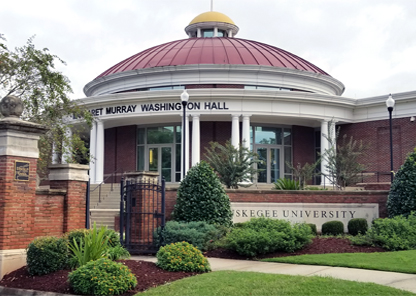
April 14, 2025, by Dean Hoke: This profile of Tuskegee University is the ninth in a series presenting small colleges throughout the United States.
Background
Founded in 1881 by educator Booker T. Washington, Tuskegee University is a private historically black university (HBCU) located in Tuskegee, Alabama – about 40 miles east of Montgomery . Established initially as the Tuskegee Normal School for training Black teachers, it evolved into Tuskegee Institute and eventually a university known for blending liberal arts, technical, and professional education. The university’s campus, a designated National Historic Site, spans roughly 5,000 acres (including a 450-acre main campus and extensive forestry and research lands). Tuskegee is consistently ranked among the top HBCUs nationally (U.S. News #3 in 2023) and is noted for its academic rigor and legacy of producing African American leaders.
Curricula
Tuskegee offers a broad curriculum encompassing over 50 degree programs. Programs include Engineering, Architecture, Business, Education, and Nursing & Allied Health, as well as a renowned College of Veterinary Medicine. The university balances a liberal arts foundation with strong STEM and professional programs. Students complete a liberal arts core while pursuing majors in fields like engineering, agriculture, the sciences, business, and the humanities. Tuskegee has introduced distinctive programs that leverage its heritage – for example, it hosts the nation’s only Aerospace Engineering program at an HBCU, and it houses a National Center for Bioethics in Research and Health Care focused on minority health ethics.
Experiential learning is integral: from engineering design projects to agricultural research and Cooperative Extension outreach in rural communities, students get hands-on training. Notably, Tuskegee’s veterinary medicine program, founded in 1945, provides crucial clinical experience and has become a top producer of minority veterinarians. Outcomes for graduates are strong in many programs – for example, nursing and allied health majors benefit from clinical partnerships, and engineering students often secure competitive internships. Tuskegee reports in 2022, the four-year graduation rate is 33%, and the six-year graduation rateis 67%.
Strengths
Historic Legacy and Mission: Tuskegee’s history is a cornerstone of its identity. It was built on Booker T. Washington’s self-help philosophy and has played a pivotal role in African American education for over a century.
Excellence in STEM, Agriculture, and Veterinary Medicine: The university is a powerhouse in STEM fields. It is the only independent HBCU with four ABET-accredited engineering programs and the only HBCU with an Aerospace Science Engineering program. Its College of Veterinary Medicine has educated over 70% of African American veterinarians in the United States.
Strong Student Outcomes and Recognition: Tuskegee is recognized for improving social mobility and student success. U.S. News ranks Tuskegee #1 among Southern schools for social mobility and among the top 5 HBCUs nationwide. The university has produced generations of leaders and pioneers, which bolsters its reputation and provides current students with role models and mentors.
Community Engagement and Service: As a land-grant institution, Tuskegee is deeply committed to community service and outreach. Through its Cooperative Extension Program and initiatives like the new Center for Rural Health and Economic Equity, the university addresses needs in Alabama’s Black Belt region—from agricultural assistance for local farmers to health equity research for underserved rural populations.
Weaknesses
Enrollment Decline: Tuskegee’s Full-Time Equivalent (FTE) enrollment has steadily decreased from 3,276 in 2019 to a low of 2,755 in 2023, with a modest rebound to 2,881 in 2024. This downward trend, though not unique among small institutions, negatively impacts tuition revenue, national rankings, and institutional perception.
Infrastructure and Facilities: Numerous campus buildings require modernization. Students and alumni on platforms like UNIGO have expressed concerns about aging dormitories and outdated lab and classroom technology. These issues pose challenges for student recruitment and retention, especially in STEM disciplines. The university acknowledged these concerns in 2024 and stated that actions are underway to address construction delays.
Return on Investment (ROI): According to Georgetown University’s Center on Education and the Workforce, Tuskegee’s 40-year ROI for bachelor’s degrees is $1,434,000—well below the national average of $1,744,000 for private institutions. This places Tuskegee in the lower 20th percentile nationally and may raise concerns among prospective students and families weighing the long-term value of a Tuskegee degree.
Note: Tuskegee does an exceptional job with the students it serves, often outperforming peers in helping students succeed and move up economically. However, its graduates’ average earnings are lower than those of graduates from many other private institutions, which affects ROI rankings. This contrast is common among mission-driven institutions that serve high-need populations and public interest-oriented fields (e.g., education, social work, veterinary medicine), where average salaries tend to be lower despite high societal value.
Economic Impact
Tuskegee University is a major economic engine for its region. According to the United Negro College Fund’s (UNCF) 2024 Economic Impact Report, Tuskegee University contributes approximately $237.1 million annually to Alabama’s economy and supports 2,064 jobs statewide through its operations, payroll, student spending, and visitor expenditures. It is one of the largest employers in Macon County, with nearly 1,400 employees on payroll, and its presence stimulates additional employment in the community (restaurants, shops, services that cater to students and employees).
Beyond direct spending, as a land-grant institution, it operates Cooperative Extension programs that improve agricultural productivity and entrepreneurship in rural Alabama. The university actively pursues research grants that address local needs. For example, in 2023, Tuskegee received a $2.2 million federal grant to establish a Center for Rural Health and Economic Equity, which will not only improve healthcare outcomes in Black Belt counties but also create research jobs and community health worker positions.
Enrollment Trends
As of Fall 2024, total enrollment (FTE) is 2881 students, including undergraduates, graduate students, and professional students in veterinary medicine.
The university has actively recruited beyond Alabama: currently, only 26% of undergraduates are Alabama residents, while 74% come from out-of-state.
Degrees Awarded by Major
In the 2022–23 academic year, Tuskegee University conferred 547 degrees in total (410 bachelor’s, 69 master’s, and 68 doctorates, including professional degrees).
Alumni
Tuskegee University boasts a vibrant alumni network of tens of thousands of graduates spread across the U.S. and abroad. With nearly 140 years of history, Tuskegee has produced generations of African American professionals and leaders, creating an expansive community often referred to as the “Tuskegee Family.” Alumni remain closely connected to the university and each other.
Notable Alumni and Figures: Tuskegee’s alumni and associated figures include some of the most influential names in U.S. education, science, military, and culture:
Amelia Boynton Robinson (Class of 1927): Pioneering civil rights activist and leader in the voting rights movement. She played a key role in the 1965 Selma to Montgomery marches, inviting Dr. Martin Luther King Jr. to Selma.
Gen. Daniel “Chappie” James (Class of 1942): The first African American four-star general in U.S. military history.
Lonnie Johnson (Class of 1973): Engineer and inventor, Johnson, a Tuskegee mechanical engineering graduate, had a distinguished career at the Air Force and NASA before his entrepreneurial success. He holds over 100 patents.
Lionel Richie (Class of 1974): Grammy-winning singer, songwriter, and former lead vocalist of the Commodores. Richie, a Tuskegee native, graduated with an economics degree.
Keenen Ivory Wayans (Attended from 1977-1980): an American actor, comedian, director, and filmmaker who co-hosted and created the TV comedy Emmy award show In Living Color. An engineering student on scholarship, he left Tuskegee in his senior year to pursue acting.
Endowment and Financial Standing
Tuskegee University’s financial foundation is solid but underpins a careful stewardship to meet institutional needs. As of 2024, the university’s endowment is valued at around $161 million. It remains smaller than some peer HBCUs. The university still depends heavily on tuition and fees. A milestone came in 2020 when philanthropist MacKenzie Scott donated $20 million to Tuskegee – the largest gift in the university’s history.
The university’s financial management has earned positive marks. The 2023 Forbes Financial Grades gives Tuskegee a 3.82 GPA and a letter grade of A-.
Why is Tuskegee Important?
Tuskegee University holds a singular place in American higher education and society, with a legacy and ongoing impact that extend far beyond its small-town Alabama campus. Founded in an era of segregation and limited opportunities for Black Americans, Tuskegee became a beacon of self-determination – educating Black teachers, farmers, and craftsmen in its early years and proving that excellence could flourish under the most challenging conditions.
Tuskegee’s importance also lies in its academic and professional contributions, particularly in increasing diversity in critical fields. It has been a prolific producer of African American professionals: for example, as noted, the vast majority of Black veterinarians are Tuskegee graduates, and the university has trained countless Black engineers, nurses, and scientists.
Tuskegee University remains a cultural touchstone and symbol of excellence. Tuskegee has also influenced educational models worldwide; notably, its extension work and vocational training approaches were emulated in developing nations (especially in Africa) during the 20th century, spreading the ethos of education for empowerment globally.
In summary, Tuskegee University is important because it represents the power of education as a force for equality and innovation. It has transformed lives and communities for generations, contributed richly to African American history and American progress, and continues to produce leaders and ideas that shape our world. In American higher education, Tuskegee’s thread is unique and invaluable – an embodiment of resilience, excellence, and the ongoing pursuit of knowledge for the betterment of society.
Dean Hoke is Managing Partner of Edu Alliance Group, a higher education consultancy, and a Senior Fellow with the Sagamore Institute. He formerly served as President/CEO of the American Association of University Administrators (AAUA). With decades of experience in higher education leadership, consulting, and institutional strategy, he brings a wealth of knowledge on small colleges’ challenges and opportunities. Dean, along with Kent Barnds, is a co-host for the podcast series Small College America.
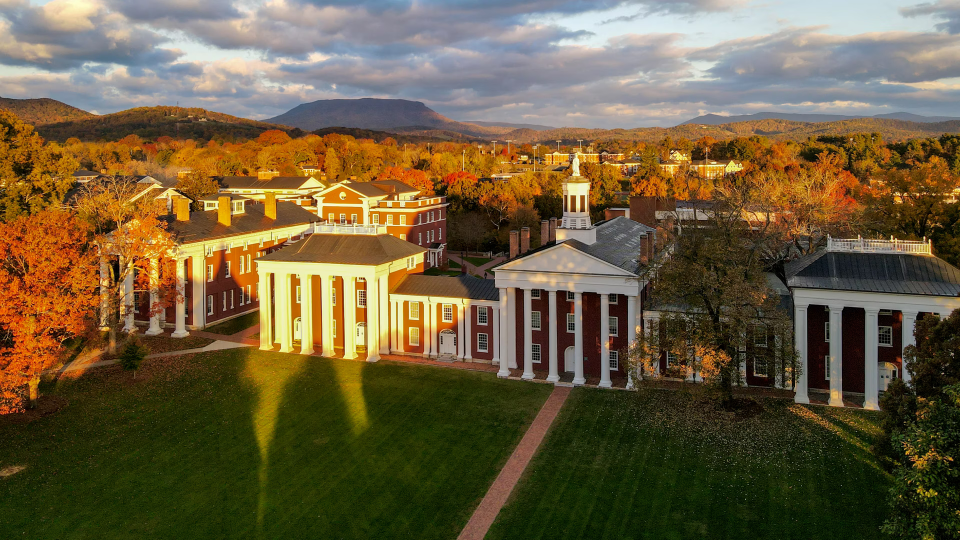
April 7, 2025, by Dean Hoke: This profile of Washington and Lee University is the eighth in a series presenting small colleges throughout the United States.
Background
Founded in 1749, Washington and Lee University (W&L) is a private liberal arts college located in Lexington, Virginia. With a 325-acre campus in the Shenandoah Valley, W&L is the ninth-oldest college in the U.S. Originally Augusta Academy, it became Washington College after George Washington’s 1796 gift. It later took on its current name in honor of Robert E. Lee, who served as president following the Civil War. The school became coeducational in 1985 and is consistently ranked among the top liberal arts colleges nationally. The President of Washington and Lee since 2017 is William (Will) Dudley.
W&L enrolls approximately 1,900 undergraduates and 375 law students. The university boasts an 8:1 student-faculty ratio and an average class size of 15. The university is renowned for its rigorous academics, a single-sanction honor system, and a strong emphasis on ethical leadership and community.
Curricula
W&L offers 36 majors and 41 minors across disciplines such as the humanities, sciences, arts, business, journalism, and engineering. It’s the only leading liberal arts college with accredited undergraduate programs in business and journalism. Students can pursue either a B.A. or B.S. degree and are encouraged to pursue interdisciplinary interests. Popular majors include Business Administration, Economics, Political Science, and interdisciplinary areas such as Environmental Studies and Poverty Studies. Signature programs include the Shepherd Program for the Interdisciplinary Study of Poverty and Human Capability, combining classroom learning with community engagement on social justice issues. Over 60% of undergraduates study abroad, and a significant number participate in internships and research, often supported by university grants.
Strengths
Exceptional Outcomes and Opportunities: W&L’s four-year graduation rate is about 92%, and over 93% of graduates secure employment or enter graduate school within six months of graduation. They are a top producer of Fulbright scholars and other fellowship winners, reflecting the high caliber of their students and the support they receive in pursuing global opportunities.
Academic Excellence: W&L consistently ranks among the top liberal arts schools in the United States. It has been ranked #9 by US News and World Report in Best Small Colleges in America and #9 for best liberal arts colleges. The school consistently ranks among the top producers of Fulbright and other prestigious fellowships.
Experiential Learning: The unique Spring Term and emphasis on study abroad (60%+ participation) offer high-impact, immersive educational experiences. Programs like the Shepherd Poverty Program and community-based internships promote civic learning.
Financial Strength: With a $2 billion endowment (roughly $900,000 per student), W&L offers strong financial aid and has a need-blind admissions policy for most domestic and international applicants.
Weaknesses
Exclusivity: W&L has historically attracted a particular student demographic and features a social scene dominated by Greek life, which presents challenges in broadening campus culture. Approximately 75% of undergraduates join fraternities or sororities—one of the highest Greek participation rates in the nation. This deep-rooted Greek presence contributes to close social bonds and robust alumni networks. Still, it can also create a perception of social exclusivity for Students who do not participate in Greek life.
Historical Legacy and Diversity Challenges: W&L grapples with aspects of its historic legacy that pose modern challenges. The institution’s very name honors Robert E. Lee, and debates have occurred over whether to rename the university, given Lee’s ties to the Confederacy and slavery. In 2020, campus discussions on this issue drew national attention and revealed divisions among stakeholders. The cultural transition – shedding outdated perceptions and ensuring that students from all backgrounds feel fully welcome – remains an ongoing challenge for Washington and Lee.
Economic Impact
W&L is not only an academic institution but also a major economic engine for Lexington and the surrounding Shenandoah Valley. In addition to educating students, W&L significantly boosts the local economy through employment, spending, and partnerships. The university is one of the largest employers in the region, with roughly 870 faculty and staff. A comprehensive economic impact study in 2010 found that W&L was responsible for over $225 million in economic activity in the region in a single year.
Enrollment Trends
As of Fall 2024, Washington and Lee’s total undergraduate enrollment stands at 1,866 undergraduate students, with an additional 355 students in the law school. Over the past decade, undergraduate enrollment has remained stable.
The undergraduate acceptance rate has declined from 24% to 14% over the past five years, reflecting increased selectivity. The gender balance has also shifted to slightly favor women (51%). The university maintains a first-year retention rate of 96-98% and six-year graduation rates remain steady between 93% and 95%, reflecting a high level of student satisfaction and institutional support.
Degrees Awarded by Major
In the Class of 2020 -21, W&L conferred degrees across a wide spectrum of majors. Below is a breakdown by number of degrees awarded that year:
Return of Investment
According to the Georgetown University Center on Education and the Workforce’s study, Ranking 4,600 Colleges by ROI (2025), W&L offers a strong return on investment. In this study, ROI is calculated as the difference between a graduate’s cumulative earnings over time and the total out-of-pocket cost of attending college, which refers to the net cost after accounting for grants and scholarships.
For students earning a bachelor’s degree, W&L’s median ROI significantly exceeds the average for private nonprofit colleges, both in the short and long term.
Source: Georgetown University Center on Education and the Workforce, analysis of U.S. Department of Education College Scorecard data, 2009–2022.
Alumni
W&L boasts a vibrant alumni network that is both tightly knit and far-reaching. There are over 25,000 living W&L alumni worldwide, spread across all 50 states and dozens of countries. Alumni often refer to themselves as “Generals” (after the school’s athletic moniker) and maintain strong ties to the institution long after graduation.
Notable Alumni: W&L’s alumni list includes prominent figures in law, government, business, journalism, literature, and the arts:
Lewis F. Powell Jr. (Class of 1929; Law 1931): Was a U.S. Supreme Court Justice (served 1972–1987) . Justice Powell was one of three Supreme Court justices who attended Washington and Lee.
Tom Wolfe (Class of 1951): Best-selling author and journalist, pioneer of the “New Journalism” movement. Wolfe wrote influential works like The Right Stuff and The Bonfire of the Vanities, and is an icon in American literature.
Roger Mudd (Class of 1950): Emmy Award-winning broadcast journalist. Mudd was a longtime CBS News correspondent and anchor known for his work on CBS Evening News and documentaries.
Joseph L. Goldstein (Class of 1962): Awarded the Nobel Prize in Physiology or Medicine for his research in cholesterol metabolism.
Warren A. Stephens (Class of 1979): Chairman, president, and CEO of Stephens Inc., President Donald Trump nominated him to serve as the United States ambassador to the United Kingdom.
Rob Ashford (Class of 1982): A renowned choreographer and director, Ashford is an eight-time Tony Award nominee (winning one), a five-time Olivier Award nominee, and an Emmy Award winner.
Linda Klein (Class of 1983): American Lawyer and past president of the American Bar Association.
Endowment and Financial Standing
W&L’s financial foundation is exceptionally strong for a liberal arts institution of its size. As of 2024, W&L’s endowment is nearly $2.0 billion, placing it among the top liberal arts college endowments in the nation (and even comparable to some mid-sized research universities).
In a typical year, endowment earnings contribute roughly 40-50% of the university’s operating budget. The 2023 analysis by Forbes rated W&L a solid “B+” in financial health (score of about 3.34 out of 4.5)
Why is Washington & Lee Important?
Academic Excellence & Ethical Leadership: W&L exemplifies a liberal arts education that blends intellectual rigor with character development. Its Honor System promotes integrity and responsibility, shaping graduates who lead with both intellect and ethics.
Graduate Success & Influence: With 93% of graduates employed or in grad school within six months, W&L delivers top-tier outcomes. Alumni go on to excel in law, government, business, journalism, medicine, and the arts—many serving as civic leaders, mentors, and public servants.
Economic & Cultural Impact: Though small, W&L plays a major role in the Shenandoah Valley. It creates jobs, draws thousands of visitors annually, and enriches the area culturally with events, lectures, and museums. Its partnership with the local community strengthens regional vitality.
Access & Forward-Thinking Values: W&L’s need-blind admissions and robust financial aid reflect its commitment to affordability and inclusivity. It ranks highly for free speech and integrates modern disciplines like data science and entrepreneurship into a classic liberal arts framework, demonstrating how tradition and innovation can thrive together.
With its blend of tradition and innovation, W&L continues to influence American higher education. It upholds the time-honored virtues of a liberal arts college—close mentoring, a broad education, honor, and civility—while evolving to meet contemporary challenges by opening doors to more students and engaging with real-world issues. W&L remains a cornerstone institution among small colleges, illustrating the enduring importance of the liberal arts model in shaping thoughtful, responsible citizens.
Dean Hoke is Managing Partner of Edu Alliance Group, a higher education consultancy, and a Senior Fellow with the Sagamore Institute. He formerly served as President/CEO of the American Association of University Administrators (AAUA). With decades of experience in higher education leadership, consulting, and institutional strategy, he brings a wealth of knowledge on small colleges’ challenges and opportunities. Dean, along with Kent Barnds, is a co-host for the podcast series Small College America.
Small colleges have long played a significant role in shaping American higher education. They may not make national headlines every day, but their impact on students, communities, and the broader landscape of learning is undeniable. That’s why Kent Barnds and I, Dean Hoke, created Small College America. Its mission is to present critical discussions at the forefront by interviewing small college higher education leaders, policy experts, and innovators. The podcast delves into the evolving role of small colleges, their economic impact, innovative strategies for sustainability, and how they can continue to provide a highly personalized educational experience.
Each episode explores the distinctiveness of small colleges—through conversations with presidents, provosts, foundation leaders, and changemakers who are deeply engaged in the work of shaping the future. We focus on the real issues small colleges face—from enrollment shifts and financial pressures to mission clarity, leadership, and collaborative innovation.
Why is now the perfect time for this podcast? Higher education faces unprecedented challenges, and small colleges, with their adaptability and personalized approaches, offer valuable lessons and innovative solutions critical to the broader education landscape.
Our most recent episodes include:
Wendy Sherman Heckler and Chet Haskell – From Otterbein University and Antioch University, respectively these two leaders discuss their groundbreaking collaboration known as the Coalition for the Common Good. It’s a bold new model for partnership between mission-driven institutions focused on shared values and long-term sustainability.
Eric Lindberg—Executive Director of the Austin E. Knowlton Foundation in Cincinnati, Ohio, shares insights into the Foundation’s commitment to supporting small colleges, reflects on his own liberal arts experience, and outlines how strategic philanthropy can strengthen institutional resilience.
Dr. Paaige Turner, Provost and Executive Vice President at Aurora University discusses her transition into the role after serving as Dean at Ball State University. She brings a fresh perspective on leadership, regional relevance, and the evolving communication needs of today’s students.
Upcoming Guests:
We’re excited to welcome several new voices to the podcast in upcoming episodes:
Charles Kim, retired Managing Director at Kaufman Hall and former head of its Higher Education division, now serves on the boards of Augustana College and Westminster College.
Scott Wiegandt, Director of Athletics at Bellarmine University, who helped lead the university’s move from NCAA Division II to Division I.
Karin Fischer, senior writer for The Chronicle of Higher Education and author of the Latitudes newsletter, brings deep insight into the global and domestic challenges facing small colleges.
Steve Bahls, President Emeritus of Augustana College and national expert on shared governance, discusses how collaboration can lead to institutional agility and long-term success.
Matthew Ward, Vice President of Enrollment Management at California Lutheran University.
Liz Nino, Executive Director of International Enrollment at Augustana College.
Dr. Marco Clark, President of Holy Cross College at Notre Dame, Indiana.
Whether you’re a small college president, a prospective student, an alum, or simply someone passionate about the future of higher education, we invite you to join us. Each episode of Small College America is a chance to learn, reflect, and engage with the people who are shaping this vital sector.
Subscribe on your favorite podcast platform or listen directly at https://www.podpage.com/small-college-america/. We hope you’ll tune in. If there’s a story or college you think we should feature, let us know.
Small colleges are changing higher education—be part of the conversation.
Dean Hoke is Managing Partner of Edu Alliance Group, a higher education consultancy, and a Senior Fellow with the Sagamore Institute. He formerly served as President/CEO of the American Association of University Administrators (AAUA). With decades of experience in higher education leadership, consulting, and institutional strategy, he brings a wealth of knowledge on small colleges’ challenges and opportunities. Dean, along with Kent Barnds, is a co-host for the podcast series Small College America.
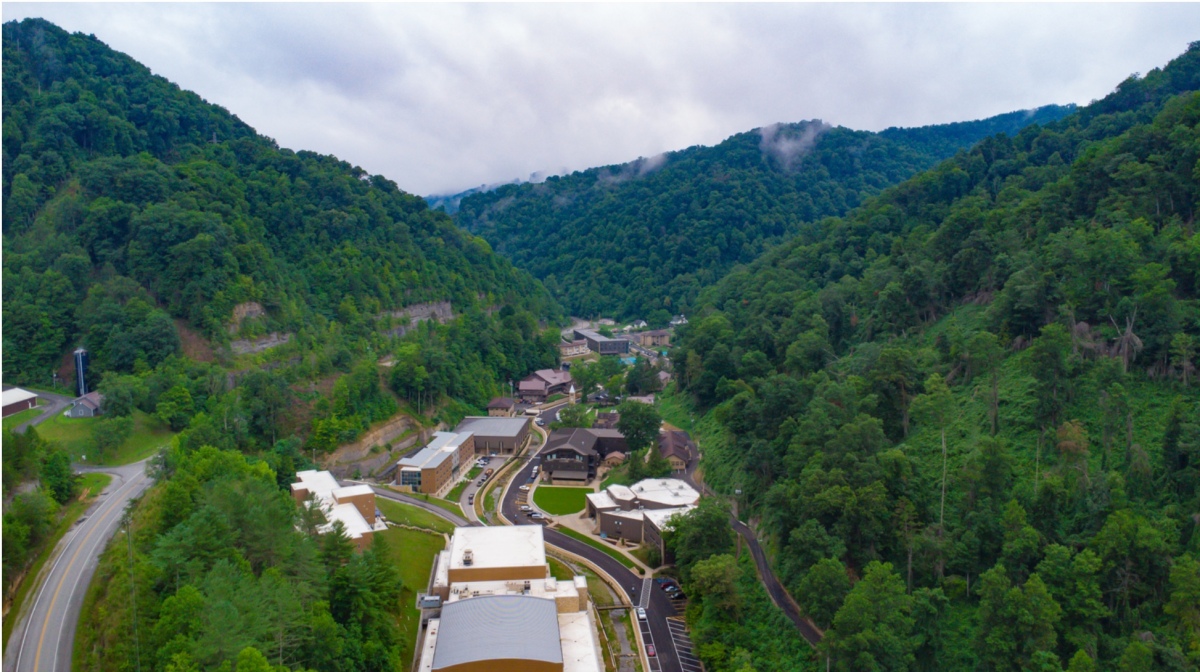
March 24, 2025, by Dean Hoke: Each small college has something special about it. Alice Lloyd College in Pippa Passes, Kentucky, was founded by Alice Spencer Geddes Lloyd and June Buchanan. They established the school in 1923 with minimal funds to provide affordable, quality education for Appalachian students facing economic hardship and limited educational opportunities. Their pioneering vision continues today, empowering students to become leaders dedicated to serving their Appalachian communities. This profile of Alice Lloyd College is the seventh in a series presenting small colleges throughout the United States.
Background
Established in 1923, Alice Lloyd College (ALC) is a private liberal arts college located in Pippa Passes, Kentucky, in the heart of Appalachia. The campus occupies approximately 175 acres in a picturesque mountain valley, offering an idyllic rural setting. Alice Spencer Geddes Lloyd (1876 – 1962) and her co-founder June Buchanan (1887 – 1988) were the co-founders and worked without pay on both education and fundraising for the college.
The school was created to provide post-secondary educational opportunities to serve students from Appalachia; the college remains steadfastly committed to its original mission of providing affordable, quality education, especially to students from Kentucky’s Appalachian region. It became a bachelor’s degree-granting institution in the early 1980s. Alice Lloyd College serves almost exclusively a 108-county Central Appalachian service area. Tuition is guaranteed to full-time students residing in the service area.
Alice Lloyd College remains dependent on the private support of the American free-enterprise system for over half of its revenue sources.
Curricula
Alice Lloyd College offers bachelor’s degrees across numerous academic fields, including Biological Sciences, Education, English, History, Sociology, Business Administration, and Criminal Justice. Education remains a cornerstone of ALC, reflecting its historic mission, with notable concentrations in Elementary Education, Secondary Education, and Special Education.
ALC’s distinctive curriculum model is designed around leadership education and character development, which are integral to the college’s foundational philosophy. Alice Lloyd’s Gatton Winston Scholars Program (formerly The Caney Scholars Program) financially supports ALC graduates seeking advanced degrees. It is the only program of its kind in the nation. Applicants must have high academic standards, be of strong character, and show potential for leadership. The College’s “Caney Scholars” program emphasizes leadership, community service, and personal responsibility, complementing traditional liberal arts education.
Strengths
Tuition Guarantee and Financial Aid: Alice Lloyd College offers free tuition for full-time students residing within its designated service area, making higher education accessible to economically disadvantaged students in Appalachia. This tuition-guarantee policy, funded through endowment revenues and private donations, covers full tuition for eligible students.
Work-Study Program: Uniquely, all full-time students participate in a mandatory work-study program. This program requires them to contribute labor weekly to campus operations, fostering a strong work ethic, practical experience, and reduced operating costs for the institution. Only seven colleges in the US have such a program.
High Graduate Success Rates: Nearly 95% of Alice Lloyd graduates secure employment or acceptance to graduate programs within six months of graduation, demonstrating the effectiveness of the College’s rigorous academic and character development programs.
Leadership and Character Development: A cornerstone of Alice Lloyd College’s educational experience is the emphasis on developing leaders through service learning and character education, which external evaluators consistently recognize as a defining institutional strength.
Weaknesses
Alice Lloyd College’s student retention and six-year graduation rate is below both national and regional averages for private colleges.
Financial Dependency on Donations: Alice Lloyd College operates tuition-free for eligible students from its service region, placing considerable reliance on donations, grants, and endowment income. This dependence can pose financial stability risks if philanthropic trends shift negatively.
Rural Isolation: The College’s isolated location, while picturesque, can deter students seeking urban experiences or greater proximity to metropolitan opportunities, limiting the pool of prospective students to those primarily interested in a rural collegiate experience.
Economic Impact
Alice Lloyd College significantly impacts the economy and social infrastructure of eastern Kentucky. Alice Lloyd College significantly contributes to the local and regional economy, generating $33 million in total economic impact for the Fiscal Year 2021-2022, according to a recent study commissioned by the Association of Independent Kentucky Colleges and Universities. According to Alice Lloyd College President Jim Stepp, “Today, 83% of our alumni live, work, and serve in these mountains and are fulfilling our founders’ vision. Additionally, the college frequently engages in community initiatives, supporting local economic and educational development.
Enrollment
Enrollment at Alice Lloyd College remains stable between 550 and 600, primarily from Appalachia. However, recent years have seen an uptick in applications from outside the immediate region due to increased awareness of its distinctive tuition-free and work-study models. Key points:
The acceptance rate in Fall 2023 is 86%—source: National Center for Education Statistics.
48% of graduates are first-generation, 4-year college graduates.
98% of their students come from the 108-county Appalachia Region.
Graduation and Retention Rates
Source: Alice Lloyd College Student Achievement Report
The graduation and retention rates for private colleges are below both national and regional averages. The National Student Clearinghouse Research Center reports that private nonprofit institutions have an average six-year graduation rate of 68%. In Kentucky, the average six-year graduation rate for private colleges is approximately 52.5%. For freshman-to-sophomore retention, the national average is 75%, and Kentucky is about 79%.
Alice Lloyd College’s graduation and retention rates reflect its explicit mission to serve Appalachian students facing significant socioeconomic, geographic, educational, and cultural barriers. Many students are first-generation, with limited financial resources and weaker academic preparation. The institution’s rural location limits access to employment, internships, and support services common in urban areas. Additionally, strong family obligations in Appalachian culture can disrupt students’ academic progress. The college’s pronounced commitment to educating high-risk students partially accounts for lower retention and graduation rates relative to national and regional averages for private nonprofit colleges.
Degrees Awarded by Major
In 2022- 2023, Alice Lloyd College conferred degrees as follows: 92 seniors graduated. In the Class of 2022, 50% are working (all in Appalachia), 45% are in graduate or professional school, 2% are in the military, and 3% are unemployed 6 months after graduation.
Alumni
Alice Lloyd College boasts an alumni network committed to community service, leadership, and regional development, with graduates frequently occupying influential positions in education, healthcare, business, and public service within Appalachia. According to LinkedIn, which has 1,169 alums registered, of which 704 live in Kentucky.
Notable alumni include:
Carl Perkins ( attended in the early 1930s) House of Representatives 1949 – 1984 Known for his advocacy of higher education, including the Carl D. Perkins Career and Technical Education Act, which focuses on improving career and technical education programs
Dr. Clyde Thornsberry (39) Centers for Disease Control, where he gained a national and international reputation as a scientist and expert in several fields, including microbiology and infectious diseases.
Dr. Warren Grady Stumbo (65) is a Distinguished physician and public servant from Eastern Kentucky.
Preston Spradlin (09) Head Basketball Coach James Madison University
Endowment and Financial Standing
Alice Lloyd College maintains a modest yet healthy endowment, valued around $60 – $70 million. Financial stability remains reliant mainly on consistent fundraising efforts and prudent asset management. Forbes 2023 Financial Health Evaluation gives a GPA of 3.463 out of 4.5 and a grade of A-. This reflects Alice Lloyd College’s fiscal responsibility, with continued positive ratings from financial health assessments.
Why is Alice Lloyd Important?
Strong Regional Commitment: The college addresses Appalachian educational disparities and actively contributes to the region’s long-term economic and social well-being.
Providing Tuition-Free Education: ALC significantly reduces financial barriers for Appalachian students, enabling higher education access for underserved populations.
Community Development: The college nurtures local economic and social growth by educating regional students who return as impactful leaders.
Innovative Work-Study Model: ALC’s mandatory Student Work Program teaches graduates practical workplace skills and instills a strong work ethic.
Alice Lloyd College is a unique school that fulfills its mission to educate mountain people for positions of leadership and service to the Appalachian region. 98% of its students come from the region, and 83% of its alumni return to live, work, and serve in the Appalachian region.
Dean Hoke is Managing Partner of Edu Alliance Group, a higher education consultancy, and a Senior Fellow with the Sagamore Institute. He formerly served as President/CEO of the American Association of University Administrators (AAUA). With decades of experience in higher education leadership, consulting, and institutional strategy, he brings a wealth of knowledge on small colleges’ challenges and opportunities. Dean, along with Kent Barnds, are co-hosts for the podcast series Small College America.
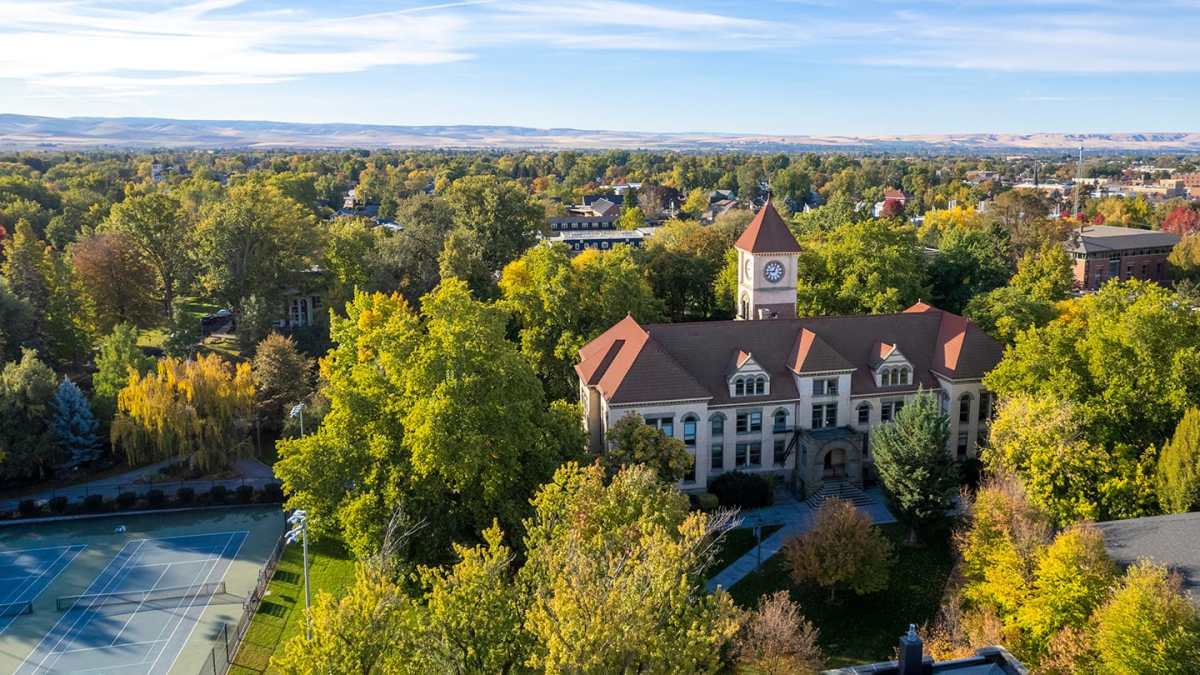
March 17, 2025, by Dean Hoke: This profile of Whitman College is the sixth in a series presenting small colleges throughout the United States.
Background
Founded in 1859, Whitman College is a private liberal arts institution located in Walla Walla, Washington. Its 117-acre campus blends historic architecture with modern facilities, creating an inviting environment for academic pursuits and campus life. Originally established as a seminary, Whitman transitioned to a secular liberal arts institution in the early 1880s and has since garnered recognition for its academic rigor, liberal arts commitment, and tight-knit community.
Whitman prides itself on a student-to-faculty ratio of 9:1, facilitating personalized education. Approximately 1,500 students from across the United States and internationally enroll at Whitman, attracted by its personalized instruction and strong emphasis on experiential learning.
Curricula
Whitman College offers over 45 majors and numerous minors spanning the arts, humanities, sciences, and social sciences. Popular disciplines include Environmental Studies, Political Science, Psychology, Economics, and Biology. The curriculum, deeply rooted in the traditional liberal arts, continues to evolve, notably introducing two new majors in Fall 2023: Brain, Behavior & Cognition (Neuroscience) and Ethics & Society, reflecting increasing student interest in neuroscience and applied ethics.
One hallmark program at Whitman is Semester in the West, a unique field-based study experience where students engage directly with environmental and policy research across the American West. Additionally, Whitman’s Encounters Program forms a cornerstone of the first-year academic experience, promoting critical thinking and interdisciplinary learning.
Graduate outcomes at Whitman are exceptional, with nearly 70% of alumni enrolling in graduate or professional programs within five years of graduation. The six-year graduation rate stands at an impressive 88%, among the highest for liberal arts colleges in the Pacific Northwest.
Strengths
Strong Post-Graduate Outcomes: Over 91% of Whitman graduates secure employment or enroll in graduate programs within six months after graduation, highlighting the institution’s effectiveness in preparing students for professional success.
Experiential Learning: More than 80% of students participate in internships, research, or off-campus programs such as Semester in the West and the Whitman in China teaching fellowship, exemplifying Whitman’s commitment to hands-on learning experiences.
Prestigious Recognition: Whitman students consistently win competitive fellowships and awards, including Fulbright grants, Watson Fellowships, and NSF Fellowships. Since 2000, students have secured more than 600 awards.
Sustainability and Outdoor Leadership: Whitman’s Outdoor Program provides extensive opportunities for students to engage in activities like hiking, kayaking, skiing, and environmental stewardship, reflecting the institution’s emphasis on sustainability and outdoor leadership.
Financial Strength and Support: Despite its modest enrollment, Whitman maintains a substantial endowment nearing $800 million. This financial strength enables the college to offer robust financial aid packages, greatly reducing costs for middle-income families and improving access.
Weaknesses
Geographic Isolation and Limited Visibility: Whitman’s location in Walla Walla presents both advantages and challenges. While the picturesque rural setting fosters a tight-knit community, the distance from major urban centers—roughly four hours from Seattle or Portland—can deter prospective students seeking metropolitan amenities. Consequently, Whitman must invest heavily in marketing and recruitment to attract students beyond the Pacific Northwest.
Dependence on Tuition Revenue: While Whitman is financially stable, its operating model remains heavily reliant on tuition, with endowment payouts currently covering around 40% of operational expenses. This reliance necessitates careful financial management and continued growth in the endowment.
Enrollment and Demographic Trends: Like many liberal arts colleges, Whitman faces a national decline in the traditional college-age population, coupled with increased competition for top-tier students. In response, Whitman has significantly expanded merit-based and need-based financial aid packages, currently averaging a tuition discount rate over 50%. To address demographic challenges, Whitman is actively broadening its applicant pool through partnerships with organizations such as the Posse Foundation and Matriculate.
Economic Impact
Whitman College is a significant economic driver in Walla Walla. It is among the largest employers in the region, accounting collectively for roughly 1,600 jobs in Walla Walla County.
Beyond direct employment, Whitman attracts thousands of students and visitors to the area each year, which boosts the local hospitality and retail sectors. Students spend on housing, groceries, dining, and entertainment in town, and their families visit for events like orientation, Family Weekend, and Commencement, filling hotels and restaurants. The tourism bureau has even created guides for families visiting their “scholars” at Whitman, recognizing the economic benefit of college-related travel.
Whitman also fosters long-term regional economic growth through strategic partnerships. A key example is the Gateway Program, in collaboration with Walla Walla Community College, which encourages community college students—particularly first-generation and low-income students—to pursue four-year degrees at Whitman. These initiatives enhance local educational attainment and create a talent pipeline beneficial to the regional economy. Additionally, Whitman engages actively with the Confederated Tribes of the Umatilla Indian Reservation, supporting educational and cultural initiatives that enrich the local community.
Enrollment Trends As of Fall 2024, Whitman enrollment is 1,561 students. Over the past decade, enrollment has slightly increased despite national declines in liberal arts college applications and the COVID crisis. To counteract demographic shifts, Whitman has expanded financial aid offerings and enhanced recruitment efforts in the Western U.S., international markets, and underrepresented student populations.
Degrees Awarded by Major In the 2023 graduating class, Whitman College conferred degrees across various disciplines.
Alumni
Whitman College boasts a vibrant alumni network comprising over 18,000 graduates worldwide. Alumni connections are notably strong in the Pacific Northwest, California, and Washington, D.C., providing substantial networking opportunities through programs such as “Whitties Helping Whitties.” This network significantly aids in securing internships, job placements, and mentoring opportunities for current students.
Notable Alumni
Adam West (Class of 1951) – Actor best known for portraying Batman in the 1960s television series.
William O. Douglas (Class of 1920) – U.S. Supreme Court Justice, serving from 1939 to 1975.
John W. Stanton (Class of 1977)- Chairman of the Board Trilogy Partners and majority owners of the Seattle Mariners.
Peter Adkison (Class of 1985) – Founder of Wizards of the Coast, publisher of Magic: The Gathering.
Dorothy Marie “Dottie” Metcalf-Lindenburger(Class of 1997) is a retired American astronaut. She was a high school science teacher when she was selected in 2004 as an educator mission specialist.
Holly Brooks (Class 2004) – Winter Olympian in Nordic Skiing
Endowment and Financial Standing
As of 2024, Whitman College’s endowment is valued at nearly $800 million. While this places Whitman on solid financial footing, the college remains largely tuition-dependent. In the 2024–25 budget year, the endowment payout will cover over 40% of Whitman’s operating expenses, which significantly reduces reliance on tuition revenue.
Whitman College Endowment Growth:
Whitman’s financial aid program has expanded in recent years, aiming to increase affordability and access for students from all economic backgrounds. Forbes 2023 Financial Health Evaluation gave Whitman a B+ grade and a financial grade of 3.345 out of 4.5. Whitman enters 2025 in a favorable financial position.
Why is Whitman College Important?
Academic Excellence: Whitman College maintains a challenging liberal arts curriculum that prepares students for a wide range of careers and graduate studies.
High Graduate Success Rates: With 91% of graduates employed or in graduate school within six months, Whitman produces competitive and well-rounded professionals.
Experiential Learning and Outdoor Leadership: Signature programs such as Semester in the West and the Outdoor Program allow students to engage in real-world learning.
Sustainability and Civic Engagement: Whitman plays a key role in environmental advocacy, sustainability, and community service.
With its strong academic reputation, experiential learning opportunities, and commitment to sustainability, Whitman College remains a leading liberal arts institution in the Pacific Northwest.
Dean Hoke is Managing Partner of Edu Alliance Group, a higher education consultancy, and a Senior Fellow with the Sagamore Institute. He formerly served as President/CEO of the American Association of University Administrators (AAUA). With decades of experience in higher education leadership, consulting, and institutional strategy, he brings a wealth of knowledge on small colleges’ challenges and opportunities. Dean, along with Kent Barnds, are co-hosts for the podcast series Small College America.