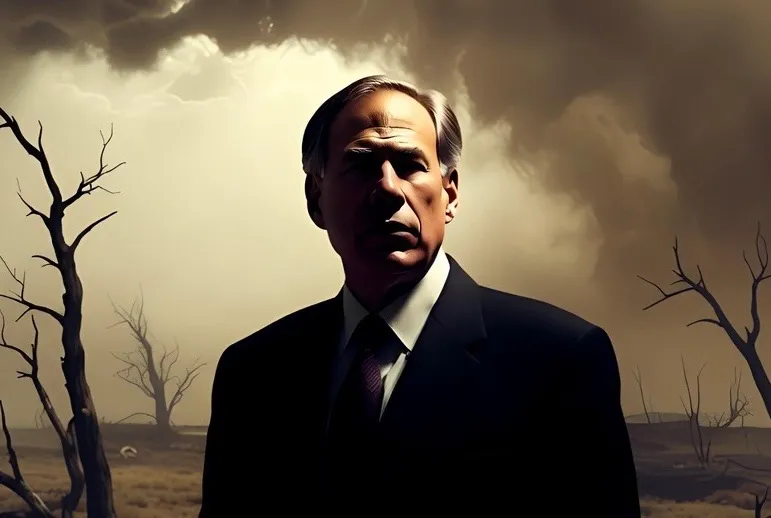
On January 27, Texas Governor Greg Abbott issued a directive freezing all new H-1B visa applications for state agencies, including public universities and colleges. Abbott framed the decision as a “Texans first” policy, arguing that specialized roles should be filled by local citizens rather than foreign workers.
He also ordered state institutions to provide comprehensive data on current H-1B employees, including their countries of origin and visa expiration dates, to investigate potential overstays.
Impact on Higher Education and Economy
Educational leaders and national organizations, such as NAFSA and the President’s Alliance on Higher Education (PAHE), have expressed deep alarm. They argue the freeze will:
Undermine Innovation: Critics note that H-1B holders, while representing a small fraction of faculty (e.g., 4.8% at Texas A&M), contribute outsized value to research and medical centers.
Harm Competitiveness: High federal fees (recently increased to $100,000) already create barriers; further state restrictions may drive global talent to other states or countries.
Damage Student Experience: Educators warn that removing specialized experts diminishes the quality of teaching and research available to students.
Political Context and Rhetoric
The move is seen as a “nationalist pose” aligned with broader Republican immigration strategies. Abbott explicitly linked the H-1B freeze to federal efforts to remove certain non-citizens from the country. Despite H-1B holders being legal residents who undergo rigorous background checks, Abbott’s rhetoric has linked them to the “illegal immigration” crisis, suggesting they may be “criminals” or “overstaying” without providing evidence.
Human and Social Toll
Beyond the economic impact, the directive has created a culture of “belonging uncertainty” on campuses. Faculty members report feeling scapegoated and disrespected, while international and minority students feel increasingly vulnerable. Critics contend the order prioritizes a political agenda over the social contract of academic merit, ultimately weakening the state’s “economic engines.”
This could be disastrous for Texan HE if it holds.