Tag: Brand

  • Stronger Brand, Smarter Website: Collegis Powers Digital Growth for Denison Edge

    Stronger Brand, Smarter Website: Collegis Powers Digital Growth for Denison Edge


    0
    %

    Increase in total users

    How Denison Edge partnered with Collegis to clarify brand identity, launch a content strategy, and rebuild its website to drive user growth.

    Denison Edge, an initiative by Denison University, equips students, graduates, and professionals with in-demand, industry-relevant skills through stackable micro-credentials. To support ambitious enrollment goals and elevate its brand presence, Denison Edge turned to Collegis Education for strategic marketing support and a digital refresh. With a small internal team and big aspirations, Denison Edge sought to better articulate its value proposition and reach more prospective learners through a high-performing, content-rich website.

    The Results: Stronger Presence, Measurable Growth

    Within four months of relaunching the website, Denison Edge experienced marked improvements in site traffic and user engagement:

    • +21% YoY increase in total users
    • +16% YoY growth in sessions and new users
    • 96% increase in Rental Space page traffic
    • 1,284 sessions on new Registration page
    • 310 sessions on new Business Immersion page

    The top-performing pages — including Programs and Homepage — also achieved +16% YoY growth, confirming the success of the site redesign and content strategy.

    Ashley Nicklay

    Sr. Director – Student Lifecycle, Collegis Education

    The Takeaway: Strategy and Storytelling Drive Digital Success

    The Denison Edge case study illustrates the impact of aligning brand clarity, content strategy, and digital design. Through partnership with Collegis, Denison Edge built the foundation for ongoing growth — positioning itself as a leader in flexible, career-focused education.

    Transform Your Digital Presence with Collegis

    Want to grow visibility and enrollment for your programs? Contact Collegis to explore how brand and digital strategy can help you lead with confidence.

    Let’s Start Writing Your Success Story

    See what’s possible when strategy, creativity, and execution come together. Partner with Collegis to turn your challenges into outcomes worth sharing.

    Source link

  • A sportswear brand vs. an Ivy League school: Columbia sues Columbia

    A sportswear brand vs. an Ivy League school: Columbia sues Columbia

    This audio is auto-generated. Please let us know if you have feedback.

    Dive Brief:

    • Columbia Sportswear is suing Columbia University for trademark infringement, unfair competition and breach of contract, according to court documents filed last week.
    • Attorneys for Columbia Sportswear say the university is in breach of a written agreement between the parties over the sale of apparel merchandise. The two groups entered a written agreement in 2023 that the university would not use the “Columbia” name alone.
    • Last year, Columbia University’s webstore offered for sale shirts, sweatshirts and hats that bare the word “Columbia” on its own, which attorneys for Columbia Sportswear say violate the contract and its trademark rights.

    Dive Insight:

    Columbia Sportswear is seeking a jury trial in the complaint against Columbia University. It also asks that the university be prevented from using the trademark name alone on apparel and accessories, along with recalling any such products currently in the university’s possession. The brand also is seeking monetary damages.

    In 2023, the sportswear company said the two groups entered a written agreement whereby the university could use the “Columbia” name, for which the sportswear company has a trademark, if the name was used with one other distinguishing mark associated with the university, such as its shield, crown or lion mascot logo, or words, such as “university,” “Columbia Law,” or its year of founding.

    The lawsuit was filed last week in the U.S. District Court for the District of Oregon. Columbia Sportswear is headquartered in Portland, Oregon. 

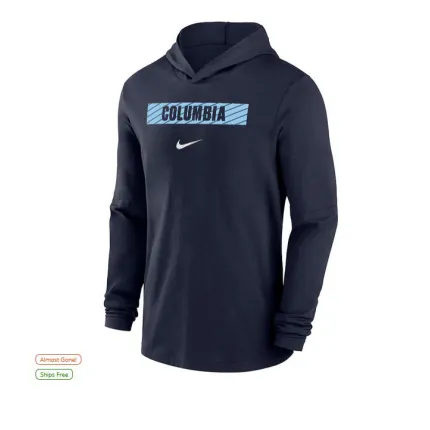
    Some of the Columbia University apparel mentioned in the lawsuit include the Nike and Champion logos, which attorneys for Columbia Sportswear say can create customer confusion and a false association between Columbia Sportswear and its competitors.

    A Columbia University sweatshirt with the Nike emblem.

    An example of Columbia University’s allegedly infringing products.

    Retrieved from Court Filing.


    “Though Columbia Sportswear and Nike are headquartered in the same State and are both highly reputable sporting apparel designers and have a generally friendly relationship, the two companies have never collaborated to jointly design, manufacture, market, or sell any product,” the complaint says. “A consumer looking at the Infringing Merchandise would never know that, and, in fact, would reasonably be induced into believing the companies had.”

    A Columbia University spokesperson declined to comment on the pending litigation.

    It’s likely that this case will be settled out of court, and fairly quickly, said Josh Gerben, trademark attorney and founder of Gerben IP law firm.

    However, “if Columbia Sportswear’s version of the story in the complaint is not entirely accurate, and Columbia University decides to defend the case, things could get interesting,” Gerben said in an email. “This is because Columbia University has been around much longer than Columbia Sportswear. It gives the university some very interesting defenses to the overall claims regarding trademark infringement.”

    Columbia Sportswear is set to announce its second quarter earnings Thursday. In Q1, the company reported a net sales increase of 1% to $778.5 million. At the time of the announcement, the company withdrew its full-year financial outlook due to economic uncertainty related to tariffs.

    Source link

  • The Brand Power of Licensing

    The Brand Power of Licensing

    For many colleges and universities, licensed merchandise has long been a quiet but steady source of revenue and brand visibility. From sweatshirts and baseball caps to water bottles and notebooks, these products not only generate income but also serve as walking billboards that boost school spirit and brand recognition far beyond campus.

    But lately, there’s been a shift. Higher ed marketers should be paying close attention to what’s happening in the licensing space, because the early warning signs of disruption are already here.

    Tariffs and Canceled Orders: A Brewing Storm

    Recent increases and uncertainty regarding tariffs on imported goods are driving up pricing for licensees to manufacture and import collegiate merchandise. With rising material, shipping and import costs, many licensees are reassessing their strategies. Some are choosing to cancel or reduce purchase orders, pulling back on riskier bets or deprioritizing smaller-volume schools in favor of top-tier brands with national visibility. Some are choosing to completely rebuild their supply chains, which involves changing product offerings, factory partners and source nations. Smaller-volume schools necessarily will be cut from some offerings as supply chains are rebuilt.

    For institutions outside the Power Four athletic conferences, that means your branded products may no longer be showing up on some store shelves for a while or may be offered in significantly reduced volume. Even for larger schools, the financial strain on licensees and the changes they need to make could lead to diminished SKU/style offerings, fewer special collections, slower product refreshes and reorders, and less innovation.

    The Impact on Brand Visibility and Affinity

    This isn’t just a revenue issue; it’s a brand issue. Licensed merchandise is one of the few marketing channels that turn fans, alumni and students into ambassadors. Today’s prospective students are tomorrow’s student body and future alumni and lifetime fans. When a fan or parent wears your school’s hoodie to the grocery store or a high school senior sees your logo in a retail window, that visibility reinforces your institution’s cultural presence.

    If fewer products are being made or if those products aren’t showing up in physical and digital storefronts, your brand presence shrinks. That affects more than just sales; it influences how connected your audience feels to your institution and has downstream negative impacts on enrollment, community involvement, donations and athletic support. These supply chain and licensee challenges are coming on the heels of significant COVID-related upheavals and before an anticipated nationwide enrollment cliff related to shrinking high school population.

    Why Marketing Leaders Should Get Involved

    Traditionally, licensing may live under auxiliary services or a separate business office. But as marketing leaders, we should be partnering more closely with licensing teams to ensure we have a full picture of how our brand is performing in the marketplace.

    Here are three steps marketing leaders can take now to mitigate the impact of this changing landscape.

    1. Re-Engage With Your Licensing Team

    Ask for a performance snapshot: How have royalties trended? Are specific categories, like youth apparel, tailgating gear or alumni merchandise, down or up more than others? What are your top-selling or worst-performing licensees and SKUs? Are there any retail partners you could work with to broaden their selection of licensed products?

    1. Evaluate Your Licensee Mix and Sourcing Strategy

    Encourage conversations about domestic sourcing options and alternative manufacturers with domestic production. If one of your primary partners is pulling back due to tariffs, there may be smaller or niche partners who are better equipped to weather the storm and innovate in response.

    1. Activate Your Community Through Storytelling

    If retail sales are contracting, consider how your marketing team can help drive traffic to official online stores or promote domestic-sourced direct-to-consumer efforts. Strategic storytelling such as featuring alumni-owned or local licensees or highlighting sustainable merchandise can align with institutional values while boosting sales.

    A Moment for Brand Resilience

    In higher ed, we often talk about resilience in terms of enrollment, endowment or curriculum. But brand resilience matters, too, and licensing is a key part of that equation. As market conditions tighten, schools that stay actively involved in their licensing strategy will have an advantage—not just financially, but reputationally.

    Now is the time to treat your licensing portfolio not as a passive revenue stream but as an extension of your brand strategy. The marketers who do will be best positioned to navigate the challenges ahead and emerge stronger.

    Jenny Petty is vice president, marketing communications, experience and engagement, and chief marketing and communications officer, and Denise “Goat” Lamb is chief licensing officer at the University of Montana.

    Source link

  • Reputation Is Revenue: Why Brand Equity Matters in Higher Ed

    Reputation Is Revenue: Why Brand Equity Matters in Higher Ed

    If you’re a university leader today, you’re juggling a lot: enrollment challenges, tightening budgets, shifting student expectations, and the rise of non-traditional competitors. Amid all this, one asset might not be getting the attention it deserves — your university’s brand.

    No, not just your logo or tagline. We’re talking about brand equity — the value your institution holds in the minds of students, parents, alumni, faculty, employers, and the public. It’s about reputation, trust, recognition, and connection. And in a competitive market, it matters now more than ever.

    What is brand equity in higher education?

    Think of it this way: Brand equity is what people think and feel when they hear your university’s name. It’s the difference between being someone’s first-choice school versus just another option.

    It shows up in the pride alumni feel when they wear your sweatshirt, the confidence prospective students have when they see your graduates succeed, and the trust employers place in your credentials. It’s shaped by every experience — from the way your website tells your story, to how your faculty engage in the classroom, to the tone of your communications during a crisis.

    It’s what drives alumni to give, students to enroll, and faculty to choose you over other institutions. When a university has strong brand equity, people trust it, recognize it, and feel loyal to it. That kind of reputation can spark a ripple effect of positive influence across an entire institution.

    Understanding the impact of brand equity across an institution

    Brand equity touches every dimension of institutional life, influencing how people experience, perceive, and engage with your university across the student and stakeholder journey. Let’s take a look at its impact in six key areas.

    1. Enrolling new students

    Choosing a college is a huge decision for students and their families. Today’s students are more informed than ever and expect an institution that’s respected, innovative, and committed to their success.

    That’s where your brand can make an impact. If your university has a strong, positive reputation, you’re more likely to make their shortlist. Schools with solid brand equity are seen as high-quality, forward-thinking, and worth the investment, which makes all the difference in a world where competition is fierce and the landscape is changing fast.

    2. Attracting top faculty

    It’s not just students who care about a school’s reputation — faculty and academic leaders do too. A strong, well-respected brand sends a clear message: This place is serious about excellence, values academic freedom, and encourages innovation.

    It’s not just about prestige — top talent also wants to be somewhere that fosters genuine, supportive relationships with students. A respected brand signals a vibrant academic culture where everyone’s invested in each other’s success.

    3. Fostering alumni pride

    When a university has strong brand equity, it’s not just about reputation — it’s about the sense of pride and connection it creates. Alumni who feel proud of their alma mater are more likely to stay involved, whether that means attending events, volunteering, or giving back financially.

    A strong brand also helps foster a lasting sense of community and belonging well beyond graduation. In short, when your brand is trusted and respected, alumni remain engaged — and they’re more likely to support the institution not only with their resources but by recommending it to future students within their networks.

    4. Securing strategic partnerships

    Whether you’re aiming to partner with major companies, secure government grants, or build global collaborations, having a strong brand can be a significant factor. Organizations want to work with universities they respect, trust, and recognize as leaders in their field.

    When your university’s brand is strong and clear, opportunities that are imperative to your institution open up more quickly. Meanwhile, lesser-known schools often struggle to get noticed. Building a strategic and strong brand is your best way to stand out and secure meaningful partnerships that benefit your students and your bottom line.

    5. Staying resilient amid market disruption

    Higher education is under pressure from various directions shifting demographics, financial constraints, and evolving expectations. A strong brand is essential to stay resilient and relevant.

    When controversy, crises, or big changes hit, your brand becomes your safety net. People are far more likely to give you the benefit of the doubt if they already respect and trust you. That reputation can be the difference between weathering the storm and facing long-term damage.

    6. Boosting visibility through rankings

    While rankings aren’t everything, they do influence perception. Many ranking systems factor in peer reputation, which is directly tied to your brand. The same goes for media coverage. The stronger your brand, the more likely you are to be recognized as a thought leader and trusted voice in the field.

    Ready for a Smarter Way Forward?

    Higher ed is hard — but you don’t have to figure it out alone. We can help you transform challenges into opportunities.

    Practical tips for building brand equity that lasts

    University leaders can’t afford to view brand as merely a marketing function— it’s so much more than that. Brand must be seen as a strategic asset embedded in everything from big-picture planning to day-to-day decisions. It’s part of how you attract students, build partnerships, and earn trust.

    So how can you turn brand equity into a competitive advantage for your institution? Here are a few key moves to get started:

    1. Know what you stand for

    Start with a clear sense of who you are and what makes your school unique. What do you want people to feel when they think of your institution? Your brand promise should reflect your values, vision, and personality — and it should feel real, not like something cooked up in a boardroom.

    2. Take time to truly know your audience

    What matters most to your students, parents, alumni, and faculty? What are they proud of, and what do they wish were better? Take time to listen — through surveys, conversations, and social media — and use those insights to shape your strategy and message.

    3. Tell one clear, consistent story

    Your brand shows up everywhere: your website, your campus tours, your social media posts, even how your staff answers the phone. Make sure that story feels authentic, easy to understand, and consistent across every touchpoint. Developing comprehensive brand guidelines, share them widely across the institution, and conduct regular audits to ensure every touchpoint reinforces a unified, memorable experience for all audiences.

    4. Get your people involved

    Your brand isn’t just a logo — it’s how people talk about your institution and the trust they place in it. That means faculty, staff, students, and alumni all have a role to play. Keep them in the loop, give them the tools to share your story, and make them feel like part of the bigger picture. Want to get more people talking about — and proud of — your school? Make it easy for them. Share what’s happening through newsletters and social media and provide your community with tools that help them show off their connection. When faculty, staff, students, and alumni feel informed, celebrated, and included, they’re more likely to stay engaged — and more likely to brag about being part of your institution.

    5. Make sure the experience matches the message

    If you’re promising innovation, inclusivity, or career readiness, you better be delivering that on campus, in the classroom (both online and in person), and beyond. Brand equity grows when expectations match real experiences. That’s why creating a seamless website experience is so important — it directly impacts how much trust students place in your institution and it’s offerings.

    6. Get the word out (strategically)

    Raising awareness isn’t just about marketing louder — it’s about marketing smarter. Use the right mix of channels, from digital ads and social media to speaking opportunities for university leaders. And don’t forget about earned media and storytelling that highlights real student success. Do this by building a strategic content plan that aligns messaging across platforms, targets the right audiences, and consistently showcases the impact your institution makes.

    7. Keep a pulse on your reputation

    What are people actually saying about your school? Check in regularly using surveys, online reviews, social listening, and even informal feedback. This will help you spot issues early and see what’s working.

    8. Be prepared to evolve

    Higher ed is changing fast, so your brand needs to be flexible. Stay grounded in your core values, but be open to shifting your tone, visuals, or messaging as your audience and the world around you change.

    Build a brand with a lasting legacy and immediate impact

    In an age of increasing competition and shifting student expectations, brand equity is no longer a luxury — it’s a leadership priority. With students having endless options, donors getting more selective, and reputations spreading instantly, your brand equity can be a serious competitive edge.

    Investing in a strong, authentic, and trusted brand can lay the foundation for long-term success. The institutions that thrive in the years ahead will be those that treat their brand as a central part of their overall strategy instead of a marketing afterthought.

    Because in higher ed, your brand isn’t what you say it is — it’s what people believe it to be. And that belief? That’s your brand equity.

    Ready to strengthen your institution’s brand equity? Explore how a strategic marketing approach can help you stand out and thrive. Let’s talk!

    Innovation Starts Here

    Higher ed is evolving — don’t get left behind. Explore how Collegis can help your institution thrive.


    Source link

  • Duke Criticizes the Use of Its Brand on “The White Lotus”

    Duke Criticizes the Use of Its Brand on “The White Lotus”

    Duke University is unhappy with The White Lotus, the hit HBO television show, for using its logo repeatedly in its third season—particularly in a scene where one character is on the verge of suicide, holding a gun to his head, all while wearing a Duke T-shirt.

    A spokesperson for institution told Bloomberg and other media outlets this week that Duke hadn’t approved of the use of its logo on the show. “The White Lotus not only uses our brand without permission, but in our view uses it on imagery that is troubling, does not reflect our values or who we are, and simply goes too far,” the spokesperson said.

    A copyright attorney told Bloomberg that the show’s use of the logo is most likely protected by the First Amendment.

    Source link

  • Brand or Bust: How Universities Can Thrive in the Face of Crisis

    Brand or Bust: How Universities Can Thrive in the Face of Crisis

    Today’s weekend reading is by Zeenat Fayaz, Director of Brand & Strategy at The Brand Education, and Brian MacDonald, Chief Creative Officer and a co-founder at Zillion.

    Pandemics, enrolment cliffs, budgets, student mental health, social media disinformation: higher education in crisis, globally, and it sometimes feels like crises are the new normal. This article explores these challenges in three key markets – the US, the UK and Canada – and proposes a change in the way universities think about communications to overcome such hardships.

    The Challenge

    Universities develop institutional strategies for growth and sometimes invest in brand strategies for perception management. However, when crisis communications are not integrated into these strategies, they can become distractions from them. Often when crises arise, neither institutional nor brand strategies are equipped to address them effectively. Nor does addressing them support either strategy.

    With crises seemingly becoming more frequent, this is an unsustainable model – the longer crises continue, the longer the distraction from institutional and brand strategies.

    The Opportunity: From Survive to Thrive

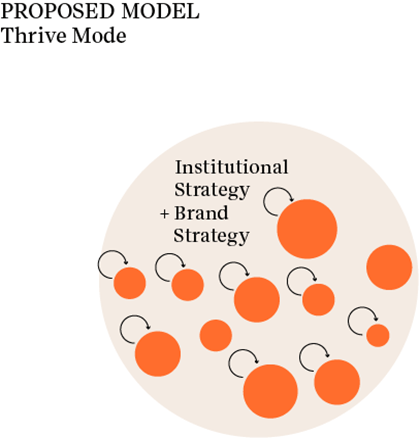
    With crisis management becoming a continual need, universities need a crisis strategy that doesn’t indefinitely distract from institutional and brand initiatives – one that allows universities to address all the audiences of the crisis with messages and media relevant to each. If this sounds like a brand, that’s because it is! We propose a new approach, a “thrive mode,” in which brand strategy elevated to equal status with institutional strategy, and crisis management is integrated into both.

    This approach transforms crises from distractions into opportunities to clarify the institution’s distinctive position and enhance its reputation.

    Survive versus Thrive: A Deeper Look

    Survive mode is a reactive approach to crises, treating each as a unique, temporary problem. It focuses on short-term damage control with transactional communication, often disconnected from overall institutional and brand strategies. Success in this mode is merely the survival of the institution and its brand reputation.

    Thrive mode, conversely, is proactive, viewing crises as opportunities to reinforce institutional and brand strategies. It aims for long-term reputation enhancement through brand-based communication that leverages institutional expertise and core values. Success is defined as emerging from crises with an enhanced reputation and stakeholder understanding, measurable by existing brand performance indicators.

    The change from survive to thrive offers numerous advantages. It allows for pre-crisis planning and offers efficiency by integrating with existing strategies. It allows for quicker, more coherent responses that align with overall brand and institutional messaging using existing brand communication tools. It involves broader stakeholder groups and leverages institutional expertise to provide a more valued response, resulting in trust and enhanced reputation beyond the immediate crisis.

    Case Studies: Putting Thrive Mode Into Action

    Survive mode has been displayed across headlines and news sites around the world since the inception of encampments and campus protests around the world since the advent of the Israel/Gaza conflict. Numerous university presidents provided testimony in front of Congressional hearings that reflected badly on their institutions. And the universities did survive, albeit with varying degrees of damaged brands, dismissed presidents, irate donors and declining applications.

    With thrive mode responses, instead of preparing, as in some cases, to offer legal testimony, consider the many different outcomes that could have been achieved by placing university experts in Middle Eastern studies, philosophy and ethics, comparative religions, history, or many other relevant fields at centre stage. Thrive mode would have prompted a response about higher education’s and individual institutions’ leadership in education on Middle Eastern issues, or how they are preparing students to participate in civil discussion and achieve breakthroughs in understanding. Such discussions would have haloed positively on these institutions by reinforcing their brand values with audiences outside the university, and by clarifying their roles in supporting dialogue, tolerance and understanding.

    Issues around academic freedom have been increasingly roiling universities in the UK, with the Academic Freedom Index (AFI) recording declines in each of the last nine years. The assessments measure interference by politicians, externally appointed management, and activists. Numerous crises have arisen involving scholarly censorship, the mainstreaming of racism and transphobia, and the stifling of academic pursuits that do not demonstrate profitable impact. The universities’ responses focused much negative attention on higher education, as a whole, and individual universities, in particular, in government, news media, and public opinion. And the responses allowed these negative stories to effectively lead the conversation, placing the universities in a reactive position. Survive mode squandered the opportunity to highlight universities’ research successes and student outcomes as well as to demonstrate leadership on important topics.

    Thrive-mode responses could have allowed institutions to talk about important discoveries that would not be possible under recent restrictions on academic freedom. About alumni who have made important contributions to the economy or society who would not qualify for student support today. About the universities’ missions and their historical relationships to government and society. About brand values that the universities rely on to drive their results. These responses would allow the universities to participate in, guide, and lead these conversations, putting their brands in positions to make an impact on important external audiences.

    With ongoing budget crises and newly imposed restrictions on the number of foreign student visas, universities in the UK and Canada are in uncharted territory. It’s not merely threatening many institutions with declines in funding, hard choices, and in some cases closure, but potentially reforming the entire higher education landscape. In a leaderless crisis where nobody knows what it will look like in the end, acting on coordinated institutional, brand, and crisis strategies effectively demonstrates leadership: with students, faculty, staff, alumni, and most importantly with the government. The opportunity is to talk about the budget crisis as a new lens through which to view the institutional strategy. A budget crisis does not change objectives like entering The Russell Group or becoming Canada’s premiere STEM educator. It may change the process of how an institution gets there – the timeline for milestones, the need for partners, the establishment of fundraising goals, etc. And brand strategy lays out ways to discuss how the crisis will affect its implementation with key audiences. This is what thriving looks like in the face of this crisis: opening and leading important conversations with governments, reassuring parents and inspiring students.

    Conclusion

    As Warren Buffett noted, “It takes 20 years to build a reputation and five minutes to ruin it.” In today’s media environment, a brand can be severely damaged in seconds. By integrating crisis management into overall institutional and brand strategies, universities can transform crises from threats into opportunities for growth and reputation enhancement. While crises may be inevitable, this framework offers a path for universities not just to survive, but to thrive in challenging times..

    Zeenat Fayaz is Director of Brand & Strategy at The Brand Education. Zeenat’s experience working with QS and THE gives her unique insight into the way institutions are evaluated and ranked. Today, Zeenat helps top-tier universities understand the power of branding and use this to enhance their global reputations. You can find Zeenat on LinkedIn here.

    And Brian MacDonald is the Chief Creative Officer and a co-founder at Zillion. He has worked on strategic, creative, and branding projects for dozens of universities in the US, Canada, and overseas. His work focuses on how branding can drive institutional revenue, and his work has raised more than $6 billion for his clients. You can find Brian on LinkedIn here.

    Source link

  • 10 Keys to Building an Incredible Brand for Academics LIVE EVENT

    10 Keys to Building an Incredible Brand for Academics LIVE EVENT

    I’m teaming up with Dr. Sheena Howard to bring you a live VIP event for academics. You’re invited!

    EVENT: 10 Keys to Building an Incredible Brand as an Academic

    • Increase your confidence
    • Make 5x your investment
    • Waste far less time because you have an actionable plan
    • 5+ free tools to help you implement what you learn
    • 3+ downloadable PDFs
    • Grow your following by at least 25%

    Date: December 10 or December 11

    Time: 2-4pm Eastern Time

    Where: Virtual (on Zoom)

    Can’t make it live? A replay will be sent to you.

    This event is complete. Thank you for coming!

    A dream team collaboration event

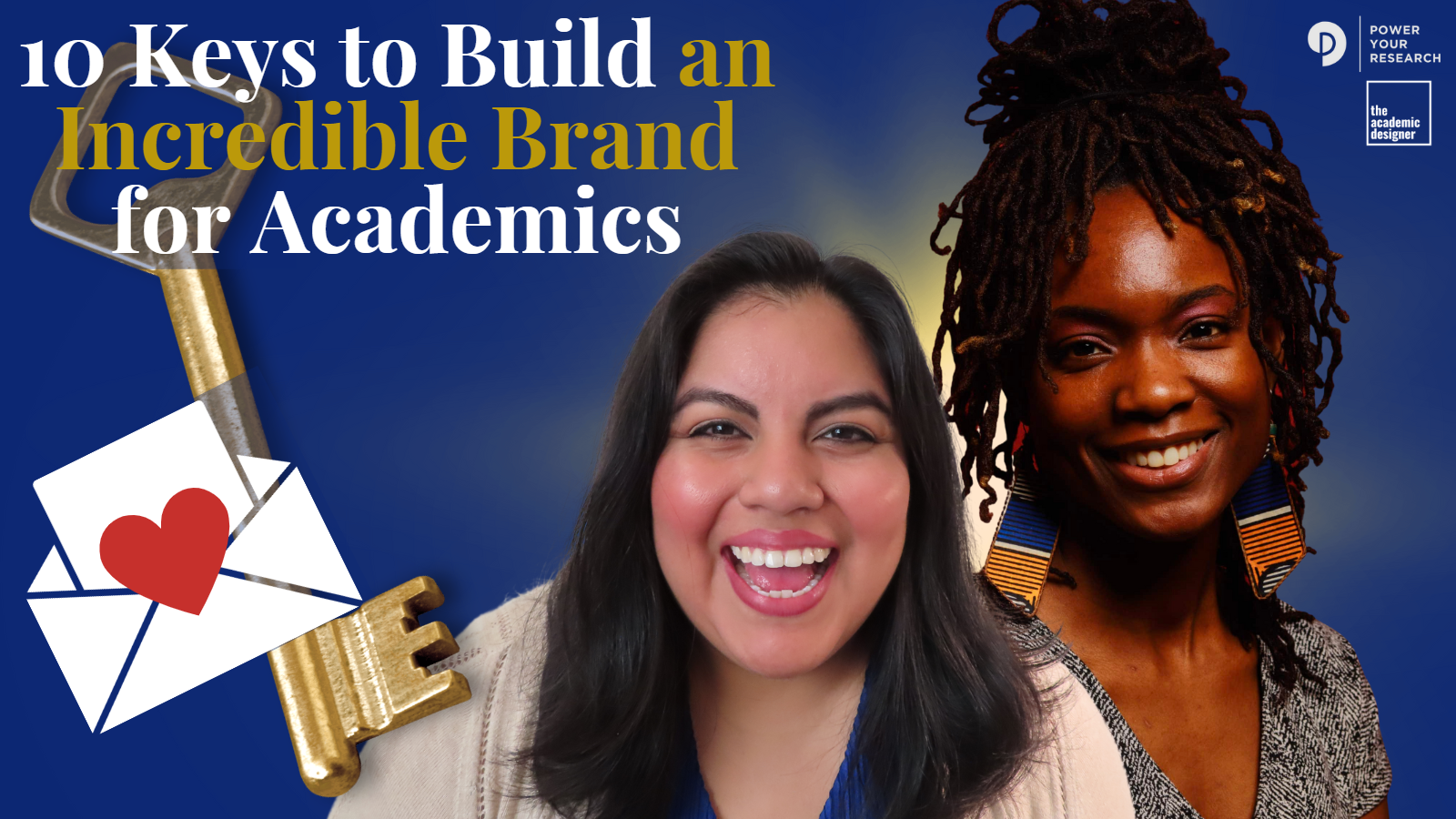
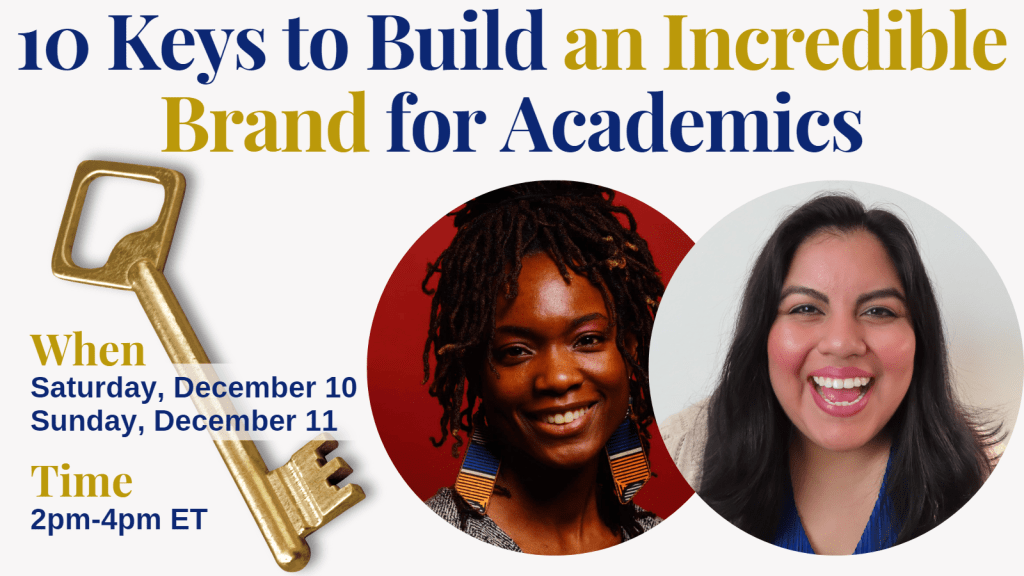
    10 Keys to Build an Incredible Brand for Academics, a graphic with a large key and photos of Dr. Sheena Howard and Jennifer van Alstyne smiling. When: Saturday, December 10 and Sunday, December 11 from 2-4pm Eastern Time.

    I’m Jennifer van Alstyne. When I started building my brand, I wanted to create the academic life that I wanted. Not the life my advisors or mentors wanted for me. My online presence helped me take that step. Now I help professors build an online presence their research deserves. So that they feel more confident, help more people, and build their scholarly community online.

    I’m so excited to team up with the incredible Dr. Sheena Howard. She’s an expert at helping professors get the media attention they deserve. She’s all about building your visibility, authority, and income with Power Your Research.

    This event has ended. It was on December 10 and December 11, 2022.

    We can’t wait to see you at 10 Keys to Building an Incredible Brand for Academics, our live virtual event.

    This event is for all people with an advanced degree (like a master’s or doctorate). This event is for you whether you’re in or out of the academy.

    Topics covered will include but are not limited to

    • Best free resources to get high-level media coverage right away.
    • Getting clarity on what building your brand looks like for you.
    • Building an incredible website that stands out.
    • Social media plan and strategy for the busy academic.
    • Building a 6-figure brand by leveraging your academic credentials, whether you are in or out of academe.

    This event only happens once a year. You don’t want to miss it.

    Get tickets for 10 Keys to Build an Incredible Brand for Academics today. Limited seats are available.

    This event is complete. It was on December 10 and December 11, 2022. Thank you for attending, we were so happy to help inspire you. This event only happens once a year. If you’re interested in attending next year, email me at [email protected]

    Gifts and Holiday Guides and Advice Articles The Social Academic

    Source link