Tag: Campus

  • What do students need? – Campus Review

    What do students need? – Campus Review

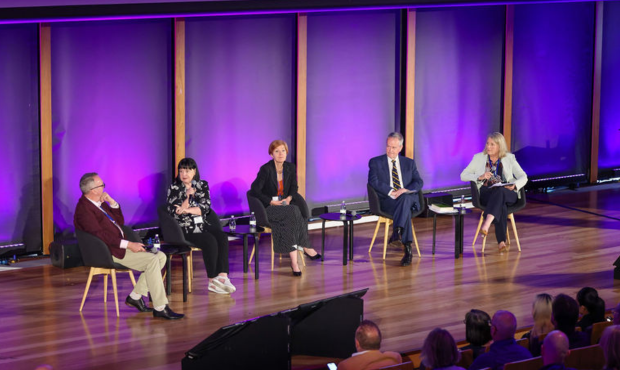
    A panel of university leaders and unionists answered the question ‘What do students need?’ at a recent HEDx event.

    Please login below to view content or subscribe now.

    Membership Login

    Source link

  • What the Universities Accord missed: O’Kane – Campus Review

    What the Universities Accord missed: O’Kane – Campus Review

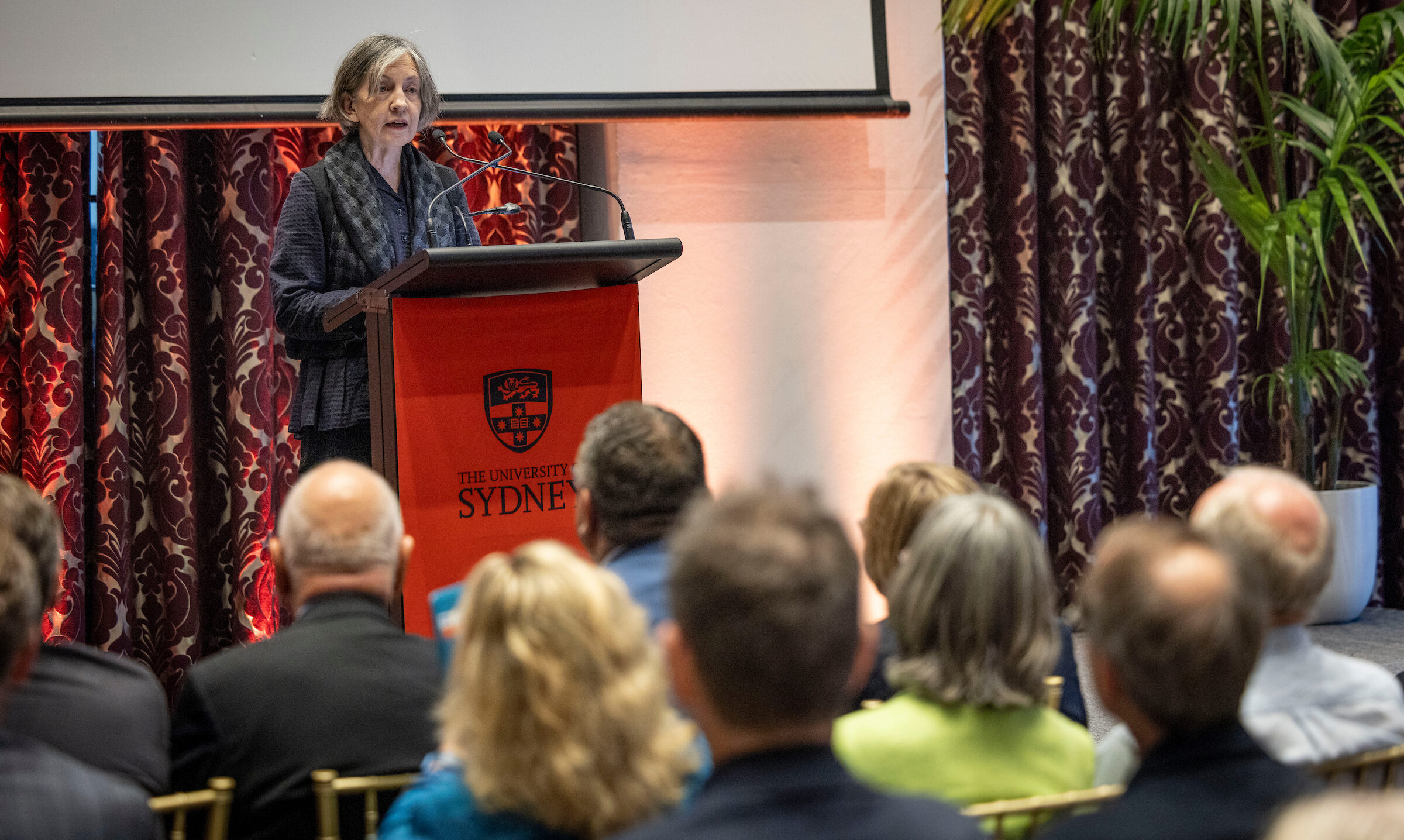
    The lead reviewer of Australias universities Mary O’Kane has outlined what the Universities Accord missed during her address at the University of Sydney 2025 Bradley Oration .

    Please login below to view content or subscribe now.

    Membership Login

    Source link

  • 350 jobs go at CSIRO – Campus Review

    350 jobs go at CSIRO – Campus Review

    Australia’s leading science and research agency will cut hundreds of jobs across the nation as rising costs outpace funding.

    Please login below to view content or subscribe now.

    Membership Login

    Source link

  • Uni boosts gender diversity by 30% in maths – Campus Review

    Uni boosts gender diversity by 30% in maths – Campus Review

    As the artificial intelligence (AI) and quantum computing industries explode, trained STEM professionals are in high demand. Mathematics is foundational to these fields.

    Please login below to view content or subscribe now.

    Membership Login

    Source link

  • Liverpool University’s India campus to open in major Bangalore township

    Liverpool University’s India campus to open in major Bangalore township

    While more details are expected at the University of Liverpool India’s launch event in Bangalore on December 15, the campus in the integrated township — which includes residential, commercial, and institutional facilities — will feature “flexible spaces”, according to the university.

    The campus will have smart classrooms, research and collaborative spaces, specialised labs, and comprehensive co-working hubs for faculty, students, and entrepreneurs, offering a “state-of-the-art, 360-degree learning environment” for its inaugural cohort, set to begin in August 2026.

    “We are looking forward to welcoming our inaugural cohort of talented students in 2026 and providing them with an exceptional learning experience that strengthens their skills and employability,” said Lucy Everest, chief operating officer, University of Liverpool.

    She visited Bangalore and Mumbai this week to meet educators, potential applicants, and alumni as the university plans to grow the campus to 5,000 students in five years and 10,000 in 10.

    “Alembic City is the perfect place to realise this vision and our new campus will provide our students with the very best facilities to support their learning journey with us.”

    By the time we open next summer, we’ll have developed relationships with a wide range of businesses and social enterprises in Bangalore, which will be really important for students
    Tim Jones, University of Liverpool

    The university has also opened admissions for 2026, offering postgraduate programs in accounting and finance and computer science, alongside undergraduate courses in business management, biomedical sciences, computer science, accounting and finance, and a game design program — “which combines the university’s music and computer science departments, something not many other UK campuses are offering in India”, according to vice-chancellor, Tim Jones.

    “What we will ensure is that there’s a ‘Liverpool feel’ to the campus. Students who come to the University of Liverpool, Bangalore, should experience the distinctive elements of Liverpool,” Jones told The PIE News.

    “There will be unique features in the design that I hope students will really appreciate.”

    For Jones — who was part of the 126-member UK delegation to India led by Prime Minister Keir Starmer, which included entrepreneurs, cultural figures and university leaders following the landmark trade deal between the two countries — Bangalore was a natural choice for the new campus for a range of reasons.

    The city, a major IT hub with leading Indian and multinational tech and biotech firms, is familiar ground for the red-brick Russell Group university, which has a long-standing, research partnership with the National Institute of Mental Health and Neurosciences (NIMHANS) and ongoing collaborations with the Indian Institute of Science (IISc) in Bangalore. Both institutions also happen to have two of the world’s oldest and most prominent biochemistry departments.

    Moreover, one of the University of Liverpool’s biggest corporate partners is Unilever, which has an R&D centre in Bangalore, with pharmaceutical companies such as AstraZeneca and IT firms like Wipro also expected to play a role in research, innovation and industry collaboration through the India campus.

    “We did explore other cities, but it was quite easy for us to pick Bangalore because we had already begun building strong relationships in the city and the wider Karnataka region,” stated Jones, who praised the city’s tech-entrepreneurial culture and the opportunities it offers for a university to “engage, collaborate and grow”.

    “By the time we open next summer, we’ll have developed relationships with a wide range of businesses and social enterprises in Bangalore, which will be really important for students. This is a big focus for us this year — we have already started, and we’ll be doing much more.”

    In the lead-up to the campus opening next year, the University of Liverpool will focus on faculty exchanges between the Liverpool and Bangalore campuses, attracting international students, and expanding scholarship opportunities for its India-based cohort, according to Jones.

    But the university — which views global engagement and partnerships as central to its Liverpool 2031 strategy — is not the only UK institution advancing its India campus plans.

    Nine UK universities now have approval to establish campuses in the South Asian country, with the University of Southampton leading the pack, already welcoming around 150 students in the first cohort at its Gurugram campus in August this year.

    In this landscape, the University of Liverpool aims to distinguish itself from other UK institutions by offering distinctive programs and embedding research from “day one”, drawing on lessons from its only other international branch campus — the Xi’an Jiaotong–Liverpool University (XJTLU) in Suzhou, China — as it shapes its approach in India.

    “We have experience from our successful campus in China, which is celebrating its 20th anniversary and has nearly 30,000 students. That experience gives us confidence that we can succeed in India as well,” stated Jones.

    “The funding model was also different 20 years ago. But the exchange of staff and students is embedded in what we do in China. I see the same happening with India as the campus develops.”

    However, despite the China campus’s success, recent reports suggest it may require stronger oversight amid concerns about teaching methods, class sizes, and students’ English proficiency.

    While the rapid push to establish branch campuses in India has also sparked debate about the trend among major UK universities, Jones says he is focused on making Liverpool’s India launch a “big success”.

    “It took us 20 years to go from China to India. There will likely be other ventures in the future, but right now, I’m very focused on making this a big success — for the students, for the university, and for India,” stated Jones.

    Source link

  • Communicate How Your Campus Connects Education to Careers

    Communicate How Your Campus Connects Education to Careers

    Higher ed, government and workforce leaders are discussing employability skills and work-based learning more than they ever have (at least, in my lifetime). So are students. Recent research shines a light on where and how students contemplate the connection between college and careers (particularly the increasingly influential role of social media) and what they expect. Marketers can leverage these consumer insights to influence both product and positioning to develop, implement and communicate work-integrated learning experience to meet student and workforce needs.

    Students Get Career, College and Life Advice From Social Media

    Seventy percent of young adults use social media to learn about careers, and it’s the top tool young adults use for self-discovery, despite a lack of encouragement from most adults and career navigators/counselors. Students talk about workforce skills when they talk to each other online about going to college—about 20 percent of these posts are about skills needed for jobs. They believe transferable skills are valuable to keep their career options open, particularly for those who don’t know what they want to do in their future careers. Specifically, they talk about:

    • Relationship-building skills like networking, persuasive speaking and small group leadership
    • Basic math and writing skills
    • Study skills
    • Interview skills

    Forums are advice-seeking and experience-sharing platforms, and when students talk about needing workforce skills, they receive encouraging advice. Suggestions include using extra courses, academic services and resources to gain employability skills to help them find a job after graduation. Students are also encouraged to develop practical critical thinking and social skills because, in the words of those giving advice, “a degree doesn’t guarantee success.”

    When students think about preparing for a job, they prioritize internships. In an analysis of over 600,000 forum conversations about college admissions Campus Sonar conducted to inform Jeff Selingo’s book Dream School: Finding The College That’s Right for You, internships were the most common form of workforce training discussed. When students make their college decision, they consider whether a campus provides them greater access to internship opportunities. Sometimes students interpret a rural campus as one without internship opportunities (which isn’t exactly true), and students consider if the campus gives them access to a connected network to find future internships and jobs. Another consideration is the value of an institution’s reputation with employers or intern hiring managers.

    However, these conversations revealed that students don’t really know what happens in an internship or how to get one. So they use online forums to seek advice on obtaining an internship, leveraging it, securing a job after graduation and exploring alternative careers outside their major.

    This is a storytelling opportunity for campuses. Specifically, to bridge the gap between current or recent interns and prospective and first-year students. Students who completed internships don’t have the chance to tell the students coming behind them what it’s like or how it helped them. This transition point is an excellent chance to engage recent interns to share their experiences directly with students or prospects to provide motivation and guidance in the peer-to-peer form students want. Using social media—the place where young people are seeking this advice—is crucial.

    Students Need to Understand the Connection Between Curriculum, Skill Building and Careers

    When considering college, students are already thinking about what comes next. Over 10 years of social listening research examining how students talk about college admissions, 62 percent of conversations focused on the postgraduation path. But when the connections between a college’s curriculum, employability skills and careers aren’t clear, students think the burden is on them to build the skills and chart their path.

    This was particularly clear in Campus Sonar’s 2024 Rebuilding Public Trust in Higher Education social intelligence study, which found that 45 percent of peer-to-peer conversations about the value of college included cautionary advice that students may be on their own to make crucial connections between curriculum, skill building and careers.

    Many colleges struggle to communicate these connections effectively. Here are two doing an excellent job.

    • Kettering University in Flint, Mich. For 100 years, Kettering has focused on work-integrated learning with a curriculum that rotates students between the classroom and co-op work placements in 12-week intervals. Ninety-eight percent of their students are employed after graduation, and the ongoing integration of students in the workforce produces valuable student feedback, enabling curriculum shifts to keep up with ever-changing employer needs.

    Kettering is historically focused on STEM, but the university recently launched the School of Foundational Studies, traditionally known as liberal arts. The core curriculum emphasizes a connected, human-centered approach and integrates a STEM focus with early professional development and ethical decision-making, preparing students to navigate complexity with intellectual agility. We know the liberal arts prepares students for the workforce, but Kettering is shifting the narrative and dropping the misunderstood phrase to put relevance and impact like ethical decision-making and intellectual agility front and center.

    • Moravian University is another example. The medium-size, private, religiously affiliated institution created Elevate as part of its undergraduate experience. It’s a career readiness digital badging system to help students clearly see the pathways for developing and demonstrating skills in communication, critical thinking leadership and more. Elevate is part of Moravian’s distinctive and branded undergraduate student experience, which is a four-year pathway to a “successful future and a career you love.” The Elevate experience goes year by year and explains how students scaffold their experiences, learnings and badges and the support they get along the way.

    Career navigation is a prevailing concept in this space right now and is critical in empowering students to truly navigate their own careers rather than expect the university to take them from A to B. Students need to become their own career navigator and be confident upon graduation that they have the navigation skills. Integrated curricula like those I’ve highlighted here achieve that outcome.

    Not all campuses are equipped to develop a work-integrated curriculum independently, meaning the product offered to students may not yet be at the place where it can be positioned in a way that meets the current needs. An ecosystem of partners has developed over the last decade to help and is highlighted at workforce-focused higher ed events such as the Horizons Summit, SXSW EDU and ASU+GSV Summit.

    For example, Riipen connects educators, learners and employers (particularly small businesses) to integrate short-term, paid projects into coursework—including remote work opportunities. Education at Work connects students to résumé-building, paying jobs at top national employers like Intuit and Discover to build durable skills and unlock career pathways within the organization. A strong relationship with your provost or career services office will ensure the marketing team is aware of the “product features” that are evolving on your campus to connect classroom to career.

    Take Action

    • Tell as many individual stories as you can to help students see themselves in your graduates, develop a sense of belonging and trust outcomes achieved by a peer. Tell the types of stories (or empower students/alumni to tell their own) that would be offered as positive anecdotes in social media (e.g., TikTok, Reddit). Recognizing that resources are finite and stories from “someone like me” are nearly always more influential than polished marketing content, social listening bridges the gap to identify and amplify stories students and alumni already share.
    • Include program-level excellence in your brand narrative to more specifically connect curriculum and programming to careers. Support your claims with data (e.g., job placement, salaries, top employers), but don’t rely solely on statistics—always connect the data to stories.
    • Emphasize support structures and peer-to-peer connections such as experiential learning programs, career services opportunities, paid internship support, peer internship mentoring, etc., so students don’t feel like they’re on their own to navigate their career path.

    Source link

  • Volunteer EMTs Provide Medical Response Support on Campus

    Volunteer EMTs Provide Medical Response Support on Campus

    On a normal day on the Florida State University campus, it’s not unusual to see a student drive by in a vehicle equipped with sirens and the name “Medical Response Unit” plastered to the side.

    “I saw everybody driving around in the golf carts and I really wanted to know what was happening,” said neuroscience major Anakha Vargheese.

    The vehicles are part of a student-led emergency medical response unit, connected to the student health center, that trains student volunteers to provide health care and assistance to their peers.

    For the university, the unit provides emergency response support and health education to all students. For volunteers, the experience gives them needed work-based learning and professional development for future careers as medical professionals.

    In action: FSU’s Medical Response Unit includes more than 150 trained student volunteers on staff, including Vargheese, who serves as director of administration for the unit. Volunteers are certified in various roles, including emergency medical technicians and paramedics.

    To be eligible, students must be empathetic and committed to improving campus health and welfare. All volunteers agree to participate for four semesters including training, so students are primarily admitted in their first or second year of college.

    The unit is well-known on campus, and the competition to earn a spot on the crew is fierce. In the most recent application cycle, MRU received 350 applications for 50 positions, said Bryce Couey, a senior biology major who serves as executive director for the MRU.

    At the start of the term, students accepted to the program are assigned to a crew of three or four people, including one trainee who shadows the crew for the semester. Crews serve two-hour-and-fifteen-minute shifts between 7:45 a.m. and 6 p.m. and may be called on to help bandage a sprained ankle, provide transport to the campus health center or address whatever other issues may arise.

    MRU volunteers provide care for campus community members at campus events, including football tailgates and an annual carnival.

    During the academic year, volunteers cover various campus events, including football tailgates, baseball games, student organization events, intramural sports, the homecoming parade and an annual circus event, which is Vargheese’s favorite.

    “One thing coming into the MRU that I really wanted to gain was clinical experience,” Vargheese said. “But another additional thing that I got out of it was the community and the people. So just being able to spend time with your friends and your crew at these really special events, it’s really fun.”

    The unit has an assortment of vehicles to perform emergency responses, including SUVs, electric carts and a mobile first aid trailer, each equipped with emergency lights, sirens and medical equipment.

    The unit also provides educational training sessions and certification for other students, including Stop the Bleed, which provides a national training certificate for bystanders to control a bleeding emergency before professionals arrive.

    In addition, the unit leads two trainings developed in house for FSU students to recognize and respond to emergency situations, said program director Michael Stewart-Meza; one is tailored for students in fraternity and sorority life and another for the general campus population.

    The impact: The unit is one way FSU hopes to destigmatize receiving help among the campus community.

    “Before and after their shifts, [volunteers] are roaming around campus and attending class in their MRU uniforms,” Stewart-Meza said. “It develops a comfortability that other students will have with them. They’re their classmates, they’re their friends and they’re in the sororities and fraternities with them.”

    Both Couey and Vargheese initially joined MRU to gain clinical experience for their premed education, but the experience has also taught them personal and professional skills, as well as helped them create a sense of connection on campus.

    “It has made me a better person,” Couey said. “I was very introverted when I joined the unit, and I feel as if the people in the unit and the unit itself have gotten me out of my shell and allowed me to grow into the best version of myself.”

    “Being out there in the field and treating patients, caring for them in whatever way that we can, it’s really affirming and rewarding,” said Vargheese. “Without MRU here at college, I don’t know what I’d be doing. I really found my place.”

    Source link

  • Students face dropout risk in Trump cuts – Campus Review

    Students face dropout risk in Trump cuts – Campus Review

    Work study works, doesn’t it?

    Please login below to view content or subscribe now.

    Membership Login

    Source link

  • Tutorials must persevere at unis: Opinion – Campus Review

    Tutorials must persevere at unis: Opinion – Campus Review

    Monash University has announced it will replace tutorials for senior law students with seminars that encourage “active learning activities” but have significantly larger class sizes.

    Please login below to view content or subscribe now.

    Membership Login

    Source link

  • Helen Bartlett and Chris Husbands – Campus Review

    Helen Bartlett and Chris Husbands – Campus Review

    Podcasts

    Please login below to view content or subscribe now.

    Membership Login

    Source link