Former opposition education spokeswoman and senior Liberal party member Sarah Henderson has been replaced by Tasmanian senator Jonathon Duniam.
Please login below to view content or subscribe now.
Membership Login

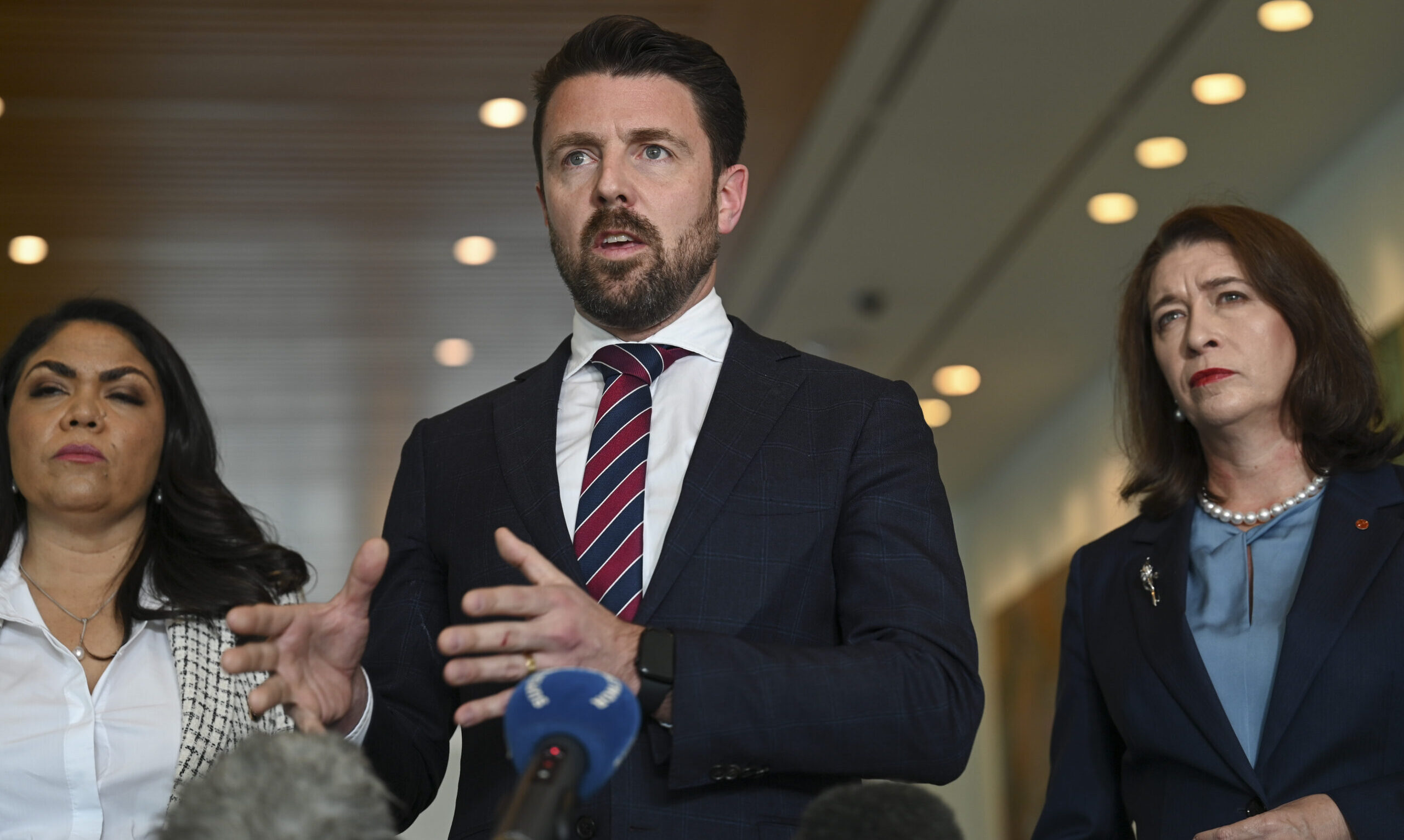
Former opposition education spokeswoman and senior Liberal party member Sarah Henderson has been replaced by Tasmanian senator Jonathon Duniam.
Please login below to view content or subscribe now.
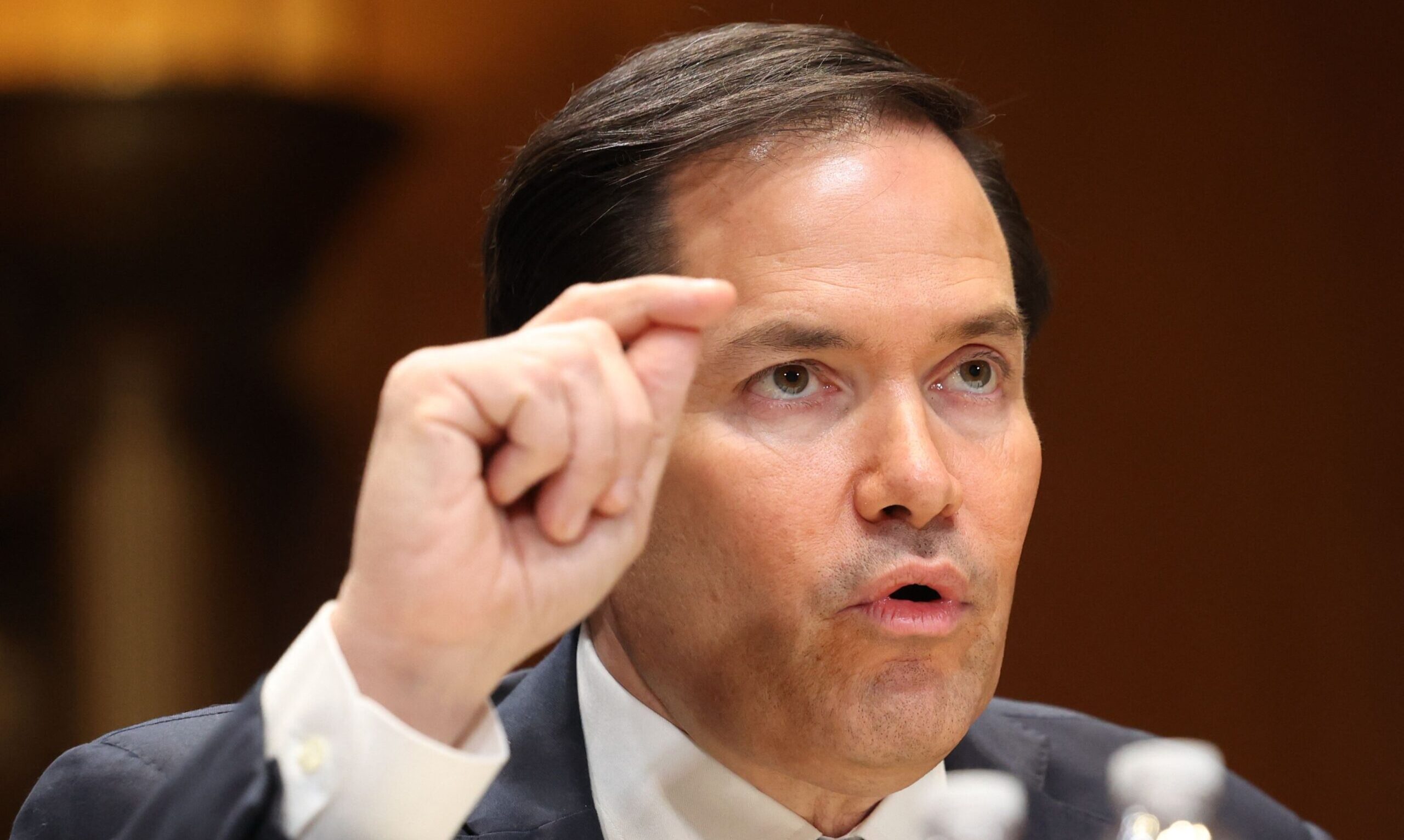
The future of Australians studying at American universities is in limbo after the Trump administration ordered a pause on new student visa approvals and is actively cancelling Chinese student visas.
Please login below to view content or subscribe now.
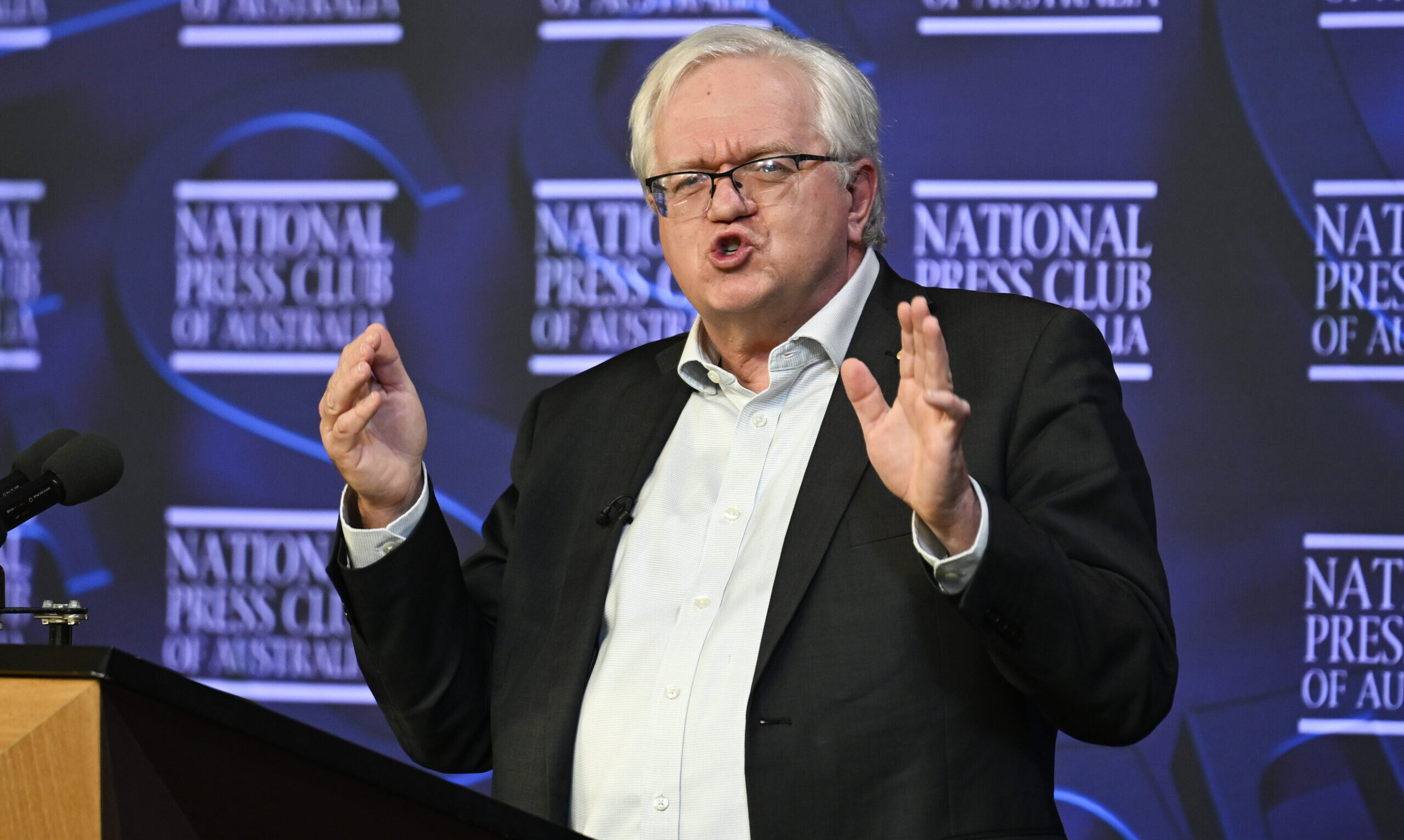
The former vice-chancellor of the Australian National University said he acted on every single instance of bullying, harassment, sexism and racism he knew about in the university’s medical college, but didn’t go far enough.
Please login below to view content or subscribe now.

It’s more important than ever to focus on student experience. The Albanese Government’s recent re-election has given higher education institutions a clearer idea of what’s ahead.
With the Australian Tertiary Education Commission set to begin operations on 1 July 2025, we can expect further action on the recommendations laid out in the Australian Universities Accord.
At the same time, the shifting geopolitical landscape presents Australia with an opportunity to become an even more attractive destination for international students. Ongoing debates around enrolment caps could influence this, but the potential is there.
Meanwhile, the rise of artificial intelligence (AI) has once again raised the bar for digital expectations. Students now expect their university experience to match the ease and responsiveness of tech giants like Amazon or Meta.
Together, these forces are putting pressure on universities to rise to the occasion and deliver better educational experiences.
The Universities Accord is changing the landscape
The Australian Universities Accord, released in 2024, outlines a vision for a more educated workforce with more accessible and flexible learning pathways. A key goal is for 80 per cent of the workforce to hold a tertiary qualification by 2050, up from around 60 per cent today.
The Accord also calls for doubling the number of placements, reducing inequality in access to higher education, and addressing growing skill shortages. It encourages more regional hubs and deeper integration between VET and university providers.
To achieve this, universities will need to create more flexible, hybrid learning environments that accommodate students from all walks of life. Whether a student is studying remotely or regionally, they’ll expect full access to resources, a sense of community, and seamless transitions across providers.
This is where digital experience becomes critical. If university and VET learning are to be integrated, will students navigate one central dashboard or juggle 10 separate platforms?
Improving the student experience is essential to achieving the Accord’s vision. Without a seamless, supportive and accessible student journey, the ambitious goals of expanding participation, reducing inequality and building a highly skilled workforce simply won’t be met.
Delivering on the Accord’s goals will mean strengthening digital infrastructure and taking a holistic view of how students interact with services, from enquiry and enrolment to study and graduation.
Student experience can be Australia’s global edge
Student experience is also a powerful competitive advantage. International education is one of Australia’s largest exports. Recent discussions around student caps have created uncertainty, but a stable government may help clear the path.
With rising tensions in countries like the US, Australia is well-positioned to attract more students, as long as it can compete. And student experience is a key part of that value proposition.
From easy access to support services to the ability access resources from anywhere in the world, the small things make a big difference. Admin should be smooth. Communication should be seamless. The better the student experience, the higher Australia’s competitive advantage becomes.
AI has changed the rules of engagement
The pandemic fast-tracked digital adoption across universities and the AI boom is driving another major shift. Students are now interacting daily with AI-powered tools that offer personalised, intelligent, and immediate support. They’ll expect the same from their institution. Think AI chatbots for self-service, automated timetables, study recommendations, and more intuitive platforms.
The question for institutions is what their student experience actually looks like right now, and how quickly they can evolve it. Keeping up with the modern market demands continuous adaptation.
This is a critical moment to evaluate the entire student journey and make intentional improvements. Institutions have a choice: steer the ship with purpose or risk being swept off course by rapid change. A strong, student-centred experience is the compass that will keep them on track.
Turning complexity into connection: where to focus next
From admissions to graduation, there are countless ways to improve the student journey. But right now, many institutions are held back by legacy systems, under-resourcing, and tighter budgets.
A bigger and more immediate challenge is the number of disconnected systems in use. When platforms don’t talk to each other, students feel the impact. You can have the best AI chatbot in the world, but if it’s buried across five different logins, the value is lost.
The good news is, these problems aren’t new and there are technologies designed to solve them. Digital experience platforms (DXPs) act as a bridge between systems, bringing them together into one simple, seamless interface. Whether it’s a student portal, public-facing website, or alumni platform, DXPs let institutions improve the student-facing experience without having to rebuild their entire backend systems.
That means you can start by improving how students interact with your institution – such as by creating a modern student portal that centralises resources and streamlines communication, then updating older systems over time.
Once the right digital foundations are in place, you can unlock the power of your data, using insights to deliver personalised, real-time communication that meets students where they are.
Right now, there’s a real opportunity for institutions to lead. The policy environment is shifting, AI is changing expectations, and students are demanding more flexible and human experiences. Institutions that can simplify the complexity and focus on what matters to students won’t just keep up, they’ll set the standard.
Liferay’s education portal solutions are designed to meet the unique needs of your institution, from online student portals to alumni networks and research collaboration platforms. Download our exclusive e-book, which explores how three Australian institutions leveraged Digital Experience Platforms (DXPs) here.
Do you have an idea for a story?
Email [email protected]

Last spring, as pro-Palestinian demonstrators set up encampments from coast to coast, a small number of college presidents struck agreements with students to get them to pack up their tents.
But a year after those protests ended, have the presidents lived up to their promises?
While the agreements varied widely by campus, the answer appears to mostly be yes, though many initiatives are still in progress.
Divestment from Israel or companies with ties to the Israeli government or military was the most common demand student protesters made, and while some presidents agreed to hold votes on the issue, they made no promises about how such decisions would go. In the vast majority of cases, universities outright rejected divestment demands; on rare campuses where administrators agreed to divest, the actions were largely contained, focused mostly on defense contractors.
Beyond divestment votes, colleges also struck agreements on multiple other points, including scholarships for displaced Palestinian students and increased support for Muslim students. Here’s a look at where such promises stand a year after the encampment protests ended.
Few protest deals made more headlines than the one at Northwestern University, where President Michael Schill signed on to the Dearing Meadow agreement, as it came to be known, in late April of last year. Schill agreed to various concessions in exchange for protesters concluding the encampment. Those promises included support for Palestinian students and visiting Palestinian faculty, more space for Muslim student groups, and greater transparency in how the university invests its $14.3 billion endowment.
In signing the agreement, Schill caught the attention of Congress, which summoned him for a hearing last May alongside the leaders of Rutgers University and the University of California, Los Angeles. Schill defended the agreement, pushing back on GOP scrutiny.
The Daily Northwestern, the university’s student newspaper, confirmed that Schill has followed through on various initiativess; the university is currently supporting at least one Palestinian scholar and providing temporary space for Muslim students and the Middle Eastern and North African Student Association. (Renovation for a permanent space is ongoing.) The newspaper also confirmed that Northwestern added support for Jewish and Muslim students through the office of Religious and Spiritual Life, which funds weekly Shabbat dinners. But Northwestern officials have been reticent to discuss such efforts, ignoring requests for comment from the student newspaper and Inside Higher Ed.
(Multiple student activists also did not respond to requests for comment from Inside Higher Ed.)
Despite promising more transparency on its endowment, Northwestern does not appear to be living up to that part of the deal. According to the agreement, Northwestern “will answer questions from any internal stakeholder about specific holdings, held currently or within the last quarter, to the best of its knowledge and to the extent legally possible.” Officials promised to respond to such inquiries within 30 days or, if unable to do so, to “provide a reason and a realistic timeline.”
However, The Daily Northwestern reported last month that it sent officials questions about endowment holdings in February and did not receive a response within 30 days. The student newspaper noted that Northwestern did not provide a reason for the delay or a timeline for a response. A student reporter told Inside Higher Ed that the newspaper followed up on March 30 and the university then referred the questions to the Advisory Committee on Investment Responsibility.
The Daily Northwestern is still awaiting answers.
Rutgers also struck a deal with encampment protesters last spring. As at Northwestern, that agreement landed then-president Jonathan Holloway in front of Congress mere weeks later.
Rutgers leaders agreed to eight of the students’ 10 demands; while they rejected calls to divest from Israel and terminate a partnership with Tel Aviv University, they agreed to accept 10 displaced Gazan students, establish Arab cultural centers at each Rutgers campus, seek a partnership with Birzeit University in the West Bank, hire faculty members who specialize in Palestinian and Middle East studies, and release a statement calling for a ceasefire, among other concessions.
Rutgers officials said all of the agreed-upon initiatives are currently in progress.
“Work continues to advance a series of actions we believe will strengthen and build upon positive change across our community,” spokesperson Megan Schumann told Inside Higher Ed. “These efforts are grounded in the university’s values of free expression, inclusion, and mutual respect—and in the fundamental right of all members of our community to learn, teach, and carry out the university’s essential work in a safe and supportive environment.
At the University of Oregon, the administration’s agreement with protesters included a statement calling for a ceasefire and condemning genocide, the addition of visiting scholars with expertise in Palestine and Israel, support for academics displaced by the war, new faculty hires with related expertise, new cultural spaces, and more.
Officials said they have lived up to their end of the agreement, though some initiatives are still underway. They noted that the university has already awarded its first International Crisis Response Scholarship, which was established by the agreement to support students affected by the conflict, and the recipient has begun studies at UO. The university has also funded two speaking events as part of its Special Initiative on Constructively Engaging the Conflict and the Pursuit of Peace in Palestine/Israel. Another five proposals for speaking events have already been approved, according to officials. Past and upcoming events have focused on topics such as Palestine and the future of U.S. campus activism and Palestinian identity.
Other efforts, such as faculty recruiting, are ongoing, with several academic units submitting hiring-plan proposals that are undergoing a standard review process. Plans to forge partnerships with Birzeit University in the West Bank and several universities in Israel are also underway.
The public institution in Washington agreed to various concessions in a deal with protesters. Officials launched four committees to work on different issues, including “divestment from companies that profit from gross human rights violations and/or the occupation of Palestinian territories,” according to language in the signed protest agreement. Another task force will develop policies to determine whether the college should accept or reject grants that “facilitate illegal occupations abroad, limit free speech, or support oppression of minorities.” The other two task forces are slated to review policing at Evergreen State and to develop a new “non–law enforcement” model for crisis responses.
President John Carmichael also kept his promise to protesters by making a statement on the bloodshed in Gaza last May, in which he called for a ceasefire, the release of hostages and the restoration of international law, which he wrote “requires that the International Court of Justice fairly adjudicate charges of genocide.” He also urged the university community to be “on guard against Islamophobia and antisemitism as we engage with each other in this moment.”
Those efforts are ongoing; the agreement provided a timeline for the task forces to complete their work, with deadlines to adopt their recommendations ranging from spring 2026 to 2030.
When Sacramento State struck an agreement with pro-Palestinian protesters last May, students framed the move as divestment in a social media post. But a more accurate reading would be that the university determined it did not have direct investments in companies profiting off the war effort and declared that it would not pursue such holdings. The university also established a “de minimis policy for indirect investments that prioritizes socially responsible investments,” a spokesperson wrote to Inside Higher Ed.
Sacramento State president Luke Wood said at the time, “The finance committee of our University Foundation has been so committed to socially responsible investments that we have no direct investments in any of the companies about which many of our students have concerns.” He also announced a policy to formalize socially responsible investment practices, in order to “avoid funding students’ education based on companies that profit from war and desolation,” the spokesperson said.
University leaders announced multiple other actions at the same time, which Wood said grew out of listening sessions with over 1,500 students, faculty, staff and alumni that began when he arrived the previous year. Those changes include introducing more halal and kosher food options on campus, new cultural centers and training on Islamophobia and antisemitism, as well as university task forces to address both Islamophobia and antisemitism. Other efforts include the development of recruitment plans to attract Palestinian and Jewish students to the university.
(This section has been updated to incorporate the university’s response.)
Sonoma State University may offer the most visible case of promises made and broken.
Last spring, then-president Mike Lee agreed to demands from protesters that included reviewing contracts to consider divestment opportunities, introducing a Palestinian studies curriculum and adding Students for Justice in Palestine members to a Sonoma State advisory council. Most controversially, he agreed to what was effectively an academic boycott, promising not to “pursue or engage in any study abroad programs, faculty exchanges, or other formal collaborations that are sponsored by, or represent, the Israeli state academic and research institutions.”
However, the agreement was not approved by his bosses in the California State University system, prompting officials to walk the deal back and Lee to retire suddenly. A new deal put forward by an acting president who replaced Lee scrapped much of the prior agreement.
A campus spokesperson noted that despite the changes to the initial agreement, SSU Foundation officials met with students to discuss investment holdings and launched other actions, including a three-part lecture series providing “differing viewpoints on the situation in Gaza and differing religious perspectives,” as well as new groups to support Jewish life.
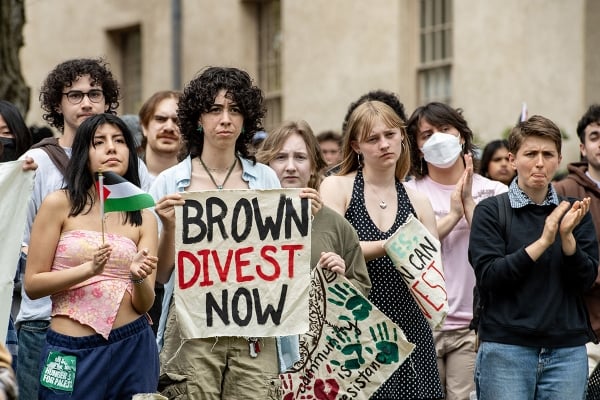
Protesters at Brown University demand divestment, April 29, 2024.
Joseph Prezioso/AFP/Getty Images
Multiple universities agreed to hold votes on some form of divestment in response to protesters, including Brown University, the University of Minnesota, the New School and others.
Governing boards, however, have largely rejected divestment except in a few cases.
The University of San Francisco announced several weeks ago that it would divest from four U.S. companies with ties to the Israeli military: Palantir, L3Harris, GE Aerospace and RTX Corporation. The university plans to sell off direct investments in those companies by June 1.
Nearby San Francisco State University has also adopted a form of divestment; in December, the public university’s governing board voted to add new investment screening policies. Now SFSU will no longer invest in companies that make 5 percent or more of their revenues from weapons manufacturing. SFSU also adopted more transparency around endowment holdings.

A future monarch of Norway, Princess Ingrid Alexandra, will relocate to Sydney in August to study at the University of Sydney.
Please login below to view content or subscribe now.

Most universities dream of a future that embraces digital assessment and exams, but the journey to get there is complex and not universally supported.
Please login below to view content or subscribe now.
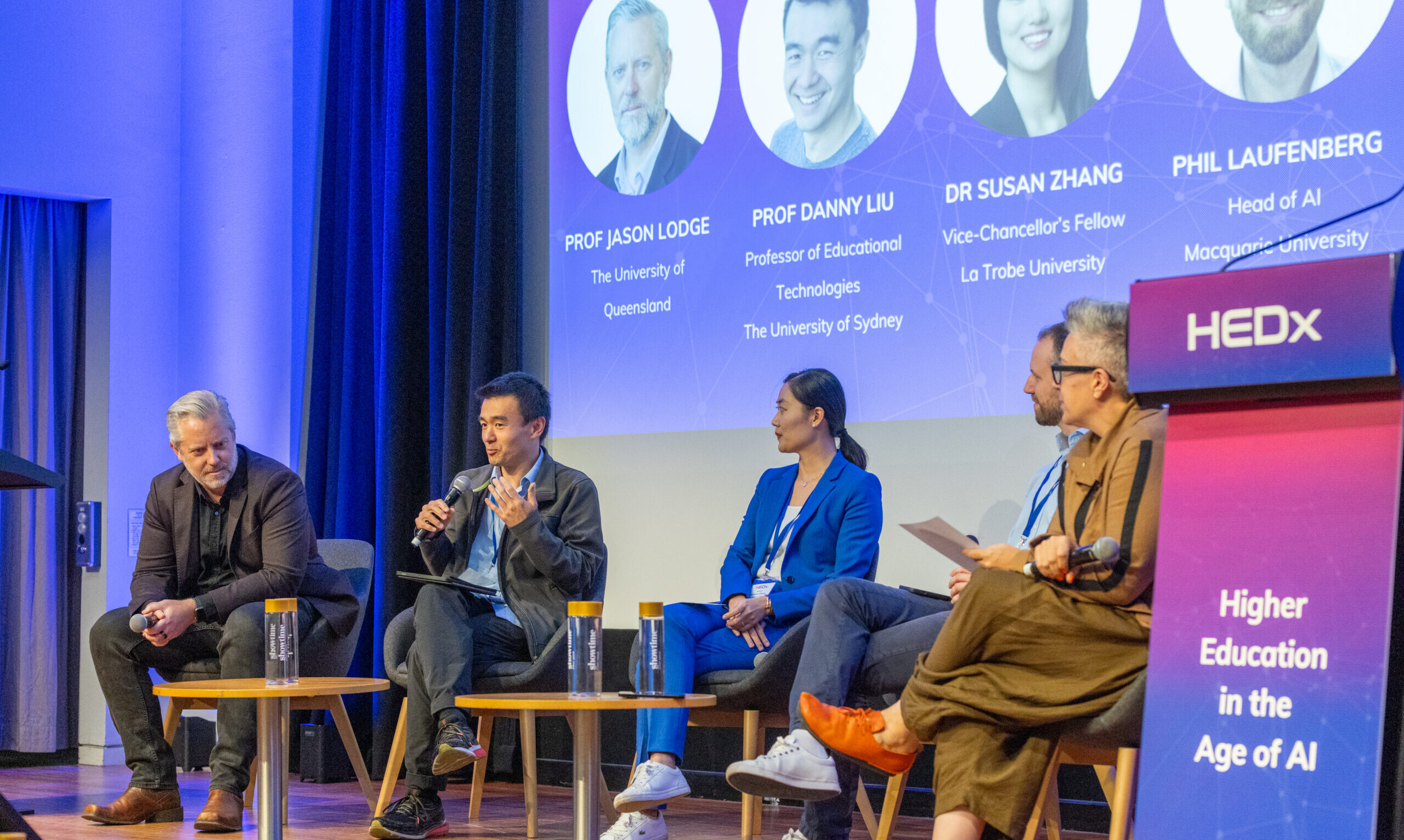
Danny Liu from the University of Sydney posited that artificial intelligence compelled us to re-evaluate not just the methodology, but the very purpose of our teaching practices.
Please login below to view content or subscribe now.
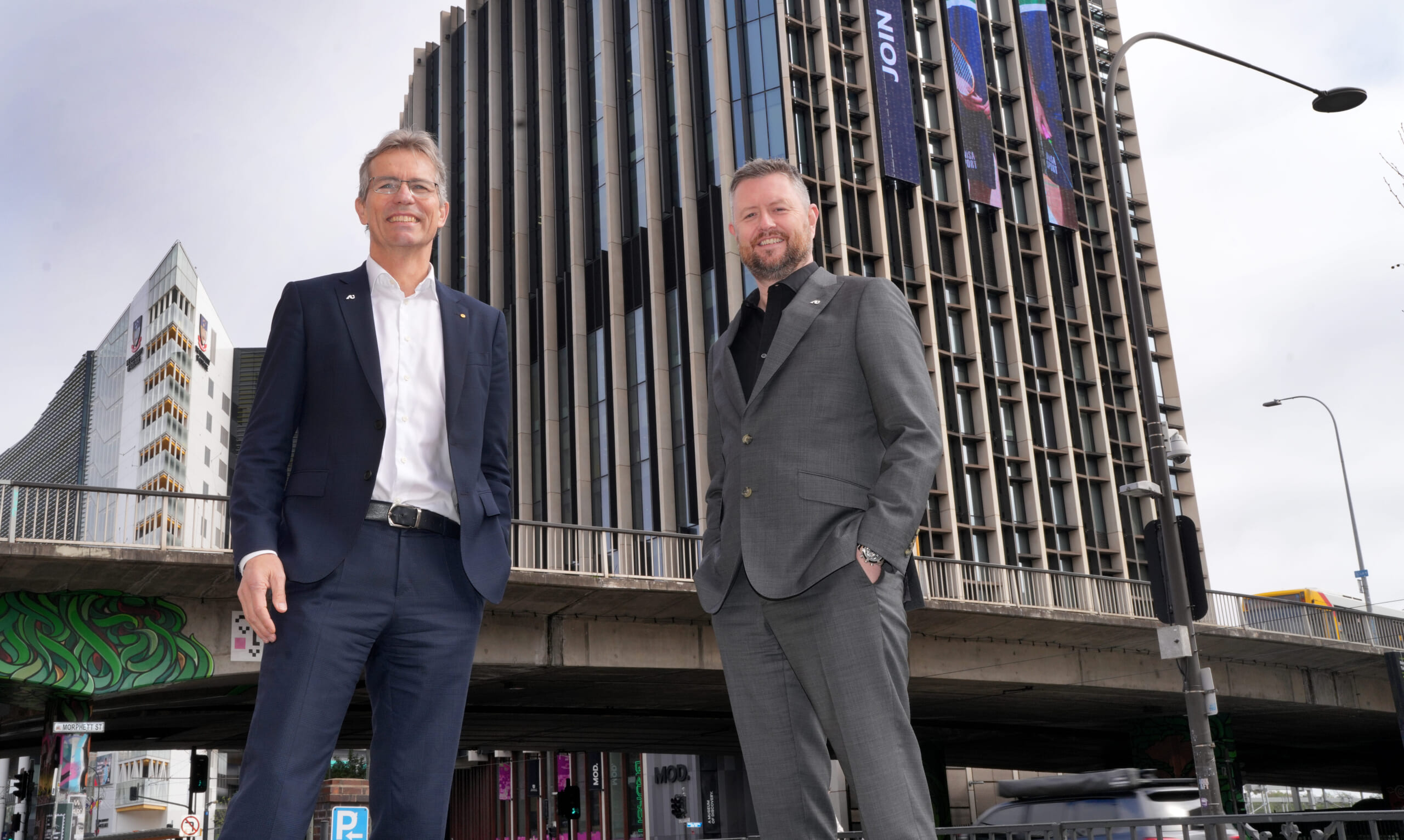
The new leaders of the merged Adelaide University are adamant the new institution will not be just a version of its parts, but an entirely unique place in curriculum and culture.
Please login below to view content or subscribe now.
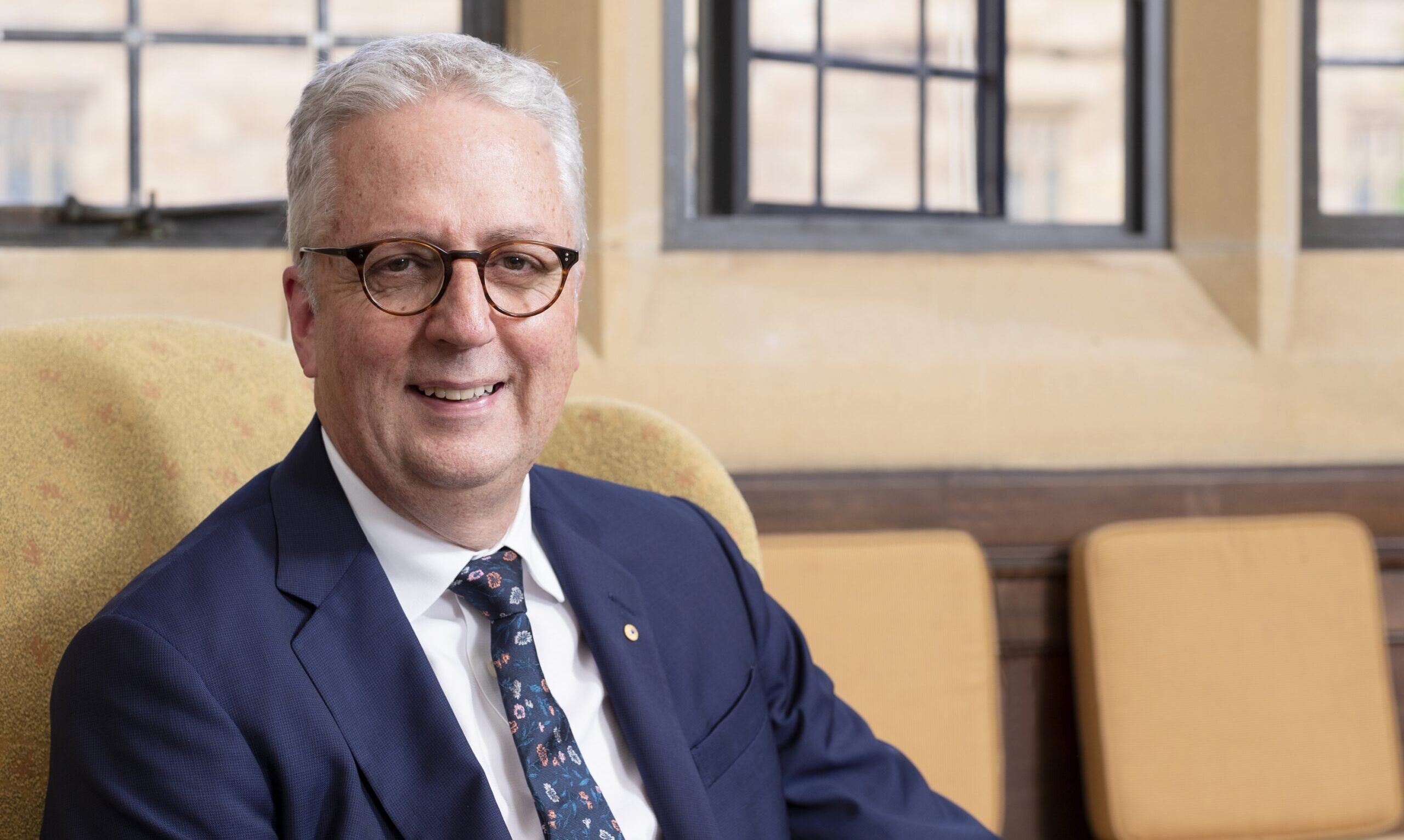
Student teacher enrolments are bouncing back nationally after they dipped during the Covid-19 pandemic, fuelling positivity that the pipeline of graduates can ease the profession’s workforce shortage.
Please login below to view content or subscribe now.