The higher education sector is craving stability and investment after the policy changes, regulation warnings and instability of Labor’s last term.
Please login below to view content or subscribe now.
Membership Login

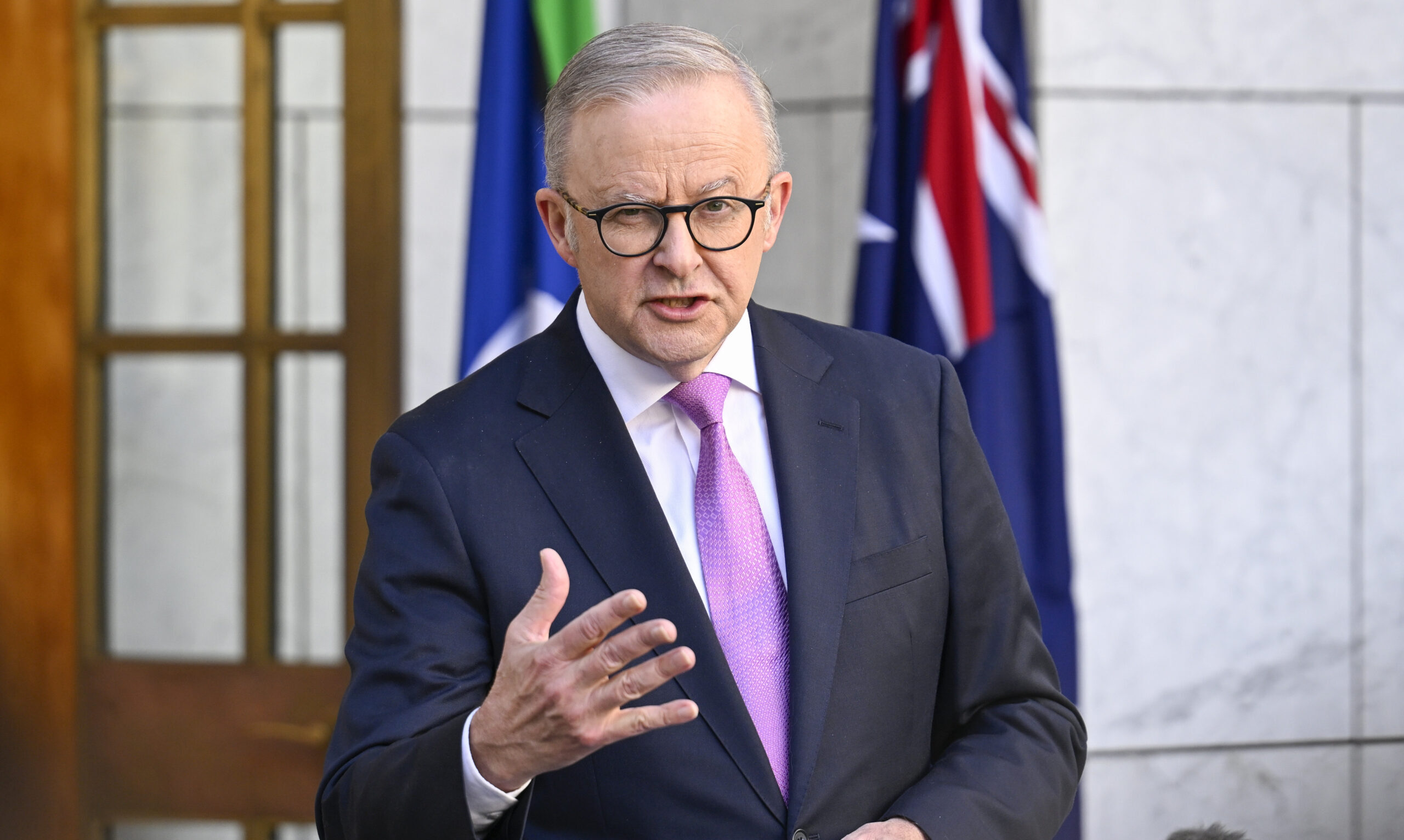
The higher education sector is craving stability and investment after the policy changes, regulation warnings and instability of Labor’s last term.
Please login below to view content or subscribe now.
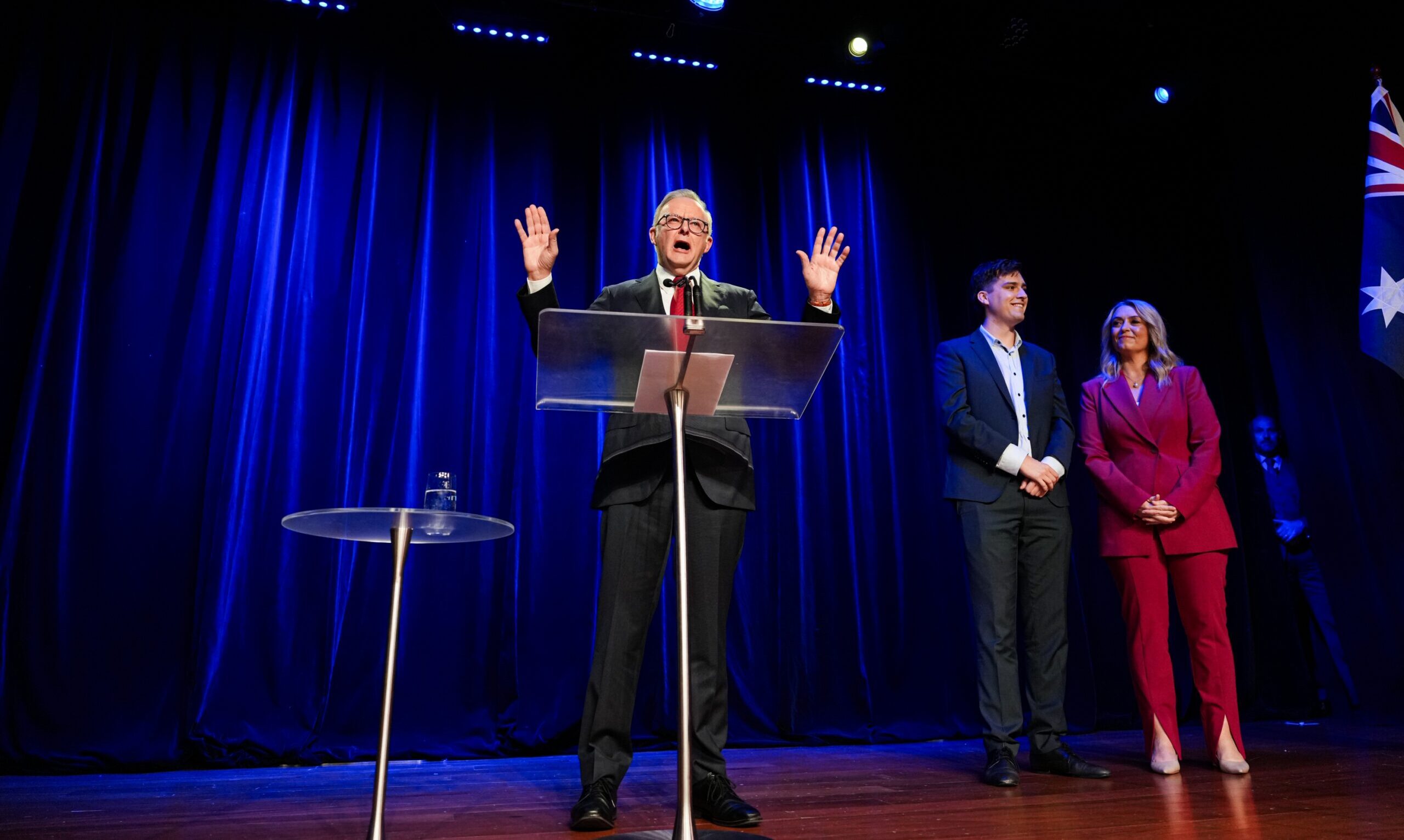
Australians have resoundingly re-elected Anthony Albanese as prime minister delivering Labor a huge majority, while Peter Dutton has lost his own seat in what was one of the most devastating results for the Coalition in living memory.
Please login below to view content or subscribe now.

Professors of Practice have featured in Australian universities for nearly three decades, drawing on models developed earlier in Europe, the UK and the US.
Please login below to view content or subscribe now.
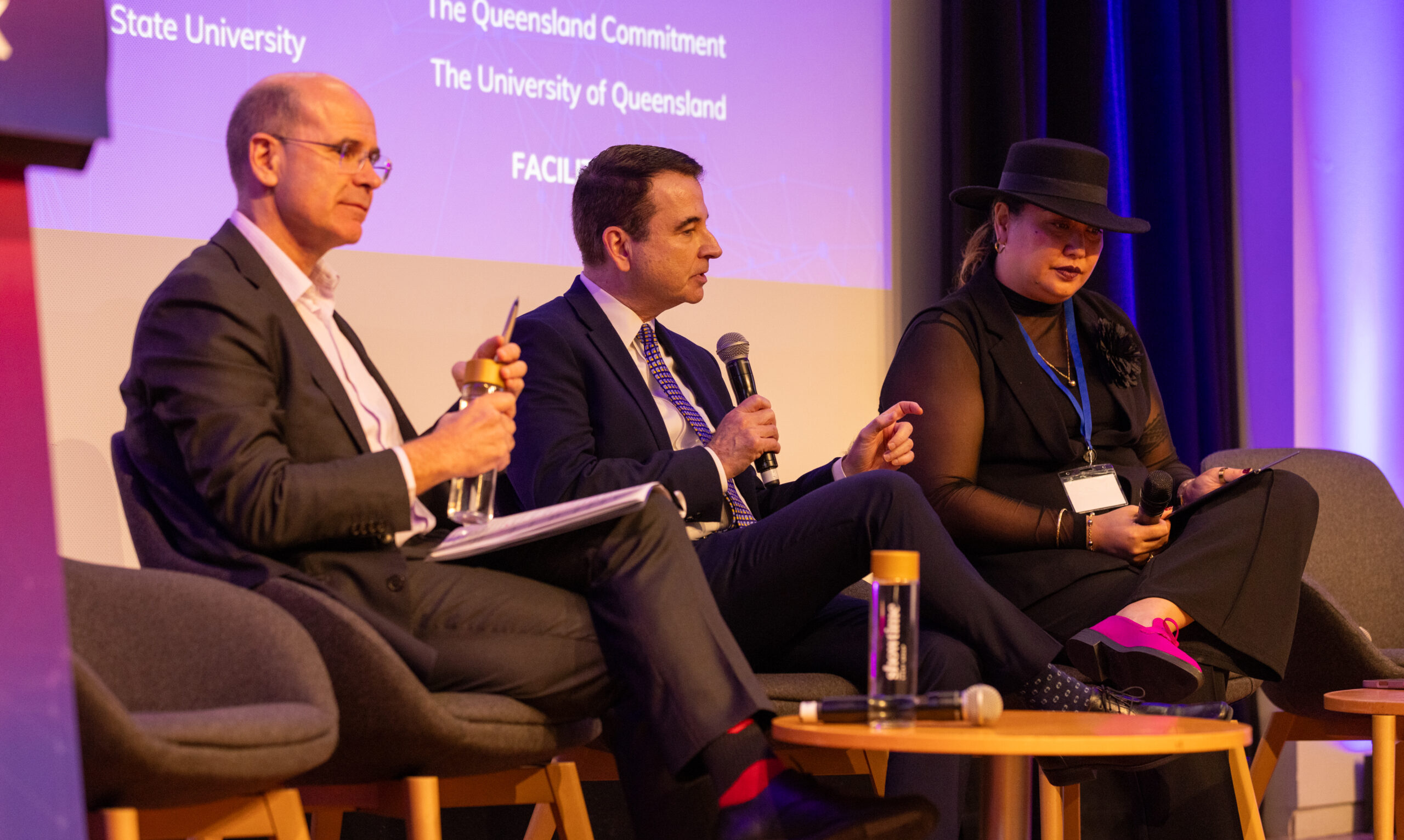
Tim Renick from Georgia State University and George Williams from Western Sydney University are two pioneering leaders and champions of student success on the global stage.
Please login below to view content or subscribe now.
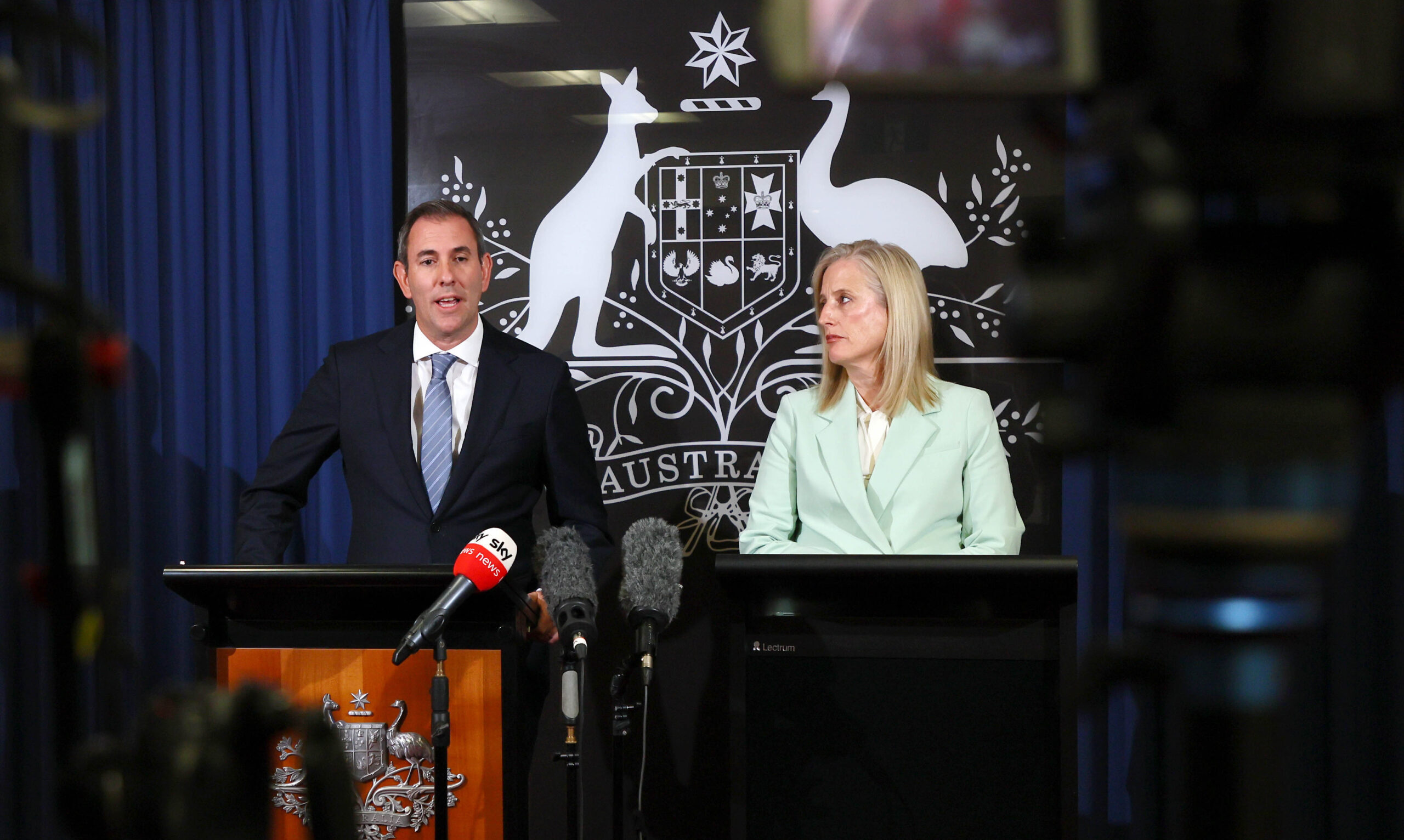
Labor will cut back on outside consultants and hike visa fees for foreign students to cover the extra cost of spending in the March budget.
Please login below to view content or subscribe now.
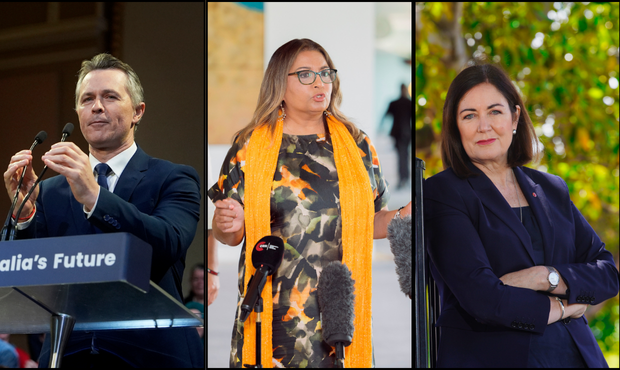
Australians go to the polls this Saturday to choose the next government. The Australian Labor Party, the Liberal-National Coalition and the Australian Greens have a variety of different policies for education in the funding, content and management spaces.
Please login below to view content or subscribe now.
Analysis from The Australia Institute said 10 universities together spent more than $390m on travel in 2023 and 27 institutions spent $410m on consultants amid executive pay and wage underpayment scandals.
Please login below to view content or subscribe now.
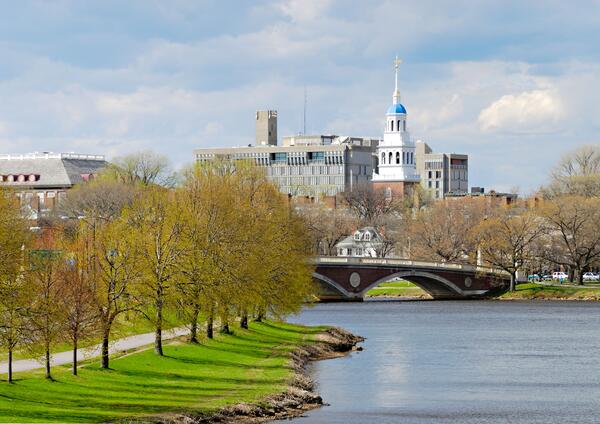
It’s nearing the end of the academic year at Harvard University, where I teach in the Graduate School of Education. Students are preparing for final exams and finishing up capstone projects. Awards ceremonies are being held and celebrations, formal and informal, have begun. The weather has finally warmed up in Cambridge, and the outdoor tables at restaurants and coffee shops are crowded. The women’s tennis team clinched the Ivy League title.
It all feels normal. Yet it all feels discordant, like a scene in a M. Night Shyamalan movie that infuses the quotidian with a barely detectable feeling of dread.
This discordance is of course especially powerful at Harvard, the current epicenter of a ferocious and lawless attack on higher education that might make Viktor Orbán blush. But it is not unique to Harvard. At colleges and universities across the country, classes continue, clubs meet and Frisbees are being tossed even as the government sows fear and confusion by revoking, then restoring, then warning that it might again revoke the visa statuses of more than 1,800 international students.
Lawyers continue to do what lawyers do, while large firms are essentially signing on to be instruments of the government, individuals are being targeted because the president of the United States holds a grudge, bigly, and court orders are being ignored.
Doctors continue to treat patients while billions of dollars of funding for medical research and experimental trials are being withheld and the secretary of Health and Human Services is declaring that autism is preventable and the measles vaccine is maybe, sort of OK.
We get in our cars or on our bicycles and go off to work while the government is pressing before the courts an argument that would allow it to send anyone, citizen or noncitizen, to a foreign prison without cause or legal recourse.
When many of us think about authoritarian takeovers, we imagine military coups and declarations of martial law. But the truth is that the most powerful tool of the aspiring authoritarian is not shock, but normalcy. How bad can things be if we can still shop at Costco or take our families out for Italian food? How bad can they be if we can still download Maya Angelou onto our Kindles or watch Jimmy Kimmel Live!? How bad can they be if I can still publish a piece like this one, critical of the federal government?
Look around not only at the campuses, but at the streets and bars and hardware stores in any city or town in America and it appears to be the same as it was last year and the year before. The NBA playoffs have begun and there’s a new film starring Michael B. Jordan. Normal.
Except it is not, in ways of which we are vaguely aware but unable or unwilling to fully credit.
For most people—the ones not scooped off the street by men in masks or ousted from their jobs with the federal government without cause or forced to stop their research because of the loss of National Institutes of Health funding—life feels more or less the way it did when we were a reasonably functional democracy. This is the way it works: Keep 99 percent of the lives of 99 percent of the people undisturbed for as long as possible so that they will remain unaware of or indifferent to what is happening at the margins. By the time they recognize that the edges of normalcy have drawn closer, it will be too late to do anything about it because the guardrails will have been destroyed.
Begin with the least sympathetic targets. Who will shed tears for the fate of Venezuelan gang members (real or imagined)? Does anyone really like Big Law? Government employees are the problem, not the solution. Harvard, with its giant endowment and Ivy League arrogance, is rarely anyone’s idea of an underdog. Why should we concern ourselves with any of this on the way to McDonald’s or Starbucks? I work at Harvard and most of the time I find it difficult to take seriously the reality that the federal government is trying to destroy a private university simply to prove that it can and because its appetite for both control and chaos appears to have no limits.
Be sure to cite rules and regulations that few people care to understand. What is 501(c)(3) status anyway? “Indirect costs” seem sort of like a scam. The “Alien Enemies Act” sounds like something pulled from the latest Marvel movie. Then cloak it all in the guise of causes to which it seems difficult to object—fighting antisemitism, because Donald Trump and the party of Marjorie Taylor Greene and the Proud Boys are the first things that come to mind when one thinks about protecting Jews. Or perhaps national security, given the threat to the republic posed by international students co-authoring op-eds for the campus newspaper.
Above all, lie. Constantly, relentlessly, shamelessly lie. Since most people don’t spend a majority of their time lying about a majority of things, they appear to find it difficult to recognize when other people do. It’s hard to question a time-tested strategy.
The fight against our current level of inertia is painfully difficult because the allure of the normal, the desire to believe that things are just fine, is so powerful. A tank in the street is hard to ignore. A steady eroding of legal and ethical norms just beyond the limits of our daily vision is easy to miss.
Our greatest hope might be the tendency of authoritarians and those without any moral compass to overreach. If they can change life by 1 percent without much resistance, why not five or 10 or 20? If they can, through executive actions, free hundreds of convicted felons and strip away environmental protections, why not impose arbitrary and irrational tariffs? What made the reaction to tariffs different and what has, at least for the moment, slowed their progress is the fact that they tore a hole in the illusion of normalcy. Plummeting retirement accounts and worries about the cost of groceries will disrupt the normal in a way that canceling student visas or defunding Harvard will not. It was a mistake, and they will, out of arrogance and stupidity, make more.
The set of demands sent to Harvard, for instance, which Harvard refused to comply with, resulting in headlines around the globe, was apparently sent in error. You could make that up, but no one would believe you.
Meanwhile, I wonder whether we can afford to wait. Is it sufficient to hope that they will make things abnormal enough for a large enough group of people to provoke resistance, or do we have to do the difficult work of wrenching ourselves, somehow, out of the reassuring comforts of familiar routines? David Brooks, hardly a radical, has called for a “comprehensive national civic uprising” to counter the war being waged on our national civic fabric. Do people, organizations and institutions in the United States, so certain for so long about the permanence of its democracy, even have the energy or the will? Can that happen here or is it something that happens in Seoul or Istanbul and is shown on CNN?
Meanwhile, I have laundry to do and a class to teach this week. Maybe I’ll catch something on Netflix. Pretty normal stuff.
Universities today have access to more data than ever before to assess student success and graduate outcomes. But having data is only part of the equation. The real challenge is turning insights into action.
Please login below to view content or subscribe now.
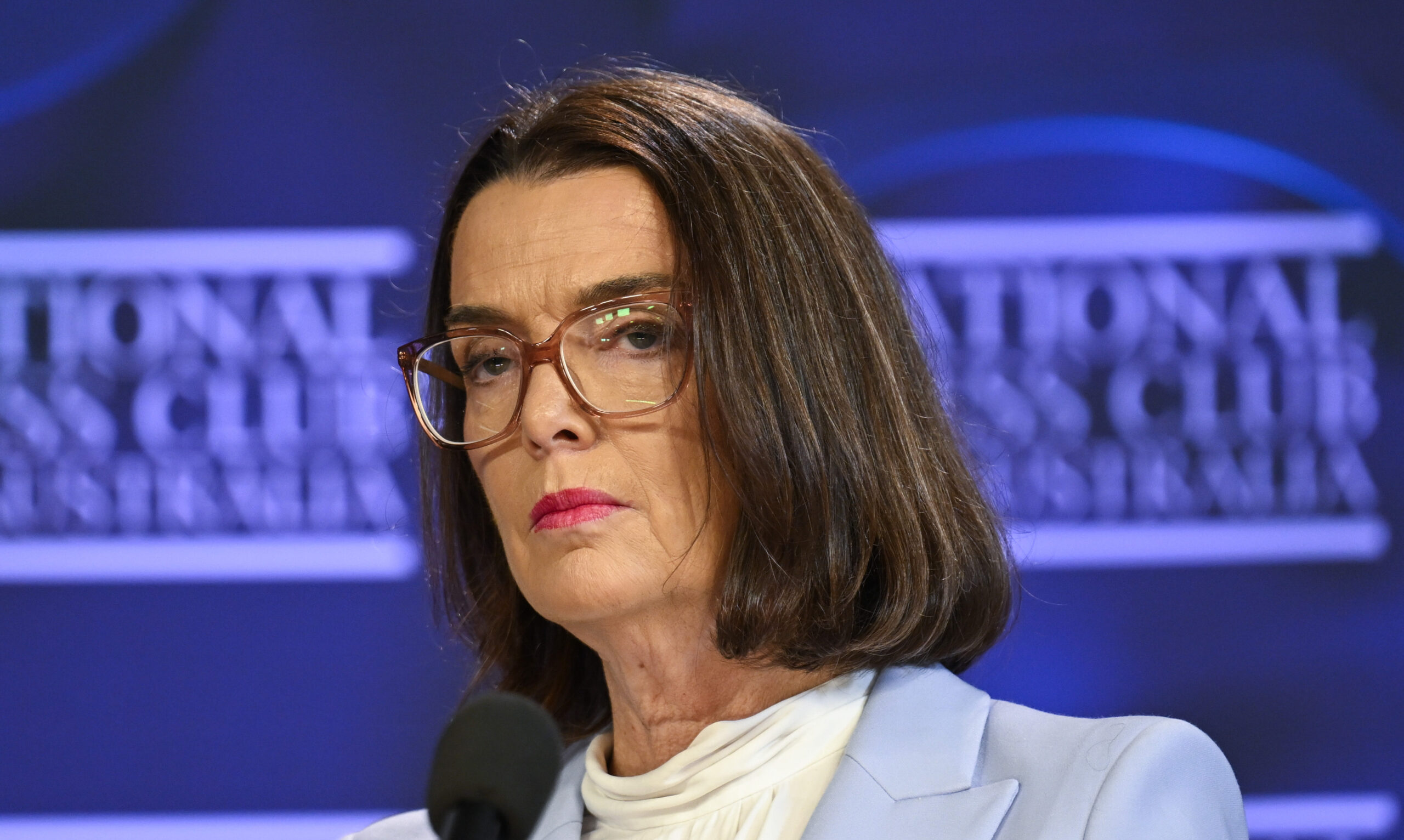
Regional and rural Australia’s doctor shortage is being targeted as an election issue by the Coalition, which is promising to fund an extra 200 students to train as general practitioners to work in the bush.
Please login below to view content or subscribe now.