Happy New Year and Welcome back to the World of Higher Education Podcast! I’m Tiffany MacLennan, your host for the day which means our guest is the one and only, Alex Usher.
In this episode, we’ll explore key global trends in higher education and then dive into how Canada fits—or doesn’t—within them. From widespread funding challenges to the politicization of universities and the evolving focus on vocational education, we’ll unpack how these issues play out on a global scale and what they mean for Canadian post-secondary sector. Let’s hear from Alex.
The World of Higher Education Podcast
Episode 3.15 | Where Canada lies in Global Trends with Alex UsherKelchen
Transcript
Tiffany MacLennan (TM): Alex, many of our guests this year discussed how their higher education systems are grappling with significant funding challenges. Can you tell me what some of the issues have been globally? Have there been any places that haven’t been struggling financially?
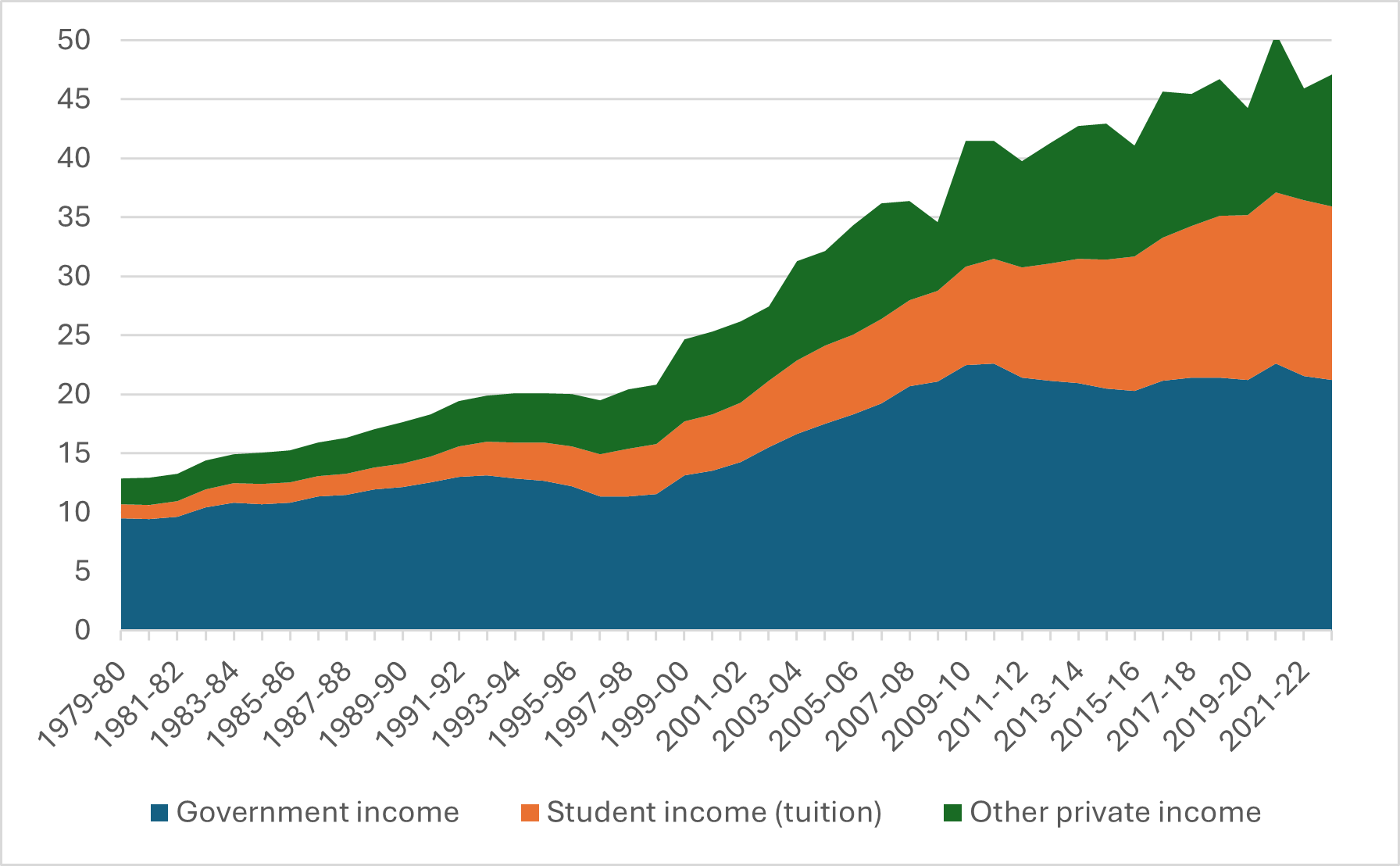
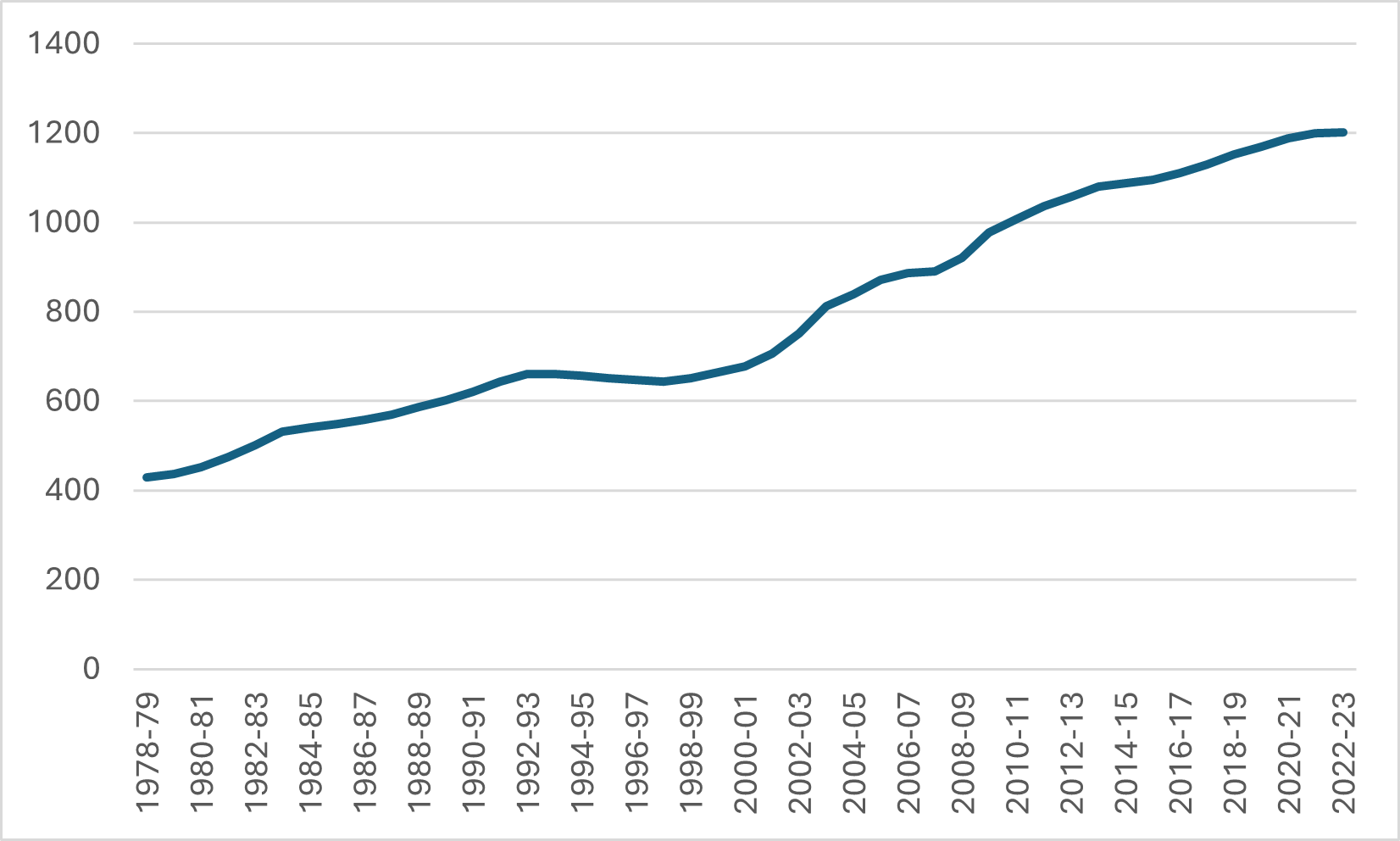
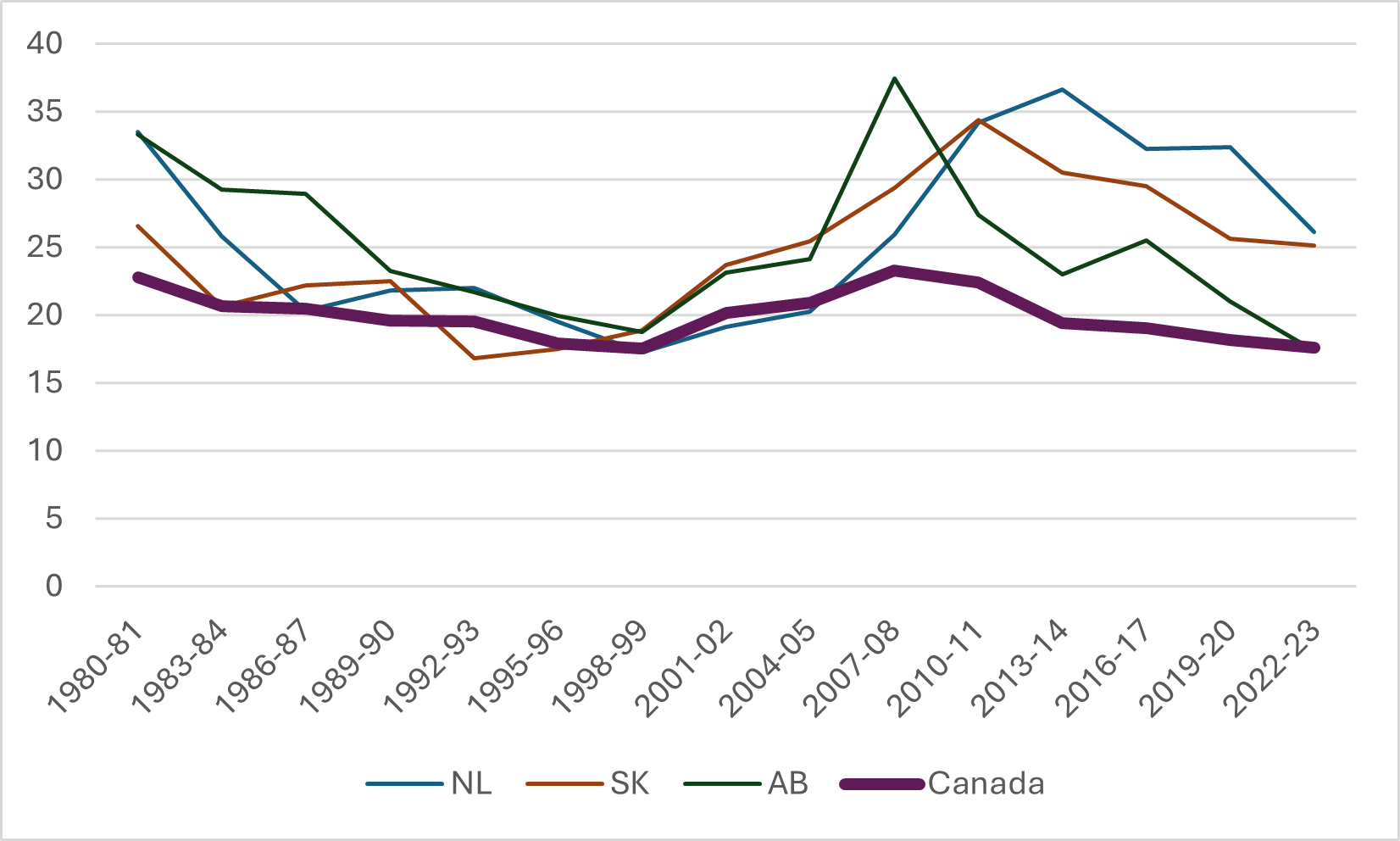
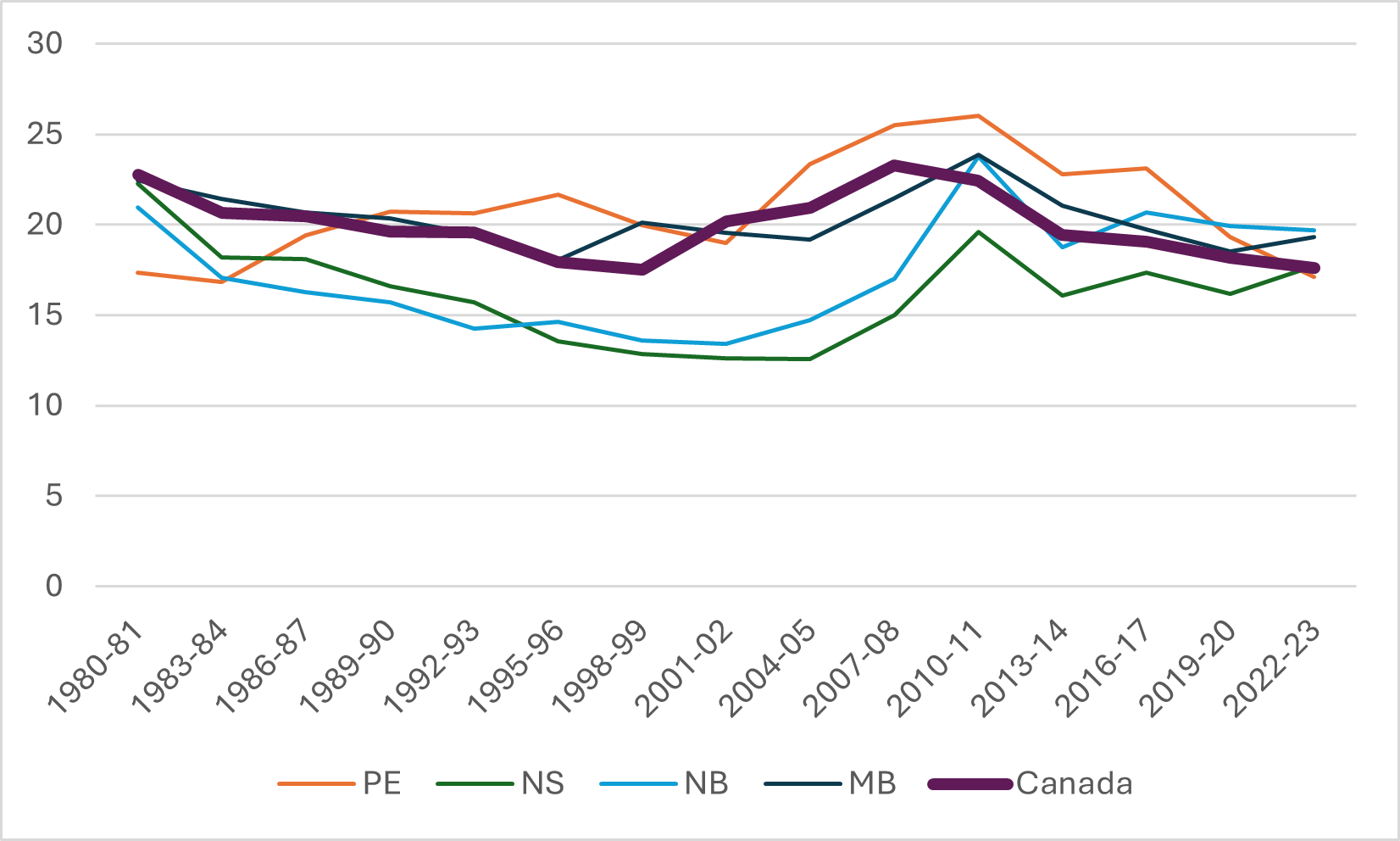
Alex Usher (AU): I think in the developed world, you’ve got very similar issues: slow economic growth, price volatility, an aging demographic, and frankly, increasing skepticism about how higher education translates into economic growth. What you’ve seen everywhere, I think, is a weakening in the desire to invest in higher education—certainly compared to where we were 20 years ago. Back then, when global rankings started, everyone wanted to climb higher in the rankings. That reflected a belief by countries that investments in knowledge paid dividends, that more top universities meant a better economy. I just don’t think people believe that anymore. And until that belief comes back, it’s going to be tough to get public funding. Private funding—through higher tuition fees, for example—is still possible, and it works in some places, like China. But in much of Europe, where taxes are high, people feel like they’ve already paid their dues and don’t want to pay tuition fees. In North America, Australia, and the UK, there’s growing skepticism about whether higher education is delivering value for money. The combination of those two have put higher education in a difficult position.
So, globally, there’s a gap. Universities and academics know what kind of product they’d like to offer the public, but nobody wants to pay for it—either privately or publicly. That gap, I’d say, is about 10-15% in most countries. India and Turkey being exceptions to the rule with recent increases.
TM: That’s interesting. Are these funding challenges playing out in the same way in Canada, or are there unique factors at play here?
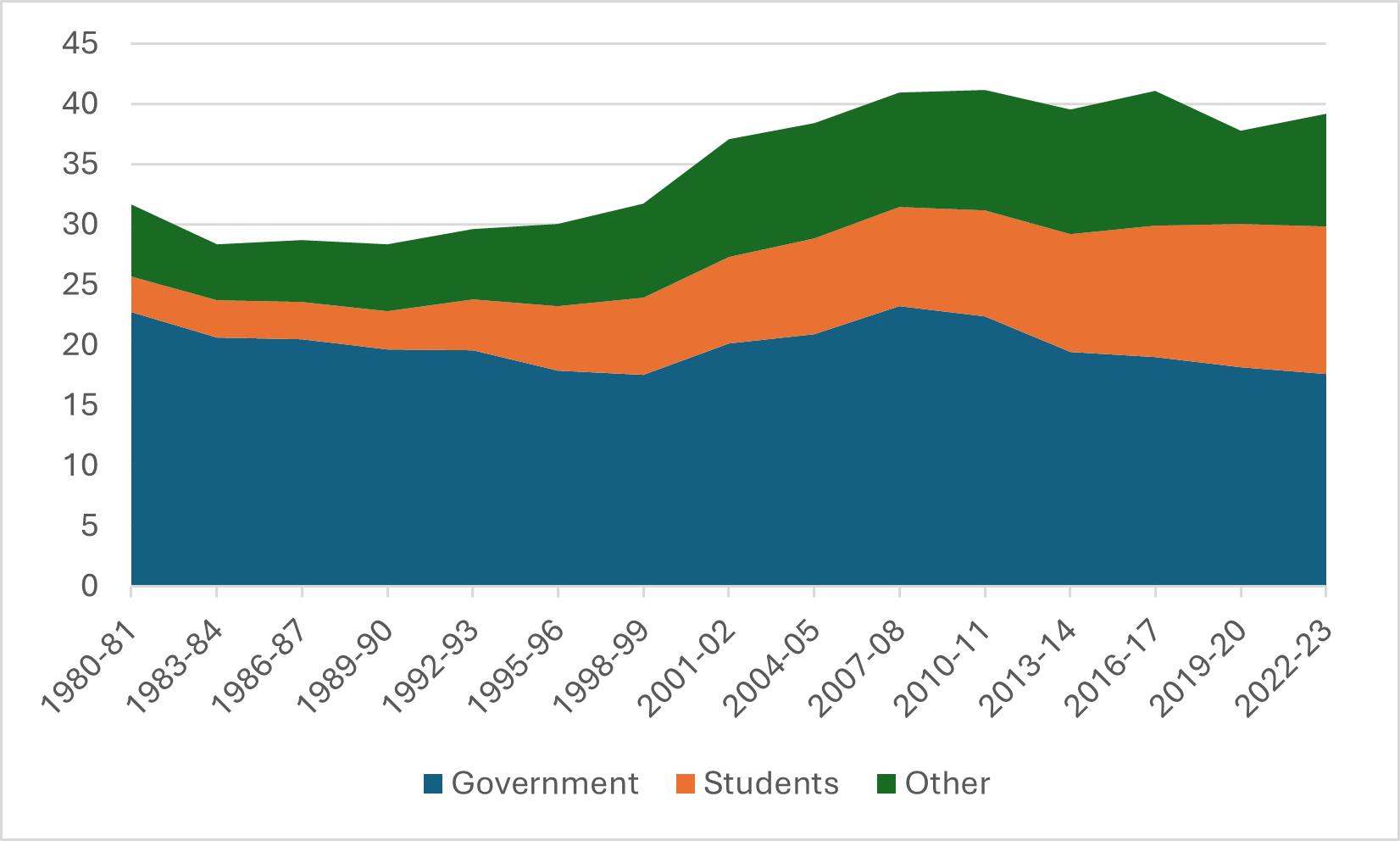
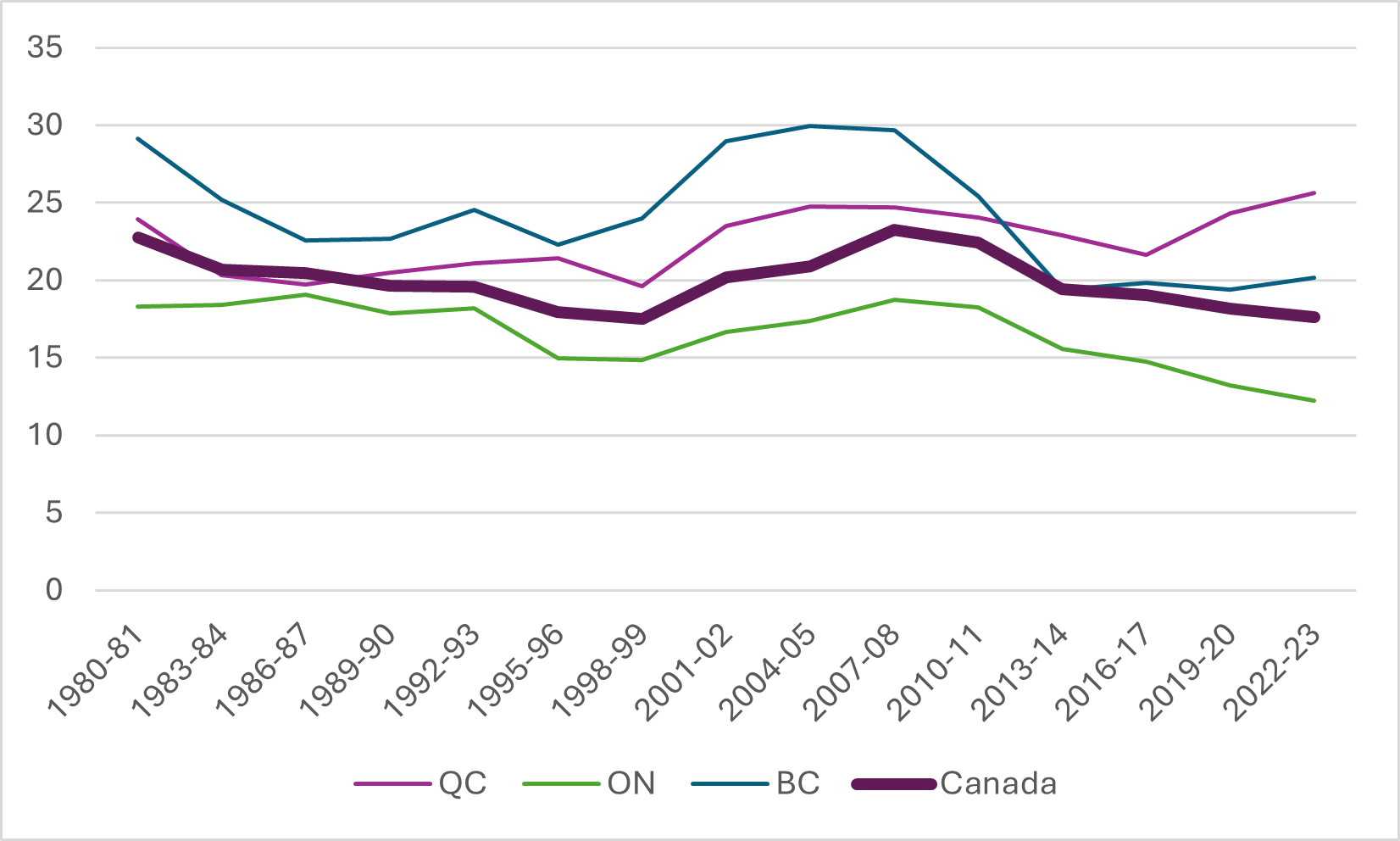
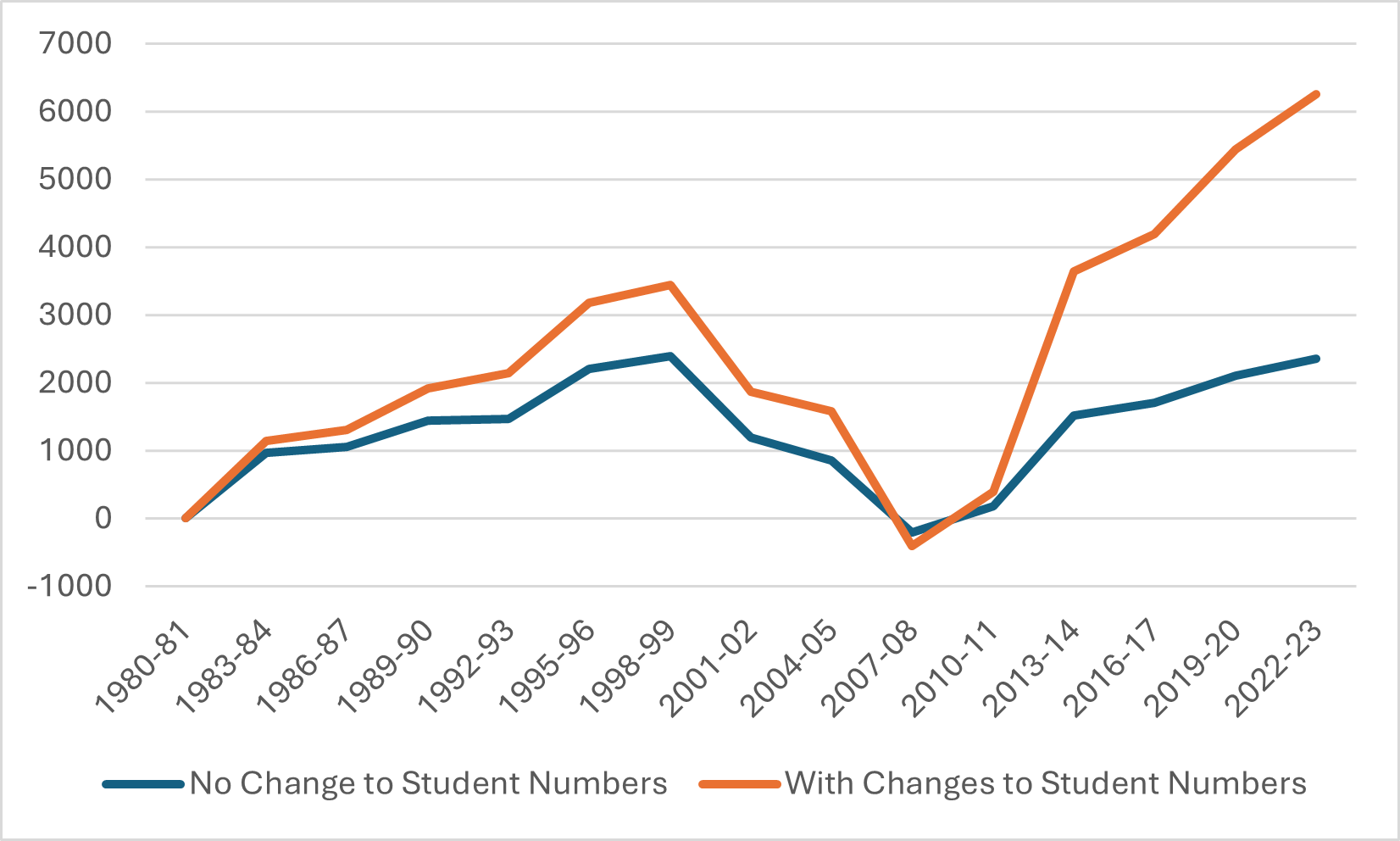
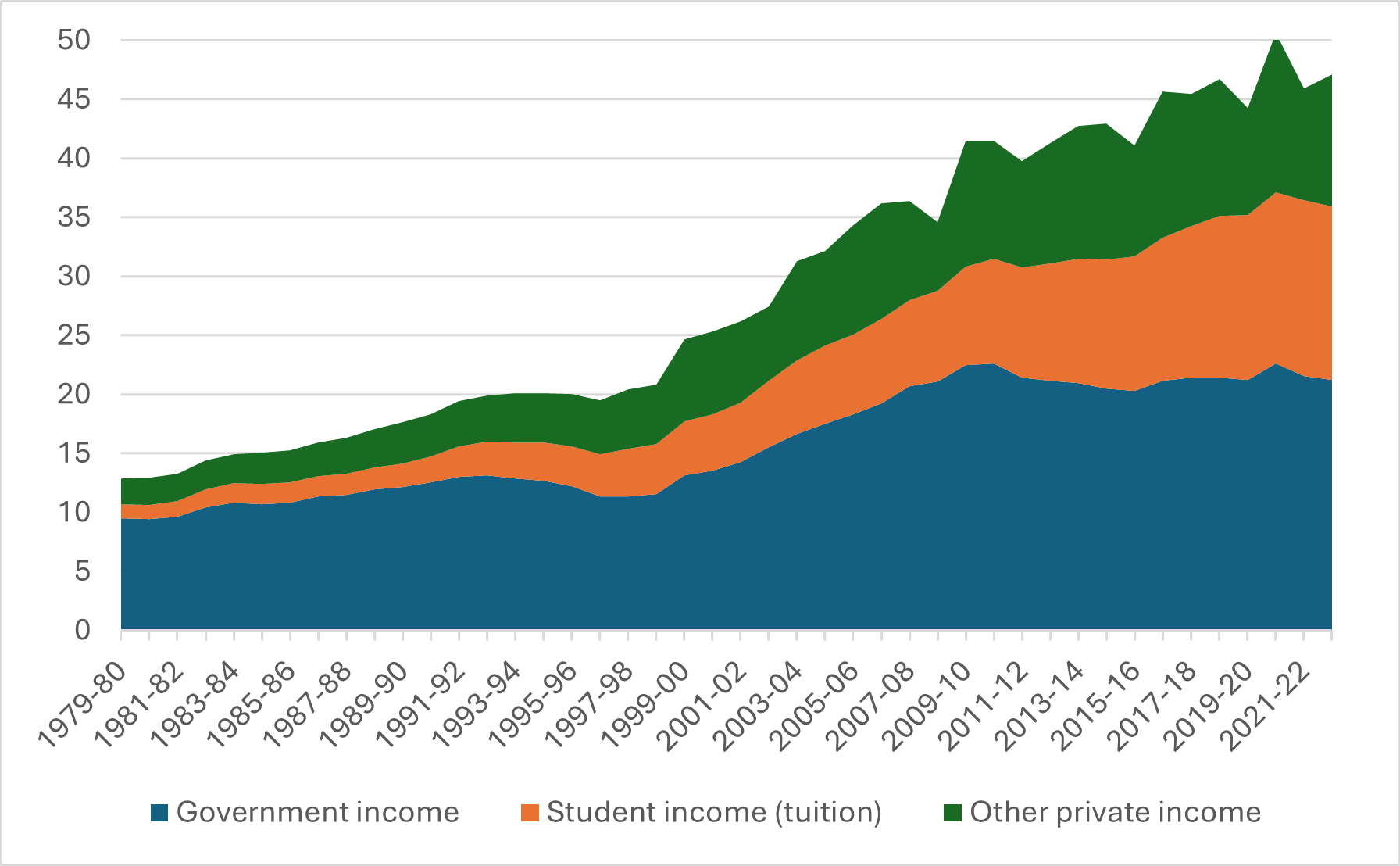
AU: When it comes to public funding, I think Canada’s pretty much following the global trend. Maybe we’ve defunded institutions a bit more than some other countries, but that’s because we thought we’d found a workaround: international students. I always say public funding of public education is a public good, but foreign funding of public education? That’s a public great. If you can get another country’s middle class to subsidize your middle class’s education, why wouldn’t you do it?
And that’s what Canada did. We thought that marketization would save us and in marketization, in our case, was largely about internationalization. For a decade, every time governments said, “We’re not investing this year,” institutions said, “That’s fine, we’ll bring in another 10,000 international students.” And it worked—for a while, a decade really. But we weren’t the only ones. The UK, Australia, and the Netherlands became similarly dependent on international students.
And in all those countries, decades of nimbyism and a failure to build housing eventually hit a breaking point. Housing prices soared, and international students—fairly or unfairly—got blamed for it.
In Canada, we’ve seen the federal government move to cut international immigration, including reducing the number of international students coming in. That’s caused rental prices to drop for the first time in years. But it’s also exposed the vulnerability of this funding model. You can’t rely on international students forever if the public doesn’t want to pay for higher education.
TM: One of our past guests, Simon Marginson, has talked extensively about the growing polarization in higher education around the world. We’ve heard about this polarization in the U.S. with the Trump administration, in Russia, and in other places. Can you summarize what this polarization means and how it’s playing out globally?
AU: I’m not convinced that polarization is the right way to frame it. What we’re really seeing is the increased politicization of higher education, a public good.
For a long time, the idea was that publicly funded higher education would be responsive to the public. But if the public goes bananas—if they elect fascists—then higher education reflects that. It’s not polarization per se; it’s increased state control over higher education, regardless of how much governments are actually funding it.
In Canada and the U.S., for instance, governments don’t fund post-secondary education to a huge extent, but they’re exerting more and more influence over it. Meanwhile, in places like China and Russia, we’re seeing autocratic governments tighten their grip on higher education—not because of polarization, but because they see academia as a threat. Putin has been in Russia for 25 years, there’s not a new polarization, he’s now choosing to exert greater state control.
For years, there was this idea that higher education would democratize these countries. “Educate more people, and they’ll demand democracy.” But it didn’t happen. Instead, higher education made autocrats more aware of the potential for political dissent and using higher education to affect political change, and they’ve responded by cracking down on it.
I think this trend is almost universal. Governments are less democratic overall because of short time frames. You see it in Canada, where provincial governments increasingly order universities to do things. And next week, Alma Maldonado is going to talk about how a left-wing populist government in Mexico is doing similar things. It’s not a left-right issue—it’s about state control.
TM: Do you think Canada is more insulated from this politicization, or are we seeing divides within our own higher education system? It’s January 6th right now, Justin Trudeau stepped down about 4 hours ago and we’re going to go into an election. How does this affect the next handful of years in Canadian higher education?
AU: We’re not insulated from it, but the pressures here are less extreme. For example, the Ontario government made a big deal about free speech on campus six years ago, but all it has amounted to is a two-page report every year from the Higher Education Quality Council of Ontario and nothing else happened. It’s performative but the conservatives are happy because they showed those liberal jerks where to get off, and that’s fine. The right is satisfied with a certain level of performativity.
You’re seeing it right now in Alberta, there’s been some noise about shutting down equity, diversity, and inclusion (EDI) programs. Calgary and Alberta have rebranded EDI portfolios as “access, community, and inclusion,” but they’re not doing anything fundamentally different, even though they have different letters of the alphabet. Boards and universities know it’s worth being inclusive, and they’re not going to stop doing that.
So you have to give conservative governments symbolic victories over universities, but they still want their kids to go there. That’s different from the U.S., where we’re seeing a real shift in how Republican families view higher education and how many children, male and female, want to attend university. Here, I think we’ll see culture war issues pop up, but I don’t think they’ll reach U.S. levels.
TM: Another hot topic on the podcast this year has been the vocationalization of higher education—this push for more work-ready graduates. Is this part of a global trend?
AU: I’m not actually sure this is a new trend. Since at least the 1960s, as we’ve moved from elite systems of higher education to mass and then universal systems, vocationalization has been part of that shift. Once higher education is no longer a luxury good, it becomes more about what people can get out of it.
Massification has always been accompanied by vocationalization because most people want to know that what they’re studying will help them get ahead. That’s not new.
You do hear rhetorical volleys about this, like “We need more plumbers and fewer philosophy grads.” I think Rick Scott might’ve been the one to say that. But you don’t actually see governments translating that rhetoric into significant program changes. What really drives programming shifts is student demand—what applicants choose to study. Which is very different from governments coming in and making these changes. For example, are students less interested in the humanities? Sure. But we still have higher humanities enrollments today than for 99% of human history. They’re not as high as they were in the 1980s or 1990s, but they’re still significant.
In countries that are newer to mass or universal higher education—like in parts of Africa, Asia, and Latin America—you’re seeing more demand for vocational programs. That’s because it’s not just the upper class going to university anymore. Middle-class and lower-middle-class families want to make sure their investment in education leads to tangible returns, they don’t want to do it just because it’s a nice time.
So, is vocationalization a global trend? Yes, but it’s been happening for decades. It’s not a new phenomenon.
TM: In Canada, do you think recent changes to immigration and student work visa policies will shift the balance between vocational and liberal arts education?
AU: Let me start with vocational education in Canada, because I think it’s one of the best things we do. Over the last 60 years, we’ve built a remarkable system—completely unplanned, of course. Canadians don’t really plan higher education; we stumble into things. But we ended up with a system that offers a lot of options for people who don’t want to go to university or pursue more theoretical studies.
We’ve created pathways into the middle class through vocational education, which I think is the secret to Canadian egalitarianism. The community college system—whether it’s polytechnics, local community colleges, or CÉGEPs in Quebec—provides young people with opportunities that don’t exist in many countries. And they’re good options that lead to good jobs.
The problem is, like universities, no one wants to pay for it. Governments don’t seem to understand that not training enough people is part of what’s causing bottlenecks in areas like building things and meeting labour needs. It’s wild—especially in Ontario, where the Ford government has no sense of how this all ties together.
On the international student front, Canada’s college system has been attractive because it offers a pathway to permanent residency. That’s brought in a lot of international students, and some colleges have benefited immensely—especially those that took full advantage of this, and pigged out. They’ve become incredibly rich, and much of that money has gone into building infrastructure. But now, with changes to immigration and postgraduate work visa policies, we’re going to lose a lot of those students. It’s already starting to hurt.
In Ontario, for example, international students were cross-subsidizing some of the most expensive programs, particularly in the trades. Without them, it’s going to be tough to keep some of those programs running. We’re going to see closures and cuts.
Universities, on the other hand, won’t be as affected. Most international students at universities are in business, science, and engineering programs, which are less impacted by the policy changes. But for colleges, especially those that relied heavily on international students, the next few years are going to be very difficult. It’s carnage in the colleges and it’s bad for universities.
TM: Last question. Which of the recent trends do you think will stick, and what do they mean for the future of Canadian higher education?
AU: I think most of the trends we’re seeing now will stick around for a few years. I don’t foresee governments suddenly having a revelation and deciding, “We should fund post-secondary education more.” It just doesn’t seem likely. You might see some marginal changes, but they won’t be transformative.
Take Alberta as an example. Over the next decade, they’re expecting a 30 to 40 percent increase in the youth population. You’d think that would lead to investments in higher education capacity—this is as predictable as it gets with demographics—but it’s not happening. It’s not that they can’t see it; they simply don’t want to spend the money.
One way Canada stands out, though, is how limited our thinking has become when it comes to skills. The PIAAC data came out recently, but it barely made a ripple. Twenty years ago, governments would have looked at that data and asked, “What skills do our young people need to succeed in the world?” Now, when you mention skills, they only think about trades and healthcare. The broader idea of transversal skills—those that matter for the entire economy, not just specific occupations—has disappeared from the conversation.
Our policy community in higher education seems to have been lobotomized over the past couple of decades. We’ve stopped focusing on the big issues. That said, when governments are lazy or inattentive, institutions sometimes have the space to innovate. I think we’ll see some exciting developments around teaching, AI, and microcredentials. Maybe not as much as some expect, but more than I would’ve thought a few years ago.
I also expect shorter university programs to emerge—likely returning to three-year degrees, as we had in the 1980s and 1990s. With labour shortages becoming more acute, institutions won’t be able to keep students for four years anymore. This will take time—probably a decade or so—but I think it’s coming.
In general, universities are going to need to focus more on labour market outcomes, skills, and efficiency. Students will likely appreciate this shift, especially if institutions start respecting their time more. But it’s going to require universities to think differently about money. For decades, the solution has been to find more revenue and throw it at problems. That’s no longer viable. Now, they’ll have to look at the cost side and find smarter, more efficient ways to operate.
It’s going to lead to a very different kind of university system—one that’s more focused on cost-effectiveness, shorter programs, and labour market alignment. These changes could last five, maybe even ten years, but they’re coming, and they’re going to reshape the sector.
TM: Alex, thanks for joining us this week. Join us next week, when Alex is back as host, and Alma Maldonado joins us again to give an update on the Mexican higher education system. See you then!
*This podcast transcript was generated using an AI transcription service with limited editing. Please forgive any errors made through this service.