Tag: Cengage

  • a-closer-look-two-areas-changes-in-student-expectations The Cengage Blog

    a-closer-look-two-areas-changes-in-student-expectations The Cengage Blog

    Reading Time: 3 minutes

    As the world of higher ed continues to evolve at lightning speed, many students are understandably feeling some pressure to keep up. And that’s having a significant impact on the way they’re operating day-to-day in and out of the classroom. Over the past few years, faculty have reported noticeable changes in student expectations, with 49% recently telling us that the need to adapt to those expectations is a top challenge.

    So, what’s shifting, and how can faculty better adapt to meet their students where they are without going overboard? Let’s examine two examples of how needs and expectations are changing: AI use and deadline extension requests.

    The line between responsible AI use and cheating is fuzzy for some students

    Last year, 46% of those we surveyed in our annual Faces of Faculty report named combating cheating and plagiarism as a top challenge, down only slightly from 49% in 2023. And as AI becomes a bigger, more integral part of the higher ed experience, it’s growing increasingly difficult for many students to distinguish between responsible AI use and academic dishonesty.

    Forty-two percent of faculty we surveyed say they see significant or severe ethical and legal risks associated with generative AI in education, with 82% of instructors expressing concern specifically about AI and academic integrity. While today’s students expect AI to play some kind of role in the learning process, many stand on shaky ground when it comes to applying it ethically in their coursework.

    How instructors are responding

    As we reported, many instructors are taking a proactive approach when it comes to combatting this issue:

    • Many faculty have told us that they like to set clear expectations at the beginning of the semester/term around AI-use, either verbally or within their syllabus. By doing so, they can provide students with clear-cut guidance on how they should approach their coursework.
    • Faculty are finding that the more they know about AI, the better they can safeguard assignments from potential overreliance. One educator from Missouri told us, “I am learning more about Al and Al detection this year, and am making quite a few adjustments to my assignments so they are more personal and reflective, rather than Al-tempting assignments.”
    • Using anti-cheating software has become a very popular method for instructors, with many using online plagiarism detection tools like turnitin or “locked down” browsers.

    “Spending a lot more time and effort identifying and using reliable plagiarism detection software, especially AI detectors.” – Faculty member


    Extension requests: pushing deadlines and boundaries

    Another example of changing student needs is the growing expectation from students that their extension requests will be granted. But this has left many instructors feeling overwhelmed, not only by the number of requests to keep track of, but by a rising uncertainty over which requests are based on legitimate reasons. This may very well be a contributing factor for 35% of faculty who cited perceived dishonesty and lack of accountability from students as a top driver of dissatisfaction in 2024.

    An adjunct professor from Virginia told us, “I leaned into adapting to students’ expectations, but this became somewhat unmanageable when teaching multiple courses. I am also concerned with setting a precedent for future students in my courses if current students share that accommodations are easily given.”

    How instructors are responding

    Despite the challenges that this shift presents, many instructors are jumping in to accommodate extension requests from students, offering both patience and a generally high level of understanding. Faculty acknowledge that today’s students have a lot to contend with these days — from financial stressors to academic and social pressures — and they’re prepared to flex to those challenges.

    “I became more flexible. I get annoyed by professors my age who ignore the fact that today’s students are under ten times the pressure we were when we were undergraduates. Some of these students are carrying a full course load while working two jobs.” – Other professor role/lecturer/course instructor, Ontario

    While they’re empathic to students’ evolving needs, instructors are ready to set their own boundaries when necessary. One faculty member told us, “For the most part, I held firm in my deadlines. I did however increase the number of reminders I sent.”

    Regardless of the approach, clear communication with students remains at the heart of how faculty are dealing with this particular shift. Another instructor said, “I look at the individual situation and adapt…I remind students to complete items early to avoid unexpected delays. If there is a technology issue, then I will extend if it is communicated timely.”

    We’re happy to see our faculty skillfully weaving through these obstacles while remaining committed to adapting to new student expectations.


    To get a full picture about what 1,355 surveyed U.S. and Canadian faculty had to say about changes in student expectations, read our 2024 Faces of Faculty report.


    Source link

  • counseling-videos-prepare-students-for-on-the-job-hurdles – The Cengage Blog

    counseling-videos-prepare-students-for-on-the-job-hurdles – The Cengage Blog

    Reading Time: 3 minutes

    For students planning for future careers in nutrition counseling, the ability to understand complex nutritional concepts is essential to their success. In these roles, they’ll need to help clients understand important information about their health, address their nutritional needs and demonstrate the benefits of behavior change.

    But before they get there, students must tackle complicated course topics. That’s where MindTap for the new fifth edition of Bauer/Liou’s “Nutrition Counseling and Education Skill Development” comes in. The Learning Path is packed with 14 dynamic Video Quizzes that bring real-world counselor-client exchanges to life.

    These videos are a game-changer for students looking to explore what it’s like inside the counseling practice and apply what they learn. Let’s take a closer look.

    Enhanced understanding through visual learning

    Imagine trying to understand someone’s hesitation to change, tone or personal insecurities just through text — needless to say, it’s not easy. Our counseling videos let students see a nutrition counselor in action. Concepts become easier to grasp when students can watch authentic responses to common problems. And by seeing and hearing actual clients, students can better understand the common hesitancies that arise when it comes to dietary and lifestyle change.

    Play video below:


    Real-world applications

    These videos don’t just stick to theory. They bring real-life scenarios and case studies right into the classroom, whether you’re teaching online or in-person. Students watch the videos as part of a Video Quiz assignment in MindTap, giving them the opportunity to instantly apply what they’ve learned. The videos provide students with a realistic glimpse into situations they’ll likely encounter in their careers, including:

    • Communication essentials
    • Frameworks to understanding behavioral change
    • Developing a nutrition care plan
    • Facilitating client self-management

    Watching how nutrition counseling is applied in various contexts helps students see the relevance of their studies and prepares them for real-world applications. Educators can also use the video content to inspire conversations in the Learning Management System discussion board for further engagement and active participation.

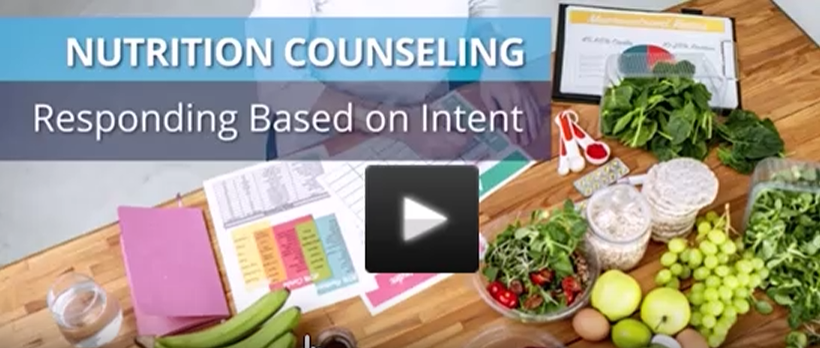
    Screenshot of Video Quiz: Nutrition Counseling: Responding Based on Intent

    Guided counseling experience with author Carolyn Williams

    Leading the video content in the role of the counselor is Cengage author and culinary nutrition expert, Carolyn Williams, Ph.D., RDN. Carolyn exposes students to various viewpoints and perspectives on the types of issues a nutrition counselor might encounter. As students engage with the topics, they’ll develop the skills needed to help clients make behavior changes last and engage in physical activity. Plus, these videos will demonstrate ways to communicate efficiently and empathetically with different types of clients, facilitate groups and develop professionalism.

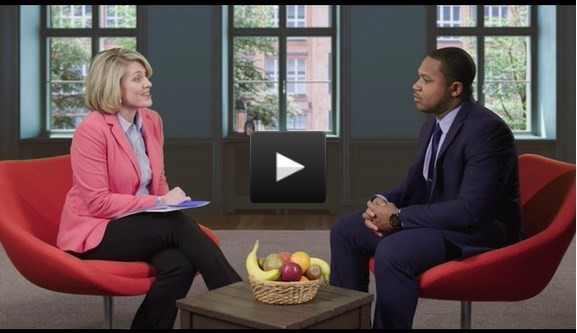
    Carolyn Williams sits down with a client in a counselor-client interaction.

    Skill development

    Educational nutrition counseling videos do more than drive home the facts. They’re about developing essential skills like critical thinking, problem-solving and communication. By analyzing the techniques and strategies used by professionals in these videos, students can learn how to handle similar situations in their practice. In one example, students are given a lifestyle management form with a dietary evaluation. This provides the counselor with a snapshot of a client’s usual food intake and eating habits, as well as lifestyle factors that may impact their food intake. The counselor then guides the client through a 24-hour diet/lifestyle recall.

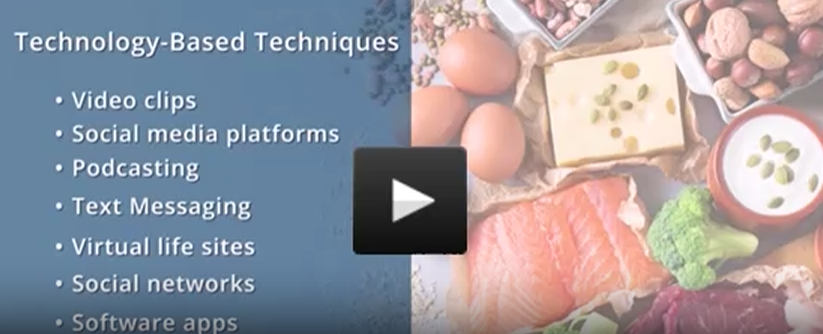
    Screenshot of Nutrition Counseling Video Quiz

    Our counseling videos in offer a look into authentic counseling experiences in the field. From enhancing understanding and engagement to providing real-world applications and different perspectives in the nutrition field, the videos can help you prepare your students for career success.

    Source link

  • mindtaps-diet-wellness-plus-motivates-health-nutrition-students- The Cengage Blog

    mindtaps-diet-wellness-plus-motivates-health-nutrition-students- The Cengage Blog

    Reading Time: 2 minutes

    For many students, it can be a game-changer when they’re able to apply what they’ve learned in class to their own lives. Not only does this help them better understand the relevance of their coursework, but it also motivates them as they progress towards their future careers with the necessary skills they’ll need to succeed.

    For one nutrition/health instructor, introducing Diet & Wellness Plus in MindTap to her students was a decision that helped her students do just that.

    “Knowledge is nothing without understanding…”

    Cinda Catchings, Director and Instructor for the Food, Nutrition, and Community Health Sciences (FNCHS) program at Alcorn State University, knew there was a key component missing in both her Health and Wellness and Introduction to Nutrition courses. Tech-motivated and on track to become Registered Dietitians, Cinda’s students needed a tool that would help them track and identify their own health behaviors, develop healthier lifestyle habits and become more career-confident.

    “…allowed students to apply knowledge…”

    After implementing MindTap’s Diet & Wellness Plus diet analysis software, an application that allows students to collect, input, track and evaluate their dietary habits, Cinda’s students were able to put their in-class knowledge into action. Being able to track their own data not only helped them develop a greater understanding of the skills they’d need in their future careers, but also motivated them to make better lifestyle choices.

    “The use of the combined Diet and Wellness Plus and MindTap and, because it was their data, 90% stated they would change behaviors now or in the near future. This also gave the students clear insight into the importance of nutrition and lifestyle behaviors,” remarked Catchings.

    Learn more about how MindTap’s Diet & Wellness Plus app helped Cinda’s health and nutrition students gain healthier habits and a stronger grasp of the career skills they’d need to succeed.

    Source link

  • videos-in-mindtap-for-education – The Cengage Blog

    videos-in-mindtap-for-education – The Cengage Blog

    Reading Time: 3 minutes

    As a professor, I specifically use education TeachSource videos located in the MindTap Learning Path to enhance online lectures and provide students with a “hands-on learning” component.

    However, my students were neither engaging in assignment completion nor providing full answers. Then, I had an “aha” moment, highlighting a common challenge in online education: students need to move beyond surface-level responses towards deeper analytical engagement. My mindset changed from teaching to mentorship.

    To foster genuine analytical thinking in application assignments — especially relating to real-life experiences — I’d consider the following approaches in combination with the use of TeachSource videos:

    Design open-ended, contextualized prompts

    Instead of questions that can be answered with one or two sentences, or mere definitions, frame prompts around real-world scenarios that require students to analyze, evaluate, and apply concepts. For example, in my early childhood education courses using MindTap, I ask students to: “Describe a situation in your classroom or community where you encountered a child throwing a tantrum over something they wanted which was not in their best interest —  aka: noting a specific concept which is applicable. How would you address the challenges in this video situation using what you have learned in this chapter?”

    Encourage reflection and connection

    As the previous example states, ask students to connect theory with personal experiences or current events. This invites them to reflect critically and relate abstract ideas to concrete situations, deepening understanding. In teaching and learning, we call this reflective thinking. This involves critically analyzing one’s own thought processes and experiences to deepen understanding. In the end, educational psychology tells us that the transfer of learning applies abstract ideas or principles to concrete, real-world situations. This enables learners to generalize knowledge beyond the original context. Together, these processes help learners deepen their understanding by connecting theory with practice through critical reflection.

    Use scaffolded questions

    We understand that our students might be at different levels when it comes to understanding a theory or concept. So, how do we use TeachSource videos to share teaching concepts?

    Start with pre-assessment questions of basic application. In basic application, you identify what the learner’s knowledge of the concept in the video is.

    Then, progress towards deeper analysis. For example:

    • Step One: Identify the concept in a scenario (basic application).
    • Step Two: Explain why it is relevant (interpretation).
    • Step Three: Propose alternative solutions or outcomes (evaluation and synthesis).
    • Step Four: Post assessment of learning outcomes.

    Role playing in class or online

    Role playing is a concept that’s important to scaffolding the “transfer of learning.” For example, a future education student is wired with curiosity to imagine what their classroom will look like and how they will interact with future students. Instructors can create this experience for them in a variety of ways. Linking our teaching of real-life experiences to standards of learning provides the opportunity for instructors to role play. It provides the opportunity to fail and learn from real world mistakes. Therefore, students can develop more marketable skill sets.

    Linking workforce standards to teaching and learning

    We discussed role playing, but how do we link real life to workforce standards using TeachSource MindTap videos? In my early childhood course, I link all course concepts to the National Association for the Education of the Young Child (NAEYC) Professional Standards. This process begins in the syllabus but also in the course shell modules built around MindTap. By doing so, students can see themselves as future employees.

    In conclusion, closing the learning process gap means we teach with purpose and in a systematic cycle. Therefore, my teaching has become a cycle of learning, rather than just a video assignment linked to chapter information. MindTap TeachSource videos happen to be my vehicle for the transfer of learning.

    Dr. Maria C. Rutherford is a Full Professor at Bluegrass Community and Technical College and Cengage Faculty Partner.

    Explore our full education course offerings by downloading the course guide.

    Source link

  • connecting-with-peers-in-college-5-ways- The Cengage Blog

    connecting-with-peers-in-college-5-ways- The Cengage Blog

    Reading Time: 4 minutes

    May is Mental Health Awareness Month, a time to elevate conversations around mental wellbeing and reduce the stigma that surrounds it. In recognition, we’re sharing stories directly from students who are navigating the pressures and facing the challenges of higher ed life today.

    One of those students is Pranav Harwadekar, a junior at Texas A&M University. Here’s Pranav’s perspective, in his own words.

    The power of connection

    If there’s one thing I’ve learned as a college student, it’s that connection isn’t just helpful, it’s healing. In the middle of exam stress, academic pressure and juggling 12 open tabs of assignments (and let’s be honest, at least three of them are YouTube, Instagram and Tiktok), having people around you — friends, study partners or just someone to grab a coffee with — can make all the difference.

    Connection isn’t a one-size-fits-all thing. Some people find it during big events, others in quiet moments. As a student navigating a hectic schedule full of coding projects, data analysis and meetings (shoutout to the group projects that always start at 9:00 PM), I’ve had to find creative ways to build community. And in doing so, I’ve realized it’s not just about making friends but about protecting mental health and helping others do the same.

    So, here are five real ways I’ve been fostering connections with my peers, and why they’ve made college feel a little more human.

    1. Group chats that turn into lifelines

    Group chats usually start as the go-to place for messages like, “Wait…when is this due again?” or “Anyone understand question four?” But over time, something funny happens — they evolve. What began as an academic safety net in my computer science classes slowly morphed into a space where we actually talk. We rant when a project takes five hours longer than expected, laugh (gently) about who’s been making good use of extensions and spiral together when the exam review sheet drops and it’s 12 pages long.

    Those chaotic late-night messages, the random hot takes on campus food and the “I give up, I’m switching majors” jokes? They bond us. There’s something comforting about knowing you’re not the only one losing it over a bug that shouldn’t be there.

    2. Volunteering for a shared cause

    One of the most meaningful ways I’ve built connections is through giving back. Whether it was organizing events with UNICEF or volunteering at Hope Health Care, I’ve learned that shared purpose creates real bonds. At Texas A&M, I joined the Engineering Honors Executive Committee. One of the events we take the most pride in is The Big Event — where over 15,000 “Aggies” step out to serve the local community in a single day of service.

    There’s something powerful about rolling up your sleeves next to someone, whether you’re painting fences, planting trees or just picking up trash. You start out as strangers, but by the end, you’ve shared laughs, swapped stories and worked towards something bigger than yourselves. Service naturally opens the door to honest conversations and, often, unexpected friendships.

    3. Making space for real talk

    Some of the best conversations I’ve had in college didn’t happen in classrooms or club meetings. They’ve happened on the walk back from class, while sitting outside the library or in a dining hall when someone casually asked, “How’s everything going?” One time after a brutal week of exams, I admitted to a classmate that I was completely burnt out and questioning if I was even cut out for this major. Instead of brushing it off, they nodded and said, “Same.” That moment of honesty sparked a 30-minute conversation about stress, expectations and feeling like we were just trying to stay afloat.

    I’ve learned that being vulnerable about things, like imposter syndrome, burnout or just needing a mental break, often gives others permission to open up too. It doesn’t always have to be deep. But carving out space for real conversations can turn casual classmates into people you genuinely trust.

    Mental health isn’t just about crisis moments. It’s also about those small check-ins. A simple “How are you doing — really?” can go a long way.

    4. Saying yes to the spontaneous stuff

    Some of the most meaningful connections I’ve made came from saying “yes” to the random stuff: A late-night walk to the campus food truck. A last-minute invite to play spikeball on the quad. A spontaneous movie night where half of us fell asleep mid-way through.

    College is full of moments that don’t feel significant at first. They become the ones you remember because they weren’t forced. They were real. It’s easy to say, “I’m too busy” or “Maybe next time.” But leaning into those little, unplanned hangouts has helped me find people who make the stress feel lighter and the experience way more fun.

    Sometimes, connection starts with just showing up.

    5. Celebrating the little wins together

    College can feel like a never-ending cycle of deadlines, exams and late-night study sessions. It’s easy to stay stuck in survival mode — just pushing through one task after another. That’s why I’ve made it a habit to pause and celebrate the small stuff: finishing a tough project, surviving a brutal week or even just showing up when it was hard to.

    Sometimes that celebration means grabbing dinner with friends, playing spikeball until the sun goes down or spontaneously turning someone’s dorm into a cricket ground. These moments might seem small, but they remind us to slow down and actually enjoy the experience. When we celebrate the little wins together, the big challenges feel a lot more manageable.

    Why this matters (especially in May)

    College can feel isolating at times. And Mental Health Awareness Month is a powerful reminder that we’re not meant to navigate it all alone. The truth is: connection doesn’t have to be big or complicated. It can begin with something as small as a “You good?” text, a shared laugh over a meme or sitting next to someone new in class.

    When we make space for each other — through the small things — we build something bigger: resilience, community and a sense that we belong. Every time we show up for someone, or let them show up for us, we help create a more supportive and compassionate campus.

    And if you’re reading this and feeling even a little disconnected — I get it. I’ve been there too. But trust me: connection often starts with a tiny step. Say yes to that invite. Send that message. Sit down at the crowded table. You might be surprised by how much better things feel when you do.

    Written by Pranav Harwadekar, a junior computer science honors major at Texas A&M University.

    Are your students having trouble connecting with peers in college? Share Pranav’s article for inspiration. Plus, check out an additional student’s perspective on navigating the “College Life Crisis.”

    Source link

  • supporting-your-students-just-got-easier – The Cengage Blog

    supporting-your-students-just-got-easier – The Cengage Blog

    Reading Time: 2 minutes

    We know how much you do to support your students, and we want to make it easier for you to give them the help they need, when they need it. That’s why we’re releasing improvements to accommodations and extensions in WebAssign — so you can manage student requests efficiently and save time throughout your course.

    Let’s dive into what’s coming.

    Easily accommodate students who need extended time

     It can be challenging to manage accommodation requests for extended time at the start of classes. We’re introducing a new feature that makes this process so much easier, allowing you to grant extra time to one or more students directly from your course roster.

    Once applied, this setting will ensure that students who need additional time automatically receive it on all timed assignments. There’s no need for repeated manual adjustments to individual assignments. This change makes it easier to support your students, while saving you time.

    Updates to WebAssign accommodations

    “These [upgrades] will improve the amount of time I currently spend managing WebAssign each term for hundreds of students. Reducing the number of clicks and tabs I need to open is a huge change. Bulk extensions are a significant advancement in my mind.” – Kathleen Koenig, University of Cincinnati

    Manage student requests with extension improvements

    But what if your students don’t have an accommodation, but need an extra 10 minutes or an extra day to work on their assignment?

    Students often request extensions, extra time, additional submissions or even early access to assignments. To help you manage these requests more efficiently, we’re redesigning the manual extensions process with a more user-friendly interface and added flexibility.

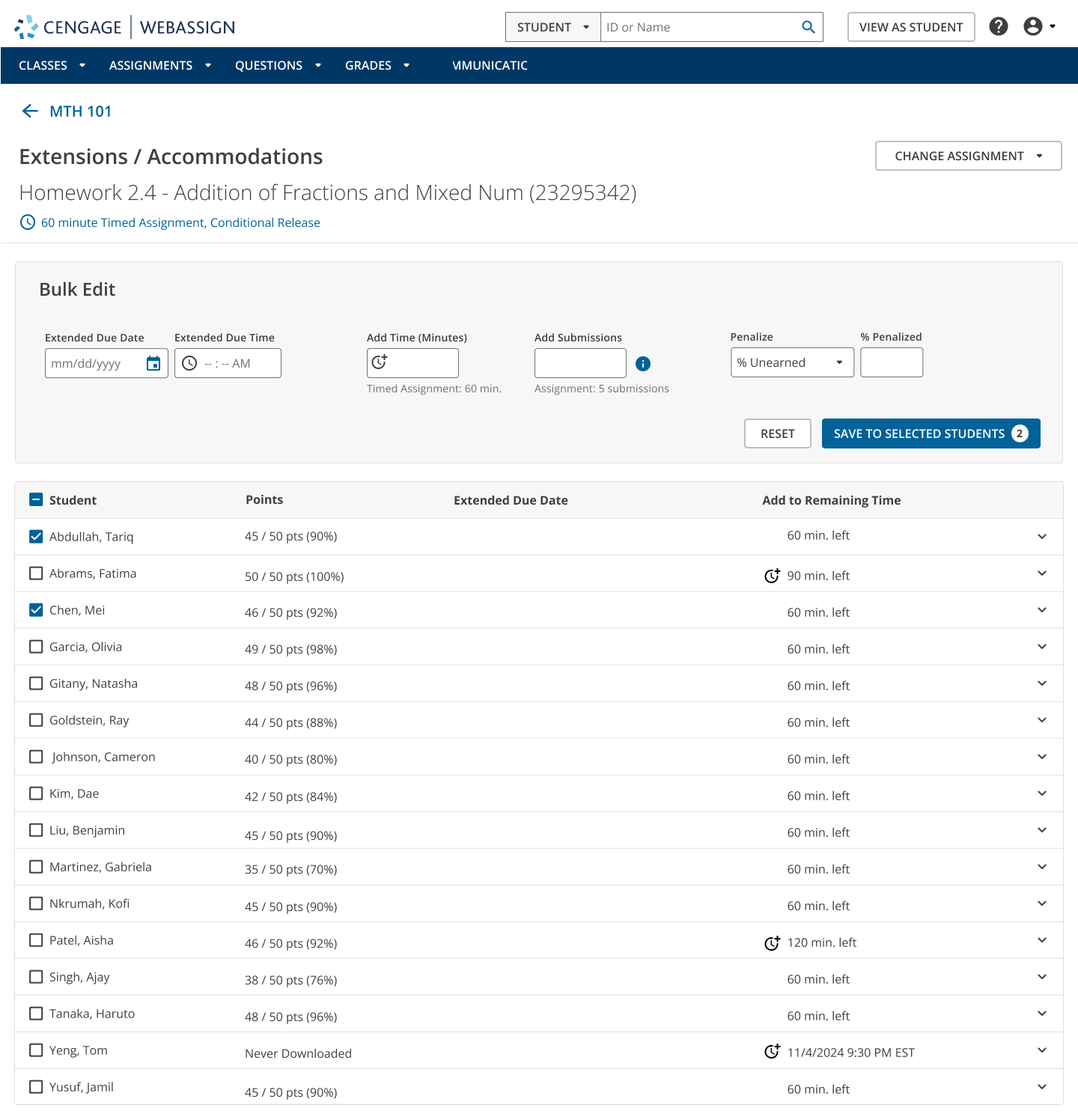
    With the new extension improvements, you’ll be able to:

    • Add extra time to timed assignments (for example: 10 more minutes).
    • Allow additional attempts on assignments.
    • Provide bulk extensions for multiple students or assignments.
    • Issue a penalty to students for any accommodation you made above.

    And later, you’ll be able to grant early access to assignments for specific students.


    Extensions and Accommodation in WebAssign.
    Updates to WebAssign accommodations and extensions

    More updates are on the way

    These updates to WebAssign accommodations and extensions are just the beginning. We’re committed to continuously improving your experience and will have even more enhancements coming in the next phase of extension updates. We encourage you to stay tuned for what’s to come.

    Ready to learn more about what else is new in WebAssign? Check out the latest upgrades in this video.

    Source link

  • student-mental-wellbeing-college-life-crisisThe Cengage Blog

    student-mental-wellbeing-college-life-crisisThe Cengage Blog

    Reading Time: 3 minutes

    May is Mental Health Awareness Month, a time to elevate conversations around mental wellbeing and reduce the stigma that surrounds it. In recognition, we’re sharing stories directly from students who are navigating the pressures and facing the challenges of higher ed life today.

    One of those students is Ruby Adamowicz, a sophomore at Isenberg School of Management, University of Massachusetts, Amherst. Here’s Ruby’s perspective, in her own words.

    The right direction

    I’m nearing the end of my sophomore year of college, and I can still confidently say that I have absolutely no idea where I’ll end up after graduation. I see my peers landing internship offers and studying abroad — even my own roommate has a full-time job offer set for her once she graduates.

    Now, I’m not saying that I’m coasting through college. Trust me, I have put in the work. But I’ve also realized that success does not look the same for everyone. We’re all moving through life at our own pace. I always remind myself that some people find themselves as undergrads, some as post-grads and many are simply still trying to figure out who they are, which is normal and okay.

    This brings me to the question that’s almost always in every student’s head: “Am I headed in the right direction?”

    Second-guessing first-year decisions

    For me, I have always struggled with finding my passion and figuring out what jobs align with my major. It’s like a mental battle. I’m constantly asking myself: “Am I doing this because I genuinely love it, or is it just what makes the most sense?”

    I consider myself extremely fortunate that I was a freshman while both of my sisters were seniors at the same school. In all honesty, they were the ones who encouraged me to major in marketing. In my high school mind, following in their footsteps was what made the most sense. I figured I would know what classes to take, how to find an internship and have some overall guidance during my first year. And it seemed like the smart choice. Business is so broad and allows you to be creative. But, two years in, I still second-guess whether this is my “passion.”

    Figuring things out – one day at a time

    There are days when I feel inspired and even motivated to work on social media projects and brainstorm my entrepreneurial ideas. Other days, I feel like I’m going through the motions — just checking off my tasks for the day. Sometimes, I’m inspired to plan out my goals, update my resume and have a strong sense of where I want to be post-grad. There are also times when I feel like I’m stuck, almost like a fish out of water. And that’s okay. I’ve learned that “figuring it out” doesn’t mean that your life will fall into place that same day. It means taking small steps, such as talking to your professors, stepping out of your comfort zone, joining clubs, being social and challenging yourself.

    Follow your own path

    What I’ve come to learn during my time at college is that nobody has it all figured out — even your classmate who has 500+ connections on LinkedIn and is posting about their summer internship.

    We’re all experiencing college for the first time and trying to figure out what to do to be happy. There are ups and downs, but you can take it one day at a time. If you’re reading this and are feeling lost, confused, behind or even stuck, I’m here to remind you that it is so normal. It’s a feeling that comes from comparing yourself to people who are on a different path than you. As the saying goes, “Comparison is the thief of joy.”

    What now

    Honestly, this is a great question that I try to answer each day.

    Life is not one straight line. It’s everyone’s first time living, trying to navigate what the world has to offer. But the more you show up and put yourself out there, you’ll find what life has for you. College is not a race to be employed. It’s a chance to figure out what makes you feel happy.

    Apply for the internship you feel underqualified for, make friends with new people and take advantage of all the opportunities possible.

    So, I will leave you with this. If you’re feeling lost and keep asking yourself, “Am I doing enough?” — you are not alone.

    Take it one day at a time.

    Written by Ruby Adamowicz, sophomore marketing major at the University of Massachusetts, Amherst and Cengage Student Ambassador

    Do you see some students struggling with their mental health? Let them know they’re not alone. Share this article and explore additional articles about student mental wellbeing.

    Source link

  • ai-transforming-student-engagement-in-the-online-classroom- The Cengage Blog

    ai-transforming-student-engagement-in-the-online-classroom- The Cengage Blog

    Reading Time: 3 minutes

    Let’s be real — online teaching isn’t about dumping lecture notes into a learning system and calling it a day. If we want students to actually engage, grow and retain what we teach, we’ve got to meet them where they are with tools and strategies that turn passive screens into powerful learning spaces.

    This is at the heart of our Spring 2025 Empowered Educator recorded webinar session, “Interactive Learning Redefined With A.I.”

    During our session, we explored tools and mindsets that make all the difference, whether you’re just starting as an educator or looking to breathe new life into your virtual classroom.

    Let’s talk about the “why”

    We’re teaching in an era where attention spans are short, expectations are high and personalization is the norm. Students don’t just want to listen. They want to participate, problem-solve and feel seen. The combination of interactive learning and Generative AI (GenAI) makes this not only possible, but sustainable.

    Interactive learning: Real-time tools that work

    Forget static slides. The key is giving students something to do, not just something to watch. Some of the most effective, real-time strategies listed in the CID Quick Tip Guide were explored during our session:

    Synchronous engagement ideas:

    • Live polls and Q&A: Check comprehension on the fly.
    • Gamified quizzes (Kahoot, Mentimeter): Turn reviews into fast-paced competitions that stick.
    • Virtual whiteboards (like Miro or Padlet): Co-create visuals in real time.

    Asynchronous options that still feel real:

    • Scenario-based videos and interactive PDFs help students explore at their own pace.
    • Reflective prompts build deeper understanding.
    • Gamified modules with badges or levels give students a sense of progress and motivation.

    This kind of learning keeps things dynamic, allows for quick feedback and, best of all, shows students you’re in it with them.

    How GenAI changes the game for personalization

    Now, here’s where we level up. AI isn’t just about automation — it’s about tailoring the learning journey to meet each student where they are. In our session, we explored ways to:

    • Use GenAI to generate custom study guides or quizzes based on student progress, ensuring that the use of copyrighted material falls within your license or other legal parameters.

    It’s like having a digital co-teacher who’s always ready to personalize.

    The evidence is in

    We also dove into case studies and data from real classrooms where these approaches led to:

    • Higher engagement and retention
    • More frequent participation
    • Better overall comprehension
    • Improved digital and collaborative skills

    When students feel included and in control of their learning, outcomes naturally improve.

    Final thoughts: Teaching that connects

    In the end, this isn’t just about tools or tech. It’s about creating experiences where students feel challenged, supported and seen.

    Watching this session on transforming student engagement in the online classroom will more than inspire you. You’ll learn how to:

    • Integrate interactive strategies with your LMS.
    • Engage with gamified quizzes, reflective prompts and real-time activities.
    • Evaluate your current engagement strategies and plan next steps.

    Let’s create classrooms that aren’t just digital — but dynamic.


    Written by Dr. Clevester Moten, Business Instructor at Jackson College and James Bender, Adjunct Instructor at Jackson College. 


    Dr. Clevester Moten is a transformative educator, scholar and thought leader whose research and work focus on equity, leadership and systemic reform. With more than 20 years of leadership spanning public, private and nonprofit sectors, he specializes in fostering collaboration and addressing societal challenges. Dr. Moten holds advanced degrees in public policy and business administration.


    Watch Dr. Clevester Moten and James Bender’s recorded webinar session, “Interactive Learning Redefined with AI,” part of our Spring 2025 Empowered Educator series, to learn more about transforming student engagement in the online classroom. 

    Source link

  • Career-Talk-Embracing-Career-Change-and-finding-your-passion- The Cengage Blog

    Career-Talk-Embracing-Career-Change-and-finding-your-passion- The Cengage Blog

    Reading Time: 3 minutes

    Our Career Talk Series invites faculty, former Cengage student ambassadors and Cengage employees to share their unique journeys into their current roles, highlighting the motivations that guided them.

    Each talk delves into the unexpected twists and turns that shaped their paths, offering valuable insights and lessons for students as they think about their own future careers.

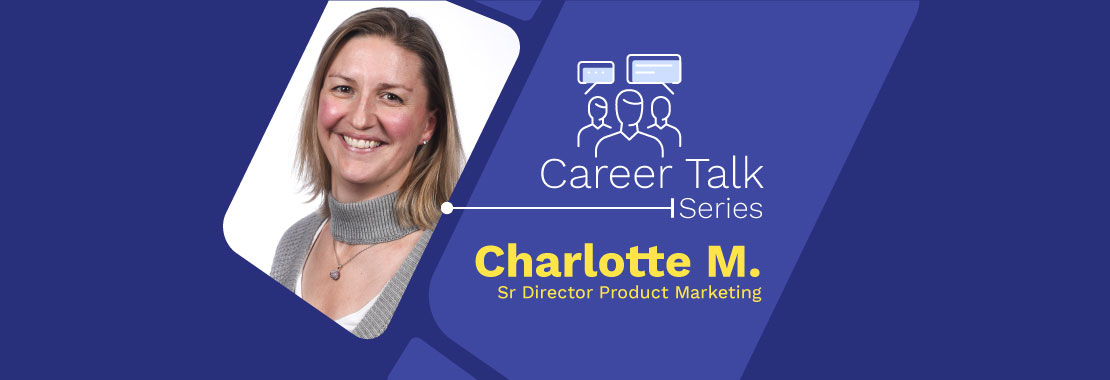
    For this Career Talk discussion, we’re excited to share the experiences of one of our own Cengage leaders. We spoke to Charlotte McLaren, Senior Director of Product Marketing at Cengage Group, whose career in higher education, stretching back over 20 years, has taken her in many directions and given her a deep-rooted sense of appreciation for learning.

    Where it began

    Charlotte has been at Cengage Group for eight years.

    After graduating from The University of Sydney in Sydney, Australia, Charlotte accepted a teaching position at a further education college in Northeast England.

    Witnessing her manager’s unwavering compassion and commitment to the students they taught, Charlotte was inspired and motivated to double-down on her own teaching experience. She completed eight weeks of an intensive training course back in Australia to become a secondary music teacher.

    Changing direction

    Sometimes, it can take time before we realize where our true passion lies. Charlotte was teaching violin and voice and suddenly realized that she wanted to be able to help more than just the students she taught. She went in search of other jobs in education and found herself falling for a different side of higher ed — publishing. After working as a successful sales representative for two and a half years in the state of Queensland, Australia, she realized again that it wasn’t quite the right role for her. She wanted to connect the dots to drive not just sales, but the products and stories themselves. When the opportunity arose to join a marketing team as a Portfolio Marketing Manager for STEM and HSSL (humanities, social sciences and languages), she jumped at it. And things just grew from there. She transitioned into various marketing roles, eventually leading her to move to New York City before landing her first role at Cengage Group as Marketing Director of MindTap. She’s been collaborating with and inspiring those around her ever since.

    We don’t know how she does it

    During Charlotte’s time at Cengage, she’s seen and done it all. Working in various marketing roles, she’s skillfully managed and overseen our online learning platforms and digital learning solutions, from MindTap and WebAssign to our Cengage Read mobile app and now our AI products.

    In her current role, she heads up our U.S. product and platform marketing teams, working closely with external and internal-facing portfolio and product marketing managers across key disciplines. These include STEM, B&E (business and economics), psychology, trades and health care. Charlotte and her team are focused on driving awareness and usage of Cengage’s digital innovations, creating stories that highlight the value of our products, including brand-new first editions and established titles.

    Having been given the opportunity to mentor and coach those around her through several leadership roles, she loves being able to help others see their own unique potential. At the end of the day, it’s the conversations Charlotte gets to have with her team members, all with their own points of view and perspectives, that mean so much to her.

    “You get the opportunity to help, coach, mentor and support. And I love doing all of that, but I find it’s also…. just being able to have robust discussions with someone and really look at a problem from all angles…and have all the different points of view. I find it energizing to be around…” – Charlotte McLaren, Senior Director of Product Marketing at Cengage Group

    “…education is a pretty cool way to spend your life”

    Charlotte’s love of education goes deeper than her role at Cengage. For Charlotte, education is all about developing a greater understanding of your identity, values and the world around you. Whether you learn in pursuit of a degree, through on-the-job training or by travelling the world, she believes that education is wide-reaching and anything but one-size-fits-all. Charlotte thinks that it’s those diverse experiences that make us all who we are.

    “I think education, on the whole, just makes us… empathetic. It makes you able to critically think about the world around you, examine the things that are coming and not just accept what somebody else tells you. It helps you decide how you feel about something and what you value. And if that’s different from someone else, brilliant. It takes all sorts to make up the world.” – Charlotte McLaren, Senior Director of Product Marketing at Cengage Group

    Embracing the unknown

    Our careers can take us in surprising and exciting directions, allowing us to connect with many impactful mentors, managers and team members along the way. Charlotte’s story teaches us to appreciate our unique career journeys, learn wherever and however we can and engage with those who hold different perspectives from our own.

    Check out additional career-focused articles for tips and strategies from Cengage employees, students, educators and experts.


    Source link

  • leveraging-ai-empowering-students-to-enhance-discussion- The Cengage Blog

    leveraging-ai-empowering-students-to-enhance-discussion- The Cengage Blog

    Reading Time: 2 minutes

    In recent years, artificial intelligence (AI) has rapidly integrated into the world of business, with higher education being no exception. According to recent Cengage research, 92% of higher ed instructors and 83% of students say it’s important to include AI literacy in courses, partly because 84% of students believe AI skills proficiency is important for future employment.

    AI tools, such as ChatGPT, Liner, Gemini and other similar platforms, are becoming influential in reinforcing student learning. They can help contribute to the generation of ideas, provide unique perspectives and facilitate deeper engagement with course resources. For example, students can use AI to enhance discussions, discover helpful images and content and improve their critical thinking skills. However, it’s necessary to consider AI integration thoughtfully and responsibly to make the most of its benefits while abating potential barriers.

    Enhancing critical thinking through AI

    One of the substantial benefits of integrating AI into the classroom is its capability to foster critical thinking. By offering students various viewpoints on a topic, AI encourages them to explore, compare and contrast different arguments. This process not only deepens their understanding but also sharpens their analytical skills. Additionally, AI can generate prompts that guide students to ask more reflective, intuitive and probing questions, further increasing scholarly interest in a topic.

    Ethical considerations and academic integrity

    Even with its benefits, the ascent of AI in academia has raised concerns about academic integrity. When it comes to the risks and ethics of AI, 82% of instructors Cengage surveyed are concerned about academic integrity (cheating, plagiarism). To tackle these concerns, educators must determine well-defined instructions on ethical AI use, emphasizing the importance of originality and proper citation of AI generated content. This methodology ensures that students explore AI responsibly, maintaining integrity in their academic efforts.

    Supporting diverse learning styles

    AI’s malleability makes it a valuable tool for accommodating various styles of learning. Visual learners can benefit from AI-generated illustrations and graphs, auditory learners from audio abstracts and kinesthetic learners from interactive engagement. By tailoring learning to these diverse needs, AI can create a more stimulating learning environment, enhancing intellectual capacity and student persistence.

    Long-term goals for integrating AI into the classroom

    Looking ahead, institutions should aspire to develop a viable AI-integrated curriculum that progresses with technological improvements. Continuous enhancement and innovation are essential, as is the creation of AI literacy programs for both students and faculty. Such initiatives will guarantee long-term expertise and certainty in leveraging AI effectively, preparing the academic world for a future where AI plays an integral role in education and the business world.

    Conclusion

    The integration of AI into higher education proposes a transformative opportunity to enrich synchronous and asynchronous discussions, while cultivating critical thinking. By embracing AI responsibly and ethically, educators can equip students with the skills and strategies to engage more meaningfully with course content, ensuring they are well prepared in an increasingly digital environment.


    Written by Dr. Neisa Jenkins, Professor at DeVry University

    Interested in practical strategies for integrating AI as a resource in discussion-based learning? Watch Dr. Jenkins’ webinar, “Leveraging AI: Empower Students to Enhance Discussion,” part of our Spring 2025 Empowered Educator series.

    Source link