

Tag: concern

  • GAO Raises Concern About Future FAFSAs

    GAO Raises Concern About Future FAFSAs

    Photo illustration by Justin Morrison/Inside Higher Ed | sdominick/Getty Images | Ake/rawpixel

    The Education Department is on track to release the 2026–27 Free Application for Federal Student Aid by Oct. 1, but a government watchdog warned this week that future forms are at risk of technical issues.

    The Government Accountability Office, in its second report on the botched launch of the 2024–25 FAFSA, found that the department has yet to implement a number of its recommendations from the first report released in September 2024. Additionally, the agency needs to improve its oversight of contractors. The GAO also noted that the department doesn’t have a plan for testing future FAFSAs and that staff overseeing the application lack key experience and training.

    “Until [the Office of Federal Student Aid] makes progress in these important areas, [the FAFSA Processing System] is at risk of not functioning as intended in future releases, leading to students having trouble in obtaining timely aid,” the report states. “Further, the FPS contract is at risk of overexpenditure and potentially wasting taxpayer dollars. These risks are compounded by reductions in staff that likely impact the agency’s ability to carry out its mission to manage and oversee student financial assistance programs.”

    FSA officials took issue with parts of the report and recommendations in a response to the agency.

    “We believe that GAO’s analysis teaches the wrong lessons and, as an unintended consequence, reinforces the exact practices that led to the FAFSA’s initial challenges,” wrote Aaron Lemon-Strauss, executive director of the FAFSA program.

    Lemon-Strauss said GAO is applying a “more traditional, and somewhat outdated, project-based model that does not support modern technology development for scaled systems like the FAFSA.” He went on to outline a number of changes that the department made to improve the system, as well as the key challenges they faced.

    Among other things, he noted that FSA had no internal engineering expertise until last year and that contractors working on different pieces of the process used different tools that didn’t integrate with each other.

    “The team is still working to unwind these parallel environments and the technical debt created by these decisions today,” he wrote.

    GAO officials disagreed with some of the department’s statements and proposed changes to their recommendations, countering that the review was based on both federal and department guidelines and that ED needs a way to hold its contractors accountable.

    “As our report notes, FSA was not appropriately overseeing the work of its contractor and did not adequately ensure rigorous testing of the system,” officials wrote. “By not doing so, FSA put the FAFSA modernization effort at risk of failure, which their letter points out.”

    Source link

  • Concern Dutton will push American-style crackdown on “woke” universities – Campus Review

    Concern Dutton will push American-style crackdown on “woke” universities – Campus Review

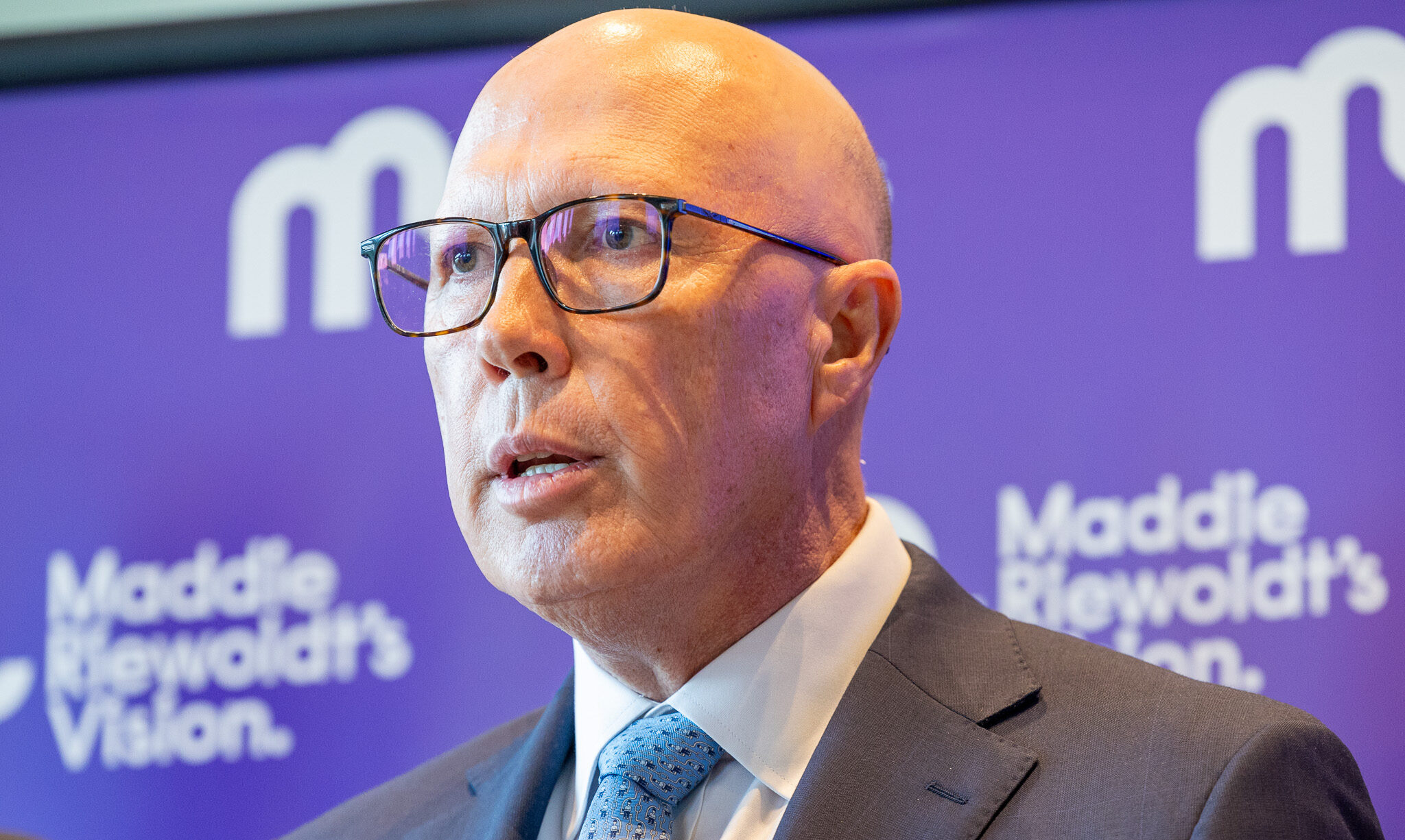
    The Coalition has warned it would use university regulator levers to review university degree course content to check for “woke” teaching if elected, leading Labor to draw parallels between Peter Dutton and Donald Trump.

    Please login below to view content or subscribe now.

    Membership Login

    Source link

  • ‘Free text box’ concern for UK agent-on-CAS protocol

    ‘Free text box’ concern for UK agent-on-CAS protocol

    The British Universities International Liaison Association (BUILA) has expressed concerns that the UKVI’s intention to introduce a new mandatory requirement to add agent details to the CAS will be undermined by inconsistency.

    Representing 144 institutions, BUILA has insisted that the proposed listing of agents on the CAS evidence form should be done by selecting from a drop-down list or combo box.

    A formal list of certified agents who have engaged with the national Agent Quality Framework training modules already exists and could be utilised to this effect.

    In advance of this new CAS requirement, BUILA members are also preparing a sector-wide database of contracted agents, where information on vetting and compliance issues can be shared among international directors to improve standards.   

    The UKVI, however, has reportedly told stakeholders that a standardised list of agents in a drop-down box format will not possible due to technical system limitations.

    The PIE News has contacted UKVI for clarification.

    In the past, the government has been criticised for its poor data infrastructure relating to visa applicant data, with many universities turning to private sector solutions such as the Enroly platform to improve data quality.

    The use of free-text form fields to capture information can greatly increase the variation of responses captured, making consistent reporting difficult. This issue already persists with naming protocols for international qualifications and language tests across the sector.

    The use of free-text form fields to capture information can greatly increase the variation of responses captured

    Recording agent names will be further complicated by variations in trading names for different global territories, along with the frequent use of subcontracted agents and franchises.

    The current expectation from UKVI is that universities will manually write the name of the contracted agent in the new field as it appears on their official service agreements.

    As such, this may be different to the name that a student might associate with having contracted application services from.

    Andrew Bird, chair of BUILA, speaking to concerned agents at the QA Higher Education conference said that it was still “unclear” why the government is collecting agent data or what the information will be used for.

    The news comes as the Labour government starts to release more information on policies relating to immigration. The use and monitoring of agents in the UK higher education was raised by the Migration Advisory Committee (MAC) in its review of the Graduate Route in 2024, with these new measures forming part of a direct response to those concerns.

    Recording agent names on CAS evidence will be tested later in Spring 2025, before becoming a mandatory requirement in the summer during the peak visa application period.

    Professor Brian Bell, chair of MAC, will be speaking at The PIE Live Europe, March 11-12 2025, alongside a town hall session from BUILA, where this issue will be discussed further. Tickets are still available for sector professionals wishing to participate.

    Source link