Tag: conference

  • 2025 Annual Conference Cancellations and Substitutions

    2025 Annual Conference Cancellations and Substitutions

    2025 Annual Conference

    2025 Annual Conference Cancellations and Substitutions

    Use this form to cancel your conference registration or to designate a substitute attendee. See the conference registration policies for more information.

    The post 2025 Annual Conference Cancellations and Substitutions appeared first on CUPA-HR.

    Source link

  • How AI Is Transforming Your Work: Insights from CUPA-HR’s Spring Conference – CUPA-HR

    How AI Is Transforming Your Work: Insights from CUPA-HR’s Spring Conference – CUPA-HR

    by Julie Burrell | June 4, 2025

    At the recent CUPA-HR Spring Conference in Seattle, artificial intelligence was a major topic of conversation, from session rooms to hallway discussions. AI has reshaped how many HR pros operate. It’s now being used as a daily tool, whether as a personal assistant for daily tasks or a strategic thought partner in decision-making.

    Here’s how higher ed HR is using AI now.

    Drafting communications and messaging. AI can help draft everything from emails to campus-wide communications. At her spring keynote, Jennifer Parker of the Colorado Community College System said she uses ChatGPT to rewrite her emails to be more formal in tone. She also recommends trying out AI to make internal communications more creative and tailored, like an inspiring message inviting specific groups of employees to review their benefits during open enrollment.

    Making meetings more productive and presentations easier. AI is helping HR pros compile, organize and summarize their meeting notes. AI can also make checklists and to-do’s following meetings. Use AI to create slide decks and scripts for presentations.

    If you’re looking to maximize your time, quickly make your longer meeting notes — like those from the recent CUPA-HR conference — into a conversational podcast using Google’s NotebookLM tool.

    Helping you with internal talent development or coaching for individual career paths. AI can help you create a training or professional development program in record time, like Jennifer Parker did with her civility training program. It can also act as a career coach when used with the right prompts.

    Assisting in talent acquisition. With AI, writing job descriptions has never been easier. For interviews, enter in a job description and ask AI to come up with applicable interview questions or ask for help in creating interview questions that are more neuroinclusive.

    Injecting some creativity throughout the day. Members also shared imaginative uses of AI, like using Doodly to create animated whiteboards, asking ChatGPT to turn selfies into Lego minifigures, or using Canva’s AI features to make eye-catching designs.

    Scaling Up

    AI can do amazing things when used on a larger scale. HR pros are tackling more extensive projects with AI, often in collaboration with other departments.

    Analyzing feedback and surveys. AI can process the results of open-ended survey questions and help identify themes to make surveys more effective than ever, with the partnership of survey experts and AI practitioners on campus.

    See how Harvard University’s Center for Workplace Development used AI in combination with HRIS data to create a strategic needs assessment survey.

    Brainstorming and researching for deeper insights. Proprietary software like Microsoft Copilot enables a deeper dive into existing institutional information and data. By uploading your institution’s mission and strategic priorities, you can accomplish any number of initiatives. Try creating recruitment materials, professional development programs, performance metrics and evaluations, or even a strategic priorities document specific to HR.

    During their presentation, the talent management team at Grand Valley State University shared how they integrated AI into their process for creating core competencies. AI assisted them in brainstorming key competencies, cross-checking those competencies with their institutional values, and transforming them into action-oriented language.

    Training Others on AI. Many HR leaders have been encouraging their employees to experiment with AI, including launching trainings or directing staff to existing trainings. For example, Microsoft offers general Copilot trainings and HR-specific trainings, all self-directed.

    While AI adoption is picking up speed, there are certainly challenges in incorporating it into your workflow. Spring conference attendees mentioned concerns ranging from legal compliance to ensuring truth and authenticity in communication. But used with safeguards, AI has the potential to free up time and allow HR to do what it does best: the fundamentally human work of caring for the people on your campus.


    Source link

  • Creating Human-Centered Workplaces: Takeaways From CUPA-HR’s Spring Conference – CUPA-HR

    Creating Human-Centered Workplaces: Takeaways From CUPA-HR’s Spring Conference – CUPA-HR

    by Christy Williams | May 7, 2025

    At the 2025 CUPA-HR Spring Conference in Seattle, our keynote speakers shared their insights into the future of the higher ed workplace. They encouraged HR practitioners to step boldly into brave leadership, to investigate neuroscience’s insights into human behavior, to embrace advances in artificial intelligence, and to use data to enhance the employee experience.

    But the key message was that innovation should be people-centered and align with HR’s fundamental goal: creating workplaces where people feel safe, valued and free to thrive.

    The Brain Needs to Belong 

    The brain is a social organ, Dr. Jessica Sharp stressed in her opening keynote. Whether or not we’re conscious of it, we’re always searching for connection and belonging — for psychological safety.

    “Our brains need affirmation that we belong. Without it, we don’t feel safe,” Dr. Sharp said.

    Because our brains interpret emotional threats in the same way as physical threats, feeling unsafe at work can provoke a similar feeling to walking alone in a dark parking garage or seeing a snake on a hiking trail. But when we feel a sense of psychological safety and social belonging, our brains shift into connected mode. When we feel safe, we’re more likely to collaborate with our team, be less resistant to change and feel creative.

    Dr. Sharp invited higher ed HR to step into the future of work through neuroleadership. Neuroleadership is a model of talent management that understands the connection between the brain’s inner workings and people’s best work.

    Takeaway: The brain can’t be inspired when it’s in survival mode. Prioritize safety and belonging to encourage creativity.

    Further reading: Explore more ways to strengthen resilience and enhance psychological safety.

    AI Is Your Time-Saving HR Assistant

    AI is the future of work, said Jennifer Parker, the assistant director of HR operations at Colorado Community College System. While this may sound intimidating, it’s important to know that AI won’t replace you, but rather free up time and mental energy so that you can focus on strategy and long-term projects.

    Here’s how Parker uses AI to simplify routine HR tasks:

    • As a brainstorming partner. For example, you can say to AI, “help me write my leadership statement.” Provide context about your career to enhance the responses.
    • To write or revise emails. Parker’s communication mode tends to be folksy, so she has ChatGPT rewrite her emails to be more formal in tone.
    • As a software coach. Ask AI to give you step-by-step directions on creating an Excel formula.
    • To develop presentations, trainings and professional development sessions. ChatGPT helped Parker write microsessions for an online civility campaign, create slide decks and a video explaining benefits to employees.
    • As an employee engagement assistant. Tell AI the dynamics of your culture and ask how you can help foster a healthy workplace.
    • As an event planner. Ask AI to create a training calendar or other complex timeline. For events like open enrollment, ask it for an invitation to the health fair or to craft an inspiring message to remind employees to review their benefits.

    AI can also summarize complex information, break down survey results, act as a career coach or problem solver, offer advice, and more. Get creative! But always review what AI generates for accuracy, and make it your own.

    Takeaway: AI can simplify HR’s daily tasks and free up time for strategic thinking.

    Further reading: Read this step-by-step guide to learn how Parker used ChatGPT as her assistant in creating a virtual civility training program.

    Benchmark Your Employee Experience Using CUPA-HR’s Data 

    What does it take to attract top talent to higher ed? CUPA-HR’s new survey — the Benefits, Employee Experience, and Structure Survey — gives higher ed a snapshot of what it takes to be an employer of choice in a competitive employment landscape, explained Melissa Fuesting, associate director of research at CUPA-HR.

    Using the BEES Survey, colleges and universities can benchmark traditional benefits. And now, for the first time, explore data on:

    • Flexible work
    • Professional development
    • Campus and community engagement
    • Hiring metrics
    • Performance reviews
    • Institutional structure (such as where HR is housed)
    • Policies

    The BEES survey also allows you to take a deep dive on these topics. For example, when it comes to flexible work, you can find answers to questions such as: Which employees have the ability to work flexible schedules or flexible hours? Who determines the policies around hybrid and remote work? Which employee groups can be hybrid or remote?

    Takeaway: To enhance your employee value proposition, benchmark your benefits and employee experience using data from CUPA-HR’s new BEES Survey with DataOnDemand.

    Further reading: For more on attracting and retaining talent, check out the results of the 2023 Employee Retention Survey and stay tuned for the results of the 2025 survey coming this fall.

    “Who We Are Is How We Lead” 

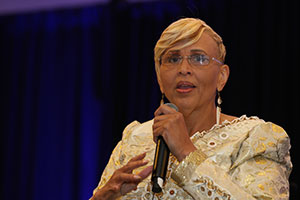
    Cheryl Cofield closed this year’s spring conference with a compelling message: “Who we are is how we lead.” In her powerful keynote, Cofield challenged higher ed HR professionals to examine the leadership armor we wear — the protective behaviors that keep us from leaning into vulnerability and courage. Instead of avoiding difficult conversations or striving for unattainable perfection, brave leaders must be willing to get uncomfortable, speak honestly and model the values they profess.

    Drawing from Brené Brown’s research, Cofield identified four key skill sets that support courageous leadership: vulnerability, values, trust and learning. She described how emotional armor — such as perfectionism, detachment, or a need to always be right — gets in the way of connection, inclusion and growth.

    Through self-reflection and practical tools like emotional literacy, empathy and curiosity-based conversation cues, Cofield encouraged attendees to identify their own “call to courage.” She reminded us that courage in leadership is not only a personal practice but a collective force. When one person shows up bravely, others are more likely to do the same.

    Takeaway: Courage is contagious. When leaders remove their armor and lead with vulnerability, they create more inclusive, trusting and human-centered workplaces.

    Further reading: Learn why leadership development is essential in higher ed and how it strengthens engagement, inclusion and institutional resilience.


    Source link

  • The Nation’s First Conference for Higher Education Podcasters – Edu Alliance Journal

    The Nation’s First Conference for Higher Education Podcasters – Edu Alliance Journal

    May 5, 2025, by Dean Hoke: For years, there have been conversations among many higher education podcasters asking: Why isn’t there a podcasting conference just for us? This question lingered, raised in passing at virtual meetups, in DM threads, and on campuses where faculty and staff were creating podcasts with little external support or collaboration.

    Last winter, a group of us decided it was time to do something about it.

    Joe Sallustio and Elvin Freytes of The EdUp Experience, Dean Hoke of Small College America, and Gregg Oldring and Neil McPhedran of Higher Ed Pods took a leap of faith and began planning a first-time national gathering. We believed there was a clear void. Podcasting in higher education was growing rapidly, but most lacked a community outside of their home institution to network with, share ideas, and be inspired.

    That leap of faith is now a reality. On Saturday, July 12, 2025, we will convene in Chicago for the inaugural HigherEd PodCon—the first conference built by and for higher education podcasters and digital media creators.

    Hosted at the University of Illinois, Chicago

    This one-day event will bring together over 40 presenters, 15 sessions, and 25+ institutions and organizations from across North America. Whether you’re a faculty innovator, student producer, tech strategist, or communications pro, HigherEd PodCon offers an immersive, hands-on experience designed to elevate the impact of campus-based podcasting.

    Sessions run from 8:30 a.m. to 6:00 p.m., which includes networking opportunities and a reception closing out the day. The program is structured across three practical and dynamic tracks:

    • Strategy, Growth & Discovery
    • Content & Production
    • Tech, Tools & Analytics

    The keynote speaker is Matt Abrahams, lecturer in Strategic Communication at Stanford Graduate School of Business and host of Think Fast, Talk Smart. His insights on clarity, message delivery, and audience engagement will set the tone for a day of meaningful exploration.

    A National Cross-Section of Institutions

    HigherEd PodCon showcases participation from institutions of all sizes and types, including:

    • Purdue University
    • Stanford University
    • University of South Carolina Beaufort
    • Lansing Community College
    • Brigham Young University
    • Penn State University

    Whether it’s a faculty-led series, a student-led network, or an advancement-focused production, you’ll hear how campuses are using podcasts to educate, engage, and amplify their stories.

    Session Spotlights

    Here are three sessions you won’t want to miss:

    1. Podcasting, Social Media, and Video: Oh My!
    Kate Young and Maria Welch, Purdue University
    With more than 130 episodes and thousands of monthly downloads, This Is Purdue is among the country’s top university podcasts. In this session, Kate and Maria walk through their formula for success, including social media workflows, video strategy, and content optimization.

    2. Why Podcasts Fail (And How to Make Sure Yours Doesn’t)
    Dave Jackson, Podpage; Podcast Hall of Fame Inductee
    Dave Jackson has helped hundreds of shows succeed—and watched others fall flat. This session offers practical guidance for anyone launching or relaunching a podcast with purpose. Topics include budget-friendly production, YouTube distribution, and sustainable growth.

    3. From 5 to 30: Growing a Podcast Network That Speaks Higher Ed
    Daedalian Lowry and Layne Ingram, Lansing Community College
    What started as five faculty shows grew into a 30+ program podcast network that engages the entire campus and community. Learn how Lansing Community College scaled LCC Connect with collaboration, creativity, and cross-departmental buy-in.

    Why Attend HigherEd PodCon?

    Whether you’re just starting out or looking to take your podcast to the next level, this is the community you’ve been waiting for. Here are three reasons not to miss it:

    • Network with your peers: Build meaningful relationships with fellow higher ed podcasters and digital media innovators.
    • Gain tools and templates you can use immediately: From show planning to promotion, walk away with actionable strategies you can implement on Monday.
    • Stay ahead of the curve: Learn how leading institutions are using podcasts to engage students, alumni, donors, and the public.

    Save the Date

    HigherEd PodCon 2025 is your opportunity to help shape the future of podcasting in higher education—and to find your people in the process.

    Learn more and register at www.higheredpodcon.com. We have room for only 200 attendees in this inaugural event.
    Early bird rate of $249 available until the end of May


    Dean Hoke is Managing Partner of Edu Alliance Group, a higher education consultancy, and a Senior Fellow with the Sagamore Institute. He formerly served as President/CEO of the American Association of University Administrators (AAUA). With decades of experience in higher education leadership, consulting, and institutional strategy, he brings a wealth of knowledge on small colleges’ challenges and opportunities. Dean, along with Kent Barnds, is a co-host for the podcast series Small College America. 

    Source link

  • Key Takeaways From Higher Ed Free Speech Conference

    Key Takeaways From Higher Ed Free Speech Conference

    The University of California National Center for Free Speech and Civic Engagement held its annual virtual #SpeechMatters conference Thursday amid a speech environment that is vastly different and far more fraught than anyone could have imagined even a few months ago. The Trump administration is simultaneously punishing colleges for their failure to clamp down on pro-Palestinian protesters and detaining international students, in some cases for participating in those same protests.

    In her opening remarks, Michelle Deutchman, the center’s executive director, acknowledged as much: “Today we gather at a critical moment for higher education across the nation,” she said. “The role of colleges and universities in our democracy is being questioned. Trust in institutions is shifting. The impact of a historic national election and a year of campus protests continues to unfold.”

    The conference, which featured four panels and 15 speakers with expertise in free speech and higher education, covered not only campus speech but also the broader questions of trust in universities and the knowledge they produce. Here are five key takeaways from the event.

    1. College administrators can’t prevent the chilling effect President Trump’s actions are having on campuses.

    In one session, Deutchman asked Howard Gillman, chancellor at the University of California, Irvine, for 12 years, and Erwin Chemerinsky, dean of the UC Berkeley School of Law, how students can exercise their right to free speech despite the Trump administration’s crackdown on institutions and students alike for purported antisemitic speech.

    Gillman and Chemerinsky found a consensus—one that contradicts the widely held belief that universities should always be forums for political discussion: As long as Trump appears to be punishing individuals for constitutionally protected speech, now may not be the time to encourage students to speak out.

    “When you have an administration that has not yet been constrained by the courts sufficiently, it does create an environment where people might know they have, in theory, legal protections for the activities they engage in, but just because your activity may be protected doesn’t meant that you are not going to be put in a very complicated situation if the government does move forward,” Gillman said. “I don’t want to overstate the amount of reassurance that you can give. A chilling environment is a chilling environment.”

    Chemerinsky said it wasn’t tenable to assure students that he could protect them from the federal government. One student had asked him if the law school could prevent Immigration and Customs Enforcement officers from coming onto campus and detaining students, and Chemerinsky said he had to tell the student that wouldn’t be possible. (In February, Trump rolled back protections that stopped immigration enforcement actions from taking place in certain locations, including on college campuses.)

    “There’s a limit to what we can do to protect students. I don’t want to ever have students have the illusion that we can do more than we can,” he said.

    1. Rebuilding trust in higher ed requires a fundamental shift in culture.

    When discussing the lack of trust in higher education, Steven Mintz, a history professor at the University of Texas at Austin and a columnist for Inside Higher Ed, said the distrust exists not just between the government and colleges, or administrators and faculty, but at all levels of higher education. Students erode trust with faculty when they don’t put effort into their courses, he said. Faculty who care more about their own research and success than their students and institutions likewise fail to build trust with their students and peers. And administrators earn the faculty’s distrust by leaving them out of key decision-making processes.

    It’s all a result of Americans’ shifting view of higher education from a public good to a private one, he argued, with students as the consumers and administrators as the CEOs.

    “It is absolutely imperative that we rebuild trust within our campuses,” he said. “It’s not a matter of policy tweaks; it’s a matter of a fundamental cultural shift.”

    He noted that in his own classes at UT Austin, he has made an effort to help students undertake real-world projects, like building an educational webpage for a local museum. Such efforts position the student not as a consumer, but as a “partner and collaborator and creator of knowledge,” he said. And it shows communities that college instills in its students important skills—and isn’t always just an amorphous ivory tower.

    1. Fast turnover of college leaders is contributing to the lack of public trust.

    In the same panel about trust, multiple speakers touched on the fact that administrative turnover can be a major impediment to trust-building on campus.

    University presidents last, on average, just over five years on the job, which means that most students see at least one presidential turnover in their college career. Each new president must rebuild trust not only with the constituents on their own campus, but also with alumni, government officials, the local community and beyond.

    Short tenures also make it difficult for students and employees to buy in to key university initiatives, considering it’s not uncommon for a new president to scrap the previous administration’s projects in favor of new priorities.

    “Trust is about relationships … and you don’t build trust overnight. You build trust through listening. You build trust through showing up. You build trust through showing proof points. That’s how it happens. So, you can’t build trust when you’re a president that’s been there three months,” said Bobbie Laur, president of Campus Compact, a nonprofit focused on civic and community engagement in higher education. “Some of what we’re facing is the reality of the short tenure of leaders without the necessary support structures to support leaders right now.”

    Saanvi Arora, a UC Berkeley student and the executive director of the Youth Power Project, a nonprofit that encourages young people to participate in public policy, agreed, noting that she has met numerous college students who have no idea what their institution’s president looks like.

    “That’s a huge problem, if you’re not meeting with students directly, showing up to spaces where it really matters for students to see you there,” she said. “It really makes a difference and moves the needle.”

    1. Universities need to do more to stanch the spread of misinformation.

    Misinformation is pervasive in the current vitriolic political environment, according to a panel of experts, but so is anger and skepticism toward the very researchers who aim to better understand the phenomenon.

    Simone Chambers, chair of political science at UC Irvine, pointed out that research shows misinformation is more likely to circulate in right-wing communities. But that research is then called partisan, sometimes even by politicians themselves; mis- and disinformation experts who studied incorrect information ahead of the 2020 election earned intense ire from congressional Republicans, who accused them of censoring free speech and subpoenaed data about what was being marked as inaccurate information.

    That’s compounded by the perennial problem of most, if not all, academic research: Few people see it. Michael Wagner, who leads the Center for Communication and Civic Renewal at the University of Wisconsin at Madison, said that universities could make a greater effort to get the work of misinformation researchers into the public’s hands.

    Universities must do “a more aggressive job of promoting the work, even when it highlights partisan asymmetries, even when it highlights other kinds of things that might leave universities open to attack from those who don’t like the fact that universities exist,” said Wagner, who noted that his center has been subpoenaed by Congress. “[That] is something they need to do a better job of, to help the researchers who are trying to do this stuff get their work out there to folks so that they can engage with it and decide how they want to incorporate that information into how they live their lives.”

    1. More college leaders should stand up for higher education.

    Colleges have been capitulating to the Trump administration in everything from rolling back diversity, equity and inclusion programs to, in Columbia’s case, at least, agreeing to a list of the administration’s demands in the hopes of having its federal funding unfrozen.

    But a small number of college presidents—including Wesleyan University’s Michael Roth and Princeton University’s Christopher Eisgruber, who were both cited by panelists at the conference—have spoken forcefully against the Trump administration’s attacks on political speech, DEI and free scientific inquiry. In an op-ed in Slate about the arrest of Mahmoud Khalil, a Columbia University alumnus and pro-Palestinian activist who was detained a month ago by immigration officials, Roth wrote, “University presidents must speak out against this attempt to control the political culture of our campuses from the White House. Just as we should decry antisemitism and other forms of discrimination, we should insist that students and faculty have the right to make their voices heard about the issues of the day. Neutrality here is a betrayal of our academic mission.”

    Kristen Shahverdian, program director of campus free speech at PEN America, a free expression nonprofit, said she is glad she doesn’t have to be a part of any internal conversations about how a university under fire by the Trump administration will react. Still, she said, she wishes more higher education leaders would emulate Roth and Eisgruber and that the higher education sector as a whole could come together as a united front.

    “There’s probably multiple reasons why they’re able to speak out and others maybe can’t,” she said. “[But] we really need to push back, to hold on to the values of higher education, which include freedom of expression and academic freedom.”

    Source link

  • Humans in an AI world

    Humans in an AI world

    Key points:

    Like it or not, AI is evolving, and it is cementing its place in education. And the CoSN 2025 Conference is preparing attendees to meet the AI challenge head-on, focusing this year’s conference theme on human leadership in an AI world.

    Register here to attend this year’s conference in Seattle.

    Ken Shelton, an independent consultant, speaker, advisor, and strategist, opens the conference on Monday, March 31 with his keynote, Reimagining Learning with AI: A Path to Empowerment. Shelton will explore the promises and perils of leveraging AI in education and will delve into strategies for maximizing AI’s benefits while addressing its risks, ensuring that AI becomes a tool for true empowerment in education.

    On Tuesday, April 1, panelists Lindsay E. Jones, CEO of CAST, Lindsay Kruse, CEO of All Means All, and Rachell Johnson, director of assistant technology at SCATP, will participate in a general session, Leadership, Not Bystanders, moderated by Sarah Radcliffe, director of Future Ready Learning in the School District of Altoona. Panelists will discuss how can to ensure that no student is overlooked as AI continues to reshape education.

    The closing keynote on Wednesday, April 2, Beyond the Algorithm–Building Trust, Access, and Purpose in AI-Enhanced Education, features Richard Culatta of ISTE + ASCD, Victor Lee of the Graduate School of Education at Stanford University, Pati Ruiz, EdD, of Digital Promise, and Kris J. Hagel of the Peninsula School District. The discussion will focus on ensuring AI enhances, rather than diminishes, human potential in education.

    Workshops include:

    • Student data privacy
    • Generative AI implementation
    • Education leadership in the digital age
    • AI and leadership
    • Organizational change management for digital transformation

    Spotlight sessions cover cybersecurity and physical security, tackling cell phones in classrooms, top edtech trends in 2025, edtech and AI quality indicators, and FERPA.

    Wondering what the CoSN conference has for you?

    Chief Technology Officers 

    • Learn proven strategies for getting the dollars you need to build the infrastructure for today and tomorrow
    • Connect with your peers and build your community of practice
    • Discover how to stretch scarce resources to make the greatest impact on teaching and learning Instructional Technology Directors

    Instructional Technology Directors 

    • Hear about new tools and models for engaging students and personalizing instruction
    • Strategize about how to bridge the gap between the technical and instructional silos
    • Improve your leadership skills and how to scale technology beyond islands of innovation

    Superintendents, District Teams, and Education Service Agencies 

    • Hear from thought leaders on how to create a vision for digital conversion and continuously improving innovative culture in your district
    • Learn tips for breaking down the silos and leveraging technology to enable a 21stcentury school system
    • Share creative and strategic solutions about how to create robust learning environments at school and at home 

    Industry, Government, and Nonprofit Representatives 

    • Understand what is keeping school system technology leaders up at night 
    • Share information on emerging tools and services for learning
    • Learn about better strategies and models for implementing, maintaining, and evaluating technology for learning
    Laura Ascione
    Latest posts by Laura Ascione (see all)

    Source link

  • ACE strikes a fighting stance at annual conference

    ACE strikes a fighting stance at annual conference

    WASHINGTON, D.C.—Hundreds of higher ed leaders packed into the Kennedy Center for the annual American Council on Education conference this week, snapping photos of the large bust of the cultural center’s namesake, President John F. Kennedy, in the foyer. Some joked that it would soon be replaced by Donald Trump’s likeness, given the current president’s takeover of the Kennedy Center board, a move announced Wednesday.

    But it was Trump’s attempted takeover of higher education that was foremost on the minds of attendees.

    The Republican president, now in his second nonconsecutive term, dominated conference discussions as speakers grappled with how to interpret and respond to a vision for higher education that has been marked by cuts to research funding and personnel; the decimation of diversity, equity, and inclusion initiatives; and efforts to dismantle the U.S. Department of Education.

    “We’re under attack,” ACE president Ted Mitchell said in his opening remarks.

    He pointed to a flurry of executive orders and other recent actions that have caused “confusion and dismay” across the sector, as the Trump administration attempted to freeze federal funding and change research reimbursements, creating financial uncertainty for colleges.

    “These executive orders are an assault on American opportunity and leadership,” Mitchell said.

    He warned that such changes could destabilize higher education by undermining research, innovation, intellectual independence and autonomy.

    “The flurry of these threats [is] designed to cower us into silence,” he said.

    Mitchell also noted that ACE, along with other associations and several research universities, filed a lawsuit Monday against the National Institutes of Health for attempting to cap reimbursements for indirect research costs. While that lawsuit is pending, a federal judge has already prevented the cap, at least temporarily, in response to other litigation.

    In the face of such chaos and instability, Mitchell emphasized the importance of unity, urging conference goers to beware of attempts to sow discord among institutions. “We will only succeed if we stick together,” he said.

    He also pushed back on Trump’s attacks on diversity, equity and inclusion initiatives, which have already led some colleges and universities to scrub DEI language from websites, shutter offices and cancel events.

    “We can’t be apologetic of diversity. We just can’t,” Mitchell said.

    But even as he blasted some of Trump’s recent actions, he noted that ACE is also seeking common ground with the administration.

    “I continue to believe that there are important areas of policy where we can and must work with this administration. We will work to find those openings wherever we can,” Mitchell said.

    His remarks came a day after dozens of college presidents attended ACE’s inaugural Hill Day, where they met with congressional staff to learn and advocate for policy priorities.

    The Policy Outlook

    The notion of higher education being under siege was prevalent across numerous sessions, including in a Thursday policy update from Jon Fansmith, senior vice president of government relations and national engagement at ACE, who broke down recent actions and Republican priorities.

    Fansmith noted that Trump has sought to reshape higher education through a series of executive orders, investigations and attempts to defund and destabilize the sector.

    “We are not used to the wheels of government moving this quickly and impactfully,” he said.

    Despite the sense of alarm roiling the sector, Fansmith said “growing opposition” has emerged. In some cases, it’s been bipartisan, with congressional Republicans joining Democrats in expressing concern over how changes to federal funding or research dollars may harm their local institutions and employers.

    Additionally, Fansmith pointed out that the Trump administration has been sued repeatedly—at least 58 times, by his count—and that successful lawsuits have slowed the president’s rapid-fire attacks.

    Fansmith also noted that Trump’s nominees to lead the Department of Education, Linda McMahon as secretary and Nicholas Kent as under secretary, are more seasoned operators than other Trump World figures. McMahon’s Senate confirmation hearing took place Thursday.

    “She is not a firebrand; she is not the person who is going to blow things up,” Fansmith said, noting McMahon’s background as a longtime professional wrestling executive and prior head of the Small Business Association during Trump’s first term. But given Trump’s desire to dismantle or diminish the Education Department, McMahon “may be ordered to blow things up,” he said.

    Of Kent, a former for-profit college advocate and past staffer for Virginia governor Glenn Youngkin, Fansmith said he was “very passionate, deeply informed and highly intelligent.”

    Hope Amid the Challenges

    The conference also touched on a range of challenges beyond the turbulence of the Trump administration, including free speech, campus antisemitism, demographic changes and more.

    In a discussion Wednesday, Wesleyan University president Michael Roth weighed in on the state of free speech in higher education and questioned recent efforts by Trump to go after universities for alleged antisemitism, including threats of investigations and financial penalties.

    Roth, who is Jewish, acknowledged the existence of some antisemitism on college campuses, but argued that Trump’s efforts to address it were “disingenuous”—more of a cover for going after pro-Palestinian protesters who expressed concern about the bloodshed in Gaza.

    While he noted that college leaders need to be cautious, he advised them not to cower.

    “Not standing up for your mission in the long run won’t help your institution,” Roth said.

    In a panel Thursday on the challenge that shrinking demographics pose to higher education, experts noted enrollment pressures will continue as the number of high school graduates continues to decline. But rather than a demographic cliff, higher education will likely see a gentler slide, they said.

    Nathan Grawe, an economics professor at Carleton College, argued that the enrollment decline “won’t hit us all at once” but rather “little by little,” with incremental challenges year over year.

    Other panelists noted that workforce challenges won’t diminish along with the number of high school graduates, meaning that colleges will need to focus on enrolling and retaining more adult learners.

    For all the doom and gloom surrounding the policy discussions, the conference concluded on a high note. In his closing remarks, Freeman Hrabowski, an ACE Fellow and president emeritus of the University of Maryland Baltimore County, emphasized the importance of hope.

    He encouraged attendees to “use our heads and our hearts” to meet the moment, reflecting on his experience in 1963, when at the age of 12 he was jailed for participating in a civil rights march in Birmingham, Ala. Looking back more than 60 years later, Hrabowski said it was his faith and determination that helped him know then that “we would be OK.”

    He encouraged others to channel their own optimism amid turbulent times.

    “Don’t you dare allow the toxicity of some people to leave you hopeless,” Hrabowski said.

    Source link

  • 2025 UPCEA Annual Conference – Collegis Education

    2025 UPCEA Annual Conference – Collegis Education

    Higher education is evolving, and institutions need innovative strategies to keep up with shifting learner expectations. That’s why Collegis Education is excited to attend the 2025 UPCEA Annual Conference, the premier event for leaders in professional, continuing, and online education. This conference brings together experts and decision-makers to explore the latest trends, technologies, and strategies that are transforming higher ed.

    Why Attend the 2025 UPCEA Annual Conference?

    This conference is a must-attend event for higher ed leaders looking to stay ahead of the curve in online learning, workforce development, and digital transformation. Key themes include:

    • Data-Driven Decision-Making – Leveraging analytics to improve student outcomes and enrollment strategies.
    • Technology & Digital Transformation – Implementing scalable solutions to enhance the student experience.
    • Workforce-Aligned Learning – Creating programs that meet the evolving needs of students and employers.
    • Marketing & Enrollment Growth – Adapting strategies to attract, engage, and retain today’s learners.

    Collegis Education brings the expertise and proven strategies to help institutions overcome enrollment challenges, optimize operations, and drive sustainable growth.

    Where to Find Us

    Our team will be on-site, ready to connect and discuss how Collegis can help your institution navigate the complexities of online education, marketing, and student success.

    Want to meet up? Let’s schedule a time to chat! Contact us to book a meeting.

    We look forward to seeing you in Denver!

    Source link

  • Voices of Innovation: Meet InsightsEDU 2025 Featured Speakers

    Voices of Innovation: Meet InsightsEDU 2025 Featured Speakers

    Higher Education Speakers of InsightsEDU

    Meet the thought leaders shaping the future of higher education at InsightsEDU 2025! Taking place from February 12-14, 2025 in New Orleans, LA, this conference brings together expert voices in higher education marketing, enrollment management, and leadership to discuss the evolution of today’s Modern Learner. This year, explore the future of higher education in 38+ sessions, where our speakers will share their vast expertise and unique perspectives. From higher education leaders to enrollment professionals, these speakers are vital to the InsightsEDU experience and are ready to equip you with insights to thrive in a new era of learning.

    The lineup of featured speakers for InsightsEDU 2025 is still growing—stay tuned for exciting new announcements! Below are the confirmed featured speakers as of November 7, 2024.

    Gregory Clayton

    President of Enrollment Management Services at EducationDynamics
    With over 30 years of experience in the higher education space, Greg brings valuable expertise in enrollment management and performance marketing. As President of Enrollment Management Services at EducationDynamics, he leads a comprehensive team offering agency marketing, enrollment services, strategic consulting, and research, all tailored to the higher ed sector. His leadership and career position him as a visionary strategist, equipped to offer insightful commentary on the higher education landscape and enrollment solutions. Join his session to learn more about how to better serve the Modern Learner and implement strategies that drive institutional success.

    Session: The Evolving Expectations of the Modern Learner: How Institutions Can Adapt and Thrive

    Wendy Colby

    Wendy Colby

    Vice President and Associate Provost for Boston University Virtual (BU Virtual)
    Throughout her career, Wendy has distinguished herself as a leader in online learning and enhancing the student experience. At BU Virtual, she focuses on delivering educational and technological excellence, positioning the program as a model of high-quality online education. Wendy’s commitment to advancing digital learning solutions ensures that students receive an exceptional learning experience. With extensive expertise in strategic leadership and global engagement, Wendy brings invaluable insights to InsightsEDU, where she will speak on best practices for collaborative strategies that optimize institutional success.

    Session: Bridging the Gap: Aligning Marketing & Enrollment Management for Success

    Roy Daiany

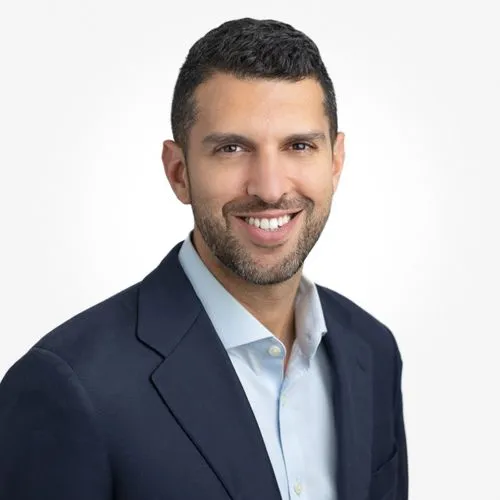
    Director, Education & Careers at Google
    With over 15 years of experience, Roy Daiany leads Google’s national team of education advertising strategists, partnering with top universities and EdTech companies to drive growth. A champion of technology-driven marketing, Roy will share valuable insights in his upcoming session, drawing on Google’s data to highlight key areas for optimizing student outreach and exploring innovative advertising practices.

    Session: Emerging Trends and Priorities for Higher Education

    Brent Fitch

    President of Rocky Mountain College of Art and Design
    Brent’s extensive career and leadership in higher education provide invaluable perspectives for InsightsEDU 2025. As President of Rocky Mountain College of Art and Design, he has played an instrumental role in shaping strategies that optimize student engagement. With a proven track record in developing innovative programs that enhance faculty, employee, and student outcomes, his strategic leadership offers InsightsEDU attendees exclusive access to tried and true best practices within higher education. Learn from Brent to gain a deeper understanding of how to navigate institutional challenges and embrace new strategies for ongoing success.

    Session: The Era of the Modern Learner: Redefining Higher Education

    Andrew Fleischer


    Head of Industry, Education at Google
    As Head of Industry for Education at Google, Andrew Fleischer leads a team dedicated to transforming how institutions and EdTech companies approach enrollment and brand positioning. With a background spanning strategic roles in Google’s App and Retail sectors, Andrew brings expertise in using data-driven advertising to address complex business goals. In his session at InsightsEDU 2024, Andrew will explore Google’s latest insights on the role of AI in higher education and share valuable strategies to navigate the evolving student journey.

    Session: Emerging Trends and Priorities for Higher Education

    Stephen Horn

    Chief Marketing Officer at The College of Health Care Professions (CHCP)
    Stephen Horn is an award-winning marketer known for his inventive strategies that drive growth and expand market share. With a strong background in brand-building and nurturing marketing talent, Steve has a proven track record of success. As Chief Marketing Officer for CHCP in Houston, his role has been critical to program success. InsightsEDU attendees can anticipate gaining valuable insights into effective strategies for enhancing student engagement and aligning marketing with cross-functional departments.

    Session: Bridging the Gap: Aligning Marketing & Enrollment Management for Success

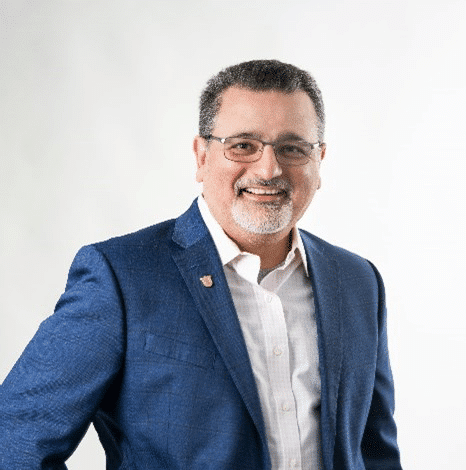
    Dr. Melik Khoury

    Dr. Melik Khoury

    President of Unity Environment University
    Gain fresh insights and practical strategies for engaging Modern Learners with Dr. Melik Khoury, a pivotal leader in higher education. As President of Unity Environmental University, Dr. Khoury prioritizes student success and has spearheaded transformative initiatives to increase enrollment and retention. His commitment to affordability, accessibility, and flexibility are paramount to the university’s enduring success. Dr. Khoury’s tenure at Unity Environmental University has established him as an innovative and adaptable leader, making him an ideal expert to address today’s new era of learning and the unique needs of Modern Learners.

    Session: The Era of the Modern Learner: Redefining Higher Education

    Dr. Andy Miller

    Senior VP of Strategic Enrollment & Partnerships at Indiana Wesleyan University
    Andy Miller, PhD, brings a wealth of experience to InsightsEDU 2025. In his role as Sr. VP of Strategic Enrollment & Partnerships at Indiana Wesleyan University, Andy oversees enrollment and partnership initiatives, serving over 12,000 students. With expertise in building cross-industry partnerships and creating training pathways for adult learners to meet workforce demands, Andy is a pivotal leader in the field.

    Session: Bridging the Gap: Aligning Marketing & Enrollment Management for Success

    Dr. Joe Sallustio

    Dr. Joe Sallustio

    Vice President of Industry Engagement at Ellucian & Cofounder The EdUp Experience Podcast
    Dr. Joe Sallustio is a leading authority within the higher ed sector, recognized for his expertise in operations, finance, and academics. With over 20 years of experience, he has led teams across various institutional functions, including marketing, enrollment, finance, and student services, equipping him with the skills to successfully navigate the modern landscape of higher education. Dr. Sallustio leverages his extensive knowledge as co-founder and host of The EdUp Experience, a podcast that explores timely topics in the higher ed industry. Join his session to learn more about innovative strategies for addressing challenges and uncovering opportunities for student success amid changing times.

    Sessions: The Era of the Modern Learner: Redefining Higher Education

    Katie Tomlinson

    Katie Tomlinson

    Senior Director of Analytics and Business Intelligence at EducationDynamics
    Prepare to unlock insights with Katie Tomlinson. As the Senior Director of Analytics and Business Intelligence, Katie expertly manages data and reporting, uncovering key trends to support EducationDynamics in delivering data-driven solutions for the higher ed community. Learn from her as she discusses findings from EducationDynamics’ latest report, where attendees will gain a deeper understanding of the evolving learning environment and the significant factors that influence Modern Learners’ educational choices.

    Session: The Evolving Expectations of the Modern Learner: How Institutions Can Adapt and Thrive

    Engage with the Leaders Shaping Higher Education

    InsightsEDU 2025 promises to be another impactful conference, offering a forum for thought leadership, best practices, and meaningful networking among higher education professionals. This conference unites industry leaders and institutions to explore the key challenges and exciting opportunities facing the higher ed sector today. Taking place in early 2025, InsightsEDU is the perfect change to gain insights that will strengthen your institution’s foundation for the year ahead and beyond. Don’t miss out–Register today to secure your spot.

    Source link

  • What to Expect at Your First InsightsEDU Conference

    What to Expect at Your First InsightsEDU Conference

    Whether you’re new to higher education conferences or a seasoned professional looking for fresh expertise, InsightsEDU offers a truly unique experience. As one of the premier conferences focused exclusively on marketing and enrollment management growth, this event is perfectly poised to equip you with networking opportunities that cultivate your understanding of the latest trends and strategies shaping the higher education sector.  

    If you are attending InsightsEDU for the first time, you can look forward to a wealth of knowledge and connections that will enhance your career in higher education and spark new strategies for enrollment growth. In this blog, we’ll guide you through what to expect and how to maximize your time at InsightsEDU 2025, taking place February 12-14, 2025 at The Ritz-Carlon in New Orleans, Louisianna.

    The Purpose of InsightsEDU 

     InsightsEDU serves as a vital platform for higher education professionals to come together and explore the evolving landscape of marketing and enrollment. This conference provides attendees with knowledge and insights to specifically address the needs and preferences of the Modern Learner.   

    By focusing on the unique challenges and opportunities faced by students and institutions alike, InsightsEDU fosters a dynamic learning environment that encourages collaboration and innovation, while empowering higher ed professionals to enhance their impact within their institutions.  

    Elevate Your Knowledge while Immersed in NOLA Atmosphere 

    The 2025 InsightsEDU Conference will take place in New Orleans, where attendees can look forward to valuable insights into the latest trends and strategies in higher education while enjoying the vibrant atmosphere of this iconic city. With over 100 colleges and universities represented, including higher education marketers, enrollment managers, and university leaders, you’ll find plenty of chances to network with peers who share your interest and challenges in the realm of higher education.  

    We are committed to providing attendees with an unforgettable experience, and this year’s event will fully embrace the NOLA flair. Highlights include the Bourbon Street Bash, featuring a lively parade, a reception at Bourbon Vieux, and a live jazz performance, allowing you to immerse yourself fully in New Orleans’ culture.    

    This conference promises to blend professional development with the vibrant atmosphere that New Orleans has to offer, ensuring a memorable and impactful experience for attendees.  

    Dive into Engaging Sessions  

    With over 38 sessions lined up, InsightsEDU 2025 offers a diverse range of learning opportunities, from keynote speeches and panel discussions to hands-on workshops. Sessions cover important topics related to emerging marketing trends, enrollment strategies, and evolving student demographics.  

    Sessions like “The Evolving Expectations of the Modern Learner” will explore how institutions can adapt to better serve today’s students, while “From Waitlist to Wins: Creative Strategies to Streamline Admissions & Maximize Enrollment” will share tactics for optimizing the enrollment experience. Additionally, the session “Mapping Content to the Student Journey: A Strategic Approach to Persona-Driven Marketing” will provide insights into aligning your marketing strategies with the needs and preferences of prospective students. These are just a few examples of the many sessions tailored to address the challenges and opportunities facing higher education.  

    With sessions led by over 40 experts in the field, InsightsEDU offers attendees invaluable access to innovative ideas and proven best practices, ensuring you leave the conference equipped with actionable insights to enhance your marketing and enrollment strategies.  

    Making the Most of Networking Opportunities   

    Networking is integral to the InsightsEDU experience, and we’ve crafted ample opportunities for you to connect with peers across disciplines, institutions, and roles. Sessions are designed to focus on the most timely and impactful topics in higher education, aiming to spark innovation and the exchange of ideas among peers. These sessions offer a valuable opportunity to gain fresh insight into shared challenges, while fostering genuine connections and unlocking potential solutions.  

    In addition to these structured moments, dedicated networking breaks and social events provide relaxed spaces to further connect with conference attendees. These moments are designed to cultivate conversations that can lead to valuable professional connections and collaborations. Networking takes many forms at InsightsEDU, with multiple touchpoints designed to cultivate meaningful connections. New sessions, like the “Flow Into Focus: A Yoga Journey for Modern Minds,” hosted by Dr. Jodi Blinco, offer a refreshing way to balance professional growth and personal wellness. This unique session creates another valuable opportunity to connect with peers in a relaxed setting, adding a fresh dimension to the conference experience.  

    To help you make the most of these opportunities, we encourage you to use the conference app as a resource. The app offers features that allow you to connect directly with colleagues, participate in discussion forums, and access the conference agenda, all of which support your networking efforts while keeping you informed. InsightsEDU is the perfect setting to expand your network and engage meaningfully with fellow higher ed professionals navigating today’s landscape.   

    Unlock New Opportunities at InsightsEDU    

    With February right around the corner, now is the perfect time to register for this premier higher education conference dedicated to empowering and igniting innovation within the sector. Take advantage of this opportunity to expand your knowledge and connect with fellow professionals. By actively participating and embracing the conference atmosphere, you can make the most of your experience, gain practical skills, and build meaningful connections.  

    Are you ready to be part of this invaluable event? Register by December 13th to enjoy the early-bird rate and secure discounted attendance for you and your team! 

    Source link