Campus policing in the United States has a long and complicated history, one that cannot be understood apart from the larger culture of violence in the nation. Colleges and universities, far from being sanctuaries of peace, have mirrored the broader society’s struggles with crime, inequality, and abuse of power. The development of campus police forces is both a symptom of these realities and a contributor to them.
From Watchmen to Armed Police
In the early 20th century, many colleges relied on night watchmen or unarmed security guards to keep order. Their duties were limited: locking buildings, checking IDs, and responding to minor incidents. But as campuses expanded in size and complexity—particularly after the GI Bill opened higher education to millions—colleges began to formalize security forces. By the 1960s and 1970s, during an era of political unrest and rising crime rates, many institutions established their own sworn police departments with full arrest powers.
The rationale was simple: the surrounding society was becoming more violent, and colleges were not immune. Campus shootings, from the University of Texas tower massacre in 1966 to Virginia Tech in 2007, underscored the vulnerability of universities to extreme violence. Administrators and legislators justified campus policing as a necessary protection against a culture of guns, crime, and fear.
The Expansion of Campus Policing
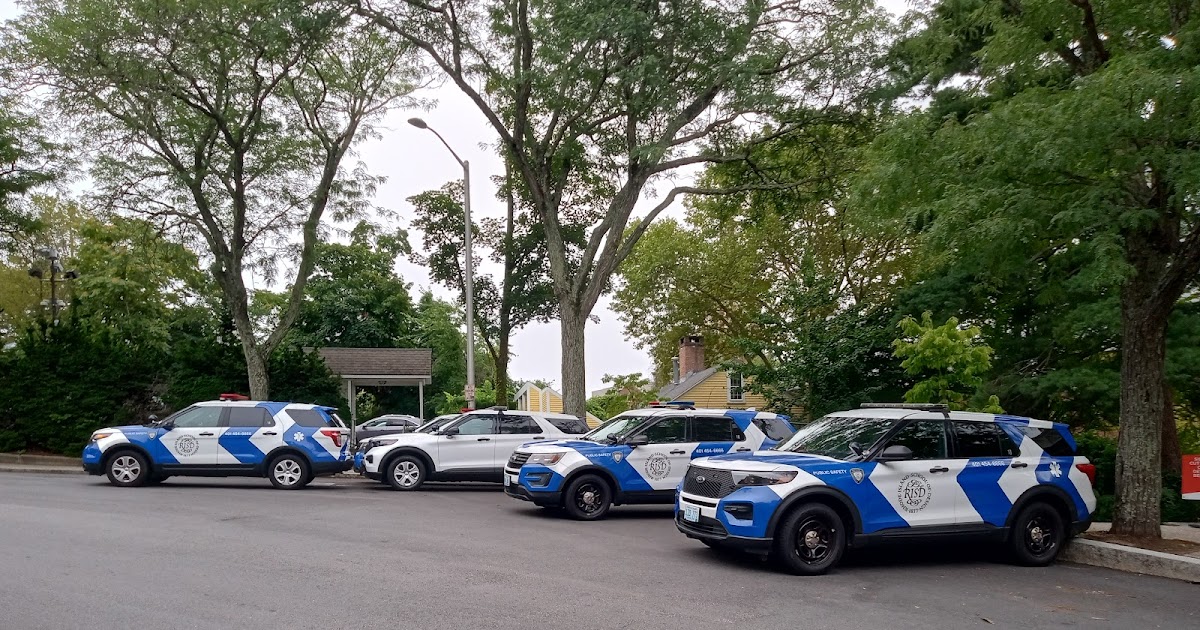
Today, more than 90 percent of U.S. colleges and universities with 2,500 or more students have some form of armed campus police. Many operate as fully accredited police departments, indistinguishable from municipal counterparts. They are tasked with preventing theft, responding to assaults, and increasingly, preparing for mass shootings. This expansion reflects the broader American decision to deal with social breakdown through policing and incarceration rather than through prevention, education, or healthcare.
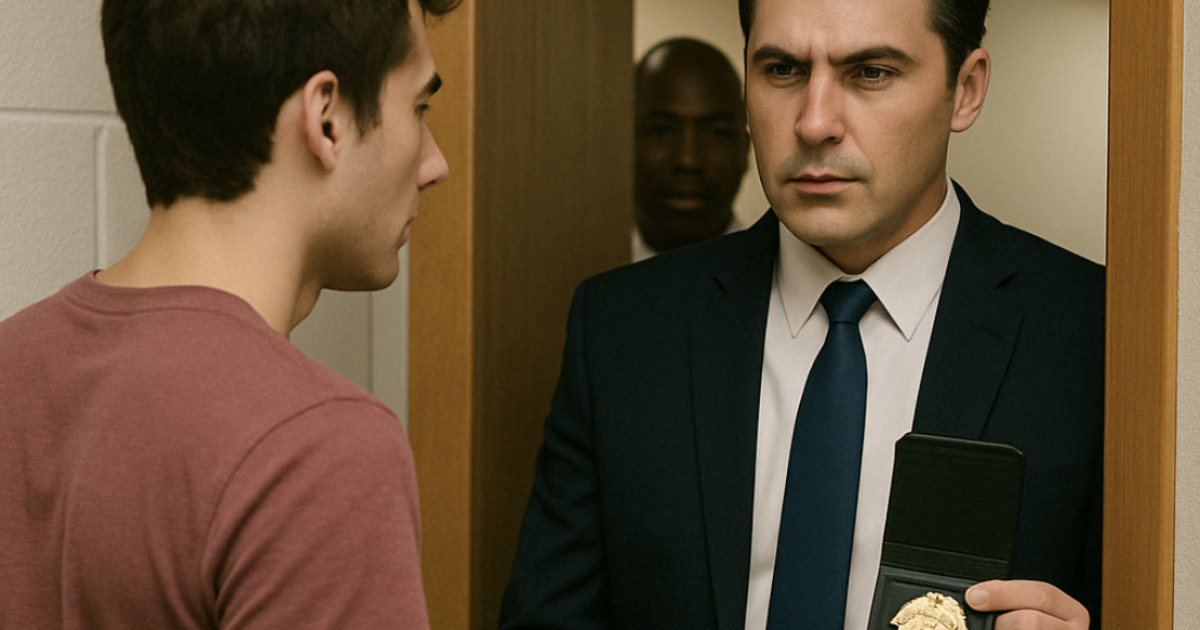
Yet the rise of campus police also brings deep contradictions. If colleges are supposed to be places of learning and community, what does it mean that they are patrolled by officers trained in the same punitive logics as city police? What does it say about the United States that students—especially students of color—often feel surveilled rather than protected?
Campus Coverups and the Protection of Institutions
Beyond concerns about over-policing, there is another side to the story: under-policing and coverups. Colleges have long been criticized for minimizing reports of sexual assault, hazing, hate crimes, and other misconduct in order to protect their reputations. Title IX litigation, Department of Education investigations, and journalism have revealed systemic patterns of universities failing to report crimes or discouraging survivors from coming forward.
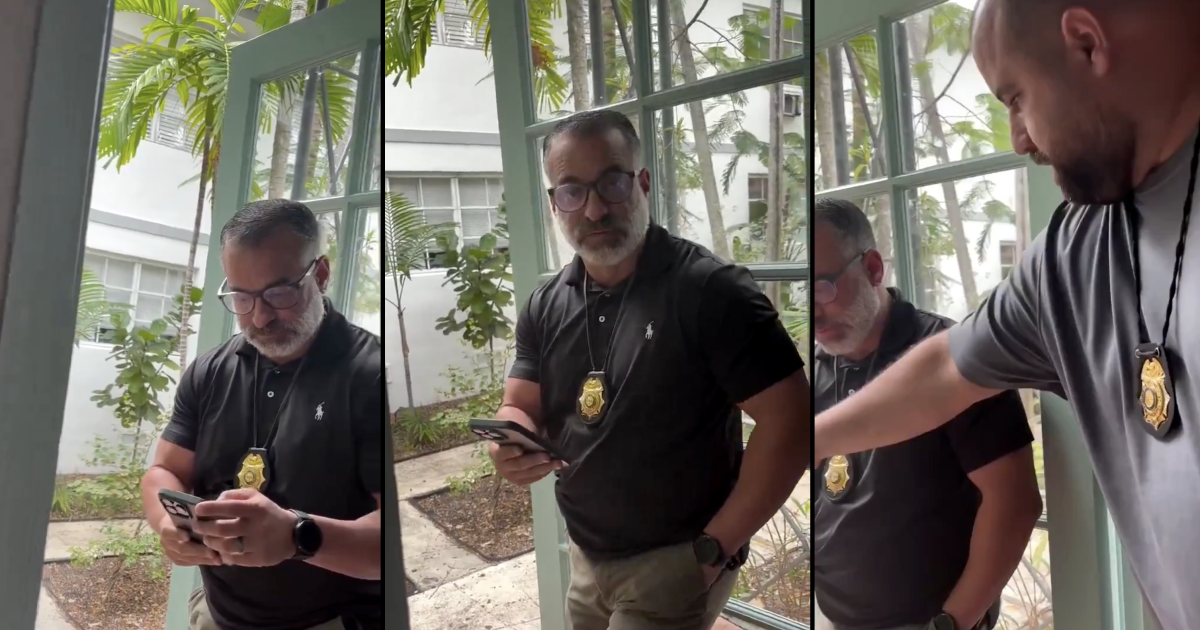
Campus police departments have sometimes been complicit in these coverups. Because they report to university administrations rather than independent city governments, their accountability is compromised. The incentive to “keep the numbers down” and maintain the appearance of a safe, prestigious campus can lead to the suppression of reports. Survivors of sexual violence often describe being dismissed, ignored, or retraumatized by campus police who appeared more concerned about institutional liability than student well-being.
The Contradictions of Campus Safety
The dual role of campus police—protecting students from external dangers while shielding institutions from internal accountability—illustrates the contradictions of higher education in a violent society. Universities are expected to provide safety in a nation awash with firearms, misogyny, racism, and economic desperation. But instead of challenging these conditions, many campuses rely on armed policing, surveillance technologies, and public relations strategies.
The result is a paradox: campuses are policed as if they are dangerous cities, yet when crimes happen within their walls, especially those involving sexual violence or elite fraternities and athletes, those same crimes are often hidden from public view.
Toward a Different Model of Safety
Critics argue that true campus safety requires moving beyond reliance on police alone. Investments in mental health services, consent education, community accountability processes, and structural reforms to address gender violence and racial inequities are essential. Some advocates push for independent oversight of campus police, ensuring they are accountable not just to administrators but to students, staff, and the broader public.
If campus policing has grown because America has normalized violence, then reimagining campus safety requires confronting the roots of that violence. As long as universities remain more committed to protecting their brands than their students, campus cops will embody the contradictions of American higher education—part shield, part coverup, and part reflection of a society unable to address its deeper wounds.
Sources
-
Sloan, John J. and Fisher, Bonnie S. The Dark Side of the Ivory Tower: Campus Crime as a Social Problem. Cambridge University Press, 2011.
-
Karjane, Heather M., Fisher, Bonnie S., and Cullen, Francis T. Campus Sexual Assault: How America’s Institutions of Higher Education Respond. National Institute of Justice, 2002.
-
U.S. Department of Education, Clery Act Reports.
-
Armstrong, Elizabeth A. and Hamilton, Laura. Paying for the Party: How College Maintains Inequality. Harvard University Press, 2013.