Tag: debt

  • American Higher Education and the Debt Trap

    American Higher Education and the Debt Trap

    They call it a “path to opportunity,” but for millions of students and their families, American higher education is just Flirtin’ with Disaster—a gamble with long odds and staggering costs. Borrowers bet their future on a credential, universities gamble with public trust and private equity, and the system as a whole plays chicken with economic and social collapse. Cue the screeching guitar of Molly Hatchet’s 1979 Southern rock anthem, and you’ve got a fitting soundtrack to the dangerous dance between institutions of higher ed and the consumers they so aggressively court.

    The Student as Collateral

    For the last three decades, higher education in the United States has increasingly behaved like a high-stakes poker table, only it’s the students who are holding a weak hand. Underfunded public colleges, predatory for-profits, and tuition-hiking private universities all promise upward mobility but deliver it only selectively. The rest? They leave the table with debt, no degree, or both.

    Colleges market dreams, but they sell debt. Americans now owe more than $1.7 trillion in student loans. And while some elite schools can claim robust return-on-investment, most institutions below the top tiers produce increasingly shaky value propositions—especially for working-class, first-gen, and BIPOC students. For them, education is often less an elevator to the middle class than a trapdoor into a lifetime of wage garnishment and diminished credit.

    Institutional Recklessness

    Universities themselves are no saints in this drama. Fueled by financial aid dollars, college leaders have expanded campuses like land barons—building luxury dorms, bloated athletic programs, and administrative empires. Meanwhile, instruction is increasingly outsourced to underpaid adjuncts, and actual student support systems are skeletal at best.

    The recklessness isn’t limited to for-profits like Corinthian Colleges, ITT Tech, and the Art Institutes, all of which collapsed under federal scrutiny. Even brand-name nonprofits—think USC, NYU, Columbia—have been exposed for enrolling students into costly, often ineffective online master’s programs in partnership with edtech firms. The real product wasn’t the degree—it was the debt.

    A Nation at the Brink

    From community colleges to research universities, institutions are now being pushed to their financial and ethical limits. The number of colleges closing or merging has skyrocketed, especially among small private colleges and rural campuses. Layoffs, like those at Southern New Hampshire University and across public systems in Pennsylvania, Oregon, and West Virginia, show that austerity is the new norm.

    But the real disaster is systemic. The American college promise—that hard work and higher ed will lead to security—is unraveling in real time. With declining enrollments, aging infrastructure, and increasing political pressure to defund or control curriculum, many schools are shifting from public goods to privatized risk centers. Even state flagship universities now behave more like hedge funds than educational institutions.

    Consumers or Victims?

    One of the cruelest ironies is that students are still told they are “consumers” who should “shop wisely.” But education is not like buying a toaster. There’s no refund if your college closes. There’s no protection if your degree is devalued. And there’s no bankruptcy for most student loan debt. Even federal forgiveness efforts—like Borrower Defense or Public Service Loan Forgiveness—are riddled with bureaucratic landmines and political sabotage.

    In this asymmetric market, the house almost always wins. Institutions keep the revenue. Third-party contractors keep their profits. Politicians collect campaign checks. And the borrowers? They’re left flirtin’ with disaster, hoping the system doesn’t collapse before they’ve paid off the last dime.

    No Exit Without Accountability

    There’s still time to change course—but it will require radical rethinking. That means:

    • Holding institutions and executives accountable for false advertising and financial harm.

    • Reining in tuition hikes and decoupling higher ed from Wall Street’s expectations.

    • Fully funding community colleges and public universities to serve as real social infrastructure.

    • Expanding debt cancellation—not just piecemeal forgiveness—for those most harmed by a failed system.

    • Ending the exploitation of adjunct labor and restoring the academic mission.

    Otherwise, higher education in the U.S. will continue on its reckless path, a broken-down system blasting its anthem of denial as it speeds toward the edge.

    As the song goes:

    “I’m travelin’ down the road and I’m flirtin’ with disaster… I got the pedal to the floor, my life is runnin’ faster.”

    So is the American student debt machine—and we’re all strapped in for the ride.


    Sources:

    • U.S. Department of Education, Federal Student Aid Portfolio

    • “The Trillion Dollar Lie,” Student Borrower Protection Center

    • The Century Foundation, “The High Cost of For-Profit Colleges”

    • Inside Higher Ed, Chronicle of Higher Education, Higher Ed Dive

    • National Center for Education Statistics

    • Molly Hatchet, Flirtin’ with Disaster, Epic Records, 1979

    Source link

  • Share your stories about life and debt

    Share your stories about life and debt

    Student loan debt in the United States has ballooned into a $1.7 trillion crisis, affecting over 43 million borrowers. Beyond the staggering figures, this debt exacts a profound human cost, influencing personal relationships, family dynamics, and long-term financial stability.

    The Burden Beyond Graduation

    For many, student loans are not just a financial obligation but a lifelong burden. A report by Demos indicates that an education debt of $53,000 can lead to a $208,000 lifetime loss of wealth. This financial strain often delays or derails significant life milestones. According to the Education Data Initiative, 51% of renting student borrowers have postponed homeownership due to their debt, while 22% have delayed starting a business.

    Strained Relationships and Delayed Families

    The weight of student debt extends into personal relationships. A study by TIAA and MIT AgeLab found that nearly one-quarter of borrowers reported that student loans have led to conflict within their families. Furthermore, the greater the student loan debt, the more likely borrowers are to delay key life events such as marriage and having children.

    Multigenerational Impact

    Student debt doesn’t just affect individual borrowers; it reverberates across generations. Parents and grandparents often co-sign loans or take on debt themselves to support their children’s education. The TIAA and MIT AgeLab study revealed that 43% of parents and grandparents who took out loans for their children or grandchildren plan to increase retirement savings once the student loan is paid off. This shift in financial priorities underscores the long-term impact of educational debt on family financial planning.

    Mental Health and Emotional Well-being

    Beyond financial implications, student debt significantly affects mental health. A study from Harvard Law School’s Center on the Legal Profession found that 65% of borrowers reported that their total student loan debt or monthly loan obligation caused them to feel anxious or stressed. Over 70% of those with debts between $100,000 and $200,000 reported high or overwhelming stress levels.

    Policy Shifts and Economic Consequences

    Recent policy changes have further complicated the landscape for borrowers. The resumption of student loan collections, including wage garnishments and tax refund seizures, has placed millions at risk. As of early 2025, nearly one in four borrowers are behind on their payments, with over 90 days delinquent . This financial strain not only affects individual borrowers but also poses a threat to overall economic growth, as decreased consumer spending impacts broader economic stability.

    Shredding the Fabric of Society 

    The student loan crisis is more than a financial issue; it’s a pervasive force affecting the fabric of American life. From delayed life milestones and strained family relationships to mental health challenges and economic repercussions, the impact is profound and far-reaching. Addressing this crisis requires comprehensive policy reforms that consider the human stories behind the debt figures. Only then can we hope to alleviate the burden and restore financial freedom to millions of Americans.

    Share Your Story

    The student loan crisis is more than a financial issue; it’s a pervasive force affecting the fabric of American life. From delayed life milestones and strained family relationships to mental health challenges and economic repercussions, the impact is profound and far-reaching.

    We want to hear from you. If you or someone you know is grappling with the weight of student debt, please consider sharing your story. Your experiences can shed light on the real-world implications of this crisis and help others understand they’re not alone.

    To share your story, please email us at [email protected] with the subject line “Student Debt Story.” Include your name, location, and a brief summary of your experience. We may feature your story in an upcoming article to highlight the human toll of student debt.

    Together, we can bring attention to this pressing issue and advocate for meaningful change.

    Source link

  • Kashana Cauley’s Fictional Rebellion Echoes a Real-Life Debt Hero

    Kashana Cauley’s Fictional Rebellion Echoes a Real-Life Debt Hero

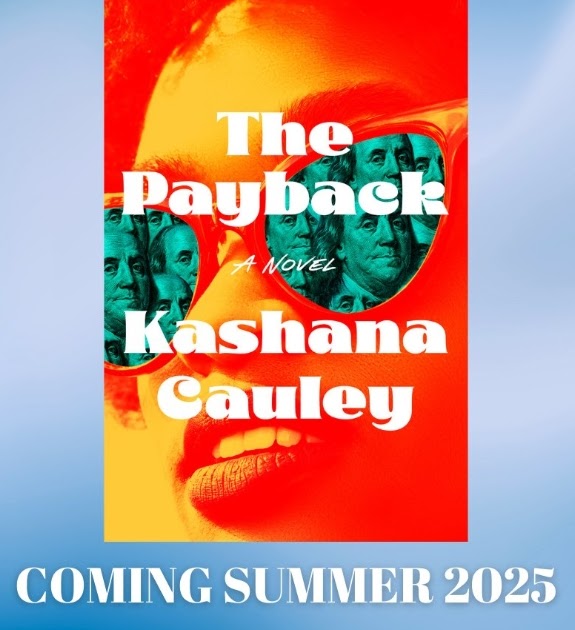
    Kashana Cauley’s second novel, The Payback (out July 15, 2025), might read like a brilliantly absurd heist movie—but its critique of debt peonage, surveillance capitalism, and broken educational promises is dead serious. With its hilarious yet harrowing depiction of three underemployed retail workers taking on the student loan-industrial complex, The Payback arrives not just as a much-anticipated literary event, but as a cultural reckoning.

    The protagonist, Jada Williams, is relentlessly hounded by the “Debt Police”—a dystopian twist that, while fictional, feels terrifyingly close to home for America’s 44 million student debtors. But instead of accepting a life of financial bondage, Jada and her mall coworkers hatch a plan to erase their student debt and strike back against the system that sold them a future in exchange for permanent servitude.

    This wild caper—praised by Publishers Weekly, Bustle, The Boston Globe, and others for its intelligence and audacity—may be fiction, but it echoes the real-life story of one bold man who did exactly what Jada dreams of doing.

    The Legend of Papas Fritas

    In the mid-2000s, a Chilean man known only by his pseudonym, Papas Fritas (French Fries), pulled off one of the most radical and symbolic acts of debt resistance in modern history. A former art student at Chile’s prestigious Universidad del Mar—a private for-profit institution later shut down for corruption and fraud—Papas Fritas discovered that the university had falsified financial documents to secure millions in profits while leaving students in mountains of debt.

    His response? He infiltrated the school’s administrative offices, extracted records documenting approximately $500 million in student loans, and burned them. Literally. With no backup copies.

    He then turned the ashes into an art installation called “La Morada del Diablo” (The Devil’s Dwelling), displayed it publicly, and became an instant folk hero. For many Chileans, who had taken to the streets in the early 2010s protesting an exploitative and privatized higher education system, Papas Fritas was more than a trickster—he was a vigilante philosopher, an artist of revolt.

    His act raised questions that still haunt us: What is the moral value of debt acquired through deception? Should the victims of predatory institutions be forced to pay for their own exploitation?

    Fiction Meets Resistance

    In The Payback, Cauley’s characters don’t just want debt relief—they want retribution. And like Papas Fritas, they understand that justice in an unjust system may require transgression, even sabotage. Cauley, a former Daily Show writer and incisive New York Times columnist, doesn’t shy away from this. Her prose is electric with rage, joy, absurdity, and clarity.

    She also knows exactly what she’s doing. Jada’s plan to eliminate debt isn’t merely about numbers—it’s about dignity, possibility, and reclaiming a future that was sold for interest. Cauley’s fiction, like Papas Fritas’s fire, is not just a spectacle—it’s a warning, and a dare.

    In an America where student debt totals over $1.7 trillion, where debt servicers act like bounty hunters, and where the promise of higher education has become a trapdoor, The Payback delivers catharsis—and inspiration.

    Hollywood, take note: this story demands a screen adaptation. But more importantly, policymakers, debt collectors, and university administrators should take heed. The people are reading. And they’re getting ideas.

    Preorder The Payback

    Signed editions are available through Black-owned LA bookstores Reparations Club, Malik Books, and Octavia’s Bookshelf. National preorder links are now live. Read it before the Debt Police knock on your door.

    Because as both Cauley and Papas Fritas remind us: sometimes, the only moral debt is the one you refuse to pay.

    Source link

  • Higher Education Inquirer : Trump’s Neg Reg to Weaponize Debt Is Here

    Higher Education Inquirer : Trump’s Neg Reg to Weaponize Debt Is Here

    Back in March, President Trump announced an executive order to revoke Public Service Loan Forgiveness (PSLF) eligibility from public service workers employed at organizations engaged in work opposed by his administration—a blatantly illegal attempt to use public service workers as pawns in his right-wing political project to destroy civil society.

    Shortly after, the U.S. Department of Education (ED) announced its plans for a Negotiated Rulemaking (Neg Reg) process to put these dangerous policies into the PSLF regulations. Today marked Day 1 of the only 3-day committee session for this Neg Reg—and ED has already doubled down on this campaign to weaponize debt to silence speech that does not align with President Trump’s MAGA playbook:

    • ED’s first draft of regulatory language, to put it bluntly, serves Trump’s fascist agenda. It empowers Secretary McMahon to block all government workers with student debt, including first responders, social workers, and teachers, from receiving PSLF in retaliation if she decides that a local or state government policy conflicts with her extreme, right-wing views on immigration, civil rights, or free speech. More on that here.
    • ED excluded borrowers and key experts from the rulemaking committee.
    • Despite overwhelming public demand for stronger borrower protections, discussions focused on weaponizing and restricting critical relief programs like PSLF.

    Session Summary:

    • The day started off on a bad foot. Abby Shafroth, alternate negotiator for the Consumers, Legal Aid, and Civil Rights seat, requested to add a seat dedicated to civil rights because the proposed changes to PSLF directly affect the ability of marginalized communities to access higher education. Civil rights advocates Chavis Jones and Jaylon Herbin were present and ready to join the table—but ED denied the request.
    • After this inaugural miscarriage of justice, most of the day was spent running through definitions outlined in ED’s proposed language. Does ED actually have the authority to exclude certain groups from PSLF when Congress has already specially outlined some but not others? Hint: they don’t. Who would be excluded from PSLF based on “illegal activities”? Would military members be excluded if the military were found in violation of state tort laws? If a city’s Health Department were specifically found guilty of substantial illegal activity, would all workers employed by that entire city be disqualified?
    • Put plainly: ED did not have sufficient answers for these questions. At times, ED chastised negotiators for asking questions at inappropriate times.” Other times, ED assured folks that everything would become clear once the Notice of Proposed Rulemaking language was issued. ED also refused to provide any examples of application of, or answer any “hypothetical” questions about their proposal. In our opinion, if you’re going to put forth a prospective rulemaking to decide the fate of millions of people, you should at the very least be able to explain how it would work.

    Missing From the Table:

    ED refused to seat Satra D. Taylor, a student loan borrower, Black woman, and SBPC fellow, who wants to know:

    “Why didn’t ED include anyone who would be most affected by these policy changes to negotiate—not a single public service worker, civil rights advocate, first responder, social worker, or teacher? Also, what is ED’s legal authority to propose these regulations in the first place? Congress defined in law that government and 501(c)(3) non-profit employers are categorically eligible for PSLF, and yet ED’s current proposal would exclude government and non-profit employers that it determines no longer engage in public service. This is a foundational issue for the Neg Reg, and ED refused to provide a clear answer.”

    Public Comment Mic  Drops:

    Our legal director, Winston Berkman-Breen (also excluded from the committee), called out ED during the public comment period:

    “Although this is not a serious proposal, it is a dangerous one. If the Administration has true concerns about whether employers across the country are engaged in unlawful activity, its law enforcement offices could conduct thorough investigations and then allow courts to determine the merits of those allegations. Instead, it has proposed letting the Secretary of Education police American society.”

    Source link

  • Higher Education Inquirer : Liberty University Online: Master’s Degree Debt Factory

    Higher Education Inquirer : Liberty University Online: Master’s Degree Debt Factory

    Liberty University, one of the largest Christian universities in the United States, has built an educational empire by promoting conservative values and offering flexible online degree programs to hundreds of thousands of students. But behind the pious branding and patriotic marketing lies a troubling pattern: Liberty University Online has become a master’s degree debt factory, churning out credentials of questionable value while generating billions in student loan debt.

    From Moral Majority to Mass Marketing

    Founded in 1971 by televangelist Jerry Falwell Sr., Liberty University was created to train “Champions for Christ.” In the 2000s, the school found new life through online education, transforming from a small evangelical college into a mega-university with nearly 95,000 online students, the vast majority of them enrolled in nontraditional and graduate programs.

    By leveraging aggressive digital marketing, religious appeals, and promises of career advancement, Liberty has positioned itself as a go-to destination for working adults and military veterans seeking master’s degrees. But this rapid expansion has not come without costs — especially for the students who enroll.

    A For-Profit Model in Nonprofit Clothing

    Though technically a nonprofit, Liberty University operates with many of the same profit-driven incentives as for-profit colleges. Its online programs generate massive revenues — an estimated $1 billion annually — thanks in large part to federal student aid programs. Students are encouraged to take on loans to pay for master’s degrees in education, counseling, business, and theology, among other fields. Many of these programs are offered in accelerated formats that cater to working adults but often lack the rigor, support, or job placement outcomes associated with traditional graduate schools.

    Federal data shows that many Liberty students, especially graduate students, take on substantial debt. According to the U.S. Department of Education’s College Scorecard, the median graduate student debt at Liberty can range from $40,000 to more than $70,000, depending on the program. Meanwhile, the return on investment is often dubious, with low median earnings and high rates of student loan forbearance or default.

    Exploiting Faith and Patriotism

    Liberty’s marketing strategy is finely tuned to appeal to Christian conservatives, homeschoolers, veterans, and working parents. By framing education as a moral and patriotic duty, Liberty convinces students that enrolling in an online master’s program is both a personal and spiritual investment. Testimonials of “calling” and “purpose” are common, but the financial realities can be harsh.

    Many students report feeling misled by promises of job readiness or licensure, especially in education and counseling fields, where state licensing requirements can differ dramatically from what Liberty prepares students for. Others cite inadequate academic support and difficulties transferring credits.

     The university spends heavily on recruitment and retention, often at the expense of student services and academic quality.

    Lack of Oversight and Accountability

    Liberty University benefits from minimal federal scrutiny compared to for-profit schools, largely because of its nonprofit status and political connections. The institution maintains close ties to conservative lawmakers and was a vocal supporter of the Trump administration, which rolled back regulations on higher education accountability.

    Despite a series of internal scandals — including financial mismanagement, sexual misconduct cover-ups, and leadership instability following the resignation of Jerry Falwell Jr. — Liberty has continued to expand its online presence. Its graduate programs, particularly in education and counseling, remain cash cows that draw in federal loan dollars with few checks on student outcomes.

    A Cautionary Tale in Christian Capitalism

    The story of Liberty University Online is not just about one school. It reflects a broader trend in American higher education: the merging of religion, capitalism, and credential inflation. As more employers demand advanced degrees for mid-level jobs, and as traditional institutions struggle to adapt, schools like Liberty have seized the opportunity to market hope — even if it comes at a high cost.

    For students of faith seeking upward mobility, Liberty promises a path to both spiritual and professional fulfillment. But for many, the result is a diploma accompanied by tens of thousands in debt and limited economic return. The moral reckoning may not be just for Liberty University, but for the policymakers and accreditors who continue to enable this lucrative cycle of debt and disillusionment.


    The Higher Education Inquirer will continue to investigate Liberty University Online and similar institutions as part of our ongoing series on higher education debt, inequality, and regulatory failure.

    Source link

  • Historic Black Church Eliminates Student Debt for SAU Seniors

    Historic Black Church Eliminates Student Debt for SAU Seniors

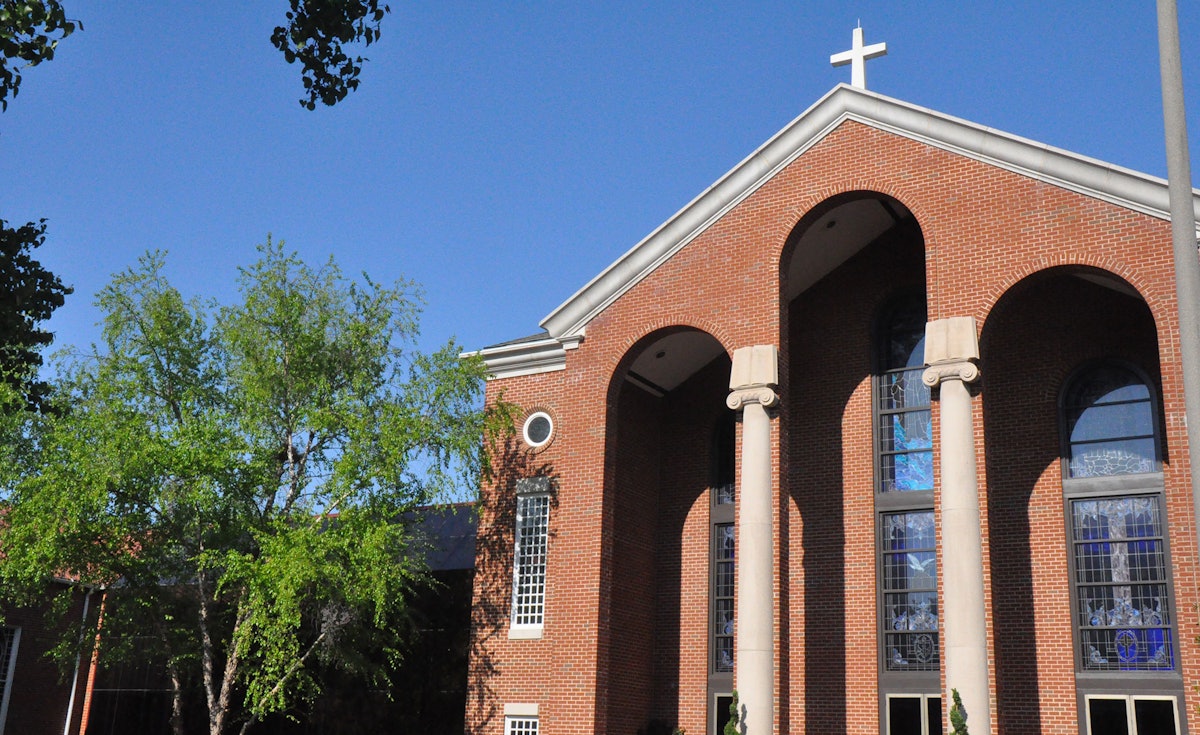
    Rev. Dr. Howard-John Wesley, Senior Pastor of Alfred Street Baptist Church.Alfred Street Baptist Church of Alexandria, Virginia, a prominent Black congregation located just outside Washington D.C., has donated $132,469 to Saint Augustine’s University (SAU) to eliminate the outstanding debt of 11 graduating seniors, enabling them to receive their diplomas debt-free at the May 3rd commencement ceremony.

    The timely donation comes as SAU faces a litany of challenges, including an appeal to hold on to its accreditation.

    The 222-year-old church, one of the nation’s oldest and largest predominantly African American congregations with approximately 13,000 members, has a long history of supporting historically Black colleges and universities (HBCUs). Church officials estimate about 60% of Alfred Street’s members are HBCU graduates themselves.

    “This act of grace by Alfred Street Baptist Church is nothing short of transformative for our students and our institution,” said SAU Interim President Dr. Marcus H. Burgess. “We are immensely grateful for this demonstration of faith and partnership.”

    The donation comes at a critical time when many small private colleges and HBCUs face financial challenges. The university had initially informed the entire graduating class that students with unpaid tuition balances could not participate in the commencement ceremony. While more than half of SAU’s graduating class managed to settle their balances independently, 11 students still needed assistance.

    “This is what ministry looks like,” said Rev. Dr. Howard-John Wesley, Senior Pastor of Alfred Street Baptist Church. “We believe in investing in students, in HBCUs, and in a future where financial hardship should never be a barrier to graduation.”

    This isn’t the first time Alfred Street Baptist Church has stepped up to support HBCU students. In 2019, the church raised $150,000 in a single weekend to pay off account balances for 34 graduating seniors at Howard University while also contributing $50,000 to assist Bennett College.

    The connection between SAU and Alfred Street was nurtured by SAU alumni Gilbert and Carolyn Knowles, who are members of the church.

    “When my wife and I discovered that our church, Alfred Street, approved the donation and the amount they would give to SAU, we cried tears of joy out of love for our church and our alma mater,” said Gilbert Knowles, a 1976 graduate.

    For students like SGA President Tillia Leary, a graduating senior from The Bahamas majoring in accounting, the donation has been life changing. “This incredible act of kindness lifted a major burden and affirmed my belief in the power of community and faith,” said Leary, who plans to attend Ball State University for her master’s degree.

    The timing of this gift coincides with SAU’s efforts to overcome recent challenges and chart a course forward. Representatives from Alfred Street Baptist Church will attend SAU’s commencement ceremony to celebrate with the students whose burdens they’ve helped lift.

    While this donation covers 11 seniors’ debt, many other SAU students still face financial hurdles totaling approximately $230,000. The university is calling on others moved by the church’s act of philanthropy, to contribute to their student relief funds or scholarship programs.

    Source link

  • Debt Collection on Defaulted Student Loans to Restart in May

    Debt Collection on Defaulted Student Loans to Restart in May

    J. David Ake/Getty Images

    The Education Department will resume collecting on defaulted student loans early next month, restarting a system that’s been on hold since spring 2020, the agency announced Monday.

    Starting May 5, the department will withhold tax refunds or benefits such as Social Security from borrowers who are in default. Later this summer, the department will begin garnishing the wages of defaulted borrowers, a move consumer protection advocates have criticized as out of control.

    About 38 percent of the nearly 43 million student loan borrowers are current on their payments, and a record number of borrowers are at risk of or in delinquency and default, the department said Monday. Borrowers default when they miss at least 270 days of payments.

    When the Biden administration restarted student loan payments in September 2023, it offered a one-year grace period for borrowers during which those who didn’t make payments were spared the worst financial consequences, including default.

    Research into borrowers who default and other data shows they typically fall behind on their payments because other loans take a higher priority or they can’t afford their payments, among other reasons. And borrowers in default usually don’t have the ability to repay their loans. A survey from the Pew Charitable Trusts found that unemployed borrowers were twice as likely to default compared to those who worked full-time. Additionally, borrowers who didn’t complete the education they took out loans to pay for are more likely to default than completers.

    “The folks who fall behind on their payments are those who are least well served by the higher education and repayment systems,” said Sarah Sattelmeyer, project director for education, opportunity and mobility in the higher education initiative at New America, a left-leaning think tank. “A lot of those folks did not receive a return on their higher education investment … These aren’t people who overwhelmingly do not want to pay their loans.”

    About 5.3 million borrowers have defaulted on their loans, and many have been in default for more than seven years, according to the department. Another four million borrowers are in “late-stage delinquency,” or 91 to 180 days behind on their payments. The department expects about 10 million or nearly one-quarter of borrowers to default by the fall.

    “We think that the federal student loan portfolio is headed toward a fiscal cliff if we don’t start repayment and collections,” a senior department official said on a press call Monday. “American taxpayers can no longer serve as collateral for student loans.”

    The official didn’t take questions, and a department spokesperson referred reporters to Education Secretary Linda McMahon’s recent op-ed in The Wall Street Journal. She’s also slated to appear on CNBC and Fox Business to discuss the restart in collections.

    In her public statements Monday, McMahon blamed the Biden administration and colleges for the current situation.

    “Colleges and universities call themselves nonprofits, but for years they have profited massively off the federal subsidy of loans, hiking tuition and piling up multibillion-dollar endowments while students graduate six figures in the red,” she wrote in the Journal.

    Beyond the immediate restart, the senior department official said the department is planning to work with Congress to fix the system so that students can afford their loan payments and to lower the cost of college.

    Former Biden administration officials, borrowers and debt-relief advocates have said that efforts to forgive student loans were a way to address systemic failures in the student loan system and to help vulnerable borrowers who were likely to never repay their loans.

    The department is planning a “robust communication strategy,” the senior official said, to spread the word to borrowers and share information about their options, such as enrolling in an income-driven repayment plan or loan rehabilitation.

    Currently, about 1.8 million borrowers have pending applications for an IDR plan, but the department intends to clear that backlog over the next few weeks, the official said. The department also is planning to email borrowers individually about their options. The outreach plan also includes extending the loan servicers’ call center hours on weekends and weeknights.

    Sattelmeyer, who worked in the Office of Federal Student Aid during the Biden administration, said it will be important to ensure borrowers have access to information and the tools such as IDR plans to either get out of or avoid default and then stay on track. She questioned whether the department has enough staff to restart collections effectively, given the recent mass layoffs at the agency.

    “The issue is that the system is in disarray right now and there have not been a consistent set of options available for borrowers at the same time that we’re turning back on collections,” she said. “At the end of the day, I think the most important thing is that it does not feel like we have the resources and the staffing in place to make this go smoothly and to ensure that borrowers have support and access to resources and tools.”

    Source link

  • The Artist Who Set Chile’s Student Debt Ablaze

    The Artist Who Set Chile’s Student Debt Ablaze

    Born in 1983 in the southern neighborhoods of Santiago, Chile, Francisco Tapia Salinas—better known as Papas Fritas—emerged as an influential figure in contemporary art despite having limited formal training. Tapia’s unconventional path led him to become an internationally recognized artist, but it was his provocative 2014 performance piece, Ad Augusta per Augusta (“To the Elevated by the Difficult”), that catapulted him to fame and solidified his place in the global art scene.

    The title of the work was a direct reference to the motto of the now-defunct University del Mar, a private institution that had been shut down by Chile’s Ministry of Education. As the university’s closure left hundreds of students with substantial debt but no degree, Tapia was moved to take action. In an audacious statement of solidarity, he planned to “destroy the promissory notes and IOUs” that had burdened these students, who were trapped by years of financial obligations despite not completing their education.

    On the day of the performance, Papas Fritas and a group of students seized the campus and stole documents worth over 500 million Chilean pesos (roughly equivalent to millions of dollars in student debt). The artist then set the documents on fire, offering the ashes as a powerful visual symbol of resistance and a rejection of the deeply privatized educational system. Tapia’s act of defiance was followed by his self-reporting to the authorities.

    In a poignant five-minute video shared widely, Tapia declared, “It’s over, it’s finished. You don’t have to pay another peso of your student loan debt. We have to lose our fear, our fear of being thought of as criminals because we’re poor. I am just like you, living a shitty life, and I live it day by day — this is my act of love for you.” His words resonated deeply, especially among the university’s students, who were legally able to disavow their debts as a result of his intervention.

    The minimal legal consequences Tapia faced in light of local legislation underscored the paradox of a system that prioritizes privatization over the well-being of its citizens. His artistic intervention, which boldly confronted both the educational establishment and Chile’s deeply entrenched financial inequities, has since been hailed as an iconic piece of contemporary Chilean art.

    Ad Augusta per Augusta remains a testament to Tapia’s unflinching commitment to social justice, and his work continues to provoke discussions on the intersection of art, activism, and the privatization of education in Latin America.

    Source link

  • Accelerated Business Degree Reduces Student Debt

    Accelerated Business Degree Reduces Student Debt

    As more students and parents consider the value of higher education and the cost of a four-year degree, interest has grown in three-year degree opportunities that allow students to complete their education in less time for a lower tuition rate.

    Westminster College in Pennsylvania launched a new Degree in Three program in the School of Business this year, allowing learners to graduate with 125 credits and shave a year off their time in undergraduate education. Additionally, the program pairs with the college’s master of business administration, so learners can complete two degrees in four years if they so choose.

    The background: There were a few catalysts for creating a formal three-year degree program, explains Robert Badowski, Westminster’s school of business chair. First, more students were coming in with credits from high school from AP or dual-enrollment programs, making their degree progress quicker. Second, more students and parents had noted the high cost of education and concerns about student debt.

    A May 2024 Student Voice survey by Inside Higher Ed and Generation Lab found seven in 10 respondents say higher education institutions in general charge too much for an undergraduate education.

    Westminster isn’t the only college facing pressure to get students to graduation sooner: Interest in formalized three-year degree programs has grown in recent years, and more institutions are looking to get in the game, even medical schools.

    At Westminster, the college had helped students shape their own schedules to graduate in three years rather than four, but a curriculum review and restructuring of elective courses has helped make this accessible to all students.

    What’s different: Westminster students can take up to 19 credit hours per semester and be considered full-time, but the business program offered primarily four-credit courses, making it difficult for students to max out their credit load.

    “You could take four classes, but if you took the fifth class, you were paying extra money, and most students don’t want to take on that burden, even if it was cutting off a year,” Badowski explains.

    Many three-year degree programs reduce the total number of credits students have to complete, but Westminster accelerated business students still complete at least 125 credits. To do so, faculty members reimagined their four-credit elective courses to be worth either one or two credits instead.

    Now, instead of engaging in a deep dive into an elective topic, students receive greater breadth in a variety of areas and are able to hit that 19-credit threshold exactly.

    “We had a meeting [with faculty members] as far as which courses made sense to do this with, and we found out in the process that a lot of [content] was stretched out purposefully just to be stretched out,” Badowski says. The process of removing content or packing it into seven or eight weeks, therefore, made more sense in many cases.

    The restructuring of elective courses is something that will benefit all business students, not just those participating in the accelerated degree program, giving them greater flexibility in scheduling.

    BOGO deal: In addition to removing costs associated with attending college, the Degree in Three program allows students to pair their undergraduate and graduate degrees in a four-year timeline.

    “We have a pretty neat deal that if students want to take one of their M.B.A. classes the last semester of their senior year, they can,” Badowski says. “We don’t charge for the M.B.A. course, so that gets them kind of jettisoned into the program.”

    The offering is particularly attractive to student athletes at the college, many of whom want to use all four years of eligibility.

    The price of an M.B.A. at Westminster is also around $10,000, so students spend less for a three-plus-one M.B.A. degree than four years in their undergraduate program, Badowski says.

    What’s next: Administrators are working on creating awareness of the offering among prospective students and particularly parents, who “are going to look at this and hopefully go, ‘I can help my kids save a year of tuition, maybe get them out of college a year faster,’” Badowski says.

    The college doesn’t have specific goals for enrollment, but Badowski would like to see 20 in the first year and consistent growth after that. “I’m hoping that people find it useful for them, [because] they’re still getting the same amount of credits. They’re taking the same classes as everybody else, it’s just faster.”

    Get more content like this directly to your inbox. Subscribe here.

    Source link

  • Student Debt by Ethnicity | HESA

    Student Debt by Ethnicity | HESA

    Hi all. Just a quick one today, this time on some data I recently got from StatsCan.

    We know a fair a bit about student debt in Canada, especially with respect to distribution by gender, type of institution, province, etc. (Chapter 6 of The State of Postsecondary Education in Canada is just chock full of this kind of data if you’re minded to take a deeper dive). But to my knowledge no one has ever pulled and published the data on debt by ethnicity, even though this data has been collected for quite some time through the National Graduates Survey (NGS). So I ordered the data, and here’s what I discovered.

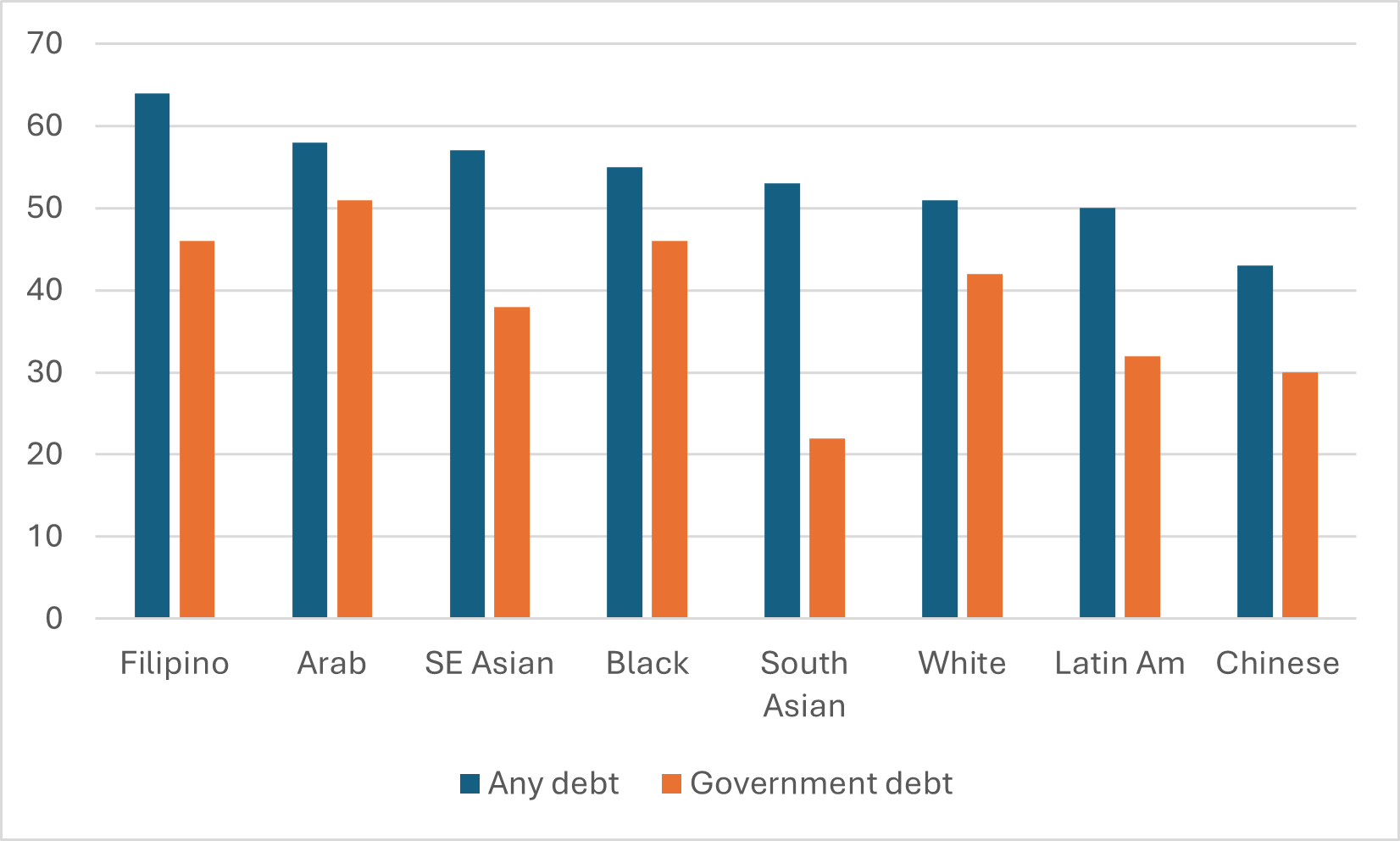
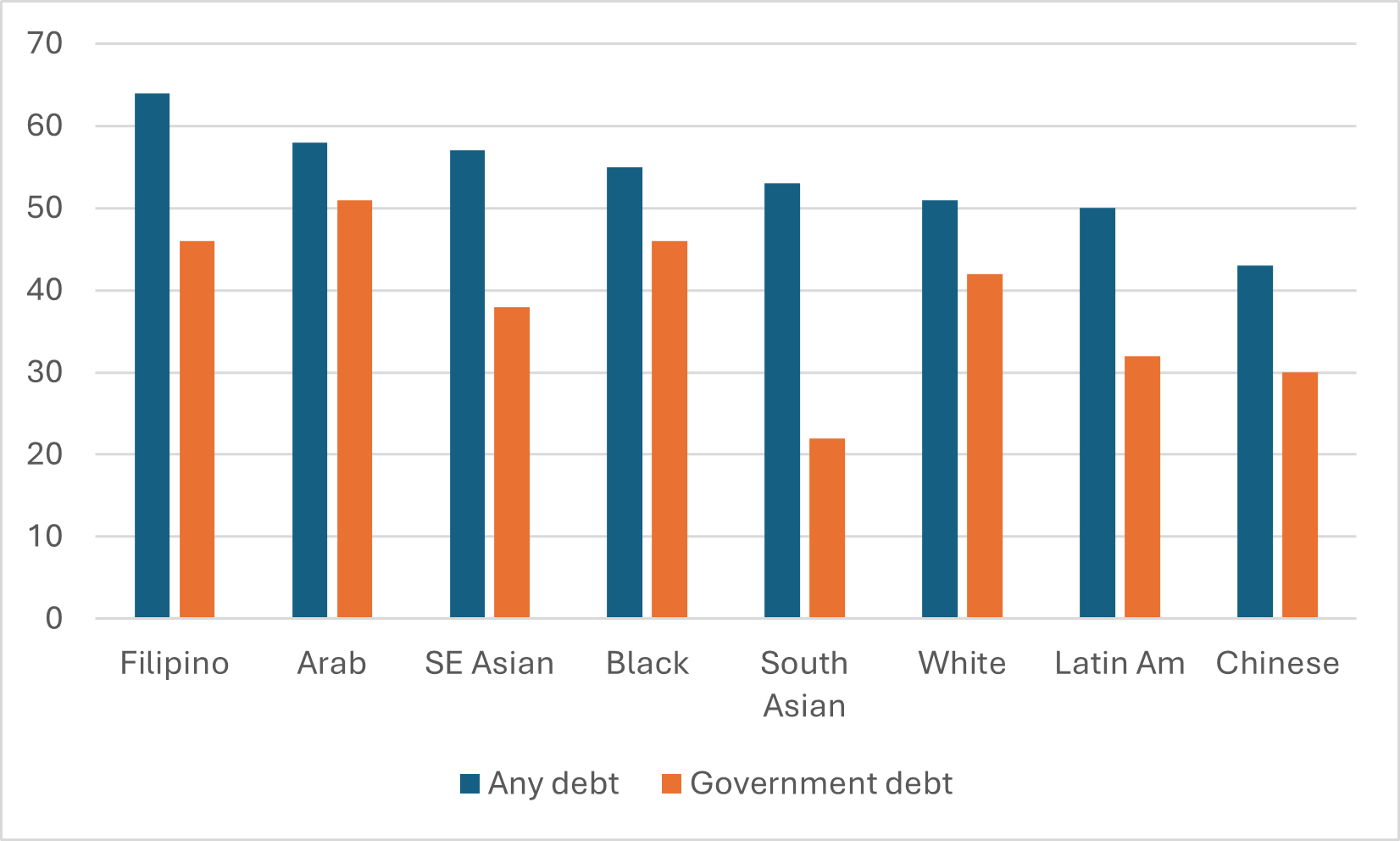
    Figure 1 shows incidence of borrowing for the graduating class of 2020, combined for all graduates of universities and graduates, for the eight largest ethnicities covered by the NGS (and before anyone asks, “indigeneity” is not considered an ethnicity so anyone indicating an indigenous ethnicity is unfortunately excluded from this data… there’s more below on the challenges of getting additional data). And the picture it shows is…a bit complex.

    Figure 1: Incidence of Borrowing, College and University Graduates Combined, Class of 2020

    If you just look at the data on government loan programs (the orange bars), we see that only Arab students have borrowing rates in excess of 1 in 2. But for certain ethnicities, the borrowing rate is much lower. For Latin American and Chinese students, the borrowing rate is below 1 in 3, and among South Asian students the borrowing rate is barely 1 in 5. Evidence of big differences in attitudes towards borrowing!

    Except…well when you add in borrowing from private sources (e.g. from banks and family) so as to take a look at overall rates of borrowing incidence, the differences in borrowing rates are a lot narrower. Briefly, Asian and Latin American students borrow a lot more money from private sources (mainly family) than do Arab students, whites, and Blacks. These probably come with slightly easier repayment terms, but it’s hard to know for sure. An area almost certainly worthy of further research.

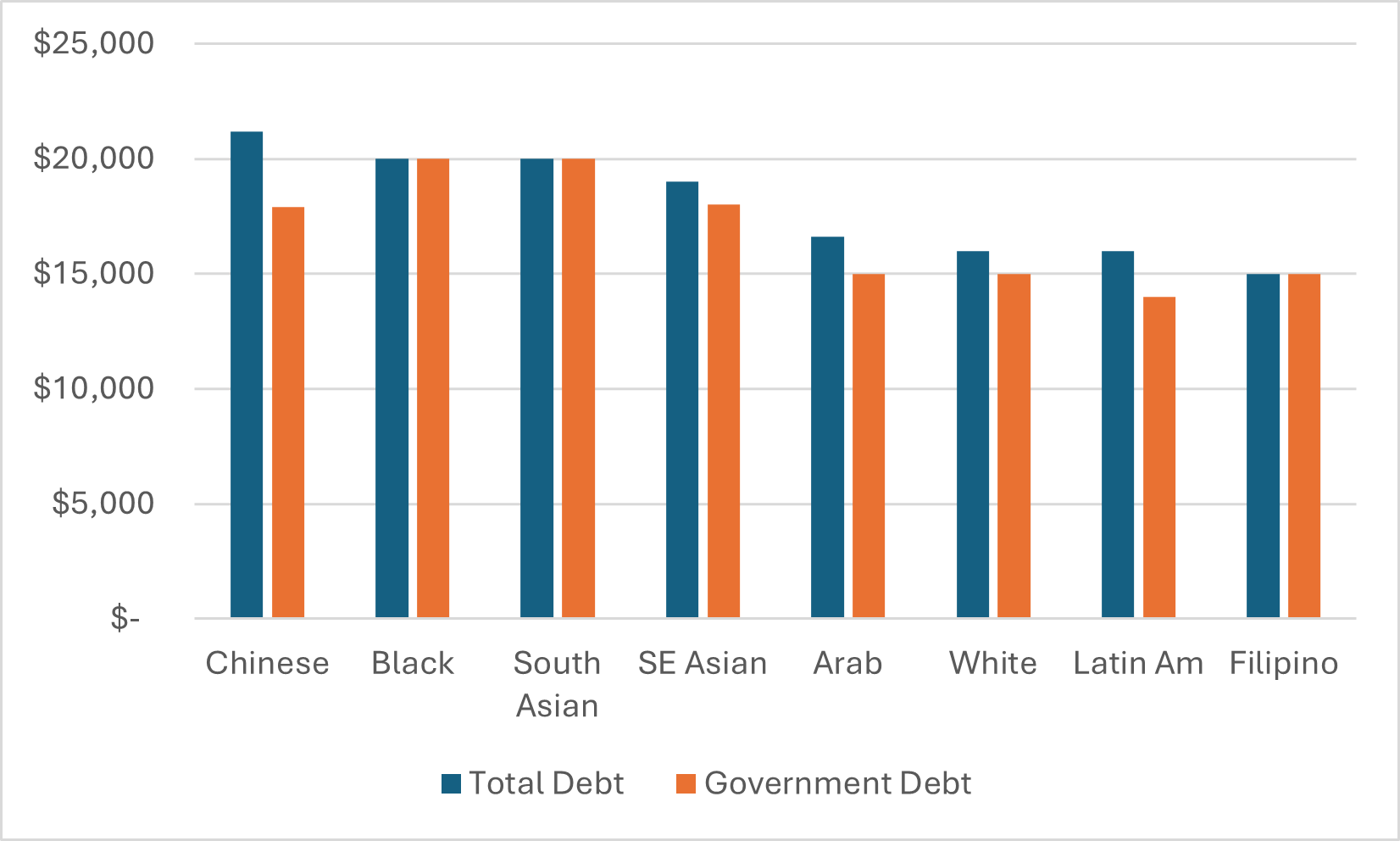
    There is a similarly nuanced picture when we look at median levels of indebtedness among graduates who had debt. This is shown below in Figure 2.

    Figure 2: Median Borrowing, College and University Graduates Combined, Class of 2020

    Now, there isn’t a huge amount of difference in exiting debt levels by ethnicity: the gap is only about $6,000 between the lowest total debt levels (Filipinos) and the highest (Chinese). But part of the problem here is that we can’t distinguish the reason for the various debt levels. Based on what we know about ethnic patterns of postsecondary education, we can probably guess that Filipino students have low debt levels not because they are especially wealthy and can afford to go to post-secondary without financial assistance. But rather because they are more likely to go to college and this spend less time, on average, in school paying fees and accumulating debt. Similarly, Chinese students don’t have the highest debt because they have low incomes; they have higher debt because they are the ethnic group the most likely to attend university and spend more time paying (higher) fees.

    (Could we get the data separately for universities and colleges to clear up the confound? Yes, we could. But it cost me $3K just to get this data. Drilling down a level adds costs, as would getting data based on indigenous identity, and this is a free email, and so for the moment what we have above will have to do. If anyone wants to pitch in a couple of grand to do more drilling-down, let me know and I would be happy to coordinate some data liberation).

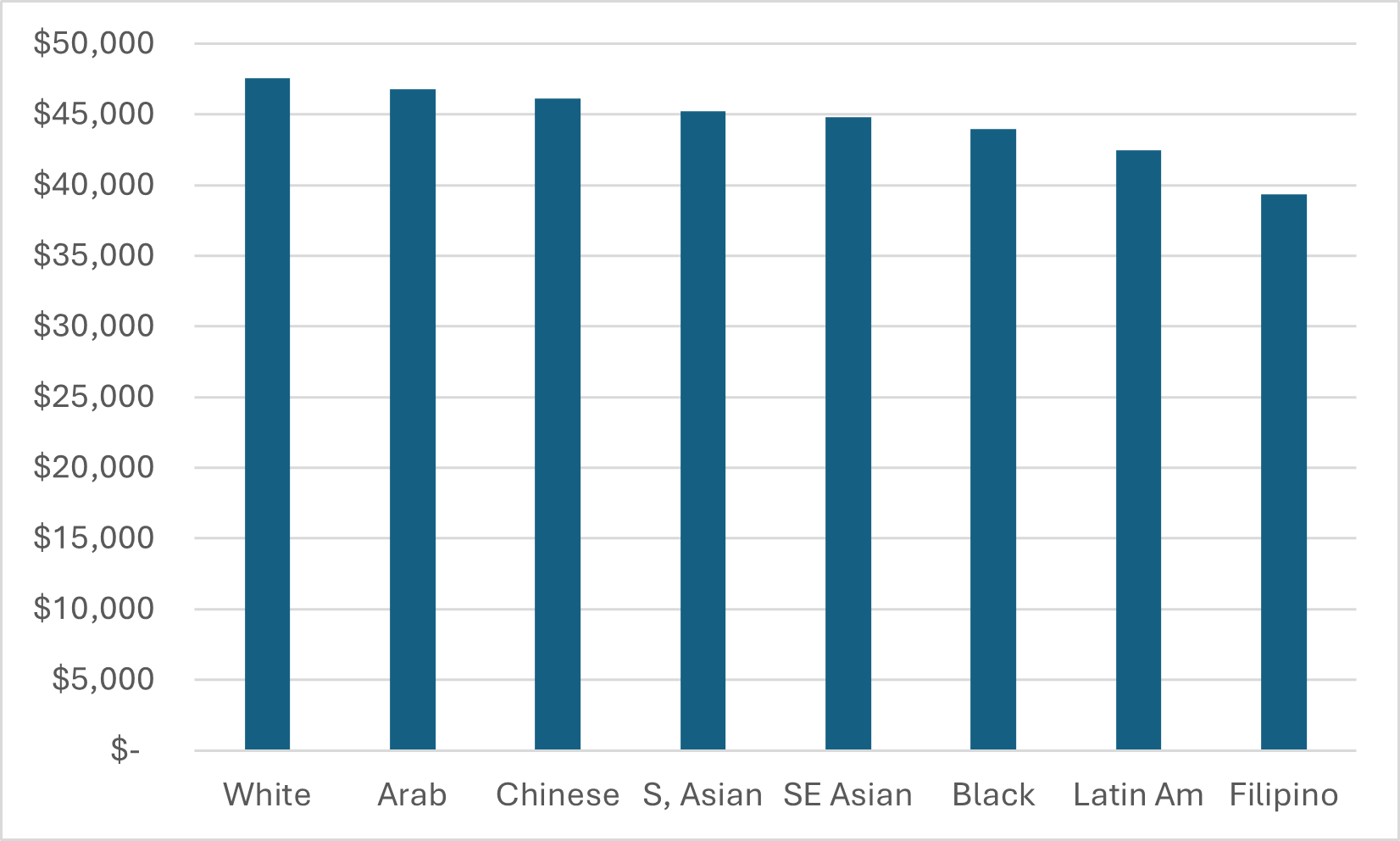
    It is also possible to use NGS data to look at post-graduate income by debt. I obtained the data by in fairly large ranges (e.g. $0-20K, $20-60K, etc.), but it’s possible on the basis of that to estimate roughly what median incomes are (put it this way: the exact numbers are not exactly right, but the ordinal rank of income of the various ethnicities are probably accurate). My estimations of median 2023 income of 2020 graduates—which includes those graduates who are not in the labour market full-time, if you’re wondering why the numbers look a little low—are shown below in Figure 3.

    Figure 3: Estimate Median 2023 Income, College and University Graduates Combined, Class of 2020

    Are there differences in income here? Yes, but they aren’t huge. Most ethnic groups have median post-graduate incomes between $44 and $46,000. The two lowest-earning groups (Latin Americans and Filipinos) re both disproportionately enrolled in community colleges, which is part of what is going on in this data (if you want disaggregated data, see above).

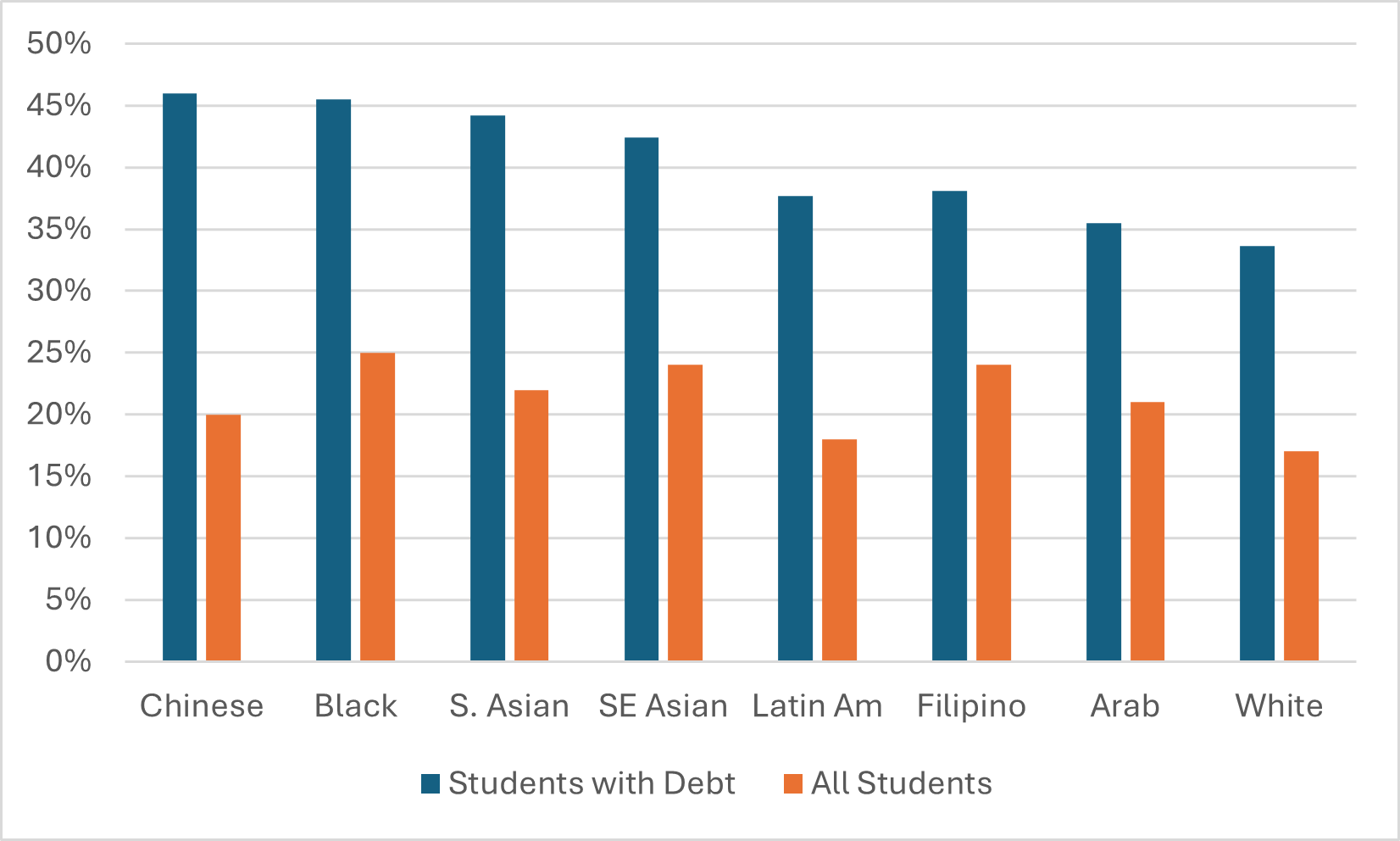
    Now, the data from the previous graphs can be combined to look at debt-to-income ratios, both for students with debt, and all students (that is, including those that do not borrow). This is shown below in Figure 4.

    Figure 4: Estimated Median 2023 Debt-to-Income Ratios, College and University Graduates Combined, Class of 2020

    If you’re just dividing indebtedness by income (the blue bars), you get a picture that looks a lot like Figure 2 in debt, because differences in income are pretty small. But if you are looking at debt-to-income ratios across all students (including those that do not borrow) you get a very different picture because as we saw in Figure 1, there are some pretty significant differences in overall borrowing rates. So, for instance, Chinese students go from having the worst debt-to-income ratio on one measure to being middle of the pack on another because they have relatively low incidence of borrowing; similarly, students of Latin American origin go from being middle-of-the-pack to nearly the lowest debt-to-income ratios because they are a lot less likely to borrow than others. Black students end up having among the highest debt-to-income ratios not because they earn significantly less than other graduates, but because both the incidence and amount of their borrowing is relatively high.

    But I think the story to go with here is that while there are differences between ethnic groups in terms of borrowing, debt, and repayment ratios, and that it’s worth trying to do something to narrow them, the difference in these rates is not enormous. Overall, it appears that as a country we are achieving reasonably good things here, with the caveat that if this data were disaggregated by university/ college, the story might not be quite as promising.

    And so ends the first-ever analysis of student debt and repayment by ethnic background. Hope you found it moderately enlightening.

    Source link