Tag: Disabilities

  • How IDEA sparked innovations for students with — and without — disabilities

    How IDEA sparked innovations for students with — and without — disabilities

    This is part one of a two-part series on the 50th anniversary of the Individuals with Disabilities Education Act. For part two, click here.

    When Antoinette Banks’ daughter, Nevaeh, was diagnosed with intellectual disabilities in 2011, Banks was told her 5-year-old daughter would have a 0% chance of living independently as an adult.

    “What I’m hearing is that my kid doesn’t have a future,” Banks says. “It broke me for a little bit.”

    To fill in all the unanswered questions she had about her daughter’s future, Banks began trying to better understand the special education system she and her daughter were now a part of.

    Just understanding all the processes and paperwork — individualized education programs, evaluations, assessments, procedural notices and more — got “super confusing sometimes,” says Banks, who lives in Sacramento, California.

    Even after she filed all the special education documents in a three-ring binder, Banks still struggled to organize documents critical for monitoring the interventions provided by multiple teachers and therapists, as well as for tracking information from doctors and diagnosticians.

    She created what she called an online “spreadsheet on steroids” to share with her daughter’s support teams. As she improved her homemade tool, she began sharing the template with other families in similar situations.

    Antoinette Banks (right) stands with her daughter Nevaeh in northern California in spring 2025.

    Permission granted by Lana Andruh


    That prototype evolved into Expert IEP, a platform that’s now powered by artificial intelligence to help families, school districts, therapists and doctors collaborate on services for children with disabilities, Banks says. 

    “I thought that if I could get everyone to just communicate with one another and not be so siloed and not telling me what they think, but what does the data say about my daughter, then maybe we can get focused on what she actually needs in her learning environment,” Banks says.

    Fast forward to today: Banks’ daughter is 19 years old and graduated in June from a public California high school with a general education diploma. Nevaeh is now studying biological systems engineering at a northern California college and wants to become a nanotechnologist, according to her mother.

    “I feel so very, very blessed to have been able to be on this wild roller coaster ride with my daughter and continue to advocate and refine, because anything is possible,” Banks says.

    The tool Banks created — which she said was born out of both frustration and necessity — is but one example of the many tools and techniques developed over the past five decades to support students with disabilities and their families and teachers.

    On Nov. 29, the landmark Individuals with Disabilities Education Act turns 50. President Gerald Ford signed the legislation, originally known as the Education for All Handicapped Children Act, guaranteeing students with disabilities the right to a free and appropriate public education. Before then, no federal requirement existed that schools must educate students with disabilities. 

    In addition to opening public schools to a whole population of children, the law became the catalyst for legions of innovative practices and tools cultivated from both public and private sources. The transformations, special education experts say, were spurred by an ongoing need to individualize student supports while helping children with disabilities progress in general education classrooms.

    IDEA eligibility grows over 5 decades

    Since the Individuals with Disabilities Education Act was enacted, the portion of all public school students qualifying for special education services almost doubled.

    Many of these practices and technologies — such as universal design for learning, assistive technology, and positive behavioral interventions and supports — would not only be proven to help students with disabilities, but also to benefit their peers without disabilities.

    Innovative and proven practices that are effective for a student with disabilities are “going to work with a student without disabilities,” says Lindsay Kubatzky, director of policy and advocacy for the National Center for Learning Disabilities.

    To mark IDEA’s 50th anniversary, K-12 Dive spoke with special education experts about approaches, practices and technologies that have revolutionized how students with disabilities are supported — and how these innovations keep evolving.

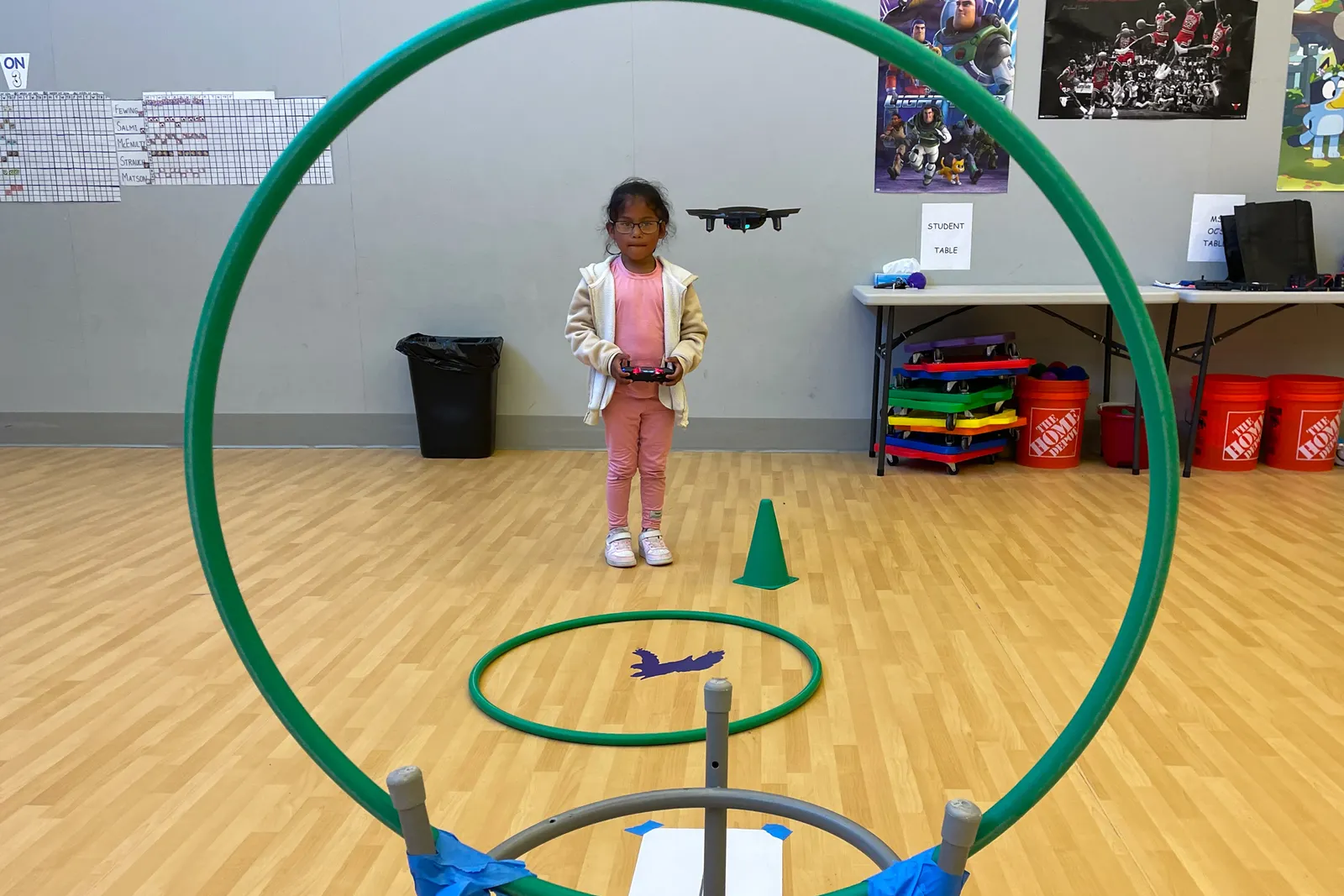
    A student is holding a device while standing on a sports court inside. In the foreground is a hoop framing the photo from the camera.

    In rural Oregon, K-2 students at Warrenton Grade School take part in the CAST Take Flight drone curriculum in October 2025, showcasing how universal design for learning principles enable meaningful STEM learning for even the youngest learners.

    Permission granted by Carolyn Peterson


    Eliminating learning barriers with UDL

    Delana Robles spends her day problem solving. As the universal design for learning resource teacher in New Mexico’s Albuquerque Public Schools, Robles helps teachers make learning accessible for students who have dyslexia, hearing or vision impairments, learning disabilities or other conditions.

    “UDL is a way to include every student in the classroom by looking at who they are as a learner and as a person, versus seeing them as someone with a deficit,” Robles says. If educators understand each student’s strengths and needs and how to support them, “education will improve across the board,” she says.

    The UDL framework can be applied across all ages and learning environments to reduce instructional barriers through classroom design, assistive technology and engaging teaching and learning practices. These could include using text-to-speech features or large fonts, or allowing students to choose how they demonstrate their knowledge by writing a report, creating a slideshow or performing a skit, for example.

    UDL got its start in 1984 when neuroscience researchers were looking for ways computers — which were just becoming more widely used for personal and professional use — could improve learning for students with disabilities. A group of five clinicians from North Shore Children’s Hospital in Salem, Massachusetts, formed the nonprofit Center for Applied Special Technology.

    A person is looking at the camera. Their head and shoulders are seen.

    Lindsay Jones is the CEO of CAST.

    Permission granted by Lindsay Jones


    Lindsay Jones, CEO of CAST and former president and CEO of the National Center for Learning Disabilities, says one of the biggest developments in special education over the past 50 years has been the acceptance of learner variability — the idea that each student processes and demonstrates learning differently. UDL, Jones says, helps schools use technology, classroom designs and instructional practices to make learning more effective and inclusive for each student.

    Source link

  • Supporting neurodiverse learners requires more than accommodation: It demands systemic change

    Supporting neurodiverse learners requires more than accommodation: It demands systemic change

    Key points:

    Approximately 1 in 5 children in the United States are estimated to be neurodivergent, representing a spectrum of learning and thinking differences such as autism, ADHD, dyslexia, and more. These children experience the world in unique and valuable ways, but too often, our education systems fail to recognize or nurture their potential. In an already challenging educational landscape, where studies show a growing lack of school readiness nationwide, it is more important than ever to ensure that neurodivergent young learners receive the resources and support they need to succeed.

    Early support and intervention

    As President and CEO of Collaborative for Children, I have personally seen the impact that high-quality early childhood education can have on a child’s trajectory. Birth to age five is the most critical window for brain development, laying the foundation for lifelong learning, behavior, and health. However, many children are entering their academic years without the basic skills needed to flourish. For neurodivergent children, who often need tailored approaches to learning, the gap is even wider.

    Research indicates that early intervention, initiated within the first three years of life, can significantly enhance outcomes for neurodivergent children. Children who receive individualized support are more likely to develop stronger language, problem-solving, and social skills. These gains not only help in the classroom but can also lead to higher self-confidence, better relationships and improved well-being into adulthood.

    The Collaborative for Children difference

    Collaborative for Children in Houston focuses on early childhood education and is committed to creating inclusive environments where all children can thrive. In Houston, we have established 125 Centers of Excellence within our early childhood learning network. The Centers of Excellence program helps child care providers deliver high-quality early education that prepares children for kindergarten and beyond. Unlike drop-in daycare, our certified early childhood education model focuses on long-term development, combining research-backed curriculum, business support and family engagement.

    This year, we are expanding our efforts by providing enhanced training to center staff and classroom teachers, equipping them with effective strategies to support neurodivergent learners. These efforts will focus on implementing practical, evidence-based approaches that make a real difference.

    Actionable strategies

    As educators and leaders, we need to reimagine how learning environments are designed and delivered. Among the most effective actionable strategies are:

    • Creating sensory-friendly classrooms that reduce environmental stressors like noise, lighting, and clutter to help children stay calm and focused.
    • Offering flexible learning formats to meet a range of communication, motor, and cognitive styles, including visual aids, movement-based activities, and assistive technology.
    • Training teachers to recognize and respond to diverse behaviors with empathy and without stigma, so that what is often misinterpreted as “disruption” is instead seen as a signal of unmet needs.
    • Partnering with families to create support plans tailored to each child’s strengths and challenges to ensure continuity between home and classroom.
    • Incorporating play-based learning that promotes executive functioning, creativity, and social-emotional development, especially for children who struggle in more traditional formats.

    Benefits of inclusive early education

    Investing in inclusive, high-quality early education has meaningful benefits not only for neurodivergent children, but for other students, educators, families and the broader community. Research indicates that neurotypical students who learn alongside neurodivergent peers develop critical social-emotional skills such as patience, compassion and acceptance. Training in inclusive practices can help educators gain the confidence and tools needed to effectively support a wide range of learning styles and behaviors as well as foster a more responsive learning environment.

    Prioritizing inclusive early education can also create strong bonds between families and schools. These partnerships empower caregivers to play an active role in their child’s development, helping them navigate challenges and access critical resources early on. Having this type of support can be transformative for families by reducing feelings of isolation and reinforcing that their child is seen, valued, and supported.

    The benefits of inclusive early education extend far beyond the classroom. When neurodivergent children receive the support they need early in life, it lays the groundwork for increased workforce readiness. Long-term economic gains can include higher employment rates and greater earning potential for individuals. 

    Early childhood education must evolve to meet the needs of neurodivergent learners. We cannot afford to overlook the importance of early intervention and tailored learning environments. If we are serious about improving outcomes for all children, we must act now and commit to inclusivity as a core pillar of our approach. When we support all children early, everyone benefits.

    Latest posts by eSchool Media Contributors (see all)

    Source link

  • How some states are keeping children with disabilities in child care

    How some states are keeping children with disabilities in child care

    Selina Likely, a child care director in Columbus, Ohio, understands the desperation that parents feel when they can’t find a good placement for their children with disabilities. When Likely’s daughter was a child, the little girl was abruptly kicked out of her daycare center for biting, leaving her mother with little recourse.

    “I was so angry and mad at the time,” said Likely, whose daughter is now an adult. “How are you going to kick out a 1-year-old?”

    Thanks to a new state initiative, Likely and other child care providers like her can now receive additional training on how to support children with disabilities, who are far more likely than other children to be expelled from child care programs. Some states have similar programs, with the ultimate goal of creating more child care slots where young children with disabilities and delays can thrive.


    How Hechinger inspired a bill

    Earlier this year, my colleague Sarah Carr published a piece revealing that in Illinois and other states many families of premature babies are leaving the hospital with no information or guidance on critical therapies they are entitled to. In June, the Illinois Legislature passed a bill that would require hospitals to distribute detailed information on early intervention — those required therapies for babies and toddlers with disabilities and developmental delays — to most families with severely premature infants. The new law was proposed by state Rep. Janet Yang Rohr after Sarah’s story was published.

    The bill, which awaits action by the governor, would also require the state’s early childhood systems to prioritize, in a public awareness campaign, the early identification of infants who automatically qualify for the therapies because of their low birth weight.

    This story about children with disabilities was produced by The Hechinger Report, a nonprofit, independent news organization focused on inequality and innovation in education. Sign up for the Hechinger newsletter.

    The Hechinger Report provides in-depth, fact-based, unbiased reporting on education that is free to all readers. But that doesn’t mean it’s free to produce. Our work keeps educators and the public informed about pressing issues at schools and on campuses throughout the country. We tell the whole story, even when the details are inconvenient. Help us keep doing that.

    Join us today.

    Source link

  • Child care centers often reject kids with disabilities. Ohio and other states are trying to change that

    Child care centers often reject kids with disabilities. Ohio and other states are trying to change that

    This story about children with disabilities was produced by The Hechinger Report, a nonprofit, independent news organization focused on inequality and innovation in education. Sign up for the Hechinger newsletter.

    COLUMBUS, Ohio — When Selina Likely became director of the Edwards Creative Learning Center six years ago, she knew there was one longstanding practice that she wanted to change. For as long as she had taught at the thriving child care center, it had turned away many children with disabilities such as autism and Down syndrome. The practice was even encoded in the center’s handbook as policy.

    Likely, the parent of a child with a disability, wanted to stop telling families no, but she knew that to do that she and her staff would need more support. “I said, ‘Let’s start getting training and see what we can do.’” 

    Not too long after, her effort received a big boost from a state-funded initiative in Ohio to strengthen child care teachers’ knowledge and confidence in working with young kids with disabilities and developmental delays. That program, Ohio PROMISE, offers free online training for child care workers in everything from the benefits of kids of all abilities learning and playing together to the kinds of classroom materials most helpful to have on hand. It also offers as-needed mentorship and support from trained coaches across the state.  

    Related: Young children have unique needs, and providing the right care can be a challenge. Our free early childhood education newsletter tracks the issues. 

    Child care providers across the country — including large, established centers and tiny home-based programs — struggle to meet the needs of children with disabilities, according to a 2024 report from the U.S. Government Accountability Office. More than a quarter of parents of children with disabilities said they had a lot of difficulty finding appropriate care for their kids. And even those who do find a spot regularly encounter challenges, like having their children excluded from extracurricular activities such as field trips and even academic instruction. 

    “It’s really hard to find child care for this population, we heard that loud and clear,” said Elizabeth Curda, a director on the GAO’s Education, Workforce and Income Security team and a coauthor of the report. Even the most well-resourced centers report that they struggle to meet the needs of children with disabilities, according to Curda. 

    There’s a lot of desire at the grassroots level to change that. Ohio PROMISE and a few other recent initiatives provide models for how to expand the capacity — and the will — of child care centers to serve the more than 2 million U.S. children age 5 or below who have a disability or developmental delay.

    Cards on the walls at Edwards Creative Learning Center display the signs for different letters so students — whether nonverbal or not — can all learn sign language. Credit: Sarah Carr/The Hechinger Report

    In Vermont, for instance, officials hope to soon unveil a free, on-demand training program aimed at helping child care teachers have more inclusive classrooms. And officials in Ohio’s Summit County, home to Akron, report growing interest from other counties in creating programs based on Summit’s more than decade-old model that provides in-person training for child care operators in inclusion of children with disabilities. 

    “We’re helping to create child care centers that feel they can handle whatever comes their way, especially when it comes to significant behavior concerns,” said Yolanda Mahoney, the early childhood center support supervisor for Summit County’s disabilities board.

    The federal government until recently encouraged the creation of such models. In 2023, the federal Department of Education and Department of Health and Human Services issued a joint statement urging states to take steps to support inclusion in early childhood settings, including strengthening training and accountability. 

    Also, a year-old provision of the Child Care and Development Fund, the primary federal funding source for child care, requires that states increase the availability of child care for children with disabilities as a prerequisite for receiving funds. (However, 43 states have received waivers allowing them to delay implementation of that provision.) 

    Under the current president, federal momentum on the issue has largely stalled. While the administration of President Donald Trump hasn’t directly attacked inclusion in the context of special education, the president has criticized the term more broadly — especially when it comes to diversity, equity and inclusion. That can create uncertainty and a chilling effect on advocates of inclusion efforts of all kinds.   

    Funding for some inclusion efforts is also in jeopardy. States rely on Medicaid, which faces nearly $1 trillion in cuts over the next decade, to pay for early intervention programs for children birth to age 3 with developmental delays and disabilities. Trump has also proposed eliminating Preschool Development Grants, which states such as Vermont and Illinois have used to expand support of young children with disabilities. 

    That means over the next few years, progress on inclusion in child care settings could hinge largely on state and local investment. It helps that there’s a “real desire” among providers to enroll more children with disabilities, said Kristen Jones, an assistant director on the GAO’s education, workforce and income security team, who also worked on the report. “But there’s also a concern that currently they can’t do that in a safe way” because of a lack of training and resources.

    Related: For kids with disabilities, child care options are worse than ever

    In Ohio, the idea for Ohio PROMISE came after an appeal in 2022 from Republican Gov. Mike DeWine. He reported that families were coming to him saying they couldn’t find child care for their kids with disabilities. 

    “He said, ‘Come to me with ideas to solve that problem,’” recalled Wendy Grove, a senior adviser in the Ohio Department of Children and Youth who spearheaded development of the program.

    Grove and her colleagues had already been working on a related effort. In 2020, Ohio won a federal grant that included help exploring how well — or not — children with disabilities were being included in child care and early education settings. DeWine liked the idea Grove’s team presented of morphing that work into a state-led effort to strengthen training and support for child care teachers. They also proposed more direct support to families, including the extension of child care vouchers to families with incomes above the poverty level, with a higher reimbursement rate for children with disabilities. 

    The training, which debuted about two years ago, is provided in three levels. Jada Cutchall, a preschool teacher at Imaginative Beginnings, an early learning center just outside of Toledo, recently completed the third tier, which for her included customized coaching. Cutchall’s coach helped her create communication tools for a largely nonverbal student, she said, including a board with pictures children can point to if, for example, they want to go to the bathroom or try a different playground activity. 

    As a result, Cutchall said, she has watched kids with disabilities, including those with speech impairments and autism, engage much more directly with their classmates. “They have the courage to ask their peers to play with them — or at least not distance themselves as much as they usually would,” she said. All of the children in the classroom have benefited, she added, noting that kids without disabilities have taken an interest in learning sign language, strengthening their own communication skills and fostering empathy. 

    Child care programs where one teacher and one administrator have completed some of the training earn a special designation from the state, which may eventually be tied to the opportunity to get extra funding to serve children with disabilities. In Ohio PROMISE’s first year, 1,001 child care centers — about 10 percent of the total number in Ohio — earned that designation, according to Grove.

    For the last six years, Selina Likely has overseen the Edwards Creative Learning Center, where she’s steadily tried to enroll more children with disabilities and developmental delays. Credit: Sarah Carr/The Hechinger Report

    The effort costs a little over $1 million in state dollars each year, with most of that paying for several regional support personnel who work directly with centers as mentors and advisers. Over the last two years, Ohio has seen a 38 percent increase in the number of children in publicly funded centers who qualify for the higher voucher reimbursement rate for children with disabilities, which can be double the size of the standard voucher.

    Grove hopes that ultimately the effort plays a role in narrowing a critical and stubborn gap in the state: about 27 percent of children without disabilities show readiness on state standards for kindergarten; only 14 percent of children with disabilities do. Since so few disabilities exhibited at that age are related to intellectual or cognitive functioning, “we shouldn’t see that gap,” said Grove. “There’s no real reason.”  

    One goal of the new efforts is to reduce the number of young children with disabilities who are expelled from or pushed out of care. Those children are frequently asked to leave for behaviors related to their disability, the GAO report found.

    Several years ago, a child care center in Columbus expelled Meagan Severance’s 18-month-old son for biting a staff member. The boy has several special needs, including some related to attention deficit hyperactivity disorder. Severance brought him to Edwards Creative Learning Center, where not too long after Selina Likely shifted into the role of director. The boy also bit a staff member there — not uncommon behavior for toddlers, especially those with sensory sensitivities and communication challenges. 

    Likely was determined to work with the child, not expel him. “They put in time and effort,” said Severance. “The response wasn’t, ‘He bit someone, he’s gone.’” 

    Likely empathized. Decades earlier, her own daughter had been expelled from a child care center in her hometown of Mansfield, Ohio, for biting.

    “I was so angry and mad at the time — how are you going to kick out a 1-year-old?” she said. The center director didn’t think at all about how to help her child, Likely recalled, instead asking Likely what might be happening at home to make the child want to bite. She said she got no notice or grace period to find a new placement. “That left me in a disheartened place,” she said. “I was like, ‘I still have to go to work.”

    Seventeen years old at the time, she was inspired by the injustice of the situation to quit her job in a factory and apply to be an assistant in a child care program. She’s been in the industry ever since, gradually trying to make more space for children like her daughter, who was later diagnosed with autism.  

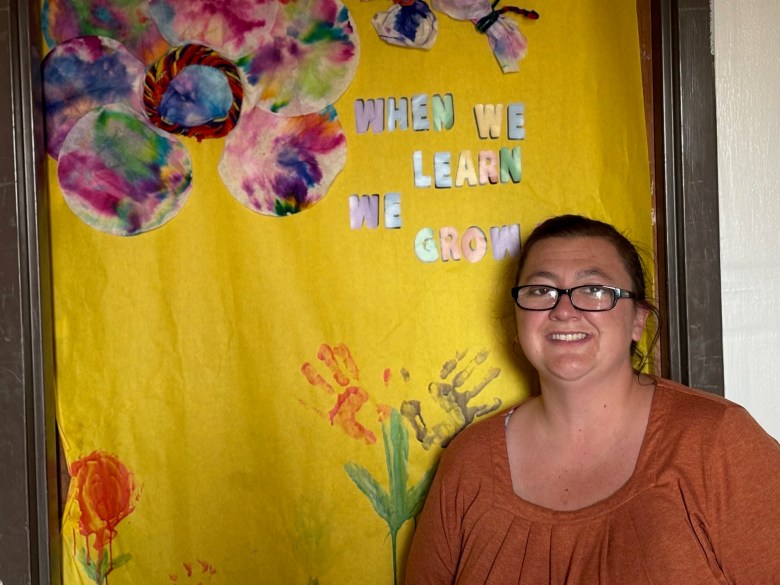
    Meagan Severance, a parent and teacher at the Edwards center, has worked in recent years to make her classroom more inclusive for children with all different abilities. Credit: Sarah Carr/The Hechinger Report

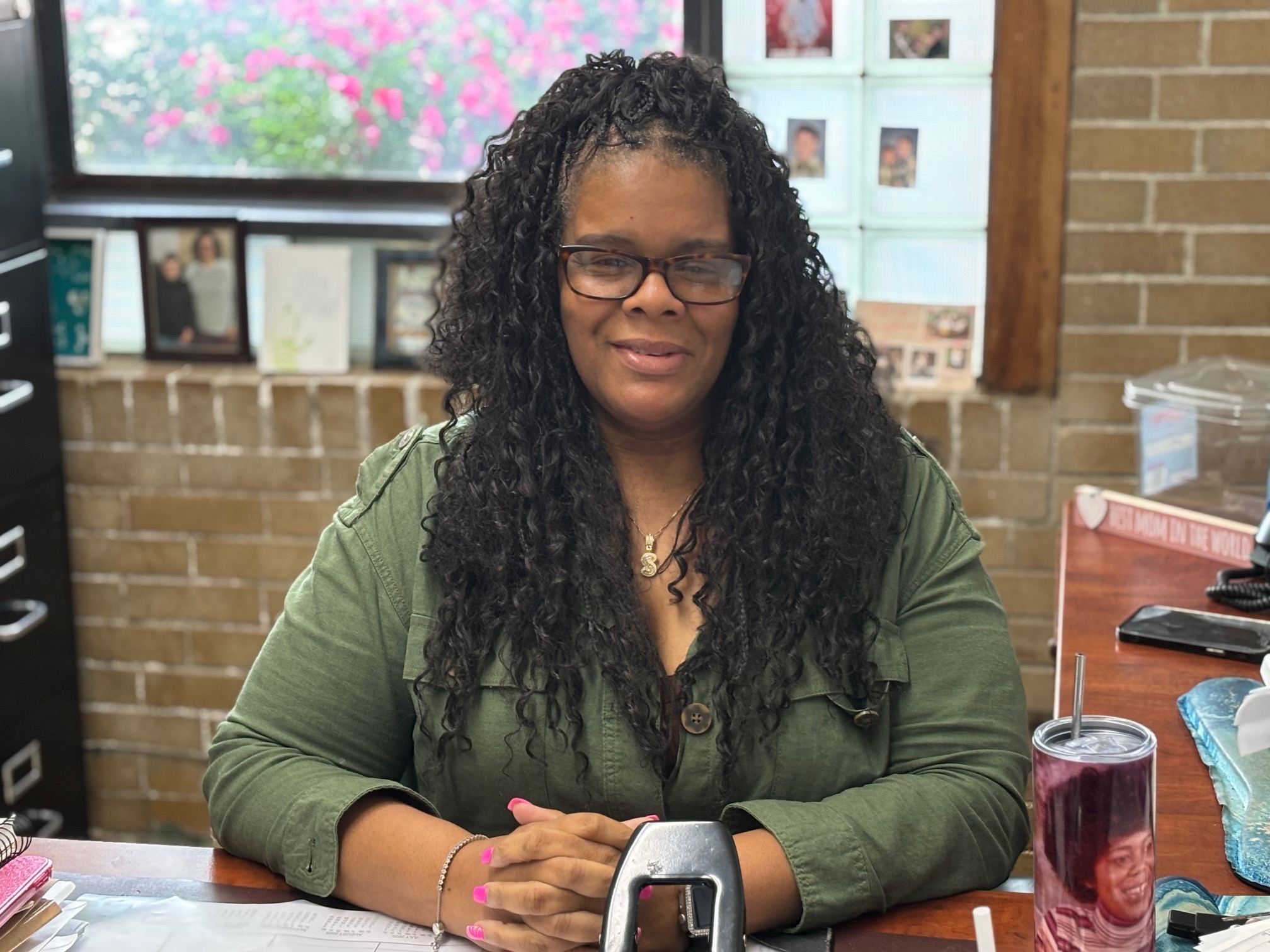
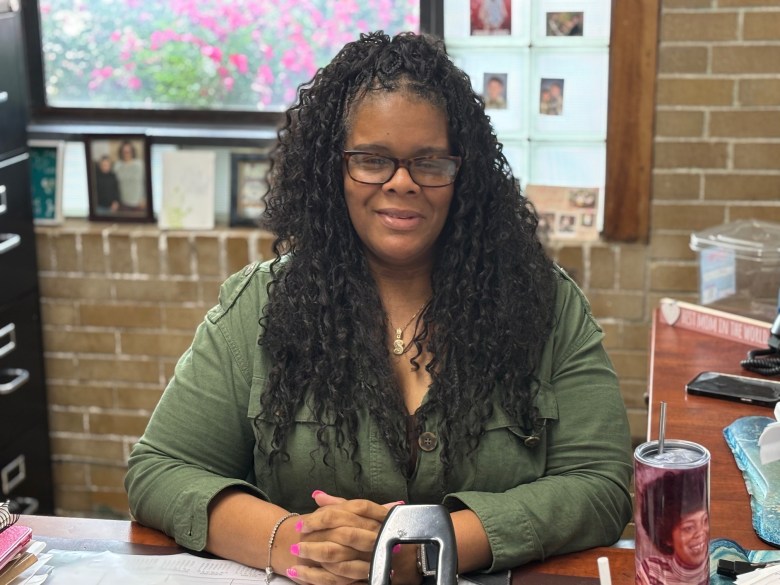
    As director, Likely displays the nameplate “chaos coordinator” on her desk. And she’s taken the stance that the center should at least try to work with every kid. She and some of her teachers have completed the first two tiers of the Ohio PROMISE training, as well as some related sessions available from the state. Likely estimates that about 10 percent of the children in her center have a diagnosed disability or developmental delay.

    Liasun Meadows, whose son has Down syndrome, chose Edwards several years ago for her then 1-year-old over another program better known for its work with children with disabilities. She has not been disappointed.

    Parents of kids with disabilities watch their children like a hawk, she said. “There are certain things you notice that you don’t expect others to notice, but they do at Edwards. They’ve been growing and learning alongside him.”  

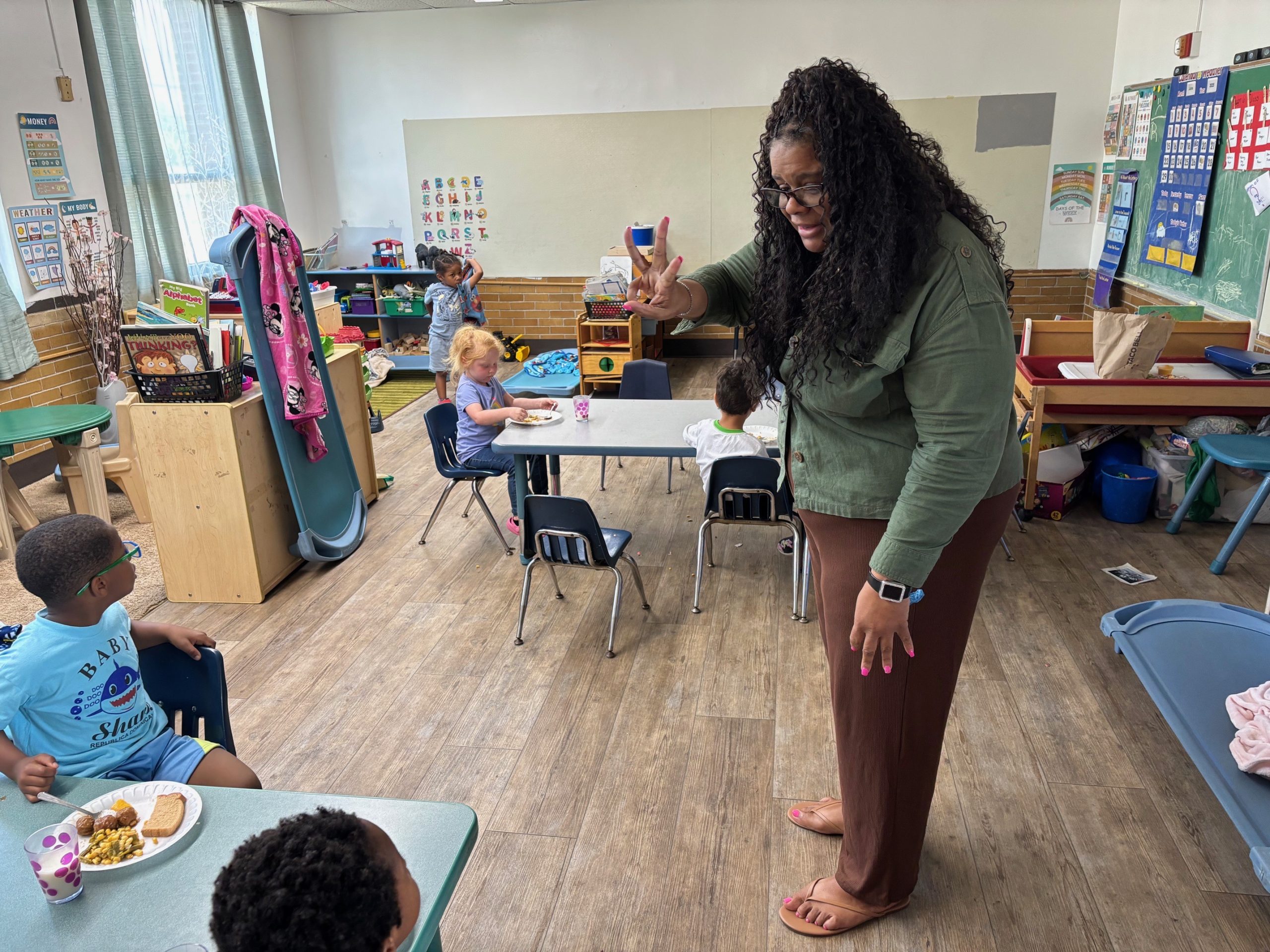
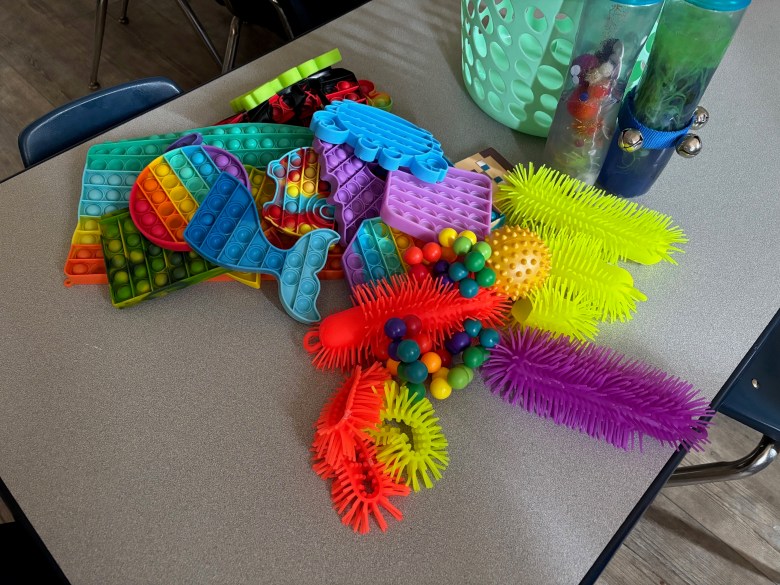
    Severance, whose son is now 8, works at the center these days, leading the 3-year-old room, which includes two children who are largely nonverbal. She’s made the classroom more inclusive, adding fidget toys for children with sensory issues, rearranging the classroom to create calming areas, providing communication books to nonverbal children so they can more easily express needs and wants, and teaching everyone some sign language. 

    “For a while there was segregation in the classroom” between the kids with disabilities and those without, Severance said. But that’s lessened with the changes. “Inclusion has been good for the kids who are verbal — and nonverbal,” she said.

    Related: Where do kids with disabilities go for child care?  

    As in Ohio, state officials in Vermont turned to online training to help ensure young children with disabilities aren’t denied quality care. The state should soon debut the first parts of a new training program, focusing on outreach to child care administrators and support for neurodivergent children. The state wanted to focus on center leaders first because “directors that are comfortable with inclusion lead programs that are comfortable with inclusion,” said Dawn Rouse, the director of statewide systems in Vermont’s Child Development Division.   

    One tool for supporting and calming children with sensory issues is keeping a healthy supply of fidget toys and Pop-Its on hand. Credit: Sarah Carr/The Hechinger Report

    Vermont also pumped millions of dollars into a separate program, known as the Special Accommodations Grant, that supports young children with disabilities. Since 2009 the state has set aside $300,000 a year that child care centers can tap to provide services for individual children with disabilities. It might help buy specialized equipment for a child with cerebral palsy, for instance, or be used to hire a full- or part-time aide.

    The $300,000 has been maxed out every year, Rouse said. And after the pandemic, the need — and the number of applications — surged.

    As a result, the state allocated some federal American Rescue Plan and Preschool Development Grant dollars to increase spending on the program by about sevenfold — to between $2 million and $2.5 million annually — an amount Rouse still describes as a “Band-Aid.” Without access to the grants, “we see a lot of children being asked to leave programs,” Rouse said. “That’s not good for any child, but for children with specialized developmental needs it’s particularly bad.” 

    Over time, Likely hopes, her Ohio center can play a small role in reducing that instability, although the center hasn’t yet been able to work with all such children it wants to. Likely recalls one toddler with a severe disability who climbed up anything he could. There wasn’t enough money to pay for what the child really needed: a full-time aide. “It’s hard when you know you’ve tried but still have to say no,” she said. “That breaks my heart more than anything.” 

    On one June morning, the center’s teachers acknowledged and celebrated several milestones in its work on inclusion, big and small. One child in the 3-year-old classroom with fine and gross motor challenges was drinking independently from a bottle. The preschool classroom held its first graduation ceremony, translated partly into sign language. All of the kids, no matter their challenges, were set to go on field trips to Dairy Queen and the zoo.

    Likely dreams of someday running a center where about half of the children have a disability or delay. It may be years off, she said, but as with the milestones she sees scores of children at the center reach every day, “There’s a way — if there’s a will.” 

    Sarah Carr is a fellow at New America, focused on reporting on early childhood issues. 

    Contact contributing editor Sarah Carr at [email protected].   

    This story about children with disabilities was produced by The Hechinger Report, a nonprofit, independent news organization focused on inequality and innovation in education. Sign up for the Hechinger newsletter.

    The Hechinger Report provides in-depth, fact-based, unbiased reporting on education that is free to all readers. But that doesn’t mean it’s free to produce. Our work keeps educators and the public informed about pressing issues at schools and on campuses throughout the country. We tell the whole story, even when the details are inconvenient. Help us keep doing that.

    Join us today.

    Source link

  • DOGE Education Cuts Hit Students with Disabilities, Literacy Research – The 74

    DOGE Education Cuts Hit Students with Disabilities, Literacy Research – The 74


    Get stories like this delivered straight to your inbox. Sign up for The 74 Newsletter

    When teens and young adults with disabilities in California’s Poway Unified School District heard about a new opportunity to get extra help planning for life after high school, nearly every eligible student signed up.

    The program, known as Charting My Path for Future Success, aimed to fill a major gap in education research about what kinds of support give students nearing graduation the best shot at living independently, finding work, or continuing their studies.

    Students with disabilities finish college at much lower rates than their non-disabled peers, and often struggle to tap into state employment programs for adults with disabilities, said Stacey McCrath-Smith, a director of special education at Poway Unified, which had 135 students participating in the program. So the extra help, which included learning how to track goals on a tool designed for high schoolers with disabilities, was much needed.

    Charting My Path launched earlier this school year in Poway Unified and 12 other school districts. The salaries of 61 school staff nationwide, and the training they received to work with nearly 1,100 high schoolers with disabilities for a year and a half, was paid for by the U.S. Department of Education.

    Jessie Damroth’s 17-year-old son Logan, who has autism, attention deficit hyperactivity disorder, and other medical needs, had attended classes and met with his mentor through the program at Newton Public Schools in Massachusetts for a month. For the first time, he was talking excitedly about career options in science and what he might study at college.

    “He was starting to talk about what his path would look like,” Damroth said. “It was exciting to hear him get really excited about these opportunities. … He needed that extra support to really reinforce that he could do this.”

    Then the Trump administration pulled the plug.

    Charting My Path was among more than 200 Education Department contracts and grants terminated over the last two weeks by the Trump administration’s U.S. DOGE Service. DOGE has slashed spending it deemed to be wasteful, fraudulent, or in service of diversity, equity, inclusion, and accessibility goals that President Donald Trump has sought to ban. But in several instances, the decision to cancel contracts affected more than researchers analyzing data in their offices — it affected students.

    Many projects, like Charting My Path, involved training teachers in new methods, testing learning materials in actual classrooms, and helping school systems use data more effectively.

    “Students were going to learn really how to set goals and track progress themselves, rather than having it be done for them,” McCrath-Smith said. “That is the skill that they will need post-high school when there’s not a teacher around.”

    All of that work was abruptly halted — in some cases with nearly finished results that now cannot be distributed.

    Every administration is entitled to set its own priorities, and contracts can be canceled or changed, said Steven Fleischman, an education consultant who for many years ran one of the regional research programs that was terminated. He compared it to a homeowner deciding they no longer want a deck as part of their remodel.

    But the current approach reminds him more of construction projects started and then abandoned during the Great Recession, in some cases leaving giant holes that sat for years.

    “You can walk around and say, ‘Oh, that was a building we never finished because the funds got cut off,’” he said.

    DOGE drives cuts to education research contracts, grants

    The Education Department has been a prime target of DOGE, the chaotic cost-cutting initiative led by billionaire Elon Musk, now a senior adviser to Trump.

    So far, DOGE has halted 89 education projects, many of which were under the purview of the Institute of Education Sciences, the ostensibly independent research arm of the Education Department. The administration said those cuts, which included multi-year contracts, totaled $881 million. In recent years, the federal government has spent just over $800 million on the entire IES budget.

    DOGE has also shut down 10 regional labs that conduct research for states and local schools and shuttered four equity assistance centers that help with teacher training. The Trump administration also cut off funding for nearly 100 teacher training grants and 18 grants for centers that often work to improve instruction for struggling students.

    The total savings is up for debate. The Trump administration said the terminated Education Department contracts and grants were worth $2 billion. But some were near completion with most of the money already spent.

    An NPR analysis of all of DOGE’s reported savings found that it likely was around $2 billion for the entire federal government — though the Education Department is a top contributor.

    On Friday, a federal judge issued an injunction that temporarily blocks the Trump administration from canceling additional contracts and grants that might violate the anti-DEIA executive order. It’s not clear whether the injunction would prevent more contracts from being canceled “for convenience.”

    Mark Schneider, the recent past IES director, said the sweeping cuts represent an opportunity to overhaul a bloated education research establishment. But even many conservative critics have expressed alarm at how wide-ranging and indiscriminate the cuts have been. Congress mandated many of the terminated programs, which also indirectly support state and privately funded research.

    The canceled projects include contracts that support maintenance of the Common Core of Data, a major database used by policymakers, researchers, and journalists, as well as work that supports updates to the What Works Clearinghouse, a huge repository of evidence-based practices available to educators for free.

    And after promising not to make any cuts to the National Assessment of Educational Progress, known as the nation’s report card, the department canceled an upcoming test for 17-year-olds that helps researchers understand long-term trends. On Monday, Peggy Carr, the head of the National Center for Education Statistics, which oversees NAEP, was placed on leave.

    The Education Department did not respond to questions about who decided which programs to cut and what criteria were used. Nor did the department respond to a specific question about why Charting My Path was eliminated. DOGE records estimate the administration saved $22 million by terminating the program early, less than half the $54 million in the original contract.

    The decision has caused mid-year disruptions and uncertainty.

    In Utah, the Canyons School District is trying to reassign the school counselor and three teachers whose salaries were covered by the Charting My Path contract.

    The district, which had 88 high schoolers participating in the program, is hoping to keep using the curriculum to boost its usual services, said Kirsten Stewart, a district spokesperson.

    Officials in Poway Unified, too, hope schools can use the curriculum and tools to keep up a version of the program. But that will take time and work because the program’s four teachers had to be reassigned to other jobs.

    “They dedicated that time and got really important training,” McCrath-Smith said. “We don’t want to see that squandered.”

    For Damroth, the loss of parent support meetings through Charting My Path was especially devastating. Logan has a rare genetic mutation that causes him to fall asleep easily during the day, so Damroth wanted help navigating which colleges might be able to offer extra scheduling support.

    “I have a million questions about this. Instead of just hearing ‘I don’t know’ I was really looking forward to working with Joe and the program,” she said, referring to Logan’s former mentor. “It’s just heartbreaking. I feel like this wasn’t well thought out. … My child wants to do things in life, but he needs to be given the tools to achieve those goals and those dreams that he has.”

    DOGE cuts labs that helped ‘Mississippi Miracle’ in reading

    The dramatic improvement in reading proficiency that Carey Wright oversaw as state superintendent in one the nation’s poorest states became known as the “Mississippi Miracle.”

    Regional Educational Laboratory Southeast, based out of the Florida Center for Reading Research at Florida State University, was a key partner in that work, Wright said.

    When Wright wondered if state-funded instructional coaches were really making a difference, REL Southeast dispatched a team to observe, videotape, and analyze the instruction delivered by hundreds of elementary teachers across the state. Researchers reported that teachers’ instructional practices aligned well with the science of reading and that teachers themselves said they felt far more knowledgeable about teaching reading.

    “That solidified for me that the money that we were putting into professional learning was working,” Wright said.

    The study, she noted, arose from a casual conversation with researchers at REL Southeast: “That’s the kind of give and take that the RELs had with the states.”

    Wright, now Maryland state superintendent, said she was looking forward to partnering with REL Mid-Atlantic on a math initiative and on an overhaul of the school accountability system.

    But this month, termination letters went out to the universities and research organizations that run the 10 Regional Educational Laboratories, which were established by Congress in 1965 to serve states and school districts. The letters said the contracts were being terminated “for convenience.”

    The press release that went to news organizations cited “wasteful and ideologically driven spending” and named a single project in Ohio that involved equity audits as a part of an effort to reduce suspensions. Most of the REL projects on the IES website involve reading, math, career connections, and teacher retention.

    Jannelle Kubinec, CEO of WestEd, an education research organization that held the contracts for REL West and REL Northwest, said she never received a complaint or a request to review the contracts before receiving termination letters. Her team had to abruptly cancel meetings to go over results with school districts. In other cases, reports are nearly finished but cannot be distributed because they haven’t gone through the review process.

    REL West was also working with the Utah State Board of Education to figure out if the legislature’s investment in programs to keep early career teachers from leaving the classroom was making a difference, among several other projects.

    “This is good work and we are trying to think through our options,” she said. “But the cancellation does limit our ability to finish the work.”

    Given enough time, Utah should be able to find a staffer to analyze the data collected by REL West, said Sharon Turner, a spokesperson for the Utah State Board of Education. But the findings are much less likely to be shared with other states.

    The most recent contracts started in 2022 and were set to run through 2027.

    The Trump administration said it planned to enter into new contracts for the RELs to satisfy “statutory requirements” and better serve schools and states, though it’s unclear what that will entail.

    “The states drive the research agendas of the RELs,” said Sara Schapiro, the executive director of the Alliance for Learning Innovation, a coalition that advocates for more effective education research. If the federal government dictates what RELs can do, “it runs counter to the whole argument that they want the states to be leading the way on education.”

    Some terminated federal education research was nearly complete

    Some research efforts were nearly complete when they got shut down, raising questions about how efficient these cuts were.

    The American Institutes for Research, for example, was almost done evaluating the impact of the Comprehensive Literacy State Development program, which aims to improve literacy instruction through investments like new curriculum and teacher training.

    AIR’s research spanned 114 elementary schools across 11 states and involved more than 23,000 third, fourth, and fifth graders and their nearly 900 reading teachers.

    Researchers had collected and analyzed a massive trove of data from the randomized trial and presented their findings to federal education officials just three days before the study was terminated.

    “It was a very exciting meeting,” said Mike Garet, a vice president and institute fellow at AIR who oversaw the study. “People were very enthusiastic about the report.”

    Another AIR study that was nearing completion looked at the use of multi-tiered systems of support for reading among first and second graders. It’s a strategy that helps schools identify and provide support to struggling readers, with the most intensive help going to kids with the highest needs. It’s widely used by schools, but its effectiveness hasn’t been tested on a larger scale.

    The research took place in 106 schools and involved over 1,200 educators and 5,700 children who started first grade in 2021 and 2022. Much of the funding for the study went toward paying for teacher training and coaching to roll out the program over three years. All of the data was collected and nearly done being analyzed when DOGE made its cuts.

    Garet doesn’t think he and his team should simply walk away from unfinished work.

    “If we can’t report results, that would violate our covenant with the districts, the teachers, the parents, and the students who devoted a lot of time in the hope of generating knowledge about what works,” Garet said. “Now that we have the data and have the results, I think we’re duty-bound to report them.”

    This story was originally published by Chalkbeat. Chalkbeat is a nonprofit news site covering educational change in public schools. Sign up for their newsletters at ckbe.at/newsletters.


    Get stories like these delivered straight to your inbox. Sign up for The 74 Newsletter

    Source link

  • Social media can benefit college students with disabilities

    Social media can benefit college students with disabilities

    College students often have a complicated relationship with social media, with a large number of learners active on multiple social media platforms but also aware of the negative mental health consequences social media can have.

    Teens receive hundreds of notifications on their phones every day, with over half of one study’s participants receiving more than 237 notifications per day. Nearly one in five teens say they’re on YouTube or TikTok almost constantly, according to a 2023 survey from Pew Research.

    A May 2024 Student Voice survey by Inside Higher Ed found one-third of respondents indicated social media was one of the biggest drivers of what many call the college mental health crisis.

    A recent study authored by a group of researchers from Michigan State University and published in the Journal of Contemporary Issues in Education evaluates how students with disabilities interact on social media and build social capital.

    Researchers found disabled students—including those with autism, anxiety, attention-deficit and/or hyperactivity disorder—were more likely to seek out new relationships and engage in active social media posting, which can advance connectedness and relationships among learners.

    The background: While social media can offer users social supports, such as promoting a sense of belonging during times of transition or crisis, it also poses risks for young people, including cyberbullying and online harassment, according to the study.

    Previous studies show youth with disabilities experience higher rates of cyberbullying compared to their peers, but students with disabilities are also more likely to report they receive social support through social media, which could be tied to the social isolation they can experience in person.

    Existing literature often focuses on the negative effects of social media for young adults with disabilities, but it is not known if there are differences between the experiences of those with and without disabilities and their social media habits.

    “Understanding different learners’ experiences with social media could help college faculty, special education professionals, and counselors not only consider using social media to create more welcoming and supportive learning environments but also how they might play a role in building individual learner’s capacity for positive digital participation,” researchers wrote.

    Methodology: Researchers conducted a survey of college undergraduates in the U.S. with and without disabilities in fall 2021, collecting data on social media use, social capital and psychological well-being. In total, 147 students responded to the survey.

    From this sample, researchers selected five individuals with and five individuals without disabilities to participate in semistructured interviews. Participants were matched based on social media habits and demographic factors, such as gender.

    Results: Through postsurvey interviews with 10 students, researchers learned that while both groups of students engage on social media for personal entertainment and to stay connected with people in their social circles, students with disabilities were more likely to say they used social media to initiate and grow relationships.

    All five participants without disabilities used Snapchat to interact with friends or keep in touch with loved ones in an informal manner, and all participants used Instagram to stay up-to-date with their peers.

    Among the five participants with disabilities, students reported using more social media platforms individually, and these learners were more likely to use TikTok (which in fall 2021 first hit one billion monthly active users compared to Instagram’s then-two billion users) compared to their peers. Students reported using TikTok for watching videos, sharing humor with their friends or participating in larger community building, including professional learning networks or cosplaying.

    Students without disabilities were more likely to say social media made no difference on their relationships or that it positively impacted their relationships by allowing them to stay in touch over geographical distances or other barriers.

    Similarly, all students with disabilities said social media assisted with their relationships, allowing them to connect with new people, expand their community and help manage their disabilities by connecting with others.

    Some respondents with disabilities said they felt more confident to engage with strangers in a safe way online and that social media was an avenue to find like-minded people they wouldn’t ordinarily interact with, allowing them to build new relationships. This was a unique trend to students with disabilities; those without were more likely to say they use social media to engage with people they already had relationships with.

    Students with disabilities may have greater challenges with in-person socialization, which researchers theorize makes social media particularly important for these learners, who also said they’re more likely to post on social media versus passively scroll.

    Interacting with others in the disability community and breaking stigma around disability was another theme in conversations with disabled students. These interactions could be with peers who share their disability or from medical professionals or support groups who provide new information.

    One limitation to the research was social desirability bias, or respondents’ tendency to answer questions in a way that would please researchers, meaning students underreport undesirable behaviors. The sample included only female and nonbinary students, which creates further limitations to the data.

    Put in practice: Researchers offered some suggestions for how educators can utilize this data to create a more inclusive learning environment, including:

    • Integrating social media into the classroom. While some digital learning platforms have forums for community building, such as a discussion board, these platforms can be less accessible than traditional social media platforms.
    • Facilitating personalized learning environments. Higher education leaders can consider ways to use social media to create formal and informal learning experiences in and around courses. These learning environments can also include methods for peer communication and connection, helping make learning more collaborative.
    • Engaging on social media themselves. Self-disclosure by professors can help build relationships in the classroom and enhance learning, but instructors must weigh safety, privacy and other legal boundaries in their social media usage. This could be one way to model positive social media usage for students, including how to have productive interactions with others.

    In the future, researchers see opportunities for analysis of design, implementation and evaluation of social media interventions for connection among students with disabilities, such as peer mentoring programs, online support groups or digital storytelling. There should also be consideration of the long-term effects of social media use on students’ mental health and well-being.

    Get more content like this directly to your inbox every weekday morning. Subscribe here.

    Source link

  • A virtual reality, AI-boosted system helps students with autism improve social skills

    A virtual reality, AI-boosted system helps students with autism improve social skills

    Key points:

    This article and the accompanying image originally appeared on the KU News site and are reposted here with permission.

    For more than a decade, University of Kansas researchers have been developing a virtual reality system to help students with disabilities, especially those with autism spectrum disorder, to learn, practice and improve social skills they need in a typical school day. Now, the KU research team has secured funding to add artificial intelligence components to the system to give those students an extended reality, or XR, experience to sharpen social interactions in a more natural setting.

    The U.S. Office of Special Education Programs has awarded a five-year, $2.5 million grant to researchers within KU’s School of Education & Human Sciences to develop Increasing Knowledge and Natural Opportunities With Social Emotional Competence, or iKNOW. The system will build on previous work and provide students and teachers with an immersive, authentic experience blending extended reality and real-world elements of artificial intelligence.

    iKNOW will expand the capabilities of VOISS, Virtual reality Opportunity to Integrate Social Skills, a KU-developed VR system that has proven successful and statistically valid in helping students with disabilities improve social skills. That system contains 140 unique learning scenarios meant to teach knowledge and understanding of 183 social skills in virtual school environments such as a classroom, hallway, cafeteria or bus that students and teachers can use via multiple platforms such as iPad, Chromebooks or Oculus VR headsets. The system also helps students use social skills such as receptive or expressive communication across multiple environments, not simply in the isolation of a classroom.

    IKNOW will combine the VR aspects of VOISS with AI features such as large language models to enhance the systems’ capabilities and allow more natural interactions than listening to prerecorded narratives and responding by pushing buttons. The new system will allow user-initiated speaking responses that can accurately transcribe spoken language in real-time. AI technology of iKNOW will also be able to generate appropriate video responses to avatars students interact with, audio analysis of user responses, integration of in-time images and graphics with instruction to boost students’ contextual understanding.

    “Avatars in iKNOW can have certain reactions and behaviors based on what we want them to do. They can model the practices we want students to see,” said Amber Rowland, assistant research professor in the Center for Research on Learning, part of KU’s Life Span Institute and one of the grant’s co principal investigators. “The system will harness AI to make sure students have more natural interactions and put them in the role of the ‘human in the loop’ by allowing them to speak, and it will respond like a normal conversation.”

    The spoken responses will not only be more natural and relatable to everyday situations, but the contextual understanding cues will help students better know why a certain response is preferred. Rowland said when students were presented with multiple choices in previous versions, they often would know which answer was correct but indicated that’s not how they would have responded in real life.

    IKNOW will also provide a real-time student progress monitoring system, telling them, educators and families how long students spoke, how frequently they spoke, number of keywords used, where students may have struggled in the system and other data to help enhance understanding.

    All avatar voices that iKNOW users encounter are provided by real middle school students, educators and administrators. This helps enhance the natural environment of the system without the shortcomings of students practicing social skills with classmates in supervised sessions. For example, users do not have to worry what the people they are practicing with are thinking about them while they are learning. They can practice the social skills that they need until they are comfortable moving from the XR environment to real life.

    “It will leverage our ability to take something off of teachers’ plates and provide tools for students to learn these skills in multiple environments. Right now, the closest we can come to that is training peers. But that puts students with disabilities in a different box by saying, ‘You don’t know how to do this,’” said Maggie Mosher, assistant research professor in KU’s Achievement & Assessment Institute, a co-principal investigator for the grant.

    Mosher, a KU graduate who completed her doctoral dissertation comparing VOISS to other social skills interventions, found the system was statistically significant and valid in improving social skills and knowledge across multiple domains. Her study, which also found the system to be acceptable, appropriate and feasible, was published in high-impact journals Computers & Education and Issues and Trends in Learning Technologies.

    The grant supporting iKNOW is one of four OSEP Innovation and Development grants intended to spur innovation in educational technology. The research team, including principal investigator Sean Smith, professor of special education; Amber Rowland, associate research professor in the Center for Research on Learning and the Achievement & Assessment Institute; Maggie Mosher, assistant research professor in AAI; and Bruce Frey, professor in educational psychology, will present their work on the project at the annual I/ITSEC conference, the world’s largest modeling, simulation and training event. It is sponsored by the National Training & Simulation Association, which promotes international and interdisciplinary cooperation within the fields of modeling and simulation, training, education and analysis and is affiliated with the National Defense Industrial Association.

    The research team has implemented VOISS, available on the Apple Store and Google Play, at schools across the country. Anyone interested in learning more can find information, demonstrations and videos at the iKNOW site and can contact developers to use the system at the site’s “work with us” page.

    IKNOW will add resources for teachers and families who want to implement the system at a website called iKNOW TOOLS (Teaching Occasions and Opportunities for Learning Supports) to support generalization of social skills across real-world settings.

    “By combining our research-based social emotional virtual reality work (VOISS) with the increasing power and flexibility of AI, iKNOW will further personalize the learning experience for individuals with disabilities along with the struggling classmates,” Smith said. “Our hope and expectation is that iKNOW will further engage students to develop the essential social emotional skills to then apply in the real world to improve their overall learning outcomes.”

    Latest posts by eSchool Media Contributors (see all)

    Source link

  • Families Unaware of How Alternate Assessments Impact Students with Disabilities – The 74

    Families Unaware of How Alternate Assessments Impact Students with Disabilities – The 74


    Get stories like this delivered straight to your inbox. Sign up for The 74 Newsletter

    Before starting at his Harlem high school, Jeurry always assumed he was progressing appropriately in school, despite having significant learning challenges.

    However, in his freshman year, he began to notice himself struggling to read longer words and more complex sentences.

    As he grew increasingly overwhelmed, it became clear that the small classes exclusively for students with disabilities that he had been in since kindergarten had not adequately prepared him for high school.

    Still, Jeurry managed to pass nearly all his classes. His final meeting with his Committee on Special Education — which consisted of Jeurry’s mom and several faculty members — took place in December 2016. By then, the senior had earned 45 credits — 44 were required to graduate — and a C+ average, records show.

    But Jeurry was devastated to learn that he would not earn a diploma.

    The reason was based on a decision the committee made when Jeurry was in sixth grade and, according to records, never revisited while he was in high school. At that time, the educators concluded that Jeurry could not learn grade-level curriculum. They decided he would be “alternately assessed,” or evaluated based on lower achievement standards. New York State students who take alternate assessments through high school cannot earn a diploma, a prerequisite for military service, many jobs, and most degree- or certificate-granting college and trade school programs.

    Heartbroken, he begged the faculty to find a solution during the 2016 meeting. “They didn’t even care,” Jeurry said. “They just wanted me to ‘graduate’ and get out.”

    Jeurry, who is now 26 and was diagnosed with a mild intellectual disability after graduating high school, requested that his last name be withheld over concerns about the stigma surrounding intellectual disabilities.

    Special education advocates say the systemic failures that led to Jeurry’s situation eight years ago continue to jeopardize the futures of similar students. Last school year, 6,116 New York City students took the New York State Alternate Assessment, according to state data. Federal law requires that states offer such assessments for students with disabilities who are incapable of taking state tests. Importantly, it also states that only “students with the most significant cognitive disabilities” can take the alternate assessment, and that schools must fully inform parents of the potential ramifications. (State education departments are responsible for ensuring compliance with these mandates.)

    Too often, however, those standards are neither maintained nor enforced, special education advocates, teachers, and families told Chalkbeat. Instead, factors like under-resourcing, nebulous procedures, and a failure to equip parents to make fully informed decisions have led schools to place some students without significant cognitive disabilities on a non-grade-level, non-diploma track. Students who take alternate assessments are typically placed in non-inclusive, low-rigor settings, which can deprive them of academic and socialization opportunities.

    At the December 2016 meeting, the members of Jeurry’s special education committee said their hands were tied. According to documentation from the meeting, Jeurry’s mother said “she was not made aware of the long-term effects of alternate assessment when it was first initiated or during any supplemental [meetings].”

    “They would always tell my mom, ‘His diploma is going to be real,’” Jeurry said. “She kept believing them.”

    Throughout his time as a K-12 student in Harlem, Jeurry received inadequate academic support and struggled to advance past a first- or second-grade reading level.

    In response to requests to interview state special education leadership, a New York State Education Department spokesperson said in an email: “NYSED is committed to working with schools and parents to determine the appropriate participation of students with disabilities in [the alternate assessment] and to fully understand the impact it has on these students.”

    Since New York’s alternate assessment is used to meet federal special education law requirements, the spokesperson said, “there are very strict criteria for its development, administration, and applicability to students.”

    Christina Foti, the city Education Department’s deputy chancellor for inclusive and accessible learning, acknowledged that there is room for more robust safeguards, and she said the Education Department recently recommended that the state consider several alternate assessment-related policy changes. They include clarifying definitions and participation criteria, requiring the use of a decision-making flowchart and checklist, and mandating that special education committees “conduct a complete and up-to-date battery of psychoeducational assessments” before making assessment decisions.

    The Education Department is also pursuing local-level reforms, but officials are still in the early stages of developing a “definitive language and shift in practice [and] policy,” Foti said.

    Inequitable outcomes for students on non-diploma track

    In New York, special education committees determine annually how students will be assessed, usually starting around third grade. Although the state has established participation criteria for the alternate assessment, deciding whether students meet those criteria can be a relatively subjective process.

    Data obtained through a public records request show that students placed on the non-diploma track are disproportionately Black or English language learners. Last school year, 29% of New York City students who took the alternate assessment were Black, while Black children represented only 20% of all students and 26% of those with disabilities. More than 29% of students who were alternatively assessed were English learners, while such students accounted for just 19% of the school system’s overall population and 14% of students with disabilities.

    There have been some signs of progress toward ensuring that only students with the most significant cognitive disabilities are placed on the non-diploma track. Participation is declining in New York City and statewide, and racial disproportionalities among alternatively assessed students decreased between the 2022-23 and 2023-24 school years, according to the data.

    The New York City Education Department has worked to minimize subjectivity in assessment decisions “over the past five or six years,” said Arwina Vallejo, the department’s executive director of school-based evaluations and family engagement.

    To more holistically determine students’ aptitude for grade-level learning and test participation, schools now administer “specialized assessments in reading, in writing, in math, in executive functions, in neurological abilities,” Vallejo said.

    The Education Department also trains school psychologists in “culturally responsive, non-discriminatory assessment practices” to mitigate the impact of bias, she said.

    But special education advocates and families say more must be done. School officials sometimes change the graduation track of children with mild intellectual disabilities or disruptive behaviors when they don’t have the will or means to try other options, said Juliet Eisenstein, a special education attorney and former assistant director of the Postsecondary Readiness Project at Advocates for Children of New York.

    “It’s just a box that’s checked and not really talked about, because it’s an easier solution than figuring out a program that fits this more complex student profile,” she said.

    Resources that could help such students — like one-on-one tutors or specialized placements — are often limited or nonexistent. This is especially true in New York City, where around 300,000 students qualify for special education services, and government audits have found that the Education Department regularly fails to meet its obligations to them. An estimated 2,300 special-education staff vacancies exist citywide.

    Trevlon, 18, has been both alternatively and regularly assessed. He has a history of behavioral problems, an attention deficit hyperactivity disorder diagnosis, and an intellectual disability classification from the Education Department. Trevlon struggled to keep up academically in elementary school and attended a middle school in District 75, a citywide district that caters to students with significant disabilities. There, he received intensive academic and behavioral support and made major strides, but he was not on a diploma track.

    Trevlon, who requested that his last name be withheld because a complaint he filed against the Education Department has yet to be resolved, said he was unhappy in the highly restrictive environment. He committed himself to proving that he could be successful at a community high school. By the time Trevlon graduated middle school as valedictorian of his eighth grade class, his special education committee had agreed that he could transition back to the diploma track and into a community school.

    However, Trevlon was placed in a school that did not offer the learning environment the Education Department had determined most appropriate for him: a self-contained special education classroom for 15 students. Instead, he attended large classes that integrated students with disabilities and their general education peers. He said he struggled to focus and keep up. As he fell behind academically, he became increasingly frustrated and started acting out.

    After his tumultuous freshman year, Trevlon was moved back onto a non-diploma track in a District 75 school, where he felt out of place and insufficiently challenged. He begged for a different placement that might offer a path back to community school — or a diploma, at least — but nothing changed, he said.

    Knowing he would never have a “real” high school experience, Trevlon grew disillusioned, started attending school infrequently, and finally dropped out last year.

    “It’s not just, ‘Oh, I stopped going to school because I don’t like school,’” Trevlon said. “I feel like the system gave up on me to a certain extent, as a Black male. … All I ever really wanted to do was to work and sit down and be like everybody else.”

    Parents often unaware of children’s placement on non-diploma track

    Schools are legally mandated to inform a student’s parents abou

    When Jeurry was in middle school, the faculty members of his Committee on Special Education pointed to his lack of academic progress and recommended that he be “alternately assessed.” Although his mother agreed to the change, she did not realize that the decision would take away her son’s opportunity to earn a high school diploma. (Sarah Komar for Chalkbeat)

    t the long-term ramifications of the alternate track. However, special education advocates said they regularly work with parents who had no idea their children were on a non-diploma path — often until it was too late.

    “Many parents do not even know to ask questions about alternate assessment, because they’re never informed,” said Young Seh Bae, executive director of the Queens-based Community Inclusion and Development Alliance and a parent of a student with disabilities. It’s only when graduation approaches that many parents say, “‘Oh, I didn’t realize my child wouldn’t receive a high school diploma … The school didn’t explain my child never will be able to go to college or get a license for certain things.’”

    In New York, diploma-track students must pass a certain number of Regents exams, making it one of eight states that require high school seniors to pass standardized tests to earn a diploma. (New York State is planning to phase out Regents as a graduation requirement in fall 2027.)

    Because Jeurry was on a non-diploma track and never took his Regents, he could only earn a Skills and Achievement Commencement Credential, which cannot be used to apply for college, trade school, the military, or many jobs.

    Jeurry was reading and doing math on a first-grade level by the start of middle school and on second- to third-grade levels by the end of high school, records show. Over the years, the Education Department classified him with several different kinds of disabilities, including a learning disability at one point and an intellectual disability at another. While he was a student, he was not evaluated by an outside provider, which some families pay for if they think their children have been improperly classified by district professionals. Faculty members repeatedly told Jeurry’s mother he was incapable of progressing academically, his academic records show, and they eventually used his lack of progress to justify placing him on the non-diploma track.

    From kindergarten through eighth grade, he remained in self-contained classes, receiving only speech language therapy as a supplementary service. In high school, Jeurry moved from a self-contained setting into integrated classrooms, which benefited him socially but only further highlighted how far his academics lagged behind his peers.

    At no point did Jeurry’s special education committee suggest additional services or more intensive support, records show. Federal law mandates more intensive intervention if a special education student is not making progress toward his goals.

    Kim Swanson, the principal of Jeurry’s high school who overlapped with him during his last year there, declined to comment on Jeurry’s situation. She said her school “always follows state guidance.”

    The school’s special education committees have always informed parents of the ramifications of alternate assessment, but the school has implemented additional safeguards during Swanson’s 11-year tenure as principal, she said. These include sending home a form letter that was developed by the state with input from the city Education Department (a requirement of all New York schools since 2019), and ensuring that faculty members discuss students’ progress toward their goals before special education committee meetings.

    Vallejo, who oversees school-based evaluations, said the Education Department worked with the state to develop the form letter because “there was a point where little information was available to students and families regarding alternate assessment and the impact of that designation.” Education Department faculty are committed to fully involving students’ parents in assessment decisions and revisiting them annually, Vallejo said.

    Special education advocates have lobbied the state for specific alternate assessment reforms for years, with little success — including a 2022 push for policy changes that could have helped demystify the assessment decision-making process.

    In August 2024, for the first time in at least five years, the state proposed policy tweaks of its own, including seeking feedback from special education advocates and families on how to clarify the existing eligibility criteria for alternate assessment and update existing decision-making tools and training materials.

    In the future, Jeurry hopes to earn a four-year degree and go into marketing before someday opening his own restaurant.

    After legal battle, NYC pays for more than 1,300 hours of services

    Knowing that he wouldn’t receive a diploma, Jeurry skipped his June 2017 graduation.

    He then languished in a city-funded GED program for more than a year. In fall 2018, on the recommendation of a teacher, Jeurry contacted Advocates for Children. Within months, a pro-bono legal team arranged by the organization filed an action against the city school system, accusing it of denying Jeurry a free, appropriate public education as required by law.

    While the legal process unfolded, Jeurry’s advocates helped him apply for his diploma through a “superintendent determination,” a safety net for students with disabilities who are unable to earn the Regents scores needed for graduation but meet all other requirements. In June 2019, he received his high school diploma.

    As part of the 10-month legal process, a neuropsychologist evaluated Jeurry and diagnosed him with a mild intellectual disability, concluding that he could have benefited from more rigorous support, such as one-on-one literacy tutoring.

    The city ultimately agreed to compensate Jeurry for what he missed during his 14 years of school by paying for 1,308 hours of academic tutoring, life skills training, and transition services. For more than a year, he attended all-day tutoring sessions that started with phonics and built upward.

    “At first, I was like, ‘It’s not helping,’” Jeurry said. But then, little by little, I started noticing my reading level going up … and I was like, ‘Oh, it is working!’”

    Although it has required him to work through significant education-related trauma, Jeurry now attends community college online while working full time. He’s considering transferring to a four-year institution after he earns his associate degree in business administration.

    “I didn’t want to go back, but I had to do it, you know?” Jeurry said. “I needed to get a better education.”

    Sarah Komar is a New York City-based journalist. She reported this story while at the Toni Stabile Center for Investigative Journalism at Columbia University’s Graduate School of Journalism.

    Chalkbeat is a nonprofit news site covering educational change in public schools.


    Get stories like these delivered straight to your inbox. Sign up for The 74 Newsletter

    Source link

  • Celebrate International Day of People With Disabilities on December 3 – CUPA-HR

    Celebrate International Day of People With Disabilities on December 3 – CUPA-HR

    by CUPA-HR | November 30, 2021

    In 1992, as part of its focus on promoting the well-being of people with disabilities, the United Nations called for an international day of celebration for people with disabilities. Held on December 3 each year, International Day of People With Disabilities is a day to recognize and learn from the experiences of those with disabilities and for organizations to show support and take action to create more diverse and inclusive communities.

    In recognition of the day, we’re sharing some inspiring articles and blog posts highlighting the work of HR pros to create more inclusive campuses and workplaces.

    Additional resources: 

    CUPA-HR ADA Toolkit
    Creating Inclusive Communities Project


    Source link