Tag: diverse

  • Responsible recruitment means fostering diverse leadership potential

    Responsible recruitment means fostering diverse leadership potential

    Unfortunately, it is no secret that the higher education sector has a long way to go when it comes to equity in progression to senior leadership.

    While the number of staff from global majority ethnic backgrounds in universities has nearly tripled over the last 20 years (now c. 24 per cent), HESA data shows that still only 3.8 per cent of black academics in the UK hold the title of Professor, and less than one per cent of all professors in the UK are black. Though there has been an incredible 93.8 per cent increase since 2012–13, still only 30.8 per cent of professors in the UK identify as women. There has been real progress, but it has been slow.

    Recruitment from the inside

    In our position as a consultancy supporting talent development across higher education and wider sectors driven by social purpose, we’re constantly reminded of the barriers faced by global majority candidates in recruitment processes. We see selection bias; we see lack of communication and clarity around promotion criteria; we see challenges in individual confidence and imposter syndrome; we see anxiety around tokenism.

    There’s additionally a risk that diversity is becoming less of a priority in these times of financial challenge, when obvious questions around sustainability come to the fore. With many institutions going through restructures and cost-saving exercises, executive boards are under enormous pressure to justify any new appointments and associated expenditure. The ability to lead change, diversify income streams, and drive growth with limited resources are now constant topics in our conversations with candidates for senior roles.

    In part due to these pressures, recruitment panels seem increasingly less willing to think widely when appointing to leadership roles. There is often an increased sense of perceived risk when considering candidates from other sectors, overseas, or who would be taking a step up into the role, rather than making a sideways move. As domestic funding challenges worsen, international student numbers continue to decline, and operational costs rise across the sector, there’s understandably often a preference for candidates who have “been there, done that.” This has obvious implications for overall diversity in the sector.

    Though there has been some improvement, staff from global majority backgrounds are still disproportionately concentrated in lower-level roles and underrepresented in senior roles across the sector. It is less likely that a candidate from a global majority background will be in a position to make such a sideways move for a senior role. In our search work, we encourage committees to place a greater emphasis on capability and competence, alongside experience, and to consider which essential requirements on the job description might be more flexible than others. We do also see a growing recognition that things have to change and a genuine commitment to strive for greater representation at all levels.

    As headhunters, we have to strike a difficult balance between supporting and challenging the organisations we work with, particularly around such questions of equity of opportunity and perceived risk. We are committed to making a difference on a very practical level, and we work closely with clients and candidates to find ways to make our search processes more equitable. We take time in briefings meetings to really get a feel for the culture of each organisation we work with; we advise on the accessibility of recruitment material; and we structure interview processes so candidates can engage with an opportunity and organisation in multiple fora, for example.

    There is an inherent limitation to the work that we do as advisors on senior appointment processes, however. Through the lists of candidates we bring together for a role, and the way we support candidates and panels through these processes, we can have a direct impact on the individual and organisation, but we often feel that the most positive impact we can have on the composition of senior teams is through our broader leadership development work.

    Insider information

    We’ve been involved in the London Higher Global Majority Mentoring Programme for the last few years. In our annual masterclass with the programme’s participants, we discuss practical topics about engaging with opportunities for development and progress including at the level of CVs and cover letters, navigating informal interviews, internal marketing, and LinkedIn. We aim to demystify the recruitment process and help equip them with some tools to help them move into their next leadership positions. These topics are framed in the context of structural barriers to progression facing individuals from marginalised groups, which often hold candidates back from bringing their authentic selves to recruitment processes.

    We often hear about candidates’ experience of covering parts of their identities in interviews, feeling imposter syndrome when interviewing with a panel of white senior leaders, and concern around being a “token” on a shortlist.

    Several years ago, we developed Aspire, which is a pro-bono programme that supports mid-career professionals from global majority ethnic backgrounds as they work to move into senior leadership positions. The programme runs over six months and explores themes such authenticity and leadership profiles alongside practical approaches to promotion and recruitment. The programme aims to create a space in which participants can share their lived experience and create a community of practice as they look for their next role.

    Launched last year, Board Prospects pairs individuals from historically under-represented groups with non-executive boards. The participants join the board without voting rights for a year, before being appointed as full members.

    Participants across the programmes we work on have reported promotions, external job offers and more – though it is of course impossible to determine exactly how much the specific programme contributed to this success. The most significant impact reported is often the networks created through the sessions, and the sense of empowerment which can develop from a space in which experiences, support, and advice are shared safely. We’ve seen research collaborations, invitations to conferences and more emerge from these communities of practice.

    Our involvement in the Global Majority Mentoring Programme, and our work on our own leadership development programmes, is valuable in helping us shape our executive search work to be as inclusive and equitable as possible. We’ve learnt (and continue to learn) a huge amount from the programmes and their participants. Through hearing about participants’ lived experiences of career progression, we learn more about where we can provide the best support for development, and how we might advise clients on the “sticking points” in recruitment processes which can be especially limiting or off-putting to individuals from underrepresented groups.

    We also recognise that recruiting diverse talent is just one step in building inclusive and equitable organisations. Creating an environment in which staff from marginalised groups can thrive and progress requires a much more holistic approach that seeks to fundamentally change working cultures. Our work with individual institutions, such as the LEAP into Leadership Programme with the University of Greenwich, in which a group of mid-career delegates from global majority ethnic backgrounds are formally paired with a senior sponsor within the institution, has also stressed to us the need to acknowledge and engage with structural barriers and allyship at all levels of an institution if we are to ever meaningfully break down barriers to senior leadership.

    While recognising the huge amount of work that still needs to be done, and the ever-growing challenges facing universities across the UK, we’re hopeful that collaborative schemes like the Global Majority Mentoring Programme, alongside a commitment to challenging and adapting recruitment processes, can ultimately have a real impact in creating more diverse leadership teams which better reflect society and are best equipped to deal with sector challenges.

    This article is one of four exploring London Higher’s Global Majority Mentoring Programme – you can find the others here.
    Source link

  • BRENDAN L. JOHNSON | Diverse: Issues In Higher Education

    BRENDAN L. JOHNSON | Diverse: Issues In Higher Education

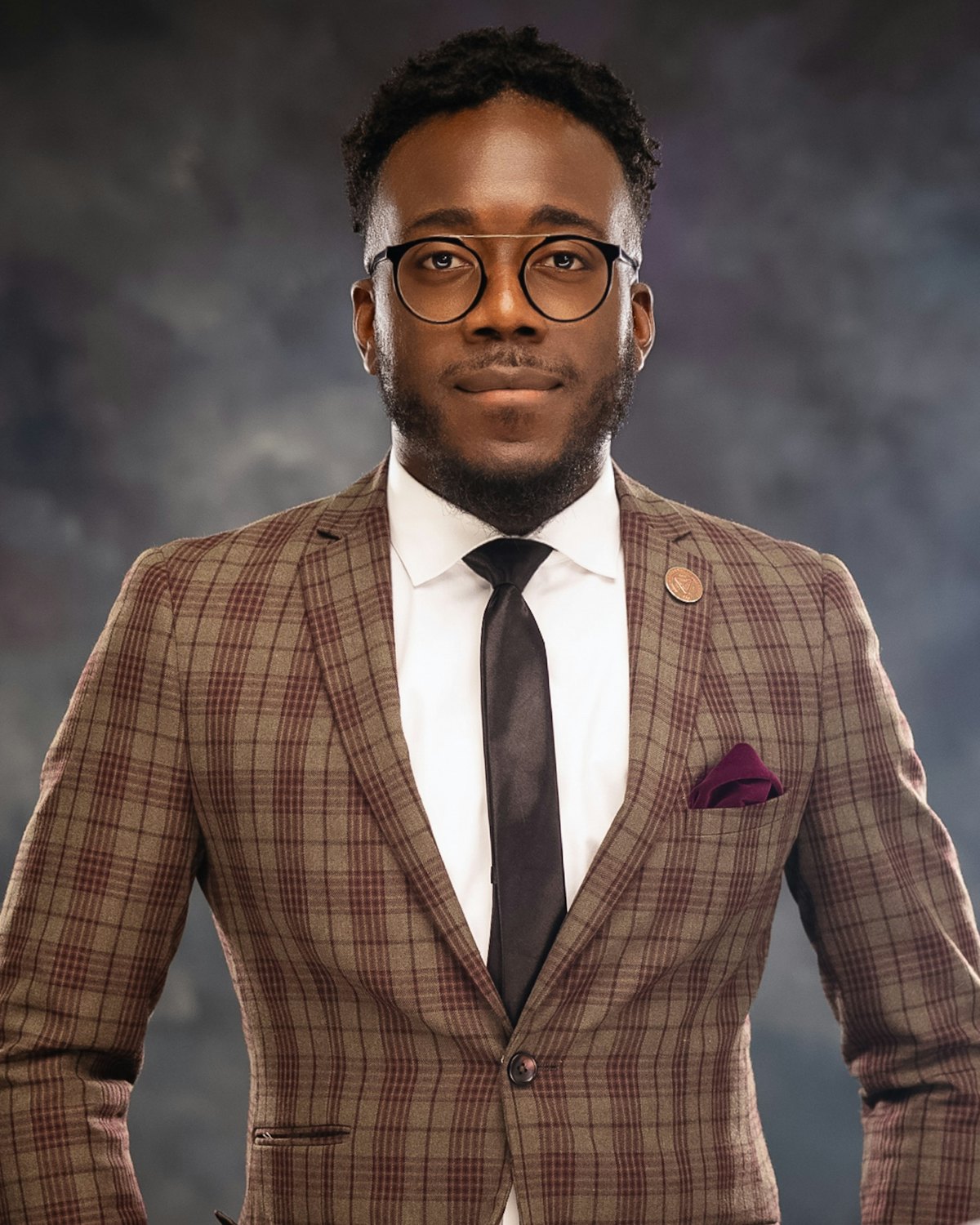
    Dr. Brendan L. JohnsonBrendan L. Johnson has been appointed as the new Director of Bands at Benedict College, where he will lead all ensembles, including the nationally recognized Benedict College Band of Distinction (BCBOD). Johnson brings a decade of transformative leadership from Darlington High School, where he served as Director of Bands. During his tenure, he grew the program from 75 to 225 members, making it one of the largest high school bands in South Carolina. He was selected for the Benedict role following an extensive nationwide search for elite musicians and conductors. 

    A dual graduate of Bethune-Cookman University, Johnson holds bachelor’s degrees in music education and liberal studies. While at Bethune-Cookman, he made history a the third Mr. Bethune-Cookman University. He later earned a master’s in education from Anderson University, and a Doctorate from the University of Southern Mississippi.

    Source link

  • Building Skills to Lead | Diverse: Issues In Higher Education

    Building Skills to Lead | Diverse: Issues In Higher Education

    Building on a career with impact, Chartarra Joyner continues to embody a sense of purpose to become an even stronger leader in academia.

     Chartarra JoynerJoyner is assistant vice chancellor, budget and planning, at North Carolina Agricultural and Technical State University (NC A&T). She oversees the administration, analysis and strategic management of the university’s $470 million budget. As head of the budget and planning team, she is responsible for compliance and fiscal integrity while managing the comprehensive budget and reporting process.

    Having attended Fisk University as an undergraduate, where she studied accounting, Joyner appreciates working at a Historically Black College and University but admits that a career in academia happened unexpectedly. After graduating from college, she spent more than a decade working in fi nancial services. Her last position before NC A&T was as a senior business analyst clinical services at HCA Healthcare, noting that her diverse background enables her to bring a unique lens to higher education.

    “In my positions, I led cross-functional teams, cost reduction strategies and other process improvement initiatives,” she says. “All this combined experience helps me. I started out in accounting, but most of my roles then progressed, and I found a love for operational excellence and process-improvement initiatives.”

    When her family moved to Greensboro, North Carolina, she planned to be a stay-at home mother but realized that was not where her strengths lie. Twelve years ago, she took on a contract assignment at NC A&T, which evolved into a full-time position. While the industry was different, she saw the move as a natural progression. Joyner has been in her current position since 2016. Because NC A&T is a large employer in Greensboro, her work has had a positive impact on the local economy.

    “I was able to apply my skills and experience in financial strategies,” Joyner says. “I wanted to help assist with the educational access for students as well as equity for those students. NC A&T has a lot of fi rst-generation college students. This is what brought me and made me stay in academia. It’s been fulfilling to see the student success stories that resulted from the strategic 
    financial leadership decisions made here at the university.”

    NC A&T initiated a “bring your child to work” program, and her three children have all experienced the campus and seen her busy at work. Then, as part of their coursework in school, there were assignments where they described what she does.

    “Children’s natural curiosity, they just ask questions,” she quips. Joyner is a third generation college graduate—stretching back to her grandmother
     (also an HBCU graduate)—and her second oldest son is fourth generation, having graduated from NC A&T. While higher education is the norm in her family, she thrives in an environment where first-gen students are able to flourish. She says that in her current role, she is able to mentor students and other professionals and contribute to the larger mission of the university.

    “I value thought leadership,” she says. “There’s a lot of collaboration in academia and there is continuous learning, which aligns with my personal mission and my core values. It also gives me the opportunity to make an impact through student support and developing our future global leaders. [At NC A&T] we have over 14,000 students that we have an impact on every day who are future global leaders.

    “I found a place where I can lead strategically and contribute to the larger mission of the university and the global community,” she adds. “What is meaningful to me is having an impact on the students to ensure that the students have the resources and support needed. [We’re] helping to produce engineers, doctors, lawyers and other professions… and the cooperative extension programs we do with the community and the research.”

    With the goal of becoming a chief business officer (CBO), Joyner applied for the National Association of College and University Business Officers (NACUBO) Fellows Program and was recently selected to take part in the highly competitive immersive leadership development program. The NACUBO program will help her refine her leadership skills and deepen her ability to communicate complex financial information. This includes aligning resources with institutional goals, developing flexible budget models and exploring diversified revenue streams. Due to current university priorities, she has postponed her participation until next year.

    As part of her work at NC A&T, Joyner has chaired and participated in strategic committees and spearheaded initiatives in staff development, operational efficiency and implementation of best practices to support long-term financial planning and institutional effectiveness.

    She describes her career trajectory as building a diverse portfolio that has helped her grow and lead at the executive level.

    “I want to create a path for other people, drive innovation while effectively managing resources of the institution,” Joyner says with confidence. “I also hope to contribute to national conversations on equity, sustainability and operational excellence for higher education. Ultimately, my goal is to make a lasting impact.”


    Source link

  • Sonia De La Torre | Diverse: Issues In Higher Education

    Sonia De La Torre | Diverse: Issues In Higher Education

    Dr. Sonia De La Torre Sonia De La Torre has been named Vice President of Student Services at Fullerton College.

    De La Torre most recently served as Dean of Student Equity at Long Beach City College. She previously served as the Associate Dean of Student Support Services and Director of Student Success and Support Services at Long Beach City College. Prior to her tenure in the California Community College system, she held leadership roles in student affairs at Scripps College and in academic support within the University of California system.

    De La Torre holds a Bachelors of Arts degree from University of California, Davis, a Master of Science degree in Educational Counseling and Guidance from California State University, San Bernardino and a Doctorate in Educational Leadership from California State University, Long Beach. 

    Source link

  • Lorin Basden Arnold | Diverse: Issues In Higher Education

    Lorin Basden Arnold | Diverse: Issues In Higher Education

    Dr. Lorin Basden ArnoldLorin Basden Arnold has been promoted to senior vice president for Academic Affairs at Kutztown University. Basden Arnold has served as chief academic officer and second-in-command for the institution since June 2021.

    In the last four years, Basden Arnold has led the university’s vision of its academic offerings, including the addition of new concentrations and certificates as well as new non-credit learning opportunities. In addition, she plays a pivotal role in the university’s Middle States review process.

    In 2023, Basden Arnold helped the university acquire a multi-million-dollar grant from the U.S. Department of Education to increase undergraduate retention and graduation rates and eliminate equity gaps for KU students. Under her guidance, the university launched a new student support platform (Starfish), began assigning a student success navigator for each incoming student, engaged in the transition to a new student information system (Banner) and broadened non-credit learning opportunities through KU Advance.

    Basden Arnold came to KU in June 2021 from SUNY New Paltz, New Paltz, N.Y., where she served three years as provost and vice president for Academic Affairs; and five years as professor of Communication. She provided leadership and direction for six academic divisions, serving nearly 7,000 students. Before SUNY New Paltz, Basden Arnold spent seven years as dean of the College of Communication and Creative Arts at Rowan University, Glassboro, N.J. She provided leadership for six academic departments and nearly 250 faculty and staff, serving more than 1,700 students enrolled in both undergraduate and graduate degree programs at an institution of 16,000 students. She oversaw a $11 million budget and established the Rowan Writing Center.

    A three-time graduate of Purdue University, Basden Arnold earned her doctorate in interpersonal communication in 1996, her master’s degree in public affairs/issue management in 1991 and her bachelor’s degree in communication/public relations in 1988.

    Source link

  • Christy Chancy Bridges | Diverse: Issues In Higher Education

    Christy Chancy Bridges | Diverse: Issues In Higher Education

    Dr. Christy Chancy BridgesChristy Chancy Bridges has been appointed associate dean of graduate programs at Mercer University School of Medicine.

     Bridges, a professor of histology, also served as director of MUSM’s Ph.D. in biomedical sciences program and had been serving as interim chair of the biomedical sciences department since 2022. She served as director of the Master of Science in preclinical sciences program from 2018-25. She joined the MUSM faculty in 2006.

    Bridges earned her bachelor’s degree in biology from Berry College and her Ph.D. in cellular biology from the Medical College of Georgia at Augusta University. She completed postdoctoral training at the Medical College of Georgia in the Department of Biochemistry and Molecular Biology and at MUSM in the Department of Biomedical Sciences.

    Source link

  • William Inbonden | Diverse: Issues In Higher Education

    William Inbonden | Diverse: Issues In Higher Education

    Dr. William InbodenWilliam Inboden, an expert on national security and foreign policy scholar, has been appointed executive vice president and provost at The University of Texas at Austin, effective Aug. 1. He will also hold the William Powers Jr. Chair and a joint faculty appointment with the Department of History and the School of Civic Leadership.

    Inboden has held several academic leadership roles at UT Austin and the UT System from 2010 to 2023. These include serving as founder and executive director of the Clements Center for National Security, founding editor-in-chief of the Texas National Security Review, and co-director of The University of Texas System National Security Network.

    In addition, Inboden served as a faculty member in the LBJ School of Public Affairs and was a Distinguished Scholar at the Strauss Center for International Security and Law.

    Currently the director of the Alexander Hamilton School for Classical and Civic Education at the University of Florida, Inboden is also a Peterson Senior Fellow with the Kissinger Center for Global Affairs at the Johns Hopkins School of Advanced International Studies. He received Ph.D., M.Phil and M.A. degrees in history from Yale University and an A.B. in history from Stanford University.

    Source link

  • Deborah F. Rutter | Diverse: Issues In Higher Education

    Deborah F. Rutter | Diverse: Issues In Higher Education

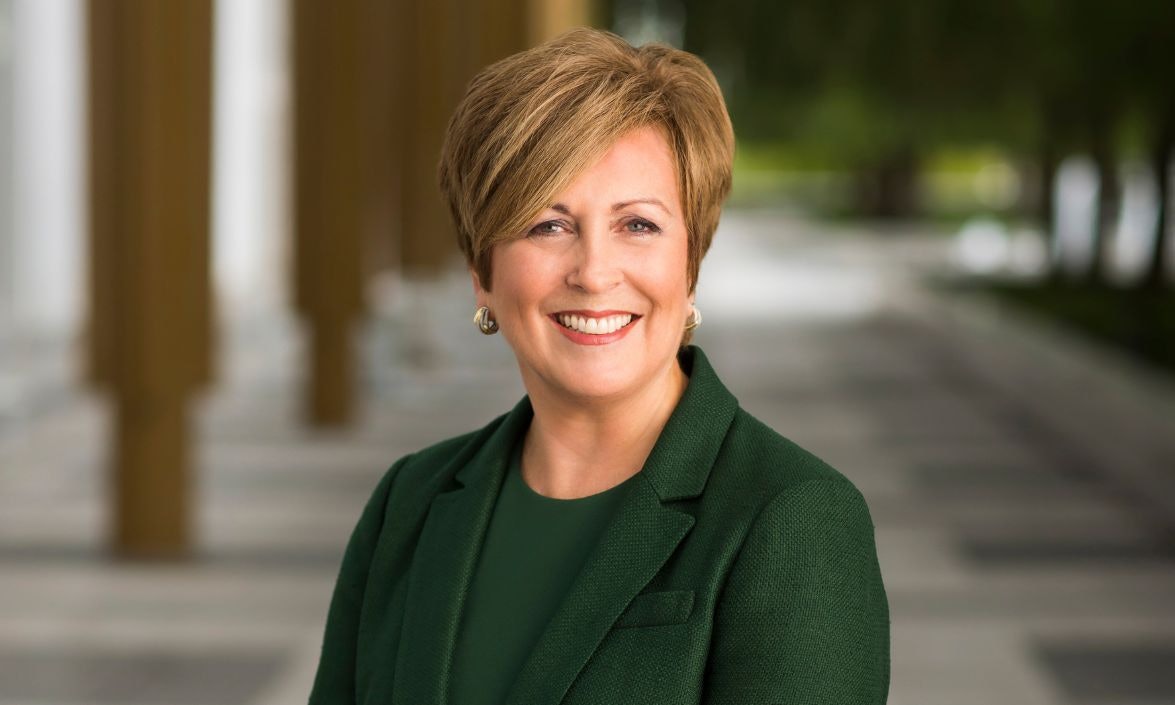
    Deborah F. RutterDeborah F. Rutter, the former president of the John F. Kennedy Center for the Performing Arts in Washington, D.C., has been appointed vice provost for the arts at Duke University.

    From 2014 to 2025, Rutter was the first woman to serve as president of the Kennedy Center, the nation’s cultural center and living memorial to President Kennedy. Under Rutter’s leadership, the center experienced a period of transformative programmatic growth; opened the REACH, a physical expansion of the campus; and strengthened its financial position through increases in its endowment and working capital reserves.

    Rutter is a graduate of Stanford University, where she majored in music and German, and earned an MBA from the University of Southern California. Trained in piano and violin, she previously served as president of the Chicago Symphony Orchestra Association and executive director of the Seattle Symphony Orchestra. She also held executive leadership roles with the Los Angeles Chamber Orchestra and the Los Angeles Philharmonic.

    Rutter received an honorary Doctor of Arts degree from Duke in 2023.

    Source link

  • Jessica Berger | Diverse: Issues In Higher Education

    Jessica Berger | Diverse: Issues In Higher Education

    Jessica BergerJessica Berger has been appointed Executive Vice President and Chief Advancement Officer at Chapman University.

    Berger brings nearly two decades of advancement and fundraising leadership experience across multiple institutions. Most recently, she served as vice president for university advancement and executive director of the foundation at California State University, San Marcos (CSUSM), where she led a team of nearly 50 professionals across fundraising, alumni and donor relations, marketing and communications, events and government relations.

    Prior to CSUSM, Berger spent seven years at Harvey Mudd College, rising to the role of assistant vice president for development. Earlier in her career, Berger contributed to fundraising efforts at Polytechnic School in Pasadena during a $93 million campaign, raised private support for a children’s home in Kenya and served in the U.S. House of Representatives as a congressional staff member focused on constituent advocacy.

    Berger earned a Master of Social Work from Cleveland State University and a Bachelor of Arts in Psychology from Wittenberg University, both with honors.


    Source link

  • Polly Trottenberg | Diverse: Issues In Higher Education

    Polly Trottenberg | Diverse: Issues In Higher Education


    Polly TrottenbergPolly Trottenberg—a former Deputy Secretary of the US Department of Transportation (USDOT) and Commissioner of the New York City Department of Transportation (NYCDOT), and a nationally recognized authority on transportation, infrastructure, and public policy and management—has been named dean of the Robert F. Wagner Graduate School of Public Service and a Global Distinguished Professor at NYU. 

    Trottenberg takes up her new duties on August 1, 2025.

    From April 2021 until January 2025, Trottenberg served as the Deputy Secretary of the US Department of Transportation, making her the chief operating officer of a 57,000-person federal agency, where she helped oversee hundreds of billions of dollars of new investments in roads, bridges, transit, passenger and freight rail, airports and ports. Trottenberg also served in 2023 as the Acting Administrator of the Federal Aviation Administration, the federal government’s largest and most complex 24/7 operational agency, with 44,000 employees and hundreds of facilities across the US and overseas. Prior to USDOT, Trottenberg served for seven years as New York City’s Transportation Commissioner, steering the 5,800-person agency through an era of growth and innovation, as well as the challenges of COVID. She led the City’s Vision Zero initiative, the first in the US, a comprehensive, multidisciplinary, and data-driven effort to reduce roadway fatalities. NYCDOT operates one of the US’s largest urban transportation systems, with 6,000 miles of roads, nearly 800 bridges, the nation’s largest traffic operation and parking system, the Staten Island Ferry, and extensive bicycle, pedestrian, and public plaza infrastructure. Between 2009 and 2014, she served first as Assistant Secretary and later Undersecretary of Transportation Policy at the USDOT. She previously spent 12 years on Capitol Hill, which was preceded by two years at the Port Authority of New York and New Jersey.

    Trottenberg received her BA in history from Barnard College, Columbia University, where she was elected to Phi Beta Kappa, and her MPP from Harvard’s John F. Kennedy School of Government.  

    Source link