Tag: Dogs

  • Therapy Dogs Boost Graduate Student Well-Being

    Therapy Dogs Boost Graduate Student Well-Being

    Laura Fay/iStock/Getty Images Plus

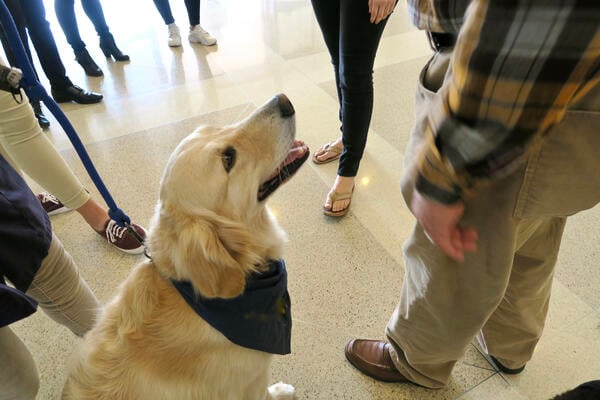
    Therapy dogs are often touted as a way to give students a reprieve from busy academic schedules or remind them of their own pets at home, but a recent study from Chatham University found that engagement with therapy dogs can instill a sense of social connection for students at all levels.

    An occupational therapy student at Chatham who researched how weekly therapy dog interactions could impact graduate students in health science programs found that the encounters produced benefits for students’ social and emotional health.

    The background: Past research shows animal interventions can mitigate homesickness for first-year students who miss their pets and academic stress for nursing students. Students who participate in “dog office hours” also experience increased social connection and comfort. Shelter dogs can also motivate students’ physical well-being, as demonstrated by the University of South Carolina’s canine fitness course.

    Graduate students in health science programs, in particular, report high rates of anxiety, depression and stress, according to the study.

    Regardless of their program of study, graduate students also tend to be removed from general campus services and activities due to physical campus layouts, residing and working off campus, or a misalignment of schedules between resources and their responsibilities. Therefore, identifying services specifically for graduate students can improve their access and uptake.

    How it works: Twenty-five students were recruited to participate in the study, meeting weekly to engage in activities with a group of therapy dogs, including petting, playing with, brushing, holding and walking the animals. Students could interact with the dogs for up to two hours over the course of the seven weeks. Before and after each puppy playdate, participants completed pre- and post-test surveys to gauge their feelings and the effects of the animal intervention.

    Survey results showed students were less likely to report feeling stressed and more likely to say they felt happy after engaging with the dogs.

    “I’ve really enjoyed this experience,” one participant wrote. “I feel like this has positively impacted my mood and well-being overall. I always leave feeling more relaxed and happier.”

    In open-ended questions, students said the dogs made them feel happy, loved, calm, relaxed, motivated and connected. Many said they also appreciated the opportunity to engage with their peers, noting that the regular cadence allowed them to socialize and meet new people, including the therapy dogs’ owners. Students indicated they wanted the visits to continue in some way if possible.

    The average student spent around 30 minutes with the therapy dogs during the trial, and, if they had the opportunity, a majority said they would participate in therapy animal groups on campus three to four times per month.

    Other Comforting Canines

    Chatham University students aren’t the only graduate students learning to destress from dogs. Here are some other examples of animal-assisted interventions across the country:

    • At Virginia Tech, graduate students at the Innovation Campus receive love and cuddles from Allen, a therapy dog who is co-handled by Barbara Hoopes, the graduate school’s associate dean for the region.
    • The City University of New York’s School of Public Health has hosted a therapy dog visit from the Good Dog Foundation to encourage graduate learners to relax and take a break during their week.
    • The University of Cincinnati featured therapy dogs at their Graduate Student Appreciation Week in April, honoring the hard work students do and helping them break their usual routines.

    Source link

  • USC Course Connects Students and Shelter Dogs for Exercise

    USC Course Connects Students and Shelter Dogs for Exercise

    Some colleges and universities use therapy dogs to help students destress or address homesickness. The University of South Carolina employs shelter dogs for students to engage with as a form of exercise.

    The Canine Fitness and Connection course invites about 25 students each semester to volunteer at a local animal shelter, giving them exposure to working with dogs while encouraging them to live healthy and active lives.

    What’s the need: A 2023 survey by Inside Higher Ed and College Pulse found that 57 percent of students named getting more exercise as a top health-related goal, while 43 percent cited spending more time outside. About half of respondents indicated their physical health and wellness impact their ability to focus, learn and do well in school at least somewhat.

    At USC, the physical activities program strives to offer unique courses that match student interests, said director Gary Nave. In the past, courses have included Zumba and Quidditch, but as trends change, student interest wanes, requiring more creative programs.

    In 2022, Nave was researching physical education offerings at other universities and came across Auburn University’s Puppy Play course, which was offered from about 2014 to 2017.

    “We know that interacting with animals has benefits and it makes a difference in your stress and your anxiety, and I think a lot of our physical activity classes help do that,” Nave said, so pairing the two seemed natural.

    Walking clubs have also grown in popularity among young people as Gen Z seeks to both make friends and stay active.

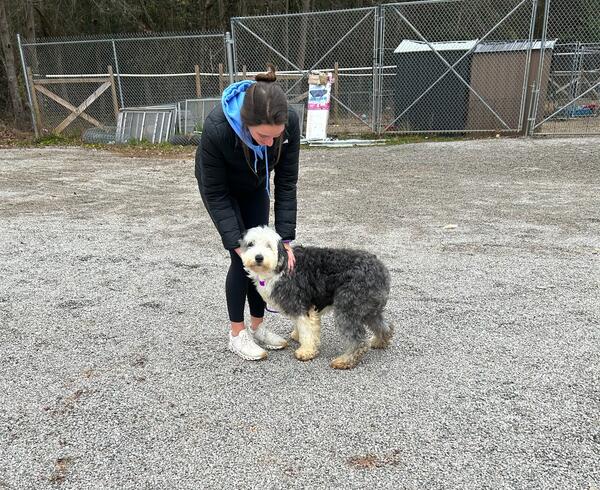
    How it works: USC partners with Final Victory Animal Rescue in West Columbia (roughly four miles from campus) to offer the course, which has two sections with a total enrollment of about 25.

    Students who enroll often have some level of experience with dogs and are looking to connect with animals while living in college housing, or to learn how to better care for their pets. For others less familiar with dogs, the course is an opportunity to step out of their comfort zone.

    Prior to class time, students are assigned a reading or video to watch, and the instructor delivers a brief 15-minute lecture at the start of their meeting.

    The remainder of the 90-minute class is devoted to animal care, including dog walking, grooming and feeding, plus kennel cleaning.

    “They do a lot of other stuff, because there’s more to taking care of a dog than just walking it,” Nave said. “If that was the case, then there’s no responsibility, everybody would want a dog, right?”

    Students submit their step count to the instructor as part of their participation grade, often tracked by a pedometer app or similar smartphone or smartwatch technology.

    Throughout the term, students learn about canine behavior, how to use a slip lead, the benefits of walking with dogs and the importance of community service, among other topics.

    At the end of the term, students complete a project in which they take the dogs out of the shelter for a day to practice handling them on their own. After the excursion, students provide feedback to shelter staff about the dog’s temperament and behavior so staff can create the best match for the dog’s permanent home.

    Students also take pictures and videos, which are shared as promotional material for the shelter, helping increase the visibility of dogs up for adoption.

    The impact: Since the program launched in spring 2022, student interest has been strong, with end-of-term feedback revealing how much participants enjoyed the opportunity to work with dogs.

    More Pup Perspectives

    Several colleges and universities have recognized the positive impact dogs can have on student well-being and engagement.

    “This semester, I was able to do something I love, while at the same time learning skills that I could apply to my everyday life,” one student wrote. “I highly, highly recommend taking this class any chance you get.”

    Former students have even elected to foster or adopt animals they cared for during the course, according to the USC website.

    Assignment data shows an impact on students’ physical activity as well, with participants walking an average of 2.5 miles over 90 minutes, clocking 7,000 steps during the week.

    The course also connects students with a philanthropic organization and professional instructors with extensive experience raising and handling dogs, exposing them to new perspectives, Nave said.

    “It’s worth experimenting to see if this class could be beneficial for your students,” Nave said.

    DIY: For institutions looking to model the course, Nave advises starting with a student survey to gauge interest. “If they don’t want it, there’s no sense in offering it.” Then identify a local animal shelter willing to serve as a host and partner for the course.

    Another consideration is risk management. Working with animals can pose a safety risk for students, so identifying whether the course requires a waiver or other documentation to lessen liability is key, Nave said.

    Source link

  • How AI Has Gone To The Dogs

    How AI Has Gone To The Dogs

    One highlight from FETC’s Startup Pavilion is Florida-based Scholar Education, which uses AI chatbot dogs to help tutor students and give feedback to teachers. How it works: A friendly AI-powered classroom assistant provides academic guidance and encourages engagement. The AI dogs will deliver daily reports to parents so they can see feedback on their kids’ learning, creating a direct line of communication between home and school. See it in action for yourself:

    Kevin Hogan
    Latest posts by Kevin Hogan (see all)

    Want to share a great resource? Let us know at [email protected].

    Source link