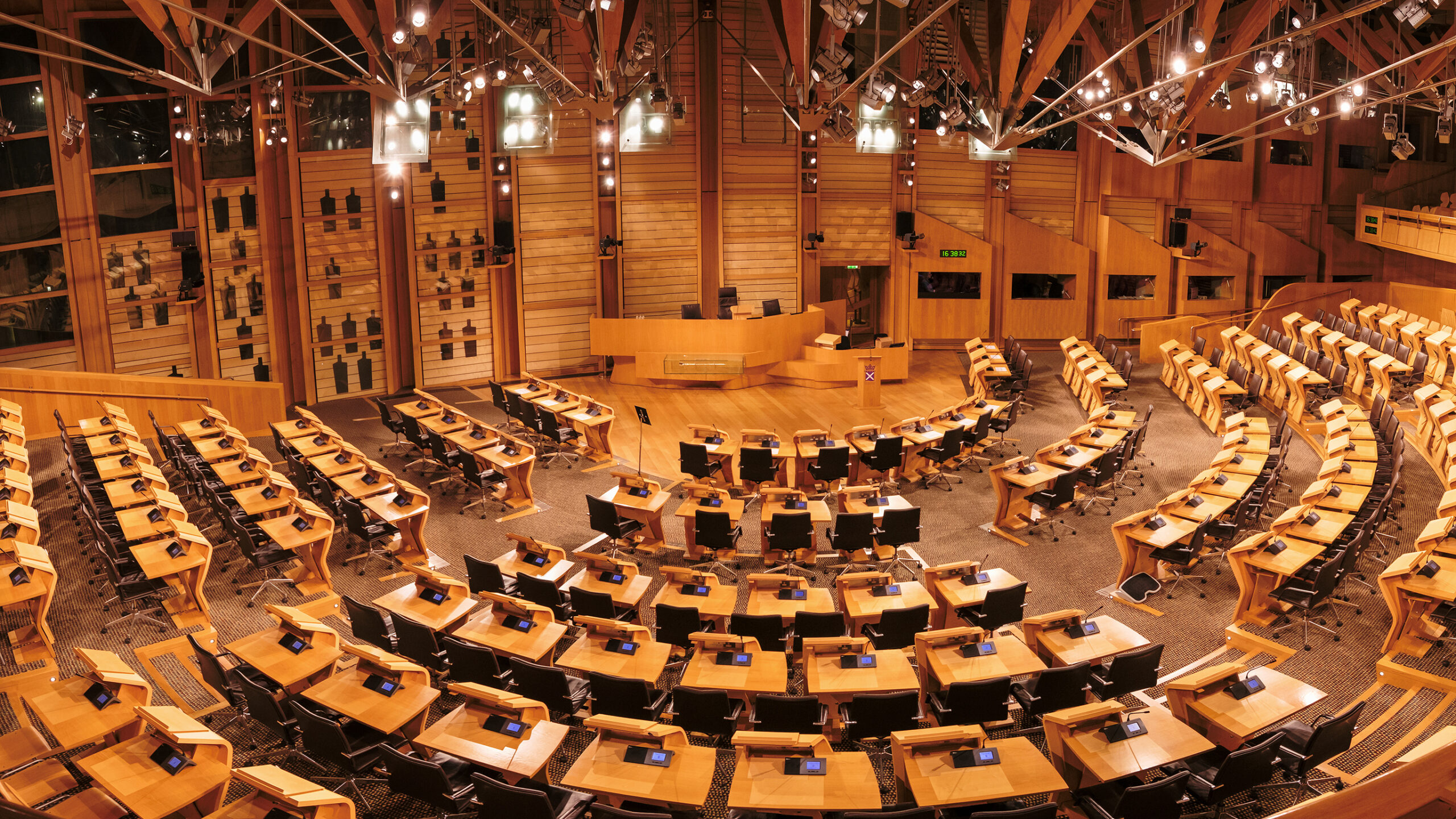
Not many university trustees or senior management teams have three hours spare at the moment. If they did, however, they would be well advised to watch last month’s Education Committee meeting of the Scottish Parliament regarding the University of Dundee.
Regardless of your views on select committees, it’s a timely reminder of how trustee boards and senior management teams need to communicate clearly and work with each other, especially, in circumstances where university finances and governance are also occupying Westminster select committee time, and making guest appearances on Radio 4’s Today programme.
I have written previously about the merits of a special administration for the higher education sector. I will not repeat those views, save in respect of trustee duties.
As outlined in the above, where a higher education provider is not incorporated as a company, the legal position on trustee duties and where the higher education provider is in financial difficulty is unclear.
In circumstances of financial distress, trustees could be facing potential personal liability, so a lack of clarity on legal duties is clearly wholly unsatisfactory in that situation.
Managing insolvency with special administration
One way to attempt to mitigate this situation is through a special administration regime. This could be along the lines of the further education process, would assist trustees of a provider in financial distress by making it clear that the Companies and Insolvency legislation would apply to all higher education providers, regardless of whether they are companies or not.
The trustees, like company directors, would then be aware of the rules of engagement, who should be given priority and how to mitigate the risks.
In addition, the position of students is not specifically protected in a financially distressed situation, above and beyond their status as creditors, in respect of any claims they might have, particularly if there is a market exit of a provider.
Special administration, again along the lines of the regime in the FE sector, would assist, by providing for a predominant duty to act in the best interest of students and would enable the trustees to put students at the forefront of their minds in a time of financial distress.
This supports trustees to focus on the interest of students in a financially distressed situation, and make it clear that acting in the best interests of creditors is secondary to avoiding or minimising disruption to the studies of existing students.
Protection as a charity
In a solvent situation, again, the companies legislation will not apply to a non-company, but, assuming that the HE provider is a charity, the charity legislation provides that the charity trustees have ultimate responsibility for the affairs of the charity.
They must also ensure that the charity is solvent and able to deliver its charitable purposes for the benefit of the public, which is where protection for students tends to come in, assuming that some or all of the charitable objects relate to students.
The duties of trustees come from the fiduciary nature of being a charity trustee, the legal and regulatory framework as well as the governing documents of the charity.
The Charity Commission sets out 6 key duties for charity trustees:
- Ensuring the charity carries out its purposes for the public benefit
- Comply with the charity’s governing document and the law
- Act in the best interest of the charity
- Manage the charity’s resources responsibly
- Act with reasonable care and skill
- Ensure the charity is accountable
The position is clearer where a charity HE provider is solvent, rather than in financial distress.
But whilst the lack of legal clarity for trustees is legally challenging, what the University of Dundee situation has demonstrated is the practical challenge of the management structures in higher education providers and charities.
Company vs charity
The structures of a charity are normally inverse to what you would have in a company. In a company, the board of directors would be both legally and practically responsible for the operations of the company, whether it was solvent or insolvent.
The board of directors would normally carve up management roles between them, or they may delegate some of those roles outside the board to employees, but they should, and generally do, ensure that non-directors report back to the board, with the directors making the final decisions.
With most higher education providers, the director equivalents are the trustees, who have ultimate responsibility for the actions of the HE providers, but are normally unpaid volunteers who see themselves more as non-executive directors. The trustees will usually delegate management responsibilities to a management team.
The fiduciary duty issue with that structure, is that the management team runs the risk of being the equivalent of de facto or shadow directors, to the extent that they are making the ultimate management decisions, with no substantive involvement from the trustees.
Under the Companies and Insolvency legislation, de facto and shadow directors can be equally liable, in both solvent and insolvent situations, as actual directors.
The management team members therefore need, to protect themselves from liability, to ensure that the executive decisions in respect of the higher education provider, are made by the trustees.
The trustees, on the other hand, need to ensure that they have proper oversight of the senior management team and, whilst enabling them to fulfil their roles, that they are aware of the executive decisions that the management team are proposing. Ultimately they are taking responsibility for those decisions so they can be accountable for them.
The problems arise, as was played out for all to see in glorious technicolour last month, when there is a breakdown of communication between the trustees and management team on the decisions being made and the consequences of those decisions.
Now, more than ever, trustees need to be completely up to speed on the decisions made so, in the very unlikely event that they appear in front of a select committee, they can fully explain and take responsibility for the decisions made and actions taken.