
Tag: Echoes

  • Echoes of 1857 in 2025

    Echoes of 1857 in 2025

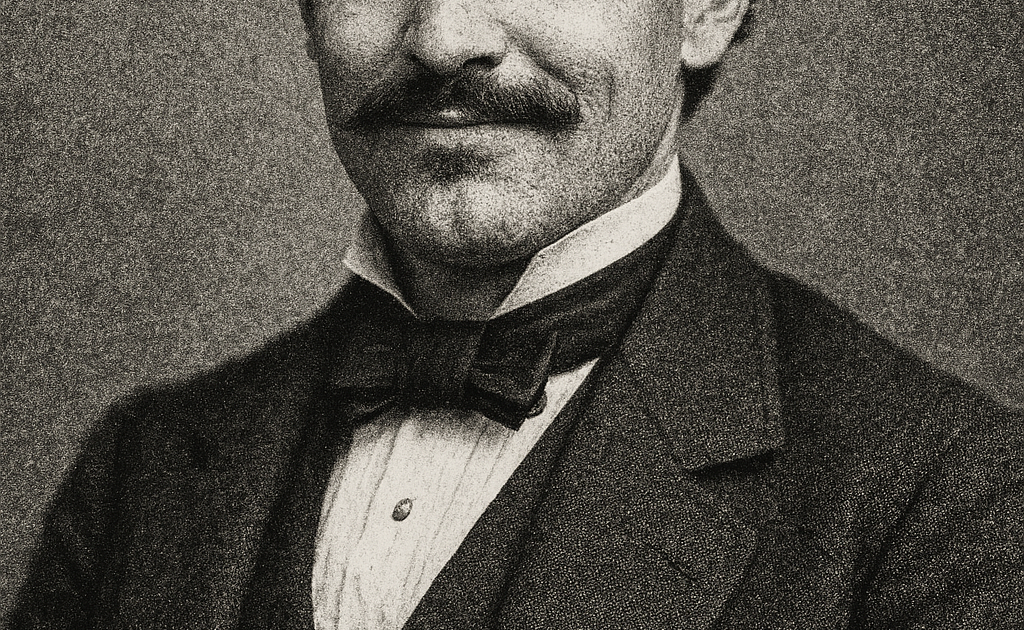
    In 1857, Herman Melville published The Confidence-Man: His Masquerade, a cryptic, satirical novel set aboard a Mississippi steamboat. The titular character—ever-shifting, ever-deceiving—exploits the trust of passengers in a society obsessed with profit, spectacle, and moral ambiguity. That same year, the United States plunged into its first global financial crisis, the Supreme Court issued the Dred Scott decision denying citizenship to Black Americans, and violence erupted in Kansas over slavery. The nation was expanding westward while morally imploding.

    Fast forward to 2025, and the parallels are chilling.

    The Collapse of Confidence

    The Panic of 1857 was triggered by speculative bubbles, banking failures, and the sinking of a gold-laden ship meant to stabilize Eastern banks. In 2025, the U.S. faces a different kind of panic: record-high debt servicing costs, a fragile labor market dominated by gig work, and a public increasingly skeptical of financial institutions. The Department of Government Efficiency (DOGE), led by Elon Musk, has slashed federal jobs and privatized public services, echoing the confidence games of Melville’s era.

    Trust—once the bedrock of civic life—is now a currency in freefall.

    Judicial Earthquakes and Political Fragmentation

    In 1857, the Supreme Court’s Dred Scott decision shattered any illusion of unity. Today, the return of Donald Trump to the presidency has reignited deep political divisions. Executive orders, agency dismantling, and immigration crackdowns have triggered constitutional challenges reminiscent of the 1850s. The rule of law feels increasingly negotiable.

    Higher education institutions, once bastions of reasoned debate, now find themselves caught between political polarization and economic precarity. Faculty are pressured to conform, students are surveilled, and public trust in academia is eroding.

    Spectacle, Deception, and the Digital Masquerade

    Melville’s confidence man sold fake medicines and bogus charities. In 2025, deception is digitized: AI-generated content, deepfakes, and influencer culture dominate public discourse. The masquerade continues—only now the steamboat is a livestream, and the con artist might be an algorithm.

    Universities must grapple with this new epistemological crisis. What is truth in an age of synthetic media? What is scholarship when data itself can be manipulated?

    Moral Reckonings and Institutional Failure

    In both 1857 and 2025, America faces a reckoning. Then, it was slavery and sectional violence. Now, it’s climate collapse, racial injustice, and the erosion of democratic norms. The question is not whether institutions will survive—but whether they can evolve.

    Higher education must decide: Will it be a passive observer of decline, or an active agent of renewal?

    The Confidence Man Returns

    Melville’s novel ends without resolution. The confidence man disappears into the crowd, leaving readers to wonder whether anyone aboard the steamboat was ever truly honest. In 2025, we face a similar uncertainty. The masquerade continues, and the stakes are higher than ever.

    For higher education, the challenge is clear: to restore trust, to defend truth, and to prepare students not just for jobs—but for citizenship in an age of confidence games.
    Source link

  • Kashana Cauley’s Fictional Rebellion Echoes a Real-Life Debt Hero

    Kashana Cauley’s Fictional Rebellion Echoes a Real-Life Debt Hero

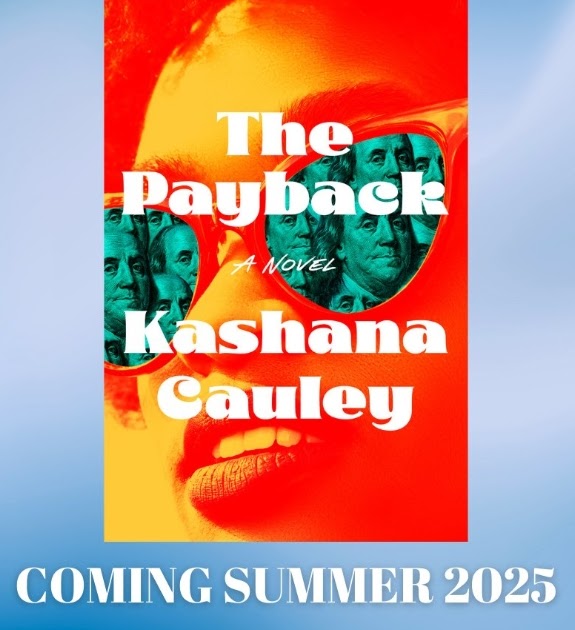
    Kashana Cauley’s second novel, The Payback (out July 15, 2025), might read like a brilliantly absurd heist movie—but its critique of debt peonage, surveillance capitalism, and broken educational promises is dead serious. With its hilarious yet harrowing depiction of three underemployed retail workers taking on the student loan-industrial complex, The Payback arrives not just as a much-anticipated literary event, but as a cultural reckoning.

    The protagonist, Jada Williams, is relentlessly hounded by the “Debt Police”—a dystopian twist that, while fictional, feels terrifyingly close to home for America’s 44 million student debtors. But instead of accepting a life of financial bondage, Jada and her mall coworkers hatch a plan to erase their student debt and strike back against the system that sold them a future in exchange for permanent servitude.

    This wild caper—praised by Publishers Weekly, Bustle, The Boston Globe, and others for its intelligence and audacity—may be fiction, but it echoes the real-life story of one bold man who did exactly what Jada dreams of doing.

    The Legend of Papas Fritas

    In the mid-2000s, a Chilean man known only by his pseudonym, Papas Fritas (French Fries), pulled off one of the most radical and symbolic acts of debt resistance in modern history. A former art student at Chile’s prestigious Universidad del Mar—a private for-profit institution later shut down for corruption and fraud—Papas Fritas discovered that the university had falsified financial documents to secure millions in profits while leaving students in mountains of debt.

    His response? He infiltrated the school’s administrative offices, extracted records documenting approximately $500 million in student loans, and burned them. Literally. With no backup copies.

    He then turned the ashes into an art installation called “La Morada del Diablo” (The Devil’s Dwelling), displayed it publicly, and became an instant folk hero. For many Chileans, who had taken to the streets in the early 2010s protesting an exploitative and privatized higher education system, Papas Fritas was more than a trickster—he was a vigilante philosopher, an artist of revolt.

    His act raised questions that still haunt us: What is the moral value of debt acquired through deception? Should the victims of predatory institutions be forced to pay for their own exploitation?

    Fiction Meets Resistance

    In The Payback, Cauley’s characters don’t just want debt relief—they want retribution. And like Papas Fritas, they understand that justice in an unjust system may require transgression, even sabotage. Cauley, a former Daily Show writer and incisive New York Times columnist, doesn’t shy away from this. Her prose is electric with rage, joy, absurdity, and clarity.

    She also knows exactly what she’s doing. Jada’s plan to eliminate debt isn’t merely about numbers—it’s about dignity, possibility, and reclaiming a future that was sold for interest. Cauley’s fiction, like Papas Fritas’s fire, is not just a spectacle—it’s a warning, and a dare.

    In an America where student debt totals over $1.7 trillion, where debt servicers act like bounty hunters, and where the promise of higher education has become a trapdoor, The Payback delivers catharsis—and inspiration.

    Hollywood, take note: this story demands a screen adaptation. But more importantly, policymakers, debt collectors, and university administrators should take heed. The people are reading. And they’re getting ideas.

    Preorder The Payback

    Signed editions are available through Black-owned LA bookstores Reparations Club, Malik Books, and Octavia’s Bookshelf. National preorder links are now live. Read it before the Debt Police knock on your door.

    Because as both Cauley and Papas Fritas remind us: sometimes, the only moral debt is the one you refuse to pay.

    Source link