Tag: Embracing

  • Preparing students for the world of work means embracing an AI-positive culture

    Preparing students for the world of work means embracing an AI-positive culture

    When ChatGPT was released in November 2022, it sent shockwaves through higher education.

    In response, universities moved at pace during the first half of 2023 to develop policy and good practice guidance for staff and students on appropriate use of GenAI for education purposes; the Russell Group’s Principles on the use of generative AI tools in education are particularly noteworthy. Developments since, however, have been fairly sluggish by comparison.

    The sector is still very much at an exploratory phase of development: funding pilots, individual staff using AI tools for formative learning and assessment, baseline studies of practice, student and staff support, understanding of tools’ functionality and utilisation etc. The result is a patchwork of practice not coherent strategy.

    Yet AI literacy is one of the fastest growing skills demanded by industry leaders. In a survey of 500 business leaders from organisations in the US and UK, over two-thirds respondents considered it essential for day-to-day work. Within AI literacy, demand for foundation skills such as understanding AI-related concepts, being able to prompt outputs and identify use cases surpassed demand for advanced skills such as developing AI systems.

    Students understand this too. In HEPI’s Student generative AI survey 2025 67 per cent of student respondents felt that it was essential to understand and use AI to be successful in the workplace whereas only 36 per cent felt they had received AI skill-specific support from their institution.

    There is a resulting gap between universities’ current support provision and the needs of industry/ business which presents a significant risk.

    Co-creation for AI literacy

    AI literacy for students includes defining AI literacy, designing courses aligned with identified learning outcomes, and assessment of those outcomes.

    The higher education sector has a good understanding of AI literacy at a cross disciplinary level articulated through several AI literacy frameworks. For example, UNESCO’s AI Competency Framework for Students or the Open University in the UK’s own framework. However, most universities have yet to articulate nuanced discipline-specific definitions of AI literacy beyond specialist AI-related subjects.

    Assessment and AI continues to be a critical challenge. Introducing AI tools in the classroom to enhance student learning and formatively assess students is fairly commonplace, however, summative assessment of students’ effective use of AI is much less so. Such “authentic assessments” are essential if we are serious about adequately preparing our students for the future world of work. Much of the negative discourse around AI in pedagogy has been around academic integrity and concerns that students’ critical thinking is being stifled. But there is a different way to think about generative AI.

    Co-creation between staff and students is a well-established principle for modern higher education pedagogy; there are benefits for both students and educators such as deeper engagement, shared sense of ownership and enhanced learning outcomes. Co-creation in the age of AI now involves three co-creators: students, educators and AI.

    Effective adoption and implementation of AI offers a range of benefits specific to students, specific to educators and a range of mutual benefits. For example, AI in conjunction with educators, offers the potential for significantly enhancing the personalisation of students’ experience on an on-demand basis regardless of the time of day. AI can also greatly assist with assessment processes such as marking turnaround times and enhanced consistency of feedback to students. AI also allows staff greater data-driven insights for example into students at risk of non-progression, areas where students performed well or struggled in assessments allowing targeted follow up support.

    There is a wealth of opportunity for innovation and scholarship as the potential of co-creation and quality enhancement involving staff, students and AI is in its infancy and technology continues to evolve at pace.

    Nurturing an AI-positive culture

    At Queen Mary University of London, we are funding various AI in education pilots, offering staff development programmes, student-led activities and through our new Centre for Excellence in AI Education, we are embedding AI meaningfully across disciplines. Successfully embedding AI within university policy and practice across the breadth of operations of the institution (education, research and professional practice), requires an AI-positive culture.

    Adoption of AI that aligns with the University’s values and strategy is key. It should be an enabler rather than some kind of add-on. Visible executive leadership for AI is critical, supported by effective use of existing champions within schools and faculties, professional services and the student body to harness expertise, provide support and build capacity. In some disciplines, our students may even be our leading institutional AI experts.

    Successful engagement and partnership working with industry, business and alumni is key to ensure our graduates continue to have the necessary skills, knowledge and AI literacy to achieve success in the developing workplace.

    There is no escaping the fact that embedding AI within all aspects of a university’s operations requires significant investment in terms of technology but also its people. In our experience, providing practical support through CPD, case studies, multimedia storytelling etc whilst ensuring space for debate are essential for a vibrant, evolving community of practice.

    A key challenge is trying to maintain oversight and co-ordinate activities in large complex institutions in a field that is evolving rapidly. Providing the necessary scaffolding in terms of strategy and policy, regulatory compliance and appropriate infrastructure whilst ensuring there is sufficient flexibility to allow agility and encourage innovation is another key factor for an AI-positive culture to thrive.

    AI is reshaping society and building an AI-positive culture is central to the future of higher education. Through strategic clarity and cultural readiness, universities need to effectively harness AI to enhance student learning, support staff, improve productivity and prepare students for a changing world.

    Source link

  • Embracing Disruption: Reflections from DisruptED 2025 

    Embracing Disruption: Reflections from DisruptED 2025 

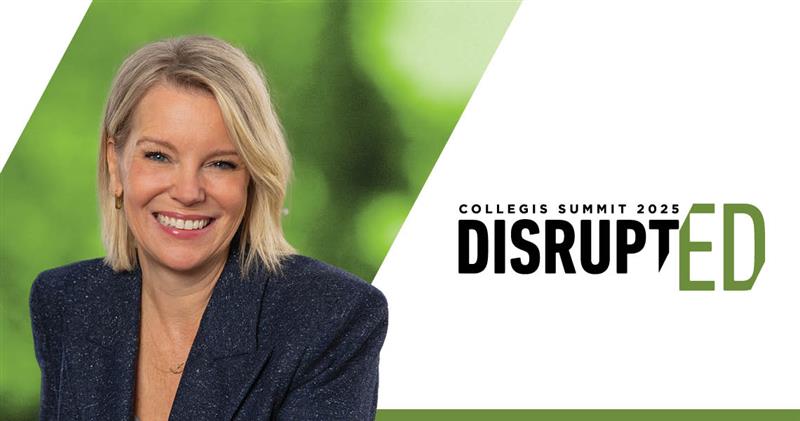
    Two weeks ago, I had the privilege of gathering with higher ed leaders from across the country for our annual Collegis conference, designed to spark candid dialogue about the future of higher education. We were fortunate to bring together leaders from institutions of all types and sizes, recognizing that while their contexts differ, the profound disruption reshaping higher education is affecting them all.  As we heard from industry experts and schools “winning” during these unprecedented times, it was so rewarding to see excitement build around how to not just navigating this disruption but embrace and drive it.   

    We’ve hosted several conferences over the years, but this one felt different. Maybe it was the collective honesty in the room or the mix of optimism and unease we all carried about the future of higher education. Whatever it was, the conversations reminded me how critical it is for our industry to embrace discomfort as a catalyst for progress. 

    In higher education, disruption is often seen as something that happens to us, driven by external forces we have to react to. But our focus this year was on flipping that script. Instead of responding to disruption, we talked about creating it by becoming the catalysts who challenge long-held models and reimagine how to meet the needs of today’s and tomorrow’s students. 

    These conversations also reinforced the value of stepping out of the day-to-day to connect with peers and have the kind of honest, intentional conversations that spark real change.  I felt honored to be amongst a group of leaders so passionate about the need to evolve for one main reason — the student. 

    Rethinking what “ready” really means 

    One thought-provoking statement that stood out to me came from presenter Casey Evans, Chief Operating Officer at ASU EdPlus. She posed: Institutions focus too much on students being college-ready. We need to flip that and ask ourselves, are WE, the college, ready for the students? 

    It’s a simple reframing, but it changes everything. Too often, we measure readiness as a student’s ability to fit into the systems we’ve built. But what if readiness meant our ability to adapt those systems to meet students where they are? 

    I spoke with leaders who are looking to do exactly that — using data, technology, and empathy to design experiences that are more flexible, inclusive, and human. These institutions aren’t lowering standards, they’re reimagining them. They’re asking what it means to be student-ready, not system-bound. 

    The power of deconstruction 

    Another theme that emerged was around innovation. Fixing broken processes isn’t innovation. Reimagining them is. 

    I heard from presidents, provosts, and enrollment leaders who are bravely seeking to dismantle long-standing workflows and rebuild them one step at a time. Not because it’s easy or efficient, but because it’s necessary. 

    That kind of deconstruction takes courage. It means letting go of what feels comfortable and, at times, rebuilding from the ground up with the student experience leading the way. It’s a daunting idea, but real innovation happens when we move past fixing what’s broken and start imagining what’s possible. 

    Leading through ambiguity 

    We also explored what it means to lead in an era that’s unpredictable and accelerating. Technology, policy shifts, and political forces are reshaping higher ed faster than ever, often in ways we can’t control. 

    Change once seemed to follow a pattern. Now it’s fluid — much like unstructured data: constant, complex, and always evolving. Uncertainty isn’t the exception anymore; it’s the environment we operate in. 

    That’s why intuition alone isn’t enough. Leaders need data to anticipate, adapt, and make confident decisions in real time. True leadership today means creating space for curiosity and collaboration, moving forward even when the path isn’t clear, and trusting that progress is built on motion, not perfection. 

    Creating space for humanity 

    Throughout the event, we discussed how technology could better support human connection across the student experience. There’s a real desire to reduce friction in the journey, make data work harder, and give faculty and staff more time to focus on what they do best: connecting, mentoring, and inspiring. 

    That vision resonates deeply with me because it’s exactly what I believe is possible. Technology isn’t a replacement for  human interaction, but it can absolutely enhance it. When designed intentionally and used strategically, it creates space for humanity. It creates space for students to feel seen, for advisors to act sooner, and for institutions to operate with both empathy and precision. 

    This is the kind of transformation higher ed leaders are striving toward, and it’s one we’re excited to help bring to life. 

    Looking ahead 

    As I left DisruptED, I felt both challenged and inspired. Change in higher ed isn’t slowing down. Technology, regulation, and politics are reshaping our world in ways we can’t always control — but how we respond is up to us. 

    There is no new normal. Continuous, unpredictable change is the norm, and with it comes opportunity. With the right data, strategy, and partners, institutions can move from reacting to leading — anticipating what’s next instead of catching up. 

    Change isn’t optional, but progress is. And as this community of leaders continues to show, disruption doesn’t divide us. It pushes us forward when we’re bold enough to lead together. 

    Innovation Starts Here

    Higher ed is evolving — don’t get left behind. Explore how Collegis can help your institution thrive.

    Source link

  • Embracing Transparency After a Rankings Scandal

    Embracing Transparency After a Rankings Scandal

    It’s college rankings season again, a time of congratulations, criticism and, occasionally, corrections for institutions and the organizations that rate them.

    Typically U.S. News & World Report, the giant of the college rankings world, unranks some institutions months after its results are published over data discrepancies that are usually the result of honest mistakes. But in rare instances, erroneous data issues aren’t mistakes but outright fraud. And when that happens, it can result in soul-searching and, ideally, redemption for those involved.

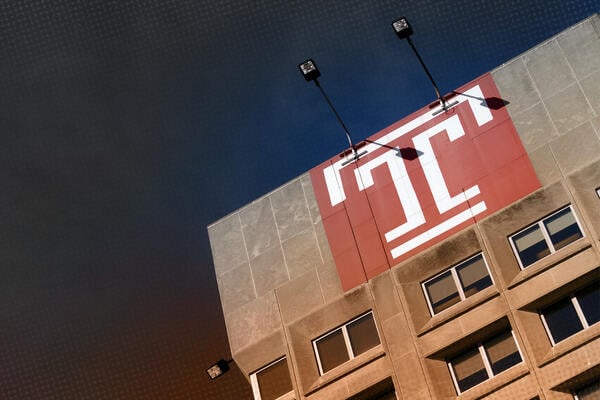
    That’s what happened at Temple University, which was rocked by a rankings scandal in 2018, when it became clear that Moshe Porat, the dean of Temple’s Richard J. Fox School of Business and Management, had knowingly provided false data to U.S. News for years in a successful effort to climb the rankings. Temple’s online master of business administration soared to No. 1—until the scheme was exposed. U.S. News temporarily unranked the program, the U.S. Department of Education hit Temple with a $700,000 fine and Porat was convicted of fraud.

    Since then, Temple has worked hard to restore its reputation. In the aftermath of the scandal, officials imposed universitywide changes to how it handles facts and figures, establishing a Data Verification Unit within the Ethics and Compliance Office. Now any data produced by the university goes through a phalanx of dedicated fact-checkers, whether it’s for a rankings evaluation or an admissions brochure.

    A Culture Shift

    Temple’s Data Verification Unit was introduced in 2019 amid the fallout of the rankings scandal.

    At first, it gave rise to “friction points,” as university officials were required to go through new processes to verify data before it was disseminated, said Susan Smith, Temple’s chief compliance officer. But now she believes the unit has won the trust of colleagues on campus who have bought in to more rigorous fact-checking measures.

    “It’s been an incredibly positive thing for Temple and I think for data integrity over all,” Smith said.

    Initially, Temple partnered with an outside law firm to verify data and lay the groundwork for the unit. Now that is all handled in-house by a small team that works across the university.

    While Smith said “the vast majority of mistakes” she sees “are innocent,” her team is there “to act as a sort of backstop” and to “verify that the data is accurate, that there’s integrity in the data.”

    The Data Verification Unit also provides training on best practices for data use and dissemination.

    University officials believe placing the Data Verification Unit under the centralized Office of Compliance and Ethics—which reports directly to Temple’s Board of Trustees—is unique. And some say the process has created a bit of a culture shift as they run numbers by the unit.

    Temple spokesperson Stephen Orbanek, who joined the university after the rankings scandal, said running news releases by the Data Verification Unit represented a “total change” from the way he was accustomed to operating. And while it can sometimes slow down the release of certain data points or responses to media requests, he said he’s been able to give reporters more robust data.

    He also noted times when Temple has had to pull back on marketing claims and use “less impressive” statistics after the Data Verification Unit flagged issues with materials. As an example, he cited a fact sheet put out by the university in which officials wanted to refer to Temple as a top producer of Fulbright scholars. But the Data Verification Unit insisted that a caveat was needed: The statistic pertained only to the 2022–23 academic year.

    Ultimately, Orbanek sees the Data Verification Unit as a boon for a more transparent campus culture.

    “The culture has just kind of shifted, and you get on board,” Orbanek said.

    Other Rankings Scandals

    Other universities have been less forthcoming about fixing their own data issues.

    In 2022, a professor called out his employer, Columbia University, for submitting inaccurate data to U.S. News, which responded by unranking the institution for a short time. Following the scandal and accusations of fraud by some critics, Columbia announced the university would no longer submit data to U.S. News. Officials argued that the rankings have outsize influence on prospective students but don’t adequately measure institutional quality.

    Yet Columbia still publishes large swaths of data, such as its Common Data Set. Asked how the university has acted to verify data in the aftermath of the rankings scandal, a spokesperson wrote by email that data is “reviewed by a well-established, independent advisory firm to ensure reporting accuracy” but did not respond to a request for more details on the verification processes.

    The University of Southern California also navigated a rankings scandal in 2022. USC provided faulty data to U.S. News for its Rossier School of Education, omitting certain metrics, which helped it rise in the rankings, according to a third-party report that largely blamed a former dean.

    U.S. News temporarily unranked Rossier; graduate students sued the university, accusing officials of falsely advertising rankings based on fraudulent data. That legal battle is ongoing, and earlier this year a judge ruled that the case can proceed as a class action suit.

    Officials did not respond to a request from Inside Higher Ed for comment on whether or how USC has changed the way it verifies data for use in rankings or for other purposes.

    U.S. News also did not respond to specific questions about if or how it verifies that information submitted by institutions to be used for ranking purposes is accurate. A spokesperson told Inside Higher Ed, “U.S. News believes that data transparency and internal accountability practices by educational institutions are good for those institutions and good for consumers.”

    Source link

  • Medr is embracing its collaborative role

    Medr is embracing its collaborative role

    “You have two ears, one mouth – use them in that proportion.”

    The words of my mother seem to have gained relevance and resonance for me, as I reflect at the end of my tenure as CEO responsible for overseeing the launch of Medr, the new tertiary funding and regulatory body in Wales.

    As we arrive at our first birthday as an organisation, my mother’s words ring true in the approach we have tried to nurture with partners to help tackle the challenges and embrace the opportunities facing the sector.

    And this is perhaps particularly true during the well-established perfect storm of headwinds facing our higher education institutions at present, prompting understandable deliberations and concern around staffing, provision and campus restructuring.

    Wonkhe readers will be well versed in the plethora of pressures facing even the most long-established and most renowned universities across the UK. Put simply, the pressures of increasing costs are currently not being met by an increase in income for too many, and our institutions in Wales are no different (further context and a Medr perspective were provided to the Senedd’s Children, Young People and Education Committee a few short weeks ago, if it’s of interest).

    For the long-term viability of the post 16 sector to thrive in Wales, finding strategic, joined-up solutions is imperative. As a regulator and funder and having engaged extensively with the sector since day one, our analysis is that no institution in Wales is at immediate risk of collapse, but that medium-term outcomes do cause us concern if well thought-through changes are not made.

    Beyond “competition with a smile”

    What’s also clear to us in Wales is that many of these pressures are also affecting other parts of the tertiary sector – local authorities, schools, further education colleges, apprenticeship providers, adult education providers as well as universities and everything in between.

    This, however, can create opportunities.

    Back to the words of my mother – “two ears and one mouth” – during our first year of operation as Medr, we have had to quickly get on top of the tertiary issues in Wales. In Stephen Covey’s words, we must “seek first to understand”. We must understand the extent and context of the challenges and why certain actions are being proposed. Through a genuine commitment to engaging with a range of stakeholders and considering how we can facilitate a culture of listening, learning and collaborating across the post-16 sector, we have a great opportunity to build on the solid foundations of a shared ambition and purpose to build resilience for the future.

    Being a regulator and a funder is not an end in itself. To be honest, I had underestimated the importance of our role in convening and facilitating conversations between different stakeholders whilst respecting institutional autonomy. Colleagues must be bored of me telling the story of an ex-colleague of mine who challenged me after a meeting when I talked about collaboration. He said:

    Do you mean collaboration? Or are you talking about competition with a smile?

    We’ve all been there! We smile and nod in a meeting when we talk about working together – and then go back to our respective ranches and nothing changes.

    However, if we genuinely place learner need ahead of institutional need, we have an opportunity to create a system that is better than the sum of its parts. Don’t get me wrong, as a former CEO of a post-16 provider, I’m fully aware of the accountability to a governing body and the need to protect the viability of the organisation. But I also acknowledge that I was probably more comfortable in exploring growth and new opportunities, rather than thinking about stopping some things we did because someone else was in a better place to provide that service to our community or region. Collaboration is also not an end in itself – there is no point in collaborating if it just appeases everybody but doesn’t improve the breadth or quality of provision for learners or improves the system as a whole.

    A course through the headwinds

    At Medr, we have tried to live our values and engage, listen and collaborate with the sector. For example, our first strategic plan has developed considerably through consultation. We have recently launched a consultation on our draft regulatory framework, a hugely important piece of work for the sector, and we will continue to listen throughout that process.

    What I hope shines through in that work, and which I equally hope isn’t lost in wider discussions around headwinds and pressures, is the positive everyday impact that all parts of the tertiary sector have on our learners and our communities. I have a huge respect for the learner focussed people who work in our wonderfully diverse post-16 sector. Developing that mutual respect amongst all parts of the sector is vital if we are to develop a better system in the future that can tackle some of the challenges, such as the numbers not in education, employment or training, and our desire to improve participation rates in higher levels of learning.

    This isn’t easy. If it was, we would have solved these challenges by now. It has taken decades to create these issues and they won’t be solved overnight. And true collaboration – not competition with a smile! – takes time to build trust, requires a great deal of commitment along with a good dollop of inspiring and tenacious leadership.

    Yes, it’s challenging – but therein lies opportunity for innovation. In my experience, when the going gets tough, leaders demonstrate two basic types of behaviour. They either sharpen the elbows and dig in and become even more competitive or they reach out to others and work collectively to find joined up solutions to problems. To achieve the latter, we need to look at ways we can remove the barriers to this approach. Get it right and we can build prosperous futures for our learners and the tertiary education system and for Wales.

    There may often be differing views on how best to achieve outcomes but by working together to identify challenges and opportunities, consulting and engaging in solution-based conversations that benefit our learners, we can and will overcome them. Nelson Mandela said that education is “the most powerful weapon you can use to change the world” – we are fortunate in Wales to have some brilliant people coming together to try to deliver that change for good.

    Indeed, the name Medr itself is not an acronym. It’s a Welsh word which roughly translated straddles ability, skill and capacity. It’s a name that acts as a reminder of what we’re here to achieve: to ensure all learners can access opportunities to learn new skills and expand their opportunities for the greater good.

    And, of course, that greater good extends beyond learners and their immediate surroundings. I continue to be impressed by the work many of our universities deliver through groundbreaking research and innovation. Research Excellence Framework recently recognised 89 per cent of Welsh research as internationally excellent or world leading in its impact. Successful recent spin-outs such as Draig Therapeutics are further examples of world-class research leading to significant impacts of R&I and serve as a reminder that our universities are critical to our economy, society and culture – both now and in the future.

    And we are very proud too of our commitment to the Welsh language. The legislation identifies the Coleg Cymraeg Cenedlaethol as the designated advisor to Medr on Welsh language delivery in the post-16 sector. Our two organisations have developed a strong working relationship and through engagement with the sector, we will deliver a national plan for Welsh language delivery.

    Reaching out

    All this can all only be successfully achieved by working together. It is easy to be a spectator sniping from the sidelines but we must focus on having the right people and systems in the arena to make positive collaborative change. Across the board we must think beyond borders – sectoral, governmental, regional, national and international – listening to and reaching out to others with similar challenges to us. I am heartened by the willingness we’ve seen across the tertiary sector to do just this.

    For our part we will continue to facilitate progress by working with stakeholders to understand risks and plans, provide support and challenge based on different situations, ensure governments are well-informed and understand the challenges and opportunities as early as possible – and a whole host besides. It’s both an opportunity and a duty to bring people together and think about how we can do things differently and how we can do things better.

    I’ll finish where I started, by talking about my Mam and my upbringing. Growing up in an area that would be described as “socially deprived”, and losing my Dad while still at primary school, it’s very clear to me now the difference a few key educational touchpoints made to my life. I was fortunate to have some teachers along my journey who could see something in me when I couldn’t see it myself. Medr wants to be part of ensuring that such positive educational experiences can be felt by all.

    Medr is celebrating its first birthday. We are new kids on the block. And as I hand over to the excellent James Owen, Medr’s new CEO, I recognise that we have launched at a particularly challenging time for the sector.

    But among all the noise around business resilience, longevity and political headwinds, it’s absolutely imperative that every conversation comes back to what is right for our learners, the ones who will determine our future successes or failures. Now the exciting bit begins. If we work together to get the system right for our learners – and that’s absolutely at the forefront of what we are trying to shape at Medr – the rest can and will stem from there.

    Source link

  • Embracing complexity in writing instruction

    Embracing complexity in writing instruction

    Key points:

    Early in our careers, when we were fresh-faced and idealistic (we still are!) the prepackaged curriculum and the advice of more experienced colleagues was the go-to resource. Largely, we were advised that teaching writing was a simple matter of having students walk through and complete organizers, spending about one day for each “stage” of the writing process. At the end of the writing unit, students had finished their compositions–the standardized, boring, recreated ideas that we taught them to write.

    As we matured and grew as teachers of writing, we learned that teaching writing in such simplistic ways may be easier, but it was not actually teaching students to be writers. We learned with time and experience that writing instruction is a complex task within a complex system.

    Complex systems and wicked problems

    Complexity as it is applied to composition instruction recognizes that there is more than just a linear relationship between the student, the teacher, and the composition. It juggles the experiences of individual composers, characteristics of genre, availability of resources, assignment and individual goals, and constraints of composing environments. As with other complex systems and processes, it is non-linear, self-organizing, and unpredictable (Waltuck, 2012).

    Complex systems are wicked in their complexity; therefore, wicked problems cannot be solved by simple solutions. Wicked problems are emergent and generative; they are nonlinear as they do not follow a straight path or necessarily have a clear cause-and-effect relationship. They are self-organizing, evolving and changing over time through the interactions of various elements. They are unpredictable and therefore difficult to anticipate how they will unfold or what the consequences of any intervention might be. Finally, they are often interconnected, as they are symptoms of other problems. In essence, a wicked problem is a complex issue embedded in a dynamic system (Rittel & Webber, 1973).

    Writing formulas are wicked

    As formulaic writing has become and remains prevalent in instruction and classroom writing activity, graphic organizers and structural guides, which were introduced as a tool to support acts of writing, have become a wicked problem of formula; the resource facilitating process has become the focus of product. High-stakes standardized assessment has led to a focus on compliance, production, and quality control, which has encouraged the use of formulas to simplify and standardize writing instruction, the student writing produced, and the process of evaluation of student work. Standardization may improve test scores in certain situations, but does not necessarily improve learning. Teachers resort to short, formulaic writing to help students get through material more quickly as well as data and assessment compliance. This serves to not only create product-oriented instruction, but a false dichotomy between process and product, ignoring the complex thinking and design that goes into writing.

    As a result of such a narrow view of and limited focus on writing process and purpose, formulas have been shown to constrain thinking and limit creativity by prioritizing product over the composing process. The five-paragraph essay, specifically, is a structure that hinders authentic composing because it doesn’t allow for the “associative leaps” between ideas that come about in less constrained writing. Formulas undermine student agency by limiting writers’ abilities to express their unique voices because of over-reliance on rigid structures (Campbell, 2014; Lannin & Fox, 2010; Rico, 1988).

    An objective process lens: A wicked solution

    The use of writing formulas grew from a well-intentioned desire to improve student writing, but ultimately creates a system that is out of balance, lacking the flexibility to respond to a system that is constantly evolving. To address this, we advocate for shifting away from rigid formulas and towards a design framework that emphasizes the individual needs and strategies of student composers, which allows for a more differentiated approach to teaching acts of writing.

    The proposed framework is an objective process lens that is informed by design principles. It focuses on the needs and strategies that drive the composing process (Sharples, 1999). This approach includes two types of needs and two types of strategies:

    • Formal needs: The assigned task itself
    • Informal needs: How a composer wishes to execute the task
    • “What” strategies: The concrete resources and available tools
    • “How” strategies: The ability to use the tools

    An objective process lens acknowledges that composing is influenced by the unique experiences composers bring to the task. It allows teachers to view the funds of knowledge composers bring to a task and create entry points for support.

    The objective process lens encourages teachers to ask key questions when designing instruction:

    • Do students have a clear idea of how to execute the formal need?
    • Do they have access to the tools necessary to be successful?
    • What instruction and/or supports do they need to make shifts in ideas when strategies are not available?
    • What instruction in strategies is necessary to help students communicate their desired message effectively?

    Now how do we do that?

    Working within a design framework that balances needs and strategies starts with understanding the type of composers you are working with. Composers bring different needs and strategies to each new composing task, and it is important for instructors to be aware of those differences. While individual composers are, of course, individuals with individual proclivities and approaches, we propose that there are (at least) four common types of student composers who bring certain combinations of strategies and needs to the composition process: the experience-limited, the irresolute, the flexible, and the perfectionist composers. By recognizing these common composer types, composition instructors can develop a flexible design for their instruction.

    An experience-limited composer lacks experience in applying both needs and strategies to a composition, so they are entirely reliant on the formal needs of the assigned task and any what-strategies that are assigned by the instructor. These students gravitate towards formulaic writing because of their lack of experience with other types of writing. Relatedly, an irresolute composer may have a better understanding of the formal and informal needs, but they struggle with the application of what and how strategies for the composition. They can become overwhelmed with options of what without a clear how and become stalled during the composing process. Where the irresolute composer becomes stalled, the flexible composer is more comfortable adapting their composition. This type of composer has a solid grasp on both the formal and informal needs and is willing to adapt the informal needs as necessary to meet the formal needs of the task. As with the flexible composer, the perfectionist composer is also needs-driven, with clear expectations for the formal task and their own goals for the informal tasks. Rather than adjusting the informal needs as the composition develops, a perfectionist composer will focus intensely on ensuring that their final product exactly meets their formal and informal needs.

    Teaching writing requires embracing its complexity and moving beyond formulaic approaches prioritizing product over process. Writing is a dynamic and individualized task that takes place within a complex system, where composers bring diverse needs, strategies, and experiences. By adopting a design framework, teachers of writing and composing can support students in navigating this complexity, fostering creativity, agency, and authentic expression. It is an approach that values funds of knowledge students bring to the writing process, recognizing the interplay of formal and informal needs, as well as their “what” and “how” strategies; those they have and those that need growth via instruction and experience. Through thoughtful design, we can grow flexible, reflective, and skilled communicators who are prepared to navigate the wicked challenges of composing in all its various forms.

    These ideas and more can be found in When Teaching Writing Gets Tough: Challenges and Possibilities in Secondary Writing Instruction.

    References

    Campbell, K. H. (2014). Beyond the five-paragraph essay. Educational Leadership, 71(7), 60-65.

    Lannin, A. A., & Fox, R. F. (2010). Chained and confused: Teacher perceptions of formulaic writing. Writing & Pedagogy, 2(1), 39-64.

    Rico, G. L. (1988). Against formulaic writing. The English Journal, 77(6), 57-58.

    Rittel, H. W. J., & Webber, M. M. (1973). Dilemmas in a general theory of planning. Policy Sciences, 4(2), 155–169.

    Sharples, M. (1999). How we write : writing as creative design (1st ed.). Routledge. https://doi.org/10.4324/9780203019900

    Waltuck, B. A. (2012). Characteristics of complex systems. The Journal for Quality & Participation, 34(4), 13–15.

    Latest posts by eSchool Media Contributors (see all)

    Source link

  • Embracing Credit Mobility for Student Success

    Embracing Credit Mobility for Student Success

    Let me tell you about Andrew, a motivated student who graduated high school early with impressive dual-enrollment credits. After attending a private college for a year and taking some time to work, he rekindled his educational ambitions at a community college. With approximately 30 credits remaining for his bachelor’s degree, he applied to an R-1 university, ready to complete his journey.

    What should have been a seamless transition became an unexpected challenge. Despite submitting his transfer work in October and regularly checking in with his adviser, Andrew discovered in January—after classes had already begun—that he faced “at least three years of coursework” rather than the anticipated single year to graduation.

    This isn’t a rare occurrence or some administrative anomaly. Rather, it is the norm for individuals who aren’t pursuing a four-year degree on the traditional timeline. Higher education talks endlessly about completion and student success while maintaining systems and policies that actively undermine these goals.

    Andrew’s story represents a critical opportunity for higher education. While his family successfully advocated for a refund and found another institution that better recognized his prior learning, his experience highlights a fundamental challenge we must address collectively.

    The Scale of the Challenge

    We have 42 million Americans with some college credit but no degree. We have 200,000 military personnel transitioning to civilian life annually. We have an economy desperately needing upskilled workers. Yet higher education’s response to credit mobility remains anchored in outdated policies and processes that fail to serve today’s students, institutions or workforce needs.

    Many institutions have made meaningful progress in supporting diverse student needs through childcare services, flexible scheduling and online options. These are important steps. Now we must extend this same commitment to the academic evaluation processes that directly impact students’ time to degree and financial investment.

    The Disconnect

    Transfer articulation agreements—where they have been struck—have created valuable pathways, but their implementation often lacks the consistency and transparency students deserve. When agreements include qualifying language without firm commitments, students can’t effectively plan their educational journeys or make informed financial decisions.

    The contradiction is striking: We express concern about student debt and extended time to degree, questioning why students take 150 credits when they only need 120 to graduate. Meanwhile, our credit evaluation processes remain opaque, slow and often costly.

    The current reality—where students frequently must apply, pay deposits or even enroll before understanding how their previous academic work will be valued—creates unnecessary barriers. We can do better—and, frankly, must. It’s like buying a car and finding out the price after you’ve signed the paperwork. In what other industry would this be acceptable?

    The Opportunity

    Consider the possibilities if we fully embraced credit mobility as a cornerstone of student success:

    • Students could make informed decisions about their educational pathways before committing financially.
    • Institutions could demonstrate their commitment to affordability by recognizing prior learning.
    • Graduation rates would improve as students avoid unnecessary course repetition.
    • The workforce would benefit from skilled professionals entering more quickly.

    Addressing the Objections

    The objections to credit mobility typically fall into three categories:

    1. Faculty workload: Faculty are being asked to do more, and evaluating credits for prospective students can feel like an unnecessary burden. But what if more students could see that their learning had value, that their degree was within reach, that they didn’t have to retake classes they’ve already mastered? This shift in perspective could transform the evaluation process from a burden to an opportunity.
    2. Lost revenue: The focus on enrollments often overshadows the reality that only 50 percent of students who start college actually finish within six years. What if our goal was to expand opportunities so more students could complete their degrees? What if students were taking classes that genuinely added to their experience and built their confidence rather than repeating content they’ve already learned?
    3. Quality concerns: Quality is often cited as justification for delayed evaluation. In reality, transparent evaluation supports faculty’s desire to maintain academic standards. Clear processes allow for informed decisions and data collection that ensures the focus remains on student outcomes.

    The AI Opportunity

    The emergence of artificial intelligence presents a tremendous opportunity to enhance our credit-evaluation processes—addressing issues of time and cost while creating transparency for data analysis. A new study just released by AACRAO on the role of AI in credit mobility makes a compelling case as to why the technology could help unlock new ways of working. We can harness technology as a powerful tool to support faculty decision-making and administrative resource allocations. AI could:

    • Identify potential course equivalencies based on learning outcomes.
    • Highlight relevant information in transfer documentation.
    • Streamline evaluation processes, allowing human experts to focus on complex cases.
    • Provide leadership with insights into where credit mobility is operating effectively.
    • Identify areas needing additional resources or training.

    With proper implementation and training, AI can become a tool to achieve our goals of access and completion at scale—reducing both the cost and timeline to graduation.

    The Path Forward

    If we truly believe in access and completion, then credit mobility must become a shared priority across higher education. This means:

    • Making course information, learning outcomes and sample syllabi readily accessible.
    • Expanding recognition of diverse learning experiences, including microcredentials, corporate training, internships and apprenticeships.
    • Establishing and honoring clear timelines for credit evaluation.
    • Eliminating financial barriers to credit assessment.
    • Providing updated articulation and equivalency tables in easy-to-find locations on admissions websites.

    Andrew’s experience should be the exception, not the rule. Colleges and universities that embrace this challenge will not only better serve their students but will also position themselves for long-term sustainability in an increasingly competitive landscape. Those that resist change risk becoming irrelevant to the very students they aim to serve and perpetuating the cost and time-to-completion conundrum.

    The Call to Action

    The question before us isn’t whether credit mobility matters—it’s whether we have the collective will to make it a reality at scale, not just at a handful of institutions, but across systems and all institutions. We must recognize that our students are learning in new ways, on new timelines, and bringing knowledge that evolves faster than our curriculum. Our students deserve nothing less than our full commitment to recognizing their learning, regardless of where it occurred.

    So I’ll ask: How committed are you to credit mobility at scale? Your answer says everything about how seriously you take college completion.

    Jesse Boeding is the co-founder of Education Assessment System, an AI-powered platform mapping transfer, microcredentials and prior learning to an institution’s curriculum to enable decision-making and resourcing.

    Source link

  • Embracing Workforce Diversity in Higher Education for a Sustainable Future

    Embracing Workforce Diversity in Higher Education for a Sustainable Future

    • Professor Antony C. Moss is Pro Vice Chancellor Education and Student Experience at London South Bank University.

    The recent announcement from Universities UK that it will be setting up a taskforce to look at efficiency and transformation across the higher education sector is very welcome, if not long overdue. As our sector faces existential challenges regarding financial sustainability, it is absolutely right that we look more critically at the way we organise ourselves and run our institutions. This means more than looking at shared professional service models, moving IT systems into the cloud, or diversifying income streams. The argument I want to develop here is that we desperately need a more diverse workforce to support a higher education sector which serves a far broader purpose for society than it did when our current workforce model was first established.

    The Uneven Growth of the Higher Education Sector

    It is a fascinating exercise to visualise the growth of the UK higher education sector over time. Robbins reported the total number of full-time UK students in 1960 was just short of 200,000. Fast forward to the latest data available via the Higher Education Statistics Agency, and in 2022/23, that number has grown to almost three million. While that 1960 figure does not include student numbers enrolled in the polytechnics of the day (which of course mostly became universities in 1992, stimulating a sudden burst of growth in student numbers), this remains an extraordinary expansion by any standard.

    As a sector, we have weathered much criticism in recent years regarding the extent to which we are recruiting too many students. While this might be a tempting conclusion given the figures cited above, it is worth keeping in mind that the needs of our labour market have also changed dramatically since 1960. For example, in 2021/22, over 160,000 of the 2.25 million students in higher education that year were studying towards a nursing qualification. In other words, the nursing student population of 21/22 equates to more than three-quarters of the entire full-time UK university student population in 1960. We all benefit from advancements in modern medicine, but this requires us to invest in a workforce with an ever-increasing level of technical knowledge and skill. This same argument could be made for the workforce in many other sectors of our economy, and so we should continue to expect expansion and diversification of our education sector to support the types of jobs and skillsets required for the future.

    While we might debate and reflect on the number of students entering higher education, it is less common to hear debates and discussions on the size of the workforce who are the backbone of our own sector. While I have been unable to locate accurate workforce data as far back as 1960, the Higher Education Statistics Agency have published data from 2005/6. At that time, UK higher education providers employed a total of 355,410 staff, of which 164,875 were in academic roles. Moving ahead to 2022/23, we now employ 480,845 staff, of whom 240,420 are in academic roles. In itself, this is a significant workforce expansion – a total increase in staffing of over a third, and a 50% increase in academic staff numbers over a 17-year period. Or in more human terms, that is a net increase of 75,545 full-time equivalent academic staff.

    What is perhaps most remarkable is that this expansion of our workforce has been, at a national level, an organic process. We have no whole-sector workforce plan and no sector-wide discussion around the shape and size of the workforce we need in 5, 10, or 25 years’ time. In their 2021 review of HE sector workforce changes, Alison Wolf and Andrew Jenkins illustrated both the expansion and changing shape of the sector workforce but also demonstrated that this has been largely reactive and not driven by a clear set of principles or plans.

    The reason this all matters in the context of discussions about financial sustainability is that the expansion of the higher education sector has been uneven in terms of the growth of our different areas of activity. As illustrated in Figure 1, over the past ten years, the overwhelming majority of our income growth has been linked to teaching.

    Figure 1: Income of UK Higher Education Providers by income type and academic year (£ millions)

    From a workforce perspective, with teaching income rising sharply against relatively stable income for research, it would be reasonable to assume that the additional 75,454 academic staff noted above would be almost entirely focused on teaching. However, the best available data we have on the proportion of time spent by academics on different activities – the Transparent Approach to Costing (TRAC) returns published by the Office for Students – shows that there has been almost no change in the proportion of academic staff time spent on research activity. For years where there are comparable TRAC data, we can see that in 18/19, research activity accounted for 35.3% of academic activity, while in 22/23 that figure was 34.1% (and from Figure 1, we can see that teaching-related income grew over this period by over £7bn, while research income only grew by £821m). If research income to the sector had been growing at the same rate as teaching income, these figures would not be a concern – but that is very clearly not the case.

    One interpretation of these figures could simply be that this is how higher education has always operated. Tuition fees are, in part, spent on recruiting academic staff, and academics are typically recruited on contracts which include an expectation of them engaging in research and scholarly activities. Moreover, the argument goes, this is fundamental to the mission of universities, which is not solely to teach degree courses but also to generate new knowledge.

    This argument is flawed, however, due to a decade of tuition fee freezes set alongside the massive growth in student numbers, which far outstrips growth in research-related income. Our workforce model cannot simply continue growing in a linear fashion while the demands and expectations placed on the workforce are changing as significantly as they have. To provide an analogy, if the government were to announce a massive boost in research funding for universities, and the sector were to respond to this by indicating that around a third of this money would actually be spent on teaching, I would expect eyebrows to be raised across the board. But this is precisely what we have been doing, over a long period of time, in relation to teaching-related income.

    Developing a Workforce Model for the Future

    As noted above, our sector does not have a workforce plan; we have essentially grown our workforce using traditional contract types and workload models. On the other hand, the NHS Long Term Workforce Plan is an example of taking a whole-sector approach to reflect on workforce needs for a large and complex sector. Importantly, the plan proposes a significant expansion of its workforce, which will depend heavily on the capacity and ability of our further and higher education sectors to deliver. This does not simply entail the expansion of current training routes for existing professions, but the diversification of the types of qualification we offer, and continued development of curricula to ensure the skills being taught reflect long-term workforce needs.

    There are many examples of other sectors and, indeed, government departments developing workforce plans and strategies which similarly rely upon the capacity and expertise of further and higher education institutions to fulfil education and training needs. What is invariably missing from such plans is any meaningful reflection on the assumptions made about the capacity and structure of our tertiary education sector. Shortages in teachers can be addressed by funding more training, but are we confident that we have a large enough workforce of teacher-educators to meet this demand? Similarly for nurses, doctors and allied healthcare professionals and, indeed, for any other sector who may be assuming that the tertiary sector is ready and waiting to absorb a continued expansion of students to meet their own future workforce needs.

    Moving beyond subject expertise and whether we can simply recruit a large enough workforce to teach, the higher education sector has also changed beyond recognition in terms of the range of qualifications we offer. The three-year undergraduate degree remains the most common study route, but higher education providers now also offer degree apprenticeships, higher technical qualifications, and a growing number of professional and technical qualifications which are quite different to traditional university study. These differences arise due to the type of students they attract, the content of the qualifications themselves, and also the very different regulatory frameworks which underpin their delivery and monitoring.

    These changes place a very different set of needs and expectations on our workforce – both academic and professional services colleagues. Degree apprenticeship programmes require a different pedagogic approach to a traditional undergraduate degree, and come with a significant set of additional regulatory expectations. Very few academics will have ever encountered the Education and Skills Funding Agency prior to the growth of apprenticeships standards, and Ofsted was the regulator of everyone except us (outside of university education departments). These changes are not trivial, but they have happened rapidly, and without overt consideration of the way we need to support, develop and expand our own workforce.

    While 1960s higher education was, in relative terms, a fairly monolithic sector, today’s higher education sector is extraordinarily diverse and delivers massive economic and societal benefits, which are incomparable to the past. Our sector has changed, and I would strongly argue it has changed for the better. However, in the current climate of deep financial challenge, we must also reflect critically on the way we develop and diversify our own workforce. This, in my view, means stepping outside the well-trodden path of introducing so-called ‘teaching only contracts’ for academics – essentially, academic contracts where the focus is on professional practice and pedagogic leadership, which still retain a career pathway through to the highest academic ranks. Rather, we need to invest in developing a new segment of our workforce, of expert educators who are specialised in areas such as skills development and technical education. If done well, this has the potential to deliver a range of benefits:

    1. Stabilising the financial precarity of our sector. When teaching income is rising faster than research income, we need to ensure we are not disproportionately growing the cross-subsidy of research from teaching income (while recognising that some degree of cross-subsidy is part of the higher education funding model).
    2. Improving the quality of education. By developing more specialised roles within the sector, we can deliver better experiences and outcomes for students, and ensure that they are better able to succeed beyond their time in higher education.
    3. Improving working conditions for all staff. Through the creation of more specialised roles and career pathways which are better aligned to the needs of the sector as a whole.
    4. Supporting our national ambitions for Growth and Skills. As Skills England looks at our future workforce needs, it is critical that we have a stable and high-performing education sector to educate and train the workforce. We cannot continue to take for granted that our education sector can organically bend itself to meet changing industrial and economic needs, without a strategy to support the reforms which will be required.

    Universities UK and its taskforce on efficiency and transformation should, I suggest, prioritise a review of our underpinning workforce model to ensure that we are collectively fit for the future. But this work cannot happen in isolation. Our sector will be able to respond more effectively to changing demands if we work together with Skills England and the Department for Education to better understand the role that higher education can play in delivering on national ambitions for growth and skills development.

    Source link

  • Embracing a growth mindset when reviewing student data

    Embracing a growth mindset when reviewing student data

    Key points:

    In the words of Carol Dweck, “Becoming is better than being.” As novice sixth grade math and English teachers, we’ve learned to approach our mid-year benchmark assessments not as final judgments but as tools for reflection and growth. Many of our students entered the school year below grade level, and while achieving grade-level mastery is challenging, a growth mindset allows us to see their potential, celebrate progress, and plan for further successes amongst our students. This perspective transforms data analysis into an empowering process; data is a tool for improvement amongst our students rather than a measure of failure.

    A growth mindset is the belief that abilities grow through effort and persistence. This mindset shapes how we view data. Instead of focusing on what students can’t do, we emphasize what they can achieve. For us, this means turning gaps into opportunities for growth and modeling optimism and resilience for our students. When reviewing data, we don’t dwell on weaknesses. We set small and achievable goals to help students move forward to build confidence and momentum.

    Celebrating progress is vital. Even small wins (i.e., moving from a kindergarten grade-level to a 1st– or 2nd-grade level, significant growth in one domain, etc.) are causes for recognition. Highlighting these successes motivates students and shows them that effort leads to results.

    Involving students in the process is also advantageous. At student-led conferences, our students presented their data via slideshows that they created after they reviewed their growth, identified their strengths, and generated next steps with their teachers. This allowed them to feel and have tremendous ownership over their learning. In addition, interdisciplinary collaboration at our weekly professional learning communities (PLCs) has strengthened this process. To support our students who struggle in English and math, we work together to address overlapping challenges (i.e., teaching math vocabulary, chunking word-problems, etc.) to ensure students build skills in connected and meaningful ways.

    We also address the social-emotional side of learning. Many students come to us with fixed mindsets by believing they’re just “bad at math” or “not good readers.” We counter this by celebrating effort, by normalizing struggle, and by creating a safe and supportive environment where mistakes are part of learning. Progress is often slow, but it’s real. Students may not reach grade-level standards in one year, but gains in confidence, skills, and mindset set the stage for future success, as evidenced by our students’ mid-year benchmark results. We emphasize the concept of having a “growth mindset,” because in the words of Denzel Washington, “The road to success is always under construction.” By embracing growth and seeing potential in every student, improvement, resilience, and hope will allow for a brighter future.

    Latest posts by eSchool Media Contributors (see all)

    Source link

  • Embracing the Silence – Faculty Focus

    Embracing the Silence – Faculty Focus

    Source link

  • Embracing the Future of HR: Your AI Questions Answered – CUPA-HR

    Embracing the Future of HR: Your AI Questions Answered – CUPA-HR

    by Julie Burrell | April 16, 2024

    In his recent webinar for CUPA-HR, Rahul Thadani, senior executive director of HR information systems at the University of Alabama at Birmingham, answered some of the most frequently raised questions about AI in HR. He also spoke to the most prevalent worries, including concerns about data privacy and whether AI will compete with humans for jobs.

    In addition to covering the basics on AI and how it works, Thadani addressed questions about the risks and rewards of using AI in HR, including:

    • How can AI speed up productivity now?
    • What AI tools should HR be using?
    • How well is AI integrated into enterprise software?
    • What are the risks and downsides of using AI?
    • What role will AI play in the future of HR?

    Thadani also put to rest a common fear about AI: that it will replace human jobs. He believes that HR is too complex, too fundamentally human a role to be automated. AI only simulates human intelligence, but it can’t make human decisions. Thadani reminded HR pros, “you all know how complex humans are, how complex decision-making is for humans.” AI can’t understand “the many components that go into hiring somebody,” for example, or how to measure employee engagement.

    AI won’t replace skilled HR professionals, but HR can’t afford to ignore AI. Thadani and other AI leaders stress that HR has a critical role to play in how AI is used on campuses. As the people experts, HR must have a seat at the table in AI discussions, partnering with IT and leadership on decisions such as how employees’ data are used and which AI software to test and purchase.

    Take the First Step

    Most people are just getting started on their AI journey. As a first step for those new to AI, Thadani recommends signing up for a ChatGPT account or another chatbot, like Google’s Gemini. He suggests using your private email account in case you need to sign a privacy agreement that doesn’t align with your institution’s policies. Test out what these chatbots are capable of by using this quick guide to chatbots.

    For leaders and supervisors, Thadani proposes having ongoing conversations within your department, on your campus and with your leadership. Some questions to consider in these conversations: Does your campus have an AI governance council? If so, is HR taking part? Do you have internal AI guidelines in place to protect data and privacy, in your department or for your campus? If not, do you have a plan to develop them? (As a leader in the AI space, the University of Michigan has AI guidelines that provide a good model, and are broken down into staff, faculty and student guidance categories.) Have you identified thought leaders in AI in your office or on your campus who can spur discussions and recommend best practices?

    In HR, “there’s definitely an eagerness to be ready and be ahead of the curve” when it comes to AI, Thadani noted. AI will undoubtedly be central to the future of work, and it’s up to HR to proactively guide how AI can be leveraged in ethical and responsible ways.

    HR-Specific Resources on AI


    Source link