Tag: Events

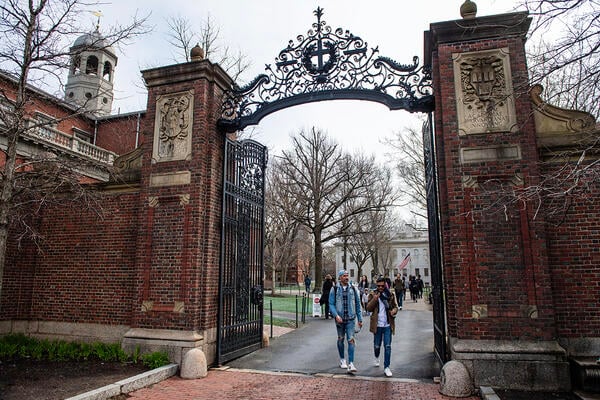
  • Youngkin Removes Controversial UVA Board Member

    Youngkin Removes Controversial UVA Board Member

    Virginia’s Republican governor, Glenn Youngkin, abruptly removed Bert Ellis—one of his own appointees—from the University of Virginia Board of Visitors, The Washington Post reported Wednesday.

    Youngkin confirmed the move in a letter to Ellis posted online.

    “While I thank you for your hard work, your conduct on many occasions has violated the Commonwealth’s Code of Conduct for our Boards and Commissions and the Board of Visitors’ Statement of Visitor Responsibilities,” Youngkin wrote.

    Youngkin, who appointed Ellis to UVA’s board in June 2022, reportedly disapproved of his combative style. The Post reported that the governor had asked him to step down, but Ellis balked at working with the administration to craft a statement about his resignation. Following that hesitation, Youngkin reportedly took the unusual step of removing Ellis from UVA’s board.

    Ellis was serving a four-year term set to end next June.

    As a member of UVA’s Board of Visitors, Ellis frequently caused controversy. Among other things, he insulted university staffers and sought to downplay the history of slavery at UVA, which was founded by Thomas Jefferson. Before he was appointed to the board, Ellis, who is a UVA graduate, sparked controversy for removing a poster that read “fuck UVA” from a student’s door on campus. Ellis has also been criticized for his connections to the Jefferson Council, a conservative alumni organization, which he led, that is frequently critical of UVA leadership.

    Neither UVA nor Ellis responded to requests for comment from Inside Higher Ed.

    Source link

  • Fascism Scholars, Trump Critics Leave Yale for Canada

    Fascism Scholars, Trump Critics Leave Yale for Canada

    As the Trump administration escalates its attack on universities, three fascism scholars and vocal Trump critics are leaving Yale University for the University of Toronto. But their given reasons for crossing the border vary.

    Jason Stanley, Jacob Urowsky Professor of Philosophy at Yale and author of multiple books—including How Fascism Works: The Politics of Us and Them—said he finally accepted Toronto’s long-standing offer for a position on Friday after seeing Columbia University “completely collapse and give in to an authoritarian regime.”

    In a move that has unnerved faculty across the country, Columbia’s administration largely conceded to demands from the Trump administration, which had cut $400 million of the university’s federal grants and contracts for what it said was Columbia’s failure to address campus antisemitism. Among other moves, the Ivy League institution gave campus officers arrest authority and appointed a new senior vice provost to oversee academic programs focused on the Middle East.

    “I was genuinely undecided before that,” Stanley said. Now he’s leaving Yale to be the named chair in American studies at Toronto’s Munk School of Global Affairs and Public Policy. According to the university, the intent is for Stanley also to be cross-appointed to the philosophy department. Two popular philosophy blogs previously reported the move.

    “What I worry about is that Yale and other Ivy League institutions do not understand what they face,” Stanley said. He loves Yale and expected to spend the rest of his career there, he said; while he still hopes for the opportunity to return some day, he’s nervous Yale “will do what Columbia did.”

    Stanley said Toronto’s Munk School “raided Yale” for some of its prominent professors of democracy and authoritarianism to establish a project on defending democracy internationally—an effort that began long before the election.

    Also leaving Yale for the Munk School is Timothy Snyder, author of books including The Road to Unfreedom: Russia, Europe, America, and Marci Shore, author of The Ukrainian Night: An Intimate History of Revolution and other works. Snyder and Shore are married.

    Stanley said Toronto reached out to him back in April 2023, during the Biden administration, and he restarted conversations after the election. He finally took the job Friday. The university told Inside Higher Ed it had been trying to recruit Snyder and Shore for years, saying, “We’re always looking for the best and brightest.”

    Snyder, the Richard C. Levin Professor of History at Yale, will become the Munk School’s inaugural Chair in Modern European History, supported by the Temerty Endowment for Ukrainian Studies. A spokesperson for Snyder said he made his decision for personal reasons, and he made it before the election.

    In an emailed statement Wednesday, Snyder said, “The opportunity came at a time when my spouse and I had to address some difficult family matters.” He said he had “no grievance with Yale, no desire to leave the U.S. I am very happy with the idea of a move personally but, aside from a strong appreciation of what U of T has to offer, the motivations are largely that—personal.”

    But when asked for her reasoning, Shore told Inside Higher Ed in an email that “the personal and political were, as often is the case, intertwined. We might well have made the move in any case, but we didn’t make our final decision until after the November elections,” she wrote.

    Shore, a Yale history professor, will become the Munk School Chair in European Intellectual History, supported by the same endowment as her husband.

    “I sensed that this time, this second Trump election, would be still much worse than the first—the checks and balances have been dismantled,” she wrote. “I can feel that the country is going into free fall. I fear there’s going to be a civil war. And I don’t want to bring my kids back into that. I also don’t feel confident that Yale or other American universities will manage to protect either their students or their faculty.”

    She also said it didn’t escape her that Yale failed to publicly defend Snyder when Vice President JD Vance criticized him on X in January. After Trump nominated Pete Hegseth as defense secretary, Snyder—who has repeatedly excoriated the Trump administration in the media—posted that “a Christian Reconstructionist war on Americans led from the Department of Defense is likely to break the United States.”

    Vance reposted that with the caption “That this person is a professor at Yale is actually an embarrassment.” Elon Musk, X’s owner, responded in agreement.

    ‘They Need to Band Together’

    Leaving for Canada might sound like a futile move, given that Trump has threatened to annex it.

    “That’s why I’m definitely not thinking of it as fleeing fascism; I’m thinking of it as defending Canada,” Stanley said. “Freedom of inquiry does not seem to be under threat in Canada,” he said, and moving there will allow him to be engaged in “an international fight against fascism.”

    Nonetheless, he said it’s heartbreaking to leave the Yale philosophy department. He would consider returning to Yale “if there’s evidence that universities are standing up more boldly to the threats,” he said. “They need to band together.”

    Yale spokesperson Karen Peart told Inside Higher Ed in an email that Yale “continues to be home to world-class faculty members who are dedicated to excellence in scholarship and teaching.” She added, “Yale is proud of its global faculty community which includes faculty who may no longer work at the institution, or whose contributions to academia may continue at a different home institution. Faculty members make decisions about their careers for a variety of reasons and the university respects all such decisions.”

    To be sure, the Yale professors are not the first or only U.S. faculty to accept academic appointments outside the country. European universities, at least, have been trying to recruit American researchers. But before Trump’s re-election, there was a dearth of data on the previously rumored academic exodus from red states to blue, supposedly spurred by conservative policy changes.

    Isaac Kamola, director of the American Association of University Professors’ Center for the Defense of Academic Freedom, said he’s now had conversations with multiple faculty members who are naturalized citizens “and still think that the administration might be coming after them.”

    And while star professors at Ivy League institutions are more likely than other faculty to have the opportunity to leave, Yale law professor Keith Whittington, founding chair of the Academic Freedom Alliance, said he thinks such professors are more likely to take those opportunities now.

    “I’ve seen efforts by high-quality academic institutions in other countries to start making the pitch to American academics,” Whittington said. He noted that even faculty at prestigious and well-endowed universities have concerns that their institution and higher ed as a whole are “not as stable as one might once have thought.”

    He said the Trump administration has targeted specific universities with “quite serious efforts to threaten those institutions with crippling financial consequences if they don’t adopt policies that the administration would prefer that they adopt.” And such a playbook could easily be repeated “at practically any institution in the country,” he said.

    Source link

  • Banning DEI Is Catastrophic for U.S. Science (opinion)

    Banning DEI Is Catastrophic for U.S. Science (opinion)

    Our scientific enterprise in the United States is the envy of the world. Top scientists from around the globe want to come to work here, specifically because of the environment that we have fostered over decades to support scientific innovation and intellectual freedom. Federal investment in research is one of the primary foundations upon which this extraordinarily successful system has been constructed.

    It is not simply the dollar amount of federal funding that makes this system so successful. It is also about how we allocate and distribute the funds. Long before “DEI” was common parlance, we made robust efforts to distribute funds broadly. For example, instead of concentrating funding only in the top research institutions, as many other countries do, we created programs such as EPSCoR (1979) to direct funding to support research and development throughout the entire country, including rural areas. This was done in recognition that excellence in research can be found anywhere that and colleges and universities serving rural and impoverished communities deserve to benefit from and contribute to the economic and scientific engine that the federal government can provide.

    The National Science Foundation also implemented Broader Impacts in its grant review process (originating in the 1960s and formalized in 1997). The goal of the NSF review criteria for broader impacts was to ensure that every federally funded project would have some benefit for society. These broader impacts could take a wide variety of forms, including but not limited to new tools and innovations, as well as efforts to grow the STEM workforce by supporting those historically and economically excluded from becoming scientists.

    Diversity, equity and inclusion funding is one of the mechanisms that we use to continue this legacy of equity in federal funding of scientific research. This approach has also helped reduce public mistrust of science and scientists—a mistrust attributable to science’s historical abuses—by ensuring that the benefits of scientific progress are shared widely and equitably and by making the work of scientists more transparent and accessible.

    Until fairly recently in history, science was primarily an activity for the wealthy. Training as a scientist requires many years of deferred salary, due to the extensive education and practical skill development needed to conduct independent research and start a laboratory. For those who make it through this training, research jobs can be scarce, and the salaries are not high, considering the highly specialized skills required and the high demands of the job. Many of the best and brightest minds have been excluded from the scientific process by this economic reality. Federal funding provides critical support for science workforce development, primarily through stipends and salaries for undergraduates, graduate students and postdoctoral fellows. These stipends ease (but do not erase) the economic burden of training as a scientist.

    When you hear “DEI in science,” this is largely what we are talking about. A vast portion of federal DEI funds in the sciences goes directly to support highly talented and accomplished trainees who have deferred their personal economic progress for the opportunity to contribute to science in the U.S. This wise national investment helps to ensure that our science workforce can recruit the most meritorious trainees, regardless of their economic backgrounds. Without these initiatives, our science workforce would be much smaller with a narrower set of perspectives. Our national investment in science training is not altruistic—it is the very reason why the U.S. is a global leader in science and technology. This leadership contributes to our nation’s safety and capacity to deal with the existential problems we now face.

    The framework of DEI recognizes that systemic economic and social injustices are present in our society, due to historical and contemporary realities such as slavery, Jim Crow, genocide of Native peoples, redlining, a broken immigration system, educational and health-care disparities, and discriminatory practices in housing and employment against nonwhite, disabled and LGBTQ+ communities. These disparities have resulted in a lack of intergenerational wealth and resources among many communities in the U.S., leading to unequal access to scientific training and careers.

    The claim, now made by our federal government, that a meritocracy can be achieved by ignoring these injustices is simply false and illogical. DEI is not only about diversity training and hiring practices. In the sciences, it is essential and existential to the goal of developing the most robust, talented and highly skilled science workforce in the world.

    With Executive Order 14151, issued by the Trump administration, this funding is under attack, undoing decades of progress that have fostered some of the most talented and brilliant minds of our time. Rigorous training programs are being canceled, graduate students are losing their funding and the training of an entire generation of scientists is being jeopardized. Science will lose an extraordinary amount of talent, necessary for our nation’s industrial and economic leadership, because of this executive order.

    Furthermore, this removal of funding is being enacted on the basis of identity, effectively endorsing a form of government-imposed segregation of science. Advancements in science are often determined by the demography of those doing the science, and a diversity of perspectives and research questions is necessary for scientific innovation. For example, sickle cell disease is chronically underfunded and underresearched, despite the severity of the disease, likely because it affects descendants of people from regions with high instances of malaria, including many African Americans. Indeed, some scientific breakthroughs and technologies may never materialize or be greatly delayed due to the exclusion of talented individuals on the basis of their identity. This is a fundamental threat to scientific progress and academic freedom.

    The federal banning of DEI programs is a slap in the face to every person who has struggled to become a scientist in the face of systemic injustices. These trainees, past and present, have missed out on economic opportunities, deferred building their families and made many personal sacrifices so that they can create innovative solutions to our nation’s most pressing scientific and technological challenges. The creation of these DEI programs came from the extraordinary efforts of thousands of people, many of whom have overcome injustices themselves, working tirelessly across many decades so that the most meritorious and talented individuals all have an opportunity to succeed as scientists.

    Referring to these efforts as “shameful discrimination,” as the Trump administration has now done, is a cruel attempt to destabilize the emotional well-being of everyone who has created and been supported by these essential programs. It is an example of blaming the victims of past and ongoing injustice for their plight in society, rather than working to dismantle the systems that perpetuate inequality and limit access to a fair and just future, where a true meritocracy in science becomes possible.

    We believe that the efforts to ban, diminish and misrepresent DEI and diversity, equity, inclusion and accessibility programs should be immediately stopped and reversed to avoid the most serious negative impacts of these new policies. Removal of DEI programs will demoralize and disincentivize an entire generation of scientists in training. It will greatly reduce the scientific workforce and remove top talent from our training programs as funding mechanisms are dismantled.

    Our graduate students, undergraduates, postdoctoral fellows and other early-career scientists are those most greatly impacted by the removal of this support. This will severely jeopardize the status of the U.S. as a global leader in science, and the catastrophic impacts will be felt for decades. We stand by those most affected by the DEI ban, especially our trainees, and we demand an immediate reinstatement of DEI funding.

    We are speaking out using the speech and intellectual freedoms afforded to us by the U.S. academic system and the U.S. Constitution. We are calling on our institutions to stand with us in defense of DEI in science. Institutions and professional societies must reaffirm their own commitments to DEI. Some institutions have already made strong statements of reaffirmation of these values, but others have begun to remove their internal and external DEI initiatives pre-emptively. We understand the need for institutions to protect their employees and students from adverse consequences, but we argue that the consequences of dismantling diversity programs are much greater for our communities, as these steps usher in a new era of segregation in science and academia.

    We urge the public, our lawmakers and politicians to stand with us. We believe that DEI is foundational to science and an attack on DEI is an attack on the core of science itself in the United States.

    Joseph L. Graves Jr. is the MacKenzie Scott Endowed Professor of Biology and the director of the Genomic Research and Data Science Center for Computation and Cloud Computing at North Carolina A&T State University.

    Stacy C. Farina is an associate professor of biology at Howard University.

    Parvin Shahrestani is an associate professor of biological science at California State University, Fullerton.

    Vaughn S. Cooper is a professor of microbiology and molecular genetics at the University of Pittsburgh.

    Gilda A. Barabino is president and professor of biomedical and chemical engineering at Olin College of Engineering.

    Source link

  • Faculty Organizations Sue on Behalf of Columbia Members

    Faculty Organizations Sue on Behalf of Columbia Members

    Days after Columbia University yielded to a list of demands from the Trump administration, the American Association of University Professors and the American Federation of Teachers filed a lawsuit on behalf of members at Columbia over $400 million in frozen federal research funding.

    The lawsuit names multiple government agencies, including the Departments of Justice, Education and Health and Human Services and the General Services Administration.

    Columbia had been in a standoff with the Trump administration over the decision to freeze federal research funding due to alleged antisemitism stemming from pro-Palestinian student protests last year. Ultimately, university leaders decided to avoid a legal fight, even as legal scholars at Columbia and in conservative circles questioned whether the demands were lawful.

    In a news release Tuesday, the same day they filed the lawsuit, the AAUP and AFT alleged that the Trump administration used “cuts as a cudgel to coerce a private institution to adopt restrictive speech codes and allow government control over teaching and learning.”

    The 87-page lawsuit was filed in the Southern District of New York.

    The AAUP and AFT have cast Trump’s demands and the freezing of $400 million in grants and contracts as a “coercive tactic” that undermines institutional autonomy and harms scientific research. Plaintiffs are asking the court to order the Trump administration to lift its freeze on Columbia’s research funding and declare the government’s demands for reform unlawful. They have also requested unspecified damages.

    “We’re seeing university leadership across the country failing to take any action to counter the Trump administration’s unlawful assault on academic freedom,” Reinhold Martin, president of Columbia-AAUP and a professor of architecture, said in the statement announcing the lawsuit. “As faculty, we don’t have the luxury of inaction. The integrity of civic discourse and the freedoms that form the basis of a democratic society are under attack. We have to stand up.”

    The Department of Education did not respond to a request for comment from Inside Higher Ed.

    Source link

  • Three Questions With Lee Bradshaw on the Evolving Online Program Landscape

    Three Questions With Lee Bradshaw on the Evolving Online Program Landscape

    Last time we checked in with Lee Bradshaw, the founding CEO of Rhodes Advisors, he shared insights into how universities might grow online programs without breaking the bank. As a follow-up, I wanted to pick Lee’s brain about what he is hearing from the higher education leaders he works with on the evolving online program landscape.

    Q: As the online program ecosystem has grown and a few large universities have invested heavily in scaling their offerings, do you still see room for colleges and universities to enter the online degree market?

    A: Yes, the demand is still there, but the landscape has changed. We’re supporting universities launching new programs that achieve substantial first-term numbers—even in saturated markets. Growth is happening, but expecting 1,000 percent five-year ROIs like a decade ago isn’t realistic. Universities must temper expectations and/or focus on innovative, sustainable wins. That said, as we address in your third question later, I’m unaware of many investments an institution can make that carry a 275 percent ROI over five years. 

    If institutions want to launch online degrees that start strong and stay strong, here are four things they should prioritize.

    1. Market research that drives big decisions. Legacy OPMs excelled at data-driven market research before launching a program. Universities taking control of their growth need to do the same. Predictive, high-quality market research isn’t cheap or easy, but it’s indispensable. I’m bullish on how AI-facilitated deep research is advancing—within two years, I expect the cost to drop by 90 percent or more. However, the need for sound, evidence-based planning remains the same.
    2. Regionalization for most institutions. The earliest entrants focused on scaling national brands. But for universities growing in-house, regional strategies pay off, too. Think targeted regional marketing, employer partnerships tied to local workforce needs and even weaving apprenticeships or other learn-and-earn models directly into degree pathways. It’s not about being everywhere—it’s about playing to your strengths in your region.
    3. Breaking down silos to build relevant programs. One trend I like and am supporting is cross-campus collaborations leading to hybrid or interdisciplinary graduate programs. Northeastern’s combined majors model is well-known in undergraduate circles. We’re seeing more deans replicate that at the graduate level—joint programs, additional tracks and revenue-sharing agreements between schools. They’re savvy partnerships that pull together institutional strengths rather than competing internally.
    4. Scrutinize your tech stack. When I started the company, I assumed going inside universities would be illuminating. I wasn’t prepared for the delta in capability between OPM and campus technology stacks. Technology should be frictionless to the point that it’s invisible. And you should feel your stack moving from software as a service to results as a service. Before spending hundreds of thousands or millions in digital marketing to grow, I suggest a rigorous evaluation and professionally led tech discovery phase before doing any significant online endeavors. We’ve begun doing assessment and development work on Salesforce, Slate, WordPress, Drupal and more to unlock technological gains for our partners. Candidly, it wasn’t on my 2025 bingo card. But it’s critical work, so we had to add it as a service.

    Q: Given the pricing pressures on online degrees, with some well-known universities offering sub-$30,000 online master’s, how might institutions unable to offer lower-cost online degrees compete?

    A: Josh, I founded my first business in high school and my second in college—so I always nerd out on the entrepreneurial edges of higher education. And, of course, I’m in favor of lowering the cost of degrees while preserving quality. Some innovative higher education leaders and friends I deeply respect have entered the low-cost arena. They’ve gone to market with the support of MOOC platforms, which point millions of course takers’ eyes to the programs. 

    And if you’ve spent enough time around John Katzman, you’ve probably heard him say, “Low cost generally means low faculty.” That’s stuck with me. So, if that’s the architecture, we need to ask ourselves where the “low-faculty” model can work before stripping away any components required for quality learning outcomes. For example, I wouldn’t point that strategy at clinical nursing, education or health sciences degrees anytime soon. And frankly, we haven’t seen rigorous, long-term research on these $30,000 degrees yet, outside of self-published enrollment and graduation rates. Before diving in headfirst, I’d argue it’s worth conducting objective studies on the ROI for learners.

    To your question about institutions that might not have access to that scale, I’d advise them to call me. My team will sign an NDA and pressure-test their plan as a favor. I won’t tiptoe around this: I predict a MOOC-fed degree correction within a year from now. So, Rhodes Advisors is architecting solutions that leverage a next-gen course platform, AI-guided admissions and fresh tactics to drive lead volume, should that correction happen.

    MOOC platforms (and, to an extent, significant B2B relationships) are the only proven route for low-cost degrees to compete at scale in the hand-to-hand combat environment of online degree growth. Why? Fundamentally, platforms reduce your marketing overhead and let you tap into sophisticated conversion practices they’ve been working hard on.

    If you’re using a low-cost degree to serve a mission-driven purpose, you don’t need millions of learners from a platform. I’d suggest covering the delta in tuition with a foundation or donor. And I’d focus heavily on messaging and positioning so learners see you’ve struck the right balance between value and price. Rhodes Advisors is often brought in to do that work, too.

    Q: Let’s talk numbers. Say a university wants to build a new online master’s degree or certificate program. How much money does developing, launching, recruiting and running that program cost? To set some boundaries, let’s say that the online master’s tuition is about $50,000 and the target enrollment at steady state is 150. Help us understand the economics of the online learning business.

    A: I prefer talking numbers and using them to cut through the noise, so I’m glad you went there. We’ve recently run this analysis for several universities evaluating alternative revenue strategies. I’ll extend this answer beyond the basic analysis data and into some significant trends I’m seeing that your readers will find helpful. 

    But first, any degree analysis requires a few caveats—there are a lot of variables when estimating costs to launch a stand-alone program. But assuming you have a competent tech stack, a skilled team and you’re building something the market favors, you can launch a 30-credit online master’s degree for roughly $900,000 to $1.2 million in the early years before breaking even as enrollment comes in. As your readers know, most of those costs fall into course development, faculty compensation and marketing/enrollment services. Assuming steady demand, the five-year ROI will land around 275 percent, or about $3.7 million. Anyone quoting a smaller up-front investment number is likely at a small private with fully centralized operations—or running programs with a few dozen students, not 150-plus as you asked about. And anyone quoting a significantly larger ROI has been lucky enough to find a niche.

    On the certificate side, launching a 12-credit stand-alone certificate typically requires $200,000 to $400,000 up front, with a best-case five-year ROI of around 70 percent or $500,000 total return. But certificates face steeper competition: They’re up against degrees in the digital keyword bids, and the market heavily favors industry certifications (Google, Microsoft, etc.) or programs offered by elite universities in business, tech, or licensure-required fields. So, while master’s degrees demand more up front, long-term economics almost always favor them.

    Reducing costs while maintaining growth has never been more critical than it is in 2025. Improving ROI, especially in new ventures, requires scrutinizing every operational lever—especially in learning design, marketing and enrollment management. There are two things I’m seeing play out that have a material impact on efficiency:

    1. Integrating core online and in-person program operations and functions like admissions, recruitment, student services, alumni affairs and career services has become essential. When universities unify these areas, they eliminate redundancies, lower operational costs and deliver a seamless experience for students moving between all modalities. That said, I typically see skill and knowledge gaps surface quickly when tasking a residentially focused function with online program efforts, so we’ll usually dedicate capacity-building and training efforts during a transitional period.
    2. Anywhere AI can streamline effort or lower direct costs should be surfaced immediately and prioritized. For instance, we’ve worked closely with the University of Virginia this year, and they have been able to drive down centralized course production directionally by applying AI tools in specific and strategic ways. Another partner is preparing to launch a master’s degree in our co-pilot DIY model, intentionally designing enrollment operations to be AI-first. Applicants interact with an AI chat bot to handle basic program details before reaching a human adviser. Early signs suggest that approach will cut costs by more than 50 percent—though we’ll let the data speak as it matures.

    I hope this check-in was helpful. And I’d love to come back and share more as we continue down an exciting and fulfilling path at Rhodes Advisors!

    Source link

  • AAUP, Middle East Studies Group Sue Trump Over Deportations

    AAUP, Middle East Studies Group Sue Trump Over Deportations

    Accusing the Trump administration of creating a “climate of repression and fear on university campuses,” two faculty groups sued the federal government Tuesday to stop the president’s efforts to deport noncitizen students and faculty who have participated in pro-Palestinian protests.

    The Middle East Studies Association and the American Association of University Professors argue in the lawsuit that what they call Trump’s “ideological-deportation policy” violates the First and Fifth Amendments and the Administrative Procedure Act. They are asking a federal judge to rule that the policy is unconstitutional. This is the second lawsuit challenging the policy, though this legal action includes more faculty and students.

    The litigation comes after immigration officers have, over the past month, targeted international students and postdoctoral fellows for alleged participation in pro-Palestinian protests, raiding their dorm rooms and revoking their visas.

    Tuesday afternoon, a federal judge blocked the Trump administration from deporting a Columbia student, who moved to the United States from Korea when she was 7 but is now a legal permanent resident. The New York Times reported that the government argued Yunseo Chung’s “presence in the United States hinders the administration’s foreign policy goal of stopping the spread of antisemitism.”

    But the judge said Tuesday that “nothing in the record” showed that Chung posed a “foreign-policy risk,” according to the Times.

    Chung has not yet been detained. She’s just the latest student to come under fire from the administration’s crackdown on those who protested the Israel-Hamas war. That crackdown has included revoking the visas of students and faculty, giving universities names of students to target, and a social media surveillance program, according to the AAUP lawsuit.

    The MESA and AAUP lawsuit, filed in the U.S. District Court of Massachusetts, specifically cites the cases of Chung; Badar Khan Suri, a Georgetown University postdoc; and Mahmoud Khalil, a recent Columbia University graduate. Judges have also blocked the government from deporting both men.

    “While President Trump and other administration officials have described pro-Palestinian campus protests as ‘pro-Hamas,’ they have stretched that label beyond the breaking point to encompass any speech supportive of Palestinian human rights or critical of Israel’s military actions in Gaza,” the suit says. “They have left no doubt that their new policy entails the arrest, detention and deportation of noncitizen students and faculty for constitutionally protected speech and association.”

    Attorneys from the Knight First Amendment Institute at Columbia are among the lawyers representing the scholarly groups.

    MESA and the AAUP—along with the AAUP chapters at Harvard, New York and Rutgers Universities—filed the suit against the federal government, Trump, Secretary of State Marco Rubio, Homeland Security secretary Kristi Noem and Immigration and Customs Enforcement acting director Todd Lyons, plus their agencies.

    A DHS spokesperson said in a statement that “taking over buildings, defacing private property, and harassing Jewish students does not constitute free speech.”

    “It is a privilege to be granted a visa to live and study in the United States of America,” the spokesperson added. “When you advocate for violence and terrorism that privilege should be revoked, and you should not be in this country.”

    The White House provided a similar statement from a Justice Department spokesperson, who said, “This department makes no apologies for its efforts to defend President Trump’s agenda in court and protect Jewish Americans from vile antisemitism.”

    Beyond the immediate implications for students and faculty who face deportation, the policy has a broader chilling effect on campus free speech, the lawsuit argues.

    “Out of fear that they might be arrested and deported for lawful expression and association, some noncitizen students and faculty have stopped attending public protests or resigned from campus groups that engage in political advocacy,” the suit says. “Others have declined opportunities to publish commentary and scholarship, stopped contributing to classroom discussions, or deleted past work from online databases and websites. Many now hesitate to address political issues on social media, or even in private texts.”

    The lawsuit adds the policy harms the plaintiff associations “because they are no longer able to learn from and engage with noncitizen members to the extent they once did, and because they have had to divert resources from other projects to address the all-too-real possibility that their noncitizen members will be arrested, imprisoned, and deported for exercising rights that the Constitution guarantees.”

    Source link

  • Short-term service learning experiences help college students

    Short-term service learning experiences help college students

    College students are known to be strapped for time. A May 2024 Student Voice survey by Inside Higher Ed found the No. 1 stressor in students’ lives is balancing academics with personal, family or financial responsibilities such as work.

    Research shows campus involvement is tied to students’ retention, career development and sense of belonging while in college, but helping time-strapped students access these experiences can be a challenge for institutions.

    This year, Goucher College in Maryland created a new forum through the office of Community-Based Learning. The short-term micro-experiences allow students to dip their toes into service without committing to a semester or longer. The college first piloted the unpaid opportunities in spring 2024, and student participation in service learning has increased as a result.

    The background: The Office of Community-Based Learning offers seven focus areas for community engagement: animal welfare, empowering ability, environmental sustainability, food and housing security, K-12 education and youth development, immigrant and refugee programs, and health and wellness.

    Participation could include off-campus Federal Work-Study roles, volunteering with a social justice student club or through a campus organization, taking a Community-Based Learning course, engaging in an internship, or serving as a student director. The office also partners with faculty members to provide experiences in the classroom, such as a semester-long project for a nonprofit partner or a field trip to a partner site.

    One of the reasons CBL has previously not offered short-term or one-day service opportunities is because of ethical concerns of how impactful these experiences are for the organizations or individuals being served.

    The change is reflective of the needs of today’s students, who are more likely to be working for pay or on a compressed timeline to complete their undergraduate program as quickly as possible, CBL director Lindsay Johnson Walton said.

    To ask students to invest in a long-term program that requires three, four or five semesters’ worth of time, “it’s not practical,” she said.

    On the other side, nonprofit and community partners can be so desperately in need of support that they hold fewer concerns about the model of service. “It doesn’t matter if it’s the same students as long as it’s engaged students,” Johnson Walton explained.

    Offering short-term participation opportunities requires more work from the college to generate the experience and fill out paperwork because it only happens once, but Johnson Walton hopes with future iterations the process will become more streamlined.

    How it works: CBL offers around one micro-experience per week, many taking place on a Saturday morning or afternoon. Each experience has a cap of 10 to 12 students.

    Students sign up in advance and commit to volunteering for a few hours. College staff handle logistics, including transportation, covering background checks and coordinating with the site, so students just have to show up and serve. Student coordinators, who are part-time staff working for CBL, also contribute to the organization and execution of events.

    Some experiences that work well as short-term offerings include volunteering at the food bank or assisting at an animal shelter, while other partners, such as public schools, still operate best with more sustained interactions.

    On the trip back, staff lead a short debrief and guided reflection to help students connect their experiences to larger learning objectives and provide additional opportunities to learn or serve, if needed. Students are also sent a short questionnaire that asks them to reflect on their work.

    Short-Term Experiential Learning Grows

    Community-based learning isn’t the only area where Goucher College has shortened the duration of experiential learning opportunities.

    In 2020, Goucher launched micro-internships for students, primarily to address a lack of offerings available to students due to the COVID-19 pandemic. The remote offerings help connect students with alumni and other college partners and give students a project to assist in their career development and growth.

    Similarly, the global education office has seen a growth in student interest for three- to five-week study abroad offerings rather than semester-long programs.

    Who’s doing it: The micro-experiences have attracted a wide variety of students, some who are curious about service learning and just want to dip their toes in. International students often fall into this category because volunteering can be a uniquely American experience, and the projects give them insight into different organizations and spaces they may not otherwise engage in, such as schools, Johnson Walton said.

    Others have a passion for service but are unable to devote much time to it, so micro-experiences provide a flexible opportunity.

    Many students had a service requirement while in high school or were told that volunteering is a good feature for their college application, which makes service more of a reflex, Johnson Walton said. “They think they should be doing it, because culturally it’s been built into the list of things you’re supposed to do.”

    Each of these students reflects an opportunity to further engage them in longer-term community-based learning in a curricular or co-curricular setting.

    Feedback from participants shows that even small or short projects can have an impact on the student. At a volunteer appreciation event, one student wrote they learned how to plant a tree, which is a simple action, but one that can help a lot of people and a skill they can take and use again and again, Johnson Walton said.

    Similarly, sorting food at the food bank can seem insignificant, but recognizing how many people that food will feed can help students gain perspective on their service impact.

    For organizers of community-based learning experiences, it can be hard to grapple with the potential harm done by short-term community service because of the power dynamics involved, but Johnson Walton has learned that allowing students to get out and do can be a great first start to thoughtful and intentional service.

    Seeking stories from campus leaders, faculty members and staff for our Student Success focus. Share here.

    Source link

  • What Happens if Libraries Can’t Buy Ebooks? (opinion)

    What Happens if Libraries Can’t Buy Ebooks? (opinion)

    Clarivate, the company behind ProQuest, dropped a bombshell in the academic publishing world last month when it announced that it will “phase out one-time perpetual purchases of digital collections, print and digital books for libraries.” Instead, institutions will pivot to subscription-based access models. Clarivate justifies this seismic shift by pointing to the need for regular content updates, particularly as AI-enhanced research tools reshape scholarly publishing.

    While perpetual-access options for ebooks won’t vanish entirely—they’ll remain available through certain marketplaces like Clarivate’s Rialto platform—this decision drastically curtails traditional purchasing options. More troubling, it signals an acceleration of a broader industry trend toward subscription-only models, raising profound questions about the future of academic scholarship and underscoring libraries’ critical role in ensuring equitable, continuous access to scholarly resources.

    The Critical Difference Between Books and Journals

    In recent years, some major commercial publishers like Hachette and Penguin Random House have moved from perpetual access to subscription-based access models for ebooks, a shift that to date has primarily impacted public libraries.

    This subscription push mirrors the established practice for scholarly journals but presents unique challenges for academic ebooks. Unlike journals, which primarily deliver new findings, academic books represent enduring intellectual investments. A monograph acquired today often remains essential to scholarship decades later, particularly in humanities disciplines like history, literature, philosophy and sociology, where foundational texts retain their relevance across generations.

    Financial and Academic Risks

    Given academic books’ distinctive value, subscription-only access threatens to undermine teaching and research continuity. Faculty who design courses around specific texts may suddenly find essential works unavailable due to licensing changes. Researchers engaged in long-term projects risk losing access to crucial resources if subscriptions lapse. Though subscription models initially offer lower up-front costs and greater flexibility, the cumulative expenses can become substantial over time, introducing budgetary uncertainty.

    Yet subscription models also offer distinct advantages for certain institutions. Programs with rapidly evolving content, especially in STEM fields requiring frequent updates, may benefit from subscription flexibility. Smaller colleges and institutions experiencing enrollment fluctuations or curricular shifts might find subscriptions economically viable due to lower immediate costs. Subscriptions can help institutions avoid large up-front expenditures, manage predictable annual budgets more effectively and ensure continuous access to current scholarly content.

    Understanding these potential financial implications becomes crucial, especially as other industries have navigated similar challenges when transitioning to subscription-based models.

    Lessons From Other Industries

    Higher education can extract valuable insights from similar transitions in software and media streaming sectors. Traditionally, software represented a one-time transaction granting perpetual access, allowing customers indefinite use after an initial investment. The shift to software as a service (SaaS) fundamentally altered this paradigm, providing continuous access through recurring subscriptions. SaaS models initially attracted organizations due to lower up-front costs and greater flexibility to scale services as needed. However, this transition introduced budgetary uncertainty, as ongoing subscription fees can be unpredictable over time.

    The media industry’s experience with subscription models offers another cautionary tale. Platforms like Netflix and Spotify initially captivated consumers with affordable, convenient access to vast content libraries. Yet over time, numerous competing services entered the market, fragmenting content distribution. Consumers found themselves juggling multiple subscriptions to maintain comprehensive access, resulting in “subscription fatigue” and significantly increased total costs. This fragmentation not only impacted household budgets but also created complexity in managing multiple services, ultimately diminishing the convenience these platforms initially promised.

    Drawing parallels to higher education, subscription-only models could similarly fragment access to academic resources, forcing institutions to maintain multiple subscriptions for comprehensive collections. Over time, this fragmentation could increase administrative complexity and total costs, complicating resource management. Institutions must therefore approach subscription-only models with caution and deliberation.

    Open Access as a Strategic Solution

    One proactive strategy for addressing subscription challenges involves embracing open access (OA), a model providing free, unrestricted online access to scholarly research. Unlike traditional commercial models dependent on paywalls, OA enables anyone to read, download and distribute content without cost barriers. This dramatically increases research visibility and democratizes knowledge by making it accessible regardless of institutional affiliation or financial capacity.

    Institutions can strategically support OA by investing in university presses, institutional repositories and collaborative publishing platforms. Successful examples include the Directory of Open Access Books, Open Book Publishers and the Open Library of Humanities, which have demonstrated sustainable, rigorous academic publishing methods. Redirecting a portion of subscription budgets to these initiatives can build permanent collections while fostering transformative scholarly communication practices.

    However, OA models face their own challenges. Financial sustainability concerns emerge because publication costs often fall on authors or institutions, potentially disadvantaging researchers without institutional backing. Moreover, robust infrastructure, consistent funding and effective policy frameworks remain essential to maintaining quality and longevity of OA content.

    Moving Forward: A Call to Action

    As academic scholarship navigates these transformative currents, institutional leaders must proactively engage with their libraries, publishers and vendors. Delaying action risks fragmented access, escalating costs and compromised academic integrity.

    Leaders should urgently prioritize collaborative actions to:

    • Develop balanced subscription and perpetual-access models in partnership with publishers and vendors.
    • Invest strategically in open-access initiatives while acknowledging and addressing their implementation challenges.
    • Strengthen consortia and partnerships to enhance negotiating power, reduce fragmentation and streamline resource management.
    • Foster structured communication among faculty, libraries, publishers and vendors to align acquisitions with academic priorities.

    The proactive decisions we make today will shape academic scholarship for decades to come, ensuring that vital resources remain accessible, sustainable and equitable for all.

    Leo S. Lo is dean and a professor in the College of University Libraries and Learning Sciences at the University of New Mexico and president of the Association of College and Research Libraries.

    The author serves as a volunteer member of the Clarivate Academic AI Advisory Council. The views expressed in this article are his own and do not necessarily reflect those of Clarivate.

    Source link

  • How Leaders Can Chart a Path Through the Chaos (opinion)

    How Leaders Can Chart a Path Through the Chaos (opinion)

    The pressures on higher education leaders and their institutions have intensified with the new U.S. presidential administration’s agenda. We all became familiar with uncertainty as a result of the pandemic, but this new series of policy mandates and legal challenges creates an even more ambiguous environment. Higher education’s basic foundations, operating systems, cultures, values and structures are being challenged, which implies systemic change may be required.

    Leading systemic change is difficult enough in a less demanding environment. In this one, higher ed leaders will need tools and resources that can help them strategically chart a path through the chaos. They will need advice about how to adapt and continue important work that may be challenged by current executive orders, as well as advice about how to navigate the sheer volume of those orders.

    Leaders can be more successful adapting and strategizing if they do so in ways that honor their unique contexts. Context variously creates opportunities or presents barriers that influence the actions leaders may take. Therefore, it is important for leaders to step back for a few moments and “get on the balcony,” as Ronald A. Heifetz, Marty Linsky and Alexander Grashow put it.

    While many leaders may not think they have the time to do this, it is critically important they take the time to understand the complexities of the current situation so as not to overreact, react too quickly or react incorrectly. For example, a leader responding to a recent executive order may move quickly to announce program and office closures, but without time to consider options and understand context, this quick action may have a greater negative impact than some other, more strategic approach, one that does not compromise institutional integrity.

    Leaders may also find they have levers available to them that are important to identify and use strategically. For example, partnerships with donors or grant opportunities are great levers to not only achieve strategic priorities but also provide relief for shortfalls that may result from the current political climate.

    One way leaders can “get on the balcony” is to dive into their context and ask key questions with their leadership teams. This analysis will illuminate aspects of the leadership landscape that perhaps weren’t fully realized, highlight opportunities and fill in the details of challenges they are facing. Important categories of context to analyze are institutional mission; campus culture; politics, leadership and governance; human capital and capacity; physical, financial and technological resources; and externalities.

    The final category of externalities may be of particular relevance right now. This category refers to anything happening outside the university, from local community issues to state and federal policies. It goes beyond state appropriations and budgets to include social, political and economic factors. As leaders consider their external environment, here are some questions they can use to help them identify opportunities for and barriers to change, as well as levers they can use to inform the actions they can take:

    1. Are there state or federal policies or programs that are related to the change you are trying to achieve?
    2. What initiatives, organizations or businesses in your community might have a stake in this change?
    3. If your campus is public or part of a state system, are there messages, policies and priorities that can be drawn on to support changes?
    4. Is your campus a member of a national association that has initiatives you might participate in that will help you advance your change or gain momentum and support?
    5. Are there state, federal or philanthropic organizations that have grant programs aligned with your change goals? Do you have any major donors that can be engaged in your change project to support your goals?

    Let’s see how this exploration might help leaders chart a strategic path forward through the current climate of chaos and uncertainty. Leaders might identify some challenges with respect to their state or federal policy environment that present barriers. For example, in states that have defunded diversity efforts, universities have less funding to accomplish their goals of creating more inclusive environments to serve all students. However, they may find an opportunity to participate in a national project sponsored by an association that provides them the time and space to reconfigure their structures and programs in ways that would still allow them to reach their goals.

    By thinking through the philanthropic landscape, institutional leaders might find that there are donors who share a passion for inclusivity and thus can be cultivated as supporters of programmatic initiatives. Leaders might also undergo a search to identify possible grants or foundation funders that align with campus goals. These types of funding mechanisms are useful levers for creating a change agenda that allows for continuation of the mission despite the initial challenges.

    Identifying the opportunities and barriers is the first step towards strategic action. Let’s dive into the next step by looking closely at leader “moves.” If we focus on the opportunity of participation in a national project aimed at inclusion, that will involve several moves to ensure success.

    For example, the selection of a team charged with taking on this task is critically important, and getting the right set of individuals may involve thinking differently than usual. Given the current environment, it might make sense to ensure there is legal expertise on the team. It may also be especially important to assure those who are asked to lead that they will have the support of institutional leaders. Sense making and learning is another important area for action: giving people information and helping them know what is possible in the current environment is an essential leadership move at the moment.

    There are likely advocacy and political moves that also need to be made to set the stage on campus or within the state to garner additional support or prepare for potential backlash. Finally, for the team’s work to be sustained in the long term, leaders might think ahead to how they can sustain or scale the programmatic, cultural and/or structural outcomes that are achieved during the initiative at a time when national leaders question the nature of the work. In the current environment, staff and faculty may also have fears that need to be addressed before they commit to this work over the long term.

    More information and examples can be found in our recently published “The Change Leadership Toolkit for Advancing Systemic Change.” Whatever leaders do, they must keep moving forward even though the headwinds might be strong. Delaying action may only create larger problems that are even more intractable or insolvable. Responding too quickly may also result in irreparable and unnecessary damage that may be difficult to recover from down the road. Systemic change takes time and process and most of all requires a thoughtful, strategic and focused approach tailored to the goals and environment in which leaders are operating.

    The process and example provided above just skim the surface of the deliberate kind of work higher education leaders have to do in today’s climate as they assess their contexts, take advantage of levers and opportunities, and identify key moves they will need to make to ensure successful adaptation. We hope that this essay introduces leaders to a process they can use to inform their actions so they can keep calm and carry on.

    Susan Elrod is the former chancellor and professor emeritus of Indiana University South Bend. She studies higher education systemic change and is actively engaged in helping campus leaders build capacity to create more strategic, scalable and sustainable change.

    Adrianna Kezar is the Dean’s Professor of Leadership, Wilbur-Kieffer Professor of Higher Education and director of the Pullias Center for Higher Education at the University of Southern California.

    Source link

  • Louisiana Sees Improved Pass Rates With Corequisite Model

    Louisiana Sees Improved Pass Rates With Corequisite Model

    During the 2020–21 academic year, only 12 percent of students attending a public institution in Louisiana who attempted to complete a credit-bearing English class passed. This past fall, success rates among learners jumped to 60 percent.

    The change reflects an overhaul of remedial education courses at the state level, led by the Louisiana Board of Regents, to improve completion rates across the system’s 28 colleges and universities.

    The initial numbers, coupled with high passing rates among mathematics courses, are a step in the right direction to support credential attainment for adults in Louisiana, said Tristan Denley, deputy commissioner of academic affairs and innovation for the Board of Regents.

    What’s the need: The overhaul of remedial education is tied to the state’s strategic initiative, Louisiana Prospers, which sets a goal for 60 percent of the state’s adult population to have at least a credential of value. At present, the state is at 51 percent attainment, up six percentage points from 2021.

    “One of the fundamental changes that had to be made to be able to increase that attainment in that way is really the barrier of early math and English success,” Denley explained.

    Compared to remediation, corequisite courses reflect an asset-based approach to student success that indicates institutional readiness for student achievement. Research shows students who are placed in corequisite courses are more likely to retain, save money and graduate earlier, compared to their peers.

    “A traditional approach to remediation sort of says, ‘Well, I know you think you’re in college, but maybe not quite yet,’” Denley said.

    Other states, including California, Georgia, Illinois and Tennessee have also prioritized corequisite courses over remedial education offerings to boost student success.

    Building better: The process of rolling out corequisite education began in spring 2022, providing each of the state’s 28 institutions 18 months to launch the math program and then another 18 months for English courses.

    Louisiana launched its corequisite course structure for math courses in starting in fall 2023, and during that academic year, 52 percent of students in a corequisite class completed a college-level math course, up 41 percentage points from 2020–21, when only 11 percent of remedial math students completed a credit-bearing course.

    Implementing corequisite education at scale is a large undertaking, requiring work from math and English faculty as well as the registrar’s office and others, and each rollout looked a little different depending on the college and its needs.

    The system office hosted technical assistance and professional development events to support campuses, including semesterly corequisite academies, which brought together 150 faculty who teach corequisite math and English to share best practices, identify common challenges and establish a community of practice.

    “Interestingly, there are lessons to be learned from the math folk for the English folk, and vice versa, as well as among themselves in those different disciplines,” Denley said.

    One important facet of the corequisite model is addressing students’ self-perceptions of themselves as learners—particularly in math courses where students experience math anxiety—so the board established “Mindset Meauxtivators,” a faculty development course that emphasizes a growth mindset. Two hundred–plus corequisite faculty have completed the course, and a dozen or so serve as faculty champions for this work within their own campuses or regions.

    What’s next: The state will continue to collect data and parse through to identify trends in completion of credit-bearing English and math courses across student groups and institutions.

    Identifying opportunities to support faculty with modern pedagogy that assist with corequisite education is another focus for the board, because the teaching style is much different from remedial.

    Attainment is the goal of this current strategic plan, but future student success work in Louisiana will address socioeconomic mobility and ensuring students “make good on the credential they earn,” Denley said. “After they’ve earned that, what are ways in which we can make sure that that credential is life-changing, both to themselves and to their families and their communities?”

    We bet your colleague would like this article, too. Send them this link to subscribe to our newsletter on Student Success.

    Source link