Tag: facilities

  • How districts can avoid 4 hidden costs of outdated facilities systems

    How districts can avoid 4 hidden costs of outdated facilities systems

    Key points:

    School leaders are under constant pressure to stretch every dollar further, yet many districts are losing money in ways they may not even realize. The culprit? Outdated facilities processes that quietly chip away at resources, frustrate staff, and create ripple effects across learning environments. From scheduling mishaps to maintenance backlogs, these hidden costs can add up fast, and too often it’s students who pay the price. 

    The good news is that with a few strategic shifts, districts can effectively manage their facilities and redirect resources to where they are needed most. Here are four of the most common hidden costs–and how forward-thinking school districts are avoiding them. 

    How outdated facilities processes waste staff time in K–12 districts

    It’s a familiar scene: a sticky note on a desk, a hallway conversation, and a string of emails trying to confirm who’s handling what. These outdated processes don’t just frustrate staff; they silently erode hours that could be spent on higher-value work. Facilities teams are already stretched thin, and every minute lost to chasing approvals or digging through piles of emails is time stolen from managing the day-to-day operations that keep schools running.  

    centralized, intuitive facilities management software platform changes everything. Staff and community members can submit requests in one place, while automated, trackable systems ensure approvals move forward without constant follow-up. Events sync directly with Outlook or Google calendars, reducing conflicts before they happen. Work orders can be submitted, assigned, and tracked digitally, with mobile access that lets staff update tickets on the go. Real-time dashboards offer visibility into labor, inventory, and preventive maintenance, while asset history and performance data enable leaders to plan more effectively for the long term. Reports for leadership, audits, and compliance can be generated instantly, saving hours of manual tracking. 

    The result? Districts have seen a 50-75 percent reduction in scheduling workload, stronger cross-department collaboration, and more time for the work that truly moves schools forward.

    Using preventive maintenance to avoid emergency repairs and extend asset life

    When maintenance is handled reactively, small problems almost always snowball into costly crises. A leaking pipe left unchecked can become a flooded classroom and a ruined ceiling. A skipped HVAC inspection may lead to a midyear system failure, forcing schools to close or scramble for portable units. 

    These emergencies don’t just drain budgets; they disrupt instruction, create safety hazards, and erode trust with families. A more proactive approach changes the narrative. With preventive maintenance embedded into a facilities management software platform, districts can automate recurring schedules, ensure tasks are assigned to the right technicians, and attach critical resources, such as floor plans or safety notes, to each task. Schools can prioritize work orders, monitor labor hours and expenses, and generate reports on upcoming maintenance to plan ahead. 

    Restoring systems before they fail extends asset life and smooths operational continuity. This keeps classrooms open, budgets predictable, and leaders prepared, rather than reactive. 

    Maximizing ROI by streamlining school space rentals

    Gymnasiums, fields, and auditoriums are among a district’s most valuable community resources, yet too often they sit idle simply because scheduling is complicated and chaotic. Paper forms, informal approvals, and scattered communication mean opportunities slip through the cracks.

    When users can submit requests through a single, digital system, scheduling becomes transparent, trackable, and far easier to manage. A unified dashboard prevents conflicts, streamlines approvals, and reduces the back-and-forth that often slows the process. 

    The payoff isn’t just smoother operations; districts can see increased ROI through easier billing, clearer reporting, and more consistent use of unused spaces. 

    Why schools need facilities data to make smarter budget decisions

    Without reliable facilities data, school leaders are forced to make critical budget and operational decisions in the dark. Which schools need additional staffing? Which classrooms, gyms, or labs are underused? Which capital projects should take priority, and which should wait? Operating on guesswork not only risks inefficient spending, but it also limits a district’s ability to demonstrate ROI or justify future investments. 

    A clear, centralized view of facilities usage and costs creates a strong foundation for strategic decision-making. This visibility can provide instant insights into patterns and trends. Districts can allocate resources more strategically, optimize staffing, and prioritize projects based on evidence rather than intuition. This level of insight also strengthens accountability, enabling schools to share transparent reports with boards, staff, and other key stakeholders, thereby building trust while ensuring that every dollar works harder. 

    Facilities may not always be the first thing that comes to mind when people think about student success, but the way schools manage their spaces, systems, and resources has a direct impact on learning. By moving away from outdated, manual processes and embracing smarter, data-driven facilities management, districts can unlock hidden savings, prevent costly breakdowns, and optimize the use of every asset. 
    Latest posts by eSchool Media Contributors (see all)

    Source link

  • Creighton Receives $100M Gift for Athletics Facilities

    Creighton Receives $100M Gift for Athletics Facilities

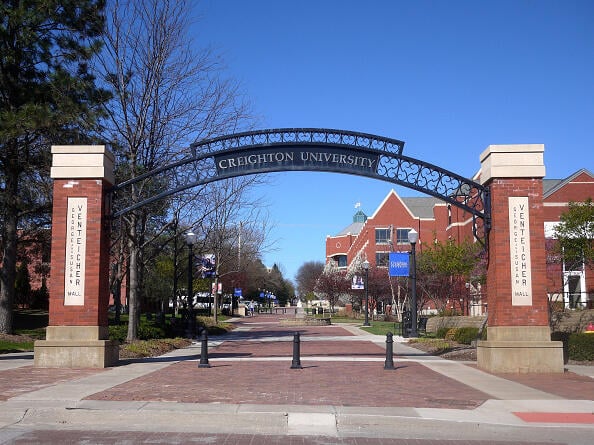
    Creighton University has received a $100 million gift from the Heider Family Foundation to launch a nearly $300 million campaign for a sprawling recreational and athletic development on the east side of the Omaha campus.

    Creighton’s Fly Together plan will establish or upgrade athletic facilities and outdoor spaces covering 12 blocks and roughly 700,000 square feet. It includes a new student fitness center, a pedestrian walkway connecting the private Jesuit campus to a downtown business district and a new sports performance center for Creighton’s student athletes.

    “Fly Together will serve students and student-athletes, but importantly, it will serve the Omaha community itself,” said Scott Heider, a university trustee as well as a trustee of the Heider Family Foundation, which was established by his parents, Charles and Mary.

    “We are incredibly grateful to the Heider family and the additional donors who are making this moment possible,” said Creighton president Daniel Hendrickson. “This gift … benefits everyone. It enhances student life, intramurals, premier club sports and intercollegiate athletics. It also strengthens Creighton’s connection to downtown and the broader Omaha community.”

    Source link

  • Job Descriptions – Facilities

    Job Descriptions – Facilities

    Job Description Index

    Facilities

    Developed with the help of volunteer leaders and member institutions across the country, The Job Descriptions Index provides access to sample job descriptions for positions unique to higher education.

    Descriptions housed within the index are aligned with the annual survey data collected by the CUPA-HR research team. To aid in the completion of IPEDS and other reporting, all position descriptions are accompanied by a crosswalk section like the one below.

    Crosswalk Example

    Position Number: The CUPA-HR position number
    BLS SOC#: Bureau of Labor Statistics occupation classification code
    BLS Standard Occupational Code (SOC) Category Name: Bureau of Labor Statistics occupation category title
    US Census Code#: U.S. Census occupation classification code
    VETS-4212 Category: EEO-1 job category title used on VETS-4212 form

    ***SOC codes are provided as suggestions only. Variations in the specific functions of a position may cause the position to better align with an alternate SOC code.

    Sample Job Descriptions

    Child Care Center Teacher

    Head, Campus Child Care Site

    IT Quality Assurance Analyst

    The post Job Descriptions – Facilities appeared first on CUPA-HR.

    Source link

  • Universities face ‘daunting’ facilities needs, report says

    Universities face ‘daunting’ facilities needs, report says

    Dive Brief:

    • Spending on higher education facility operations is keeping up with inflation, but it has yet to return to what it was before and during the pandemic, according to a report by construction data company Gordian.
    • Capital spending is also up, but because the backlog of needs is so high, the spending increase has only slowed the pace of growth in unmet needs; it hasn’t led to progress in closing the gap, the report said.
    • “Planned project costs [are] outstripping available and allocated budgets, tempering the impact of even the most well-meaning and thoughtfully directed dollars,” according to The State of Facilities in Higher Education, released this week.

    Dive Insight:

    Colleges and universities across the United States are facing a systemic enrollment gap driven by a projected drop in the number of high school graduates as well as broader cultural changes in which households are rethinking the value of higher education

    “Difficult choices that [institutions] have been talking about for several years now are upon them,” the Gordian report noted. “Most sustaining models involve reimagining the institution as a smaller place with reductions in employees and property to align spending with revenue. Alternatives demonstrated over the past decade would include merger, sale or dissolution.”

    Despite the long-term trends, 27% of colleges are expanding, although at a modest 3% rate on average. Some are growing because they’re seeing an increase in students, but others are building out because they don’t have high repair and replacement costs. “They are not yet feeling the pressure financially to keep up with what they have already built,” the report says. 

    Where institutions are renovating or replacing obsolete buildings, “these enhancements are being implemented with … thought to the costs to sustain that investment and healthy caution about a future with great uncertainty,” the report noted. 

    When the pandemic ended, schools quickly upped their spending on renovations — increasing spending 26% between 2021 and 2023. Spending is still relatively strong, but growing at a lower rate, Gordian said. Despite the spending, a funding shortfall of more than 32% persists. 

    “The gap between what is being invested and what is needed to sustain the institutional assets … will continue to grow,” the report said

    The backlog of capital renewal projects is more than $140 per gross square feet, up 2% from the previous year and up from just under $125 per gross square feet two years ago, according to the report. 

    Spending on operations is a bright spot — up 4.5% year over year. That rate is higher than inflation, but it’s still below what it was before the pandemic, and operational costs are rising. 

    “There may have been legitimate opportunities to cut back on spending based on innovation, enrollment decline or program changes,” the report said. “But there are usually going to be drivers outside of the department’s immediate control like salaries and wages, utility costs and any number of commodities expenses which continue to drive costs upward.”

    Source link