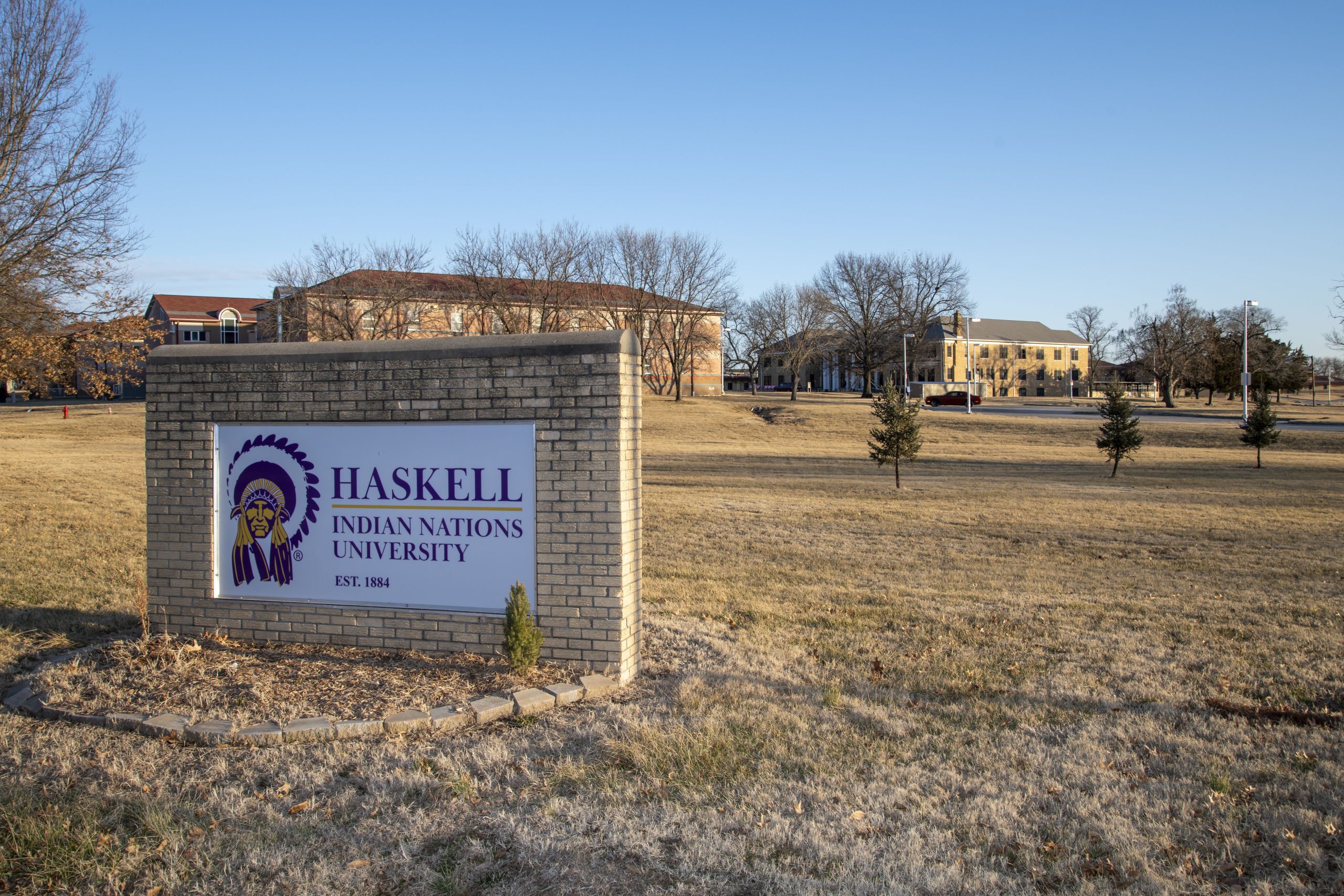
After weeks of uncertainty, two tribal colleges have been told they can hire back all employees who were laid off as part of the Trump administration’s deep cuts across the federal workforce in February, part of a judge’s order restoring some federal employees whose positions were terminated.
Haskell Indian Nations University in Kansas and Southwestern Indian Polytechnic Institute, widely known as SIPI, in New Mexico lost about 70 employees in mid-February amid widespread staffing cuts to federal agencies. While most of the nation’s 37 tribal colleges and universities are chartered by American Indian tribes, Haskell and SIPI are not associated with individual tribes and are run by the federal government.
About 55 employees were laid off and 15 accepted offers to resign, according to a lawsuit filed last month by tribes and students. The colleges were forced to cancel or reconfigure a wide range of services, from sports and food service to financial aid and classes. In some cases, instructors were hired by other universities as adjuncts and then sent back to the tribal colleges to keep teaching.
Related: Interested in more news about colleges and universities? Subscribe to our free biweekly higher education newsletter.
It was not clear this week when and if the workers would return, whether the employees who resigned would also be offered their jobs back, or if the government would allow colleges to fill vacancies. Both colleges said some employees had turned down the offers.
The Bureau of Indian Education, which runs the colleges, declined to answer questions except to confirm the laid-off workers would be offered jobs with back pay to comply with a judge’s order that the government reverse course on thousands of layoffs of probationary employees. But the agency also noted the jobs would be available “as the White House pursues its appeals process,” indicating possible turmoil if an appeals court reinstates the layoffs.
Both colleges said the bureau also has refused to answer most of their questions.
SIPI leaders were told last week that the positions were being restored, said Adam Begaye, chairman of the SIPI Board of Regents. The 270-student college lost 21 employees, he said, four of whom decided to take early retirement. All but one of the remaining 17 agreed to return, Begaye said.
The chaos has been difficult for those employees, he said, and the college is providing counseling.
“We want to make sure they have an easy adjustment, no matter what they’ve endured,” Begaye said.
The chairman of Haskell’s Board of Regents, Dalton Henry, said he was unsure how many of the 50 lost employees were returning. Like SIPI, Haskell was forced after the layoffs to shift job responsibilities and increase the workload for instructors and others.
Haskell was reviewed by accreditors in December, and Henry said he was worried how the turmoil would affect the process. Colleges and universities must be accredited to offer federal and state financial aid and participate in most other publicly funded programs.
Henry declined to discuss his thoughts on the chaos, saying there was nothing the college could do about it.
“Whatever guidance is provided, that’s what we have to adhere to,” he said. “It’s a concern. But at this point, it’s the federal government’s decision.”
The Bureau of Indian Affairs declined to make the presidents of the two colleges available for interviews.
Tribal colleges and universities were established to comply with treaties and the federal trust responsibility, legally binding agreements in which the United States promised to fund Indigenous education and other needs. But college leaders argue the country has violated those contracts by consistently failing to fund the schools adequately.
In the federal lawsuit claiming the Haskell and SIPI cuts were illegal, students and tribes argued the Bureau of Indian Education has long understaffed the colleges. The agency’s “well-documented and persistent inadequacies in operating its schools range from fiscal mismanagement to failure to provide adequate education to inhospitable buildings,” plaintiffs claimed.
Sen. Jerry Moran and Rep. Tracey Mann, both Kansas Republicans, said before Trump took office that they plan to introduce a bill shifting Haskell from federal control to a congressional charter, which would protect the university from cuts across federal agencies such as the Bureau of Indian Education.
“[F]or the last few years the university has been neglected and mismanaged by the Bureau of Indian Education,” Moran said in a written statement in December. “The bureau has failed to protect students, respond to my congressional inquiries or meet the basic infrastructure needs of the school.”
The February cuts brought rare public visibility to tribal colleges, most of which are in remote locations. Trump’s executive orders spurred outrage from Indigenous communities and a flurry of national news attention.
“We’re using this chaos as a blessing in disguise to make sure our family and friends in the community know what SIPI provides,” said Begaye, the SIPI board president.
The uncertainty surrounding the colleges’ funding has left a lasting mark, said Ahniwake Rose, president and CEO of the American Indian Higher Education Consortium, which advocates for tribal colleges. But she added she was proud of how the schools have weathered the cuts.
“Indian country is always one of the most resourceful and creative populations,” she said. “We’ve always made do with less. I think you saw resilience and creativity from Haskell and SIPI.”
Contact editor Christina A. Samuels at 212-678-3635 or [email protected].
The Hechinger Report provides in-depth, fact-based, unbiased reporting on education that is free to all readers. But that doesn’t mean it’s free to produce. Our work keeps educators and the public informed about pressing issues at schools and on campuses throughout the country. We tell the whole story, even when the details are inconvenient. Help us keep doing that.
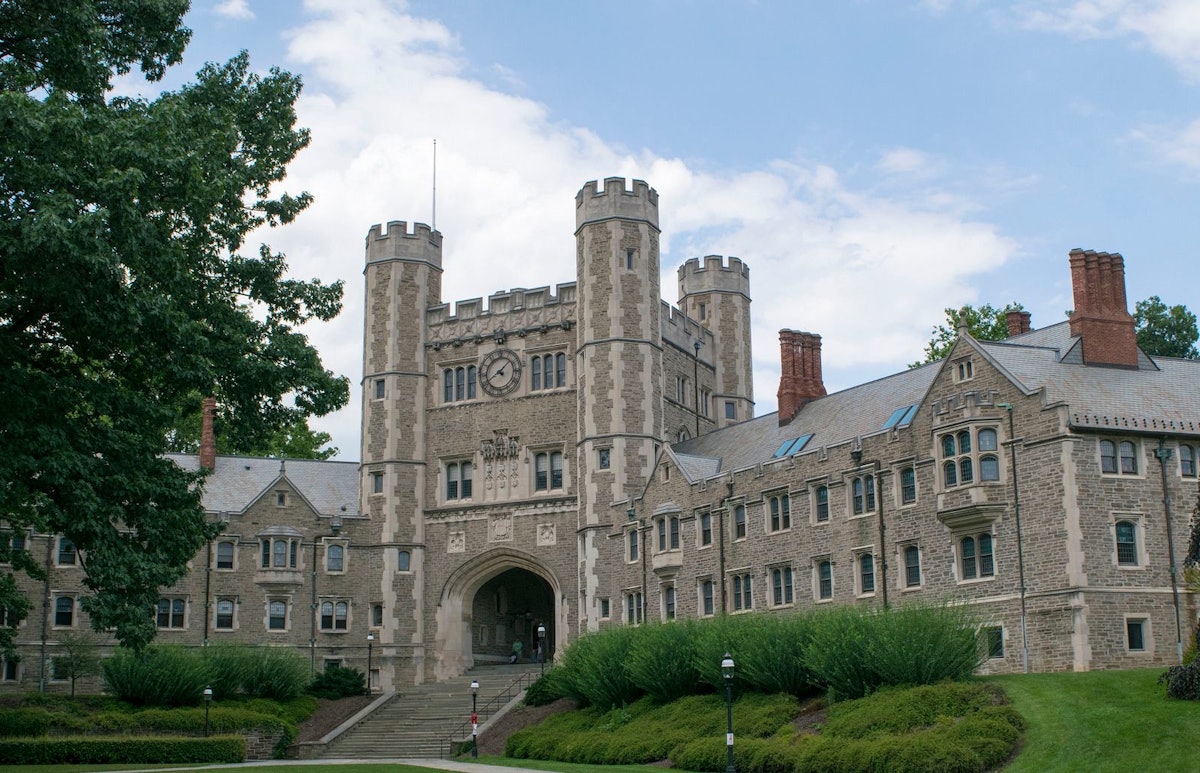
Princeton University In a concerning development for research institutions nationwide, Princeton University has become the most recent Ivy League school to have federal funding suspended amid what many academic leaders are describing as an unprecedented federal pressure campaign targeting elite universities.
Princeton President Dr. Christopher Eisgruber announced earlier this week that “several dozen” federal research grants from agencies including the Department of Energy, NASA, and the Department of Defense have been halted. While the administration’s complete rationale remains unclear, the university is among dozens facing federal investigations into campus antisemitism following pro-Palestinian demonstrations last year.
“We are committed to fighting antisemitism and all forms of discrimination, and we will cooperate with the government in combating antisemitism,” Eisgruber wrote in a campus-wide message. “Princeton will also vigorously defend academic freedom and the due process rights of this University.”
The Department of Energy confirmed it had paused Princeton’s funding pending a Department of Education investigation into alleged antisemitic harassment on campus.
This action follows similar funding suspensions at other prominent institutions:
Columbia University lost $400 million in federal grants and agreed to several government demands, including revising student discipline policies and reviewing its Middle East studies department
The University of Pennsylvania faced approximately $175 million in suspended funding related to a transgender athlete who previously competed for the school
Harvard University is under review for nearly $9 billion in federal grants and contracts amid an antisemitism investigation
The funding suspensions create significant challenges for research universities, which depend heavily on federal grants. Princeton’s president had previously criticized the Columbia funding cuts as “a radical threat to scholarly excellence and to America’s leadership in research” in a March essay published in The Atlantic.
Princeton was among 60 universities that received warning letters from the Education Department in March regarding accusations of antisemitism. The department indicated schools could face enforcement actions if they failed to address anti-Jewish bias on campus. Six of the eight Ivy League institutions were included in these warnings.
The Education Department’s investigation at Princeton began in April 2024 under the previous administration, responding to a complaint that cited pro-Palestinian protests allegedly including antisemitic chants. Similar complaints have been filed against dozens of other institutions.
The current administration has promised more aggressive measures against campus antisemitism, opening new investigations and taking action against foreign students connected to pro-Palestinian demonstrations. University officials face the challenge of balancing compliance with federal demands while preserving academic freedom and campus autonomy.
These developments follow congressional hearings on campus antisemitism that contributed to the resignations of presidents at Harvard, Penn, and Columbia. Most recently, Columbia’s interim president Dr. Katrina Armstrong resigned after the university agreed to the government’s demands.
The situation raises critical questions about federal oversight of higher education, the boundaries of campus free speech, and the future of institutional autonomy at American universities.
Sixteen researchers across a range disciplines from the biomedical sciences and STEM to education and political science share their experiences of losing research grants and what impact the loss of billions of dollars in federal funding will have on science, public health and education in Inside Higher Ed today.
The Trump administration told researchers Rebecca Fielding-Miller, Nicholas Metheny, Abigail Hatcher and Sarah Peitzmeier that trainings connected to their National Institutes of Health grant focused on the prevention of intimate partner violence against pregnant and perinatal women were “antithetical to the scientific inquiry, do nothing to expand our knowledge of living systems, provide low returns on investment, and ultimately do not enhance health, lengthen life, or reduce illness.”
“We could not disagree more,” Fielding-Miller, Metheny, Hatcher and Peitzmeier write. “Anyone who has cared for a child or for the person who gave birth to them knows that preventing maternal and infant death and abuse should be a nonpartisan issue. The current administration is intent on making even this issue into ‘us’ versus ‘them.’ When it comes to public health, there is no such thing.”
Meanwhile, Judith Scott-Clayton writes that the decision to cancel a Department of Education grant funding a first-of-its-kind randomized evaluation of the Federal Work-Study program—four and a half years into a six-year project—will leave policymakers “flying blind.”
“Since 1964, the FWS program has disbursed more than $95 billion in awards,” Scott-Clayton wrote. “In comparison, our grant was less than three-thousandths of 1 percent of that amount, and the amount remaining to finish our work and share our findings with the public was just a fraction of that.”
Additionally, the Trump administration has variously moved to cancel or suspend research contracts and grants at Columbia University, the University of Pennsylvania and most recently Princeton University as part of punitive actions tied to investigations of campus antisemitism or, in Penn’s case, the decision to allow a trans woman to compete on the women’s swim team three years ago. The administration also briefly froze (and then unfroze) United States Department of Agriculture funds for the University of Maine system after the state’s governor engaged in a tense exchange with President Trump at the White House.
Below, 16 researchers across nine different research areas who have had their federal grants terminated since the start of the Trump administration share just a few of the thousands of stories behind these cuts.
—Elizabeth Redden, opinion editor
Preventing Intimate Partner Violence
Prostock-Studio/iStock/Getty Images Plus
By Rebecca Fielding-Miller, Nicholas Metheny, Abigail Hatcher and Sarah Peitzmeier
Each year, more than 3,000 American women are murdered by their partners. Pregnancy and the postpartum period are high-risk periods for intimate partner violence (IPV), which is linked to negative maternal outcomes such as miscarriage, hemorrhage and postpartum depression. Perinatal IPV is also linked to worse infant health outcomes, such as preterm birth and low birth weight, and to adverse childhood experiences. This makes prevention of perinatal IPV crucial not just for the survivor but for the entire family.
Perinatal IPV and its cascade of negative outcomes are preventable—but only if we study the epidemiology and prevention of IPV as rigorously as we study hypertension or any other perinatal complication. A grant rescinded last month by the NIH would have trained a cohort of 12 early-career clinicians and researchers to learn how to study IPV as part of their ongoing research on pregnancy, birth and the postpartum period. We proposed training investigators working in diverse communities across the spectrum of America, with a commitment to including communities disproportionately impacted by IPV and maternal mortality, including Black and LGBTQ+ communities. To solve a problem with constrained resources, it is efficient to focus efforts on where the problem is most severe. While the termination letter named this targeting of training resources an “amorphous equity objective,” we call it a data-driven approach to rigorous science.
Training grants like this one help shift an entire field by giving young investigators the skills and knowledge to add a focus on IPV to their research for the next several decades. In addition to training these 12 young researchers, the grant would have also supported turning the mentorship curriculum we developed into an open-access online training for clinicians and researchers to access in perpetuity, multiplying the impact of the work to train even more investigators in the field. As with the approximately 700 other terminated NIH grants, cutting this work before our aims are realized but after significant costs have been incurred to establish the mentorship team and design the curriculum is the definition of government inefficiency and waste.
With this grant rescinded, none of the promised training will occur. Pregnant people and their babies from every community across America will continue to suffer, without the benefit of advances in the science of how we prevent these violence exposures. Our termination notice claims that the proposed trainings are “antithetical to the scientific inquiry, do nothing to expand our knowledge of living systems, provide low returns on investment, and ultimately do not enhance health, lengthen life, or reduce illness.” We could not disagree more. Anyone who has cared for a child or for the person who gave birth to them knows that preventing maternal and infant death and abuse should be a nonpartisan issue. The current administration is intent on making even this issue into “us” versus “them.” When it comes to public health, there is no such thing. American families deserve better.
Rebecca Fielding Miller is an associate professor of public health at the University of California, San Diego. Her research focuses on health disparities in infectious disease and gender-based violence.
Nicholas Metheny is an Atlanta-area scientist and registered nurse with clinical and research experience in the post-violence care of women and sexual and gender minority communities.
Abigail Hatcher is an associate professor at the University of North Carolina and University of the Witwatersrand, where she develops and tests health sector models for preventing violence in pregnancy.
Sarah Peitzmeier is an assistant professor at the University of Maryland School of Public Health who develops and tests interventions to prevent gender-based violence. She is also a practicing birth doula and victim advocate.
Is Work-Study Working?
Okrasyuk/iStock/Getty Images Plus
By Judith Scott-Clayton
On March 7, at 9:49 a.m., I received an email with “GRANT AWARD TERMINATION” in all caps in the subject line. Attached to the email was a letter, addressed to me as project director and referring to our Department of Education grant by its award number. The letter was generic, virtually identical to three other termination letters received that day at the Community College Research Center at Columbia University’s Teachers College, where I am affiliated. It did not mention our project title nor provide any project-specific details to explain why our project, as the email states, “is now inconsistent with, and no longer effectuates, the Department’s priorities.” A few hours later, I received a formal notification that the grant end date was that day: March 7, 2025.
The project—a collaboration with Adela Soliz of Vanderbilt University and Tom Brock of CCRC—was titled “Does Federal Work-Study Work for Students? Evidence From a Randomized Controlled Trial.” The Federal Work-Study (FWS) program was created in 1964 as part of the Economic Opportunity Act and covers up to 75 percent of the wages of college students working part-time in mostly on-campus jobs, with colleges paying the rest. In a typical year, the program provides more than $1 billion in support to more than 450,000 college students with financial need at more than 3,000 institutions all across the country. Several states also have their own similar programs.
Our study would be the first to rigorously evaluate the causal impact of the program on students’ enrollment, employment, persistence and degree completion. We were also conducting interviews, focus groups and surveys to understand how students find FWS jobs, what kinds of work they do, what resources institutions devote to running the program and how much it all costs to operate, all with the goal of ensuring the program is delivering the maximum impact for every single student that participates and for every dollar spent.
At the time of its cancellation, we were about four and a half years into a six-year project. We were right in the middle of randomizing what would be the final cohort of our study sample and fielding the final round of a student survey. This final year is especially important, because the early cohorts were heavily impacted by the pandemic. For the past three weeks, we have been scrambling to pull together any other resources we could find to preserve our options and avoid losing this final cohort of participants. We have also been scrambling to figure out how to continue to pay critical staff and doctoral students involved in the project until we can figure out the next steps.
As for the broader impact of the termination: The Federal Work-Study program itself will keep on going, at least for now; we just won’t know whether it works or not. We hypothesize that it may provide valuable work-based learning opportunities that keep students engaged and give them advantages in the labor market after college, but it’s possible that it distracts students from their studies and hurts their academic performance. We may think that it helps students to afford college, but perhaps the complexity of finding a specific job and navigating all the necessary paperwork reduces its value for the students that need help the most. The next time the program is up for debate, policymakers will be flying blind: Without actual evidence all we can do is speculate.
Since 1964, the FWS program has disbursed more than $95 billion in awards. In comparison, our grant was less than three-thousandths of 1 percent of that amount, and the amount remaining to finish our work and share our findings with the public was just a fraction of that. Our project was motivated by a desire to help policymakers ensure that every dollar invested in financial aid has the maximum possible impact for low-income students. So it is discouraging to learn, so close to the finish line, that this first-of-its-kind evaluation of a major federal program is “now inconsistent with, and no longer effectuates, the Department’s priorities.”
Judith Scott-Clayton is a professor of economics and education at Teachers College, Columbia University, in the Department of Education Policy and Social Analysis, where she directs the Economics and Education Program and teaches courses on the economics of education, labor economics and causal inference.
Democracy Research
AlexeyPushkin/iStock/Getty Images Plus
By Rob Blair, Jessica Gottlieb, Laura Paler and Julie Anne Weaver
We lost funding for the Democratic Erosion Consortium (DEC) as part of the federal government’s recent cancellation of foreign assistance grants. Directed by scholars at Brown University, the University of Houston and American University, DEC works to make academic research on democratic backsliding accessible to policymakers and practitioners seeking evidence-based strategies to defend democracy around the globe.
Originally launched in 2017 on a shoestring budget, DEC began as an effort to improve pedagogy on a troubling trend observable both abroad and at home: the strategic dismantling of democratic norms and institutions by elected leaders with autocratic ambitions. In 2022, in line with the U.S. government’s dual interests in democratic resilience and evidence-based policymaking, we received a grant from the State Department to expand DEC’s work.
The State Department’s investment enabled us to grow our reach beyond the classroom and into the policy arena. We drew on an expanding network of scholars to synthesize evidence on urgent questions—such as how to reduce the spread of misinformation and measure democratic decline. We also built out a novel event data set on democratic erosion and trained partners around the world to use it in their own work.
The immediate consequences are clear: several full- and part-time staff lost funding for their jobs. But the long-term damage is hard to quantify. It’s difficult to argue for the value of evidence-based policymaking in foreign aid when the entire category of foreign assistance has effectively been gutted. More than that, the partnerships we built between academics, practitioners and policymakers were yielding real-time insights and responses—a rare example of successful research-policy collaboration. That infrastructure is now gone.
And at a moment when democratic backsliding is accelerating in many parts of the world, the U.S. government is stepping away from efforts to understand and counter it. Ending this grant not only weakens the ability to monitor democratic erosion globally, it also reduces public awareness and understanding of a phenomenon that is increasingly visible in the U.S. itself.
With the federal policy audience for our work largely gone, we are refocusing our efforts on our other two core constituencies: students and academics. We continue to support instructors engaged in teaching our democratic erosion course and to improve the Democratic Erosion Event Dataset. And in response to growing concern about democratic backsliding in the U.S., we’re developing a more robust domestic data-collection effort, paired with public engagement.
Given intense partisan disagreement around what even constitutes democratic erosion, we are seeking to increase the credibility of new evidence by capturing partisan-diverse perspectives and applying our established comparative framework to U.S. events. We are hoping to continue this work, despite the loss of our federal grant, because the political reality in the U.S. and around the world tells us we need to be worried about democratic erosion now more than ever.
Rob Blair is the Arkadij Eisler Goldman Sachs Associate Professor of Political Science and International and Public Affairs at Brown University.
Jessica Gottlieb is an associate professor at the University of Houston’s Hobby School of Public Affairs.
Laura Paler is an associate professor in the Department of Government in the School of Public Affairs at American University.
Julie Anne Weaver is the research director of the Democratic Erosion Consortium and a lecturer on government at Harvard University.
COVID-19 and Related Immunology Research
peterschreiber.media/iStock/Getty Images Plus
By Matthew Woodruff
On March 24, 2020, I stood in a Biosafety Level 2+ facility at Emory University with six colleagues being taught best practices for working with the largely unknown pathogen, SARS-CoV-2. Other unknowns included where we would get masks (N95s were unavailable), risks of infection to our young kids at home and who would pay for the experiments needed to gain insight into the deadly new virus sweeping across the nation.
That last question was answered relatively quickly. Rapid investment by the first Trump administration’s NIH launched SeroNet, a five-year effort across 25 institutions to “expand the nation’s capacity for SARS-CoV-2 serologic testing on a population-level and advance research on the immune response to SARS-CoV-2 infection and COVID-19 vaccination among diverse and vulnerable populations.” We did just that. Over the coming years, taxpayer dollars funded more than 600 peer-reviewed publications, reflecting significant advances in disease pathology, treatment strategies, disease impact in immunocompromised patients, vaccine testing and more.
Our team at Emory led projects dedicated to understanding the balance between productive and pathogenic immunity in hopes of alleviating disease. We discovered why your immune system sometimes turns on itself in the throes of severe infection, uncovered similarities between the immune responses of chronically autoimmune patients and those who were seriously ill with COVID-19, and documented continued disturbances in patients with long COVID. Importantly, we learned that these responses weren’t unique to COVID-19 and were broadly relevant to human health.
In 2022, I started my own lab founded on those concepts. We have been optimistic that the work we are doing will ultimately serve the American people in our shared desire to live longer, healthier lives.
But over the past months, that optimism has dissipated. Ham-handed targeting of “DEI” awards leaves us unable to understand how diverse human populations might respond differently to infection or develop different kinds of chronic diseases. Mistrust of the same vaccine programs that have halted the spread of measles globally has left us unable to test next-generation vaccines that might provide broad protection against emerging viral strains. And then, on March 24, it was announced that the five-year commitment that the first Trump administration made to our work would no longer be honored. Our COVID-related funding through SeroNet would be halted, effective immediately.
Our fledgling program, a few months ago extremely promising, is now on life support. My lab has invested heavily with our time and limited resources, which are now running thin, into promising new areas of clinically relevant immunology that suddenly look like financial dead ends. The decision to halt entire fields of study in what was previously highly fertile scientific space is as damaging as it is unprecedented, and our lab is left with a business model that is now fundamentally broken.
Matthew Woodruff is an assistant professor of immunology at the Emory University Lowance Center for Human Immunology. His lab studies antibody responses in the context of infection, vaccination and autoimmune disease.
Training Tomorrow’s Biomedical Workforce
Unaihuiziphotography/iStock/Getty Images Plus
By Samantha Meenachand Ryan Poling-Skutvik
On March 21, the NIH terminated our training grant award, which supported the Enhancing Science, Technology, Engineering, and Math Education Diversity (ESTEEMED) program at the University of Rhode Island. The mission of URI ESTEEMED was to increase the preparation of undergraduate students—freshmen and sophomores—to conduct biomedical research, enabling them to succeed in advanced research in preparation to pursue a Ph.D. in STEM. Our ultimate goals were to provide students who were from groups underrepresented in STEM or from disadvantaged economic backgrounds with academic enrichment, research and soft skills development, and a sense of community. NIH claims that our award “no longer effectuates agency priorities” and that it involves “amorphous equity objectives, [that] are antithetical to the scientific inquiry.”
While the language in the termination email itself was derisive and political, the fallout from the loss of this award will be felt for years to come. The state of Rhode Island immediately lost $1.2 million in direct economic activity, and an important workforce development initiative will end, significantly reducing state and regional competitiveness in a growing technological field. Like many other states, Rhode Island has a pressing need for professionals trained in biotechnology, and recruiting people to Rhode Island has often proven to be challenging. This challenge is exemplified by the recent establishment of the Rhode Island Life Sciences Hub with a specific mandate to grow the biotechnology sector in the state.
By contrast, there is a large untapped pool of talent within Rhode Island, who are limited by access to education and training in large part due to the financial pressures families face. Our URI ESTEEMED program recruited talented students who likely would not have had the resources necessary to enter these careers. While NIH would like to argue that ESTEEMED was used to “support unlawful discrimination on the basis of race and other protected characteristics,” ESTEEMED trainees were selected through a rigorous and competitive application process, making these awards merit-based. Without the financial support of this program, many of our trainees would not have been able to attend URI or would not have had the opportunity to focus on research.
URI ESTEEMED in its current form will cease to exist at the end of this semester. We are still figuring out to what capacity we can continue to recruit and train students, but without NIH funds, training programs such as ESTEEMED will not be able to alleviate the many pressures these students face. The political decision to terminate this grant inflicts direct financial pain on some of the most promising students, and these effects will reverberate for years to come.
Samantha Meenach is a professor in the Department of Chemical, Biomolecular, and Materials Engineering at the University of Rhode Island.
Ryan Poling-Skutvik is an assistant professor in the Department of Chemical, Biomolecular, and Materials Engineering and the Department of Physics at the University of Rhode Island.
Alzheimer’s and Dementia Research for Diverse Populations
By Jason D. Flatt
Research funding for diverse populations impacted by Alzheimer’s disease and related dementias (ADRD) is currently being terminated by the U.S. federal government. These terminations are attributed to the premise that the research is incompatible with agency priorities. For instance, funding for studies including older transgender individuals, as well as lesbian, gay, bisexual, queer, intersex and other LGBTQIA+ identities, has been terminated. In addition, funding decisions have been rescinded, and grants have been pulled from scientific review. The National Institutes of Health has stated, “Research programs based on gender identity are often unscientific, have little identifiable return on investment, and do nothing to enhance the health of many Americans. Many such studies ignore, rather than seriously examine, biological realities. It is the policy of NIH not to prioritize these research programs.”
To date, around 700 NIH grants have been terminated, including many important studies on HIV/AIDS, cancer, COVID-19 and ADRD. Of these, about 25 have focused on ADRD. Personally, I have lost nearly $5 million in research funding from the NIH and the Department of Defense because my ADRD research includes transgender people. My research focuses on the needs of LGBTQIA+ and non-LGBTQIA+ older adults, particularly those affected by ADRD and Parkinson’s disease, as well as their caregivers and health-care providers. Some have suggested that we remove or rephrase “forbidden” language in future grants and/or exclude transgender people from our studies, but I will not do that. It is not pro-science and will not ensure that all people benefit from our research. The current and future termination of grants and contracts will have a significant impact on the health of older Americans, slow our innovation, limit our ability to provide care and impede progress in finding a cure.
I am working to raise awareness about these terminations and find ways to either reverse the decisions or secure alternative funding for this vital research. This includes speaking with the press, informing policymakers, generating visibility on social media alongside colleagues and peers, consulting with legal experts, and engaging with community members. I am also deeply concerned about the future of early-career scientists, who are essential in leading efforts to find cures for diseases affecting our communities, especially as the baby boomer generation ages. Many of the grants that have been terminated were early-career awards for newly minted doctoral researchers and faculty, diversity supplements for doctoral students, and competitive NIH predoctoral and postdoctoral fellowships.
In light of today’s sociopolitical climate, it is more important than ever for our civic, academic and research communities to unite in advocating for inclusion, standing up for diverse groups, including LGBTQIA+ communities, and ensuring that early-career scholars and the broader aging population have opportunities for potential cures, treatments and health care.
Jason D. Flatt is an associate professor at the University of Nevada, Las Vegas, School of Public Health, in the Department of Social and Behavioral Health.
I have spent the past year and a half as a postdoc researching the effects of Virginia’s Get a Skill, Get a Job, Get Ahead (G3) initiative, a tuition-free community college program implemented in 2021. Similar to most statewide free college programs, G3 is a last-dollar scholarship program for state residents attending one of Virginia’s 23 community colleges, though students who already receive the maximum Pell Grant and enroll full-time are eligible for an additional living stipend to support the costs of books, transit and other expenses frequently incurred while enrolled. Virginia implemented the program as a bipartisan pandemic-recovery strategy to reverse steep enrollment declines in community colleges and boost credential completion in five high-demand workforce areas: early childhood education, health care, information technology, manufacturing and skilled trades, and public safety.
Like so many other critical research projects in education, our Institute of Education Sciences funding was terminated by the Trump administration’s ongoing efforts to gut the Department of Education and publicly funded research at large. The abrupt termination of the grant, which supports researchers at both the University of Pennsylvania and the Community College Research Center at Columbia University’s Teachers College, is a depressing way to finish out my postdoc. The project is part of a larger IES grant that established the Accelerating Recovery in Community Colleges network, a group of research teams focused on strategies to improve community college enrollment and student success. The loss of funding means canceled conference presentations and convenings; it means planned collaborations with other research teams in the network will not happen. We simply cannot accomplish all the things we set out to do without the resources provided by the grant.
The grant termination is demoralizing on multiple levels. It funded my postdoc, which has been an invaluable experience in developing my skills as an education policy researcher. While my position was nearing its end regardless, the ongoing forced austerity on public-facing research portends a future where these types of opportunities are not available to later generations of scholars. And on a less personal note, canceling education research, especially toward the end of its life cycle, is extremely wasteful and inefficient. It hinders the completion of projects that public money has already been invested in and limits dissemination efforts that help to drive the overwhelmingly positive return on investment from these types of research projects.
This is a real shame in the case of our work on G3. Our findings and planned future research on the policy hold critical implications for policymakers and institutions in Virginia and across the US. States like Arkansas, Indiana and Kentucky have similarly implemented workforce-targeted free college initiatives. And given the heightened attention from policymakers on career and technical education in recent years, it is reasonable to think more states will follow suit. Our work on G3 is in service of improving community college student outcomes so that more students have the resources and opportunities to pursue meaningful careers and life trajectories. Without any federal funding, it will only be more difficult to uncover the best ways to go about achieving these ends.
Daniel Sparks is a postdoctoral researcher in economics and education at the University of Pennsylvania’s Graduate School of Education.
Training Pediatric Physician-Scientists
FluxFactory/e+/Getty Images
By Sallie Permar
The NIH made the abrupt decision last month to terminate the Pediatric Scientist Development Program (PSDP), a long-standing initiative that has trained generations of physician-scientists dedicated to advancing child health. This decision was made without an opportunity for resubmission or revision, and it appears to be linked to diversity, equity and inclusion requirements in our renewal application, components we were previously required to include and encouraged to expand by our reviewers, and that were later weaponized as justification for defunding.
For more than 40 years, the PSDP has served as a critical pipeline for training pediatric physician-scientists. Through rigorous mentorship, research training and career development, the PSDP has trained more than 270 pediatric physician-scientists, helping launch the careers of child health researchers who have made groundbreaking discoveries in areas such as childhood cancer, genetic disorders, autoimmunity and infectious diseases. At a time when pediatric research faces increasing challenges, this decision further weakens an already fragile infrastructure. It is not merely an administrative setback; it has immediate and far-reaching consequences that will be felt across academic institutions and the future of the health of children and the adults they become. Pediatric research is the highest yield of all medical research, providing lifetimes of health.
Without federal funding, our health as Americans faces several dire immediate and long-term impacts:
Loss of training opportunities and career uncertainty for pediatric researchers: The PSDP was on track to expand through deepening of our public-private institutional partnership funding model, due to increasing interest across states and pediatric specialties. We received a record high number of talented applicants this year. Now we are now forced to determine how many, if any, new trainees can be supported. Additionally, the program serves as the critical bridge between physician-scientists’ clinical training and their ability to secure independent research grants. With NIH funding cut, current trainees will face financial instability, and prospective trainees might be forced to abandon their research, and their career aspirations, altogether.
Weakening of the pediatric research pipeline: The PSDP has been a key factor in addressing the national shortage of pediatric physician-scientists. Without it, fewer pediatricians will enter research careers, exacerbating an already urgent pediatric workforce crisis at a time when children are presenting with more complex health needs.
Children’s health in jeopardy: Cutting PSDP funding halts critical research on chronic childhood diseases like genetic conditions, asthma and obesity, leaving millions of children without hope for better treatments or cures, directly reducing their chance for health and quality of life.
The PSDP’s termination is not just a loss for academic medicine, it is a direct threat to the future of pediatric research and children’s health. Pediatricians pursuing research careers already face significant challenges, including limited funding opportunities and lower salaries compared to other medical specialties. By eliminating the PSDP, the NIH has removed one of the most effective mechanisms for supporting these researchers at a critical stage in their careers.
We call on academic leaders, policymakers and child health advocates to take immediate action. The future of children’s health research depends on our ability to reverse this decision and ensure that pediatric physician-scientists continue to receive the training and support they need to advance medical discoveries for the next generation.
Sallie Permar is the Nancy C. Paduano Professor and Chair at Weill Cornell Medicine and pediatrician in chief at New York–Presbyterian/Weill Cornell Medical Center.
Global Development and Women’s Empowerment
By Denise L. Baer
On Monday, Jan. 27, I received an email from local project staff in Guatemala canceling that day’s key informant interview due to the “review of cooperation projects by the United States government” and the request to “suspend activities” until further notice. This was the first notice that the evaluation of the Legal Reform Fund (LRF) project that I was conducting had been paused—and, in effect, permanently canceled. After checking in with the project implementer, the American Bar Association’s Rule of Law Initiative (ABA-ROLI), I received formal notification of the pause later that same day.
LRF provided contextualized expert legal technical assistance and training to partnering government agencies, parliamentarians, judges, court staff and women entrepreneurs to improve women’s access to land, property rights and credit in Guatemala, Indonesia, Mexico and Timor-Leste. I had been working on the evaluation for about two months, with the intent to complete all initial staff interviews before the end of January and then move on to field data collection. The evaluation had been approved last December by the Department of State, with approval of the inception report coming from the department’s Office of Global Women’s Issues just a week earlier. While I’d been tracking the flurry of executive orders, I doubted that this project would violate the new “two-gender” policy—after all, it was funded through the Women’s Global Development and Prosperity (W-GDP) Initiative created by President Trump himself during his first administration in 2019 and championed by his daughter Ivanka with great fanfare. The initiative aimed to help 50 million women in developing countries realize their economic potential by 2025; the LRF project was only one of many funded by W-GDP initially and later continued by the Biden administration.
The LRF project ended December 2024. Was it effective and efficient? Were the planned outcomes achieved? We will never know. Since I was paid by ABA-ROLI for the work conducted to date before the pause, the primary cost of this discontinuance is not to me personally, but to the American people, who funded this project. The call for this evaluation and the approval of my proposal was born of the government’s desire for efficiency and to ensure funded initiatives were going according to plan. Indeed, the Government Accountability Office had identified a less-than-robust implementation framework in many early W-GDP projects, and this evaluation was intended to provide critical evidence of whether processes had improved.
Now we will never know how strong the evidence base is for supporting women entrepreneurs through this initiative. It is profoundly stunning that not only would the Trump administration stop work midstream for so many projects, but they would also stop evaluations of project work already completed—even for programs they themselves created and supported. How does funding a project and then shutting down the work of determining how effective that project was fight waste, fraud and abuse?
Denise L. Baer is a scholar-practitioner fellow at the Graduate School of Political Management at George Washington University.
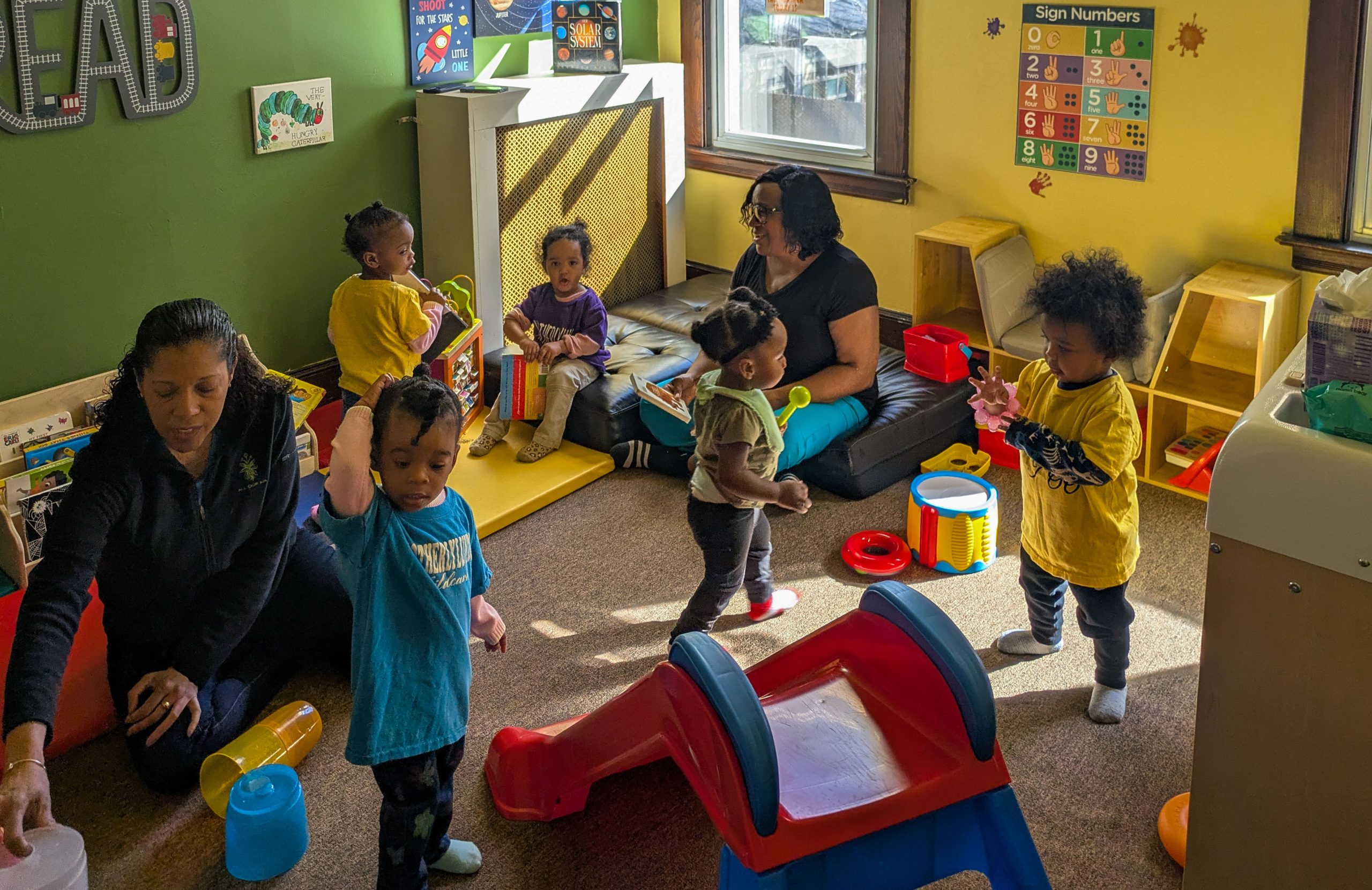
NEW HAVEN, Conn. — Bright morning sun is streaming through her home’s windows as Sandra Dill reads a picture book about penguins to a room full of busy toddlers. While listening, the kids blow kisses, plop in a visitor’s lap, then get up to slide down a small slide.
Dill has been running a family child care business from her home for 15 years, and every one of her 13 grandchildren has spent time here — currently it’s 20-month-old Nathaniel, who has a puff of curly hair and a gooey grin.
“My older ones started to call it ‘grandma school,’” she said. Another one of her granddaughters, now a teenager, is returning this summer to help out.
Four of Dill’s eight available slots are funded through Head Start. This is the federal-to-local program that funds child care and other support for the poorest families in America. (Regular Head Start serves children 3 to 5 years old; Early Head Start is for those under 3.) The program — which began right here in New Haven, Connecticut — is celebrating its 60th anniversary this year.
It’s also never been so at risk: First a federal funding freeze hit providers, then a chunk of Head Start federal support staff were fired by the Department of Government Efficiency. On March 27, the Department of Health and Human Services announced it was cutting a further 10,000 jobs, and reorganizing the Administration for Children and Families, which administers Head Start. As of April 1, Head Start employees in five of the program’s 10 regions — Boston, New York, Chicago, San Francisco and Seattle — had reportedly been laid off, according to a LinkedIn post that day from Katie Hamm, a former official with the federal Administration for Children and Families. Hamm said there does not appear to be a transition plan laying out how Head Start programs in those regions will receive funding and support. Project 2025, the conservative policy handbook organized by the Heritage Foundation, which the Trump administration has been following closely, calls for eliminating Head Start altogether.
“I think it’s terrible,” Dill said. “I just can’t imagine. It’s already not enough, and if this happens, it’s going to affect a lot of families that are already struggling.”
Ed Zigler, the “father of Head Start,” was the son of immigrants from Poland. His father was a peddler and his mother plucked chickens to make a little money, according to Walter Gilliam, executive director of the University of Nebraska’s Buffett Early Childhood Institute, who counted Zigler as his closest mentor.
When Zigler was a child, his family made its way to a settlement house in Kansas City, Missouri; these community-based charities offered a two-generation approach, caring for and educating children while also teaching English and job skills to parents and connecting families with medical care and housing help.
“That made a huge impact on his and his family’s life,” Gilliam said.
Related: Young children have unique needs and providing the right care can be a challenge. Our free early childhood education newsletter tracks the issues.
As a young psychology professor at Yale, Zigler was hired as an advisor to President Lyndon Johnson to help design family programs for the federal War on Poverty. In creating Head Start, he turned to the same two-generation model he grew up with.
To date, Head Start has served nearly 40 million children. In fiscal year 2023, the Head Start program was funded to serve 778,420 children. The program has always been underfunded: In 2020 Head Start served barely 1 in 10 eligible infants and toddlers and only half of eligible preschoolers. It’s limited to families making under the federal poverty level, which is just $31,200 for a family of four.
The sand table at Dill’s child care is an opportunity to explore shapes, colors and textures. Credit: Anya Kamenetz for The Hechinger Report
Still, for many of the families who do manage to make it through the doors, the program is life-changing.
“Head Start is in every community in America,” said Cara Sklar, director of early & elementary education policy at the D.C.-based think tank New America. “It’s the original two-generation program, with wraparound support for kids. It’s really held up as a model of quality in early learning.”
The “wraparound support” for Dill’s Early Head Start families is funded by the United Way of Greater New Haven, and comes via a network for family child care educators called All Our Kin. The network helps mothers enroll in community college and apply for housing subsidies. Dill has had mothers who lived in their cars and one who was living with her mother “six to a room,” she said. She also does regular home visits with families to talk about children’s development and support parents in goals like potty training.
Thanks to Early Head Start, a nurse, a mental health consultant and a nutritionist all help Dill keep the kids healthy and safe. And the program also provides extra funds she can use to get back up and running if, for example, the furnace needs fixing.
But Head Start is now facing funding challenges that go far beyond a broken furnace. “The past month has been harrowing for child care providers,” said Carolina Reyes, director of Arco Iris Bilingual Children’s Center, a preschool in Laurel, Maryland, that is a Head Start partner, and also a member of the nationwide advocacy group MomsRising.
The first blow to Head Start in this administration was President Donald Trump’s January 27 executive order calling for a federal funding freeze. Since Head Start is a direct federal-to-local grant program, even temporary interruptions in funding can cause programs to close their doors.
“ Programs like mine operate on razor-thin margins,” said Reyes. “I don’t have any reserves to pull from if funding is delayed or slashed.”
While funding for most programs has resumed, Joel Ryan, the executive director of the Washington State Association of Head Start, said in a recent press conference that as late as the week of Feb. 17, one in four of his programs still had trouble accessing the Head Start payment website.
That same week of the 17th, almost 70 Head Start staffers were pink-slipped in the federal government’s sweep of “probationary” employees — about one-fifth of the program’s workforce. One laid-off employee, who didn’t want to give his name because he is still fighting his dismissal and fears reprisal, said he spent five years as a contractor before switching to full time this past summer, which accounted for his probationary status. He wore many hats at Head Start, doing data analytics, working with grant recipients and serving as a liaison for state partners.
“They say we’re bloated; we could have used two more full-time people,” he said.
The cuts, he feared, will lead to further delays in programs getting the payments they rely on, not to mention the oversight that keeps kids safe.
“I come from the private sector. I will find another job,” he said. “The issue isn’t us, it’s the children and the families. We’ve got all these people in poverty who are getting screwed over by what’s happening.”
A third blow came on February 25, when the House passed a budget resolution calling for $880 billion in cuts to discretionary spending programs over the next decade, with Medicaid the prime target, along with the federal Supplemental Nutrition Assistance Program. Head Start families overwhelmingly rely on these safety net programs. The White House’s gutting of the Department of Education also threatens many services for preschoolers, especially those in special education. (This process, which maps out the next fiscal year, is separate from the recent vote to fund the government until Sept. 30.)
“This is going from the precipice of disaster to decimating the system,” Sklar said. “All the parts that help families, from Head Start to child care to food to health care, are all being destabilized at once.”
Gilliam said that threats to eliminate Head Start are nothing new. After designing the program during the Johnson administration, Zigler was appointed to run it under the presidency of Richard Nixon. “Some folks told him that his job was to destroy, essentially, the program that he had created,” Gilliam said.
Head Start advocates said the program has been able to fight off political challenges in the past because it is widely distributed geographically and has bipartisan support.
“I agree that Project 2025 is a real threat to Head Start, as well as to other programs that we all care about,” said Ryan, with the Washington State Head Start association.
“But I will say this: We have great research. We have great data. We have a great track record. We have a lot of bipartisan support in Congress. And we have parent power.”
By coincidence, the week the House passed its budget resolution, a group of 150 Head Start parents were on Capitol Hill lobbying as part of a group called Start Early, and they met with many Republican senators.
Tommy Sheridan, the deputy director of the National Head Start Association, struck an almost defiantly optimistic tone after the visit to lawmakers: “We still believe and have seen indicators that this administration is supportive of Head Start. And Congress as well.”
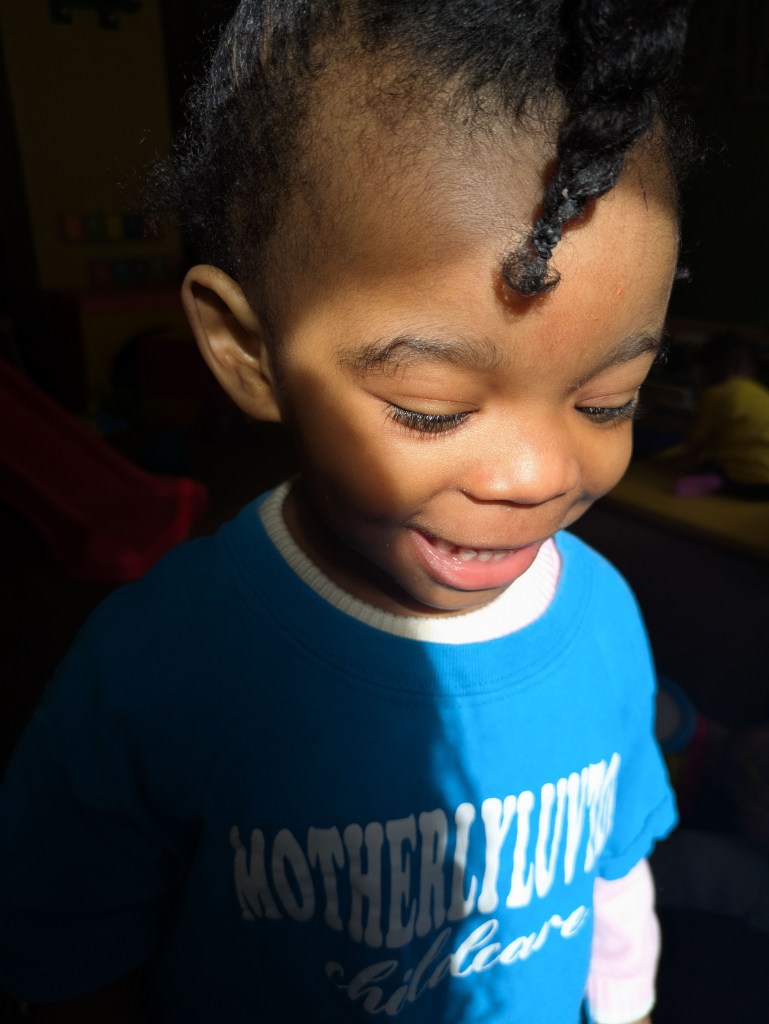
NaMaree Cunningham and her twin sister turned two on the day of our visit. Credit: Anya Kamenetz for The Hechinger Report
Another potential bright spot is the growth of child care support and funding on the state level. Elizabeth Groginsky is New Mexico’s first cabinet secretary for the state’s new Early Childhood Education & Care Department, and she said the pandemic woke a lot of people up to the importance of early care and education.
“People began to understand the impact that child care has on children’s development, families’ ability to work, the overall economy,” Groginsky said.
Since 2020, New Mexico has gone through a major expansion in home visits, child care and preschool. Vermont has made similar moves, and New York and Connecticut are heading in that direction as well. Even the deep-red state of Kentucky has expanded access.
What all of these state-level programs have in common is that they are much more widely available to middle-class families, rather than tightly targeted to families in poverty, as Head Start still is. Historically, with programs like Medicare and Social Security, universal access has meant durable support.
Now those states are contemplating stepping in further if the federal government drops the ball.
“Because the state has made such an impressive commitment to child care, we’re potentially in a better spot than others,” said Janet McLaughlin, deputy commissioner for Vermont’s Department of Children and Families. And Groginsky, in New Mexico, said firmly, “The governor and the legislature — I don’t think we’ll let New Mexicans go without. They’ll find a way.”
Support for this reporting was provided by the Better Life Lab at New America.
Contact editor Christina Samuels at 212-678-3635 or [email protected].
This story about Head Start was produced by The Hechinger Report, a nonprofit, independent news organization focused on inequality and innovation in education. Sign up for the Hechinger newsletter.
The Hechinger Report provides in-depth, fact-based, unbiased reporting on education that is free to all readers. But that doesn’t mean it’s free to produce. Our work keeps educators and the public informed about pressing issues at schools and on campuses throughout the country. We tell the whole story, even when the details are inconvenient. Help us keep doing that.
Leaders of Nueta Hidatsa Sahnish College were thrilled to find out two years ago that they won a nearly $5 million grant from the U.S. Department of Agriculture to promote Indigenous food and agriculture practices. That five-year grant, which is roughly the same amount as the college’s endowment, funded student internships and several staff positions.
But just as the college was gearing up to work on the project after putting in place the initial pieces, like selecting interns, funds for the program ceased when the USDA’s National Institute of Food and Agriculture froze the grant in February.
The college has already spent about half a million dollars on the project, expecting those funds would be reimbursed, like other government grants, said Twyla Baker, president of Nueta Hidatsa Sahnish College. Now, six students have lost their internships, and the college is scrambling to reassign staff to other projects to avoid having to let anyone go.
“We don’t have a timeline or any type of information as to when or if that [funding] will be restored to us,” Baker said.
She and other tribal college leaders across the country are scrambling to make contingency plans as the Trump administration continues to review, freeze and slash federal grants in a massive effort to downsize government and roll back federal programs they perceive as related to diversity, equity and inclusion. Some have already seen grants disappear, while others are preparing just in case. Meanwhile, staff cuts to the Bureau of Indian Education and the Department of Education—not to mention plans to dismantle the department—are exacerbating fears and uncertainty on campuses.
Tribal college leaders watched nervously as the two tribal colleges administered by the bureau, Haskell Indian Nation University and Southwestern Indian Polytechnic Institute, experienced major layoffs in February, spurring a lawsuit from tribes and students. The cuts sent the two institutions into what some worried was a death spiral, with professor-less classes and mounting infrastructure problems, until those layoffs were reversed in recent weeks.
We’re survivors, and we’ll be here, but it’s going to be a rough couple years, that’s for sure.”
—Dan King, president of Red Lake Nation College
The country’s 37 tribal colleges already live a precarious existence. They tend to serve small, disproportionately first-generation and low-income student populations in remote areas on or near reservations and operate on lean budgets. They depend heavily on federal dollars, and many campuses are struggling with crumbling infrastructure thanks to chronic underfunding from Congress. Some tribal college presidents fear even small changes to federal funding or staffing could mean losing critical student supports, services and academic programs or risk the most vulnerable institutions closing altogether.
“It takes so many different tiny little grant programs and resources woven all across the federal government just to keep the doors open and the lights on,” said Moriah O’Brien, vice president of congressional and federal relations at the American Indian Higher Education Consortium. “Any interruption or disruption or pausing of federal funding and resources or the federal employees that support those programs … could have very disruptive impacts.”
‘Sitting and Waiting’
Nueta Hidatsa Sahnish College isn’t the only tribal college waiting on frozen USDA funds. College of Menominee Nation in Wisconsin, for example, found out that a grant covering 20 student scholarships was suspended, putting those students’ continued enrollment in jeopardy, ProPublica reported.
Baker worries other federal funding sources could be next. At this time of the year, she normally would have received a request for proposals for Title III grants from the Department of Education by now. (Title III funds help to support infrastructure improvements at tribal colleges as well as other minority-serving institutions.)
“We’re sitting and waiting,” she said. “And if those dollars go away, it’s another colossal loss.” Tribal colleges received roughly $82 million in discretionary and mandatory Title III funds last year.
Amid the uncertainty, tribal colleges are tightening their belts. Nueta Hidatsa Sahnish College is considering a travel moratorium and looking into ways to strengthen partnerships with foundations and state lawmakers in hopes of diversifying its funding. Although Red Lake Nation College in Minnesota hasn’t had its grants suspended, the college has frozen hiring, pay increases and nonessential travel. Red Lake Nation is aiming to cut spending by 20 to 25 percent to prepare for any future funding losses.
Dan King, president of Red Lake Nation, said he’s been trying to stress to others, “We’re going to make it through this … We’re survivors, and we’ll be here, but it’s going to be a rough couple years, that’s for sure.”
O’Brien said that AIHEC is working to assess how many institutions have had grants suspended and how colleges are responding to this moment of uncertainty. In the meantime, the group is working to educate federal policymakers about tribal colleges—namely that the federal government is obligated to support them by treaty and that funding for tribal colleges is unrelated to DEI.
“The federal government’s unique responsibilities to tribal nations have been repeatedly reaffirmed by the Supreme Court, legislation, executive orders and regulations … and this legal duty and trust responsibility applies across all branches of the federal government,” she said. As a result, the “conversation about tribal sovereignty and the federal trust and treaty obligations is entirely separate and distinct from the conversation around diversity, equity and inclusion.”
Uncertainty at ED
Tribal college leaders are also anxiously waiting to see what comes of the Education Department after mass layoffs and President Donald Trump’s order to close it down “to the maximum extent appropriate and permitted by law” and “return authority over education to the States.”
O’Brien noted that not only do many funding sources for institutions flow out of the department, but 75 percent of tribal college students are also eligible for the Pell Grant, a federal financial aid program for low-income students.
American Indian communities are incredibly resilient, because we have to be, but [there’s] not an unlimited supply of resources to be resilient with. And so, there’s a breaking point.”
—Sandra Boham, chief operating officer at Native Forward
“We want to make sure that there’s no interruption to the resources that are going to TCUs as institutions and to individual tribal citizens who are students,” she said.
O’Brien also wants to ensure that any funding set aside for tribal colleges, through tribal college–specific or broader federal programs, goes directly to them, rather than being administered by states.
“It’s not clear that those funds would ever get to TCUs,” she said. Plus, “the trust and treaty obligations are between tribal nations and the federal government,” not the states.
Cheryl Crazy Bull, president and CEO of the American Indian College Fund, said it’s hard to know what will happen to department programs, so tribal colleges are preparing for all kinds of scenarios, including programs possibly coming under the auspices of other federal agencies.
“We don’t want the Department of Ed to be dismantled,” she said. “At the same time, if it’s going to be dismantled, what strategies need to be used in order to ensure continued funding?”
Education Secretary Linda McMahon has said that shutting down the department won’t mean funding cuts and said that core functions will continue.
But major reductions in force at the Department of Education and other federal agencies have made it difficult for tribal colleges to find out which of their funding streams may be at risk.
Tribal college leaders stressed that getting through to the right people at the Education Department, the USDA, the Department of the Interior or other federal agencies to ask questions is a challenge in and of itself, let alone budgeting for an uncertain landscape.
Not being able to even “get ahold of” the people who administer grant programs “causes a lot of worries for people, too,” said King at Red Lake Nation. “It’s very stressful. It’s chaotic and it’s unpredictable right now.”
What’s at Stake
Tribal college advocates worry some of these institutions wouldn’t survive federal funding losses.
While some tribal colleges have managed to scrape together meager endowments, many operate on low reserves. Some have as little as 90 days’ worth of operating funds on hand at any given time, said Sandra Boham, chief operating officer at Native Forward, a Native American scholarship provider, and a former president of Salish Kootenai College.
“American Indian communities are incredibly resilient, because we have to be, but [there’s] not an unlimited supply of resources to be resilient with,” she said. “And so, there’s a breaking point.”
Tribal college leaders are also concerned about the ripple effects if colleges are forced to cut down on student supports and services.
“You don’t have the big travel budgets to trim,” Boham said. “You don’t have the big athletic budgets to trim. You’re talking support and instructional staff and shuttering buildings or those kinds of things, and that is not a pleasant conversation to have.”
O’Brien described tribal colleges as “anchors of their community,” as well, that provide “not just individual classes, but often [serve] as a hub for the community, providing all kinds of different [services] from GED classes to certificate programs to community space to having their libraries open to the community.”
Baker said the value of tribal colleges “is not a difficult story to tell,” but “just the fact that we’re having to tell it is pretty frustrating.”
Some of these institutions “function on the brink,” Baker said, and they serve “some of the poorest parts of our nation. If it weren’t for tribal colleges, some of these students wouldn’t access higher education at all.”
Harvard is the second Ivy League institution to be targeted by the Trump administration for how it handled alleged instances of antisemitism on campus.
Craig F. Walker/The Boston Globe via Getty Images
Harvard University is the latest higher education institution to be investigated by the Trump administration in response to its alleged mishandling of antisemitic harassment on campus. The institution will undergo a “comprehensive” analysis of nearly $9 billion in federal grants and contracts, according to a multi-agency news release.
The review, announced Monday afternoon, is part of ongoing efforts by the Justice Department’s Joint Task Force to Combat Anti-Semitism to tackle alleged antisemitic harassment on college campuses. The Departments of Education and Health and Human Services and the General Services Administration will carry out the investigation to “ensure the university is in compliance with federal regulations, including its civil rights responsibilities,” the news release said.
The task force said its review process for Harvard will be similar to the one it is currently carrying out at Columbia University.
“This initiative strengthens enforcement of President Trump’s Executive Order titled ‘Additional Measures to Combat Anti-Semitism,’” which “ensures that federally funded institutions uphold their legal and ethical responsibilities to prevent anti-Semitic harassment,” the news release said.
In a matter of weeks, the task force’s investigation into Columbia has upended the institution. It received a notification in early March that the government had launched a review into $54.1 million in federal contracts. Then, on March 7, the department retracted $400 million in grants and contracts, andon March 13 it sent the university a sweeping list of demands, calling for immediate compliance in order to regain the funding. Columbia agreed to nearly all of the demands a week later, but the administration has not reinstated the funds.
Shortly after announcing the decision to comply, the university’s interim president, Katrina Armstrong, resigned.
The administration has said it will now review more than $255.6 million in federal contracts and $8.7 billion in multiyear grant commitments at Harvard.
As with Columbia, the agencies will consider stop-work orders for any contracts the review identifies. But Harvard has also been ordered to submit a list of all federal contracts—both direct and through affiliates—that were not identified in the task force’s initial investigation.
Addressing the review in a letter to the Harvard community, President Alan M. Garber acknowledged that nearly $9 billion in research funding is at risk: “If this funding is stopped, it will halt life-saving research and imperil important scientific research and innovation.”
He said the institution had “devoted considerable effort” to addressing antisemitism on campus for the past 15 months, but added, “We still have work to do” and committed to working with the task force.
“We resolve to take the measures that will move Harvard and its vital mission forward while protecting our community and its academic freedom,” he said.
Critics have broadly opposed the Trump administration’s tactics, saying they are prime examples of using claims of antisemitism to justify “aggressive” executive overreach.
“What we’re seeing is an attempt to weaponize federal funding to punish schools that don’t align with their political views,” said Wesley Whistle, a project director at New America, a left-leaning think tank. “That kind of pressure stifles the free exchange of ideas—and that’s the whole point of higher education.”
Meanwhile, Education Secretary Linda McMahon said the university’s “failure to protect students on campus from antisemitic discrimination—all while promoting divisive ideologies over free inquiry—has put its reputation in serious jeopardy.
“Harvard can right these wrongs and restore itself to a campus dedicated to academic excellence and truth-seeking, where all students feel safe on its campus,” she said.
HOUSTON, March 24, 2025 — A federal judge today upheld the First Amendment rights of a Texas A&M student group by blocking an attempt by officials to prohibit the group’s upcoming drag show on the College Station campus.
In her ruling, Judge Lee H. Rosenthal of the U.S. District Court for the Southern District of Texas held that a student organization, the Texas A&M Queer Empowerment Council, was likely to succeed in showing the drag ban violated the First Amendment. The court held that drag is theatrical expression protected by the First Amendment and that the university’s justifications for prohibiting the student-funded, student-organized “Draggieland” performance fell short. Draggieland will now take place as planned on Thursday evening.
“In recent years, the commitment to free speech on campuses has been both challenging and challenged,” ruled Judge Rosenthal. “There have been efforts from all sides of the political spectrum to disrupt or prevent students, faculty, and others from expressing opinions and speech that are deemed, or actually are, offensive or wrong. But the law requires the recognition and application of speech rights and guardrails that preserve and protect all our treasured First Amendment rights.”
“Today is a resounding victory for the First Amendment at public universities in Texas,” said Adam Steinbaugh, an attorney with the Foundation for Individual Rights and Expression, who argued last week at the district court. “The court reaffirmed that state university officials cannot block student expression they claim is offensive. State officials should stop trying to score political points at the expense of students’ First Amendment rights.”
Every year since 2020, students at Texas A&M University-College Station have held “Draggieland” (a combination of “Drag” and “Aggieland”) on campus. But in February, citing a recent executive order issued by President Donald Trump on “gender ideology,” the Texas A&M University System Board of Regents abruptly voted to ban drag performances across all 11 campuses, claiming drag was “offensive” and “inconsistent with” the “core values of its universities, including the value of respect for others.”
That vote canceled Draggieland’s March 27 performance, which the Queer Empowerment Council plans and hosts in a campus theatre open to all student groups. But the regents’ edict clearly violated the First Amendment, which does not allow public university officials to censor student performances based on nothing more than their personal dislike of its content or perceived ideology.
FIRE sued on the Queer Empowerment Council’s behalf earlier this month seeking to have the ban overturned on First Amendment grounds, and filed a motion for an injunction that would allow the show to go on while the case made its way through the courts.
“We’re overjoyed with today’s decision,” said the Queer Empowerment Council. “This is another display of the resilience of queer joy, as that is an unstoppable force despite those that wish to see it destroyed. While this fight isn’t over, we are going to appreciate the joy we get to bring by putting on the best show that we can do.”
“Texas A&M, like any public university, has the utmost duty to respect the First Amendment rights of students,” said FIRE Supervising Senior Attorney JT Morris. “As public officials, they can’t banish speech from campus just because it offends them, any more than they could shut down a political rally or a Christmas pageant.”
The Foundation for Individual Rights and Expression (FIRE) is a nonpartisan, nonprofit organization dedicated to defending and sustaining the individual rights of all Americans to free speech and free thought—the most essential qualities of liberty. FIRE recognizes that colleges and universities play a vital role in preserving free thought within a free society. To this end, we place a special emphasis on defending the individual rights of students and faculty members on our nation’s campuses, including freedom of speech, freedom of association, due process, legal equality, religious liberty, and sanctity of conscience.
CONTACT:
Alex Griswold, Communications Campaign Manager, FIRE: 215-717-3473; [email protected]
Bunker Hill Community College is canceling its summer study abroad programs in response to Trump administration immigration policies, WBUR reported.
“Our first priority in any Study Abroad experience is the safety of our students and staff,” read a statement from the community college to WBUR. “With the changes in national immigration policy and enforcement that have emerged over the last several weeks, including the prospect of renewed travel restrictions, the College will redirect this year’s exploration and learning to U.S.-based sites.”
The community college planned to send about 60 students to Costa Rica, Ghana, Japan, Kenya and Panama for two-week educational programs between May and July. The decision to cancel the trips came after news reports that the Trump administration is considering a travel ban on dozens of countries.
Biology professor Scott Benjamin, who’s led the Costa Rica trip since 2002, told WBUR that college leaders were concerned for international students who planned to go on these trips. International students make up 7 percent of the college’s student body.
“The school was just very worried about the probably remote, but still potential possibility that we could go away and come back, and a student couldn’t come back into the country,” Benjamin told the news outlet.
On March 14, the U.S. Court of Appeals for the 4th Circuit issued a decision allowing the Trump administration to enforce Executive Orders 14151 and 14173, both of which target “illegal … DEI preferences, mandates, policies, programs, and activities” in the public and private sectors and in federal contracts. The 4th Circuit’s decision effectively overrules a February 21 preliminary injunction issued in a U.S. District Court in Maryland that had blocked the administration from enforcing some provisions in the orders.
As a reminder, orders 14151 and 14173 revoke prior executive orders, including Executive Order 11246, which required federal contractors to maintain affirmative action plans. Among other things, orders 14151 and 14173 also mandate that:
federal agencies include provisions in federal contracts requiring that contractors agree to comply with nondiscrimination laws and certify they do not operate any DEI programs that violate discrimination laws;
the Office of Management and Budget terminate all “‘diversity,’ ‘equity,’ ‘equitable decision-making,’ ‘equitable deployment of financial and technical assistance,’ ‘advancing equity,’ and like mandates, requirements, programs, or activities, as appropriate;” and
each agency “identify up to nine potential civil compliance investigations of publicly traded corporations, large non-profit corporations or associations, foundations with assets of 500 million dollars or more, State and local bar and medical associations, and institutions of higher education with endowments over 1 billion dollars.”
CUPA-HR will continue to share further developments regarding the lawsuits challenging orders 14151 and 14173.