
School (in)Security is our biweekly briefing on the latest school safety news, vetted by Mark Keierleber. Subscribe here.
Larry Bushart Jr. was just freed from a Tennessee jail cell after spending more than a month behind bars — for a Facebook post.
The high-profile arrest of the 61-year-old retiree and former cop — which made waves in free speech circles — has all the hallmarks of a bingeworthy culture war clash in 2025:
- A chronically online progressive turns to Facebook to troll his MAGA neighbors about President Donald Trump’s seemingly lopsided response to school shootings compared to the murder of right-wing pundit Charlie Kirk
- An elected, overzealous county sheriff intent on shutting him up
- A debate over the limits of the First Amendment — and the president’s broader efforts to silence his critics
The controversy, I report this morning, also calls attention to a series of recent Tennessee laws that carry harsh punishments for making school shooting threats and place police officers on campus threat assessment teams working to ferret out students with violent plans before anyone gets hurt.
In Bushart’s case, the sheriff maintained that his post referring to the president’s reaction to a 2024 school shooting in Perry, Iowa, constituted a threat “of mass violence at a school,” apparently the local Perry County High School. The rules that ensnared Bushart have also led to a wave of student arrests and several free speech lawsuits. His is likely to be next, Bushart’s lawyer told The Washington Post.
In the news
Updates in Trump’s immigration crackdown: Federal immigration officers chased a Chicago teacher into the lobby of a private preschool Wednesday and dragged her out as parents watched her cry “tengo papeles!” or “I have papers.” The incident is perhaps the most significant immigration enforcement act in a school to date. | The 74
- Proposed federal rules would allow Immigration and Customs Enforcement to collect iris scans, fingerprints and other biometric data on all immigrants — including, for the first time, children under 14 years old — and store it for the duration of each individual person’s “lifecycle.” | Ars Technica
- On the same day Cornell University notified an international student that his immigration status had been revoked, Google alerted him that federal authorities had subpoenaed his personal emails. Now, the institution won’t say whether federal authorities had tapped into university “emails to track [students] as well.” | The Cornell Daily Sun
- In California, federal immigration officers shot a U.S. citizen from behind as he warned the agents that students would soon gather in the area to catch a school bus. The government says the shots were “defensive.” | Los Angeles Times
- ‘Deportation isn’t a costume’: A Maine middle school principal is facing pushback for a federal immigration officer Halloween costume, complete with a bulletproof vest that read “ICE.” | Boston.com
- In Chicago communities that have seen the most significant increase in immigration enforcement, school enrollment has plunged. | Chalkbeat
- Also in Chicago, a federal judge ordered the Trump administration to hand over use-of-force records and body camera footage after trick-or-treaters were “tear-gassed on their way to celebrate Halloween.” | USA Today
A bipartisan bill seeks to bar minors from using AI chatbots as petrified parents testified their children used the tools with dire consequences — including suicide. Some warn the change could stifle the potential of chatbots for career or mental health counseling services. | Education Week
- A Kentucky mom filed a federal lawsuit against online gaming communities Discord and Roblox alleging the companies jeopardized children’s safety in the name of profit. After her 13-year-old daughter died by suicide last year, the mom said, she found the girl had a second life online that idolized school shooters. | 404 Media
- Character.AI announced it will bar minors from its chatbots, acknowledging safety concerns about how “teens do, and should, interact with this new technology.” | BBC

A jury awarded $10 million to former Virginia teacher Abby Zwerner on Thursday, two years after she was shot by her 6-year-old student. Zwerner accused her former assistant principal of ignoring repeated warnings that the first grader had a gun. The student’s mother was sentenced to nearly four years in prison for felony child neglect and federal weapons charges. | The New York Times
‘Creepy, unsettling’: This family spent a week with Grem, a stuffed animal with artificial intelligence designed to “learn” children’ s personalities and hold educational conversations. | The Guardian
A judge ordered the Trump administration to release federal funds to California school districts after it sought to revoke nearly $165 million in mental health grants as part of a broader crackdown on diversity, equity and inclusion. The grants funded hundreds of school social workers and counselors. | EdSource
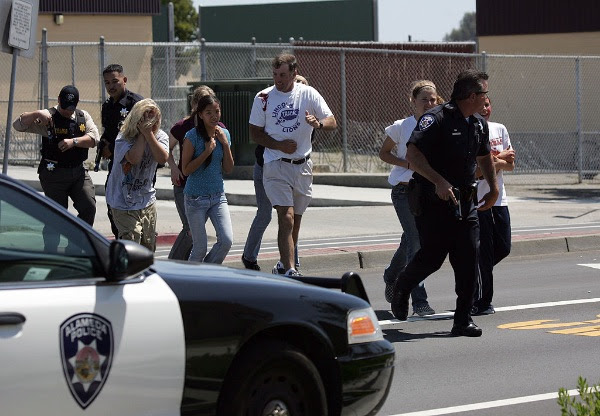
In 95% of schools, active-shooter drills are now a routine part of campus life. Here’s how states are trying to make them less traumatic. | The Trace
Sign-up for the School (in)Security newsletter.
Get the most critical news and information about students’ rights, safety and well-being delivered straight to your inbox.
A lawsuit against a Pennsylvania school district alleges educators failed to keep students safe after a 12-year-old girl was attacked by a classmate with a metal Stanley drinking cup. | NBC10
‘Inviting government overreach and abuse’: The Education Department was slapped with two lawsuits over new Public Service Loan Forgiveness rules that could bar student borrowers from the program who end up working for the president’s political opponents, including organizations that serve immigrant students and LGBTQ+ youth. | The Washington Post
ICYMI @The74
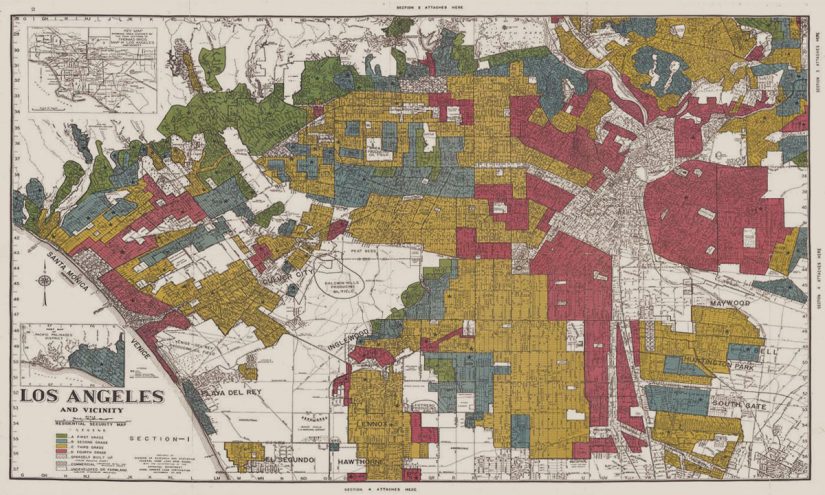
How LAUSD School Zones Perpetuate Educational Inequality, Ignoring ‘Redlining’ Past
Students Want Schools to Incorporate AI in Learning But Express Some Fears
LifeWise’s Big Red Bus Is Driving Thorny Questions about Church and State
Emotional Support
Matilda plots her escape.
Did you use this article in your work?
We’d love to hear how The 74’s reporting is helping educators, researchers, and policymakers. Tell us how