This is not simply a matter of past investments. It is part of an ongoing and highly influential political economy in which wealthy Democratic donors, private-equity executives, and education “reformers” operate as a unified class. Central to that class formation is The Vistria Group, a Chicago-based private-equity firm founded by Marty Nesbitt, a close friend of Barack Obama. Vistria stands at the intersection of Democratic power and education profiteering. After the collapse of scandal-ridden chains like Corinthian Colleges and ITT Tech, Vistria did not step in to dismantle the exploitative for-profit model. Instead, it strategically acquired distressed educational assets and reconstructed them into a new generation of institutions that presented themselves as “nonprofits” while maintaining tuition-driven, debt-laden business models. Former Obama administration officials moved seamlessly into Vistria and related firms, raising serious questions about regulatory capture and revolving-door governance.
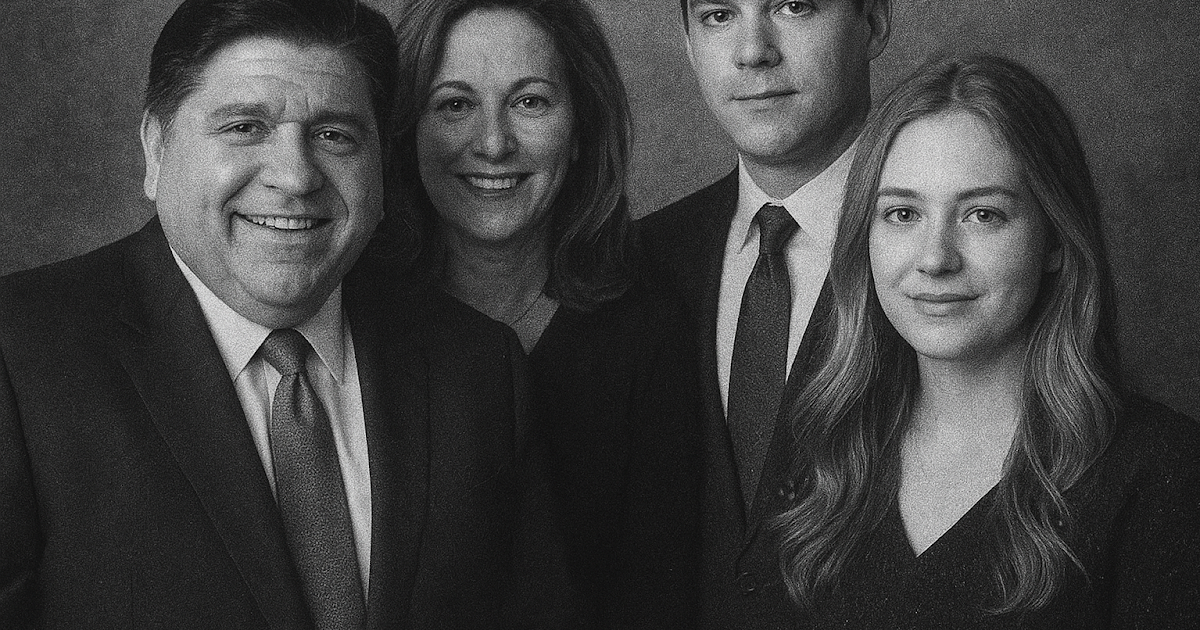
Pritzker moves within this same Chicago-centered network. His political donors, associates, and advisers overlap significantly with the circles that built Vistria’s ascent. The structural relationships matter more than any single investment. A Pritzker administration would not exist outside this ecosystem; it would be shaped by it. The question, therefore, is not whether Pritzker personally signed a for-profit acquisition deal but whether the political world that produced him can be trusted to regulate higher education fairly and aggressively. The answer, based on the last twenty years of policy and practice, is no.
This is especially troubling because presidents play a decisive role in higher-education oversight. Through the Department of Education, a president can strengthen or weaken borrower protections, set standards for nonprofit conversions, determine enforcement priorities, and decide whether private-equity extraction will be challenged or quietly accommodated. Millions of borrowers harmed by predatory institutions are currently awaiting relief through borrower defense, income-driven repayment audits, and Gainful Employment rules. The integrity of these processes depends on political leadership that is independent from the private-equity interests that helped create the crisis.
Pritzker’s political style—managerial, technocratic, deeply rooted in elite networks—suggests continuity rather than challenge. The neoliberal framework he embodies does not confront structural inequalities; it manages them. It does not dismantle extractive systems; it attempts to regulate their excesses while leaving their core intact. In higher education, this approach has already failed. It is the reason the for-profit sector was allowed to expand dramatically under both Republican and Democratic administrations. It is why private-equity firms continue to control large segments of the educational marketplace through complex ownership structures and shadow nonprofits. And it is why millions of borrowers remain trapped in debts for degrees that offered little or no economic return.
The Pritzker Paradox is therefore not a story about one wealthy governor. It is a story about the consolidation of political and economic power within a narrow elite that has profited handsomely from the financialization of education while promising, cycle after cycle, to reform the very problems it helped create. Vistria exemplifies this dynamic. The Pritzker family’s history echoes it. And a Pritzker presidency would likely entrench it further.
America needs leadership willing to challenge private-equity influence in higher education, not leadership bound to it. The country needs a president who understands education as a public good, not a marketplace. For borrowers, students, and communities harmed by decades of predatory practices, the stakes could not be higher. The choice before the nation is not simply whether Pritzker is preferable to Trump. It is whether the country will continue to entrust its public institutions to elites who speak the language of equity while advancing the interests of the very networks that undermined educational opportunity in the first place.
Sources
Public reporting on Pritzker family investments in for-profit and education-related sectors; investigations by the Senate HELP Committee, GAO, and CFPB; reporting on The Vistria Group’s acquisitions and nonprofit conversions; analyses of private-equity influence in U.S. higher education; academic literature on neoliberalism and elite capture.