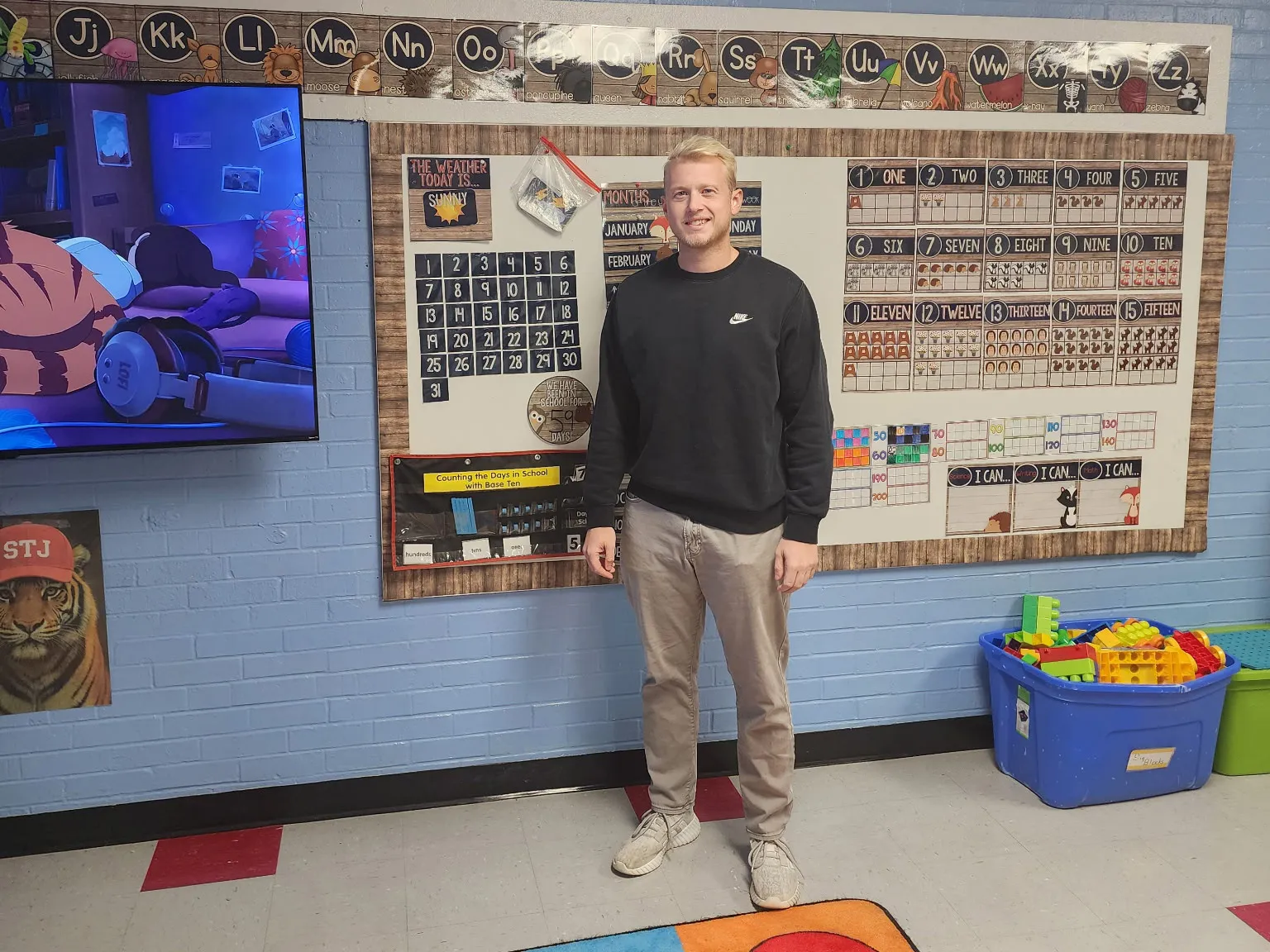
This blog was kindly authored by Ahmed Al-Athwari, PGCert Student and Academic Support Tutor employed at the London School of Science and Technology (LSST).
My name is Ahmed Al-Athwari. I was born in Yemen and raised amid hardship, eventually graduating from Sana’a University with a degree in Oceanography and Environmental Science.
My life changed dramatically in December 1999 when I was forced to flee Yemen. I found myself in a refugee camp in the Netherlands, starting from scratch in a new country, with a new culture and language. Rebuilding my life was not easy, but I succeeded, securing a job with the city council in Heerlen.
In 2012, family reasons brought me to the UK, and once more, I had to adapt to a different culture and environment, starting over.
While living in the Netherlands in 2006, I tried to enrol in an MSc programme. My application to the University was rejected due to limited experience in environmental issues and language requirements. I was advised to start with a BSc, but this application also failed because, at the time, the system didn’t allow students over 30 to access government loans. My dream of higher education, to fulfil the promise I made to myself and make my family in Yemen, and later my children, proud, never left me.
After moving to the UK, I continued my quest. In 2013, I visited Birmingham City University and contacted several higher education providers to explore MSc opportunities in Environmental Sustainability Engineering. In 2016, I finally received an offer. However, at the first meeting, my application was rejected again, citing the long gap since I completed my BSc in Yemen. That was the moment I almost gave up, truly believing the obstacles were insurmountable. It was a moment of certainty that the train had truly passed, and any hope that I would get a second chance to correct the course of my life, which circumstances beyond my control had diverted, vanished.
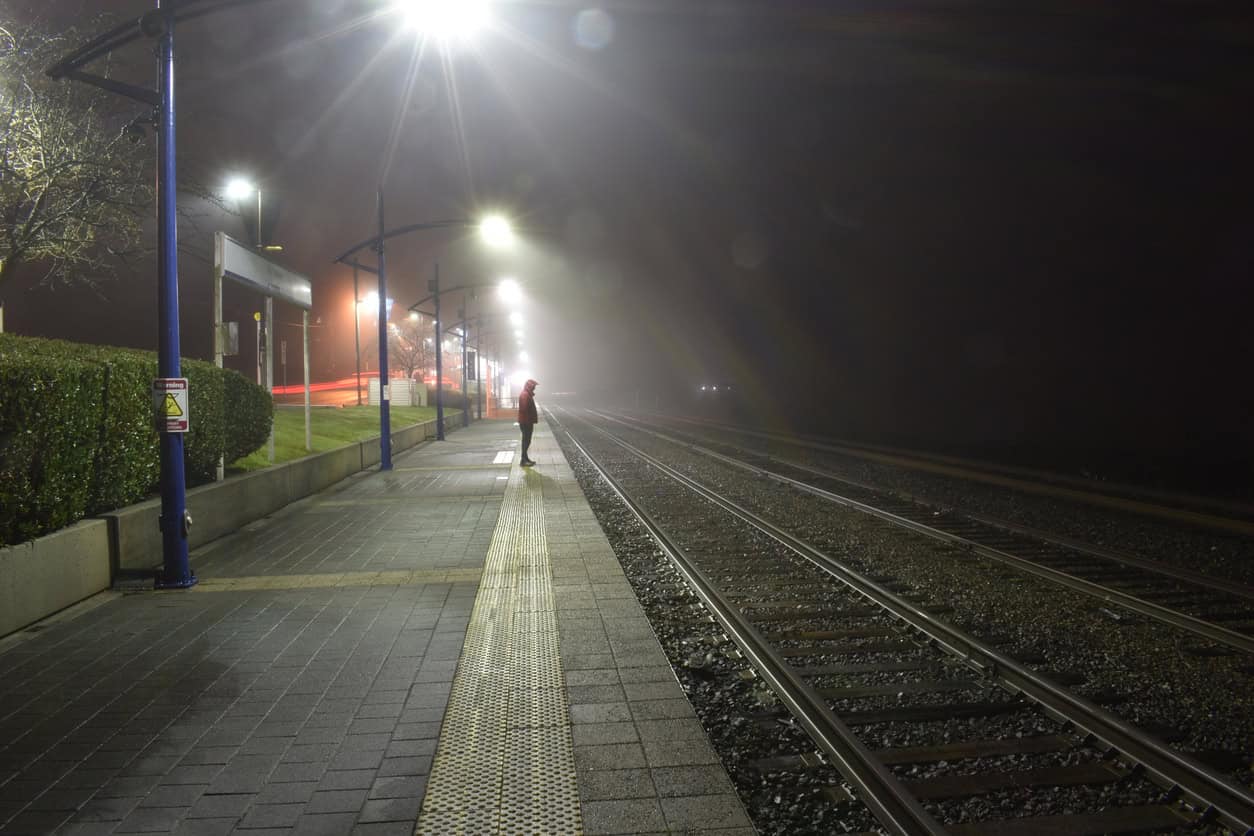
I still remember September 2019 vividly; I felt as if I were standing on a platform at dusk as the last train approached. My English was uncertain. I was an older student, grey-haired and full of doubt, wondering if it was too late to begin again.
Then, the London School of Science and Technology (LSST) opened the door. What changed everything was the opportunity to study through a franchised programme: Buckinghamshire New University (BNU) offered its degree through a partnership, with BNU as the lead provider and LSST as the local delivery partner. Had recent proposals to restrict franchising been in place, that pathway might not have existed. This highlights why policy matters. Franchised provision is often portrayed as a risk; however, my experience suggests the opposite. When a university designs a rigorous curriculum and assures academic quality, and a dedicated local partner delivers responsive support, the model can widen participation and deliver strong outcomes.
From the very first week, I felt seen. Study-skills sessions were strategic, showing me that progress is a process, not a miracle. I learned to draft summaries, write in focused bursts, and seek feedback early. By my second year, I could argue a point, speak without freezing, and write with purpose.
Returning to education later in life is not the same as going straight from school to university. It means entering a classroom after years away, carrying not just books but a whole life, work, bills, family, and responsibilities that don’t pause for a 9am seminar. I studied on buses, revised in corridors, and wrote essays between school drop-offs. Some weeks were woven from early mornings and late nights, as sleep was traded for progress.
Back in Yemen, the conflict that began in 1994 has only worsened. Family emergencies don’t wait for exam schedules. Calls come at difficult hours. News from home can drain your focus in an instant. In that context, studying is not just an academic pursuit; it is an act of hope.
I chose LSST because it offered access with ambition. The message was clear: if you are willing to work, we are eager to help. I was not looking for easy; I was looking for possible.
I was not seeking the prestige or amenities of a traditional campus. I needed a campus culture that understood mature students, commuters, and migrants, one that offered affordability, flexibility, and personalised support. Had regulation squeezed out providers like LSST, many students, especially those returning to education, would face far fewer choices.
The support at LSST was practical and visible, comprising one-to-one academic advice, workshops on academic skills, access to librarians and digital resources, quiet study spaces, and well-being support when life outside the classroom became overwhelming. Encouragement was not sentimental; it was momentum. Gradually, the platform’s feeling faded. I was no longer chasing the train; I was on it.
Through this route, I completed a BA (Hons) in Business Management with BNU via LSST, then progressed to an MSc in International Business Management at the University of West London. I am now completing a PGCert while preparing for my PhD. The habits I developed outlining, redrafting, critical reading, referencing did more than help me pass assignments; they sharpened my voice. The clarity that earned praise reflects a more profound truth: well-governed franchise partnerships can combine access with quality. The HEPI report “What Is Wrong with Franchise Provision?” explores perceived risks and argues for robust oversight, reporting, and governance to ensure these benefits are realised.
In 2023 I won first prize for an essay on the Metaverse, which was praised by the Tony Blair Institute for Global Change and CNN for its clarity and narrative flow. The essay competition was organised by LSST.
I often wonder what my journey would have looked like without LSST. Honestly, I might still be on that platform, promising myself “next term,” studying alone after long days, writing without a reader, working without a mentor. I would have continued caring and staying busy, but I missed the compound effect of structure, feedback, community, and belief. Franchised provision is not a loophole; it is a lifeline.
Later, I became a Student Ambassador and then a Students’ Union Coordinator, roles that helped new cohorts feel they belonged and allowed me to work with staff to improve the student experience. As an Academic Support, I help students turn feedback into meaningful change.
This pathway, from hesitant mature entrant to aspiring lecturer, was made possible by a policy environment that allowed universities to franchise degrees through trusted partners. Recent regulatory proposals risk painting those partnerships as inherently problematic. However, my experience suggests something different: the right approach is not to strangle the model, but to strengthen it, ensuring quality while maintaining open access.
If you are coming from a non-traditional route, returning after years away, balancing work or caring responsibilities, or studying across borders, know this: you do not need a perfect start. You need the right place, steady habits, and people who will back you.
Higher education policy should also consider this. If regulation makes it harder for providers like LSST to operate, the students who lose out will be those who most need a second chance. The focus should be on transparent quality assurance, risk-based oversight, and supportive partnerships between lead and delivery partners, not on discouraging the model altogether.
Studying at LSST not only gave me degrees; it gave me resilience, confidence, and the belief that nothing is easy, but everything is possible. With the encouragement of my former professors, now my colleagues, I am currently preparing to submit a doctoral proposal.
I began all this on a platform at dusk, afraid the last train would leave without me. It did not. I got on, learned the rhythm, and kept moving. Policy should keep that train running for others.