
Tag: Granted

  • UCL granted extra CAS numbers after exceeding allocation limit

    UCL granted extra CAS numbers after exceeding allocation limit

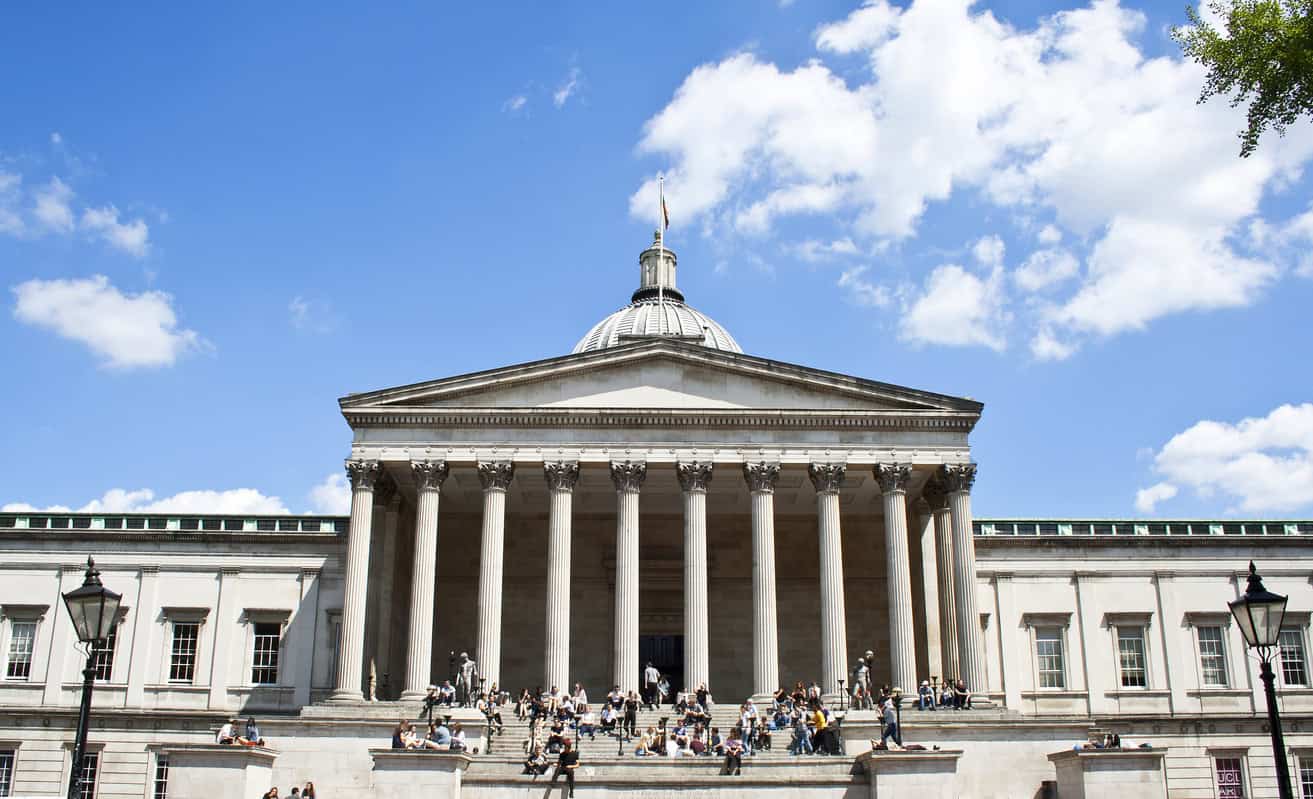
    Last week, The Guardian reported that hundreds of international students were contacted by UCL after the institution exceeded its allocation of Confirmations of Acceptance for Studies (CAS) – an electronic document issued by the Home Office and required for student visa applications.

    Students were told they would have to defer their studies to 2026, with many students fearing they’d be left out of pocket, having already spent significant funds on travel and accommodation.

    At the time, the university attributed the issue to an “extraordinary surge in demand”. This week, however, it has apologised for the disruption and assured affected international students that they can now begin their studies at UCL, following the allocation of additional CAS numbers.

    “We wholeheartedly apologise to all those who have been impacted by the recent uncertainty and we are incredibly grateful for their patience. Our teams are now working quickly to contact students directly with updates and support,” said a spokesperson for the university.

    “We also thank the Home Office for working swiftly to assist us in obtaining the additional CAS numbers we requested.”

    The university has offered to pay GBP £1,000 for students to make applications through UK Visa and Immigration’s ‘super priority service’.

    Our teams are now working quickly to contact students directly with updates and support
    UCL spokesperson

    Last week, UCL said it experienced “significantly more applications and acceptances of offers than anticipated” leading to it exceeding the number of CAS allocated by the Home Office. The university’s planning is based on historical data and expected trends, which take account of attrition rates and other factors, a spokesperson told The Guardian.

    UCL has a significant international student body – in 2024/5, the university had a total of 51,793 students, of which 52% were from overseas.

    The institution is expected to be one of the hardest hit institutions by the UK government’s proposed levy on higher education, which could see universities taxed on the income they make from international student fees.

    According to recent analysis from the Higher Education Policy Institute (HEPI), the greatest financial losses are expected to fall on major metropolitan universities with high proportions of international students. UCL – which derives 79% of its tuition fee income from non-UK students – could face losses of up to £42 million.
     

    Source link

  • Scientists Took Support “For Granted” Before Trump

    Scientists Took Support “For Granted” Before Trump

    Devastating cuts to U.S. science under Donald Trump’s presidency have been made possible by a pervasive complacency that scientific achievements will always be celebrated, a leading American Nobel Prize winner has said.

    Frances Arnold, who won the Nobel Prize in Chemistry in 2018 for her work on engineering enzymes, told an audience of young scientists in Germany that the “utter chaos” in U.S. politics of recent months, which has seen billions of dollars removed from scientific research, might be viewed in terms of a wider failure to communicate the value of scientific discovery.

    “Never take for granted that scientific achievement is celebrated—we took it for granted, and for far too long, and we are paying the price,” Arnold told the June 29 opening ceremony of the Lindau Nobel Laureate Meeting, an annual conference that brings together Nobel laureates and early-career researchers.

    “Instead of viewing science as the foundation of prosperity, as an investment in the future, it is being portrayed as a burden on taxpayers,” said Arnold, professor of chemical engineering at the California Institute of Technology.

    The Trump administration has so far canceled at least $10 billion in federal grants on the grounds that they contravene its anti-DEI agenda, but further unprecedented cuts are in the pipeline; under Trump’s so-called Big Beautiful Bill, the National Science Foundation’s budget will be cut by 57 percent, by $5 billion, while the National Institutes of Health will see its support slashed by 40 percent, or $18 billion.

    In an address given on behalf of 35 Nobelists attending the conference on the Swiss–Austrian border, Arnold said that this “concerted attack on the universities will drive many brilliant young scientists to Europe and other places,” adding, “I hope you will make the best use of this opportunity and give them a home.”

    On the need for more effective communication of science’s benefits, Arnold, who chaired former U.S. president Joe Biden’s presidential council on science and technology for four years, said she hoped other nations would “learn the lesson that we are learning the hard way—that it is so important to convey the joy of science, the joy of discovery and the benefits to our friends and neighbors outside the academic laboratory.”

    “They pay the bills but do not necessarily understand the benefits [of science]—it is up to us to explain that better.”

    Arnold’s comments about the likely U.S. brain drain were also picked up by Germany’s science minister, Dorothee Bar, who told the conference that her government would make funds available in its high-tech strategy, due to be launched shortly, to attract international researchers.

    “We are launching the One Thousand Minds Plus scheme to attract minds from across the world, including from the U.S.,” she said on the plans to divert some of the $589 billion technology and infrastructure stimulus plan toward recruiting global talent.

    Appealing directly to disaffected U.S. researchers, Bar said, “You are always welcome here in Germany.”

    Source link