
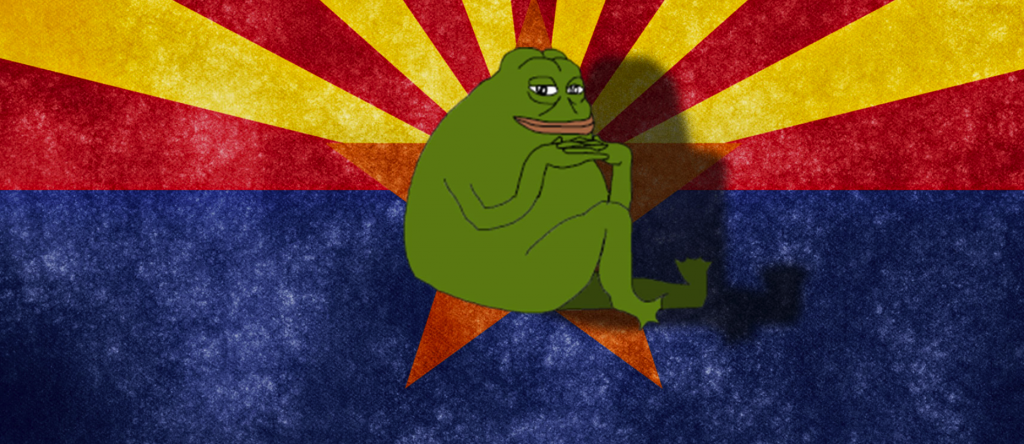
1. Transitional Vulnerability
First-year students often experience isolation, uncertainty, and identity formation. Groypers prey on this transitional moment by offering belonging, brotherhood, and contrarian confidence.
2. Political Vacuum
As universities retreat from serious civic education and as student affairs offices shrink under austerity, space opens for fringe networks to fill the ideological void.
3. Online Radicalization Pipelines
Groypers thrive in places like:
Telegram
X/Twitter
anonymous forums
niche livestream communities
Campus life becomes an extension of these networks, where online provocations evolve into real-world harassment or orchestrated spectacle.
4. Conservative Student Groups as Entry Points
Mainstream Republican or “free speech” groups are often targeted for infiltration. Groypers show up:
to push Q&A sessions into racist or antisemitic talking points,
to pressure student Republicans to shift further right,
to create rifts between libertarian, traditional conservative, and MAGA factions.
The strategy is division, not dialogue.
Common Groyper Tactics on Campus
1. Ambush Questioning
At public lectures or campus Republican events, Groypers coordinate to dominate Q&A sessions, posing racially charged or conspiratorial questions designed to go viral.
2. Online Harassment and Dogpiling
Students—often women, LGBTQ+ students, or activists—find themselves targeted with:
brigade attacks,
doxxing attempts,
edited clips taken out of context,
swarm-like intimidation.
3. Misery Farming
Groypers intentionally provoke negative reactions to harvest “proof” that campuses are hostile to conservatives. This content is then fed into national media pipelines.
4. Grooming and Recruitment
They seek out students who feel:
lonely
unsupported
resentful
ideologically adrift
economically anxious
A mix of dark humor, contrarian bravado, and “insider knowledge” becomes the grooming pathway.
The Institutional Problem: Campuses Are Not Prepared
Universities often misread these actors as:
“just trolls,”
“rowdy conservatives,”
“free speech activists.”
They’re not.
Groypers are engaged in ideological recruitment and targeted harassment that can escalate into threats, coordinated disruption, and offline violence. Yet institutions remain slow to respond because:
they lack digital literacy,
they fear backlash from right-wing media,
they outsource security and student affairs to PR firms,
administrators underestimate decentralized extremist networks.
Faculty—especially contingent or early-career academics—often feel unsupported or intimidated.
How Groypers Fit into the Larger Campus Crisis
The Groypers’ rise exposes deeper fractures:
neoliberal hollowing of the university
growing distrust in democratic institutions
political polarization fueled by billionaire-backed media
the decline of genuine civic education
surveillance capitalism and algorithmic radicalization
Campuses have become battlegrounds—not by accident, but because they sit at the intersection of youth, identity, technology, and national politics.
What Higher Education Must Do Now
Universities need to respond with clarity, not panic, and with structural solutions, not symbolic statements.
1. Treat Digital Extremism as Part of Student Safety
This means training staff, hiring specialists, and supporting targets of online harassment.
2. Reinvest in Human Infrastructure
Student Affairs, counseling centers, and campus journalism must be strengthened—not cut or replaced with outsourcing contracts.
3. Support Independent Investigative Student Journalism
Student reporters are often the first to detect radicalization trends—but only if their newsrooms are funded and protected.
4. Protect Academic Freedom Without Ceding Ground to Harassment
“Free speech” cannot be a shield for sustained intimidation campaigns.
5. Strengthen Civic Education Rooted in Truth and Inclusion
The real antidote to extremism is not censorship—it’s meaningful democratic literacy.
Seeing the Threat Clearly
Groypers are not the dominant force on campus. Most students reject their worldview. But they are a growing presence within a broader crisis where U.S. higher education lacks the stability, funding, and courage to defend its mission.
The real danger is not the meme or the mascot—it’s the vacuum that allows extremist networks to flourish.
The Higher Education Inquirer will continue monitoring this issue as the 2026 and 2028 election cycles approach, when radical groups often intensify campus recruitment and provocation.