Tag: guide

  • Getting Started: A Basic 10 Point Guide to Launching an Academic Career – Faculty Focus

    Getting Started: A Basic 10 Point Guide to Launching an Academic Career – Faculty Focus

    Source link

  • A Guide to Video Marketing for Schools

    A Guide to Video Marketing for Schools

    Reading Time: 11 minutes

    With video consumption accounting for nearly 83% of global internet traffic and popular platforms like Instagram, YouTube, TikTok, and Facebook prioritizing video content, video marketing has become indispensable for educational institutions aiming to boost visibility and enrollment. 

    To stay competitive in today’s market, you’ll need to harness the potential of video advertising effectively. This comprehensive guide explores the power of video marketing for schools, the types of video content that work best for student recruitment, strategies for success, and solutions to common challenges.

    Struggling to stand out in a crowded market?

    Boost Enrollment with Engaging Short Videos

    The Power of Video Ads

    Video ads have revolutionized student recruitment strategies. With the average attention span of viewers shrinking to just eight seconds, video offers a uniquely engaging way to capture attention and convey key messages. 

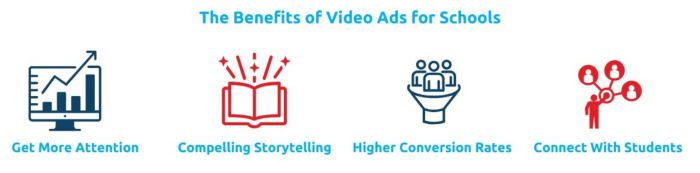
    Prospective students, especially from Generation Z, respond favorably to videos that are authentic, visually appealing, and emotionally resonant. Institutions that embrace this medium can benefit in several ways.

    HEM Image 2HEM Image 2

    Source: HEM

    Are you ready to start seeing the benefits of video marketing for schools in your strategy? Reach out to learn about our short-form video services

    The Rise of Video Content

    The prevalence of mobile devices has played a crucial role in video’s dominance. Roughly 75% of video consumption now takes place on smartphones, which means that optimizing video content for mobile viewing is no longer optional. 

    How can you ensure that your videos perform well on mobile devices? Optimize videos for vertical viewing on social media stories, reels, and TikTok where many of your prospects spend time each day. 

    Videos resonate because they combine auditory and visual stimuli, making it easier to communicate complex ideas quickly. From showcasing campus life to highlighting academic achievements, videos allow your institution to tell compelling stories that resonate with viewers on an emotional level.

    Video is also uniquely positioned to address the challenge of dwindling attention spans. Short, visually rich content quickly captures the viewer’s interest and sustains it by combining engaging visuals with concise messaging. 

    Platforms such as TikTok, with its bite-sized, highly engaging format, demonstrate the power of video to connect with younger audiences effectively. On platforms like YouTube, longer-form videos offer opportunities to dive deeper into campus life, academic programs, or institutional values.

    Engagement metrics further underscore the importance of video. Social media algorithms prioritize video content, leading to higher visibility and better engagement rates. 

    Studies consistently show that video posts receive significantly more likes, shares, and comments than static posts. This increased interaction enhances the institution’s online presence and builds a stronger connection with potential students by inviting them to engage directly with the content.

    Finally, video content creates a multisensory experience that helps prospective students visualize themselves at the institution. When students see themselves participating in activities, walking the campus, or enjoying the community, they are more likely to form an emotional connection that influences their decision-making process. 

    Example: Here, UC Berkeley shares a short, interesting interview-styled video, optimized for vertical video apps. When choosing a video format and editing your video, be sure to keep your viewer’s short attention span in mind.

    @ucberkeley What do students from around the world know about UC Berkeley? 🐻🌎 #berkeley #ucberkeley #studyabroad #bayarea #publicinterview ♬ original sound – UC Berkeley

    Source: UC Berkeley | TikTok

    Types of Video Ads for Student Recruitment

    To fully leverage video advertising, it’s important to understand the different types of videos that resonate with your audience. Each type serves a unique purpose, allowing schools to communicate effectively across various platforms.  

    Hype Promo Videos

    Hype promo videos are ideal for generating excitement around major announcements, such as launching a new program or an upcoming campus event. These high-energy videos grab attention with dynamic visuals and captivating music, making them perfect for social media platforms where scrolling speeds are fast. 

    While shorter clips work well for platforms like Instagram and TikTok, longer versions can be hosted on the institution’s website or YouTube channel to provide a more comprehensive overview.

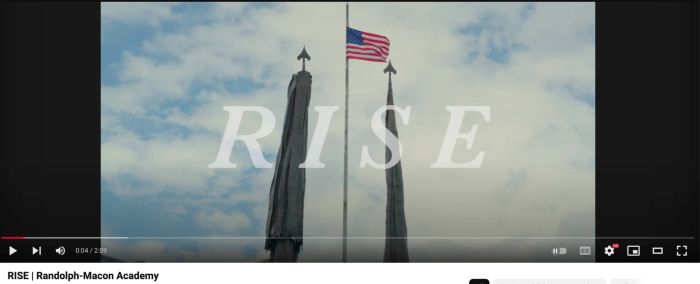
    Example: Randolph-Macon Academy uses high-quality footage, eye-catching editing, and epic music to tell a compelling story about the student life experience they offer. Hype promo videos are an excellent avenue for visual storytelling.

    HEM Image 4HEM Image 4

    Source: Randolph – Macon Academy | YouTube

    User-Generated Content

    User-generated content (UGC) is a game-changer for student recruitment. Content created by current students, alumni, or ambassadors exudes authenticity, which prospective students highly value. 

    Whether it’s a student documenting their day on campus or an alumnus sharing their career journey, UGC builds trust and fosters a sense of relatability. Institutions can encourage student participation by offering incentives like branded merchandise or featuring contributors prominently on official channels.

    Example: This UGC video from Cumberland College is authentic and appeals to the desires of a specific Gen-Z audience particularly as the popularity of online careers grows. Throughout your UGC campaign, be sure to focus on highlighting genuine experiences to differentiate the content from a traditional ad.

    @cumberlandcollegebc ✨ Want to give your career a boost? ✨ Our Digital Marketing diploma program will give you the chance to develop the digital skills you need to thrive in today’s business world! 👉👉 $12,000 in financial aid with the new Valued Skills Bursary available when you study online or at our Surrey campus! #DigitalMarketing #Surrey #BC #OnlineLearning #CumberlandCollege ♬ original sound – Cumberland College

    Source: Cumberland College

    DIY Video Tips

    Limited budgets should never deter institutions from producing impactful video content. If you’re wondering how to create video ads on a limited budget, look no further than a modern smartphone. Capable of capturing high-quality footage, you can create professional-looking videos without expensive equipment.

    Simple strategies like natural lighting, stabilizing the camera, and adding subtitles can elevate production quality. Starting small with test videos allows for refinement over time, paving the way for a more robust video marketing strategy.

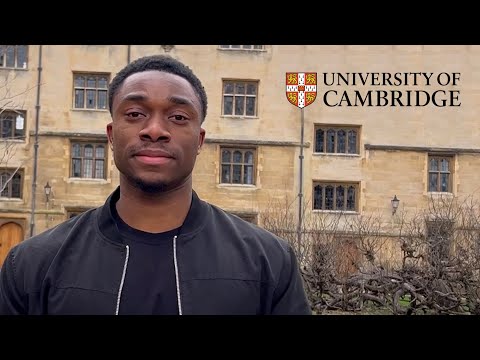
    Example: Video marketing for schools doesn’t always have to involve highly produced footage. As long as the quality isn’t compromised, and the results are just as engaging, all you really need to get started is a modern smartphone with a decent camera and some creative ideas. Video marketing is heavily trend-driven, particularly on platforms where short-form videos are popular. For your DIY videos, do preliminary research, taking note of the trends that viewers are responding to.

    YouTube videoYouTube video

    Source: Cambridge University | YouTube

    Strategies for Effective Video Content

    Creating effective video ads requires more than just compelling visuals. Institutions must adopt a strategic approach to ensure their content aligns with their goals and resonates with their target audience.

    Focus on Quality Over Quantity

    Every video should reflect the institution’s values, strengths, and mission. To ensure consistently high-quality video content, schools can implement several strategies. 

    First, create clear production guidelines that include lighting, sound, and framing recommendations. These guidelines can help amateur creators, such as students contributing user-generated content, maintain a professional standard.

    When relying on user-generated content (UGC), provide participants basic training or tip sheets on capturing footage. Encourage contributors to use stable tripods, proper lighting, and minimal background noise to enhance video clarity. Offering editing support or simple tools to enhance UGC—such as branded filters or overlays—ensures that the final product aligns with the institution’s brand identity.

    Consistency in quality also comes from pre-production planning. For example, institutions can create storyboards or scripts for key content themes, ensuring each video maintains a cohesive narrative. Review processes are equally critical; assigning a designated team or individual to review and approve content before publication allows schools to catch inconsistencies and errors early.

    Investing in scalable tools, such as video editing software or mobile apps, allows schools to polish videos before posting. Paired with these efforts, periodic feedback sessions with creators can help refine content over time. A single high-quality video can generate more engagement and drive more conversions than a series of poorly produced clips.

    Segment Videos by Topic

    Educational institutions cater to diverse audiences, each with unique interests and priorities. By creating topic-specific videos, schools can address these varying needs effectively. For instance, one video might highlight academic programs, while another focuses on student life or campus facilities. 

    This segmentation ensures prospective students receive information tailored to their interests, enhancing engagement and encouraging further exploration.

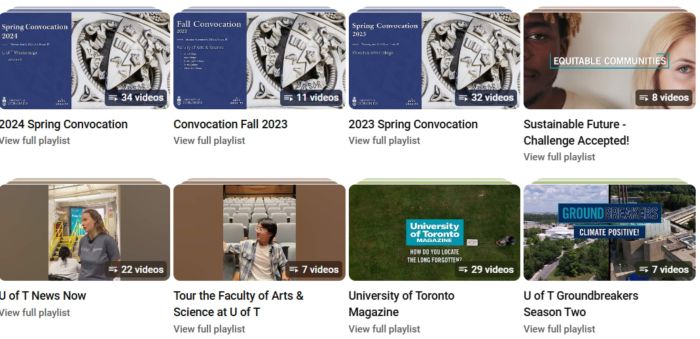
    Example: Organize your videos into playlists to make it easier for viewers to find what they’re looking for as the University of Toronto did on their YouTube page in the image below.

    HEM Image 7HEM Image 7

    Source: University of Toronto

    Showcase Real Success Stories

    Nothing resonates more deeply than genuine success stories. Featuring interviews with current students, alumni, or faculty members allows institutions to highlight real-world outcomes and the impact of their programs. 

    These narratives provide relatable insights that prospective students can envision for themselves, making the institution’s offerings more tangible and aspirational.

    To create compelling success story videos, schools should start by identifying standout students or alumni whose journeys reflect the institution’s values and strengths. 

    Conduct interviews in visually appealing settings, such as iconic campus locations, to give viewers a sense of place. Incorporate diverse voices and experiences to ensure the stories resonate with a wide audience.

    Actionable strategies include integrating authentic visuals, such as clips of the featured individual participating in classes, engaging in extracurricular activities, or achieving milestones in their careers. Pair these visuals with concise, heartfelt narratives that emphasize personal growth and accomplishments.

    For consistency and quality, schools can create a structured framework for storytelling. This might include opening with a brief introduction, highlighting the challenges or goals the individual faced, and concluding with their achievements and future aspirations. Encourage participants to speak naturally, as unscripted moments often feel more genuine and relatable.

    Additionally, amplify the impact of these stories by embedding them into broader marketing campaigns. Share snippets on social media, include them in email outreach, or feature them prominently on the institution’s website. This multi-channel approach ensures that success stories reach prospective students at various touchpoints, enhancing their overall effectiveness.

    Boost Engagement with CTAs

    Every video should include a clear and compelling Call-To-Action (CTA). CTAs are the bridge between engagement and action, guiding viewers to take the next step in their journey with the institution. To craft effective CTAs, schools should focus on clarity and relevance. For instance, a video showcasing campus life might end with an invitation to “Book a Campus Tour,” while a testimonial video could encourage viewers to “Apply Today and Start Your Journey.”

    The placement and timing of CTAs are equally important. CTAs placed at the end of a video often drive action most effectively, as viewers are already immersed in the content. However, mid-video CTAs can also be used strategically in longer videos to re-engage audiences who may drop off before the end. Interactive elements like clickable links or embedded forms can make CTAs even more effective by reducing friction for viewers.

    Customization of CTAs based on the platform is another key strategy. On YouTube, a CTA might take the form of a video overlay or end screen, while Instagram could use stickers or swipe-up features. These platform-specific approaches ensure that the CTA feels natural and intuitive to the viewer.

    Finally, measuring the success of CTAs is critical. Schools can track metrics such as click-through rates, conversions, and engagement to refine their approach over time. A/B testing different CTA phrasing or formats can also provide valuable insights into what resonates most with prospective students. With these strategies in place, CTAs can transform passive viewership into active interest and tangible results.

    Overcoming Challenges in Video Marketing

    Despite its benefits, video marketing comes with its own set of challenges. Educational institutions must address these hurdles to maximize the impact of their campaigns.

    Privacy and Legal Compliance

    Privacy concerns are paramount when creating promotional content involving students. Institutions should implement consent forms and adhere to relevant regulations to ensure that all video materials comply with legal requirements. Transparency in this process not only safeguards the institution but also builds trust with stakeholders.

    Maintaining Brand Cohesion

    Consistency is key to building a strong brand identity. To achieve this, schools should develop a brand style guide that outlines visual and messaging standards for all video content. This ensures that every video aligns with the institution’s overall branding, reinforcing recognition and credibility.

    Generating Fresh Content

    Keeping content fresh and engaging can be a challenge, especially for institutions with limited resources. One solution is to develop themes or “content buckets,” such as academic achievements, campus events, or faculty highlights. This approach provides a structured framework for content creation, making it easier to maintain a steady flow of new material.

    Leveraging Stock Footage

    For institutions with constrained budgets, stock footage offers a cost-effective alternative to original video production. By customizing stock footage with branded elements like logos or text overlays, schools can create visually appealing content that feels authentic and aligned with their messaging.

    Enhancing Impact with Professional Elements

    While authenticity is critical, incorporating professional touches can elevate video quality and make content more impactful. Techniques like using green screens, investing in studio settings, and optimizing videos for mobile viewing can significantly enhance production value. 

    Additionally, tailoring content for specific platforms—such as LinkedIn for professional audiences or Instagram for visual storytelling—ensures maximum reach and engagement.

    Building Trust Through Authenticity

    Authenticity is the cornerstone of effective video marketing. Overly polished advertisements can sometimes feel impersonal, while genuine, unscripted content fosters emotional connections. 

    Videos that highlight real student experiences, showcase unfiltered moments, or provide behind-the-scenes glimpses into campus life resonate deeply with prospective students, making them more likely to consider the institution.

    Cost-Effectiveness and ROI

    Video marketing doesn’t have to break the bank. User-generated content, in particular, offers a highly cost-effective way to create engaging videos. Encouraging students and alumni to contribute content not only reduces production costs but also enhances relatability. 

    When paired with strong CTAs, video ads often outperform other formats in generating conversions, making them a high-ROI investment for student recruitment campaigns.

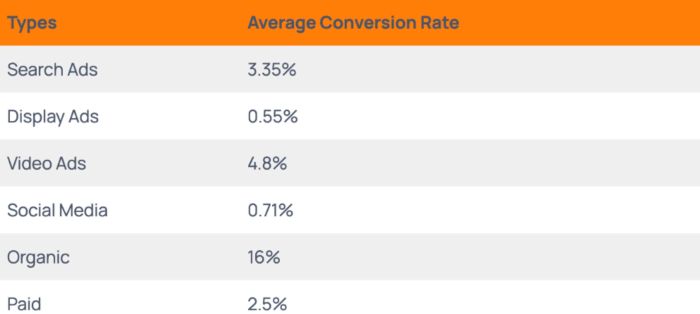
    Example: Pictured below are the average conversion rates of various traffic sources. Second only to organic traffic (referring to visitors that complete a desired action after finding your institution through unpaid search results), video marketing boasts a high 4.8% conversion rate making it a worthy investment.

    HEM Image 8HEM Image 8

    Source: Business Dasher

    In review, what are the best video marketing strategies for schools? Creating effective video ads requires you to go beyond compelling visuals. Schools need to adopt a strategic approach to ensure their content aligns with their goals and resonates with their target audience. 

    This includes focusing on quality over quantity by creating visually appealing and professional videos that reflect the institution’s values. Schools should also segment their video content by topic to cater to the diverse interests of their prospective students, ensuring each video delivers targeted and relevant information.

    Leveraging real success stories is another impactful strategy, as these narratives provide relatable and aspirational insights. Institutions should also craft clear and engaging calls-to-action (CTAs) that guide viewers toward the desired next steps, such as applying or signing up for a campus tour. 

    Ensuring consistency in quality, brand cohesion, and authenticity while addressing privacy concerns and optimizing for platform-specific formats will further enhance the effectiveness of video ads. By combining these strategies, you can create videos that capture attention and drive meaningful engagement and conversions.

    Video ads are transforming digital marketing strategies for schools. Embracing this powerful medium can significantly amplify your reach, foster emotional connections, and drive enrollment. From leveraging user-generated content to creating high-quality promotional videos, the strategies outlined in this guide provide a roadmap for success. 

    Don’t get left behind as marketing trends evolve. Institutions that prioritize video marketing will be better positioned to connect with the next generation of students and thrive in an increasingly competitive landscape. The time to invest in video ads is now and we can help you get started.

    Struggling to stand out in a crowded market?

    Boost Enrollment with Engaging Short Videos

    Frequently Asked Questions

    Question: How to create video ads on a limited budget?

    Answer: Look no further than a modern smartphone. Capable of capturing high-quality footage, you can create professional-looking videos without expensive equipment. Simple strategies like using natural lighting, stabilizing the camera, and adding subtitles can elevate production quality.

    Question: What are the best video marketing strategies for schools?

    Answer: Creating effective video ads requires you to go beyond compelling visuals. Schools need to adopt a strategic approach to ensure their content aligns with their goals and resonates with their target audience.


    Source link

  • The essential guide to sources of university funding for international students

    The essential guide to sources of university funding for international students

    January 7th, 2025 by IEFA

    How do students secure funding for their university education and support their academic journey? Students can access funding through government grants, private donations, scholarships, and research grants. This article explores these sources of university funding to help students understand how they can sustain their educational pursuits and receive financial aid.

    Financial aid for students

    Financial aid bridges the gap between what students can afford and the actual cost of education. As educational expenses rise, this support becomes indispensable. It can come from government funding, private loans, and university-specific funds.

    In the U.S., federal student aid significantly helps domestic students with educational costs. Private loans and scholarships also offer substantial support, particularly for those ineligible for federal aid – such as international students. Colleges and universities often have their own financial aid packages to meet the needs of their students.

    Federal student aid (U.S. students only)

    Federal student aid is for U.S. students, covering grants, loans and work-study programs. Accessing these funds requires completing the Free Application for Federal Student Aid (FAFSA) form, which determines eligibility. This comprehensive aid package includes Pell Grants, federal loans, and work-study opportunities provided by the federal government.

    Private loans and scholarships

    When federal aid is insufficient or unavailable (e.g. for international students), private loans can cover educational costs. However, unlike grants and scholarships, private loans must be repaid with interest, so students should carefully consider their borrowing options.

    Conversely, scholarships offer a debt-free way to finance education. Often based on need or merit, they do not need to be repaid and can significantly reduce the cost of attending college.

    Institutional financial aid

    Colleges and universities can also provide significant financial aid. Institutional financial aid includes grants, scholarships, loans, and work-study programs tailored to students. This aid is often more flexible and can be customized to address unique financial situations.

    Many universities allocate specific funds within academic departments to support international students, recognizing their unique challenges. These funds often include special scholarships and grants to make higher education more accessible to students from abroad.

    International student funding

    For international students, finding the right funding sources is essential to cover tuition and living expenses while studying abroad. Various avenues, such as scholarships, financial aid programs, and university-specific funds, are available to alleviate the financial burden.

    Scholarships specifically for international students can significantly reduce the cost of education, making it more accessible to talented individuals globally. Additionally, international financial aid programs provide grants and loans to eligible students, ensuring they have the support needed to succeed.

    Many universities offer specific funds and grants tailored to assist international students in their academic pursuits. These resources are vital for helping students manage the financial challenges of studying abroad.

    Scholarships for international students

    Merit-based scholarships are significant for international students, awarded for exceptional abilities in academics, arts or athletics. These scholarships provide financial support and recognize students’ talents and achievements.

    Scholarships can be crucial for international students, making higher education more accessible and less financially burdensome.

    International financial aid programs

    International students often face unique challenges in securing financial aid, particularly in the U.S. Many financial aid options are primarily allocated to graduate studies, making it harder for undergraduate international students to access necessary funds.

    To navigate these challenges, international students should check with their financial aid offices and explore the range of aid options available. These offices can provide valuable guidance and support in identifying suitable financial aid programs.

    University-specific funds for international students

    Many universities offer specific programs and scholarships to support international students and some, like Harvard University, treat all students equally regardless of nationality or citizenship when dealing with financial aid.

    University-specific funds and grants help international students cover tuition and living expenses, ensuring students can fully focus on their studies.

    What we’ve learned about university funding sources

    Successfully funding your higher education requires a thorough understanding of the various funding sources available. From federal student aid to private loans, scholarships and institutional financial aid, students have multiple options to explore. For international students, specific scholarships, financial aid programs, and university-specific funds play an important role in making education accessible.

    Frequently Asked Questions

    What is federal student aid and how can I apply for it?

    Federal student aid is funding from the U.S. government to help U.S. students pay for college. U.S. students must fill out the FAFSA form to apply.

    Are there scholarships available specifically for international students?

    There are tons of scholarships out there specifically for international students. It’s definitely worth looking into!

    How can international students find financial aid programs?

    You can find financial aid programs by checking with your university’s financial aid office for scholarships and specific funds available for international students. They usually have a bunch of resources to help you out.


    Source link

  • College Students Guide to Mental Health (ABC News)

    College Students Guide to Mental Health (ABC News)

    According to the Substance Abuse and Mental Health Services Administration, nearly one in three young adults 18 to 25 have experienced a mental illness. Psychologist Mia Nosanow joins “GMA” for more.

    Source link

  • It’s the higher education Christmas movie and TV guide

    It’s the higher education Christmas movie and TV guide

    There’s nothing on the telly this Christmas.

    There never is. Unless you’re searching for some hidden nuance in repeats of The Chase.

    But if, like me, you have trouble switching off from work but also enjoy being slumped in front of the box with a tub of Quality Street, I have good news.

    I’ve picked out ten films and TV shows released this year that either have something to say about higher education, are set on campus and/or depict contemporary student life.

    You’ll laugh, you’ll cry, you’ll shell out for a VPN, you’ll get frustrated by torrent ratios, and you’ll almost certainly switch off, which is what the break is for – eventually.

    It really was slim pickings this year from a UK perspective. Everyone talks a lot about how universities are portrayed “in the media”, but I think they mean on Newsnight or in the Telegraph. The sector will probably win more hearts and minds on Netflix, if anyone knows anyone that might be able to help.

    Before you take to the comments, I’ve not put in books or podcasts. I do enough reading in this job, and I edit ours, so my appetite for either is fairly thin – but do pop suggestions below if there are any.

    You’re welcome – and apologies in advance if you’re at work over the next couple of weeks.

    If having worked in or around the sector you’ve not quite had your fill of toxic and manipulative relationships this year, the second season of Tell Me Lies is a good bet. Filmed largely on the picturesque campus of Agnes Scott College in Georgia, we’re whisked into a world of 2008 fashions, messy frat parties, tense dorm room interactions and academics’ office hours – all used to illustrate how central character Lucy Albright’s university experiences shaped her later life. It’s all a bit soapy, but the deep discomfort at having to hang out with your exes that campus life can require is very well played.

    There are more depictions of dorm life in Sweethearts, a romantic comedy whose set-up centres on two friends breaking up with their girlfriends from home over a holiday weekend. It’s all a bit loaded lads retro – flying urine and a flaccid full-frontal give you a sense of the tone here – but treat it like gazing out of the window on a train, and you’ll take in some lovely interior scenes from Ramapo College in Mahwah, and some lush exterior shots from the Vermont College of Fine Arts.

    This is a low-budget “feminist horror thriller” that follows a fraternity pledge who, during a brutal hazing ritual, is pressured to lose his virginity by leading a drugged girl upstairs at a party – something that has unexpected and increasingly disturbing consequences. It’s cleverly filmed, there’s a cracking soundtrack and it’s comically gruesome – until you remember that without the blood and gore of act three, it’s depicting an unsettlingly common scenario.

    Yôji Minamimaru, the central character of Land of Tanabata, navigates all the typical challenges of being a student – academic life, social relationships, self-discovery, and a supernatural ability to create small holes in objects, something he shows off as the President of the New Skills Development Research Society. It’s an unlikely hook for a series, and the murder (of a professor) mystery that ensues is a struggle to stick with in this manga adaptation.

    Two old friends enroll in an adult university, looking for adventure, love and fun. What could go wrong? Quite a lot, it seems, in this Dominican go at mature student life that drags up some particularly dated caricatures of women and LGBT+ people. I got about 15 minutes in before I was tired of the buffering.

    What do you fancy watching. A drama? A rom-com? A thriller? An overdone Indonesian horror film based on a viral Twitter thread from 2016? On the assumption that it’s the latter, Dosen Ghaib: Sudah Malam atau Sudah Tahu (The Ghost Lecturer: Is It Night Already or Do You Already Know) follows four university students who fail the year and are required to enrol onto a catch-up module over the holiday, who pitch up only to get a message that the lecturer can’t make it – so who is the person already in the room? For clarity, it’s a murdery ghost man, not one of his PhD students.

    You might remember a story from 2023 that involved an academic specialising in the social impacts of climate change avoiding air travel to minimise his carbon footprint – only to get sacked for doing so. The Researcher chronicles Gianluca Grimalda’s 40-day journey via trains, buses, and ships to reach his research site in Papua New Guinea. Maybe he was sacked for not using Key Travel to book it all.

    Decades on from the end of apartheid, Afrikaans media is only just starting to break away from its historically conservative roots. Wyfie – opening up conversations about rape, sexuality and politics – caused quite a stir when it appeared in 2023, and this year’s second season of the show, about four mismatched university roommates at a womens’ residence at the fictional Eike University, takes things up a notch. It’s especially fascinating for the insights into university life – first-year initiation ceremonies, cheating on a test to maintain academic standing and a mother-and-daughter tea event all make it in, as does a whole bunch of drama over an annual photo of those in the halls. It’s especially good on both portraying and dramatising that “you befriend people that aren’t like you” cliche.

    If all of these sensitive and revealing portrayals of student life are a bit woke for your liking, and you’ve never got around to reading The Coddling of the American Mind, you’ll be pleased to learn that you watch it now instead. The central conceit of the Lukianoff and Haidt viral article-cum-bestseller gains some visuals, voxpops and dramatic music here – but decent evidence for their claims, which to these eyes and ears is age-old generational indignation dressed up as science – is still in short supply. That said, the idea that pervasive racism, sexism, homophobia and transphobia are merely bad ideas that a good debate will solve is at least in the solid tradition of Christmas TV escapism.

    This is set in Kota, Rajasthan – a city known as a hothousing hub for coaching centers that prepare students for India’s highly competitive IIT-JEE entrance exams. Back for a darker yet compelling third season this year, there’s plenty to learn here about the coaching system’s human impact as the focus shifts a little to draw in the coaches themselves and the choices made between the gifted students and everyone else. If there’s a fault with it, it’s the season ending – a crowbarred bit of plotting presumably designed to hang out the prospect of a fourth run.

    Admissions were quite a big story in the US in 2023 – the supreme court banned the use of affirmative action policies that had been in place for decades – and Bad Genius plays into the slipstream by overlaying some higher education race politics to a remake of a Thai blockbuster from 2017. The plot centres around a clever student who helps her friends cheat on their entrance exams to reflect the struggles of first-generation Americans pressured to support their immigrant families. If you’re a fan of the original you’ll be wondering why they bothered – but given you’ve not seen the original, this is a fun way to while away an afternoon if you’re into watching the underdog poor outmaneuvering the rich.

    Finally, (and no I’m not including One Day), I won’t have a word said against Big Boys, which had a criminally under-celebrated season 2 this year. The search for student housing, mental health, student sex work and plenty of students’ union activity all feature at Brent University, where Jack and Danny’s decidedly uncool struggles with the second year manage to be both laugh-out loud funny, heart-wrenching and revealing often all in the same scene. Set somewhere near Watford (and filmed largely on the Harrow campus of the University of Westminster), it’s the polar opposite of glamorous, and all the better for it.

    Source link

  • Best Project Guide for uttaranchal university projects

    Best Project Guide for uttaranchal university projects

    MBA Project Guide provides complete project guidance and MBA Project Reports for Logistics & Supply Chain Management, Business Analytics, Digital Marketing, Banking, and Finance. This includes assistance with the project synopsis, internship reports, viva support, and guidance until the project is accepted in accordance with the university guidelines.

    Source link

  • » The international student’s guide to American holidays and traditions

    » The international student’s guide to American holidays and traditions

    Holidays and traditions vary across the globe, from hemisphere differences to religious, cultural and historical observances.   

    In this article, we look at American holidays and traditions that may impact international students studying in the U.S.  

    The American holidays cycle

    The American holiday system is slightly different from the rest of the world. Most people in the U.S. reserve the term “holidays” for the Christmas period, using terms such as “break” or “vacation” to describe the other days and observances when schools and businesses are closed.

    Many states observe their own special dates, traditions and observances. California, for example, marks César Chávez Day on March 31; Floridians celebrate the state’s 1512 discovery every April 2; and Texas observes its very own April 21 independence day. However, all recognize the U.S. federal holidays. So holidays and observances may vary depending on which state you’re studying in. 

    Not all holidays fall on the same date every year. For example, Independence Day is celebrated annually on July Fourth, the day the U.S. signed the Declaration of Independence in 1776. But Thanksgiving – another important U.S. federal holiday – is observed on the fourth Thursday of November. 

    Federal holidays

    There are 11 recognized federal holidays in the U.S. and a 12th every four years following a presidential election. These cover traditional holidays celebrated across much of the globe, including New Year’s Day and Christmas, as well as unique American observances, such as Memorial Day and Labor Day.

    Here’s a list of federal holidays, along with their dates and a brief description of each.

    1. New Year’s Day – January 1: The first day of the year, celebrated around the world.
    2. Martin Luther King, Jr. Day – The third Monday of January: Celebrates the birthday of the iconic civil rights leader.
    3. Inauguration Day – Once every four years on January 20: Follows the November presidential election to swear in the president of the United States.
    4. Washington’s Birthday – Each third Monday of February: Marks the birthday of the first U.S. president, George Washington.
    5. Memorial Day – The last Monday every May: Commemorates the members of America’s armed forces who have lost their lives in service to their country.
    6. Juneteenth National Independence Day – June 19: A relatively new federal holiday (since 2021) to commemorate the end of slavery in the United States.
    7. Independence Day – July 4: Observes the ratification of the Declaration of Independence in 1776, officially establishing the United States of America. An important date in American culture. 
    8. Labor DayThe first Monday in September: Recognizes the U.S. labor movement and celebrates the achievements and contributions of workers in the United States. 
    9. Columbus Day – The second Monday in October: Marks the anniversary of Christopher Columbus’s arrival in the Americas. Some groups do not recognize this holiday or instead observe the day as Indigenous People’s Day
    10. Veterans Day – November 11: Honors the military veterans of the United States Armed Forces (also observed in most Western countries as Armistice or Remembrance Day).
    11. Thanksgiving Day – The fourth Thursday in November: A U.S. holiday where families and friends come together – usually over a large, home-cooked meal – to give thanks for the good things in life. 
    12. Christmas Day – December 25: Celebrates the birth of Jesus Christ and is widely celebrated.

    Many people don’t have to work on national holidays, and schools are often closed if the holiday falls during the academic term. 

    Unofficial American holidays and observances

    In some states and cities, Americans observe non federal holidays or traditional, religious and even political dates. These can vary significantly from state to state. The government doesn’t officially recognize these as days where businesses and schools are closed.

    Religious observances

    The U.S. values the right to celebrate religious observances without fear or prejudice. It’s not uncommon to see many different religious and cultural activities across the nation. 

    • Eid al-Fitr – Marks the end of the holy Muslim month of Ramadan. Eid, as this day is often called, generally falls on a different date each year.
    • Diwali – Usually falls between October and November and lasts for five days. This Hindu festival of lights is a popular observance among Indian Americans.  
    • Yom Kippur – The Jewish holiday often occurs during September and October and is seen as Judaism’s most important holiday. 
    • Easter – The Christian holy days of Good Friday and Easter Sunday mark the crucifixion and resurrection of Jesus Christ.

    American cultural observances

    While not official holidays, these American cultural observances are widely celebrated across the U.S. and enjoyed by almost everyone. 

    • Halloween – This popular celebration has spread worldwide, but Americans love to take it to another level. Creepy Halloween decorations and spooky events can be seen and enjoyed for days before the October 31 night of trick or treating. 
    • St. Patrick’s Day – Celebrated every March 17, no matter the day of the week. This popular date sees many people heading out to enjoy socializing in pubs and bars. 
    • Flag Day – The June 14 holiday commemorates the 1777 adoption of the American flag, popularly referred to as “Old Glory.” Though not a federal holiday, many American citizens use this day to express their patriotism to the U.S.

    Academic year breaks

    The American academic year for colleges varies widely. Most schools follow the two semester system, though there are many following quarter or trimester systems.  Typically, there are school breaks between academic periods. Here’s a general overview of  academic breaks: 

    • Winter break – Mid-December to early/mid-January | Around two to three weeks

    The winter break usually commences after final exams in December and includes Christmas and New Year’s. Centered around celebrating the Christmas season, this break is often a great opportunity to travel home to spend time with family and loved ones. 

    • Spring break – During March or April | one to two weeks

    The spring break holiday is known for being a time when young people can relax and unwind. Coming just as the weather in most U.S. states is warming up, the spring break often sees crowds heading to sunny spots around the country to enjoy a few days of fun in the sun. 

    • Summer break – Mid-May through late August | 12 to 16 weeks

    Summer break is the longest break of the academic year and runs 12 to 16  weeks. Americans usually head outdoors to enjoy the warm weather, so this is a great opportunity to explore the country. Several national holidays fall during the summer break. 

    • Fall break– Usually at the end of November | About five days

    Also called Thanksgiving break. May include a day or more before Thanksgiving Day and ends the day after the holiday. If time allows, many travel to spend time with their families.  

    American traditions on holidays and during observances

    There are many traditions and practices associated with American holidays. These unofficial activities and exercises celebrate the diversity of American culture and, in some cases, hold special meaning to the people participating in them. 

    Here are a few iconic examples:

    • Independence Day often involves outdoor barbeques or cookouts with friends and family followed by fireworks displays at dark. Some campuses host Independence Day events in the lead-up to the holiday. 
    • Thanksgiving traditions revolve around traveling to visit family to enjoy quality time with loved ones over a large meal. These meals often include staples like mashed potatoes, corn and turkey. Americans have a tradition of inviting people unable to travel over the break to Thanksgiving dinners, so don’t be surprised if you receive an invite or two. 
    • Saint Patrick’s Day is a well-known religious and cultural holiday in the U.S. Celebrated worldwide but especially prominent in the U.S., many love to dress up in green and head out for a drink. Saint Patrick’s Day often coincides with the beginning of spring break and includes large-scale events like parades in cities with a strong Irish heritage such as Boston and Chicago – which even dyes its river green. 
    • Halloween is an unofficial holiday revered in the U.S. Kids look forward to Halloween, excited to go “trick-or-treating” for candy after sunset on the last day of October. Many young people and adults attend costume parties to mark the observance.
    • Christmas is an important day on the traditional calendar. While many families around the world open gifts on Christmas Eve, Americans prefer doing so on Christmas morning. Christmas traditions in the U.S. also include making eggnog, singing Christmas songs and wearing Christmas-themed sweaters. 

    How holidays impact international students in the U.S.

    American holidays, breaks and observances provide a great chance for international students to take some time off from their studies. They’re also perfect opportunities to engage with American culture or travel home to visit friends and family. 

    Whatever you choose to do during these periods, remember to plan well and be safe. 

    Here are some tips and pointers for planning before an American holiday or observance:

    • Travel smart – Americans love to travel over the holidays. Whether hopping onto a flight, hitting the road or taking the bus, the holidays can be a very busy time. Try to avoid traffic and make your plans and reservations well in advance. 
    • Spending – Some popular holiday destinations and cities tend to raise prices during the busy season. From skyrocketing accommodation and travel costs to premium charges for entertainment, holiday activities and even food, draw up a realistic holiday budget and stick to it. 
    • Local customs and laws – Rules and regulations vary from state to state, so be careful not to break local laws or violate customs unintentionally. A quick check online or chatting to a local on arrival at your holiday destination should prepare you adequately to avoid this. 
    • Remember to recharge – While the holidays can be a lot of fun and a great time to socialize and meet new people, remember to rest and recuperate. Returning to class with renewed vigor and energy is always a good idea. 
    • Stay focused – Don’t forget to check in with your teachers and course administrators to ensure you’re not missing out on any important holiday assignments. Also, avoid skipping opportunities to earn extra credit at summer schools or other on-campus holiday events. Review your financial aid or scholarship contracts for any holiday conditions. 

    Enjoying the holidays responsibly

    One of the best things about studying in the U.S. is the opportunity to engage with the rich and vibrant American culture. Holidays are a great way to experience what the U.S. has to offer, and Americans take their national holidays, traditions and observances seriously. 

    Getting familiar with American holidays and traditions before starting your academic journey will help you to optimize your planning and get the most out of your time. Remember to be safe during the holidays and engage with locals for a truly American experience. For more on getting your international student journey started, visit International Student or check out our blog.

    You can skip to the end and leave a response. Pinging is currently not allowed.

    Source link

  • A Guide to Engagement and Climate Surveys That Inspire Action

    A Guide to Engagement and Climate Surveys That Inspire Action

    by Julie Burrell | October 30, 2024

    Surveys can be a powerful tool for improving workplace culture and employee satisfaction, but they can have unintended consequences if no action planning follows. In fact, the lack of tangible — and rapid — action planning often lead to a cycle of employee disengagement and eroded trust, which results in fewer employees taking future surveys, and ultimately weakens their effectiveness overall.

    But getting surveys right is possible. By implementing targeted surveys and following up with action planning, higher ed workplaces can earn a reputation for valuing employee insights. CUPA-HR’s recent webinar Turning Insights Into Action: Designing and Implementing Impactful Employee Climate/Engagement Surveys explains how to build, or regain, employee trust and confidence in surveys, increase response rates, and create a campus culture in which employees’ perspectives are prized.

    Ask These Two Questions First

    Before launching a survey, ask these critical questions: Does our institution need a survey? And, if the answer is yes, does our institution have the resources to act on the survey results?

    Without a solid “yes” to both questions, consider pausing survey efforts. It’s better not to conduct a survey at all than to conduct one and not follow it with action planning.

    Surveys should also focus on clear objectives, addressing one to three specific topics in depth. They should be topics the institution is ready to act promptly on once the survey is concluded. It’s also best to avoid questions with predictable answers. For example, you may already know that employees want parking that’s both closer and less expensive. Asking more refined or open-ended questions might lead to actionable results. In the case of employee satisfaction around parking, the right question might reveal that safety is a primary concern, something that can be addressed by installing more lighting in lots or strengthening security for employees using parking garages after dark.

    Increase Response Rates by Building Trust

    Effectively communicating the survey rollout and offering incentives can boost completion rates, but responses are ultimately determined by the trust employees have in your institution and the survey process itself.

    Make it anonymous. Clearly communicate how the survey will be kept anonymous and confidential. This is especially important for open-ended or text-based responses. If you’re not using an outside vendor, consider adding a survey analyst to your committee — you probably already have employees with these skills.

    Know that timing is everything. The survey should be sent out at the right time to avoid clashing with other surveys and to steer clear of any big campus plans or events that might skew results (for example, a recently announced capital project like a new stadium). A timely response from leadership is key, as are timelines in action planning. Any follow-up items should have target completion dates.

    Be clear on when and how employees will see the results. Don’t wait for a grand reveal when action items have been completed. This might take months, long after employees remember how they’ve answered survey questions. Instead, publicize the survey results as soon as possible and begin listening sessions to both refine results and include departments and divisions in planning.

    Build in accessibility and offer time to complete it. Consider if you need to translate the survey into multiple languages or if employees working outside of an office might benefit from a hard copy. Encourage supervisors to offer incentives like an early departure after completing the survey and ask them to send calendar invites to block off time for completion.

    Take Action. This is by far the most important way to build trust. The webinar offers concrete processes for building and planning a survey, impact planning (including templates to send to campus leadership for quarterly tracking), ideas for holding listening sessions, and proven employee engagement strategies.

    Discover More Resources for Data-Informed Decisions

    Read the article Employee Engagement/Satisfaction/Climate Assessment: Producing Actionable Results, which offers a six-step guide to creating and implementing effective surveys.

    Explore other webinars in CUPA-HR’s Data and HR series: Data You Can Count On: Using CUPA-HR’s Data Resources for Strategic Decision-Making and Data Visualization and Storytelling Tips and Tools for HR.


    Source link

  • The Ultimate Guide to Universal Design for Learning

    The Ultimate Guide to Universal Design for Learning

    Universal Design for Learning (UDL) is a framework that involves using a variety of teaching methods to respond to the needs of all your higher ed students. It is a teaching technique that provides flexibility in how instructional materials are delivered—and is ideal for supporting students of all backgrounds, cultures and abilities.

    Table of contents

    1. What is Universal Design for Learning?
    2. What are the three core tenets of Universal Design for Learning?
    3. Why should you use universal design in your online course?
    4. How can you apply universal design in your online course?
    5. Universal Design for Learning examples
    6. Questions to ask yourself when designing an accessible course
    7. The history of Universal Design for Learning
    8. Bring UDL to life with Top Hat
    9. References

    1. What is Universal Design for Learning?

    Universal Design for Learning (UDL) helps college and university educators create flexible programs that are easy to adapt to the unique needs of all students. This teaching framework involves using many techniques—in everything from course delivery to media use—to reduce barriers and reach every college student.1

    UDL guidelines are put into practice in a variety of facets, including outside of academia. For instance, you may use closed captioning when watching television. Your smartphone can read the information on a website aloud. Meanwhile, automatic doors make grocery stores more accessible. In these three scenarios, UDL helps level the playing field for everyone, regardless of ability.

    The UDL guidelines are presented as a graphic organizer, or a matrix table. Vertically, the principles are grouped under engagement, representation, and action and expression. Horizontally, the UDL principles are presented as access, build and internalize. Each guideline has corresponding checkpoints that include best practices. The graphic organizer helps viewers understand how criteria differ across the three principles. View the table below for a breakdown of the UDL guidelines.

    Provide multiple means of engagement Provide multiple means of representation Provide multiple means of action and expression
    Recruiting interest Perception Physical action
    Sustaining effort and persistence Language and symbols Expression and communication
    Self-regulation Comprehension Executive function

    2. What are the three core tenets of Universal Design for Learning?2

    • Action and expression: This learning approach involves giving students multiple ways to access information. Universal Design for Learning examples include giving students multiple ways to demonstrate that they’ve learned the material.
    • Representation: A key tenet of this approach is providing information in multiple formats. Universal Design for Learning examples include offering students videos, books or interactive demos that cover the material covered in a lecture. Students can then choose the format that best suits their needs.
    • Engagement: This approach is designed to motivate college students in a variety of ways. Universal Design for Learning examples include assigning projects that relate to a student’s background and interests. This pillar may be put into practice through gamification or discussions.

    2.1. Multiple means of action and expression

    This topic covers the ‘how’ of learning. It is also referred to as the strategic network. Each learner navigates the classroom in a different way, and they also express themselves uniquely. If someone has an executive function disorder, meaning they have trouble planning, organizing and problem solving, they will express themselves differently than someone who has a language barrier. For example, some postsecondary students are able to use written communication with ease, while others can only communicate through speech.

    2.1.1. Executive functions

    Executive functions encapsulate a human being’s highest level of skills. This ability allows learners to overcome their impulses to make long-term goals and strategies. Executive functions are limited by the individual’s working memory when executive functioning capacity is devoted to managing “lower level” skills that don’t come as naturally to a person. The individual’s capacity for executive functions can also be lowered by disabilities.

    With universal design for learning, instructors can expand a learner’s executive function by scaffolding—that is breaking up lessons into bite-sized pieces—to ensure they do not use up the learner’s working memory. Educators can help students scaffold executive skills so that they can use them more effectively. Setting goals and creating plans to reach these goals can help. Professors can also support students by helping them self-monitor their progress over time, which helps students guide their practice through the semester. It also helps learners better understand what advice to ask their instructors for.3

    2.1.2. Expression and communication

    Every learner has a different capacity for expression and communication. In addition, various types of media may support different learning styles. For example, a learner who has dyslexia may perform better at expressing their thoughts through verbal conversations versus written essays.

    Educators must provide different modalities for communication. This may involve using various types of media or tools for communication. Professors can help students become more fluent in a variety of communication modalities, which will then lend to independent learning.4

    2.1.3. Physical action

    Interactive software, textbooks and other curricular materials are recognized as Universal Design for Learning examples that can help students understand information. For instance, a postsecondary student may need a different type of workbook if they require assistive technology. These assistive technologies can help students who have disabilities. Some students could benefit from having expanded keyboards or voice-activated switches, for example.5

    With this tenet of UDL, it’s important to vary the methods for response and navigation. This involves creating an accessible learning environment that all students can thrive in. The second part of this UDL principle involves opening doors to the tools that will create equal opportunity.

    2.2. Multiple means of representation

    This topic can be considered the ‘what’ of learning. It’s also referred to as the recognition network. Every learner absorbs the information that is presented to them in a different way. While a sensory or learning disability may cause this difference, cultural differences and different personalities may also affect how the student learns.

    2.2.1. Comprehension

    The goal of education is to help learners turn information into knowledge that they can apply in their everyday lives. With Universal Design for Learning, educators should get higher ed students involved in transforming and gathering usable knowledge. Gaining usable knowledge is an active process, so students need to be involved in order for this process to work. This means students need to use skills like consumption, categorization and active memorization. They must also learn how to integrate new knowledge with their prior understanding of the subject. The best Universal Design for Learning example here involves relying on organizers such as concept maps to help students visually draw connections between learning units. Metaphors, stories and analogies are also effective in helping students see the importance and relevance of topics.

    To achieve these goals, instructors must present information in an accessible way. They should connect the information to previous experiences and offer background information as well. They can highlight relationships, patterns and information so that students can see how the information relates to their goals and other knowledge. Through breaking up lessons into digestible amounts, professors can support students as learners find meaning in their new knowledge and process the information. Finally, educators can help students apply information to new contexts.6

    2.2.2. Language, mathematical expressions and symbols

    Students interpret linguistic and non-linguistic symbols in different ways. While symbols like division signs provide clarity for some students, others do not understand specific symbols. Likewise, college students attribute different meanings to pictures or words based on their familial backgrounds and culture.

    Because of this, educators must provide alternative representations for students. They should clarify different symbols, vocabulary, mathematical notations and syntax. If there is a pattern in different equations, grammar or musical notations, they should be explicit about it. When necessary, instructors should use translations, graphics, movement, activities, simulations, images and videos to make learning active.7 Try pairing a chemistry formula with an illustration or simulation to put this principle into practice.

    2.2.3. Perception

    Provide the same information through formats that stimulate different senses—ranging from sight, hearing or touch—to make lessons perceptible to learners. This practice will help students absorb information through audio, tactile or visual means. Instructors should also give students formats that can be adjusted such as text that can be increased in size. Other examples of perception include offering alternatives for video and auditory information.8 Such examples are providing videos featuring American Sign Language (ASL) and complementing audio clips with transcripts.

    2.3. Multiple means of engagement

    Providing multiple means of engagement can be thought of as the ‘why’ of learning. It’s also referred to as the affective network. Every college student is motivated in a different way academically. Likewise, students have different learning styles. While some love spontaneity, others will only feel comfortable when there is a daily routine followed in the classroom. Additionally, some prefer to work alone or in groups.

    2.3.1. Self-regulation

    Ideally, the learning environment should support and encourage the student’s motivation. When students are in higher education, they should be encouraged to learn how to regulate their own emotions and become self-motivated. By regulating their emotions, students can better cope with changes in their environment. A Universal Design for Learning example includes asking students how they’re feeling today on a scale of 1-5 to understand their needs and any accommodations.

    Postsecondary students frequently learn how to self-regulate by observing their professors. Virtual classrooms can encourage this skill by modeling motivation and self-regulation. Then, educators can prompt students to use these abilities in real life. Instructors should discuss their expectations and help students set personal goals. They can support students as they self-assess their abilities and become more aware of their mistakes. Over time, students can learn how to develop healthy emotional responses to a variety of events.9

    2.3.2. Sustaining effort and persistence

    In order for a student to learn, they must make an effort to pay attention in class. If a student is motivated correctly, they can focus and make a sustained effort in the classroom. Each learner self-regulates in a different way, and these disparities are often due to their motivation levels. Other factors like contextual interference—a disruption in the motor learning phenomenon that affects how people learn and practice new skills—and self-regulation skills can also impact the student’s concentration. This is caused in part by the learner not seeing the value of certain goals and objectives.

    Educators can support students by providing different resources to help them learn. Students are more likely to rise to the expectations set to them, so teachers should provide the tools that students need to succeed and help them achieve a certain level of understanding. When introducing goals, instructors should also discuss why each goal matters—put into practice through detailed criteria—so that students feel motivated to achieve each objective.10

    2.3.3. Recruiting interest

    If the information does not engage the student’s interest, it is essentially inaccessible. Students must be able to absorb and process information in their minds. Each student is interested in different topics of discussion, so teachers must figure out how to gauge their interest in different ways.

    Instructors can attract the student’s interest by providing multiple choices whenever it is possible to do so. By allowing for individual choices and autonomy, educators can empower students to take control of their learning. Teachers should also connect the subject matter to experiences outside of the classroom. If university students believe the subject matter has value, they are more likely to be interested in learning it. Finally, teachers should attempt to eliminate distractions so that students have a safe space to learn new information.11

    3. Why should you use universal design in your online course?

    When using the UDL framework in an online course, you create equal opportunity for students of different backgrounds and abilities to learn the course material. If you are only teaching students in one specific way, many of your students may not be learning the information properly. Universal Design for Learning can help you make your course accessible to all types of learners.

    When using the UDL framework in an online course, you create equal opportunity for students of different backgrounds and abilities to learn the course material.

    4. How can you apply universal design in your online course?

    When using the principles of UDL in your online course, consider the course’s engagement, representation, action and expression goals. Here are four ways to put Universal Design for Learning examples to use in your class.

    4.1. Syllabus

    Your course syllabus shows college students what they will be learning in the upcoming quarter. It should give students multiple ways to engage with the content, such as through class readings, podcasts, webinars and guest lectures. The syllabus can communicate regular routines, assessment formats and expectations. It should also include the ways that students can access the course content. Consider adding headers and subheadings in your syllabus to make it accessible for screen readers. Download Top Hat’s syllabus template now, available in either Google Docs or Word format.

    4.2. Course materials

    To follow the principles of universal design, you should select an array of course materials. Instead of only using a textbook, your course can incorporate podcasts, discussion boards, essays, videos and physical activities. By changing the way students can absorb information, you can make the course information accessible to every student.

    4.3. Assessment

    While some students can take a written test without any issues, others have trouble reading written tests or turning them in. In the realm of assessment, Universal Design for Learning examples might include using video conferencing software to measure student understanding. Depending on the coursework, you could also use assessment techniques like recorded videos.

    4.4. Teaching

    In order to make your course more accessible, vary the way you teach your course. Images, graphs and textbooks are effective in helping students understand information. Some students learn better through audio tracks, so you may want to use a recorded lecture, video or podcast as well. In addition, you can teach students through discussion groups and other techniques as well.

    Top Hat’s Student Engagement toolkit is packed with templates and strategies to create accessible assessments, lesson plans and classroom discussions. Access now.

    5. Universal Design for Learning examples

    The following list includes Universal Design for Learning examples that you can use to create an equitable and accessible learning environment. You can also create other feedback, assignment and learning options that help diverse learners master the course material in your class.

    5.1. Assignment options

    Students can achieve the course’s learning objectives through a variety of assignment styles. Beyond traditional homework, students can also submit video recordings of a presentation or speech. They can alternatively create comic strips or podcasts. Another Universal Design for Learning example involves flexible assignment due dates. This policy accommodates students who may have obligations outside of class, such as work or family responsibilities, or who may need additional time due to disabilities or health issues.

    5.2. Regular feedback

    In order for students to improve, they must regularly receive detailed feedback. Formative assessments can help with this goal, where the student’s ongoing learning is monitored. These assessments also provide feedback that educators can use to improve their course delivery.

    5.3. Digital and audio text

    Textbooks are just one way that university students can learn. Audiobooks and text-to-speech programs can also help. In addition, you can use audio transcripts and videos with closed captions for students who require assistive technologies. Professors can use multiple modes of communication to convey information, including verbal instructions, written handouts, visual aids, and online resources. These specific Universal Design for Learning examples help students with diverse language abilities, learning styles, and sensory preferences to comprehend the material effectively.

    6. Questions to ask when designing an accessible course

    6.1. Multiple means of engagement

    1. Does the course encourage independent student responsibilities? In order for college students to learn, they have to be motivated and engaged. When students work independently on coursework, they feel responsible for the outcome. They also become more engaged in studying the material. Consider facilitating surveys or a student interest inventory at the start of the semester to gauge interests, hobbies and strengths. You can then use this information to tailor units of study accordingly.
    2. Can students complete at least some course content at their own pace and in any order they wish? Everyone learns at a different pace. When the course moves too quickly, students can fall behind. Over time, this can cause students to lose motivation. Letting students learn at their own pace in a blended or online course acknowledges their unique circumstances and provides them with the time they need to engage with the course material. Consider implementing an assignment ‘grace period’ to allow students to plan their schedules accordingly based on priorities.
    3. Are course learning goals and outcomes clear? When students are confused or lost, it is impossible for them to become engaged in the course material. You can remove this obstacle by clarifying your learning goals. When students know what to expect and what they need to do, they are more likely to achieve the course’s goals.

    6.2. Multiple means of representation

    1. Is the course content provided in multiple ways? With Universal Design for Learning, the goal is to help postsecondary students from all backgrounds and abilities. Students may have visual or aural impairments or have a disability. They may also come from a culture where subject matter is taught differently. Ideally, your course content should be provided through multiple techniques so that everyone has an equal opportunity to learn. Universal Design for Learning examples include complementing course readings with interviews or videos.
    2. Do learning opportunities and assignments use students’ prior knowledge? You can help students retain information by connecting it to their prior knowledge. You can show how new information relates to a previous class or personal experience. Sometimes, you can even assign students the task of reflecting on everything they have learned and how the new topics related to their personal experiences.
    3. Does the course have interactive learning activities online? If you are teaching online, ensure you have multiple ways to get students involved. Interactive activities help students feel like active participants in the learning process. Because students are more likely to learn when they are actively involved, this technique is extremely important for online learners. It ensures that students are just as motivated in their studies, even from a distance. Complement lectures or readings with simulations or other opportunities for students to apply their knowledge.

    6.3. Multiple means of action and expression

    1. Have you provided students with note taking support? There are many different disabilities that can make it difficult for students to take notes. To help your students, offer them multiple ways to take notes in class. They can use videos, audio recordings or written techniques to recall information. Some students may also benefit from making graphs or drawings of the new course material.
    2. Does the course include a variety of assessment methods? While some students can take written tests, this is not the best way to assess every student. Universal Design for Learning examples that support a flexible assessment strategy include video interviews, recordings, posters and other techniques. If you use written tests, you may need to offer support such as audio recordings of the questions and answers. Balance summative assessments with low stake formative assessments that enable students to receive more regular and timely feedback.
    3. Are college students encouraged to communicate with faculty and classmates in the course? Open communication between faculty and students—and especially on the student-student level—helps many learn and absorb new information. Ideally, instructors should offer multiple ways for students to communicate with their classmates and teachers. Universal Design for Learning examples could include using online forums, video conferences, interviews or essay feedback to host conversations with students.

    Our Teaching with Top Hat Toolkit offers videos and helpful resources to design an accessible learning community in our platform. Browse the toolkit today.

    7. The history of Universal Design for Learning

    Originally, this technique started out as an architectural concept. In architecture, universal design refers to creating designs that appeal to everyone. These designs must also comply with the Americans with Disabilities Act (ADA). Because of the ADA, many schools began using inclusive facilities and providing equal access to their courses. Originally, the idea of universal design in architecture was created by architect Ron Mace at North Carolina State University.

    In 1984, the Center for Applied Special Technology (CAST) was formed. CAST applied the original universal design guidelines to the educational space as a means of facilitating reform. Today, the CAST website houses plenty of instructional design tips and professional development strategies to make the postsecondary education experience more accessible.12

    8. Bring UDL to life with Top Hat

    Top Hat’s feature suite ensures your students have access to an equitable learning environment. Postsecondary students are able to learn from anywhere—the platform’s offline mode still lets students complete their homework assignments, even without having an Internet connection. Similarly, students can use multiple devices to engage with content stored in Top Hat. Top Hat is compatible with assistive technologies such as screen readers, plus keyboard navigation makes it simple to navigate through content.

    Outside of class time, alternative text on images in textbook readings helps students using screen readers understand the visuals alongside the text. Instructors can personalize the learning experience for individual students by customizing assignment due dates and grade weights. This ensures students have multiple ways to express their knowledge—and at a time that suits them.

    Top Hat’s accessibility features create a level playing field in your course. Learn more about what Top Hat can do for your students here.

    9. References

    • Morin, A. (n.d.). What is Universal Design for Learning (UDL)? Understood. https://www.understood.org/en/learning-thinking-differences/treatments-approaches/educational-strategies/universal-design-for-learning-what-it-is-and-how-it-works
    • CAST. (n.d.). The UDL Guidelines. http://udlguidelines.cast.org/
    • CAST. (n.d.). Executive Functions. http://udlguidelines.cast.org/action-expression/executive-functions/executive-functions
    • CAST. (n.d.). Expression & Communication. http://udlguidelines.cast.org/action-expression/expression-communication
    • CAST. (n.d.). Physical Action. http://udlguidelines.cast.org/action-expression/physical-action
    • CAST. (n.d.). Comprehension. http://udlguidelines.cast.org/representation/comprehension
    • CAST. (n.d.). Language & Symbols. http://udlguidelines.cast.org/representation/language-symbols
    • CAST. (n.d.). Perception. http://udlguidelines.cast.org/representation/perception
    • CAST. (n.d.). Self regulation. http://udlguidelines.cast.org/engagement/self-regulation
    • CAST. (n.d.). Sustaining Effort & Persistence. http://udlguidelines.cast.org/engagement/effort-persistence
    • CAST. (n.d.). Recruiting Interest. http://udlguidelines.cast.org/engagement/recruiting-interest
    • OCALI. (n.d.). History of UDL. https://www.ocali.org/project/learn_about_udl/page/udl_history

    Tagged as:

    Source link