Tag: Harm

  • Duty of care isn’t about mental health, it’s about preventing harm

    Duty of care isn’t about mental health, it’s about preventing harm

    When people talk about a “duty of care” in higher education, the conversation almost always circles back to mental health – to counselling services, wellbeing strategies, or suicide prevention.

    It’s understandable. Those are visible, urgent needs. But the phrase “duty of care” carries far more weight than any one policy or pastoral initiative.

    It reaches into every space where universities hold power over students’ lives, and every context where harm is foreseeable and preventable.

    That misunderstanding has shaped national policy, too. When over 128,000 people petitioned Parliament for a statutory duty of care in 2023, the Government’s response was to establish the Higher Education Mental Health Implementation Taskforce – a body focused on mental health and suicide prevention.

    Its four objectives spoke volumes – boosting University Mental Health Charter sign-ups, expanding data analytics to flag students in distress, promoting “compassionate communications” to guide staff interactions with students and, where appropriate, with families, and overseeing a National Review of Higher Education Student Suicides.

    These were not bad aims – but they did not speak to the duty that had been demanded. None addressed the legal, structural, or preventative responsibilities that underpin a real duty of care.

    The Taskforce has tackled symptoms, not systems – outcomes, not obligations. By focusing on “student mental health,” the issue became more comfortable – easier to manage within existing policy frameworks and reputational boundaries.

    It allowed the sector to appear to act, while sidestepping the harder questions of legal clarity, parity, and the accountability owed to those who were harmed, failed, or lost.

    In a 2023 Wonkhe article, Sunday Blake made this point with striking clarity. “Duty of care,” she wrote, “is not just about suicide prevention.”

    Nor, by extension, is duty of care just about mental health. Universities shape students’ experiences through housing, assessment, social structures, disciplinary systems, placement arrangements, and daily communications.

    They wield influence that can support, endanger, empower or neglect. If the phrase “duty of care” is to mean anything, it must cover the full spectrum of foreseeable harm – not only the moments of crisis but the conditions that allow harm to build unseen.

    Importantly, this broader understanding of duty of care is not confined to campaigners or bereaved families. The British Medical Association has also recently called for a statutory duty of care across higher education, after hundreds of medical students reported sexual misconduct, harassment, and institutional neglect in a UK-wide survey.

    Drawing on evidence from its Medical Students Committee, the BMA argued that universities hold both knowledge and control, and therefore must bear legal responsibility for preventing foreseeable harm. Crucially, the BMA understands duty of care as a legal obligation – not a wellbeing initiative. Their intervention shows that this is not a niche debate about mental health, but a structural failure across the entire higher-education sector.

    That wider perspective is not a theoretical question. It has been tested – violently, publicly, and avoidably – in real life.

    The stabbing

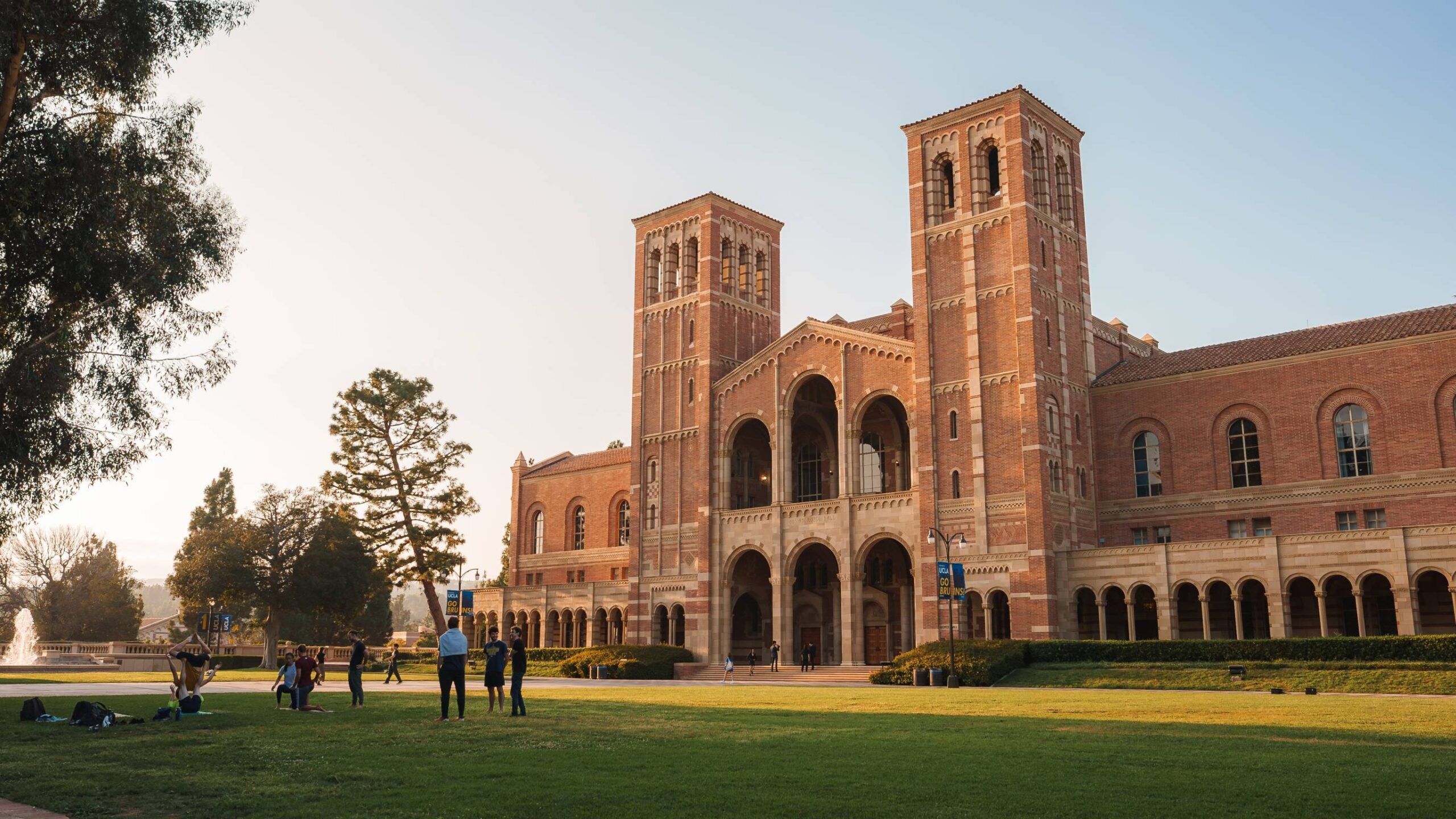
    In October 2009, Katherine Rosen was a third-year pre-med student at UCLA, one of America’s leading public universities. She was attending a routine chemistry class – an ordinary academic setting – when another student, Damon Thompson, approached her from behind and stabbed her in the neck and chest with a kitchen knife. He nearly killed her.

    It was sudden. It was unprovoked. But it was not unexpected.

    Thompson had a long, documented history of paranoid delusions. University psychiatrists had diagnosed him with schizophrenia and major depressive disorder. He reported hearing voices and believed classmates were plotting against him.

    He had been expelled from university housing after multiple altercations. He told staff he was thinking about hurting others. He had specifically named Katherine in a complaint – claiming she had called him “stupid” during lab work.

    Staff knew. Multiple professionals were aware of his condition – and the risks he posed. Just one day before the attack, he was discussed at a campus risk assessment meeting. And yet – no action was taken. No warning was issued, no protection was offered, and no safeguarding plan was put in place.

    Katherine was left completely unaware. Because the university chose to do nothing.

    The legal battle

    After surviving the attack, Katherine took an action that would shape the future of student safety law in the United States – she sued her university.

    Her claim was simple but profound. UCLA, she argued, had a special relationship with her as a student. That relationship – based on enrolment, proximity, institutional control, and expectation of care – created a legal duty to protect her from foreseeable harm. And that duty, she said, had been breached.

    She wasn’t demanding perfection or suggesting universities could prevent every imaginable harm. She asked a basic question – if a student has been clearly identified as a threat, and the university knows it, doesn’t it have a legal responsibility to act before someone gets seriously hurt – or killed?

    UCLA’s response? No. The university claimed it had no legal duty to protect adult students from the criminal acts of others – even when it was aware of a risk. This wasn’t their responsibility, they said. Universities weren’t guardians, and students weren’t children. No duty, no breach, no liability.

    Their argument rested on a key principle of common law, shared by both the US and UK – that legal duties of care only arise in specific, established situations. Traditionally, adult-to-adult relationships – like those between a university and its students – did not automatically create such duties. Courts are cautious – they don’t want to impose sweeping responsibilities on institutions that may be unreasonable or unmanageable. But that argument ignores a crucial reality – the power imbalance, the structure, and the unique environment of university life.

    The judgment

    Katherine’s case wound its way through the California courts for almost ten years. At every level, the same question remained – does a university owe a duty of care to its students in classroom settings, especially when it is aware of a specific risk?

    Finally, in 2018, the California Supreme Court delivered a landmark ruling in her favour.

    The Court held – by a clear majority – that yes, universities do owe such a duty. Not universally, not in every context – but during curricular activities, and particularly when risks are foreseeable, they must take reasonable protective measures.

    The judgment clarified that a “special relationship” exists between universities and their students, based on the student’s dependence on the university for a “safe environment.” That relationship created not just moral expectations but legal ones.

    In the Court’s own words:

    Phrased at the appropriate level of generality, then, the question here is not whether UCLA could predict that Damon Thompson would stab Katherine Rosen in the chemistry lab. It is whether a reasonable university could foresee that its negligent failure to control a potentially violent student, or to warn students who were foreseeable targets of his ire, could result in harm to one of those students.

    That emphasis on warning mattered. The Court was clear that the duty it recognised did not demand extraordinary measures or perfect foresight. The minimum reasonable step UCLA could have taken — and failed to take — was to warn Katherine or put in place basic protective actions once staff knew she was a potential target. It was this failure at the most elementary level of safeguarding that brought the duty sharply into focus.

    And again:

    Colleges [universities] provide academic courses in exchange for a fee, but a college is far more to its students than a business. Residential colleges provide living spaces, but they are more than mere landlords. Along with educational services, colleges provide students social, athletic, and cultural opportunities. Regardless of the campus layout, colleges provide a discrete community for their students. For many students, college is the first time they have lived away from home. Although college students may no longer be minors under the law, they may still be learning how to navigate the world as adults. They are dependent on their college communities to provide structure, guidance, and a safe learning environment.

    This ruling was a seismic moment. It wasn’t just about Katherine – it was about thousands of other students, across hundreds of other classrooms, who could now expect, not merely hope, that their university would act when danger loomed.

    The precedent was narrow but profound

    This victory came at a cost. It took nearly a decade of litigation, immense emotional strength, and personal resilience. And even in success, the ruling was carefully limited in scope:

    … that universities owe a duty to protect students from foreseeable violence during curricular activities.

    The duty applied only to harm that was:

    • Foreseeable,
    • Tied to curricular activities, and
    • Within the university’s ability to prevent.

    It did not impose a sweeping obligation on universities to protect students in all circumstances – nor should it. But it decisively rejected the idea that universities have no duty to protect.

    This distinction – between the impossible and the reasonable – is crucial. The court did not ask universities to do the impossible. It simply expected them to act reasonably when aware of a real and specific risk to student safety. That principle sets a clear floor, not an unreachable ceiling, for institutional responsibility.

    It also highlights a broader truth – duty of care in higher education is not a binary. It is not all or nothing. A range of duties may arise depending on the setting – academic, residential, or social – or the nature of the risk. The more control a university exercises, and the more vulnerable the student, the greater the duty it may owe.

    This is not about creating impossible expectations – it is about recognising that responsibility must follow power.

    That same logic – and the emerging recognition of limited but enforceable duties – has begun to surface in UK courts. In Feder and McCamish v The Royal Welsh College of Music and Drama, a County Court held that higher education institutions have a duty of care to carry out reasonable investigations when they receive allegations of sexual assault:

    …by taking reasonable protective, supportive, investigatory and, when appropriate, disciplinary steps and in associated communications.

    Again, where institutions have knowledge and control, the law expects a proportionate response.

    But it is important to recognise just how narrow the duty was in Feder & McCamish. The College already had safeguarding procedures in place, and liability arose only because it failed to follow the process it had voluntarily adopted when students reported serious sexual assault.

    The court did not recognise any general duty to protect student welfare – it simply enforced the College’s own promises. It illustrates the limits of UK law – duties arise only in piecemeal, procedural ways, leaving large gaps in protection whenever an institution has not explicitly committed itself to a particular process, or chooses not to follow it.

    Why this story matters now

    The Rosen judgment exposes a truth that too many still miss. Duty of care in higher education is not about expanding counselling teams or implementing wellbeing charters. It’s about the structure of responsibility itself – who knows what, who can act, and who must act when risk is foreseeable.

    In Katherine Rosen’s case, mental health support for Damon Thompson already existed. What failed was the system around him – communication, coordination, and the willingness to protect others. The danger was known, the mechanisms to prevent it were available, and the decision to use them was not taken.

    That is why framing “duty of care” as a question of mental health provision misses the point. Whether the risk is psychological, physical, financial, or reputational, the same principle applies – when institutions hold both knowledge and control, they owe a duty to act with care.

    From assaults in halls to exploitation on placements, from harassment ignored to risks left unmonitored, the duty of care spans far more than mental health. It is about foreseeable harm in any form. It is about accountability that matches authority. It is about creating a culture in which doing nothing or ignoring what you know is no longer an option.

    As Parliament prepares to debate the issue once again, the Rosen case stands as a reminder that this conversation cannot stop at wellbeing. The question is not whether universities should care about students’ mental health – of course they should. The question is whether they will take responsibility for the predictable consequences of their own systems, structures, and decisions.

    Katherine Rosen’s survival – and her long legal struggle – gave the world a clearer definition of that responsibility. It showed that duty of care is not about offering sympathy after the fact, but about preventing foreseeable harm before it happens. That is the real meaning of duty of care in higher education – and it is the clarity the UK still urgently lacks.

    Source link

  • Loneliness Is Causing Physical Harm in Students – Why Universities Need to Treat Loneliness Differently 

    Loneliness Is Causing Physical Harm in Students – Why Universities Need to Treat Loneliness Differently 

    This HEPI blog was kindly authored by Rupert Houghton, a Student at Magdalen College School. 

    Loneliness is a fundamental part of being human, and it occurs as a part of everyone’s life at some point. But today’s world, and the changes in the way we all interact mean that loneliness has found new, easier ways to enter the lives of many people, and particularly, younger people. The statistics on this are clear: 

    • 10.3% of British secondary school students feel ‘often or always’ lonely (ONS
    • 43% of 16 to 24-year-olds in the UK would feel uncomfortable about admissions that they feel lonely (YouGov)  

    Loneliness is clearly a big issue for those in higher education and for those about to enter it. There are some schemes and policies to attempt to counteract this, but what is often not considered when it comes to policymaking is that loneliness is a physical condition, not just one based on feelings. How, then, should loneliness be thought of differently? 

    An important fact to remember when dealing with loneliness is that humans are not merely social out of choice, but out of evolutionary necessity. Pre-agrarian humans (before the Agricultural Revolution 7000 years ago) operated in groups, and they depended on each other to fulfil different roles for the group’s overall survival. As a result, humans evolved to seek out positive social relationships as working with others was crucial to our survival.  

    Loneliness is used to signal to the brain that a person’s social inclusion, and therefore survival, is at risk, and the brain therefore starts fighting for survival. Social rejection uses the same neural networks as physical pain, and causes a minor stress response in the brain. Loneliness is merely the prolonged and sustained activation of this stress response and so puts physical stress on the mechanisms within the brain that cause it.  

    When this response is elicited, the brain starts to transition itself into a socially hyper-alert state, as it attempts to preserve existing positive relationships, and minimise the number of negative interactions experienced. Studies have shown that the brain changes its own structure to accommodate this and changes the way facial expressions are read. Lonely individuals show a heightened sensitivity to negative social stimuli, including negative facial expressions, words, phrases, or pictures. They were shown to more quickly and accurately spot negative social cues but were also seen to mislabel neutral and even positive social cues as negative more often than their non-lonely counterparts.  

    In a pre-agrarian human social structure, this problem would have been resolved relatively quickly. It was necessary to work together in groups to survive, which would force a degree of socialisation. To avoid social rejection, an individual would perhaps change some aspects of their own behaviour and be able to pick up on the reaction of their peers, and so change to be better accepted into the group, which would enforce more positive social relationships.  

    Nowadays, however, it is harder for this process to take place. Instead, it is far easier for people to spend more time alone or reduce the time they spend socialising. The changes in neural pathways therefore start to have a different effect on a lonely person’s behaviour. As they become more sensitive to negative social stimuli, their brain can view them as ‘threatening’, and attempts to prevent exposure to them, causing them to self-isolate. This, rather than fixing the problem only exacerbates the perception of low social standing, increasing the feeling of loneliness.  

    The main physical impacts of loneliness come from its effects on the hormones secreted by glands within the brain. One of these hormones is cortisol, often called the ‘stress hormone’. Loneliness has been shown to make the brain overwork and produce more cortisol than it would ordinarily. This leads to a number of detrimental health effects: high levels of cortisol have been linked to chronic inflammation, disrupted sleep cycles in young adults, and raised blood pressure.  

    Loneliness is clearly becoming an endemic problem, particularly in secondary and higher education and is having a very real effect on students’ health. Loneliness is a self-perpetuating condition and something that easily becomes chronic, so it is therefore best to prevent it before it begins. The policy focus must be placed on making students aware of loneliness before it can start to impact on people’s education and wellbeing. Whether that be through making universities give more open information on loneliness, how to keep social, or ensuring that students are informed about how the choices made could affect their risk of loneliness, starting a conversation about it before it becomes a problem should be a priority. 

    Source link

  • Preventing harm by connecting the dots in school safety

    Preventing harm by connecting the dots in school safety

    Key points:

    Swatting–false reports of school violence intended to trigger a police response–continues to increase across the country. During the 2022–2023 school year, nearly 64 percent of reported violent incidents in K–12 schools were linked to swatting. That’s over 440 incidents in one year–a more than 500 percent jump from just four years prior.

    Each call pulls officers from genuine emergencies, disrupts classrooms, and leaves students and staff shaken. While emergency protocols are essential, when swatting becomes routine, it’s clear that response plans alone won’t solve the problem.

    Unpacking the early signals

    Swatting rarely emerges out of thin air. It’s often the final act following a series of compounding behaviors, such as:

    • Online harassment
    • Peer conflicts
    • Risky social media challenges
    • Unaddressed behavioral concerns

    These warning signs exist, but are typically scattered across multiple school departments.

    Counselors might log escalating incidents. Teachers may notice changes in student behavior, and school resource officers (SROs) might track repeated visits involving the same individuals. Without a unified way to connect these observations, critical warning signs go unnoticed.

    Operationalizing early intervention

    Districts are reimagining how they capture and coordinate behavioral data. The goal isn’t surveillance or punitive action. It’s about empowering the right people with the right context to align and intervene early.

    When schools shift from viewing incidents in isolation to seeing behavior patterns in context, they are better positioned to act before concerns escalate. This can mean initiating mental health referrals, alerting safety teams, or involving families and law enforcement partners at the appropriate moment with comprehensive information.

    Technology that enables teams

    The process requires tools that support secure, centralized documentation and streamline communication across counselors, administrators, safety staff, and other stakeholders. These systems don’t replace human judgment, but create conditions for clearer decisions and more timely coordination.

    Swatting is just one example of how fragmented behavioral data can contribute to high-risk outcomes. Other incidents, such as escalating bullying, persistent mental health concerns, or anonymous threats often follow recognizable patterns that emerge over time. When schools use a centralized system to document and track these behaviors across departments, they can identify those patterns earlier. This kind of structured coordination supports proactive interventions, helping prevent larger issues before they unfold and reinforcing a culture of safety and awareness.

    Consider Washington State, where swatting affected more than 18,000 students last year, costing schools over $270,000 in lost instructional time. These figures illustrate the operational and human costs when coordination breaks down.

    Reducing risk, not just reacting to it

    Swatting is a symptom of a larger issue. Building safer schools means moving upstream from reactive emergency response to proactive coordination. It requires shared insight across teams, strengthened behavioral threat assessment protocols, and the right supports in place well before crisis calls occur.

    Early intervention isn’t about adding complexity. It’s about reducing risk, improving situational clarity, and equipping school communities to act with confidence–not simply responding when harm is imminent.

    Latest posts by eSchool Media Contributors (see all)

    Source link

  • Antisemitism scorecard will harm unis: Opinion – Campus Review

    Antisemitism scorecard will harm unis: Opinion – Campus Review

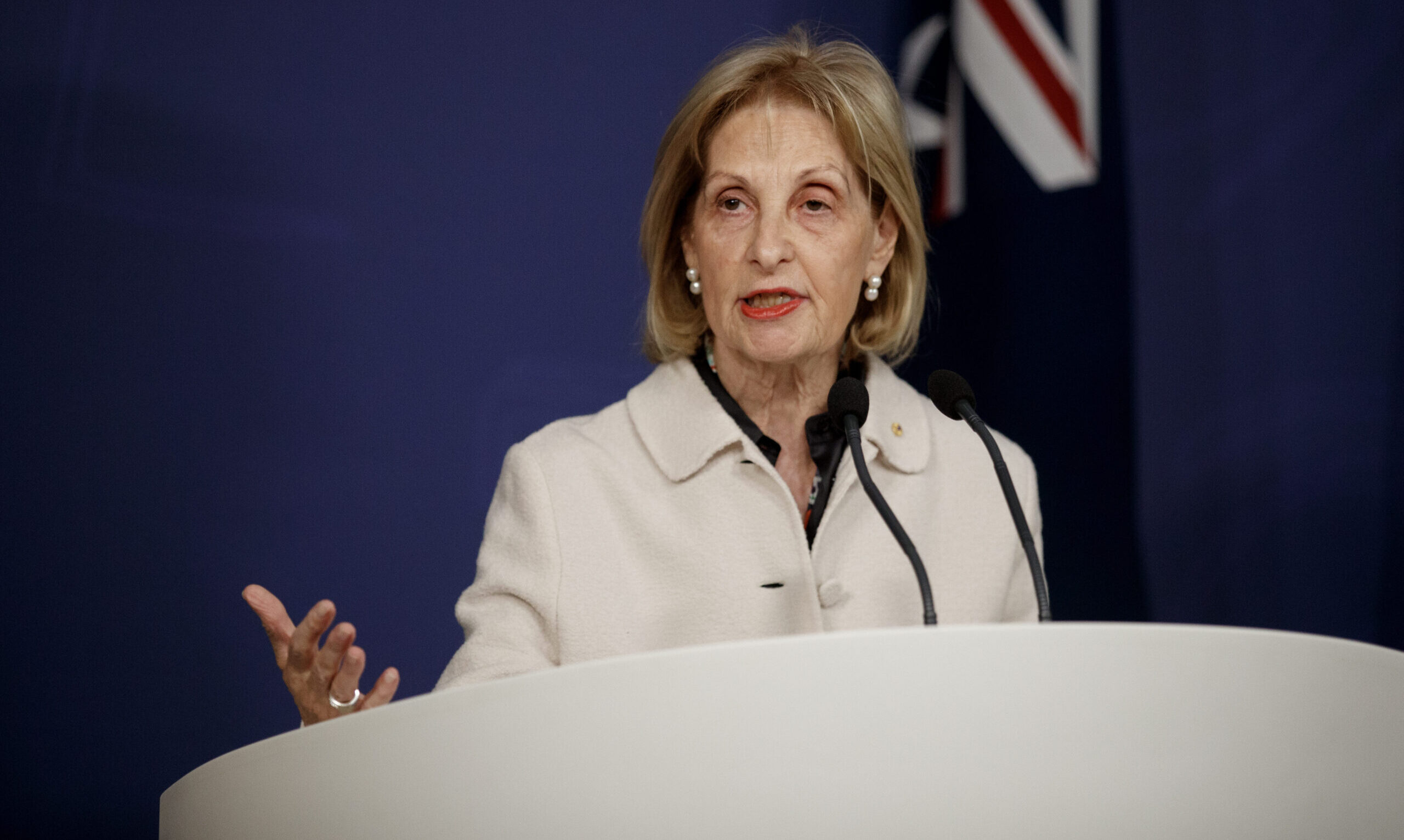
    Last week the Australian Government’s special antisemitism envoy Jillian Segal delivered her report to Prime Minister Anthony Albanese.

    Please login below to view content or subscribe now.

    Membership Login

    Source link

  • How Public Attacks on Harvard Harm All of Higher Ed

    How Public Attacks on Harvard Harm All of Higher Ed

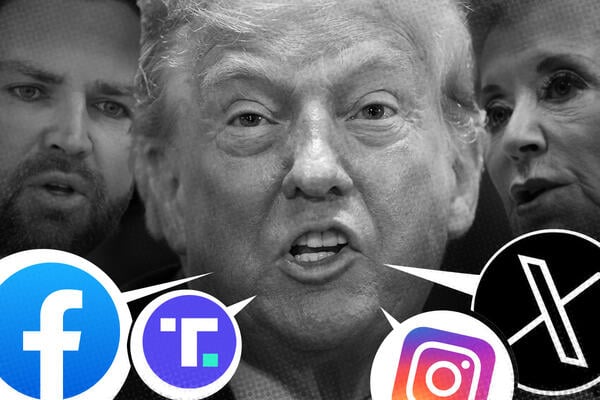
    The Trump administration has waged its war on higher education on the battlegrounds of social media, press releases and on-air interviews. Shrouded in vague terminology and questionable legal authority, the public attacks are a stark departure from the channels the federal government traditionally uses to issue guidance and policy changes.

    In March, we learned from the Department of Health and Human Services press office that it, along with the Department of Education and the General Services Administration, had started a comprehensive review of $54.1 million in federal contracts and $5 billion in federal grant commitments for Columbia University over alleged violations of Title VI of the Civil Rights Act. The next day, the president doubled down on social media, posting to the conservative site Truth Social, which he owns, that colleges and universities that allow “illegal protests” would be at risk of losing federal funding.

    In May, during an ongoing public battle with Harvard University, Education Secretary Linda McMahon announced in a letter posted to the social media platform X that the federal government would no longer give grants to the institution. The document aired a litany of grievances against the institution including allegedly adopting a remedial math program and hiring “failed” former mayors Bill De Blasio and Lori Lightfoot; it also took aim at the Harvard Corporation’s senior fellow Penny Pritzker for being a “Democrat operative.”

    The style and tone of communication goes beyond bombast and tells of a more coherent vision for the country, including higher education, according to Daniel Kreiss, the Edgar Thomas Cato Distinguished Professor in the Hussman School of Journalism and Media at the University of North Carolina at Chapel Hill and the faculty director and principal researcher of the UNC Center for Information, Technology, and Public Life. Issuing public threats, using pliable labels and making examples of individual colleges are tactics to control an autonomous sector and provoke widespread confusion, he said in an interview with Inside Higher Ed.

    Colleges have little recourse to fight the full force of the federal government—legally or through publicity, Kreiss said, but he urged institutions to invest more in their local communities and to recommit to their teaching missions. He also explained why Vice President JD Vance’s autobiography is a great teaching tool.

    (This interview has been edited for length and clarity.)

    Q: The way the administration is communicating with higher ed is unlike anything the sector has seen before. Public letters and social media posts now deliver news of investigations, funding freezes or threats of future action. What does that reveal about how the government is thinking about its relationship with higher ed?

    Daniel Kreiss

    UNC at Chapel Hill

    A: This is not the relationship, let’s say, between the U.S. government and research universities that prevailed from World War II on, when the government was collaborating with its research industries to make America stronger, militarily and economically. This is very much an adversarial relationship where the Trump administration is saying, “Universities and higher education broadly are making America weaker, and therefore we need to bring U.S. higher education to a heel in order to fit with our political vision for what America should be.” I think that some of the characteristics of the communication that you described is the strategy of policymaking through publicity, as well as the creation of a pervasive climate of uncertainty that is really directed by this core goal of theirs, which is control. In essence, what they want is for universities to fall in line behind the administration’s own vision and priorities for what the American agenda should be, which is one of a deeply reactionary, far-right coalition that is currently occupying all three branches of government.

    Q: Do you think the administration has a vision for higher education in particular?

    A: I think it’s a vision for America, and Trump has been remarkably clear on what that looks like. It’s an America defined pretty narrowly on racial, ethnic and religious terms. It’s an America that has a certain understanding of its history that aligns with those dominant religious, racial and ethnic groups. It’s an America that has doubled down on masculinity as its defining gender in terms of who should be in power and have power in public life. So when we talk about a vision for higher ed, it’s a higher ed that serves that.

    This is what you see in these very vague pronouncements about things like DEI. Anyone who educates or does research on anything that runs counter to that celebration of a very particularistic America is suspect and un-American. Higher ed is part of a whole set of knowledge-producing institutions in society—we can think about journalists and scientists, too— as being problematic because they serve accountability functions. They hold corporations responsible for things like polluting. They hold executives responsible for violations of democratic norms. Or, you know, they hold people in power accountable for not being good custodians of public trust. I think the administration wants to weaken that accountability function that can be played by universities because it undermines, ultimately, their ability to exercise power in the service of that larger vision of what they believe America should be.

    Q: You mentioned vague pronouncements about things like DEI. What conclusions do you draw from this tactic of sowing confusion and using unclear and undefined language?

    A: Ultimately, the end goal is control. They have a few tools to do so—legal means, regulatory means—and they have a lot of funding means to get institutions that are otherwise autonomous in civil society to comply with what they want them to do. But in the absence of those levers, what do you use? Well, you use publicity to get willing compliance or anticipatory compliance.

    This is really what’s key about the publicity piece, because every time they issue something on X or Truth Social or speak publicly about something, whether it’s a threat or making claims that a college is going to be investigated, they’re speaking to the sector as a whole. And publicity ensures that everyone in higher ed is going to have to be responsive to what they say, even if not publicly, but at least in internal decision-making.

    If nobody really knows what DEI is, what discrimination actually entails, what threats are actually real and legal, who will be investigated and how, that creates conditions where every single university administrator has to act in some anticipatory way in order to mitigate a perceived threat, or to escape scrutiny. That ultimately increases this control over universities because they’re acting in ways that might comply in some way and likely are going far beyond what the law will actually allow. We can understand this by looking at other countries, like Hungary, for example. Viktor Orbán has created enough of a climate of both outright control and uncertainty over funding that people comply with what he wants them to do. He’s weaponized this to his advantage

    The Supreme Court’s recent decisions have also played a role in this—in making it harder for [federal] judges to issue these broad injunctions. In essence, what they’re saying is that people are going to be anticipatory, interpreting whatever this public statement is in some way, and in the absence of any other guidance of what might be subject to judicial scrutiny or might be, let’s say, judicially suspect in itself, administrators are going to be making these decisions based on their own risk assessments.

    Q: Speaking of the courts, we’ve seen a flurry of lawsuits challenging the administration, so some final decisions will be made on these issues at some point. Will that clarity roll back some of the pre-emptive compliance you’re describing?

    A: Well the rub is the judicial process takes years. And administrators have to act now. And it’s in exactly that disconnect between that far-off time horizon of, “Oh, I’m sure our lawyers are telling us that this will likely get struck down” and in the meantime, you have to act on the basis of yearly budgets or what is in compliance with guidelines coming from the NIH or the NSF. All of those decisions have to be made in the moment, in a climate of uncertainty.

    So in that context, no, the legal resolution is so far off, and the strategy of how to get there is so deeply unclear, that I don’t think higher ed’s in a great place to pursue judicial remedies for these things.

    Q: We’ve got a number of examples of how institutions have responded to the administration—Harvard pushing back, Columbia and Penn conceding to demands, Jim Ryan resigning from the UVA presidency. Are universities at all prepared for how to handle this moment?

    A: There’s a lot going on there, right? The best public case that we have for resistance is Harvard, but even while Harvard is negotiating, the Trump administration is continuing to put a lot of public pressure on it, which gets back to that earlier point that they’re speaking far beyond Harvard, saying, “If you do this, you will come under the full weight of federal government scrutiny, and we’re willing to have this battle.”

    Universities are in a hard spot for a few reasons. One, collective action is really hard. Higher ed as a sector is deeply diversified, so the question is: Who’s in the best position to actually do that sort of fighting? The second is that every institution, no matter how large, is really complex. It’s hard to make a proactive case for anything, for just all of faculty, for example, let alone an entire university.

    That said, there are a few effective models that we can begin to pick out. Harvard’s choice to double down on making an easily understandable argument for the value of higher education is our best public communication strategy—really doubling down on how universities are an economic engine for communities, states and America itself. When we’re talking about advancing science and technology, early research into artificial intelligence, the development of the internet—that all comes from university-led research that was funded, in part, through federal subsidies and research dollars. That has made America the leading country in technology innovation. This is where we get into a big tent with people from the Republican coalition who are pro-business and pro-corporations that are built on the infrastructure that universities help put together. We train the employees that go work for Fortune 500 companies that position America’s global dominance in its corporate workforce. It’s not saying we do everything, but we do a lot of really great public value work. And somebody needs to make that argument, because if no one is doing it, why would the American public come to these answers themselves?

    Q: On the point about federally funded research at universities advancing technology innovation and the economy—is that argument lost on this administration?

    A: My educated guess of why universities are this particular target in this particular way is that this is political. It’s not about America’s economic growth or America’s technological advantage at the end of the day. This is foremost a political strategy of mobilizing a set of grievances and victimhoods that help to build and maintain a coalition. It’s this idea that Trump’s electoral coalition is being continually victimized by being less safe. That America is losing its culture, its language, its identity, etc., through immigration. This has been the dominant drumbeat since Trump announced his candidacy for president in advance of 2016.

    The other piece to this is the divide in the two parties between who has a college education and who doesn’t. This is a really important point that fuels the Republican Party’s coalition, and which is why attacks on higher ed, if we read them through the lens of publicity, are about identity work. [It’s] saying, “We are representing you people who never went to college against all these higher ed elites who don’t respect you, constantly denigrate America and who want us to be some cosmopolitan global force that’s going to undermine what makes America great.” That’s why, to me, it’s fundamentally political.

    Q: Can you say more about the education divide among voters? How can colleges address that?

    A: The New York Times did some great reporting maybe two years ago that gave universities social mobility scores. It was looking at which universities were the best vehicles of the American dream. One broad conclusion from that reporting was that a lot of universities are failing at this. Now, there’s all sorts of complicated reasons for that—income inequality generally, the finances of higher ed, etc.—but I think one thing that universities can very much do across the board is reinvest in opportunities for those who have the least amount of money or access to a college education.

    I’m somebody who spent some time at very elite institutions, and, you know, they don’t always have great relationships with the communities that exist right next to them. If we’re thinking about what a model would look like to win people back to see these great advancements and their ultimate value for the American people, it would involve just trying to extend it locally. How do we create more affordable housing in towns where universities are located? How can we help people in communities where there’s vast income inequalities between the university and its surrounding environments? How do we get our deep wells of expertise and knowledge out into the communities closest to us in a way that clearly demonstrates through action, not just words or abstract statistics, our real value in people’s lives?

    The last thing is that we need to reinvest in our teaching missions. Most professors I know care deeply about their students, but their time and attention is split in many different ways. We really need to restore commitment to that educational mission that we all have, at least for the very simple reason that students are the bridges to the communities that they represent. They’re our best messengers for what the value of this amazing institution of American higher education is. I have kids from all over the state, from all different walks of life—this idea is that what the university does is serve those students as well as their communities. The knowledge that students are bringing from those communities and the traditions that they are a part of flows into universities as much as knowledge is flowing out.

    Q: In the swirl of staffing cuts and hiring freezes in response to federal funding cuts, are you concerned about what it means for science communication, fact-checking and efforts to combat misinformation?

    A: At its best, science communication is scientists and social scientists making assessments based on the best available evidence that we have about a particular phenomenon in the world and society. We need people to play that function, because that’s the best evidence we have to make political decisions. We can have a range of possible political solutions to things as long as we’re safeguarding institutions that produce a set of public facts that we’re all sharing.

    But as you know, science is complicated. There are always going to be debates. And that’s good. But when social scientists or scientists have a general consensus about something, it is the outcome of a very antagonistic process. Maybe that speaks to something that we used to have a lot more conversations around—explaining the scientific process and how hard it is to produce a fact, and how many millions of dollars go into producing research that can produce something as reliable as a fact.

    We’re seeing this erosion of institutions that can serve the goals of public accountability, and it is deeply problematic for the field. So there’s going to be fewer people entering the field, because there’s less funding and fewer opportunities for them to do this work. The other thing is a lot of people make the choice not to go into doing disinformation-related research, in part, because it’s hard. We’ve seen doxing, death threats against researchers. It’s also the rhetoric, like when the vice president is calling somebody an “enemy of the people.” I taught JD Vance’s book to my undergraduates in 2017, and we had a great series of conversations about that book. I could have all sorts of differences with him, but I would never say JD Vance is an enemy of the people. It’s that deliberately inflammatory rhetoric that is exactly what a lot of researchers like myself are concerned about.

    Q: Do you still teach Hillbilly Elegy to your undergrads?

    A: That was a special one-off course, but I 100 percent would teach it again. It’s a great teaching tool and book, and I think it lays out a very particular and searing account of somebody’s upbringing while then prescribing a set of political responses that are thoughtful and can and should be debated in a classroom. It resonated with a lot of my students.

    Source link

  • It is high time higher education adopted a harm reduction approach to drug use among students

    It is high time higher education adopted a harm reduction approach to drug use among students

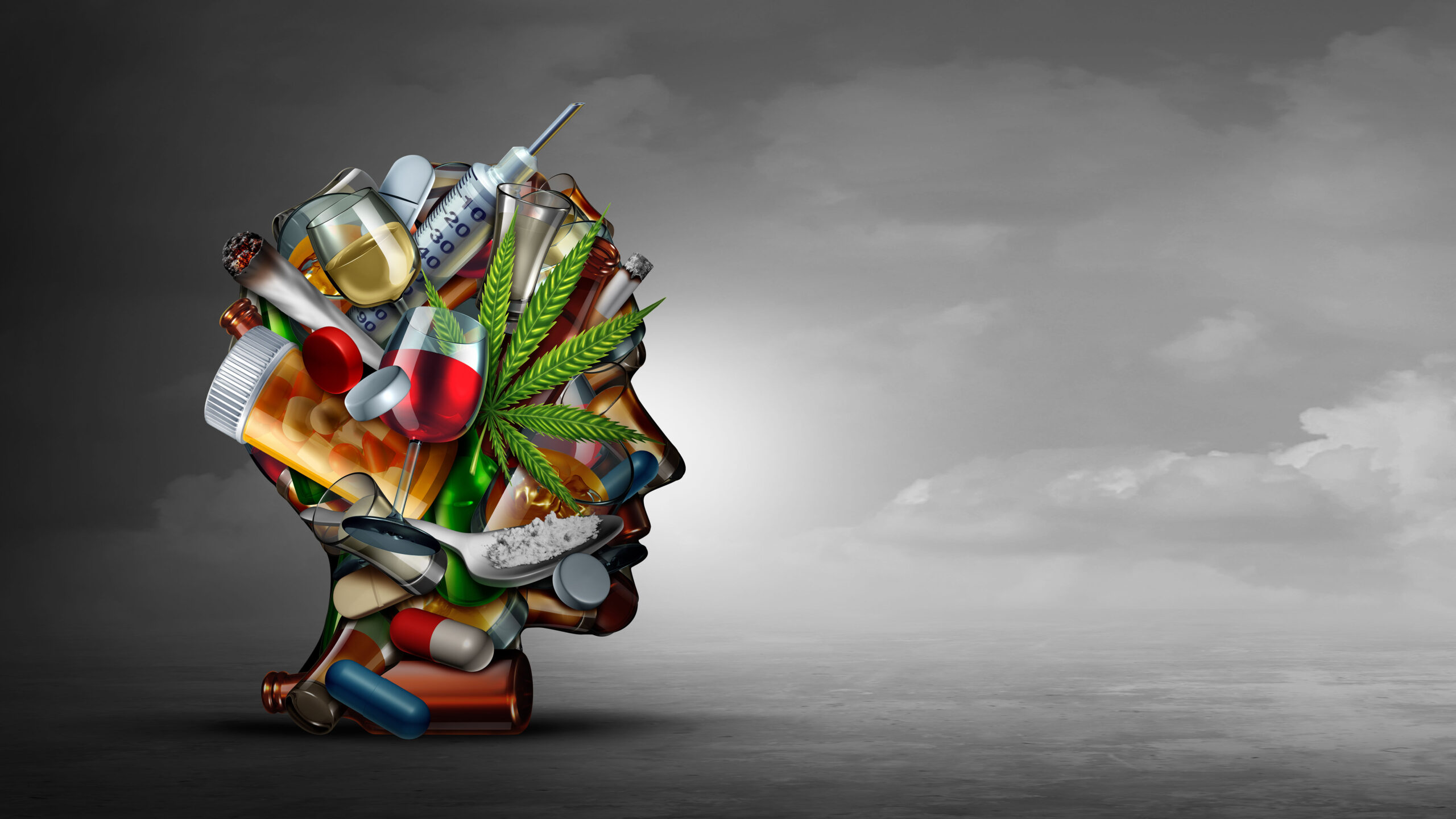
    While Gen Z is showing less interest in the normalised alcohol and drug excess that dogged their preceding generations, England and Wales’ most recent stats confirmed that 16.5 per cent of people aged between 16 to 24-years-old took an illegal drug in the last year.

    Additionally, a 2024 report by Universities UK found that 18 per cent of students have used a drug in the past with 12 per cent imbibing across the previous 12 months. With a UK student population of 2.9m, this suggests the drug-savvy portion is around 348,000 to 522,000 people.

    It’s prudent, therefore, for anyone involved within student safety provision to know that the UK is currently mired in a drug death crisis – a record 5,448 fatalities were recorded in England and Wales in the most recent statistics, while Scotland had 1,172, the highest rate of drug deaths in Europe.

    In an attempt to ameliorate some of this risk, seven UK universities recently took delivery of nitazene strips to distribute among students, facilitated by the charity Students Organising for Sustainability (SOS-UK). These instant testing kits – not dissimilar to a Covid-19 lateral flow test in appearance – examine pills or powders for nitazenes: a class of often deadly synthetic opioids linked with 458 UK deaths between July 2023 and December 2024.

    While these fatalities will have most likely been amongst older, habitual users of heroin or fake prescription medicines, these strips form part of a suite of innovative solutions aimed at helping students stay safe(r) if they do choose to use drugs.

    The 2024 Universities UK report suggested drug checking and education as an option in reducing drug-related harm, and recommended a harm reduction approach, adding: “A harm reduction approach does not involve condoning or seeking to normalise the use of drugs. Instead, it aims to minimise the harms which may occur if students take drugs.”

    With that in mind, let’s consider a world where harm reduction – instead of zero tolerance – is the de facto policy and how drug checking or drug testing plays a part in that.

    Drug checking and drug testing

    Drug checking and drug testing are terms that often get used interchangeably but have different meanings. Someone using a drug checking service can get expert lab-level substance analysis, for contents and potency, then a confidential consultation on these results during which they receive harm reduction advice. In the UK, this service is offered by The Loop, a non-profit NGO that piloted drug checking at festivals in 2016 and now have a monthly city centre service in Bristol.

    Drug testing can take different forms. First, there is the analysis of a biological sample to detect whether a person has taken drugs, typically done in a workplace or medical setting. There are also UK-based laboratories offering substance analysis, that then gets relaid to the public in different ways.

    WEDINOS is an anonymous service, run by Public Health Wales since 2013, where users send a small sample of their substance alongside a downloadable form. After testing, WEDINOS posts the results on their website (in regards to content but not potency) normally within a few weeks.

    MANDRAKE is a laboratory operating out of Manchester Metropolitan University. It works in conjunction with key local stakeholders to test found or seized substances in the area. It is often first with news regarding adulterated batches of drugs or dangerously high-strength substances on the market.

    Domestic testing is also possible with reagents tests. These are legally acquired chemical compounds that change colour when exposed to specific drugs and can be used at home. They can provide valuable information as to the composition of a pill or powder but do not provide information on potency. The seven UK universities that took delivery of nitazene strips were already offering reagents kits to students as part of their harm reduction rationale.

    Although the Misuse of Drugs Act 1971 specifies that certain activities must not be allowed to take place within a university setting, the Universities UK report argued that universities have some discretion on how to manage this requirement. Specifically, it stated: “The law does not require universities to adopt a zero tolerance approach to student drug use.”

    How to dispense testing apparatus

    The mechanisms differ slightly between SUs but have broad similarities. We spoke with Newcastle and Leeds (NUSU and LUU) who both offer Reagent Tests UK reagent testing kits, fentanyl strips and now nitazene strips. Reagent’s UK kits do not test for either of these two synthetic opioids. They vary in strength compared to heroin – and there are multiple analogues of nitazene that vary in potency – but an established ballpark figure is at least 50 times as strong.

    All kits and tests are free. Newcastle’s are available from the Welfare and Support centre, in an area where students would have to take part in an informal chat with a member of staff to procure a kit. “We won’t ask for personal details. However, we do monitor this and will check in with a welfare chat if we think this would be helpful,” says Kay Hattam, Wellbeing and Safeguarding Specialist at NUSU. At Leeds, they’re available from the Advice Office and no meeting is required to collect a kit.

    Harm reduction material is offered alongside the kits. “We have developed messaging to accompany kits which is clear on the limitations of drug testing, and that testing does not make drugs safe to use,” says Leeds University Union.

    Before the donation, kits were both paid for by the respective unions and neither formally collected data on the results. Both SUs both make clear that offering these kits is not an encouragement of drug use. Kay Hattam draws an analogy: “If someone was eating fast food every day and I mentioned ways to reduce the risks associated with this, would they feel encouraged to eat more? I would think not. But it might make them think more about the risks.”

    You’ll only encourage them

    In 2022, in a report for HEPI, Arda Ozcubukcu and Graham Towl argued, “Drug use matters may be much more helpfully integrated into mental health and wellbeing strategies, rather than being viewed as a predominantly criminal justice issue.”

    The evidence backs up the view that a harm reduction approach does not encourage drug use. A 2021 report authored by The Loop’s co-founder Fiona Measham, Professor in Criminology at the University of Liverpool, found that over half of The Loop’s users disposed of a substance that tested differently to their intended purchase, reducing the risk of poisoning. Additionally, three months after checking their drugs at a festival, around 30 per cent of users reported being more careful about polydrug use (mixing substances). One in five users were taking smaller doses of drugs overall. Not only does this demonstrate that better knowledge reduces risk of poisoning in the short-term, but it also has enduring positive impacts on drug-using behaviours.

    SOS-UK has developed the Drug and Alcohol Impact scheme with 16 universities and students’ unions participating. This programme supports institutions in implementing the Universities UK guidance by using a variety of approaches to educate and support students in a non-stigmatising manner.

    Alongside them is SafeCourse, a charity founded by Hilton Mervis after his son Daniel, an Oxford University student, died from an overdose in 2019. The charity – which counts the High Court judge Sir Robin Knowles and John de Pury, who led the development of the 2024 sector harm reduction framework, among its trustees – is working to encourage universities to move away from zero tolerance.This is through various means, including commissioning legal advice to provide greater clarity on universities’ liability if they are not adopting best practice, and checking in one year on from the Universities UK report, to ascertain how they’re adapting to the new era of harm reduction.

    SafeCourse takes the view that universities must not allow themselves to be caught up prosecuting a failed war on drugs when their focus should be student safety, wellbeing and success. A harm reduction approach is the best way of achieving those ends.

    Source link

  • Phone bans proliferate as digital media’s harm to students grows clearer

    Phone bans proliferate as digital media’s harm to students grows clearer

    This audio is auto-generated. Please let us know if you have feedback.

    Even as school cellphone bans proliferate, a growing body of evidence suggests digital media — and cellphone use specifically — is harming child and teen development.

    A meta-analysis of 117 studies published in June found that the relationship between screen time and socioemotional well-being is somewhat of a Catch-22: Increased screen time can lead to emotional and behavioral problems, and children with those problems rely on screens to cope with them. 

    Another study of 4,285 U.S. teens published last week found nearly a third showed increasing addictive behaviors related to social media and almost a quarter for cellphones. These addictive behaviors — rather than screen time alone — were linked to increased risks of suicidal behaviors or thoughts. 

    School phone bans have gained traction across political divides nationwide in recent years, with educators and lawmakers citing both student mental health and academic performance as reasons to restrict cellphones during the school day. 

    As of May, 21 states ranging from California to Utah had instituted a ban or limit on cellphones in the classroom, according to Ballotpedia. 

    Most recently, Nevada Gov. Joe Lombardo signed a law requiring school districts to adopt policies regulating cellphone use during the school day and limiting classroom cellphone use in most cases.

    A separate study released in March — this time examining about 1,500 11- to 13-year-olds in Florida, where cellphones have been banned during class time since 2023 — suggested that restricting cell phones would boost grades and mental health for children who use screens more heavily. 

    The 22% of Florida students surveyed who reported using their favorite app for six or more hours per day were also three times more likely to report getting mostly D’s and F’s than their peers.

    Those students were also 6 times more likely than less-frequent users to report severe depression symptoms — even when ruling out factors like age, household income, gender, parent education, race and ethnicity. 

    Students who always had their cellphone push notifications turned on, which made up about 20% of the sample, were also more likely to report worse grades and to experience anxiety. 

    “Banning students’ access to phones at school means these kids would not receive notifications for at least that seven-hour period and have fewer hours in the day to use apps,” the study’s authors wrote in an overview of the study published by The Conversation, a nonprofit publication written by academic experts. 

    However, that same study found 17% of Florida students who attend schools that ban or confiscate phones report severe depressive symptoms, quadruple the 4% who attended schools that allowed limited phone use and reported those symptoms. 

    Correlation in this case did not necessarily mean causation, however. “We are not suggesting that our survey shows phone bans cause mental health problems,” the authors wrote. “It is possible, for instance, that the schools where kids already were struggling with their mental health simply happened to be the ones that have banned phones. ” 

    Source link

  • HHS Condemns Gender-Affirming Care in Report That Finds ‘Sparse’ Evidence of Harm – The 74

    HHS Condemns Gender-Affirming Care in Report That Finds ‘Sparse’ Evidence of Harm – The 74


    Get stories like this delivered straight to your inbox. Sign up for The 74 Newsletter

    This story was originally reported by Orion Rummler of The 19th. Meet Orion and read more of his reporting on gender, politics and policy.

    On Thursday, the Department of Health and Human Services (HHS) published a 400-page analysis of research on gender-affirming care for transgender youth, as directed by President Donald Trump. The agency used the release of the report to declare that available science does not support providing gender-affirming care to trans youth. LGBTQ+ advocacy groups worry the report will be used to further restrict gender-affirming care and to change medical guidelines in ways that harm trans youth.

    The president mandated the report in an executive order condemning the medical treatment — without evidence — as a form of mutilation, amid a broader push by the administration to exclude trans people from public life. Trump’s order asked the health agency to review the “best practices for promoting the health of children who assert gender dysphoria,” while pressuring youth clinics to halt treatment or lose federal funding.

    Now, the HHS has produced that report. The agency combed through research on the outcomes of puberty blockers, hormone replacement therapy, social transition, psychotherapy, and the rare cases of surgeries on adolescents and young adults diagnosed with gender dysphoria. 

    Gender dysphoria, the reason that most trans people undergo gender-affirming care, is a strong and persistent distress felt when one’s body is out of sync with their gender identity. Without treatment, gender dysphoria can lead to severe negative impacts in day-to-day life. 

    The agency states in its executive summary of the report that the document is not meant to provide clinical practice guidelines or issue legislative or policy recommendations. However, the report does imply that health care providers should refuse to offer gender-affirming care to adolescents and young adults on the basis that such care comes with the potential for risk — despite little evidence for that risk actually being found in the report. 

    “The evidence for benefit of pediatric medical transition is very uncertain, while the evidence for harm is less uncertain,” the executive summary states. “When medical interventions pose unnecessary, disproportionate risks of harm, healthcare providers should refuse to offer them even when they are preferred, requested, or demanded by patients.”

    In its research review, the HHS determined that evidence measuring the effects of gender-affirming care on psychological outcomes, quality of life, regret and long-term health is of “very low” quality. This conclusion ignores decades of research, as well as a recent survey of more than 90,000 transgender people in the United States that found an overwhelming majority report more life satisfaction after having transitioned. Access to gender-affirming care has been linked to lower odds of suicidality and depression in trans youth, while gender-affirming surgeries have been found to lower psychological distress for adults.

    Even when analyzing research that the administration deemed low-bias, the HHS found “sparse” to no evidence of harm from gender-affirming care. What’s more, the report frequently found evidence demonstrating the benefits of gender-affirming care — though it ultimately downplays those findings as not significant. 

    Available research on puberty blockers found high satisfaction ratings and low rates of regret. A systematic review of hormone replacement therapy described improved gender dysphoria and body satisfaction. Another found that hormone treatment leads to improved mental health. Two before-and-after studies reported reduced treatment needs or lower levels of suicidality and self-harm after hormone treatment. When measuring safety outcomes of hormone treatment, side effects did not have a major impact on treatment and complications were limited. 

    Despite these findings, the Department of Health and Human Services advertised the report in a Thursday news release as one that “highlights a growing body of evidence pointing to significant risks” of gender-affirming care. At the White House briefing room Thursday, deputy chief of staff for policy Stephen Miller touted the new report and attributed the idea of being transgender as part of a “cancerous communist woke culture” that is “destroying this country.” 

    There are side effects to many of the medications that transgender people — and cisgender people — take to receive gender-affirming care, as is the case with most medical treatments. These side effects, like the risk of decreased bone density when taking puberty blockers, are closely monitored and treated by doctors and communicated to patients.

    LGBTQ+ advocacy organizations denounced the report as a political attack on transgender youth. Multiple groups said that the report’s endorsement of psychotherapy as a “noninvasive alternative” to puberty blockers and hormone treatment amounts to an endorsement of conversion therapy — a practice wherein mental health professionals try to change a youth’s sexual orientation or gender identity.

    “It is already clear that this report is a willful distortion of the evidence intended to stoke fear about a field of safe and effective medicine that has existed for decades, in order to justify dangerous practices which amount to conversion therapy,” said Sinead Murano Kinney, health policy analyst at Advocates for Trans Equality. 

    The Human Rights Campaign, the country’s largest LGBTQ+ rights organization, accused the HHS of producing a report that is attempting to lay the groundwork to replace medical care for trans and nonbinary people with conversion therapy. 

    “Trans people are who we are. We’re born this way. And we deserve to live our best lives and have a fair shot and equal opportunity at living a good life,” said Jay Brown, chief of staff at the Human Rights Campaign. “This report … lays the groundwork to push parents and doctors aside and allow politicians to subject our kids to the debunked practice of conversion therapy.” 

    No authors or contributors are named in the report or in its executive summary. The agency says these names are being initially withheld to “maintain the integrity of this process,” and states that chapters of the document were subject to peer review.


    Get stories like these delivered straight to your inbox. Sign up for The 74 Newsletter

    Source link

  • Dismantling Ed Dept. Will Harm More Than 26 Million Kids — and America’s Future – The 74

    Dismantling Ed Dept. Will Harm More Than 26 Million Kids — and America’s Future – The 74


    Get stories like this delivered straight to your inbox. Sign up for The 74 Newsletter

    The layoffs of half of the employees of the U.S. Department of Education clearly demonstrate the Trump administration’s follow-through on one of Project 2025’s mandates, which intends to eliminate the resources, protections and opportunities that millions of children and families across this nation rely on.

    It is evident that the White House will not stop until it wipes out the most basic protections and supports for the American people, including the youngest children. The first step was the attempt to defund Head Start and Early Head Start, impacting 800,000 young children across the nation. This order was halted by a federal judge in Washington, thanks to the lawsuits filed by Democracy Forward and attorneys general from 23 states. 

    The mass layoffs will severely hamper the department’s ability to execute on its core responsibilities. This move is a direct assault on millions of students, teachers and families. It is clearly a precursor to dismantling the department without congressional consent, which would have an even more devastating impact. The department serves and protects the most vulnerable children and young adults, ensuring that they have equal access to education. This includes:

    • 26 million students from low-income backgrounds — more than half of all K-12 students — who rely on the department for reasonable class sizes; school meals; tutoring; afterschool and summer programs; school supplies such as laptops and books; parent engagement programs; and, in some cases, transportation
    • 9.8 million students enrolled in rural schools
    • 7.4. million students with disabilities
    • 5 million English learners
    • 1.1 million students experiencing homelessness
    • 87 million college students who receive Pell Grants and student loans 

    The department was created in 1980 with a single, crucial purpose: to ensure equal access to education and to promote educational excellence throughout the nation. Its creation followed decades of systemic inequities that left children in disadvantaged communities without the same learning opportunities as their more privileged peers. The department’s work has been a critical safeguard against discrimination in schools, whether on the basis of race, disability, gender or income. 

    Without the federal government’s intervention and oversight, the more than 13 million children who live in poverty would be even more vulnerable to systemic inequities. The department ensures that federal dollars are distributed to those students most in need, ensuring that underserved children have the same opportunities for success as their wealthier peers. Without the federal oversight and the department’s support, these students will fall even further behind, and the national achievement gap will grow wider.

    The federal government is the only entity that can ensure a baseline level of educational equity across the entire nation. The department holds states accountable for ensuring that all children, regardless of where they live or what their socioeconomic status may be, receive a quality education. If this accountability is removed, the children most at risk — those in underfunded schools, children of color, children with disabilities, English learners and those experiencing homelessness — will be the first to suffer. These children would be denied the critical services and protections they need to succeed in school and in life.

    Moreover, the president’s plan to turn education policy over to the states would completely dismantle the federal safety net that ensures that the most vulnerable children are not left behind. Each of the 50 states has different priorities, resources and political climates. While some might be able to provide excellent educational opportunities, others will leave children behind, particularly in rural or economically disadvantaged areas. Inequities between states could widen to an intolerable degree, and the resulting lack of uniform educational standards would only further disadvantage the children who need the most help.

    To be clear, the department cannot be dissolved at the whim of a sitting president. Under the Constitution, only an act of Congress can create or dismantle a federal agency. The president does not have the unilateral power to eliminate an entire federal institution that serves the educational needs of millions of children across this country. Attempting to do so would not only undermine the law, but also inflict tremendous harm to the very foundation of America’s educational system.

    The idea that dismantling the department could somehow improve that system is not only misguided, but dangerously naïve.

    It’s vital that we, as a nation, recognize the long-term damage this action would cause. The attempt to dismantle the Department of Education is not just an attack on a government agency — it is an attack on the future of America’s children.

    To parents across the country: This policy is not only unconstitutional — it is a grave threat to your children’s future. Whether your child is in a classroom in New York, Los Angeles or a small town in the Midwest, the U.S. Department of Education has worked to ensure that their educational opportunities are protected, funded and regulated. A president who seeks to eliminate this essential agency is jeopardizing the future of every single student in America.

    This is why we must all rise up and make our voices heard. We must demand that our leaders stop this dangerous plan in its tracks, that they fix what isn’t working and that they use this opportunity to reimagine public education and invest in a more effective, equitable system that gives all children the opportunity to succeed.


    Get stories like these delivered straight to your inbox. Sign up for The 74 Newsletter

    Source link