Mental health challenges are among the greatest threats to student persistence and retention in higher education, but providing large-scale preventative and responsive mental health care is a looming challenge for colleges and universities.
In addition to having sufficient clinicians and trained professionals to support students in crisis, finding ways to deliver wellness support to students before they’re in crisis is critical.
One strategy is embedding mental health counselors into student spaces or academic departments. By integrating services into a physical location, such as a student center, clinicians can connect with students in informal and intentional ways, gaining their trust and supporting specific pockets of the campus community. Around 32 percent of college counseling centers employ an embedded clinician, according to a recent survey by the Association for University and College Counseling Center Directors.
In this episode of Voices of Student Success, host Ashley Mowreader spoke with Estevan Garcia, chief wellness officer at Dartmouth College, to learn more about public health approaches to mental health support on college campuses. Later, hear from Casey Fox, associate director of integrated services at the University of South Carolina, who leads the university’s integrated mental health program, about how efforts have scaled.
An edited version of the podcast appears below.
Inside Higher Ed: The focus on health and wellness is an ever-present and growing concern in higher education, as more institutions realize the potential that negative health and wellness can have on student retention and outcomes and their thriving throughout their college experience. We’ve seen more recently, mental health has grown as a concern; students are telling us that, national data is showing that.
I wonder if you can talk a little bit about the public mental health crisis that we’re seeing among young people, especially college students, and just this ever-growing need for more support and more resources to help our young people?
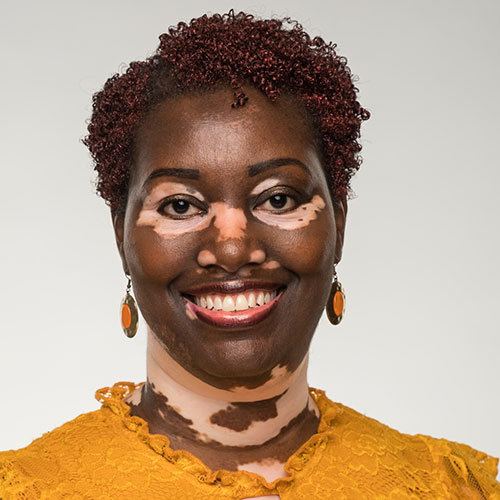
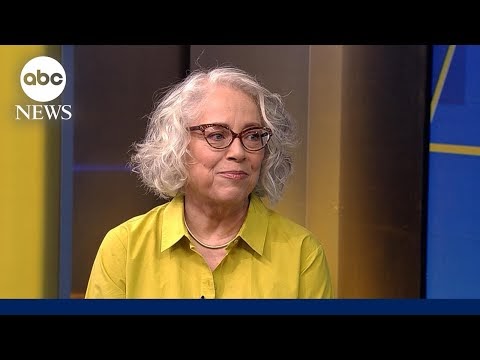
Estevan Garcia, Chief Wellness Officer at Dartmouth College
Dartmouth College / Katie Lenhart
Estevan Garcia: To think about where we are today, and a little bit about how we got here, as far as young adults, adolescents, teenagers as well, and the challenges around mental health, the way I look at this is probably, for the last 10-plus years, we’ve seen an increase in mental health concerns, an increase in depression, anxiety.
I’m a clinician; I work in emergency departments. And in about 2012, 2014 in that area, I started seeing children and young adults coming in in crisis with mental health crisis. This is not something that we saw before.
I tell folks all the time that I did not have a significant amount of training around emergent mental health crisis in children and young adults—even though my specialty is pediatric emergency medicine, which is this area where we take care of kids in the emergency department—and I say young adults, because we really do cover till about age 25.
So this was not looked at as a need for the training back then, and I trained in the ’90s up to about 2000, but then we saw this really increased need, I think, and most researchers believe that this coincides significantly with the use of a cellphone or the use of an iPhone, and the idea that social media has become so pervasive in everything that our children do.
That is something that we know is a contributor. There’s quite a bit of evidence that suggests that. So what we’ve understood, that we were in crisis for several years, we were starting to see these needs of our children, adolescents and young adults, and then the pandemic hit in 2020 and that really tipped us over.
The reason that happened, and we all understand this now, at the time, I was a public health practitioner and so really was an advocate of, “Let’s make sure we’re not spreading COVID. Let’s close those schools,” and do all of the things that we thought were the way we kept our kids safe and our faculty safe.
What happened is, any of those social connections that students had really dissipated during the pandemic. They were not allowed to be in school together. They weren’t allowed to even play outdoors. We were so worried about the pandemic. That was kind of the fraying of the social fabric that was supporting many of these kids.
So that’s when this really did peak, and what we’ve noticed since then—it wasn’t as if those students in college in 2020 to 2024, it’s over once they graduate. That’s not it at all. Because there were children in middle school who weren’t able to go to school. They were children in elementary school, those kids in high school that clearly impacted their ability to have social cohesion and support from peers.
And what we’ve seen in colleges now is there is a leveling off of the anxiety and depression numbers we were seeing—and that’s good news—since about 2021, 2022. And we’re hopeful that what that means is that we’re starting to see some correction here, but it’s still significant. There’s still a significant need. We’ve kind of returned to that pre-pandemic level of anxiety, depression and need, and that is ongoing. It’s across college campuses, whether you’re an Ivy League or you’re a community college. It’s across high schools, junior highs, and there’s real need for us to pay attention, to support students through this process and happy to talk about that some more, but that need is there. It’s real, and we need to really focus on how we address those needs.
Inside Higher Ed: We know from research also that sometimes college students who have the most need are not the ones accessing resources, as well. We see students from historically marginalized backgrounds, who may come from less resourced communities, feel more independent where like they can solve problems on their own.
I’m thinking of our first-gen students who are historically rewarded for being independent and solving their own problems, and then get to college and might not access those same resources. Providing access to support for these students with greater mental health concerns is a growing issue.
I wonder if you can talk about the clinician role in helping students break down those barriers to accessing mental health resources and understanding the role that they can have in their recovery and their support throughout college.
Garcia: I think it’s important to divide our efforts into two camps, or two ways of really approaching this.
You have individuals who have clinical needs, and at Dartmouth, that’s about 20, 25 percent, and those clinical needs are clinical diagnoses of anxiety or depression … and that is what we provide on campus and a bunch of different ways. I’m happy to address those.
In addition to that, I think we need to work with the rest of the student body from a preventative wellness approach, to make sure that they understand that they have access to wellness activities, to things that build resilience. It’s a toolbox or a tool kit of ways to manage daily stressors in life, failing a test, breaking up with a significant other, potentially loss of a family member—all of the things that they’re going to encounter, in addition to being in academics and being in college.
We need to build their portfolio of resources. That’s also, I think, very important in the way we approach this kind of mental health crisis, is to really look at it from a preventative lens.
So to your point about making sure that we are addressing the individual needs of communities, especially marginalized communities, potentially first-generation communities, I think it’s important to not paint this with a broad brush. We need to be individual, and we need to work with the individuals. We need to look at our individual groups and really understand what they need.
This is when we partner with our students: Our students are telling us what they need, and we can’t assume that they’re going to come to us; we need to come to them. We need to make sure that we’re embedding mental health resources where the students would access them and not [saying], “Come to the counseling center, and that’s when we’ll meet with you.”
One example that I give is our really integrating our ability to support students and their mental health in our athletic programs. And at Dartmouth—we call it DP2, it’s really our Dartmouth Peak Performance—and we are embedding within the varsity sports, but also our club sports intramurals. About 60, 65 percent of students participate in athletics at Dartmouth.
We are really trying to embed within those different systems supports that make it easy for a student to reach out and to talk to the coach, we then help the coach understand how to identify a student in need, what to do if they if they have higher needs, and [if] the coach and or the athletic trainer is comfortable managing, we do training and mental health first aid.
We also do something we call Campus Connect, that allows us to identify the resources for students, and then obviously they can engage my office if there are real concerns about students, that they’re afraid, that need immediate support, and we do that as well. So that is just one example of how we embed within the activities that students are doing every day that they may not think have a wellness component or have this potential counseling component, and they’re there.
Inside Higher Ed: I’m so glad that you bring up this network of supports for students, because there is no silver bullet when it comes to supporting student mental health, and every student’s needs are going to look a little different. It really does take a public health approach to addressing student needs, because they’re all different.
I want to go back to your example of athletics-embedded resources, because I think that’s a really interesting student population that we have where they’re very competitive, they’re driven, they’re engaged, they’re super involved on campus. And sometimes that can result in some of these challenges when it comes to juggling mental health and academics or their personal lives or things like that, and how those targeted resources can address those specific needs that those athletes might have compared to the general student population.
The benefit that it brings, one, to the students, but also to the practitioners who are working with them, and that intimate relationship that they get to cultivate with those athletes. So I wonder if you can just talk about that a little bit more, the relationship between how embedded resources are targeted but also personalized and intimate.
Garcia: For our athletes, and certainly our varsity athletes here, we do have a fairly robust set of offerings. There are two embedded psychologists that have expertise in sports psychology, embedded for the varsity teams and the varsity athletes.
But in addition to that, there are performance coaches, which is a different level of support, but focusing on what the needs are … You would understand that some athletes maybe need nutrition and sleep coaching and support. We have embedded nutritionists; we have sleep support. We have an entire module and support around leadership. So these are all areas across the campus that we’re offering to our athletes.
Initially, this was offered really to our varsity athletes, but as we’re growing our understanding of what our … intramural students participating in sports need, we’ve selected a couple of our really winning supports, and we’re going to be able to expand those in the future to the larger population of athletes on campus. That includes that leadership component, the sleep and nutrition and mental performance. Those are three areas that we will be then taking best practices from varsity athletes and expanding the trainings, the offerings and the supports to other athletes.
Then our ultimate goal is to be able to share these resources with any student on campus who is interested in learning in this way.
There is a direct link from, of course, from our sports psychologist to our overall counseling center. And if they believe someone needs more in-depth counseling, or if they’re identifying other concerns, maybe an eating disorder, we’re able to utilize our system of care here on campus to support the students that have those needs identified through the sports psychologists and performance coaches … and if they need, they’re then moved to our counseling center. We have a close relationship with Dartmouth Health, which is actually our health system here, even being in a rural location, and so we have access to experts across the field, and we’re able to engage with them as well, so that that really does tie in here.
Inside Higher Ed: Placing access where students are is one way to remove barriers to formal mental health care. Are there other strategies or interventions that you’re all considering when it comes to helping students move past the stigma of utilizing mental health resources?
Garcia: Interestingly enough, the stigma for college students is real. It’s still there. It’s probably more significant for male college students than female college students. But it’s clearly something that we see. We mentioned a little bit about marginalized groups and their use of mental health services. I will say one thing we’re proud of at Dartmouth is that our use of mental health services is the same for that 20, 25 percent, depending on the year, is [reflective] of all students. Our first-generation students or historically marginalized students do not utilize health services at a lower rate than anybody else here. We’re really proud about that.
We’ve made the idea of mental health services part of who you are. We’re integrating the idea of wellness into academics. I think that’s something that we forget. Oftentimes people feel like you can move it separate: You’re a student at one point, and then when you’re depressed, you’re not a student, or you’re not somebody who’s worried about the academics. And we clearly know that the pressures of academics for college students and being successful will impact them as well.
So certainly, I think it’s important to understand that you want to go back and you want to see where the students are and meet their needs. But one thing that I think is really important is the idea of peer support.
We have a mental health student union here on campus, and last year, they held a town hall for students, and … four individual students who had mental health concerns and diagnoses came forward and talked about those individual concerns they had and how they were able to receive the help they needed on campus, as well as through the networks, and really bringing forward the idea that it’s OK to have these conversations. They shouldn’t be talked about only in an office. They shouldn’t be talked about in whispers; we really do need to make it clear that if you have concerns or and need support, it’s here.
We train students to be peer advisers and peer supporters, and we do it in many different areas across campus, but that is also very important, because often students will go to a fellow classmate first before they come to us. And I think that’s really important to understand. Our peer supporters get good training. They’re not expected to be counselors. They’re expected to be a shoulder to lean on, and then they understand what the resources are and available on campus. So peer support is really important as well. And I think we need to continue to strengthen those engagements between students as well.
Inside Higher Ed: I’m so glad that that’s something that you touched on, because I think at Ivy institutions specifically, there can be a stereotype or a misconception that students are hypercompetitive. They are obviously high-achieving students, but that they are able to perform those interpersonal relationships and be vulnerable with each other about the struggles that they’re going through as well, I think really helps break down that barrier of “Everybody else is doing just fine, but I’m not,” or “I’m the only person who’s struggling with this” and really creates a community of care where students can lean on one another, and, like you said, be referred to more resources as they need.
The University of South Carolina is one institution that has designated embedded counseling supports as a focus for holistic student care. Casey Fox from Carolina shares more about the campus work.
Inside Higher Ed: When we talk about the integrated services program, what does that mean on a practical and logistical level?
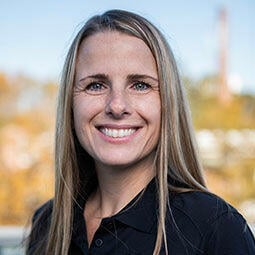
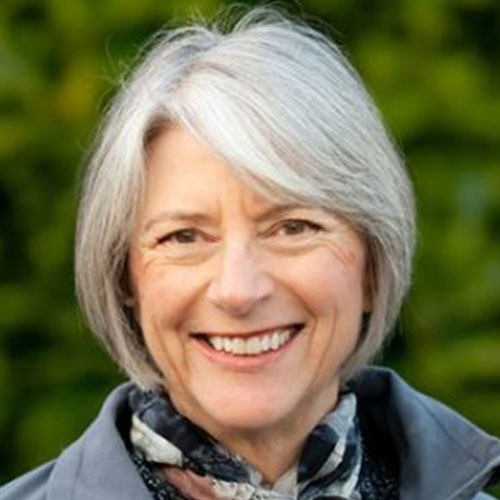
Casey Fox, a licensed marriage and family therapist, professional counselor and professional counselor supervisor, as well as
the associate director of integrated services at the University of South Carolina.
University of South Carolina
Casey Fox: Right now, we have integrated clinicians in four spaces across campus. We are a large urban campus, and we have a central hub where we provide our counseling services.
In 2022 we identified a space in the law school, so we embedded a clinician over there, and she has been there doing wonderful work since then, but we now have clinicians that are in three other spaces across campus. So we’ve got the First-Gen Center, we’ve also got Global Carolina, and then we’ve got an embedded clinician in the engineering and computing school.
The idea of integrated services is really just looking at the barriers to access. One of the pieces with that is, when you look at the central hub for coming over for services, a lot of students, depending on positionality, are not able to get to this location. Maybe it’s the parking, maybe it’s the gaps between their classes, maybe they don’t live on campus, and just even coming to that main space is difficult based on all of their competing values.
What we’ve looked at is ways that we can spread staff out in order to address that and remove some of those barriers, so that we’re welcoming students in some spaces that maybe they’re more likely to walk into.
Inside Higher Ed: You mentioned that you started with the law school, and that’s a population when it comes to embedded counseling I haven’t seen quite as much. We talk a lot about athletes or underrepresented minority students. What are some of those barriers for law school students that they’re not engaging at that central facility?
Fox: When we’re looking at the barriers for law school students, I think historically, if we look at the nature of what it is like to be in the law school and be a law student, there’s a lot of time in between courses that students are really just in that space studying.
But the other side of that, we’ve got students who, in many ways, are not traditional students anymore. Law school is not undergraduate, and so there’s a lot of things that are competing for time. There’s some law school students that are parents, there’s some law school students that have families that they attend to, and so coming over to the other side of campus for counseling services, I think can be really difficult.
But the other piece of that, not just time, but I think there’s some perceived stigma. I think that there’s a competitive nature to being a law school student, and with that, I maybe don’t want to say that I feel weak, or this idea that I need the support or help, because this is supposed to be stressful. Then there’s this perception, I think very often, of, like, “If I need any form of mental health resources or services, that must mean that I’m not doing well, or there’s something acutely wrong with me.”
I think what’s really beautiful about embedding someone in that space in particular, is that we’ve been able to do some of this wraparound care and mental health literacy, to really address, right, that, like, “Hey, it’s really normative to need these services.” Our embedded clinician there has become a part of that team and unit, and it’s really normalized what it means to have a conversation with someone in the world of mental health, what it means to maybe acknowledge that mental health has multifaceted layers, and that there’s a lot of areas around prevention. Like, if I’m feeling overwhelmed, maybe I need to talk to somebody to develop some coping strategies so that I can better manage this, so that it doesn’t become something that is maybe acute or pervasive.
Inside Higher Ed: I love the relational element of integrated counseling services, because, like you’ve mentioned, it’s not just that one-on-one time. They’re also not omnipresent, but very present in those spaces, and can build relationships. I wonder if you can talk about that element and how that also decreases barriers to access.
Fox: The relationship part is one of my favorite parts. I am over in the First-Gen Center, and I love the relationships that I’m building, not just with the students in those spaces, but also with any faculty or staff member.
What’s really important to acknowledge is, if we look at students, if we look at faculty and staff, I think everyone genuinely cares about the Carolina community and wants to support each other, but sometimes we don’t know how. I think with faculty staff as well, there’s a lot of things that are competing for our time and energy, and if we feel like maybe we don’t have that skill set, we might not know how to navigate a difficult conversation or sit with a student in distress.
So the relationship building, in particular, for me feels so important, because I’m able to then become a friendly face that students are like, “OK, I chatted with her about the cookies she brought in, and so now I’m feeling a little overwhelmed, and maybe I can go and chat with her about this thing that I’ve never shared with anyone.”
Really similarly with faculty and staff, where they want to help students, but maybe are feeling like they’re not sure how. If they know me, if they’ve met me and had a conversation with me, they are much more likely to say, “Casey, I’d like to consult with you,” which is a significant part of an embedded clinician’s role is: to offer space to consult.
The other piece that I talk about a lot is we consult with a lot of students who actually are wanting to care for friends—sometimes family, too—but friends that are students here. I have people who come in and they’re like, “I’m really worried about my roommate, and I don’t know what to do. I don’t think I need counseling. But can I talk to you about what’s available to me or how I navigate this?” I love that preventative component of this. Not only are we building relationships with a lot of stakeholders and campus partners, but we’re actually out there with students, and I think experiencing, too, some of the emerging needs and really paying attention to some of the specific components of what it means to be a law school student or engineering student.
Yesterday, I was at a career fair for the engineering students, and I watched people walk around, and I thought to myself, “This is really intimidating, right?” I think even being in those spaces, and getting a feel for what that might be like for students allows for me to walk into a space feeling more informed and navigating that with that student.
Inside Higher Ed: There’s obviously benefits to the student, and like you mentioned, the faculty and staff by having you be present in these spaces, but for you as a clinician as well, it helps build your knowledge of what those student needs might be, and gives you an ear to the ground on campus. Can you talk a little bit more about that?
Fox: I believe that is part of our role. We are looking at, what are the trends, what are the themes? Law school students in particular, something our clinician has done there, has named that like during different parts or stages of the semester, there’s things that I want to home in on because students are really focusing hard on all the things they have to do. Some of their courses are comprehensive exams that can be really stressful. There are initiatives that are put in place to provide support and care with awareness of how that structure academically maybe looks different than other structures.
Another, I think, really important piece to acknowledge is that our embedded clinician law school is aware and privy to information on, what does the bar [association] need? Another barrier right is that sometimes people are like, “Well, if I do come in for counseling, is that going to be reported to the bar? Am I not going to be able to then sit for the bar—like, what are the implications of this?”
Our embedded clinician knows the ins and outs of that, knows how to walk students through that and to offer care and comfort around “Hey, like, this is a normative experience, and this is how this process looks, and this is what you need from me,” so that students can get the care they need without feeling that worry on the front side that really is misinformed. Like, “Oh, I can’t do this, because if I do this, then it’s going to mean this thing,” but without that information, or somebody really speaking to that, like, on the ground, I don’t know how students would know otherwise.
Inside Higher Ed: We’ve talked a little bit about how having somebody in the ecosystem with relationships can benefit students and that access, but I also wonder the physical element of just being in student spaces like the first-gen center, and how that can create relationships and, again, remove that barrier to access. Can you talk about the physical environment as well?
Fox: It’s a different environment. Our central hub is part of our health center, and so students feel sometimes, “If I walk into the health center, that means I’m going for this thing that I need.” So whether I’m not feeling well, or I’m going in for therapy, or whatever they might be coming to this space for, and I think it’s really important, when we’re in these communities with students, what we’re doing is we’re not only saying this is really normative and becoming a part of just the culture of that space, but we’re also building relationship and connection for them to feel like they can broach a conversation.
The First-Generation Center in particular is a living-learning community, so there’s a lot of students who live in that space. So I’ll sit in the lobby sometimes with students, and they’re playing board games, or they’re just hanging out in that space eating pizza, and I’m chatting with them again, not even about anything mental health connected, but just being a face and someone that they can maybe feel connected to and feel willing to then come and talk to.
I try to open that up all the time, of, like, if you ever need something from me, if you ever want to talk about anything you might be experiencing, if you have questions, if you’re not sure how to navigate something, let me know what I can do to support you. And again, I think the difference is that’s a really different environment. They’re really comfortable, they’re lounging, they’re eating pizza, or they’re coming to me and saying, “I don’t know if I want to talk to you, but I saw you had cookies,” and I’m like, “Take a cookie. You don’t have to talk to me. I ask nothing of you, other than for you to know that I’m here and I care.” And I think that has been really powerful in itself.
Inside Higher Ed: I think taking those baby steps to understand what mental health services could look like or could feel like is so important for students, especially who might have never engaged with those services previously, or have a misconception of what that looks like and what that means for them. So that’s wonderful that you get to do that.
When it comes to identifying groups that are receiving embedded counselors, how does the university go about that process? Or what are some of those priorities when it comes to identifying where to place counselors?
Fox: We are continuing to develop that process. Moving forward, I think that the demand will continue for this resource.
The law school identified an interest and has a significant amount of care and the mental health of the students there, so it makes a lot of sense that that was our first launching of an embedded clinician. And the other ways that we’ve identified is looking at maybe students that we want to pay a lot of attention to around retention, so wanting to be really on purpose with what we offer, wanting to have somebody who can really advocate for and speak to that.
I think there’s a lot of assumptions we make about the time students want to be seen. If we were to look at just freshman students, there’s this idea of like, well, they want to be seen in the evenings. We often will base some of what we navigate in a counseling center on information that doesn’t maybe comprehensively link to all needs. I think identifying that there’s some unique needs, there’s some unique needs in being an engineering and computing student, and so that has been how we’ve navigated it thus far, is really looking at like, again, we want to retain these people. We want to offer support.
Honestly, the other piece of what we’ve done has been based on this awareness from faculty and staff that have shared, like, “You know what? I think that we maybe need this.” I also want to acknowledge that a lot of these requests are coming from the departments or units themselves, which I feel is really powerful, because for me, that shows this culture of care that is within those units or schools. I really love that. I know engineering, right, like, they really want us in that space, and I can say the same for all of these locations, but we’re welcomed. There’s a lot of care around mental health and sustainable well-being for students, and that is coming from everyone that is working in those units. That feels really powerful, that ask of, like, “I really want to support these students in these spaces, and I’m aware of these unique needs.”
It has been this concerted effort that we’ve made, not just with counseling [services], because this wasn’t necessarily coming from our end. I think that that’s really important to acknowledge these requests [that] were coming from these departments or units or colleges, and that is a really powerful piece, too, where then they’re showing their care for their students.
I have a lot of love for that idea, or concept of, like, not only are we showing up and offering what I believe to be really good-quality care and concern for students, but for them to know that my college, or this part of my identity, cares so much about me being here, that they’re advocating and pushing for a clinician to be in this space, I feel like even just that sets a standard of just welcoming conversation around needs.
Inside Higher Ed: It also seems like the only way to really create these successful partnerships is to be in community with the faculty and staff and really have that trust and relationship. National data has told us that faculty and staff see these issues, but being able to make that partnership and bridge that gap is so critical. So it’s wonderful that you all have that community of care that is able to do that successfully.
If you had to give advice to a practitioner who is looking to get either into this space by finding an embedded counselor to work alongside, or a clinician who’s interested in becoming an embedded counselor, what sort of insight or advice would you give?
Fox: I think as an embedded counselor, we are wearing many hats, and so I think that you have to enjoy wearing many hats. My role shifts so much. Of course, there’s my associate director piece of what I do. But outside of that, I am sitting in spaces where I’m doing one-on-one counseling. I am then walking into [student] tabling [events]. I am walking into maybe some strategic group spaces where we’re looking at some really targeted intentional workshops based on different needs for the population. I’m sitting in these spaces with our stakeholders where I’m, like, talking about what we’re doing and advocating for that and mingling.
Throughout my day, I love that variety, and I think if, you know, somebody were to say, “Would this be something I would want to do?” I would ask that question of, “Do you think that you would enjoy wearing many hats and maybe being in multiple spaces throughout the day?” I boogie around campus. I’m in several places throughout a day as well.
The other piece is this love or care for mental health literacy. I have been at this university for going on seven years, and anyone who knows me here laughs when I say mental health literacy, because it is like something I’ve said a million times since I’ve been here. I love the idea of mental health literacy, the idea that every person who is employed by the University of South Carolina is a critical piece of all students’ sustainable well-being. If I can change that for faculty and staff or a student caring for another student, or student caring for themselves, that feels so incredible to me. This awareness that I can influence not only the individual I’m sitting with, but influence a college or unit or the system in a really meaningful, sustainable way. Anyone who loves that idea of mental health literacy and informing and educating all campus partners on that, this would be a really interesting role that they would probably enjoy.
Historically, some of the data has shown us that these positions at times have led to some feelings of maybe being siloed or separated from the main center, and there’s something really magical about our main center. I love being in that space, because I can consult with all my colleagues that I just think are wonderful and are doing such great work.
When you’re in embedded sites, it makes so much sense, and I’ve worked really hard to do this since I’ve taken on the associate director role of checking in with my embedded staff to make sure that I’m attending to their needs. I don’t want them to feel alone. I want them to feel supported and cared for. But I think when you’re out there and you’re wearing so many hats, and you’re transitioning so much throughout the day, that can be hard to even know to ask for that or when to ask for that. Then you’re also building the relationship with the faculty and staff and the spaces you’re in. And so again, how much of my time and energy do I have to then shift gears for this other need? So I think there has to be a lot of intentionality in how we care for staff in these spaces.
But I am really excited about our move. My position is new, and so we’ve not had anyone in this space, and so that I’m meeting with the staff in those spaces, we’re meeting collectively. We’re meeting individually, and I’m working really intentionally, to make sure that they’re feeling the support and care that you would feel if you were in this main center.
Inside Higher Ed: We’ve talked a little bit about [how] your position is new, and there’s a lot of new things happening on campus when it comes to embedded in integrated counseling. But is there anything else new we haven’t talked on that you want to share?
Fox: I think, over all, embedded counseling is a really important initiative, and I’m really happy that the University of South Carolina is looking at ways that we can expand this. We are looking at a variety of options. I don’t know that there’s a one-size-fits-all [approach].
I’ve talked to so many wonderful people doing the role that I’m doing at other universities across the U.S., trying to inform myself of what some of these best practices are and what I’ve learned. I keep showing up the table saying, “I don’t know that there’s a one-size-fits-all.”
There’s so many nuanced components to what it means to be in some of these spaces and to do this work—what we’re going to do in the School of Computing and Engineering is very different than what we’re going to do in a first-gen center. I have really appreciated getting to maybe understand the flexibility that we need to have, and how we view this.
I think the University of South Carolina is holding a lot of care for this idea that we want to care for all of Carolina, and we want to be really strategic in how we do that. I believe as we move forward, we will continue to be able to collect some really good data that shows the benefit of this.
I speak a lot to the piece of prevention, and I love this idea of “let me have a conversation with someone before this becomes so problematic that now I’m feeling it physically in my body, let me know that it’s really normal that during final exams, I am just really struggling and I’m feeling overwhelmed.”
I think one of the things that embedded clinicians are really able to do in these spaces is normalize a whole lot of concerns for students, faculty and staff, and then really highlight, too, like, the mental health awareness component of when do we need to have some conversations and just care for each other, and when does somebody need therapy? I think that’s a really powerful thing that we need to address as we move forward, that I think embedded is going to be a part of, is really acknowledging that.
The statement that’s come out a lot is we could never hire enough people to meet the need, and I think that what we’re doing is trying to acknowledge that we’re aware of the needs. How can we normalize, how can we offer skills? How can we offer all of these things on the front side, so that students can feel empowered and equipped to navigate what they need for themselves, and to trust that when they do need a higher level of response or more individualized services, or one on one, that they can trust in the care that they will receive, but also trusting in their capacity to care for self when they can, or trusting that I could also have a conversation with a faculty member or staff member? Because all of the University of South Carolina cares about the Carolina community.
Listen to previous episodes of Voices of Student Success here.