Tag: high

  • High schoolers: Become a voice for tomorrow, today!

    High schoolers: Become a voice for tomorrow, today!

    Free speech is more than just a constitutional right — it’s the cornerstone of democracy and social progress. In today’s divided political climate, defending this right has never been more important. That’s why FIRE’s Free Speech Forum is bringing together passionate young leaders who are ready to become tomorrow’s defenders of free speech.

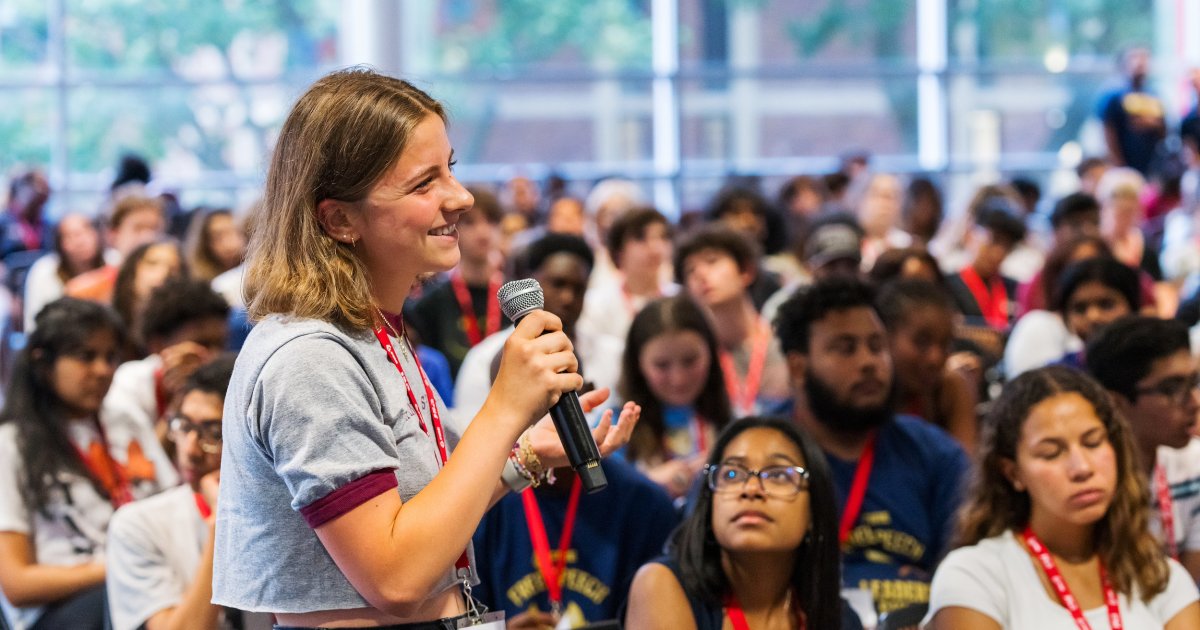
    The Free Speech Forum isn’t just another high school summer camp. It’s an immersive, week-long experience designed for rising 10th through 12th graders who are passionate about free speech and learning about the First Amendment. Held at American University in Washington, D.C. from June 22-28, this unique forum is a launchpad for students eager to learn from experts, connect with like-minded peers, and build the skills needed to advocate for these vital democratic values — on campus and beyond.

    Free Speech Forum

    Page

    FIRE is bringing together the next generation of free speech leaders at American University in Washington D.C. from June 22 to 28.


    Read More

    What to expect:

    • Interactive workshops led by free speech experts
    • Field trips to key sites in Washington, D.C.
    • Skill-building activities to help you better advocate for free speech in your community
    • Networking opportunities with advocates, policymakers, and fellow students

    This is a chance to join 200 student leaders for an unforgettable week of learning and career development, all right in the heart of one of America’s greatest cities.

    Who should apply? The forum is open to college-bound students who:

    • Have a passion for free speech and advocacy
    • Rising 10th to 12th graders at the time of application
    • Are able to attend the entire program

    What does it cost? It’s completely free! FIRE covers registration, housing in the American University dormitories, and meals. Students are responsible for their own travel arrangements to and from Washington, D.C., but FIRE will provide free transportation between Ronald Reagan National Airport or Union Station and the university.

    What if I can’t afford the cost of travel? A limited number of need-based scholarships are available to help with travel expenses to and from Washington, D.C. Students will be notified about the scholarship application process after they are accepted into the program.

    How do I apply? Applications are now open! The application deadline is March 30, 2025. Due to the competitive nature of the program, we recommend applying early.

    This is your chance to dive deep into the First Amendment, explore the history of free speech, learn from the experts, and develop the skills you need to become an advocate for free expression.

    Questions? For more information, email [email protected].

    We can’t wait to see you in D.C. this summer!
    Apply Now

    Source link

  • Extreme drought, high winds helped spark the California fires (CBS News)

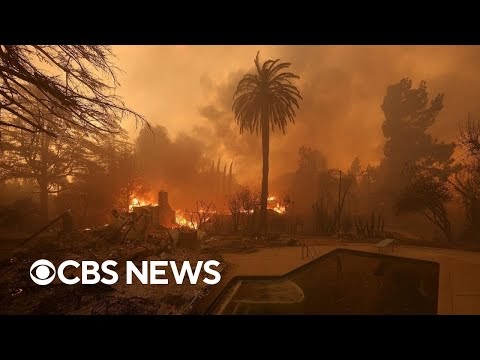
    Extreme drought, high winds helped spark the California fires (CBS News)

    High winds intersecting with historic drought levels are contributing to the dangerous conditions that sparked the multiple fires raging in the Los Angeles area. Dr. Helen Holmlund, an assistant professor of biology at Pepperdine University, joins CBS News with more on the extreme conditions. 

    Related link:

    Shall we all pretend we didn’t see it coming, again?: higher education, climate change, climate refugees, and climate denial by elites 

    Thinking about climate change and international study (Bryan Alexander)

    Source link

  • Getting Involved in High School: Your Top 10 Common Application Activity

    Getting Involved in High School: Your Top 10 Common Application Activity

    Joining clubs, participating in extracurricular activities, running for governing boards, or applying for summer internships is essential when capitalizing on your high school experience. Colleges want to see that you are applying yourself, collaborating with peers, and building confidence. Colleges want to know that you were an integral part of your high school community and your drive and work ethic will transfer to their campus.

    When applying, colleges want to know how you were involved at your high school. Were you a bystander or did you lead through example? Were you a participant or were you the President? Did you facilitate, create, or implement? Did you change and start initiatives? Did others listen when you spoke? These skills and attributes are developed and strengthened by learning from and working with others. Outside of the classroom, colleges want to know your interests and passions and your resume or Common Application Activity page should highlight your leadership roles, interpersonal and intrapersonal skills, communication skills, and ambition.

    The Common Application offers students 10 slots to explain and feature 10 different activities they participated in. Activities can range anywhere from volunteer experiences, work experiences, leadership roles, internships, or any consistent participation with external organizations. Students should place these activities in order of importance, with the top activity being the most important. The Common Application offers students an area to explain the activity or role below the activity title. The Common Application only allows students 50 characters to explain, so students need to be concise and to the point.  

    Source link

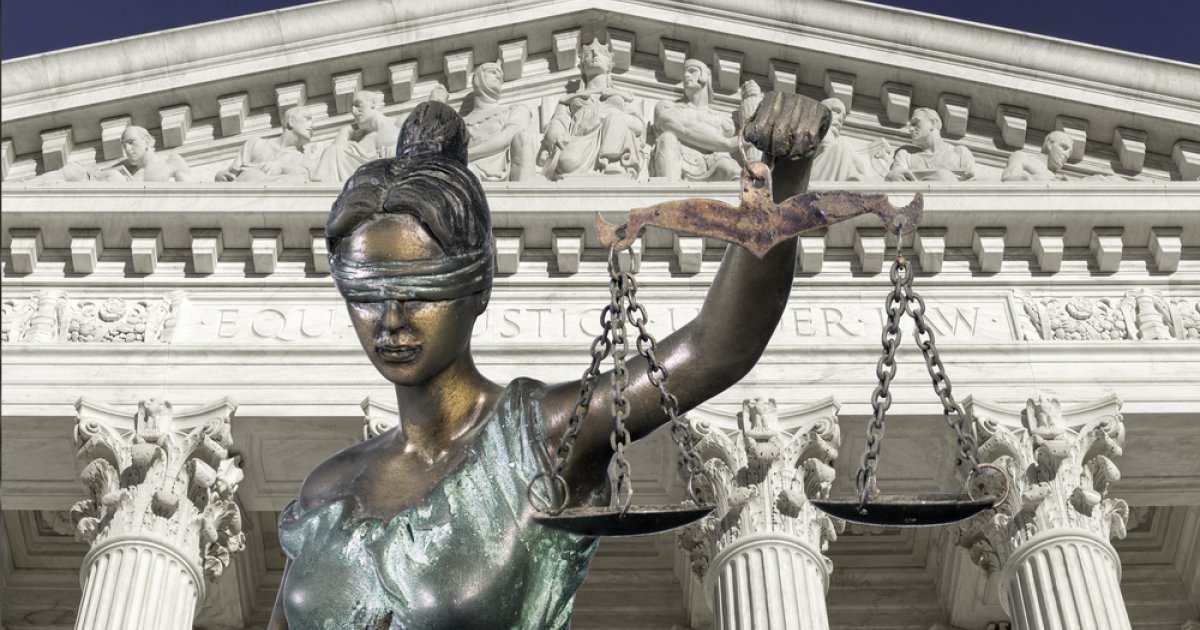
  • Supreme Court must halt unprecedented TikTok ban to allow review, FIRE argues in new brief to high court

    Supreme Court must halt unprecedented TikTok ban to allow review, FIRE argues in new brief to high court

    Today, FIRE filed an amicus curiae (“friend of the court”) brief in support of TikTok’s emergency application for an injunction pending review of a law that would force it to shut down absent divestiture of Chinese ownership. The Summary of Argument from the brief, on which FIRE is joined by the Institute for Justice and Reason Foundation, explains the law’s grave threat to free speech. 

    The nationwide ban on TikTok is the first time in history our government has proposed — or a court approved — prohibiting an entire medium of communications. The law imposes a prior restraint, and restricts speech based on both its content and viewpoint. As such, if not unconstitutional per se, it should be subject to the highest level of First Amendment scrutiny. Given the grave consequences, both for free speech doctrine and for the 170 million Americans who use TikTok to communicate with one another, this Court should at least hit the “pause button” before allowing such a drastic policy to go into effect.

    The U.S. Court of Appeals for the District of Columbia Circuit correctly recognized the Protecting Americans from Foreign Adversary Controlled Applications Act, (“the Act”) as a direct regulation of speech. Exercising original and exclusive jurisdiction over TikTok’s constitutional challenge, the court held the Act “implicates the First Amendment and is subject to heightened scrutiny,” and assumed but did not decide strict scrutiny was warranted. . However, the court held the Act “clears this high bar,” granting deference to the government’s characterization of alleged national security concerns to conclude the Act was “carefully crafted to deal only with control by a foreign adversary, and it was part of a broader effort to counter a well-substantiated national security threat posed by the [People’s Republic of China].”

    Although the appellate panel was correct that the Act should be subject to the highest level of First Amendment scrutiny, it failed to actually hold the government to its burden of proof, and deferred too readily to unsupported assertions of a national security threat.

    Congress has not met the heavy constitutional burden the First Amendment demands when regulating speech, let alone banning an entire expressive platform. No published legislative findings or other official public records attempt to explain or substantiate why the Act’s severe encroachment on millions of Americans’ right to speak and to receive information is necessary to address a real and serious problem. Nor was there any showing the ban would effectively address the asserted risks.

    The proffered evidence of the law’s purpose reveals illegitimate intent to suppress disfavored speech and generalized concerns about data privacy and national security. These concerns fall far short of satisfying strict scrutiny, and the court’s extreme deference to governmental conjecture is unwarranted, misguided, and dangerous. Nor is the Act narrowly tailored to any compelling or substantial government interest, as the First Amendment requires.

    Constitutional intrusions of this unprecedented magnitude demand this Court’s full consideration before they take effect. This Court should grant Petitioners’ emergency application for an injunction pending review.

    Source link