Tag: higher ed

  • Personalized Communication Strategies That Drive Student Engagement in Higher Education

    Personalized Communication Strategies That Drive Student Engagement in Higher Education

    Key Takeaways:

    • Personalized, timely, and relevant communication is key to engaging prospective students and meeting enrollment goals in higher education.


    • Effective strategies rely on immediacy, relevance, automation, and trackability, ensuring impactful and consistent interactions.


    • Omnichannel outreach, using a mix of email, SMS, print, and digital platforms, enhances visibility and builds trust by meeting students where they are.


    • Data-driven tools enable tailored, personalized communication, real-time adjustments, and sustainable strategies.


    Connecting with prospective undergraduate students in meaningful ways requires a thoughtful blend of strategy, immediacy, and personalization. Gone are the days when generic messaging could effectively spark interest or drive engagement. Today’s prospective students expect communications that reflect an understanding of their individual needs, aspirations, and priorities and their value to your institution.

    Institutions aiming to enhance their enrollment strategies must adopt a more data-informed and strategic approach to communication. This means reaching out with the right message, at the right time, and through the right channels.


    Laying the Foundation for Communication Success

    Effective communication with students is built on four key principles: immediacy, relevance, automation, and trackability. Each element plays a critical role in ensuring that interactions resonate with students and influence their decision-making process.

    • Immediacy: Quick and timely responses that change as students’ behaviors change demonstrate attentiveness and can make a significant impression on prospective students. Delays in following up on inquiries or campus visits risk the loss of momentum and interest. Statistics show that the school that responds to inquiries first is more likely to convince that student to enroll.


    • Relevance: Tailored, personalized communication should go beyond basic name inclusion. Students expect messages that address their specific interests. Misaligned content, such as sending information unrelated to a student’s expressed major, can quickly undermine trust.


    • Automation: Streamlined, automated workflows keep communication consistent and dependable, even during staff transitions or times of high demand. Manual processes, such as college fair follow-ups that sit unprocessed for long periods, can derail engagement. Automation prevents these bottlenecks, enabling timely responses even when staff are unavailable.


    • Trackability: Monitoring communication effectiveness helps institutions refine their strategies and optimize ROI.

    By integrating these principles, higher education institutions can deliver a cohesive and impactful communication strategy that strengthens student engagement and builds trust.


    The Importance of Omnichannel Outreach

    While email has long been—and remains—a cornerstone of communication, relying on it exclusively is no longer sufficient. The sheer volume of emails students receive daily makes it easy for even the most well-crafted messages to be overlooked. To stand out, institutions must adopt an omnichannel approach with campaigns that combine email with print materials, SMS messaging, voice blasts, digital ads, social media engagement, and microsites, all tailored to student interests.

    Each channel serves a unique purpose for student engagement in higher education. Print materials, for example, are particularly effective at involving families in the decision-making process. A well-designed brochure placed on a kitchen table can spark conversations among family members, especially parents, who are often key influencers in the college selection process.

    Similarly, integrating consistent, tailored messaging across multiple channels ensures that students receive a seamless experience. Whether they encounter an institution on social media, via a targeted ad, by SMS message, or through an email campaign, the message should feel cohesive and tailored to their interests. Omnichannel strategies, timed appropriately through the enrollment timeline, not only improve visibility but also demonstrate an institution’s commitment to meeting students where they are, thus building trust and rapport.


    Leveraging Data for Personalization

    Modern communication strategies must be rooted in data. By analyzing student preferences and behaviors, institutions can craft messages that resonate on an individual level. With data-informed insights, institutions can identify what matters most to prospective students—whether that’s career outcomes, financial aid, or specific academic opportunities—and address those priorities directly.

    For example, students interested in STEM programs may be more receptive to communications highlighting research opportunities and faculty expertise, while first-generation students may appreciate messages emphasizing affordability and support services.

    To further maximize impact, institutions can use surveys and initial engagement data to tailor their outreach strategies, which allows them to deploy resources efficiently while maintaining relevance. For example, expensive print materials can be reserved for students who show strong interest in particular programs, while a social media campaign may be more appropriate for inquiries earlier in the enrollment cycle.

    Real-time data tracking lets institutions segment their strategies dynamically. If a particular campaign underperforms across the board or for certain cohorts of students, modifications can be made immediately to better align with student preferences. This agility is essential for maintaining relevance and impact throughout the recruitment cycle.


    Building a Sustainable Communication Infrastructure

    Sustainable communication strategies rely on the integration of advanced tools and technologies. While a customer relationship management (CRM) system lays a strong foundation, institutions often need more specialized solutions to elevate their outreach efforts. Liaison offers a suite of products designed to enhance and streamline communication and enrollment strategies, including:

    • Enrollment Marketing (EM): Liaison’s EM software and marketing services help institutions manage and analyze personalized, automated omnichannel campaigns, ensuring consistent and effective messaging across multiple channels.


    • Othot: This AI-driven tool leverages predictive and prescriptive analytics to optimize communication strategies and enrollment decisions, tailoring outreach to align with student behavior and institutional goals.


    • Centralized Application Service (CAS): By simplifying the admissions process for students and providing institutions with tools for marketing, data management, and application processing, CAS supports efficient communication with applicants.

    By incorporating these technologies, along with Liaison’s CRMs, institutions can maintain a seamless and unified communication flow so that prospective students receive timely, relevant, and personalized messages. These solutions also allow institutions to monitor campaign performance and adjust strategies in real-time, maximizing the effectiveness of resources and making messaging more impactful for target audiences. This integration reduces reliance on fragmented workflows, preventing gaps or delays caused by disconnected platforms.

    Aligning tools and strategies across departments using Liaison’s technologies keeps messaging consistent and impactful, even as prospective students engage with multiple touchpoints throughout their journey.


    Achieving Long-Term Engagement

    Effective communication with students is about building relationships that extend beyond the initial stages of recruitment. Institutions that invest in understanding and addressing the unique needs of their prospective students position themselves as partners in their academic journey.

    By delivering personalized, timely, and relevant messages through multiple channels, institutions can foster deeper connections and enhance student engagement in higher education. As the competitive landscape of enrollment continues to shift, adopting a strategic and data-informed approach to communication will remain essential for success.

    Ready to elevate your communication strategies? Discover how Liaison’s advanced tools and technologies can transform how you connect with prospective students. From personalized, omnichannel campaigns to data-driven insights, our solutions help you engage students meaningfully and meet your enrollment goals. Contact us today to learn more.

    About the Author

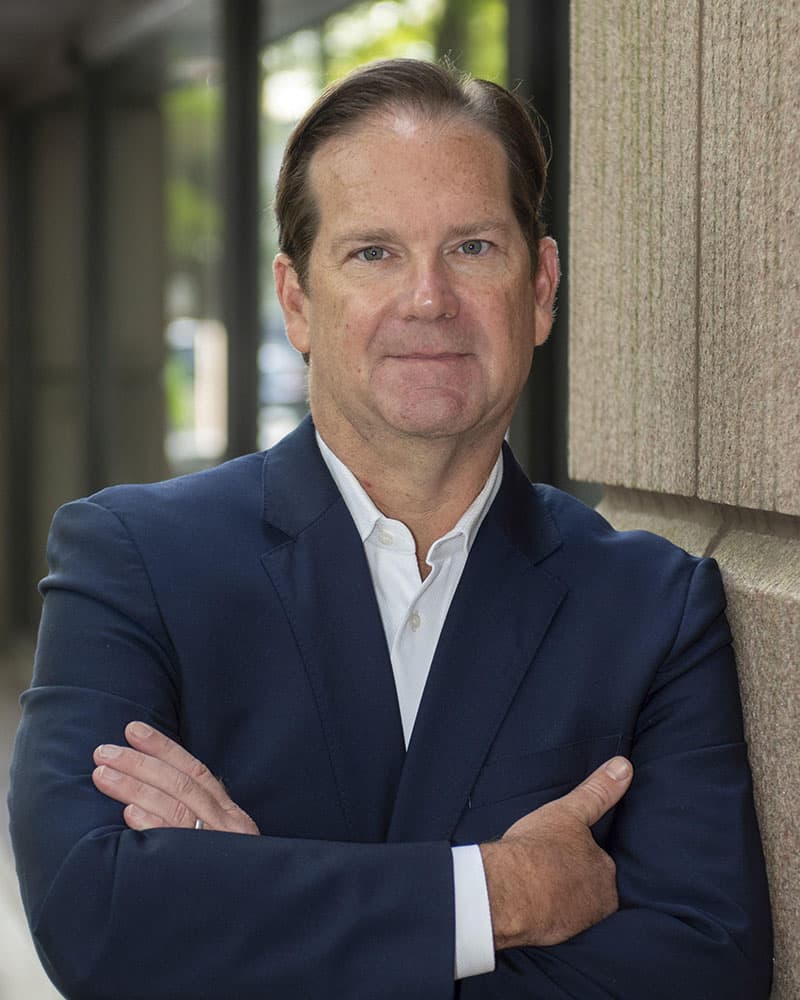
    Craig Cornell is the Vice President for Enrollment Strategy at Liaison. In that capacity, he oversees a team of enrollment strategists and brings best practices, consultation, and data trends to campuses across the country in all things enrollment management. Craig also serves as the dedicated resource to NASH (National Association of Higher Education Systems) and works closely with the higher education system that Liaison supports. Before joining Liaison in 2023, Craig served for over 30 years in multiple higher education executive enrollment management positions. During his tenure, the campuses he served often received national recognition for enrollment growth, effective financial aid leveraging, marketing enhancements, and innovative enrollment strategies.

    Source link

  • Moving Beyond New Year’s Resolutions to Embrace a Multi-Year Enrollment Strategy 

    Moving Beyond New Year’s Resolutions to Embrace a Multi-Year Enrollment Strategy 


    Developing New Year’s resolutions for personal growth is something many of us do. Unfortunately, it is often a set-it and forget-it process that is simply reupped the following year. When done correctly, however, creating a resolution that is developed as a sustained, long-term strategy—and that is regularly returned to and adjusted as needed—seems to be the best way to meet our personal goals.  
     
    As enrollment managers, we all have pursued the first approach in our professional lives by evaluating last year’s successes and failures annually, making a few tweaks, and then seeing how it all works out again the following year. The truth of the matter is that this approach was relatively sustainable for a time. Simply buying more names, adjusting the aid-leveraging model annually, or a developing a wider marketing plan often could drive greater enrollments—mostly because those tactics generally were designed to “add more fuel to the fire.” As long as the applications continued to grow, annual tweaks could help to maintain the core enrollments as well as improve on the margins for many institutions.  


    The Need for More Effective Strategic Enrollment Strategies

    Unfortunately, outside of key private and public flagship institutions, headwinds have developed over the past decade that are affecting higher education enrollments in significant ways. Ultimately, they may lead to campus closures for some, and to campus financial distress for many. As outlined in a paper from the Federal Reserve Bank of Philadelphia, “Predicting College Closures and Financial Distress,” those pressures include:

    • Post-pandemic enrollment challenges from traditional students (decreasing 15% from 2010-2021).


    • Changes among adult learners (“The number of adult students over the age of 25 has fallen by nearly half since the Great Recession”).


    • Growing competition.


    • A lack of public support for higher education nationally. 

    The combination of all these factors has brought about the need for enrollment managers to develop a wider multi-year strategy that includes tools with the ability to enable deeper, more highly data-informed fine tuning throughout any given cycle. A one-size-fits-all approach to creating a nuanced strategy can no longer work in an environment of shrinking applications and increased competition. 


    Liaison’s Partnership Philosophy

    Liaison is uniquely positioned to assist with higher education institutions in a true partnership. With the technology, services, and consultative approach that we provide our partners throughout the nation, we can assist in developing a comprehensive enrollment approach unique to your campus—ranging from single-point to full-enrollment planning solutions that are uniquely tailored to your unique needs. Liaison’s partnership philosophy, technology solutions, and industry knowledge and insights can not only help strengthen your enrollment planning and goals for this year but also set you up for long-term enrollment success.  


    Craig Cornell is the Vice President for Enrollment Strategy at Liaison. In that capacity, he oversees a team of enrollment strategists and brings best practices, consultation, and data trends to campuses across the country in all things enrollment management. Craig also serves as the dedicated resource to NASH (National Association of Higher Education Systems) and works closely with the higher education system that Liaison supports. Before joining Liaison in 2023, Craig served for over 30 years in multiple higher education executive enrollment management positions. During his tenure, the campuses he served often received national recognition for enrollment growth, effective financial aid leveraging, marketing enhancements, and innovative enrollment strategies.

    Source link

  • Four Benefits of Attending InsightsEDU

    Four Benefits of Attending InsightsEDU

    Every year, EducationDynamics welcomes marketing, enrollment, admissions, and higher education leaders from across the nation for InsightsEDU—a higher education conference dedicated to uncovering emerging trends and innovative solutions that help colleges and universities enhance reputation and grow revenue. In 2025, InsightsEDU will be hosted in New Orleans, Louisiana at the Ritz Carlton from February 12-14, 2025.

    With 40+ subject matter experts, and 38+ sessions, InsightsEDU is designed to equip attendees with the knowledge, tools, and strategies necessary to successfully engage the Modern Learner. Discover key benefits you will experience by attending InsightsEDU 2025.

    Benefits of Attending a Higher Education Conference like InsightsEDU

    1. Gain Timely Insights into the Modern Learner

    There is no doubt that higher education is undergoing a shift. The Modern Learner, who increasingly values flexibility, personalization, and cost-effectiveness, is driving much of this transformation.  This year’s conference theme, “The Era of the Modern Learner,” reflects this pivotal moment in education.  

    InsightsEDU will help higher education marketers adapt strategies to meet the needs of these students, by equipping them with practical insights on how Modern Learners interact with enrollment teams, make decisions, and engage with content. Understanding these dynamics will allow higher ed professionals to tailor marketing and enrollment strategies to better address the demands of today’s students, while demonstrating value and personalization.

    2. Network with Fellow Institutional Leaders, Experts, and Professionals Nationwide

    InsightsEDU is more than a learning opportunity; it is also an unparalleled networking opportunity for the higher education community. With over 100 colleges and universities represented, InsightsEDU brings together a diverse group of higher education professionals, including institutional leaders, marketers, admissions professionals, and experts from across the nation and even abroad.

    Throughout the conference, attendees will experience everything from informative sessions and panels to networking events infused with New Orleans’ flair. These interactions will provide attendees with opportunities to build lasting connections with fellow professionals who share a commitment to advancing higher education initiatives. Additionally, attendees will be able to participate in discussion forums and stay connected to professional connections through the conference app, allowing attendees to stay engaged even after the conference ends.

    3. Access Tailored Strategies for All Student Demographics

    InsightsEDU is dedicated to helping professionals connect with today’s diverse student populations through targeted, practical strategies. For traditional students, attendees will explore ways to create personalized outreach and recruitment campaigns that highlight flexibility and value. Sessions focused on online students will uncover data-driven marketing methods and innovative enrollment strategies that address their desire for convenience and personalization. For graduate students, attendees will explore strategies that leverage career-focused messaging and a clear return on investment for advanced degrees.

    Attendees will leave InsightsEDU equipped with powerful, actionable strategies tailored to the unique needs of various student demographics—empowering them to drive success and lead in a changing higher education landscape.

    4. Experience Expert-Led Sessions Focused on Real-World Solutions

    At InsightsEDU, attendees will engage with a stellar line-up of speakers covering the latest trends and challenges in higher education. Our conference agenda features 38+ sessions from industry experts, each with unique and data-backed perspectives on topics such as personalized digital marketing, enrollment management, and student success. With expert perspectives from organizations like Google, Meta, Reddit, EY Parthenon and more, attendees will learn how to apply the latest trends and technologies to enhance their approach. Additionally, attendees will gain exclusive insights to groundbreaking tools and data, including the latest Online College Students Report, giving them a first look at critical insights into today’s students.

    Unlock the Future of Higher Education at InsightsEDU 2025

    InsightsEDU 2025 is the must-attend conference for higher education professionals who are committed to staying ahead of the curve and driving impact within education. Don’t miss the opportunity to be a part of this innovative event, designed to provide you with strategies and insights for success in higher education.   

    We look forward to seeing you at InsightsEDU from February 12-14! Register today and secure your spot.

    Source link

  • The Evolution of the Traditional Admissions Funnel: Adapting to a New Era

    The Evolution of the Traditional Admissions Funnel: Adapting to a New Era

    The traditional admissions funnel has long served as a trusty blueprint for ushering prospective students from initial interest to enrollment. But times, they are a-changin’. Technological leaps, shifting student expectations, and newfangled marketing strategies have all conspired to transform this once-straightforward model. So, let’s dive into how the admissions funnel has evolved and what these changes spell out for colleges and universities.

    From Linear to Non-Linear Journeys

    Gone are the days of the straight-line path from prospect to enrollment. The old funnel—prospect, inquiry, application, admission, acceptance, enrollment—was neat and tidy. Today, the student journey is a lot more like a hopscotch game. Prospective students zigzag through stages, start an application, go back to gathering info, and flip-flop on decisions multiple times before finally enrolling. This behavior calls for admissions teams to be nimble and ready to pivot at a moment’s notice.

    The Digital Revolution

    The rise of digital tech has turned the admissions process on its head. Now, online platforms, social media, and virtual tours are the main highways for students discovering and engaging with colleges. Virtual events, webinars, and interactive content are must-haves to grab the attention of today’s digital-savvy students. To keep up, institutions need to master digital marketing and create a seamless online experience.

    Today’s students expect nothing less than personalized communication and experiences. With advanced data analytics, colleges can track student interactions and preferences, tailoring their outreach and engagement efforts. This means sending targeted messages, recommending specific programs, and offering personalized content that hits home with individual students. Such a personalized approach strengthens connections and boosts conversion rates.

    Increased Emphasis on Early Engagement

    Early engagement is now a cornerstone of the modern admissions funnel. Building relationships with prospective students well before the application stage is critical. This involves nurturing leads through meaningful interactions from as early as middle school. Colleges are investing in long-term outreach programs, summer camps, and pre-college initiatives to establish and maintain connections throughout the student journey.

    Focus on the Student Experience

    The student experience has become a pivotal factor in the admissions process. Prospective students are seeking more than academic offerings; they want institutions that align with their values, offer a supportive community, and provide opportunities for personal growth. Colleges need to showcase their unique campus cultures, highlight student success stories, and emphasize holistic support services to attract and retain students.

    Adapting to Changing Demographics

    Demographic shifts, like increasing diversity and the rise of non-traditional students, demand that colleges adapt their recruitment strategies. Institutions are developing more wide-ranging marketing campaigns and creating pathways for adult learners, transfer students, and international applicants. Understanding and addressing the unique needs of these diverse populations is crucial for staying competitive in today’s landscape.

    There you have it—the modern admissions funnel is a dynamic, digital, and personalized journey. Colleges and universities that embrace these changes and adapt their strategies will be the ones that thrive in this new era.

    We do NOT recruit and retain students when they understand us (the institution). We recruit and retain when students see we understand who they are.


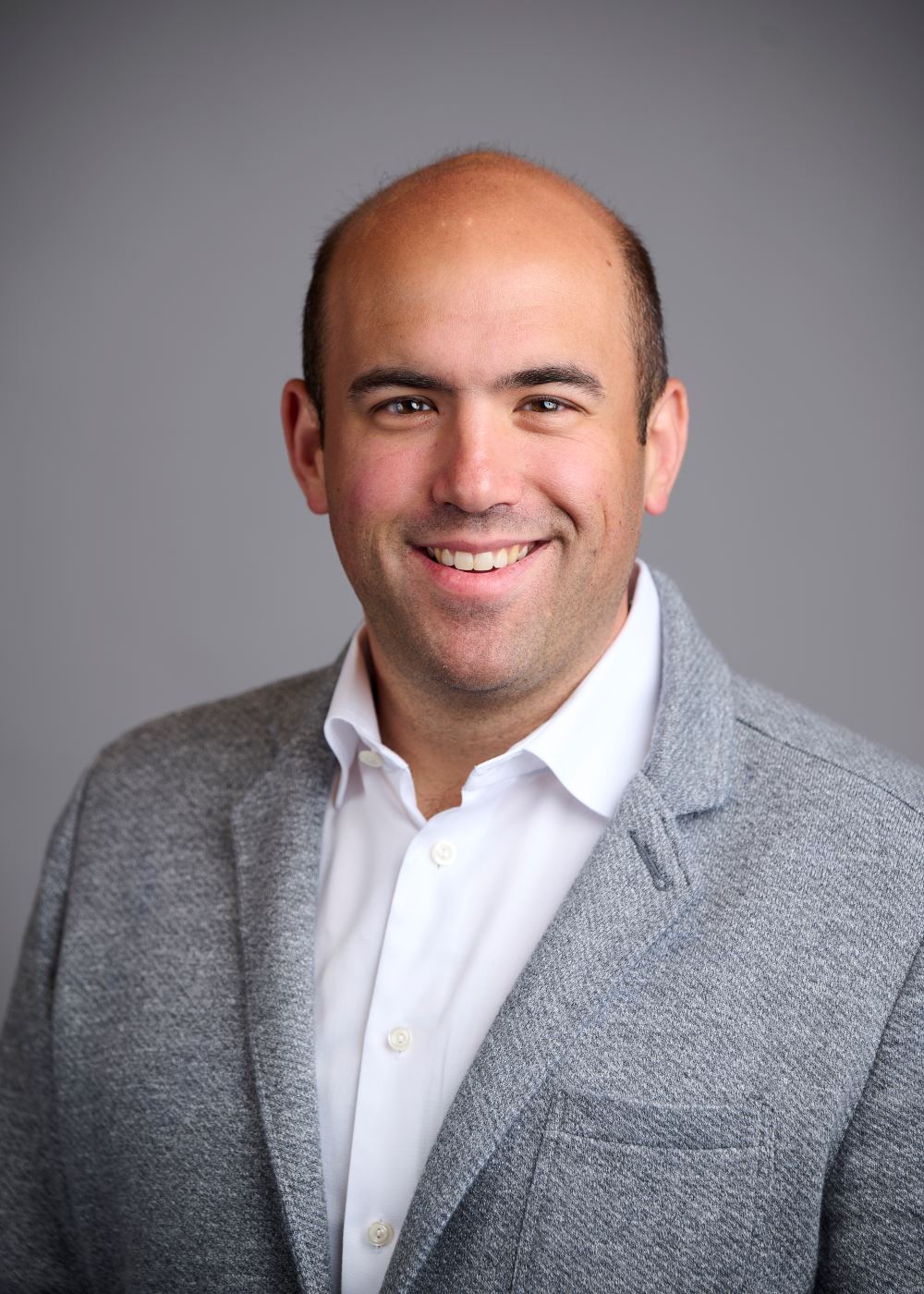
    Mondy Brewer, Ph.D., brings over 30 years of diverse experience in higher education, having held key leadership positions in admissions, marketing communications, and student success. He has also served as an Assistant Professor of Leadership in Business. In addition to his consulting work specializing in enrollment management, he currently serves as AVP – Enrollment Strategy at Liaison. Dr. Brewer holds a Doctorate in Leadership with a focus on higher education administration. His doctoral research explored the engagement of first-generation college students, offering insights into the institutional support mechanisms that promote their success.

    Source link

  • The Sky Is The 300 Character Limit: Bluesky

    The Sky Is The 300 Character Limit: Bluesky

    In the ever-evolving landscape of social media, platforms rise and fall as quickly as trends shift. Twitter, now known as X, has undergone significant changes, from its approach to verified accounts and content insights to the way it handles ad space. This volatility has paved way for competitors to emerge, and among them, Threads, but now Bluesky is rapidly gaining traction in the digital atmosphere.

    Recently surpassing 15 million users, Bluesky has positioned itself as a serious contender in the micro-blogging arena, offering users a fresh take on short-form content, photo sharing, video creation, and community-based content. 

    What is Bluesky?

    Bluesky is the first app to dethrone Twitter at the top of app store charts. Founded in 2019 by former Twitter employees, it was initially developed to complement the platform we all know but has since carved out its own identity. After operating on an invite-only basis through 2023, Bluesky is now fully open to the public. This was vital to the growth of the platform, as they attempted to appeal to users wanting to “flee” Twitter/X for a different space to share insights or cat memes.  

    At its core, Bluesky focuses on community-driven sharing, allowing users to interact in familiar ways—through likes, replies, reposts, and follows.

    The Advertising-Free Zone

    Currently, Bluesky operates without any advertising, offering a purely organic experience for its users. While this will likely change in the future, the ad-free environment has contributed to its appeal among users seeking a more authentic and less commercialized space. Users want a space where they can gather information or converse without the never-ending interruption ads that have come to populate X and other platforms. Users know ads will eventually be introduced, but the joy of new social platforms is how authentic and organic the space feels. It is a way to build authentic and personal connections in a completely curated feed, which is what users are looking for in a new space.  

    Unique Features That Set Bluesky Apart

    The most revolutionary feature is Bluesky’s decentralized model. Users can host their servers, storing data independently and setting their own rules, much like the structure of Discord. Here are a few of the other Bluesky features that make the platform stand out for many users:  

    • Content Detachment: Unlike other platforms, users can detach their accounts from content when it is reshared or quoted by others, giving them greater control over their posts. 
    • Zero Tolerance for Hate Speech: The platform is committed to fostering a safe environment, with a dedicated team actively monitoring content for hate or extremist behavior. 
    • Greater Control: BlueSky offers users the ability to control their feeds, and even manage multiple streams of content. Users can set up custom feeds or join public feeds tailored to topics of their choosing.  

    Additionally, Bluesky allows users to create unique domain-based handles (e.g., @username.sky), providing a distinctive identity for individuals and organizations alike. Universities could use .edu handles to strengthen their community presence and allow outsiders to know instantly where the server will focus.  

    Threads or Bluesky: Which Platform Should You Choose? 

    Both. It would help if you grabbed those handles when you can. Even if you don’t plan to post right away, it is a good plan of action to have them in your marketing department’s back pocket. You want to avoid becoming part of those challenges where others have your user and will make you purchase it. Think about the efforts you wish to make. What is the University’s voice for this style of media? Do you want to share updates and insights or try the latest catchphrases to meet your students? It could be a combination of all of this and figuring it out, seeing how your students interact, and making content to fit their needs. Threads right now does provide more insight, but it has yet to find it’s right footing within the world of short text. Bluesky seems to be excelling on that front.  

    What Does Bluesky Mean for Universities? 

    Bluesky’s rise signals a shift in how people want to consume media. Twitter/X has faced criticism for its unpredictable algorithms, ad policies, and evolving identity. In contrast, Bluesky promises a return to chronological timelines, community-building, and user-driven experiences. It is saying all the right words to users, and it will be interesting to see if it can keep its promises.  

    For universities and brands, this is a chance to establish a presence on a platform designed for engagement and conversation. Early adoption could secure valuable handles and position organizations to connect with students, parents, alums, and stakeholders in a more meaningful way. Bluesky’s community-first approach means content should be both informative and approachable, bridging gaps and fostering connections. Universities, for example, could use the platform to quickly share updates, create dialogues, and build a sense of belonging among their audiences. 

    How Will Bluesky Impact the Digital Landscape?

    Bluesky is more than just another social media platform; it’s a reflection of changing user expectations. As it continues to grow, universities and brands should take note and prepare for a potential shift in how they communicate in the digital space. With its decentralized foundation, focus on community, and fresh approach to micro-blogging, Bluesky is paving the way for a new era of social media.

    At EducationDynamics, we pride ourselves on staying at the forefront of social media trends. We are committed to exploring how organic platforms like Bluesky can help institutions engage new students and cultivate thriving online communities. For ongoing support and insights, connect with our organic social team and elevate your strategy.  

    Source link

  • Voices of Innovation: Meet InsightsEDU 2025 Featured Speakers

    Voices of Innovation: Meet InsightsEDU 2025 Featured Speakers

    Higher Education Speakers of InsightsEDU

    Meet the thought leaders shaping the future of higher education at InsightsEDU 2025! Taking place from February 12-14, 2025 in New Orleans, LA, this conference brings together expert voices in higher education marketing, enrollment management, and leadership to discuss the evolution of today’s Modern Learner. This year, explore the future of higher education in 38+ sessions, where our speakers will share their vast expertise and unique perspectives. From higher education leaders to enrollment professionals, these speakers are vital to the InsightsEDU experience and are ready to equip you with insights to thrive in a new era of learning.

    The lineup of featured speakers for InsightsEDU 2025 is still growing—stay tuned for exciting new announcements! Below are the confirmed featured speakers as of November 7, 2024.

    Gregory Clayton

    President of Enrollment Management Services at EducationDynamics
    With over 30 years of experience in the higher education space, Greg brings valuable expertise in enrollment management and performance marketing. As President of Enrollment Management Services at EducationDynamics, he leads a comprehensive team offering agency marketing, enrollment services, strategic consulting, and research, all tailored to the higher ed sector. His leadership and career position him as a visionary strategist, equipped to offer insightful commentary on the higher education landscape and enrollment solutions. Join his session to learn more about how to better serve the Modern Learner and implement strategies that drive institutional success.

    Session: The Evolving Expectations of the Modern Learner: How Institutions Can Adapt and Thrive

    Wendy Colby

    Wendy Colby

    Vice President and Associate Provost for Boston University Virtual (BU Virtual)
    Throughout her career, Wendy has distinguished herself as a leader in online learning and enhancing the student experience. At BU Virtual, she focuses on delivering educational and technological excellence, positioning the program as a model of high-quality online education. Wendy’s commitment to advancing digital learning solutions ensures that students receive an exceptional learning experience. With extensive expertise in strategic leadership and global engagement, Wendy brings invaluable insights to InsightsEDU, where she will speak on best practices for collaborative strategies that optimize institutional success.

    Session: Bridging the Gap: Aligning Marketing & Enrollment Management for Success

    Roy Daiany

    Director, Education & Careers at Google
    With over 15 years of experience, Roy Daiany leads Google’s national team of education advertising strategists, partnering with top universities and EdTech companies to drive growth. A champion of technology-driven marketing, Roy will share valuable insights in his upcoming session, drawing on Google’s data to highlight key areas for optimizing student outreach and exploring innovative advertising practices.

    Session: Emerging Trends and Priorities for Higher Education

    Brent Fitch

    President of Rocky Mountain College of Art and Design
    Brent’s extensive career and leadership in higher education provide invaluable perspectives for InsightsEDU 2025. As President of Rocky Mountain College of Art and Design, he has played an instrumental role in shaping strategies that optimize student engagement. With a proven track record in developing innovative programs that enhance faculty, employee, and student outcomes, his strategic leadership offers InsightsEDU attendees exclusive access to tried and true best practices within higher education. Learn from Brent to gain a deeper understanding of how to navigate institutional challenges and embrace new strategies for ongoing success.

    Session: The Era of the Modern Learner: Redefining Higher Education

    Andrew Fleischer


    Head of Industry, Education at Google
    As Head of Industry for Education at Google, Andrew Fleischer leads a team dedicated to transforming how institutions and EdTech companies approach enrollment and brand positioning. With a background spanning strategic roles in Google’s App and Retail sectors, Andrew brings expertise in using data-driven advertising to address complex business goals. In his session at InsightsEDU 2024, Andrew will explore Google’s latest insights on the role of AI in higher education and share valuable strategies to navigate the evolving student journey.

    Session: Emerging Trends and Priorities for Higher Education

    Stephen Horn

    Chief Marketing Officer at The College of Health Care Professions (CHCP)
    Stephen Horn is an award-winning marketer known for his inventive strategies that drive growth and expand market share. With a strong background in brand-building and nurturing marketing talent, Steve has a proven track record of success. As Chief Marketing Officer for CHCP in Houston, his role has been critical to program success. InsightsEDU attendees can anticipate gaining valuable insights into effective strategies for enhancing student engagement and aligning marketing with cross-functional departments.

    Session: Bridging the Gap: Aligning Marketing & Enrollment Management for Success

    Dr. Melik Khoury

    Dr. Melik Khoury

    President of Unity Environment University
    Gain fresh insights and practical strategies for engaging Modern Learners with Dr. Melik Khoury, a pivotal leader in higher education. As President of Unity Environmental University, Dr. Khoury prioritizes student success and has spearheaded transformative initiatives to increase enrollment and retention. His commitment to affordability, accessibility, and flexibility are paramount to the university’s enduring success. Dr. Khoury’s tenure at Unity Environmental University has established him as an innovative and adaptable leader, making him an ideal expert to address today’s new era of learning and the unique needs of Modern Learners.

    Session: The Era of the Modern Learner: Redefining Higher Education

    Dr. Andy Miller

    Senior VP of Strategic Enrollment & Partnerships at Indiana Wesleyan University
    Andy Miller, PhD, brings a wealth of experience to InsightsEDU 2025. In his role as Sr. VP of Strategic Enrollment & Partnerships at Indiana Wesleyan University, Andy oversees enrollment and partnership initiatives, serving over 12,000 students. With expertise in building cross-industry partnerships and creating training pathways for adult learners to meet workforce demands, Andy is a pivotal leader in the field.

    Session: Bridging the Gap: Aligning Marketing & Enrollment Management for Success

    Dr. Joe Sallustio

    Dr. Joe Sallustio

    Vice President of Industry Engagement at Ellucian & Cofounder The EdUp Experience Podcast
    Dr. Joe Sallustio is a leading authority within the higher ed sector, recognized for his expertise in operations, finance, and academics. With over 20 years of experience, he has led teams across various institutional functions, including marketing, enrollment, finance, and student services, equipping him with the skills to successfully navigate the modern landscape of higher education. Dr. Sallustio leverages his extensive knowledge as co-founder and host of The EdUp Experience, a podcast that explores timely topics in the higher ed industry. Join his session to learn more about innovative strategies for addressing challenges and uncovering opportunities for student success amid changing times.

    Sessions: The Era of the Modern Learner: Redefining Higher Education

    Katie Tomlinson

    Katie Tomlinson

    Senior Director of Analytics and Business Intelligence at EducationDynamics
    Prepare to unlock insights with Katie Tomlinson. As the Senior Director of Analytics and Business Intelligence, Katie expertly manages data and reporting, uncovering key trends to support EducationDynamics in delivering data-driven solutions for the higher ed community. Learn from her as she discusses findings from EducationDynamics’ latest report, where attendees will gain a deeper understanding of the evolving learning environment and the significant factors that influence Modern Learners’ educational choices.

    Session: The Evolving Expectations of the Modern Learner: How Institutions Can Adapt and Thrive

    Engage with the Leaders Shaping Higher Education

    InsightsEDU 2025 promises to be another impactful conference, offering a forum for thought leadership, best practices, and meaningful networking among higher education professionals. This conference unites industry leaders and institutions to explore the key challenges and exciting opportunities facing the higher ed sector today. Taking place in early 2025, InsightsEDU is the perfect change to gain insights that will strengthen your institution’s foundation for the year ahead and beyond. Don’t miss out–Register today to secure your spot.

    Source link