Tag: higher education

  • College Athletes Can Now Make Millions Off Sponsorship Deals – The 74

    College Athletes Can Now Make Millions Off Sponsorship Deals – The 74


    Get stories like this delivered straight to your inbox. Sign up for The 74 Newsletter

    $390,000 to Jaylon Tyson, a former basketball guard at UC Berkeley, from a group of private donors.

    $3,000 to Jordan Chiles, a UCLA gymnast and Olympic gold-medal winner, from Grammarly, an AI writing company. 

    $390 to Mekhi Mays, a former Cal State Long Beach sprinter, from a local barbecue joint. 

    These payments — derived from data that public universities provided to CalMatters — were part of “name, image and likeness deals” requiring students to create favorable posts on social media. 

    Such sponsorship deals were unheard of just four years ago. In 2021, California enacted a law allowing athletes to make these kinds of brand deals. It was the first state to pass such a law, prompting similar changes across the country. 

    This is the first-ever look at what many California athletes have actually made. University records show that money is flowing, but how much college athletes earn depends largely on the popularity of the sport, the gender and star power of its players and the fanbase of the university. While UCLA gymnasts earned over $2 million in the last three school years, university records show that players on the UCLA women’s water polo team earned just $152 during the same time frame, despite winning the national championship last year. 

    For companies, these name, image and likeness deals are akin to paying any other celebrity or professional athlete to promote a product. University alumni and sports fans can’t give money directly to a student athlete — at least not yet — but they are allowed to make name, image and likeness deals. Many universities have private donor groups, known as collectives or booster clubs, that offer athletes money, sometimes more than $400,000 in a single transaction, in exchange for an autograph or participation in a brief charity event. Often, those deals are a pretext to send money to top-tier players and discourage them from seeking better deals at other colleges.

    CalMatters reached out to every public and private university in the state with Division 1 teams, where the potential for profit is typically highest, and requested data that shows how much money each of its student athletes have made since 2021. State law requires all student athletes to report to their school any compensation they receive from their name, image and likeness, and public universities are required to disclose certain kinds of data upon request. Private universities, such as Stanford University and the University of Southern California, are not required to disclose any data about their students’ earnings. 

    All of the public Division 1 universities responded to CalMatters’ inquiry, though they did not all provide the same degree of transparency. San Jose State and Cal State Northridge said they had no records of any deals.

    There’s no consequence for students who fail to report what are known as NIL deals, so the data from public institutions may be incomplete. Still, certain trends emerge: 

    • College athletes at the state’s public universities received millions of dollars from collectives or booster clubs. At four University of California schools, around 70% or more of all compensation came from these collectives, according to university records. That’s just below national trends, according to a report by Opendorse, a tech company that tracks students’ deals. 
    • Male basketball players earned the most. While football is more popular and lucrative, nationally, many public Division 1 schools in California lack a football team. The football data may also be incomplete. For instance, all football players at UC Berkeley reported making a total of just over $113,000 since 2021 — less than what all San Diego State players made — even though Berkeley is in a more prominent conference. 
    • For high-profile football or basketball players in particular, it’s becoming more common for students to transfer multiple times, often in search of better name, image and likeness deals. Some California institutions, such as UC Davis and Cal Poly San Luis Obispo, have seen top athletes transfer colleges or threaten to transfer in order to attain better compensation elsewhere.
    • Except for a few star players, such as Chiles, most female college athletes made very little, according to the data provided to CalMatters. 
    • Collectively, athletes at UCLA and UC Berkeley earned more than double what those attending other UC and California State University campuses made. Some donors, such as those supporting Sacramento State and UC San Diego, have rapidly raised money to compete, while at other schools, athletic directors say they’ll never be able to guarantee such high-dollar deals. 

    Schools often removed any information that could identify an individual student. While UCLA generally did not provide the individual names of its athletes, the school was more transparent than most and shared the date of each transaction, the name of the brand or company, the amount of money it gave, and the sport. In February, a UCLA gymnast reported receiving $250,000 from the beverage company Bubbl’r. Since then, Chiles has promoted that brand, repeatedly. In May, a UCLA gymnast reported receiving $210,000 from the cosmetic brand Milani for “social media” — just a few months before Chiles posted a video on Instagram, promoting its makeup. One or more members of the UCLA gymnastics team have also reported deals with the food company Danone for $300,000 and with the health care company Sanofi for $285,000. 

    Fresno State shared less information. In the 2021-22 academic year, the Fresno State women’s basketball team raked in over $1.1 million from multiple name, image and likeness deals, but the university did not disclose which players were involved or how many were paid. After influencers and former basketball players Haley and Hanna Cavinder transferred to the University of Miami in April 2022, the number and dollar amount of deals for the Fresno team diminished. In the 2023-24 academic year, the team made just over $1,000 from 10 different deals.

    Money from boosters or collectives is the hardest to trace. In May, for example, a group of UCLA donors gave an undisclosed football player $450,000 for “social media.” 

    While private universities are not required to disclose students’ earnings, market estimates from On3, a media and technology company focused on college sports, say the highest-earning Stanford University athlete, basketball player Maxime Raynaud, could collect $1.5 million in the next 12 months. The top USC athlete, football player Jayden Maiava, could make $603,000 in the next year, according to the same estimates. These numbers are based on an algorithm that uses aggregate deals from college athletes across the country. Nationwide, the Opendorse report estimates that college athletes will earn $1.65 billion in the 2024-25 academic year. 

    Soon, college athletes may make even more. A high-profile class-action lawsuit will likely allow schools to pay athletes directly, while still classifying them as students, not employees. If the proposed settlement agreement goes into effect, students could see payouts as early as this fall. 

    If a school pays a student directly, the money should be divided roughly proportional to the number of male and female athletes, the Biden administration said in a U.S. Department of Education fact sheet issued in January. The page no longer exists

    In the last few months, attorneys have rescinded federal labor petitions asking that USC and Dartmouth College student athletes be reclassified as employees, but new cases are likely on the horizon, said Mit Winter, an attorney who specializes in name, image and likeness law: “I do think at some point — two years, five years, whatever it is — at least some college athletes will be employees.”

    A Times Square billboard reads: NIL has begun

    For decades, college sports have been a big business, though most of the money flowed to universities, not students. Nationally, Division 1 universities reported $17.5 billion in athletic revenue in 2022, according to the National Collegiate Athletic Association (NCAA). That’s more than the gross domestic product of 83 countries. For schools with top-performing football programs, such as UCLA and Berkeley, broadcast deals and other kinds of marketing represent over a third of total revenue. 

    Before California’s law went into effect, college athletes weren’t allowed to profit off their sport, though they frequently received scholarships equal to the cost of college tuition. On July 1, 2021 the new law took effect, and Haley and Hanna Cavinder were the first to benefit, signing deals with Boost Mobile, a cell phone company, and Sixstar, a nutrition company, just after the stroke of midnight. A Times Square billboard proclaimed they were the first such deals in the country. 

    Over the past four years, other California college athletes have signed advertising deals with clothing brands such as Crocs, Heelys and Aeropostale and food brands such as Liquid I.V. and Jack in the Box. FTX, the now-bankrupt cryptocurrency exchange, signed contracts with at least six players on the UCLA women’s basketball team in 2021. In 2022, the Biden campaign gave a UCLA gymnast $7,000, but public records did not disclose the purpose of the transaction. No other politicians appeared in any university’s data.

    Last year, Visit Fresno County, a nonprofit that promotes tourism, paid former Fresno State football players Dean Clark and Kosi Agina just under $10,000 to post Instagram videos about a local farmer’s market and a minor league baseball team, according to President and CEO Lisa Oliveira. She said the posts were so successful that she asked Agina to make another video, promoting a hiking trail in the Sierra National Forest

    But much of the money for students’ name, image and likeness doesn’t come from brands at all — it’s from private donors. Philanthropist and entertainment lawyer Mark Kalmansohn has given nearly $150,000 in 12 different transactions to athletes on UCLA’s volleyball, softball and women’s basketball teams since 2022, according to the data, which runs through May of last year. In an interview with CalMatters, Kalmansohn said he’s given more than $175,000 since May. “Women’s sports were almost always treated in a second-hand nature and given inferior resources,” he said, adding that his philanthropy is about “women’s rights.”

    In exchange for money, he asks each recipient to issue a free license of their name, image and likeness to a nonprofit organization that’s relevant to the athlete’s sport. But he said that’s not the norm. “In men’s football and men’s basketball, it’s pretty obvious that money is not for an ‘appearance’.” Instead, he explained that it’s a way to support the player and keep the team competitive. 

    Most donors give money to specific athletes through a collective, where the donors’ identities are largely hidden. At UCLA, public data through the 2023-24 academic year shows that a collective known as the Men of Westwood channeled nearly $2 million in private donations to the football, basketball and baseball teams. At Berkeley, collectives gave over $1.3 million to athletes since the 2022-23 academic year — the vast majority of which went to the men’s basketball team. 

    Supporting ‘elite talent’ at UC and Cal State

    For years, NCAA rules made it difficult for college athletes to transfer schools, but in 2021, right around the time that California started to allow name, image and likeness deals, the NCAA eased those rules. The number of students who transfer suddenly jumped in 2021 and has ticked up each year since, according to NCAA data. In practice, the new rules means that a well-endowed collective can lure athletes who want to make more money. 

    This year, over 11% of all Division 1 football players have tried to transfer colleges, an increase from the previous year, said Matt Kraemer, whose organization, The Portal Report, uses social media posts and tips from insiders to gauge college athletes’ transfer activity. Quarterbacks are even more likely to try to transfer, Kraemer said.

    For institutions like UC Davis, the threat of losing a top athlete can be costly. Late in the 2023-24 academic year, donors from other universities promised top athletes lucrative deals if they agreed to transfer, so UC Davis formed a collective, Aggie Edge, to make counter-offers, said Athletic Director Rocko DeLuca. “It’s a means to retain elite talent here at Davis.”

    DeLuca said the collective gave men’s basketball guard TY Johnson $50,000 and UC Davis running back Lan Larison $25,000. Those transactions were for “social media, appearances, autographs,” according to the university’s data. 

    So far, all other UC Davis athletes — more than 700 students over 25 sports — have reported just under $19,000 in deals since 2021. A few other athletes received products, such as a free cryotherapy session or a commission based on sales.

    In December, former UC Berkeley quarterback Fernando Mendoza transferred to Indiana University, where he later signed a name, image and likeness deal with a collective for an undisclosed amount. UC Berkeley then recruited former Ohio State quarterback Devin Brown the day after he won a national championship. It’s not clear if the Berkeley collective offered Brown a deal, since the university’s data doesn’t name Brown. 

    Justin DiTolla, Berkeley’s associate athletic director, said the university is “not affiliated with the collective” and that the university provides “equal support to all student athletes.” “We recognize that there is a difference in NIL support,” he said, “But it isn’t under our scope or umbrella.” The Berkeley collective, California Legends, declined to comment.

    At Cal Poly San Luis Obispo, some football players sought more money through a name, image and likeness deal by transferring to another school, but they didn’t all succeed, said Don Oberhelman, the university’s athletic director. “That’s the dirty little secret of all of this: the number of kids who blow an opportunity.”

    This fall, nine football players at Cal Poly San Luis Obispo announced their intention to transfer, he said. Six of them found a new university, he said, including University of Texas El Paso, San Diego State, Stanford, and Washington State — but three of them never received an offer from another school. 

    Oberhelman said that his football coach begins recruiting a replacement the moment a player announces his intention to transfer. If that student doesn’t end up transferring, he may lose his spot on the football team and the entirety of his athletic scholarship, which can be up to $30,000 a year. 

    “There’s raw emotion involved in these kinds of decisions,” he said. “I don’t think that’s how we would operate, but I can see a lot of people say, ‘You broke up with us.’” 

    Oberhelman said he doesn’t know what happened to the three players from the football team who failed to transfer. “For me, it would boil down to: Did we promise that money to someone else? Did we find another transfer or a high school person to replace you? If we did, that would put your future financial aid with us in jeopardy.”

    Small-town name, image and likeness deals 

    Outside of top football and men’s basketball programs, many of California’s college athletes vie for smaller name, image and likeness deals, often with local businesses, lesser-known clothing or athletic brands, or anything else they can find.

    Former Berkeley softball player Randi Roelling got $50 from one woman to give a pitching lesson to her daughter. In July 2023, chiropractor Lance Casazza started giving out free sessions to at least one Sacramento State football player in exchange for social media posts.

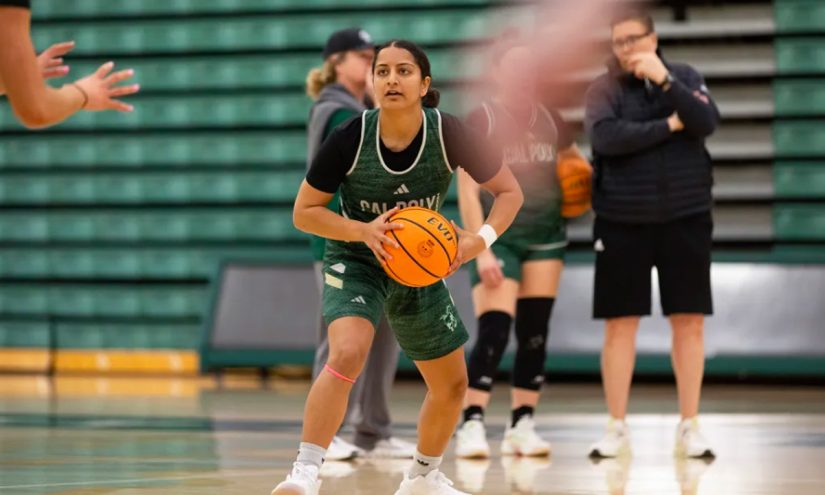
    Annika Shah, a basketball player at Cal Poly San Luis Obispo, got her first deal through a local restaurant, Jewel of India, which occasionally has a pop-up tent outside the college gym. “I just said, ‘Hey I can market you. Let’s think of a cool slogan to put out.’” Customers who ask to “swish with Shah” at the checkout counter get a discount on their meal, she said. Shah doesn’t get any money, she said, but she does get free food whenever she visits. 

    “It was just a cool relationship and connection that I made with this family and the owners of Jewel of India, where they just want to help me out and I want to help them.” 

    Walking around campus, friends jokingly refer to Shah as their own “Jewel of India” and she likes it. “It’s such a marketable slogan now, and it kind of identifies who I am.”

    Many Division 1 schools have their own websites where customers can buy gear with an athlete’s name on it, but last fall, no such platform existed at Cal Poly San Luis Obispo, said Shah, so she created her own. She partnered with a company, Cloud 9 Sports, and launched her own apparel brand. It’s brought in about $2,000 in sales so far, but after the university and Cloud 9 Sports take a cut, Shah said she’s left with about $800. 

    Shah said she was never told to report any of her monetary or in-kind contributions. After CalMatters asked, Oberhelman, the athletic director, said the school is now requiring it. “We haven’t done a great job following up because we’re just not going to have student athletes that are getting even five-figure deals,” he said. 

    Oberhelman said he only knew of eight deals, each for $2,000, all to the men’s football team from a group of private donors.

    Fresno State provided more data than Cal Poly San Luis Obispo, but it did not designate which deals came from its collective, known as Bulldog Bread. On its website the collective says it has raised more than $690,000 in corporate donations for Fresno State. At the top tier, that includes money from former Fresno State quarterbacks David and Derek Carr, property developer Lance Kashian, and construction company Tarlton and Son, Inc. The collective recently launched a vodka brand in partnership with a distillery, where a portion of all proceeds support students’ name, image and likeness deals.

    Athletes at UC Santa Barbara have reported $1,800 from their collective, Gold & Blue, but many other transactions reported by the school provide few details. According to the school’s data, an unnamed person or group made 15 deals with one or more members of the UC Santa Barbara men’s basketball team, totaling over $50,000 in “appearance fees” for an event last August associated with Heal the Ocean, a local environmental nonprofit. 

    The organization’s executive director, Hillary Hauser, said the nonprofit made no such contribution and had no events in August. University spokesperson Kiki Reyes said it’s “possible” that a collective made those payments, but she refused to respond to CalMatters’ questions regarding Hauser’s statement the event never occurred. 

    From August 2023 to August 2024, male basketball and baseball athletes at UC Santa Barbara reported roughly $500,000 in compensation for appearance fees related to various charities. Over the same time frame, all other athletes reported receiving free products, sales referrals, and cash payments totaling about $1,000.

    At UCLA, the CEO of the Men of Westwood collective, Ken Graiwer, is listed in university records as the “point of contact” for a $450,000 contribution, distributed over six transactions in the 2023-24 academic year, to the men’s basketball team for “public appearances.” For each of those transactions, the university’s data lists the Team First Foundation, a sports nonprofit, as the vendor. Neither UCLA nor the Team First Foundation responded to questions about who made the payment. 

    A few months before those transactions, the Men of Westwood posted a few photos on its Instagram account, showing UCLA men’s basketball players on the court with smiling children from the Team First Foundation programs. In the post, the Men of Westwood said it was “NIL outreach.” 

    California universities try to ‘stay competitive’

    Since becoming legal in 2021, the market for name, image and likeness compensation has exploded. Sports commentators, attorneys, and athletic directors say the landscape is a kind of “wild West” or “gold rush”: The money is pouring in, but the regulations are sparse or evolving.

    CalMatters has partial data from the 2024-25 academic year, but early indicators suggest that even more cash will soon flow to players. In September, a group of Sacramento State alumni, including some state lawmakers, said they raised over $35 million in one day for name, image and likeness deals. Cal State Bakersfield and UC San Diego recently formed their own collectives too.

    Last year, former Democratic Sen. Nancy Skinner of Berkeley — one of the co-authors of the watershed name, image and likeness law — proposed a new bill to gather more data about spending by collectives and its impact on women’s sports. Newsom vetoed the bill, saying “Further changes to this dynamic should be done nationally.” 

    Initially, the NCAA tried to prevent colleges from directly assisting athletes with deals, but the association has eased those regulations recently, blurring the lines between universities and the private collectives that support them. Many states have passed laws explicitly allowing universities to make deals directly with students. In October, Skinner and former Democratic Sen. Steven Bradford wrote a letter to California universities, encouraging them to do the same. 

    “I strongly urge California schools to make full use of (the watershed law) to stay competitive in college sports, especially now that other states are copying California and allowing their schools to make direct NIL deals with their student athletes,” said Skinner in a press release about the letter.

    This spring, California District Judge Claudia Wilken is expected to approve a settlement between athletes and the NCAA that would further expand the ways universities can pay their players. In the proposed settlement, a college could directly spend up to a combined $20.5 million per year on payments to all of its athletes. The spending limit would grow over time.

    Regardless of the settlement, athletic directors at many of California’s public institutions, such as Cal Poly San Luis Obispo and Cal State Bakersfield, said they don’t plan on giving any more money directly to students because their athletic programs lack the cash. “They’re already on full scholarship, so there aren’t any more existing dollars we can really offer that person,” said Oberhelman, with Cal Poly San Luis Obispo. Even if the university did have the money, he said he’s concerned about the legal implications of paying students directly. “Are they going to get a W-2 now? Are we paying workers comp? Nobody seems to have answered a lot of these questions.”

    DiTolla, at Berkeley, said the university will start paying its athletes once the settlement is finalized. UC San Diego joined Division 1 sports last year, and Athletic Director Earl Edwards said it is “seriously considering” paying its athletes too “if that’s what we need to do to be competitive.” UCLA refused to comment on the proposed settlement.

    USC Senior Associate Athletic Director Cody Worsham said the university will “invest the full permissible $20.5 million in 2025-26.” Stanford refused to answer any questions.

    While no Division 1 school in California has shared details about how it plans to pay its athletes, experts, such as attorney Mit Winter, say the proposed settlement is unlikely to change the current disparities in college sports, especially within the four most lucrative and dominant athletic conferences, known as the Power Four. Stanford, USC, UC Berkeley and UCLA are all in the Power Four. 

    For female rowers like Anaiya Singer, a freshman at UCLA, the disparities among men’s and women’s sports — and between football, basketball and everyone else — are no surprise. “Those big sports do bring in the most revenue, and they’re the most watched,” she said, while acknowledging that other athletes, such as fellow rowers, “deserve much more than we’re getting.” 

    Singer said she’s been working on building her social media brand and has nearly 3,000 followers on TikTok and just over 1,300 on Instagram. A few “very small companies” reached out to her through TikTok about promoting beauty products, but none of the brands felt like a good fit, she said. She has yet to agree to any deals or receive any funding from a collective.

    Neither have most of her peers. The UCLA women’s rowing team has reported less than $500 in name, image and likeness compensation since 2021.

    In the proposed settlement, each school will each be able to independently determine how to distribute their funds, but Winter said universities will likely follow their peers. “If you’re in UCLA, Berkeley….you’re in the Power Four and you’re going to have to stay competitive in recruiting,” he said. 

    “Most of the Power Four schools have all sort of landed on a similar way they’re going to pay that money out,” he added: 75% to the football team, 15% to the basketball team, around 5% to women’s basketball, and 5% to all other sports.

    This article was originally published on CalMatters and was republished under the Creative Commons Attribution-NonCommercial-NoDerivatives license.


    Get stories like these delivered straight to your inbox. Sign up for The 74 Newsletter



    Source link

  • Women in Technology: Why Community is Essential for Progress

    Women in Technology: Why Community is Essential for Progress

    Women in Technology: Why Community is Essential for Progress

    Source link

  • Enrollment Strategies for Moving Students through the Funnel

    Enrollment Strategies for Moving Students through the Funnel

    Strategies for Each Stage of the Enrollment Journey

    Higher education institutions face many challenges in their efforts to engage with potential students and keep them motivated while they navigate the enrollment process. In a 2024 Lumina Foundation/Gallup survey on the state of higher education, prospective adult students cited cost, work conflicts, emotional stress, and lack of remote learning opportunities as their top barriers to enrolling in a college program. 

    Institutions and enrollment teams have the unique opportunity to support students on their journey through each stage of the enrollment funnel — awareness, interest, consideration, intent, application, and enrollment — to help them achieve their goals. 

    To learn more, check out the infographic below, created by the Higher Education Marketing Journal.

    Stage 1: Awareness

    In the first stage of the enrollment funnel, prospective students search for colleges and universities and find out about the different programs they offer. The challenge that universities face during this stage is: How do we reach as many potential students as possible?

    Prospective students learn about institutions in the following ways:

    According to a recent survey of prospective students, 83% find videos from colleges and universities helpful, 79% find virtual tours helpful, and 63% have clicked on a college’s digital ad.

    Universities can use the following strategies to reach potential students:

    Stage 2: Interest

    In the next stage, also known as the familiarity stage, students narrow their focus and move closer to deciding which program is right for them. Universities face this challenge during the interest stage: How do we stand out among the competition and promote our institution’s brand?

    Strategies to stand out include the following:

    Stage 3: Consideration

    At this stage, students have several options and may now take the time to reach out to the institutions they’re interested in to get more information before they make their decision. By engaging directly with students, colleges and enrollment teams can build relationships with them and establish trust. 

    Universities at this stage wonder: How do we build trust and encourage prospective students to enroll?

    To build trust with prospective students, universities should employ tactics such as the following:

    Stage 4: Intent

    In this stage, sometimes known as the choice stage, prospective students are very close to making a decision. Enrollment teams need to be ready and available to help them take the necessary steps to enroll. 

    These teams have the following challenge questions to solve: How do we continue to keep students engaged? What other information and encouragement can we provide?

    Over 14,000 prospective adult students who responded to the 2024 Lumina/Gallup survey ranked their reasons for not enrolling in a college program. The following challenges were flagged as very important or moderately important:

    Universities can employ strategies such as the following:

    Stage 5: Application

    At this stage, students have made their decision and are ready to apply to the institution. This is a big step for students who may need help submitting documents and fulfilling admission requirements.

    The challenge universities face involves this question: What can we do to ease the application process?

    Schools can employ strategies such as the following:

    Stage 6: Enrollment

    In the last stage, students complete their registration and begin the orientation process. Admissions advisors at this stage must keep students engaged and set them up for success. Students will choose classes, buy books, and meet teachers and other students, while also making decisions about how to manage their other life obligations while they are in school.

    The challenge question for universities: How can we provide support and promote retention?

    These schools can benefit from strategies such as the following:

    Create Enrollment Strategies to Support the Student Journey

    Enrollment teams not only help students choose the best program to reach their goals, they also support them throughout the enrollment and admissions process to ensure their success through graduation.

    Sources 

    The Council of Independent Colleges, 2023 E-Expectations Trend Report

    Lumina Foundation, The State of Higher Education 2024

    Lumina Foundation, From Outreach to Enrollment: Strategies to Engage Adults in Education Beyond High School 

    Modern Campus, “How To Optimize The Enrollment Funnel & Increase Matriculation”

    Higher Education Marketing, Essential Admissions Funnel Best Practices For Schools

    Higher Education Marketing Journal, “Enrollment Funnel: Tips for the Student Journey”

    Subscribe to the Higher Ed Marketing Journal:

    Source link

  • Cal State is Automatically Admitting High School Students With Good Grades – The 74

    Cal State is Automatically Admitting High School Students With Good Grades – The 74


    Get stories like this delivered straight to your inbox. Sign up for The 74 Newsletter

    More than 17,400 high school seniors last fall got the sweetest news any anxious student can get: Congratulations, because of your high school GPA, you’re automatically admitted to one of 10 California State University campuses of your choice — and they’re all relatively affordable.

    Even with less than a week to go before the campuses wrap their final decisions about whom to admit, a pilot program focusing on Riverside County is already showing that more students have been admitted from the county than last year, about 10,600 so far in 2025 compared to last year’s roughly 9,800.

    The pilot builds on Cal State’s efforts to enroll more students and works like this: High school seniors receive a notice in the mail that they’re automatically admitted as long as they maintain their grades, finish the 15 mandatory courses necessary for admission to a Cal State, and complete an admissions form to claim their spot at a campus. Cal State was able to mail the notices because it signed an agreement with the Riverside County Office of Education that gave the university eligible students’ addresses.

    Now in the program’s first year, Cal State joins other public universities across the country in a growing national movement to automatically admit eligible students. From November through January, Cal State informed students they were accepted to the 10 campuses. To claim a spot, students needed to go online and pick at least one campus.

    If past admissions and enrollment trends hold, Cal State as a system will educate hundreds of more students, all from Riverside, than they would have without the pilot. That’d be a boon for a system that prides itself on its affordability and motto that it’s the people’s university; Cal State admits a far higher percentage of students than the University of California. It also could serve as a much-needed budget boost from the extra tuition revenue those students bring, especially at campuses with sinking enrollment.

    Eight campuses — Channel Islands, Chico, East Bay, Humboldt, Maritime Academy, Monterey Bay, San Francisco​, and Sonoma — are so under-enrolled that Cal State is pulling some of their state revenues to send to campuses that are still growing. Cal Maritime is soon merging with another campus because of its perilous finances. The pilot also includes the two closest campuses to the county, San Bernardino and San Marcos.

    The system chose Riverside County because all of its public high school students were already loaded onto a state data platform that can directly transmit student grades to Cal State — a key step in creating automatic admissions. Riverside is also “ethnically and economically representative of the diversity of California — many of the students the CSU is so proud to serve,” a spokesperson for the system, Amy Bentley Smith, wrote in an email.

    At Heritage High School, a public school in Riverside County, the pilot encouraged students who previously didn’t even consider attending a public four-year university to submit the automatic admission forms to a Cal State.

    Silvia Morales, a 17-year-old senior at Heritage, got an automatic admissions letter. “I was pretty set on going to community college and then transferring, because I felt like I wasn’t ready for the four-year commitment to a college,” she said.

    Even with a 3.0 GPA, higher than the 2.5 GPA Cal State requires for admission, she nearly didn’t submit the forms to secure her admission until early January. That’s well past the standard Nov. 30 admissions deadline.

    It wasn’t until her counselor, Chris Tinajero, pulled her into a meeting that she decided to opt into the pilot. “I went through the sales pitch like, ‘Hey, you get this guaranteed admission, you’re an amazing student,’” he recounted.

    The pitch worked. Though Cal State sent a physical pamphlet and her high school also emailed her about the pilot, “I wasn’t really paying attention,” Morales said. She needed an adult she trusted at the school to persuade her that the applications were worth the effort, she said.

    Morales applied to three Cal State campuses in the pilot plus two outside the program that were still accepting late applications — Chico, Humboldt, Los Angeles, Northridge and San Bernardino. She got into each one, she said.

    Her parents are “proud of me because I want to go to college,” Morales said. Neither went to college, she added.

    Final enrollment figures won’t be tallied until August, including how many of the students admitted through the pilot attended one of the 10 campuses. But the system’s chancellor’s office is already planning to replicate the pilot program in a Northern California county, which will be named sometime in April, Cal State officials said.

    A bill by Christopher Cabaldon, a state senator and Democrat from Napa, would make automatic enrollment to Cal State for eligible students a state law. The bill hasn’t been heard in a committee yet.

    A boost in application numbers

    Of the 17,000 students who received an invitation to secure their automatic admissions, about 13,200 submitted the necessary forms. That’s about 3,000 more students who applied from the county than last year.

    Those who otherwise wouldn’t have applied to a Cal State include students who were eyeing private colleges, said Melina Gonzalez, a counselor at Heritage who typically advises students who are already college-bound.

    Nearby private colleges offer all students application fee waivers; at Cal State, typically only low-income students receive fee waivers. But the pilot provided each Cal State student one fee waiver worth $70, which was a draw to students and their parents who don’t qualify for the fee waiver but might struggle to pay.

    Last year, 10 of the 100 senior students Gonzalez counseled didn’t apply to a Cal State. This application season, all her students submitted at least one Cal State application, she said.

    “It was big, it was really cool, their eyes, they were so excited,” she said of the automatically admitted students. “They would come in and show me their letters.”

    Parents called her asking if the pamphlet from Cal State was authentic. With guaranteed admission, some parents ultimately decided to pay for additional applications to campuses in the pilot, knowing it wasn’t in vain.

    At Heritage, high school counselors reviewed Cal State’s provisional list of students eligible for the pilot to add more seniors, such as those who hadn’t yet completed the mandatory courses but were on track to do so.

    Tinajero was also able to persuade some students who hadn’t completed all the required courses for Cal State entry to take those, including online classes. Still, others with qualifying grades didn’t apply because they weren’t persuaded that a four-year university was for them. Tinajero sees program growth in the coming years, assuming Cal State continues with the pilot. Younger high school students who witnessed the fanfare of automatic admissions may take more seriously the need to pass the 15 required courses to be eligible for a Cal State or University of California campus, he said.

    That’s part of Cal State’s vision for this pilot, said April Grommo, the system’s assistant vice chancellor of strategic enrollment management: Begin encouraging students to take the required courses in ninth grade so that by 11th and 12th grade they’re more receptive to applying to Cal State.

    Pilot leads to more applications

    The automatic admissions pilot is likely what explains the jump in overall applicants, said Grommo. “If you look at the historical numbers of Riverside County students that have applied to the CSU, it’s very consistent at 10,000, so there’s no other accelerator or explanation for the significant increase in the applications,” she said.

    Some campuses in the pilot are probably going to see more students from Riverside County than others. The eight under-enrolled Cal State campuses each enrolled fewer than than 100 Riverside students as freshmen, a CalMatters review of 2024 admissions data show. Two enrolled fewer than 10 Riverside students as freshmen.

    Cal State isn’t solely relying on past trends to enroll more students. Grommo cited research that suggests direct admissions programs are associated with increases in student enrollment, but not among low-income students, who are less familiar with the college-going process or have additional economic and family demands, like work and child care.

    The quad at San Francisco State University in San Francisco on July 7, 2023. Photo by Semantha Norris, CalMatters

    Even after students are admitted, some don’t complete key steps in the enrollment process, such as maintaining their grades in the second semester, completing registration forms to enroll, and paying deposits. Others, especially low-income students, have a change of heart over summer about attending college, which scholars call “summer melt.” Then there are the students who got into typically more selective campuses, such as at elite private schools and the University of California, and choose instead to go to those.

    To prompt more students to actually enroll, Cal State officials in early March hosted two college fairs in Riverside County for students admitted through the pilot. About 2,600 students signed up to be bussed from their high schools to large venues, including the Riverside Convention Center, where they met with staff, alumni and current students from all 10 Cal State campuses participating in the program. Those were followed by receptions with students and parents.

    Grommo said they maxed out capacity at both venues for the student events. While it’s common for individual campuses to host events for admitted students, it was a first for Cal State’s central office.

    The event costs, physical mailers to students about their admissions guarantee, invitation to the college fairs and another flyer about the relative affordability of a Cal State cost the system’s central office around $300,000, Grommo estimates. But if the event moves the needle on students agreeing to attend a Cal State, the tuition revenue at the largely under-enrolled campuses alone would be a huge return on investment.

    The effort is a far more targeted approach than another admissions outreach effort Cal State rolled out last fall to inform students who started but didn’t finish their college applications that they’re provisionally accepted, as long as they complete and send their forms. The notification went to 106,000 students and was the result of a $750,000 grant Cal State won from the Lumina Foundation, a major higher education philanthropy. The system will know by fall if this notification resulted in more students attending a Cal State.

    But that was aimed at students who already applied. The Riverside pilot brings in students, like Morales, who wouldn’t have applied without the mailers and entreaties from counselors. She’s leaning toward picking Cal State San Bernardino for next fall. It’s close to home and an older cousin recently graduated who had a good experience there, she said.

    Her next task? Working with her parents to complete the federal application for financial aid by April 2, the deadline for guaranteed tuition waivers for low- and middle-income students.

    It’s possible that Cal State may take the direct admissions pilot statewide. All counties are required by state law to join the state-funded data system that Riverside is already a part of to electronically transmit students’ high school grades to Cal States and UCs. Doing so removes the need for schools to send campuses paper transcripts. The deadline for all counties to join the state data system is summer of 2026.

    This article was originally published on CalMatters and was republished under the Creative Commons Attribution-NonCommercial-NoDerivatives license.


    Get stories like these delivered straight to your inbox. Sign up for The 74 Newsletter

    Source link

  • What Is Organizational Development? – Archer Education

    What Is Organizational Development? – Archer Education

    Applying Principles of Organizational Development in Higher Education

    If you work in higher education, you know the industry is constantly evolving. Shifting student demographics, emerging technologies, and market pressures require institutions to be proactive in building a stronger, more adaptable foundation for long-term success. 

    That’s where organizational development (also known as org dev or OD) comes in.

    OD uses a strategic approach that goes beyond surface-level fixes to create lasting, meaningful change. In higher ed, that means optimizing infrastructure, investing in the right people and resources, and fostering the leadership skills necessary to drive sustainable growth. This article breaks down the four essential pillars of organizational development and how they can help your institution navigate change with confidence.

    Organizational Development Definition 

    Organizational development is a strategic, science-backed approach to improving an organization’s effectiveness, adaptability, and culture. 

    Rather than focusing on quick, short-term fixes, org dev emphasizes long-term, sustainable change through: 

    At its core, org dev is about aligning people, processes, and strategy to create a stronger, more resilient institution. 

    How Is Org Dev Applied in the Higher Ed Industry?

    At higher education institutions, organizational development is used to drive strategic change, improve institutional effectiveness, and enhance the student and faculty experience. 

    Universities can apply OD to initiatives such as: 

    By leveraging data, collaboration, and iterative improvement strategies, org dev helps institutions stay competitive in a volatile educational landscape. 

    But how can your institution actually execute on these initiatives? Let’s dig into the nuts and bolts of true organizational development. 

    The Four Pillars of Organizational Development 

    Organizational development can be distilled into four essential pillars that need to be addressed to create lasting, effective change. From the right technological infrastructure to the competencies that drive leadership, each element plays a critical role in shaping a university’s success. 

    1. Infrastructure     

    A strong OD strategy starts with the right tools. A school’s information technology (IT) infrastructure encompasses all the systems and programs that support the institution’s goals by facilitating seamless communication, data management, and student engagement across all departments. 

    Learning management systems (LMS), customer relationship management (CRM) platforms, and student information systems (SIS) are all essential for effective operations.

    Additionally, collaboration tools — like Asana, Trello, Monday.com, Slack, and Microsoft Teams — are critical for project management and internal communications. With a solid tech foundation, faculty, staff, and administrators can more easily work toward common objectives.           

    2. Resources 

    People and capital investments drive organizational development forward. Universities need dedicated staff to support their online and on-campus programs, including instructional designers, student success coaches, and faculty development specialists. 

    Beyond personnel, financial resources play a crucial role in funding curriculum development, marketing initiatives, and partnerships with third-party service providers. The right investments empower institutions by giving them the capacity to scale programs, enhance student support, and maintain a competitive edge. 

    3. Skills 

    Skills are the specific, teachable abilities that allow team members to execute org dev initiatives effectively. In higher education, these range from technical expertise — such as search engine optimization (SEO), paid media management, and statistical analysis skills — to operations skills in areas such as course mapping, instructional design, and system administration for LMS, CRM, and SIS platforms. 

    Providing training and professional development to staff members in these skill areas can help them better implement and manage institutional improvement efforts.

    4. Competencies

    While skills focus on execution, competencies are the broader abilities needed to apply knowledge and lead meaningful change. Important org dev competencies for university leaders and staff members include being able to align online growth initiatives with institutional goals, make data-driven decisions, and foster a culture of adaptability. 

    Higher ed leaders also should be able to communicate a clear vision and gain buy-in from stakeholders to navigate transitions with confidence. Without these competencies, even the most well-equipped institutions can struggle to implement lasting transformation. 

    Benefits of Org Dev for Institutions 

    Effective organizational development creates lasting improvements in how institutions operate, innovate, and serve students. By investing in OD, colleges and universities can:

    Ready to Level Up Your Institution’s Org Dev Strategy? 

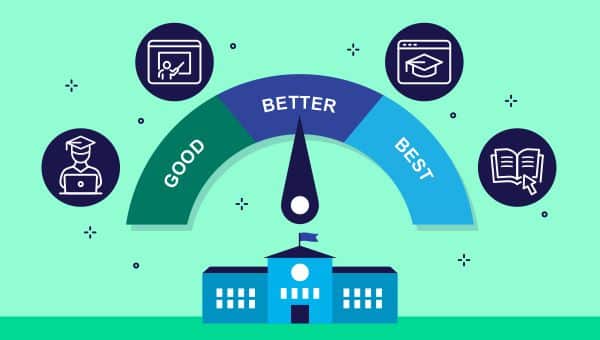
    At Archer Education, we take a strategic, structured approach to organizational development, starting with a full assessment of your institution across all four pillars using our Good, Better, Best framework. 

    From there, we partner with you to implement targeted changes, optimize your processes, and drive your long-term growth.

    Our ultimate goal? To make ourselves obsolete. By the time we’re done, your institution will be operating at its best across all dimensions, equipped to sustain growth and innovation without relying on external vendors.

    Let’s build a stronger, more resilient future — together. Contact us today to get started.

    Subscribe to the Higher Ed Marketing Journal:

    Source link

  • Modern Learners, Modern Strategies: The New Rules of Engagement

    Modern Learners, Modern Strategies: The New Rules of Engagement

    Brett is a working professional with a packed schedule, balancing career growth with personal responsibilities. He knows that advancing in his field requires new skills and credentials, but he needs a program that fits his life, one that is flexible, aligned with his career and worth the investment. Brett is just one example of Modern Learner, a growing population of students who prioritize efficiency, affordability and real-world outcomes in their education.  

    Higher education has undergone a decade of transformation, from evolving enrollment patterns to advancements in technology and changing student expectations. As the landscape continues evolves, so do the behaviors and preferences of students like Brett—giving rise to the Modern Learner.  

    EducationDynamics’ latest report, “Engaging the Modern Learner: The 2025 Report on the Preferences and Behaviors Shaping Higher Ed,” examines these emerging trends. For over a decade, we have tracked student behavior and preferences, adapting our research to reflect the evolving higher education environment. Previously known as the Online College Students Report, this study has expanded in scope to provide a more comprehensive understanding of Modern Learners and their needs.  

    Explore the most significant changes over the past ten years, key findings from our research and actionable strategies to help higher education leaders challenge the status quo and drive innovative outcomes.  

    How Have Student Behaviors and Preferences Changed in the Last Decade?

    Student search, decision-making, and engagement behaviors have shifted significantly over the past decade. Strategies that once drove enrollment may no longer be as effective, requiring institutions to adapt. By examining these changes, we can identify emerging patterns that will shape the future of higher education.  

    Modern Learners Expect Immediate Admit Decisions 

    With greater access to information through technology, prospective students are making decisions faster than ever before. As a result, Modern Learners expect rapid responses from institutions. In 2015, 43% of fully online learners said that they would enroll at the first school that contacted them. By 2025, the urgency has increased significantly, with nearly 75% of online learners indicating that they would enroll in the first school that admits them. This shift underscores the growing need for institutions to streamline their admissions processes, ensuring quick response times and efficient decision-making to remain competitive in enrolling Modern Learners.

    Search Initializes at the Brand Level

    Student search behavior is another trend that has faced a significant shift in recent years, with more students starting their search by focusing on schools rather than specific programs.

    Recent data reveals that 58% of respondents begin their search by considering schools first. This trend is even more pronounced among online learners, where approximately 60% prioritize finding a school before narrowing down their program options. Following school, the next most common search is subject area, with students increasingly exploring broader categories before selecting a specific program.

    Given this shift, higher education marketing strategies need to reflect an approach that encompasses both promotion of programs and the institution itself. As prospective students often initiate their search with a school-focused mindset, schools must position their brand clearly to effectively engage and capture early interest, which will guide students towards relevant programs as they progress through the enrollment funnel.

    AI Impacts Consideration Sets 

    The adoption of AI tools, such as website chatbots and on-demand engagement platforms, has grown steadily over the past decade. Recent data highlights notable increases in the use of chatbots. In 2015, only about 15% of online learners engaged with website chatbots or live chat agents. Now, in 2025, that number has more than doubled, reaching 30% of fully online students.  

    Moreover, students increasingly turn to AI tools like Search Generative Experience (SGE) for answers to critical questions about schools and their offerings, with 37% of Modern Learners using AI for information gathering. As students refine their consideration sets, AI-driven engagement tools provide timely and relevant information, making them a key touchpoint in the decision-making process. The growing reliance on these platforms calls for institutions to employ the use of informative and accessible AI tools to offer students seamless support throughout their research and decision-making processes.  

    Preference and Acceptance of Online Modality has Increased

    It’s no secret that in the past decade, online education has not only gained traction but has become the preferred education modality for a growing population of students. In 2015, only 32% of fully online students believed their online education was better than their previous classroom study. However, that number has more than doubled for today’s respondents. 71% of online learners express a preference for online higher education experiences when compared to classroom education, indicating a fundamental change in student expectations and satisfaction with digital learning environments.  

    Engaging the Modern Learner

    At EducationDynamics, our research continually seeks to understand the evolving needs of students. Through years of research and emerging insights from our 2025 survey, a clear picture of the Modern Learner has emerged—one defined by a focus on flexibility, career, and a desire for personalized education experiences. Modern Learners are not only looking to complete a degree, they also aim to shape their own learning journeys in ways that align with their personal and professional goals. 

    Shared Demands and Preferences 

    Despite their diverse backgrounds, Modern Learners share several key expectations. They prioritize affordability, flexible learning formats and responsive support. If their needs aren’t met, they will quickly seek alternative options. This shift in expectations means that institutions need to rethink how they attract, engage and support students. Meeting the Modern Learner where they are is no longer optional; it is essential for long-term success. 

    The Power of Brand & Reputation

    A strong institutional brand plays a crucial role in the student decision-making process. As students begin their search with a school-focused mindset, a well-established reputation can be the deciding factor in where they apply. In fact, reputation ranked as the third most influential factor in application decisions, cited by 31% of students overall and 51% of traditional undergraduates, in our 2025 survey. To remain competitive, institutions must build a credible and respected brand that not only attracts prospective students but also reinforces trust and long-term value throughout their educational journey. 

    Value and Affordability

    While cost is a significant consideration for Modern Learners, affordability alone doesn’t drive enrollment decisions. A well-rounded value proposition plays an equally important role. Our research shows that 46% of students cite tuition cost as a critical factor, but other factors like program relevance to careers, flexibility, and reputation also weigh heavily in their decision-making process. 

    Supporting students with financial literacy is crucial, as 38% of students identify it as a helpful resource during the enrollment process. By clearly communicating both affordability and long-term value such as career outcomes, program flexibility and personalized support, schools can resonate with the priorities of cost-conscious, value-driven Modern Learners.  

    The Importance of Career Focus

    For Modern Learners, education is a direct pathway to career advancement. Regardless of age or background, they share a strong motivation to upskill quickly and gain credentials that lead to tangible career outcomes. This focus on career alignment is evident, with 20% of Modern Learners citing a program’s relevance to their career as a determining factor in their enrollment decision.

    The Modern Learner Survey reveals that 76% of students feel their institution clearly outlines potential career paths related to their program. While this is positive, gaps remain. Traditional undergraduates are the most informed, with 84% receiving clear career guidance, compared to 73% of non-traditional students and 77% of graduate students. These gaps highlight the need for institutions to consistently communicate career values across all Modern Learner segments, ensuring they understand how their education supports their professional goals.

    The Demand for Flexible Learning Models

    Flexibility is no longer an educational preference; it is a necessity for Modern Learners. As today’s students move away from traditional classroom modalities and increasingly seek flexible environments, institutions must invest in program models that accommodate careers and family commitments.  

    When deciding where to apply, 31% of Modern Learners cited flexible course schedules as a key factor. This need is particularly evident among graduate students, who are more likely to be balancing family and work responsibilities. While 53% of respondents do not have children under 18 at home, a notable portion are managing family commitments in addition to their studies. Among fully online students, the number of children at home has increased by 15%, reinforcing the growing demand for learning models that complement busy schedules. 

    The Role of AI and Social Media

    AI and social media play an increasingly important role in shaping student decisions. Social media is no longer merely an avenue for entertainment; it has evolved into a tool for student engagement and research throughout the entire decision-making process. With students interacting across multiple platforms daily, schools must harness these channels to stay visible and relevant as students progress through the consideration phase. To successfully leverage social media, marketing teams should prioritize creating dynamic, visually engaging experiences, particularly through video content, which resonates strongly with Modern Learners.  

    At the same time, AI enhances this by personalizing interactions and providing real-time insights into student preferences, helping institutions refine their marketing strategies. With the rise of generative AI tools, nearly 70% of Modern Learners now use AI in some capacity, including AI chatbots like ChatGPT, to assist their search for school information. Approximately 37% use these tools specifically to gather information about schools, with tuition fees (57%), course offerings (51%), and admission requirements (43%) being the most sought-after details. This highlights the opportunity for schools to integrate AI into their marketing strategies to provide comprehensive, accessible information that supports prospective students with their enrollment decision.  

    Modern Strategies to Engage the Modern Learner 

    As the needs and expectations of students continue to evolve, it’s important for institutions to adapt in ways that truly serve and support Modern Learners. Here are actionable steps to create a personalized, student-centered experience that fosters trust and drives success.  

    1. Embrace Data-Driven Decision Making: Modern Learners expect personalized experiences, and data is the key to delivering them. Through leveraging market research and insights, like those from the 2025 Modern Learner Report, institutions can better understand student preferences and behaviors. To turn those insights into action, invest in tools for data collection and analysis that allow for continuous improvement and refinement.  
    2. Build a Strong and Authentic Brand: A cohesive and authentic brand is integral to connecting with students. Focus on building a positive online experience that bolsters brand visibility, while garnering trust that your institution can provide timely and reliable information that students seek.  
    3. Prioritize Career Outcomes: Career outcomes are top of mind for students as they consider their educational investment. Make career pathways clear by showcasing programs, internship opportunities, alumni success stories and career counseling services to help students see the tangible benefits of their degree.  
    4. Create Flexible and Personalized Learning Pathways: Flexibility is essential for meeting the diverse needs of Modern Learners. Offer programs with adaptable schedules and learning formats, allowing students to choose a pathway that best aligns their lifestyle and goals.  
    5. Optimize the Digital Experience (Especially Websites and Al): An engaging digital experience is critical to attracting and retaining students. Through regular website updates and the integration of AI-powered tools to offer support, institutions can streamline the user experience to ensure a smooth journey from inquiry to enrollment. 
    6. Enhance Communication Speed: Modern Learners expect timely and informative responses and are quicker to make decisions than in years past. Adopt tools that provide real-time communication capabilities, such as chatbots or automated updates, to keep students engaged and informed throughout the enrollment process.   
    7. Develop a Dynamic Social Media Strategy: Social media is a powerful tool for building connections and increasing brand awareness among Modern Learners. With platforms like Instagram, TikTok, and YouTube playing a major role in their online engagement, video content is especially effective in capturing their attention.  By understanding your audience’s media habits and aligning your content with platforms they use the most, you can deliver the right message at the right time, keeping your institution top of mind.  
    8. Don’t Forget About the Human Touch: While technology undoubtedly plays a significant role in modern times, students still seek personal connections. Ensure that students can engage with advisors, staff, or faculty to guide them through the enrollment process, while providing the support they need.

    Aligning with Modern Learners: A New Era in Enrollment

    In this evolving landscape, Modern Learners are placing greater emphasis on career relevance, affordability, and flexibility, demanding more from their education than ever before. The findings from the Modern Learner Survey underscore the importance of aligning educational programs with career paths, improving financial transparency, and providing tailored support to meet diverse needs. The time is now for higher education leaders to challenge outdated enrollment strategies that no longer resonate with today’s highly discerning, cost-conscious, and value-focused students.  

    To navigate these changes effectively, institutions must adopt innovative, data-driven strategies that speak directly to the Modern Learner’s priorities. For a deeper dive into these insights and actionable recommendations, explore the full “Engaging the Modern Learner” report today.  

    Source link

  • What’s New at InsightsEDU 2025? Key Updates You Won’t Want to Miss

    What’s New at InsightsEDU 2025? Key Updates You Won’t Want to Miss

    With InsightsEDU 2025 just around the corner, we’re excited to share some of the key updates and new features coming to this year’s conference, happening February 12-14, 2025 in New Orleans, Louisiana. As the premier conference for higher education marketing and enrollment management, this year’s event promises to be our most engaging yet. Attendees can expect immersive experiences, innovative sessions, and exceptional speakers, all aimed at equipping higher education leaders with the skills and strategies needed to serve today’s Modern Learners. From the welcome reception to our new customized workshop experience, InsightsEDU 2025 is full of exciting opportunities. Read on to see what’s in store!

    This year, we’re embracing the vibrant culture of New Orleans with the Bourbon Street Bash, a celebration that will give attendees the perfect opportunity to unwind, network, and experience NOLA in style. The evening will kick off with a second-line parade, leading attendees through the historic streets of New Orleans to the iconic Bourbon Vieux venue. With a live jazz performance, this event promises to be a memorable way to start an exciting conference experience with the higher ed community.

    For the first time, InsightsEDU is offering a hands-on, interactive workshop led by Dr. Jodi Blinco, Vice President of Enrollment Management Consulting at EducationDynamics.

    The workshop, “Unlocking Enrollment Success: A Customized Consulting Workshop Experience,” is designed specifically for higher education leaders who want to explore the complexities of enrollment models. The workshop provides an opportunity to enhance strategies for attracting, enrolling, and retaining students.

    This session will foster focused discussions, tailored insights, and actionable takeaways, allowing attendees to apply the knowledge gained from the conference directly to their own enrollment strategies.

    This year, we are excited to welcome Po-Shen Loh, an acclaimed entrepreneur, mathematician, and Carnegie Mellon University professor, to the InsightsEDU stage.

    His keynote session, “The Power of Reinvention: Unlocking Innovation to Inspire Action,” will challenge attendees to rethink problem-solving, leadership, and innovation in the ever-evolving higher education landscape. Drawing from his diverse experiences in academia and social entrepreneurship, Po-Shen Loh will explore how institutions can apply startup strategies to innovate and create programs that resonate with students’ needs. His unique experiences throughout higher ed and entrepreneurship make him uniquely qualified to address the conference’s innovative goals and inspire strategies for institutions looking to drive meaningful change.

    Expect to hear from top industry leaders at InsightsEDU, with companies such as EY Parthenon, Slate, Google, Meta, and Reddit, joining to share their expertise in digital engagement, advertising, and marketing strategies. These sessions will help institutions stay ahead of emerging trends, enhance their online presence, and develop strategies to connect with students in innovative ways. Attendees will gain exclusive insights into how leading platforms are shaping the future of student engagement and higher education marketing.

    With RW Jones Agency recently becoming a part of the EducationDynamics team, InsightsEDU 2025 will feature even more expert-led sessions and strategic insights. RW Jones Agency’s expertise in public relations, crisis communications, and higher education marketing is sure to provide valuable perspectives for attendees.

    Here are some of the key sessions featuring RW Jones Agency’s team:

    • A Roadmap to Marketing Transformation: Learn how to implement a marketing maturity model to enhance strategy, optimize resources, and gain real results for your MarCom division. This session will provide insights from experienced professionals who have successfully implemented maturity models to drive impactful results at institutions.
    • A Behavior-Informed Approach to Prospective Student Engagement: Discover how student personas can transform outreach efforts. Building on insights from a recent nationally representative survey of high schoolers, this session explores students’ primary motivations and factors surrounding decision making, offering key insights for higher ed marketers, communicators, and enrollment leaders.
    • Lights, Camera, Connections: How to Produce Compelling Videos That Connect: Join Karolyn Pearson, a former network news producer, and Morgan Aguilar, a former TV reporter, for an exciting session on crafting engaging and authentic visual storytelling to captivate student audiences and enhance your institution’s brand.
    • The Art and Science of Why People Care: Learn how to create audience-centered messaging that aligns with students’ values, increases engagement, and builds lasting relationships while authentically marketing your brand.
    • From Interest to Enrollment: Building Real Student Connections on Social Media: Explore the latest tactics and insights to address an evolving social media landscape and cater to Gen Z and Millennial audiences. This session will explore the latest trends, engagement strategies, and creative tools to foster meaningful interactions on social media that lead to enrollment.

    With an impeccable lineup of sessions, RW Jones Agency’s expertise will provide valuable new perspectives at InsightsEDU 2025, ensuring that attendees leave with actionable strategies to better connect and serve Modern Learners.

    With immersive experiences, groundbreaking discussions, and an incredible lineup of speakers and sessions, this year’s conference is shaping up to be the best one yet. Whether you’re looking to refine your enrollment strategy, explore new marketing tactics, or simply connect with industry leaders, InsightsEDU 2025 is the place to be for higher education professionals.

    We look forward to seeing you at InsightsEDU 2025!

    Source link

  • How Admissions and Marketing Teams Can Collaborate

    How Admissions and Marketing Teams Can Collaborate

    Fostering Interdepartmental Collaboration to Drive a More Effective and Engaging Student Journey

    Achieving success in your higher education marketing strategy requires seamless collaboration between your admissions and marketing teams to create a connected, consistent student journey experience. When these teams align, they move beyond their isolated efforts and build a unified strategy that not only captures students’ attention but also drives meaningful engagement and enrollments.

    Admissions teams gain critical, real-time insights from their conversations with prospective students, and marketing teams transform those insights into strategies and assets that resonate with the right audiences. By sharing their insights, both teams can better inform campaigns, conversations, and touchpoints, ensuring every interaction feels intentional, relevant, and student-centered.

    However, this alignment doesn’t happen by chance. It requires deliberate collaboration, thoughtful planning, and the strategic use of data at every stage. From discovery interviews and customer relationship management (CRM) data analysis to shared campaign development, each step in the process plays a vital role in delivering a cohesive, engaging experience that guides prospective students from curiosity to commitment.

    The Importance and Benefits of Collaboration Between Admissions and Marketing Teams 

    In an increasingly competitive higher ed landscape, having admissions and marketing teams that collaborate and communicate with each other regularly can make a meaningful difference in the experience that an institution delivers to prospective students, while optimizing its marketing efforts for maximum impact.  

    When admissions and marketing operate in silos, the cohesion breaks down. Collaboration prevents these gaps, ensuring every message, from the first ad to the final admissions call, feels aligned and purposeful.

    Creating a Unified Message

    Students don’t distinguish between “admissions” and “marketing” — they only see the institution. That’s why a unified message is so crucial to every higher education marketing strategy. A consistent and unified message — whether it’s delivered through ads, emails, website visits, or conversations with admissions personnel — builds trust, strengthens the brand, and guides prospective students smoothly through their decision-making journey.

    Building a Powerful Feedback Loop  

    When admissions and marketing teams stay in consistent communication, they create a powerful feedback loop that strengthens the institution’s messaging and better serves its prospective students.

    Admissions teams are on the front lines, having daily conversations with students and hearing their motivations, hesitations, and questions firsthand. These interactions provide invaluable qualitative insights that can flow back into marketing assets and strategies. 

    For example, if students frequently ask about program outcomes — such as what they can do with a certain degree — marketing can develop targeted blog content, alumni video spotlights, or landing page updates showcasing career opportunities, industry connections, and success stories related to the degree. Additionally, if there are common points of confusion that come up in students’ conversations with admissions staff, marketing materials can be created that clearly and directly address these issues. 

    By tapping into this feedback loop, both teams can make meaningful, real-time adjustments that align the institution’s messaging with students’ priorities, enhance engagement, and drive better outcomes.

    Empowering Teams With Critical Insights and Knowledge

    Both admissions and marketing teams bring something unique and valuable to the table when it comes to understanding the institution’s brand, its offerings, and its students. While there are areas of overlap, each team also has its own distinct focal points that allow it to provide useful details the other team can benefit from, creating a richer and more comprehensive appreciation of how each team can best serve the institution’s students.

    Practical Ways to Collaborate 

    Now that we’ve established the importance of collaboration, let’s take a look at some practical ways to bring this strategy to life. 

    Coordinate and Share Learnings During a Discovery Process

    The first step is discovery, the phase where both admissions and marketing teams collaborate to analyze and uncover insights that will make their work more accurate, impactful, and aligned. The discovery process includes in-depth conversations with key university stakeholders; audits of existing school resources, marketing collateral, and program materials; and market research and competitive analysis to understand the institution’s positioning and audience needs.

    Each team adds unique value to the process. Admissions teams gather information about program-specific details, students’ motivations, and nuances that resonate during enrollment conversations, while marketing teams analyze the institution’s competitive positioning, audience behaviors, and key differentiators. By sharing and coordinating these efforts upfront, teams can reduce redundancies, ensure alignment, and create a more cohesive strategy that delivers consistent, tailored messaging. 

    Here are some tactics that can help in coordinating and consolidating discovery efforts:

    Schedule Ongoing Check-Ins With Teams

    Consistent communication is critical for collaboration. Regular monthly or quarterly meetings that include both admissions and marketing staff create space for sharing insights, identifying trends, and closing messaging gaps. 

    Admissions teams can spotlight common motivations, pain points, and areas of confusion among students, so marketing teams can update campaigns to address these themes in real time. These sessions ensure all higher education marketing strategies stay aligned and adaptive, making the student experience feel more cohesive.

    Leverage CRM Data

    Every interaction with a student leaves a breadcrumb trail of data. By tapping into call notes and CRM system data, admissions and marketing teams can track students’ questions, motivations, and hesitations. 

    Analyzing this data can reveal trends that marketing can address through website updates, FAQs, and ad campaigns. Sharing actionable summaries allows admissions teams to prepare for upcoming conversations and marketing teams to preemptively answer students’ concerns, creating a more seamless experience for prospects.

    Share and Understand Key Resources

    Developing key marketing resources, such as a Strategic Marketing Guide (SMG), and sharing them across teams can help keep admissions and marketing teams’ collaboration efforts on track. 

    An SMG isn’t just a document — it’s the framework that ensures every team is aligned in understanding the key components of the institution’s brand, story, and students. Personas, unique value propositions (UVPs), brand stories and positioning, and messaging frameworks outlined in an SMG help admissions and marketing teams speak the same language and tell a shared story.  

    Connect Your Admissions and Marketing Teams Through Collaboration With Archer

    At Archer Education, we don’t just build marketing strategies — we build lasting capabilities. Our approach goes beyond campaign launches and lead generation to focus on sustainable online infrastructure that empowers universities to thrive long after our work is done. From aligning admissions and marketing teams to developing data-driven messaging frameworks, we act as a true partner in developing custom higher education marketing strategies that work. 

    Our collaboration is designed to transfer knowledge, not just deliver results. We equip your teams with the tools, training, and insights they need to operate with confidence, ensuring your institution isn’t reliant on outside support to maintain momentum. The result is a marketing engine that runs smoothly long after Archer’s involvement has ended, empowering your teams to lead with agility in an ever-changing higher education landscape. 

    Contact us today to learn more. 

    Subscribe to the Higher Ed Marketing Journal:

    Source link

  • Four Benefits of Attending InsightsEDU

    Four Benefits of Attending InsightsEDU

    Every year, EducationDynamics welcomes marketing, enrollment, admissions, and higher education leaders from across the nation for InsightsEDU—a higher education conference dedicated to uncovering emerging trends and innovative solutions that help colleges and universities enhance reputation and grow revenue. In 2025, InsightsEDU will be hosted in New Orleans, Louisiana at the Ritz Carlton from February 12-14, 2025.

    With 40+ subject matter experts, and 38+ sessions, InsightsEDU is designed to equip attendees with the knowledge, tools, and strategies necessary to successfully engage the Modern Learner. Discover key benefits you will experience by attending InsightsEDU 2025.

    Benefits of Attending a Higher Education Conference like InsightsEDU

    1. Gain Timely Insights into the Modern Learner

    There is no doubt that higher education is undergoing a shift. The Modern Learner, who increasingly values flexibility, personalization, and cost-effectiveness, is driving much of this transformation.  This year’s conference theme, “The Era of the Modern Learner,” reflects this pivotal moment in education.  

    InsightsEDU will help higher education marketers adapt strategies to meet the needs of these students, by equipping them with practical insights on how Modern Learners interact with enrollment teams, make decisions, and engage with content. Understanding these dynamics will allow higher ed professionals to tailor marketing and enrollment strategies to better address the demands of today’s students, while demonstrating value and personalization.

    2. Network with Fellow Institutional Leaders, Experts, and Professionals Nationwide

    InsightsEDU is more than a learning opportunity; it is also an unparalleled networking opportunity for the higher education community. With over 100 colleges and universities represented, InsightsEDU brings together a diverse group of higher education professionals, including institutional leaders, marketers, admissions professionals, and experts from across the nation and even abroad.

    Throughout the conference, attendees will experience everything from informative sessions and panels to networking events infused with New Orleans’ flair. These interactions will provide attendees with opportunities to build lasting connections with fellow professionals who share a commitment to advancing higher education initiatives. Additionally, attendees will be able to participate in discussion forums and stay connected to professional connections through the conference app, allowing attendees to stay engaged even after the conference ends.

    3. Access Tailored Strategies for All Student Demographics

    InsightsEDU is dedicated to helping professionals connect with today’s diverse student populations through targeted, practical strategies. For traditional students, attendees will explore ways to create personalized outreach and recruitment campaigns that highlight flexibility and value. Sessions focused on online students will uncover data-driven marketing methods and innovative enrollment strategies that address their desire for convenience and personalization. For graduate students, attendees will explore strategies that leverage career-focused messaging and a clear return on investment for advanced degrees.

    Attendees will leave InsightsEDU equipped with powerful, actionable strategies tailored to the unique needs of various student demographics—empowering them to drive success and lead in a changing higher education landscape.

    4. Experience Expert-Led Sessions Focused on Real-World Solutions

    At InsightsEDU, attendees will engage with a stellar line-up of speakers covering the latest trends and challenges in higher education. Our conference agenda features 38+ sessions from industry experts, each with unique and data-backed perspectives on topics such as personalized digital marketing, enrollment management, and student success. With expert perspectives from organizations like Google, Meta, Reddit, EY Parthenon and more, attendees will learn how to apply the latest trends and technologies to enhance their approach. Additionally, attendees will gain exclusive insights to groundbreaking tools and data, including the latest Online College Students Report, giving them a first look at critical insights into today’s students.

    Unlock the Future of Higher Education at InsightsEDU 2025

    InsightsEDU 2025 is the must-attend conference for higher education professionals who are committed to staying ahead of the curve and driving impact within education. Don’t miss the opportunity to be a part of this innovative event, designed to provide you with strategies and insights for success in higher education.   

    We look forward to seeing you at InsightsEDU from February 12-14! Register today and secure your spot.

    Source link

  • Online Learning Infrastructure: Assessing the Current State

    Online Learning Infrastructure: Assessing the Current State

    How Insight and Evaluation Can Lead to Execution

    Let’s set the stage. You’re a sharp, focused higher education leader staring down the realities of expanding your online and hybrid learning programs. You’ve got big goals: running your online operations in-house, owning the process, and driving growth on your terms. 

    This is where Online Growth Enablement comes in. This isn’t a fancy buzzword. It’s the real work behind sustainable change. It’s the boots-on-the-ground understanding of exactly where you are today so you can figure out how to move forward tomorrow. 

    At Archer, we do this every day — rolling up our sleeves and digging deep to map out the real picture of an institution’s online learning infrastructure. Because, let’s be honest. The only way to grow is to start with the truth about your current state and your place within the landscape of the communities you serve with your programs.

    Why Your Current State Matters 

    Success doesn’t happen in a vacuum — especially not in online learning. Enabling the growth of your online learning infrastructure takes coordination, collaboration, and a whole lot of buy-in from every corner of your university. Marketing, tech, enrollment, financial aid, the registrar, faculty, leadership — if they’re not on the same page as you, you can’t successfully move forward. Period.  

    Driving real growth starts with taking an unflinching look at where you stand today. Questions you should be asking about your online operations include: 

    This isn’t about a vague, feel-good assessment from 50,000 feet up. It’s about getting into the weeds. Because, until you understand the inner workings of your current infrastructure, you’re not going to build anything sustainable. You’ll just be putting a fresh coat of paint on a crumbling foundation. And that’s not going to cut it in the long run.

    The Power of Deep Insights

    Let’s take a look at a real-world example of why a close examination of your current online learning infrastructure matters. One of our partner universities was taking 14 days to review and process the transcripts of students applying to their online programs. This might work fine for a traditional on-campus program with two or three big start dates a year, but for an online program, the game changes. To stay competitive, you need five or six start dates annually. And that 14-day turnaround? For our partner, it meant missing out on dozens of potential enrollments.  

    Fixing this issue wasn’t about throwing money at the problem. It was about setting a clear benchmark and making it happen. We worked with the institution to rethink its processes, reassign its teams’ responsibilities, and streamline every single step of its transcript review.  

    The effectiveness of every touchpoint you have with a potential student and every handoff between your admissions, financial aid, and academic advising teams affects your ability to deliver an overall positive student experience. Deep operational insights aren’t just nice to have; they’re the key to uncovering bottlenecks so you can clear the way for real, measurable growth. 

    How We Help: The Growth Enablement Assessment

    At Archer, we don’t do guesswork. We help our partners make sense of the current state of their online learning infrastructure through our Growth Enablement Assessment — a no-stone-left-unturned look at every department and operational variable. From enrollment workflows to marketing execution, we get into the details that others overlook to help you figure out where you are and make a plan for where you want to be.

    Our approach is anchored in our Good, Better, Best methodology:  

    This isn’t just an audit. It’s a road map. By pinpointing exactly where you stand and where you need to go, we equip you with the insights and strategies to move your online learning operations from functional to thriving. 

    Why It’s All Worth It

    Yes, this takes time. Yes, it’s hard work. But the payoff is undeniable.  

    Fully understanding the current state of your online learning infrastructure isn’t just a box to check — it’s the foundation for every initiative that follows. It gives you the clarity to enhance not only your online learning programs but also the overall health and effectiveness of your institution.  

    When you commit to this process, you’re building something bigger than just operational efficiency. You’re creating alignment across departments, fostering innovation, and embedding collaboration and continuous improvement into your institution’s culture. When every team is in sync, bottlenecks disappear, every touchpoint matters, and your processes deliver on the promise of a strong student experience.  

    It’s not just worth it. It’s transformative.  If you’re ready to take the first step toward long-term success and scalability, contact Archer Education. Let’s build the online learning infrastructure your institution deserves, together.

    Subscribe to the Higher Ed Marketing Journal:


    John Goodwin

    John Goodwin is Archer Education’s EVP of Online Growth Enablement. Archer revolutionizes the student experience by supporting partners through change, helping institutions achieve sustainable growth while fostering self-sufficiency.

    Source link