Tag: higher education

  • Improving the Student Experience – Archer Education

    Improving the Student Experience – Archer Education

    Attract and Retain the Right Students for Your Institution

    Choosing a higher education program is often a defining moment in a person’s life. Whether it’s a teenager deciding on a traditional, on-ground undergraduate program, or someone in their late 30s selecting an online master’s program — it’s a big decision, and one that can be heavily influenced by the experiences they have with the institutions they’re considering. 

    Your students don’t just deserve a great experience, they expect it. Which is why identifying opportunities to enhance the student journey at your institution is essential. 

    In the competitive world of higher ed enrollment, the ability to attract and retain students goes beyond offering picturesque campus views or flexible online scheduling. It hinges on understanding and navigating the complexities of the process a student goes through, from their initial awareness of your program all the way through to their graduation, and identifying where students can get stuck, or worse, drop off. 

    When it comes to enhancing the student journey, I’m often asked, “Where is the best place to start?” To that end, this article dives into some of the most common areas for improvement. Focus on these areas and you’ll be on your way toward delivering a stand-out student experience. 

    This article explores:

    Common Bottlenecks in the Student Journey 

    Institutions aiming to enhance the overall student experience need to understand where students tend to get stuck. By pinpointing these bottlenecks, your university can devise strategies that streamline the journey and boost student engagement and retention. Some common points of friction in the enrollment process include: 

    Top of the Funnel: Driving Awareness               

    Every student journey begins with awareness, but getting potential students to visit your institution’s website to gain awareness of its programs can be a stumbling block. Many universities face challenges due to poor audience targeting, ineffective creative strategies, or a lack of investment in organic channels like websites and content strategies. 

    If your awareness efforts are falling short, your potential students won’t land on your university’s digital doorstep. This means opportunities to engage and inform them go untapped, which sets the stage for a cascade of engagement issues downstream. 

    It’s called an enrollment funnel for a reason — if you don’t attract enough qualified traffic at the top, the bottom of your funnel will fall short of your goals. 

    Mid-Funnel: Generating Interest

    Let’s say your awareness efforts are working, and your brand, story, and program marketing tactics are finding prospective students. Once these prospects are aware of your institution and have visited your site, the next challenge is to convert them into active inquirers. In other words, getting them interested enough to raise their hand by filling out a form, contacting an enrollment advisor, or even starting their application. 

    This stage often suffers from two main issues: 

    If your paid ads told one story and your website tells a totally different one, it can be a turnoff for prospective students. If the content does not resonate with potential students’ academic aspirations, they are less likely to take the next step. If you’re not highlighting what makes an education at your institution truly unique or how it connects to your target audience, it’s likely that your content won’t resonate, even if you did identify the right audience. 

    Bottom of the Funnel: Growing Application Submissions

    What’s every enrollment leader’s least favorite word? Melt. Even after marketing to the right audience and generating inquiries, there’s often a drop-off before the application stage — commonly known as the application melt. 

    This is a delicate phase, where bad strategy moves and overly clunky processes can cause big problems. This could include generic follow-up communications that fail to engage the interests of prospective students, a lack of personalized experiences that can make students feel valued, or insufficient time spent nurturing and managing these warm leads. Each of these factors can lead to a significant reduction in the number of completed applications.

    Methods to Identify Student Experience Bottlenecks 

    Now that we’ve covered the most common bottlenecks, let’s talk about how to identify where these bottlenecks are showing up in your student experience. Once you identify them, you can target improvements effectively and efficiently. Methods to identify bottlenecks include: 

    Benchmarking               

    A powerful starting point for identifying pain points is benchmarking your institution’s performance against your peers or similar programs. Benchmarking involves a comprehensive comparison of your processes, outcomes, and student satisfaction levels to those of other institutions. 

    By evaluating where you stand in relation to your peers, you can identify specific areas where you lag behind. Benchmarking provides a clear, external perspective on your institution’s relative strengths and weaknesses, guiding you toward the most impactful areas for enhancement.

    Leveraging Internal Data

    Once you understand the external picture, you can dive in internally. Your internal data is an invaluable resource for tracking the effectiveness of changes in the student experience. By analyzing metrics such as enrollment rates, drop-off points, and student feedback before and after implementing changes, you can gauge their impact. 

    This approach helps you identify which efforts are helping the student experience and which aren’t, allowing you to make data-driven decisions. It also enables you to adapt your strategies dynamically, continuously improving the student journey as students’ needs continue to evolve. 

    Intuition and User Testing

    As we all know, data alone isn’t enough. Intuition and direct feedback play a crucial role in creating the full picture of your student experience. Conducting user testing sessions in which potential or current students navigate your enrollment process can reveal obstacles that data might not capture. This can be as simple as a conversation or as intricate as a survey.

    Additionally, personally walking through each stage of the student journey yourself can provide you with insights into the emotional and practical challenges prospective students face. Think of it as acting like a secret shopper — fill out an inquiry form and see what happens. This method helps you uncover hidden roadblocks that might not be evident from quantitative data alone, adding a human element to your analysis.

    Fixing Bottlenecks With ICE Scoring 

    Now that you’ve got a list of bottlenecks to fix, you need a system to prioritize them. This next critical step ensures that you properly allocate your time and resources. The ICE scoring framework, which stands for impact, confidence, and effort, is a structured approach to evaluating potential fixes and deciding which ones to tackle first. 

    Impact              

    The first step, impact, involves evaluating how much a potential fix could enhance the student experience. 

    Fixes that address issues at the top of the funnel, such as increasing awareness and initial engagement, often get a high score because they can influence the largest number of prospective students. The more qualified prospective students you can get into your enrollment funnel, the more you’re likely to enroll. 

    By prioritizing high-impact fixes, you can see substantial improvements in overall student engagement and satisfaction.

    Confidence

    Confidence measures how certain your institution is about the effectiveness of a proposed fix. This assessment is based on evidence from user testing, adherence to best practices, personal experience, and insights from experts in the field. 

    For example, if you get a large volume of inquiries outside of business hours, you can give a high confidence score to an effort that would engage students at any hour, like Onward or a chatbot. 

    A high confidence score indicates a strong belief that the fix will achieve the desired outcome, reducing the risk associated with resource allocation. You are more likely to succeed when you base your decisions on robust, tested solutions.

    Effort

    The final component of the ICE framework is effort, which estimates the time, financial investment, and organizational energy required to implement a fix. This step also considers the level of internal buy-in necessary to move a project forward. 

    Effort scoring helps you understand the resource demands of each potential fix, allowing you to consider its feasibility against its expected benefits. Implementing a new learning management system (LMS) is a huge project that requires organization-wide input and execution. This equals a high effort score. Refreshing your creative assets? Much less effort. 

    Prioritizing fixes that require reasonable effort but offer significant impact can lead to more sustainable and effective improvements.

    Implementation and Iteration in the Student Experience 

    Improving the student experience is not a one-time thing. It’s an ongoing process that demands continuous attention and optimization. As your institution implements changes,  you’ll need to monitor the effects and iteratively refine your efforts based on the outcomes. 

    Monitoring Results

    The first step after implementing any change is to closely monitor the results. Key performance indicators (KPIs), such as cost per lead, application melt, enrollment numbers, student retention rates, and satisfaction scores, are a gold mine. Continuous monitoring validates the effectiveness of new strategies and highlights areas that may require further attention. 

    Rinse and Repeat

    Once the initial results are known, the next step is to apply the ICE framework again — this time to any new bottlenecks or existing issues that were deprioritized in earlier rounds. This iterative approach ensures that your resource allocation remains dynamic and responsive to the evolving needs of your students and your institution. 

    Ready to Improve Your Institution’s Student Experience

    At Archer Education, we understand the transformative power of full-funnel data visibility when you’re improving your student experience. Our commitment to transparency and knowledge sharing drives our partnerships with colleges and universities, helping higher ed leaders and marketers exceed their online learning growth and enrollment goals. 

    Our experienced team is adept at identifying and addressing the bottlenecks that can hinder student journeys, utilizing strategies like those outlined in this article to maximize impact. By applying the ICE framework, we help institutions prioritize and implement improvements that significantly enhance the student experience. 

    If you’re ready to transform your student journey and achieve remarkable outcomes, contact our team today, and explore how our offerings can bring your educational goals to fruition.

    Subscribe to the Higher Ed Marketing Journal:

    Source link

  • NCES Data Show Modern Learners Want Career Focused Degrees

    NCES Data Show Modern Learners Want Career Focused Degrees

    Brief

    The 2023 NCES completion data points to some interesting – and impactful – student trends that continue to paint a picture of a fundamentally changing set of priorities for the Modern Learner. Specifically, more students are moving towards degrees that have firm career outcomes, either in furthering their current career or starting a new endeavor.

    Institutions need to pay attention to these trends in order to prepare themselves for a radically different higher education market in the next 5-7 years. This includes prioritizing programs that align with the market’s appetite, as well as re-investing in the value proposition of programs that are currently declining in popularity.

    Other Highlights

    • Associate degree completions saw marked decline, which is notable considering the growth of Undergraduate Certificate completions. Students seem to be preferring certificates that can lead to employment opportunities.
    • STEM programs continue to either grow or remain stable, depending on the level of the degree. This was most notable at the Graduate level. As more jobs continue to require advanced degrees, this trend is set to only grow in importance.
    • Liberal Arts programs across all levels experienced significant YoY reductions in completions. Schools that are defined by their Liberal Arts programs will need to assess ways in which they continue to project relevance as the market shifts.
    • Undergraduate Health Profession programs also saw a decline, which goes against the commonly held belief that the labor market and these programs are continuing to grow. This is something that should definitely be monitored and evaluated, to ensure that institutions do not over-invest in a sector that may be slowing.

    2023 NCES Completions Data and the Changing Priorities of the Modern Learner

    The 2023 National Center for Education Statistics (NCES) completions data offers a rich and complex tapestry of insights into the trajectory that the Modern Learner is taking their education. As enrollment managers and marketers, it is our imperative to move beyond surface-level observations and delve into the intricate patterns and implications woven within these numbers. This data serves not merely as a historical record but as a powerful compass, guiding us towards a deeper understanding of the Modern Learner’s market demands, and the strategic decisions that will chart the course for institutions in the years to come.

    This year’s data unveils a series of significant shifts in student choices, reflecting both the evolving needs of the labor market and the lingering reverberations of the COVID-19 pandemic. We observe a notable decline in associate degree completions, particularly in general studies and humanities, while undergraduate certificates continue their upward trajectory. At the bachelor’s level, STEM fields remain stable, while other areas, especially those associated with traditional liberal arts programs, face headwinds. Graduate programs, particularly in STEM disciplines, are experiencing a surge in completions, and both undergraduate and graduate certificates continue to gain popularity.

    In this analysis, we will dive deep into the data, exploring the specific programs experiencing growth or decline, examining the multifaceted factors driving these trends, and discussing the profound implications for higher ed. We will delve into the remarkable growth in graduate programs and certificates, highlighting the increasing demand for advanced credentials in the labor market. We will also confront the undergraduate decline, exploring the potential impact of the COVID-19 pandemic and the looming 2025 enrollment cliff, with a particular focus on the challenges facing private non-profit liberal arts schools. By understanding these multifaceted trends and their interconnectedness, we can proactively adapt our strategies, ensuring that our institutions not only remain relevant and competitive but also thrive amidst a landscape in flux.

    Associate Degree: Trade Focused

    The 5% decline in associate degree completions is notable both in what programs dropped and which programs are continuing to see growth. The most significant drop emanates from Liberal Arts and Sciences, General Studies, and Humanities, programs that have historically served as a bridge to further education or a broad foundation for diverse career paths. 61% of the YoY decline were in this category. The decline in these areas, coupled with the simultaneous rise in undergraduate certificates, suggests a growing preference among students for more focused, career-oriented pathways that offer a faster and more tangible return on investment.

    This shift in student preferences is not surprising in the context of a rapidly changing labor market that increasingly values specialized skills and knowledge. Students are seeking educational pathways that provide them with a clear and direct route to employment and career advancement. In this environment, the perceived value of broad-based, general education programs may be diminishing.

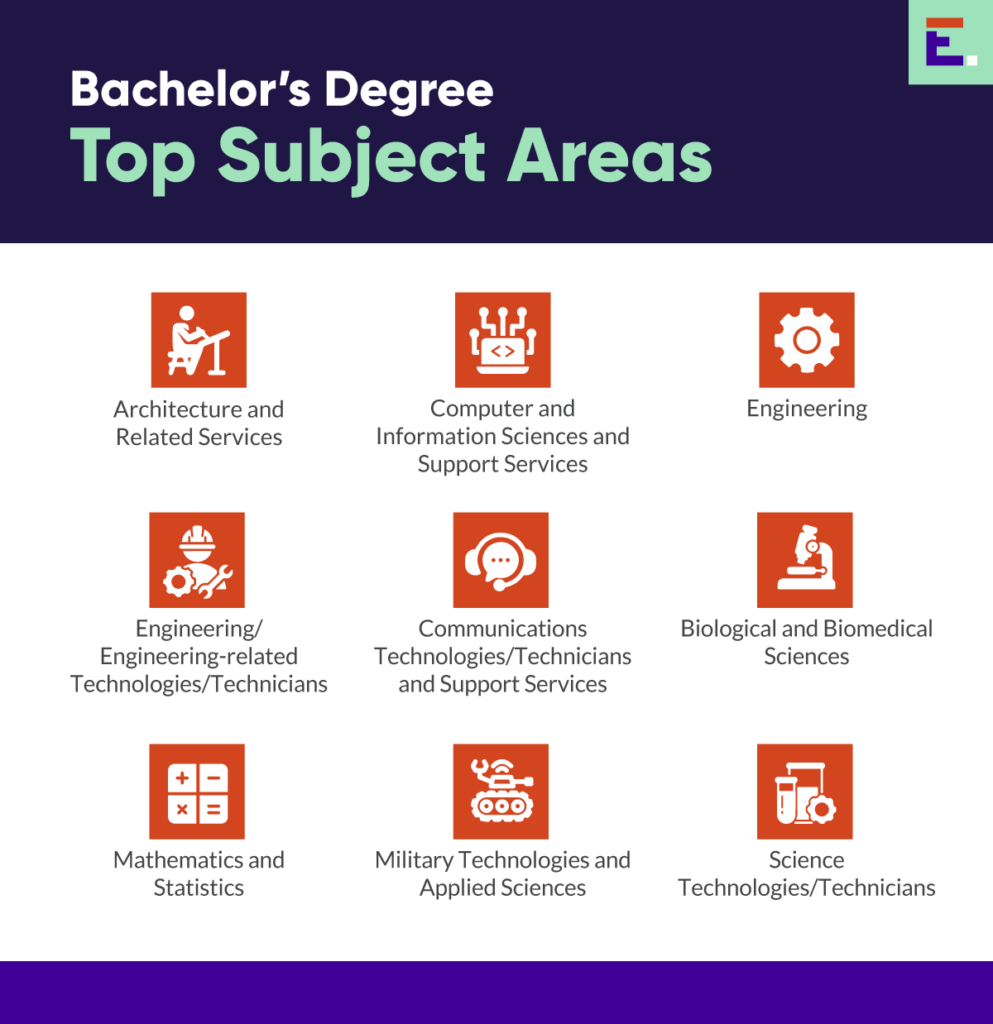
    However, amidst this overall decline, we observe encouraging signs of growth in fields directly aligned with high-demand skills. Programs such as Construction Trades, Mechanic and Repair Technologies/Technicians, and Computer and Information Sciences and Support Services have all witnessed increases in completions. This trend underscores the enduring value of associate degrees that equip students with tangible, marketable skills, enabling them to seamlessly transition into the workforce and meet the demands of employers seeking skilled talent.

    Bachelor’s Degree: Value Proposition Challenges

    At the bachelor’s level, we encounter a mixed bag of stability and change. While STEM fields remain a stronghold, with only a negligible 0.07% dip, other areas, particularly those associated with traditional liberal arts programs, are facing challenges. The most pronounced decline occurs in Health Professions, a field traditionally associated with strong job prospects and stable growth. This decline, juxtaposed with the increase in master’s level completions in Health Professions, suggests a potential shift towards requiring advanced degrees for certain healthcare roles. This mirrors a broader trend of “graduate degree bloat” in the labor market, where employers increasingly demand advanced credentials for positions that previously required only a bachelor’s degree.

    The COVID-19 pandemic has undoubtedly exacerbated the challenges facing undergraduate programs. The disruption to traditional learning models, coupled with economic uncertainty and concerns about the value of a college degree, has led many students to reconsider their educational plans. The looming 2025 enrollment cliff, which predicts a significant drop in the number of high school graduates, further compounds these challenges, creating a perfect storm for undergraduate enrollment.

    Private non-profit liberal arts schools are particularly vulnerable in this environment. The growth areas in the undergraduate space are mainly concentrated in STEM programs, leaving liberal arts institutions grappling with declining enrollments and a need to reimagine their value proposition. Adapting to this changing landscape will require innovative approaches to curriculum design, student support, and career services. Tuition driven, liberal arts institutions must demonstrate the relevance and value of their programs in today’s world, not only highlighting the critical thinking, communication, and problem-solving skills that their graduates possess (which has always been their particular promise), but also their undergraduate’s career opportunities.

    Graduate Studies: Career Growth and Specialization

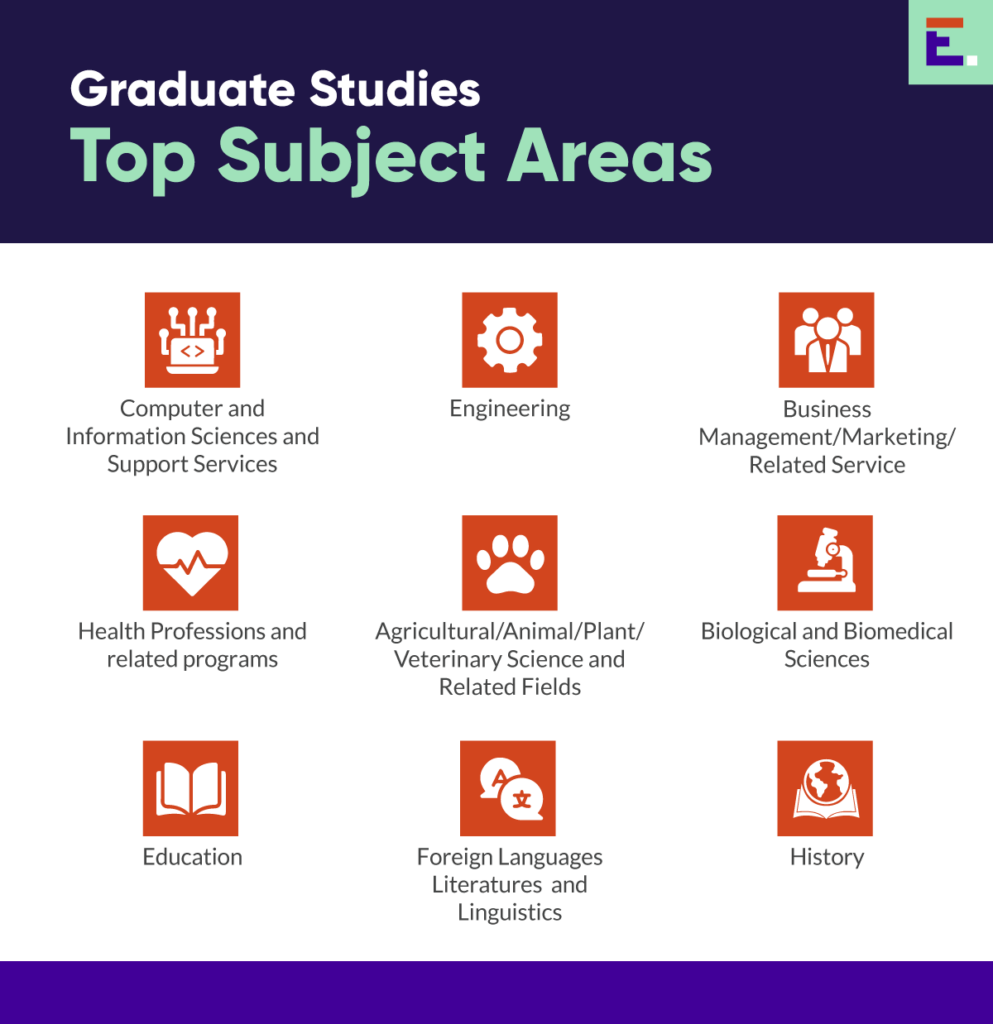
    Graduate programs, especially those in STEM disciplines, are experiencing a period of remarkable growth. The 51% and 25% surges in Computer and Information Science and Support Services and Engineering master’s completions, respectively, echo the trends at the bachelor’s level and underscore the premium placed on advanced technical expertise. The overall 30% rise in STEM master’s completions further solidifies this trend, reflecting the insatiable demand for skilled professionals in these fields.

    This surge in graduate completions aligns with the broader trend of graduate degree bloat (others might more favorably describe it as “expansion”) in the labor market. As certain industries and professions increasingly require advanced degrees for career advancement, we can anticipate continued growth in graduate programs, particularly in fields that offer a clear pathway to high-demand, well-paying jobs. This presents a significant opportunity for institutions to expand their graduate offerings and cater to the growing population of working professionals seeking to upskill and advance their careers.

    Graduate certificates are also experiencing growth, with a 2% increase in completions. The growth in fields like Computer and Information Technology, Psychology, and Engineering/Engineering-related Technologies/Technicians demonstrates the appeal of these focused credentials for professionals seeking to enhance their skill sets or transition into new careers. The flexibility and shorter duration of graduate certificates make them an attractive option for busy professionals who may not have the time or resources to pursue a full master’s degree – especially if the certificates are tied to a degree later.

    The flourishing graduate landscape presents a wealth of opportunities for institutions. Expanding graduate program offerings, enhancing online and hybrid learning options, and strategically marketing to working professionals are all essential strategies for capitalizing on this growth. The increasing popularity of graduate certificates also underscores the need for institutions to develop a diverse portfolio of graduate programs that cater to the varied needs and preferences of learners.

    Navigating the Data’s Implications for Engaging with the Modern Learner

    The 2023 NCES completions data provides a roadmap for navigating the complexities of the higher education landscape. The trends we’ve observed highlight the growing preference for career-focused programs, specialized credentials, and flexible learning options. They also underscore the challenges facing undergraduate programs, particularly in the liberal arts, in the wake of the COVID-19 pandemic and the approaching enrollment cliff.

    To thrive in this environment, institutions must be proactive, agile, and data-driven. The Modern Learner is looking for clear career outcomes – not just in program availability but in the flexibility that comes with balancing work with furthering education. They want to know exactly what they can expect from their investment of time and money to the program. Schools must also reimagine their programs, enhance student support services, and strategically market offerings to meet the evolving needs of learners and the demands of the labor market. They need to embrace innovation and explore new models of education that provide students with the skills and knowledge they need to succeed in the 21st century.

    For associate degree programs, this may involve a greater emphasis on career-focused pathways, stackable credentials, and partnerships with employers. Bachelor’s degree programs, especially in the liberal arts, may need to re-articulate their value proposition, highlighting the transferable skills and lifelong learning benefits that their graduates acquire. Graduate programs should continue to expand and innovate, offering a mix of traditional degrees and flexible certificates to meet the diverse needs of working professionals.

    Above all else, if this data is speaking to troubling realities on campus, the most important takeaway should be: trying the same strategies that are producing tepid results in regards to enrollment growth will not be the solution going forward. If you are seeing challenging enrollment numbers for any level of program, think about how your institution can more readily adapt to these changing trends, whether that be introducing multiple starts per term, reworking tuition costs, or making better strategic use of marketing and enrollment processes for priority programs.

    Is Your Institution Ready for the Modern Learner?

    We help schools all the time who have been trying to fit a square peg into a round hole, and often the solution is for an outside perspective to create a vision for the future. The time to act is right now, there is a quickly closing time frame for ensuring a flourishing future for your institution. In fact for many schools, it is already too late. The Modern Learner is moving at a swift pace, and if universities do not keep up, they will quickly be left behind.

    Source link