Pennsylvania State University is weighing a plan to close seven of its 19 Commonwealth Campuses, which its governing board is expected to vote on in a virtual meeting Thursday.
The campuses proposed for closure are Dubois, Fayette, Mont Alto, New Kensington, Shenango, Wilkes-Barre and York. Altogether, those campuses enroll just under 3,200 students. Penn State York, which had 703 students last fall, has the largest enrollment among the seven.
If approved, the campuses will be shut down by the end of the spring 2027 semester.
“I believe the recommendation balances our need to adapt to the changing needs of Pennsylvania with compassion for those these decisions affect, both within Penn State and across the commonwealth, in part because of the two-year period before any campus would close. As we work through the next steps, we will be taking steps to support every student in any needed transition and, we will take every step to provide opportunities to faculty and staff to remain part of Penn State,” Bendapudi wrote in a statement shared with the proposal.
Penn State announced in February that it would consider closing some campuses due to declining enrollment. Officials reviewed 12 campuses for closure before settling on seven.
Having spent years in higher education enrollment and marketing, I’ve know firsthand the dedication it takes to connect with prospective students and ensure their success, keenly aware of the immense effort required, the daily challenges teams face in standing out amidst a sea of institutions, and the ever-increasing workloads they manage. And, at the center of all of this is a profound passion for making a real difference in students’ lives and a deep commitment to the unique mission of each university.
The exciting prospect I see now is how artificial intelligence can actually empower us to achieve these very goals more effectively, without sacrificing the crucial human touch that is critical to the student experience.
The true power of AI at universities
The true power of AI in student engagement isn’t about replacing people; it’s about freeing up our teams to invest their time and energy where it truly matters – nurturing meaningful relationships with students. By automating routine tasks and offering valuable data-driven insights, AI provides us with a unique opportunity to connect with students on a deeper level. We can better understand their individual needs and interests, allowing us to provide personalized support that genuinely sets them up for success.
AI can help enrollment teams sift through hundreds of thousands of inquiries to find those students who will find their path in life thanks to the unique offerings of their university. I don’t know an enrollment team that says they are fully staffed, and AI will give our already stretched teams more time back in their day to really connect with these prospective students. The reward of seeing these students thrive on campus and later succeed in their chosen fields, knowing you played a part in their journey, is deeply fulfilling and why many of us work in higher education.
Discover RNL Edge, the AI solution for higher education
RNL Edge is a comprehensive suite of higher education AI solutions that will help you engage constituents, optimize operations, and analyze data instantly—all in a highly secure environment that keeps your institutional data safe. With limitless uses for enrollment and fundraising, RNL Edge is truly the AI solution built for the entire campus.
And let’s consider the experience students have once they are on campus. It’s not just about sitting in class and absorbing information; it’s about navigating a complex environment, discovering one’s place and passion, and building a foundation for the future. Students need guidance, encouragement, and consistent support throughout this journey. This is where the human element is indispensable. AI can be a powerful tool in identifying students who may be facing challenges, enabling us to offer targeted support and help them overcome obstacles that might otherwise slow or even block their progress.
Beyond simply reacting to challenges, AI can empower us to be more proactive. It can help us identify students who might be at risk academically or personally, so we can provide timely support before they fall behind and withdraw. It can also help us tailor our teaching methods to better suit the diverse needs of individual learners, moving away from a one-size-fits-all approach. And crucially, AI can help us measure the effectiveness of our programs faster, making the goal of data-informed decisions for continuous improvement possible across the university.
Ultimately, the goal of using AI at your university should be to cultivate a more personalized, more effective, and more compassionate learning environment. It’s about empowering students to reach their full potential and making a lasting positive impact on their lives. By integrating AI in a way that enhances, rather than replaces, human interaction, we can build a more supportive, more present, and more successful learning experience for every student. If you are ready to learn more about how AI can help your university, schedule a discovery session with RNL to see firsthand how AI can empower your teams, enhance student experiences, and drive academic success.
Student retention remains one of the biggest challenges in higher education, with dropout rates continuing to concern institutions worldwide. For colleges and universities today, student retention in higher education has evolved into something far more holistic than it once was.
Recent data underscore the scope of the problem: roughly one in four undergraduates will leave college without completing a degree. For example, data from the Australian Department of Education shows that nearly 25% of higher education students who began in 2017 had not completed their programs by 2022. The United States reports a comparable figure, with NCES data showing first-year retention rates for full-time undergraduates averaging around 75% to 78%, indicating an attrition rate of approximately 22–25%.
Our targeted email marketing services can help you attract and enroll more students.
Discover how we can enhance your recruitment strategy today!
Behind these statistics are myriad reasons. Financial pressures, mental health struggles, and a lingering sense of disconnection (exacerbated by post-pandemic-era remote learning) are among the top factors driving students to leave.
This early departure is not just a personal setback for students (many of whom incur debt without obtaining a credential) but also a serious concern for universities. Every student lost represents a missed opportunity to fulfill someone’s potential and a significant cost to the institution in lost tuition and wasted recruitment efforts. It’s no surprise, then, that in 2024/25 the conversation around student success has zeroed in on retention, keeping those first-year students engaged to graduation.
Amid these challenges, colleges and universities are exploring new ways to support students beyond the classroom. Interestingly, one of the most powerful tools is quite ordinary: email. While often associated with marketing departments or alumni fundraising, email communication has proven to be an unsung hero in student retention strategies. Done right, regular digital touchpoints – from welcome emails and deadline reminders to check-ins and newsletters – can nurture a sense of belonging and keep students from “falling through the cracks.” This blog post explains how.
What Is the Meaning of Student Retention?
Student retention refers to an institution’s ability to keep students enrolled continuously, usually from one academic term to the next, until they complete their program. Retention in higher education means the same as student retention, but in the context of colleges and universities. It typically refers to the percentage of students who return each year and progress toward graduation. It’s often measured as the inverse of dropout or attrition rates and serves as a key indicator of institutional effectiveness and student satisfaction.
But while the metric is important, it doesn’t tell the whole story. Retention intersects with numerous aspects of the student experience, including:
Academic preparedness and performance
Emotional and mental well-being
Financial stability and support
Social integration and sense of belonging
Clarity around future goals and career pathways
In short, high retention signals that a school is providing the tools and environment students need to thrive. Low retention often suggests systemic gaps that need attention, whether in support services, communication, or curricular alignment.
When schools understand the deeper “why” behind retention patterns, they can begin building strategies to support students in more intentional and effective ways.
Why Do Some Students Stay and Others Leave?
Understanding college student retention means examining both barriers and motivators that influence whether a student chooses to continue or withdraw. Here are some of the most common reasons students make that decision:
1. Academic Challenges
A student who feels unprepared for their coursework or overwhelmed by expectations may quickly disengage. This can be especially true for first-generation students or those entering a competitive academic environment without sufficient support.
What helps: Proactive emails that demystify academic expectations, offer success tips, and highlight tutoring resources early in the term can make a real difference.
Example:At the vocational education level, Oconee Fall Line Technical College (OFTC) in Georgia provides a good example of communication-driven retention support. OFTC employs dedicated Retention Specialists who monitor student progress and intervene when issues arise.
Using an internal early-alert system, the college flags at-risk students (such as those with irregular attendance or missing assignments) and initiates proactive outreach. Retention staff then reach out to students, often via college email or phone, to check in and connect them with help. This includes emailing a student about available tutoring when they struggle academically, or discussing solutions if a student is considering withdrawal.
2. Lack of Community or Belonging
The feeling of being “invisible” on campus can be just as impactful as academic performance. Students who don’t feel they belong are significantly more likely to leave, particularly during their first year.
What helps: Targeted emails that invite students to join clubs, attend welcome events, or connect with peers can foster a stronger sense of connection.
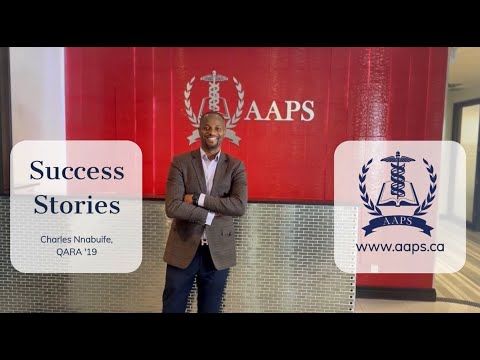
Example:AAPS circulates an official newsletter to share recent happenings in the pharmaceutical field and celebrate student achievements. Students consent to having their names and photos featured in these newsletters. This practice personalizes communications and recognizes student accomplishments. This targeted content helps build a sense of community and keeps current students motivated to persist in their programs.
Source: AAPS
3. Financial Stress
Tuition fees, housing costs, and daily expenses can make the college experience financially unsustainable for many students. Some may not even know what aid or resources are available.
What helps: Email reminders about scholarships, payment plans, emergency aid, or financial counseling empower students to seek help before small issues become major obstacles.
Example: In London, City, University of London runs City Cares, a dedicated support programme for vulnerable student groups – including those estranged from family, or young adult caregivers. A key element of City Cares is consistent personal communication: staff send regular check-in emails and updates to these students to see how they are doing and offer help.
Students in the program have a designated staff contact whom they can reach by email or phone for one-to-one support. City Cares also provides practical resources like bursaries, housing assistance, and priority access to opportunities, all communicated through targeted outreach.
4. Unclear Career Direction
Students who lose sight of how their studies connect to real-world opportunities often lose motivation. Without a sense of purpose, continuing can feel pointless.
What helps: Emails that highlight internship opportunities, alumni career paths, and academic-to-career connections help students stay focused and inspired.
5. Personal and Mental Health Struggles
From stress and anxiety to family emergencies or health issues, life challenges can derail even the most motivated students.
What helps: Compassionate, well-timed emails from student services that highlight wellness resources, counseling services, and peer support groups remind students they are not alone.
Example: DCC uses digital content to address student well-being, which is crucial for retention. A blog post on the college’s site, shared via email and social media, discussed how emotional well-being impacts learning, noting that a student’s mental health influences “focus, engagement, social interactions, and overall academic success.” By openly guiding mental health, DCC shows students and parents that the college cares about more than academics.
In each of these cases, the common thread is communication. When institutions deliver the right messages at the right moments, they can provide reassurance, guidance, and pathways forward, all of which contribute to stronger retention outcomes.
How Email Marketing Supports the Entire Student Journey
Email marketing is not just about promotion. In the context of higher education, it is a structured communication framework that allows institutions to be consistently present for their students, especially when automated and segmented based on academic year, behavior, or demographic indicators.
The first year is foundational. It’s where impressions are formed, habits are developed, and questions abound.
Effective first-year campaigns include:
A welcome series that introduces campus leaders, outlines what to expect, and provides a friendly tone of engagement
Resource emails such as “How to Book Time With an Academic Advisor” or “Top Study Spots on Campus”
Surveys and wellness check-ins asking students how they’re doing and connecting them to specific supports based on their responses
Invitations to student orientation events, campus fairs, and mentorship programs
This early outreach reduces anxiety and builds a relationship of trust. When students know they can expect relevant, useful information in their inbox, they are more likely to engage with their institution in meaningful ways.
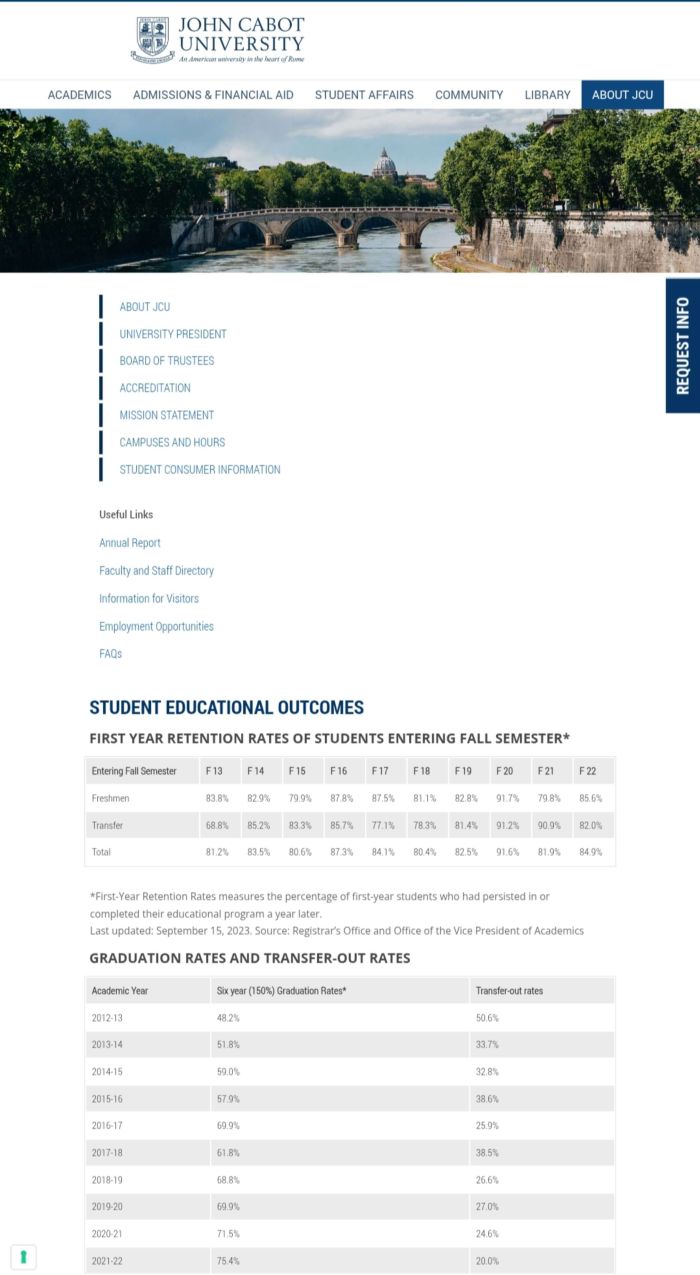
Example: John Cabot University (JCU) has made student retention a priority through robust student services and outreach. The university’s communications team uses segmented email lists to target different student groups – first-year degree seekers, study-abroad students, etc.
Upon arrival, all first-year students receive a series of orientation emails with tips on navigating campus life in Rome, introductions to support offices (counseling, academic advising), and invitations to community-building events. This email nurturing continues throughout the year. JCU’s focus on student engagement reflects its ongoing commitment to retention, with email outreach playing a key role in fostering community and support.
Sophomore and Junior Years: Momentum and Direction
The second and third years of college can be challenging. Students may experience mid-degree fatigue, uncertainty about their major, or a lack of motivation.
Email campaigns that support these years often focus on:
Important academic milestones, such as major declarations, registration deadlines, or capstone requirements
Career development, including internship announcements, networking events, or resume-building resources
Personal development opportunities, like study abroad, research assistantships, or leadership training
Wellness and retention-focused campaigns that flag disengaged students and prompt follow-up from advisors.
By continuing to communicate thoughtfully during this middle phase, institutions can ensure students maintain their momentum and receive targeted interventions before problems escalate.
Example:Southern Methodist University’s (SMU) Office of Student Success & Retention created the “Don’t Ghost SMU” initiative to re-engage students who stop attending without formally taking a leave. Each term, the university identifies “ghosters” – undergraduates who are neither enrolled for the coming term nor on an official leave of absence. The retention team then reaches out to these students three times via email and text message to ask about their plans and encourage them to re-enroll. Students who respond and decide to return are provided with one-on-one support to facilitate their re-entry.
Students approaching graduation often face a new set of stressors—final projects, job applications, and the pressure of “what comes next.” At this point, communication becomes about both support and celebration.
Senior-focused email strategies may include:
Step-by-step graduation guides that include deadlines for forms, fees, and ceremonies
Invitations to career prep workshops, mock interviews, or job search bootcamps
Highlight reels of student accomplishments or alumni stories to boost morale and confidence
Communications from deans or student leaders congratulating seniors and offering final words of encouragement
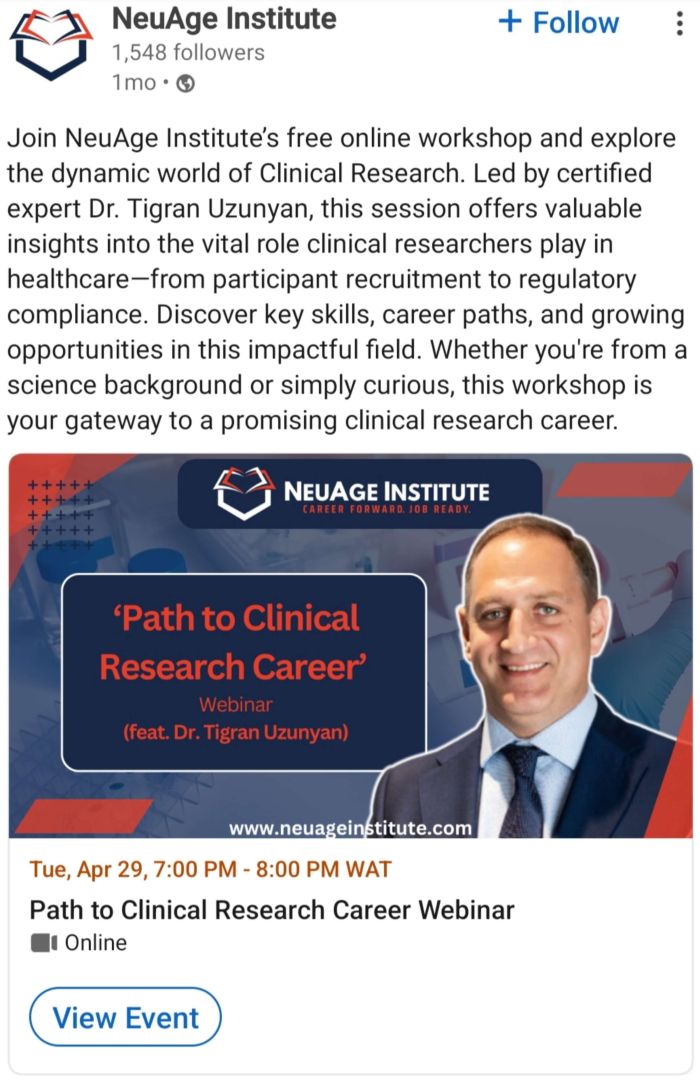
Example: NeuAge’s digital content provides career advice and skill-building tips as part of the institution’s ongoing commitment to graduates’ success. NeuAge also promotes free online workshops and webinars (often via LinkedIn and email) led by industry experts, giving current students and recent grads extra opportunities to network and upskill.
Best Practices for Retention-Focused Email Campaigns
If your institution wants to maximize the impact of email on student retention, consider the following best practices:
1. Segment Thoughtfully
A one-size-fits-all email won’t resonate across a diverse student body. Tailor content based on class year, academic discipline, or unique identifiers like international status or first-generation background. The more relevant the message, the more likely it will be read and acted on.
2. Use Automation With Intention
Automated emails shouldn’t feel robotic. Use your CRM to trigger messages based on behavior (like missed assignments or low engagement), but personalize them with the student’s name and relevant links or contacts. Automation should make the student feel seen, not surveilled.
3. Focus on Value
Each email should offer something of clear value: a helpful tip, a timely reminder, a story that inspires. Avoid sending messages just to fill space in a calendar. If the email doesn’t help the student succeed, it probably shouldn’t be sent.
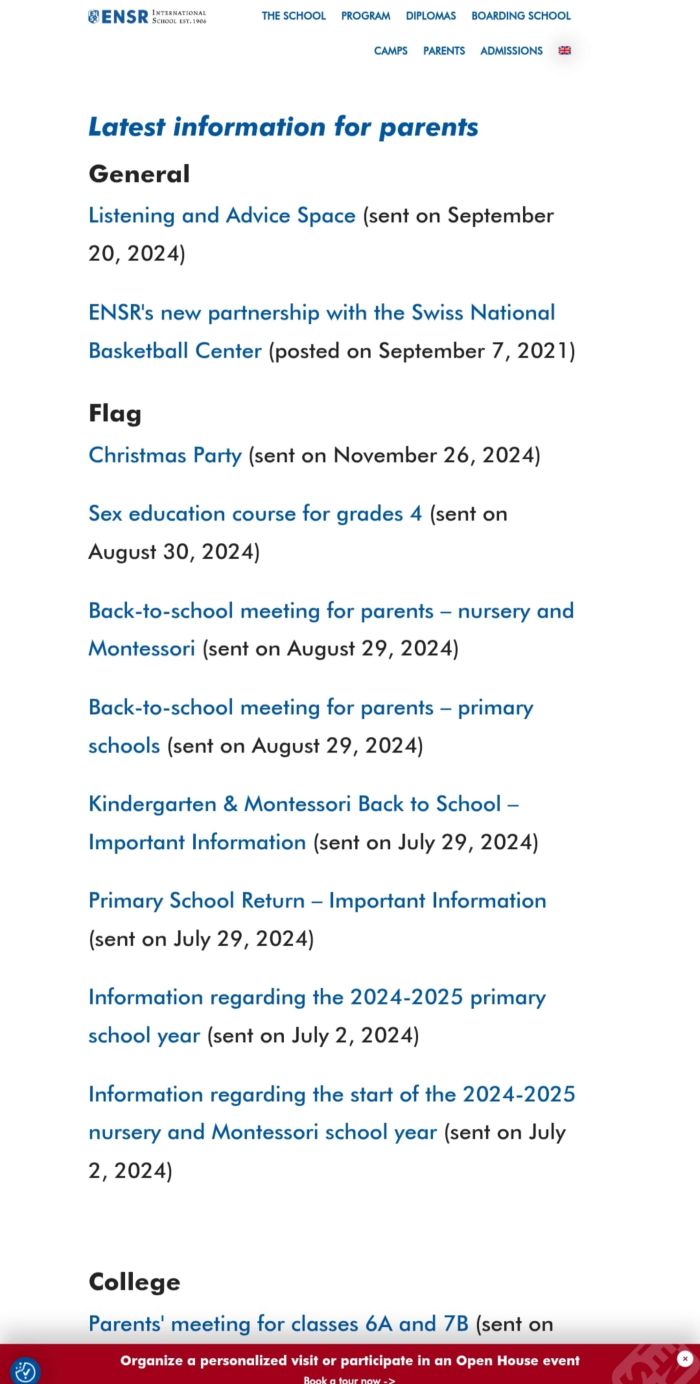
Example: ENSR (a Swiss international school) maintains high transparency with parents through regular digital bulletins. The school posts and emails information on upcoming events. For instance, parents receive notices about scheduled parent-teacher meetings, ski trips, and even windsurfing camp well in advance. ENSR’s online parent info page archives these communications, noting what was sent when.
Track engagement data: open rates, click-throughs, and unsubscribes, and use this to inform future messaging. If a subject line isn’t working or a campaign doesn’t drive traffic, revise your approach. Feedback and responsiveness are key to any long-term strategy.
5. Collaborate Across Departments
Retention is not the sole responsibility of academic advising or marketing. Develop integrated campaigns that align messaging across departments, including career services, financial aid, and student wellness, so students receive cohesive, coordinated communication.
Why Email Marketing Belongs in Your Retention Strategy
Email marketing offers something uniquely powerful: it meets students where they already are, with messages that can be scheduled, targeted, and personalized at scale. When done well, it brings a human touch to institutional processes, building relationships that motivate students to stay engaged.
More than a tool for reminders or promotions, email can:
Prevent students from slipping through the cracks
Foster emotional connection and institutional pride
Reinforce the idea that success is not only expected, but supported
Ultimately, when students feel informed, included, and inspired, they are more likely to persist through challenges and complete their degrees. And that’s the heart of any successful retention strategy. Would you like to work on effective strategies for greater Higher Ed Student Retention?
Our targeted email marketing services can help you attract and enroll more students.
Discover how we can enhance your recruitment strategy today!
Frequently Asked Questions
Question: What is the meaning of student retention?
Answer: Student retention refers to an institution’s ability to keep students enrolled continuously, usually from one academic term to the next, until they complete their program. Retention in higher education means the same as student retention, but in the context of colleges and universities.
Question: What is retention in higher education?
Answer: Retention in higher education means the same as student retention, but in the context of colleges and universities. It typically refers to the percentage of students who return each year and progress toward graduation. High retention in higher ed indicates that students are staying enrolled and on track to finish their degrees.
Question: What are the reasons for student retention?
Answer: Students are more likely to be retained (stay in school) when key needs are met. Common reasons for strong student retention include effective academic support (so students don’t fall behind), a sense of belonging on campus (feeling connected to peers and the school), financial stability or aid (relieving tuition stress), and clear personal motivation or goals (seeing the value of their degree). Essentially, when students feel supported academically, socially, and financially – and they believe their education will benefit them – they are far more likely to stay through graduation.
Higher education is designed to be a space for open inquiry and disagreement, but encouraging students to engage in constructive dialogue can be a challenge.
A January survey by the American Association of Colleges and Universities found that a majority of faculty believe they should intentionally invite student perspectives from all sides of an issue, and that they encourage mutually respectful disagreement among students in their courses.
Students, however, are less likely to say that they’re exercising these muscles. A 2022 survey by the Foundation for Individual Rights and Expression found that 63 percent of students felt too intimidated to share their ideas, opinions or beliefs in class because they were different than those of their peers. About 84 percent of respondents agreed that students need to be better educated on the value of free speech and the diversity of opinion on campus.
A course at the Joan B. Kroc School of Peace Studies at the University of San Diego pushed master’s students out of their comfort zone by engaging them in challenging and vulnerable conversations. The class, Crossing the Divide, taught by Sarah Federman, associate professor of conflict resolution, took nine students on a two-week trip across the southern U.S. in May 2024, starting in California and ending in Washington, D.C. Throughout the journey, students visited historic sites, interacted with strangers, discussed polarizing topics and learned to develop empathy across differences.
In this episode of Voices of Student Success, host Ashley Mowreader spoke with Federman to learn more about her class, the trip and some of the lessons she learned about engaging students in constructive dialogue.
An edited version of the podcast appears below.
Q: We are talking today about a course that you created that is designed to help students create connections during polarizing times. I wonder if you can back us up to the genesis of this course and where the idea originally came from.
Sarah Federman, associate professor of conflict resolution at the Joan B. Kroc School of Peace Studies, University of San Diego
A: Sure. So I had been working on a book about the French National Railways, its role in the Holocaust and how it tried to make amends. I won this Amtrak writing residency—which doesn’t exist anymore, which is a big tragedy; I hope they start it again.
I got to crisscross the United States on a train while editing the book. And I didn’t really get much editing done, because it was so much fun just seeing the country, binge-watching the country, talking to strangers, getting off at the stops. And I thought, oh, man, if I ever have a chance to teach—because I didn’t have a teaching job at that point—I was like, I want to pick everybody on the train. This would be the best classroom. So that’s where the idea came from.
Q: Why a train specifically? There are a lot of ways to get across the U.S., and our rail system isn’t the best compared to some other nations. Why was it so inspiring to use the train?
A: I don’t know if you’ve noticed how loud flights are. I put in my earplugs because it’s so loud, if you even wanted to talk to somebody—and you only have the person next to you. You’re trying to decide if you want to talk to this person for six hours or not. It’s much more closed, and you can’t see much for most of the flight, so that doesn’t really allow the kind of socialization and visibility, although you do get to see below you and the sense of what you’re flying over.
The car, you just have your road buddies, so maybe you’ll talk to people at a gas station or a restaurant or an electric charging station, but you can choose not to. But people who go on the train for these longer trips have chosen it for the experience, and so there’s an openness and an adventure attitude that makes people really friendly. So that’s why train.
Our trains are not fast. We don’t have high-speed trains, so you see the country kind of slowly, which is actually really nice. You roll by towns, and you get to think about the people. In France, you know, you go by so fast you can barely see anybody you know, because your eyes are like [darting].
Q:That’s awesome. Tell me about the course design when it came to building this and mapping out, literally, where you wanted students to go.
A: I actually hired a student to help me. We spent a year and a half planning this trip, because the trains stop at weird times—like, we really wanted to go to Yuma, for example, but the train arrived there at 3 a.m.; we’re not gonna arrive at 3 a.m. So we had to pick some of [the destinations] based on when the trains left, and also what we could do in these different sites and how different they would be, one from the other, and how different they would be for the students. Like, what would be the most different we could expose you to? So those were all the things we had in mind.
We started in San Diego, and we took a train up to Los Angeles—and that train is amazing. You just watch surfers and dolphins, all the way up to L.A., and then there were all these people on the train. So we talked to those strangers. And then L.A., Tucson, Houston, New Orleans, Birmingham, took a stop in Montgomery, and then D.C., where we ended in front of the Constitution and the Declaration of Independence [at the National Archives]. But in each of those stops, we [got] off and went to smaller places.
Q: When it came to preparing students to engage with others, what kinds of conversations were you hoping they had? Was there any sort of guidance on how to engage with other people?
A: [The students] were most nervous about talking to strangers. They’re like, “We’re gonna have to do what?” They were terrified.
I remember the first night we were in the L.A. train station getting ready for our first overnight train to Tucson, and like, that was just the nerves of, like, “Oh my god, oh my god. What are they gonna say?”
We read a really helpful book by Mónica Guzmán, [I Never Thought of It That Way] [that] talked about how to talk [and] why you want to talk across difference. It’s a cute book. It’s really accessible. There are some drawings in it and the students really connected with that.
Once they got over [the fear], it was really easy, but in a way, they almost needed the invitation to talk to strangers from me. I can tell you about some of the conversations, but that was the biggest fear.
One thing I’ll say is I knew that the strangers would enrich their lives, but I did not anticipate how much [the students] would enrich the other people on the train. I saw them lighting up other people. We’re nervous about how other people are gonna see us, but we also don’t realize the gift we are to other people.
Q: That’s really cool. I was also curious about the students. You took nine students in the spring of 2024. Were they from San Diego? Were they from everywhere? Was this a trip that was exposing them to new and different parts of the U.S.?
A: Great question, because I really was wondering that, too.
Some of the students had really traveled, but they hadn’t traveled in the U.S., in the same way, or they’d driven across maybe quickly. We had a few U.S. citizens, a Canadian, [all] different ages, like 22 to … we had some older folks.
It was a really nice mix, but again, people haven’t really seen our country in that way, or we’re just trying to get from point A to point B, we’re just trying to see what this country looks like. So I think for almost all of us [it was new]. I actually hadn’t been to half the stops.
Q: How was that for you, navigating those spaces for the first time alongside your students?
A: It was a good lesson. They were so great, so they rolled with it. But I was like, it would have been really helpful to know … I mean, they’re so competent, and we all figured things out, but I think it would have been [better] if I’d known the space better. Next time I’ll be able to get different speakers [to speak with students], knowing where we have more time, knowing distances.
But actually, I think in a way, it made me fresh, too, and it kept me open. Like, “OK, I’m the leader, in a sense, but we’re co-learning and co-creating this experience.”
Q: One of my favorite parts of student experiential learning is that reflection piece—getting students to sit down, maybe write about it or talk through those experiences. What was that reflection piece like?
A: I gave everyone a journal with a sticker for our class, and everyone had writing assignments. One student made this beautiful scrapbook; they took napkins from places and [wrote] all over.
Every morning on WhatsApp, I’d write the writing prompt of the day that would have them reflect upon where we’d been. Did they anticipate a place to be a particular way and then it wasn’t?
The most surprising outcome of the writing exercise for me was I asked them at the end to rate which cities they would want to live in, and for many students, Birmingham, Ala., ended up in the top two.
Q: Wow. Why was that?
A: I know, and you wouldn’t think that from students who are studying in San Diego on the coast. You’d think they’d want to be on the coast, maybe. But they thought [Birmingham] was super livable. They’d made all these great parks. It was affordable, it was relaxed, it had great arts, it had a university. And so they’re like, “I can live here.” And I know one of the stresses for younger people is like, “How can I afford to live in a place?” And they saw it, and they’re like, “I could live and thrive here.” And that helped me understand what was on their minds.
Q: We talk a lot about flyover states in travel, like, these are just places that you pass through. But I think having that intentionality to show students, Birmingham, Ala., actually has really cool things, and you’d never know unless you got off the train or got out of the car and looked at it. I hope it sparked a bit of adventure in these students, at least, to maybe explore areas that they wouldn’t typically.
A: I hope so, too, and really that they now are anchored in what they saw in these places, and so when they hear about them in the news, or this and that, they have their own experience as well, to anchor any other stories they’re hearing.
Q: I love that you mentioned media, or how we consume stories about places that are unfamiliar, because that was one of the goals [of the course]: to create empathy with people who might be different, demographically or in their living situation or their political views.
I know that was a big driver in this, creating conversations in a challenging time for our country. I wonder if you can talk about that growth, or that experience that you saw students having to step out of their own comfort zones and learn and empathize with others.
A: I think we wanted to get [experiences] and we will, next time, get even more experiences.
I took them to the 16th Street Baptist Church, which is the famous church where a bomb exploded during the civil rights movement and four little girls were killed. And then I was like, “Well, I think it’s Sunday, so we might as well go to church,” and some were like, “Oh my god, we’re not gonna do that,” like, terrified, “Oh my god.” This is a famous church. Let’s just, like, see what they have to offer, and see what they’re talking about.
We were so lucky. There was a really young pastor. He was like, 22, and we were sitting there in terror. And then it was like, “Oh, that was actually kind of interesting.” But that was a real out-of-your-comfort-zone [moment].
For example, there’s a lot of collective, understandable concern about climate change and the fossil fuel industry, and when you meet the people who are in the industry, they’re not evil people. Most of the people who work in it or work in offshoots of it, it’s where they grew up. This is what’s there. These are the jobs. And so you start to realize, “Oh, right, these are people who have a job or are raising a family,” and it helps to stop the deep othering. You can still be tough on the problem, but that idea of being soft on the people.
We had a guy [in the class] who was a marine. He’s a big guy, so he had the courage to go up to this other really big guy on the train. He was filled with tattoos and stuff, and they had a great conversation. The [stranger] apparently, trained with Mike Tyson or something. But he was like, “I was even nervous around this guy.”
We were really demographically different as a group. Like, we had gender differences, ethnic differences, so you got to see and be like, “Now, when you move through that space, what did you notice? What did you notice?” And that was fun, too. It wasn’t designed that way. It was just who signed up for the class, but that was fun to see. We made some surprising friends along the way.
Q: Do you have a favorite anecdote or interaction that you or a student had?
A: One of the nice things about the overnight train is that you have to eat meals with different people, with strangers. We met this couple, a doctor and her husband, and we got really chatty with them. One of the students said she spent the evening talking to this woman and just like, cried out, like all the things she’s worried about in the world. And she said, “This woman consoled me.” Her name is Consuelo. She’s like, “[Consuelo] helped me heal my heart in such a powerful way.”
And we then ran into them. We met them in Tucson, we ran into them in New Orleans on the street. We had this happy reunion, because we had all talked to them and benefited from them. And there’s some things, I don’t know if you’ve ever found this, but sometimes you can share more easily with a stranger. And so there were a lot of conversations, like the marine ended up learning how to make, like, essential oils and candles. I was like, given this little crystal from somebody. Students were up knitting with people, playing card games at night with strangers.
Of course, when there’s a lot of uncertainty, we close up, and fear makes us quiet, and then that just allows more fear, more distrust, and it’s a spiral. So we went with an intention to not do that. We wanted to enjoy each other, and we wanted to enjoy this country, and we really did. I mean, we had no problems with anybody, actually, on the whole trip. I mean, I don’t think we created any problems.
Oh, actually, we did have one sort of contentious conversation on the way to L.A. that was pretty funny …
Q: That’s pretty early in the trip to have it, too.
A: Yeah, I forget what I said, but she was, like, not having it. I think she was really against electric vehicles or something. I just didn’t expect it. So I was like, “Oh yeah, OK, yeah, no, it’s true. The batteries are a problem. I’m with you.”
Q: If you had to give advice or insight to somebody else who wants to do something similar, maybe not that long of a trip or that far across the country, but what really made the experience work? Is there anything you would do differently?
A: Great question, especially as I’m looking to plan one for next May. It definitely doesn’t have to be long, like, even a short trip—I mean, the longer trips, you have people who are touring and so they’re, like, more open—but I would have students sit next to different people and I would have the group be small enough that the students talk to different people.
I don’t know if listeners have heard of Bryan Stevenson, who wrote Just Mercy and created the Legacy of Slavery museum, but I just heard him give a talk in San Diego a couple weeks ago, and he was talking about the importance of being in proximity to the people who are having the experiences. The closer you can get students—we went to Homeboy Industries, which is the largest gang rehabilitation center in the world. It’s in L.A., and they got to talk to some of the people who were in that program, and the stories, like … I could never recreate that.
It’s doing that piece, getting them in proximity and creating opportunities for them to have one-on-one little conversations with them, like, “Hey, I had this question,” so I think that’s important.
I’m taking a bunch of students into prison in a couple weeks to also get in proximity to the people we don’t hear from. So I’d say a smaller group, be in proximity.
You can also have, like, for Homeboys, we [spoke with] somebody who was in recovery, but we also had a criminologist with us, so she could talk about the systems and he could talk about the lived experience. So it’s nice to have both.
Q: I think there can be a narrative that people writ large, but especially young people, do not want to engage with people that are different from them. And I wonder, just based on your experience with this trip, and then also some of this other work that you’re doing taking students into prisons, how we can combat that narrative and reaffirm that it is important to speak across differences, and that people are eager to learn how to do that?
A: I’m with you. I understand. I don’t love to dive right into difference. But I think the starting point is that we actually have a lot more in common than is different. Like, we focus on the difference, and that creates a lot of pain and separation.
I mean, I bet we’re all even close with people with whom we really disagree on certain things, but it just doesn’t come up, like we just talk about, you know, the Venn diagram, where we overlap, right? But there’s parts of us that don’t quite fit.
So you can always find connection really easily. You talk about the weather, you can complain about a train being late, or even something silly, and then just bond over that, and then just let it roll.
I think going headlong into difference is a hard place to start when there’s no trust in the relationship, and even when there is, you kind of want to edge your way around it. But I think we all need to learn it; I need to learn it, too. I’m better at it in some contexts than others, like when I’m surprised, like that woman [who opposed electric vehicles], I was like, “Wait, OK, hold on, I didn’t know I was gonna run into difference right here.” But it’s a practice, so I don’t know, maybe I teach what I most need to learn. So I’m learning it with the students. It’s a great process, and it’s just so great to be open about it.
But I think what we end up finding is that we have a lot more in common. Like, when you get under the top issues and, like, what do people care about? They want to feel safe. They want their families to be healthy. They want to be healthy. They want to feel prosperous. They want to enjoy what they’re doing. They want their kids to thrive. They want clean air—like, ultimately, under it all, are we really that different? I don’t know.
Q: That’s great. Higher education is doing its best to be more constructive when it comes to dialogue and embracing students with differences and teaching how to have productive conversations on campus. Because we’ve seen—I think, especially in the past year and a half—how escalations can happen on campus. So I like that this is a microcosm of, “Here’s how you take this [skill] out into the real world. Here’s how you practice. Here’s how you do it in a safe way with friends, and then go forth and do.”
A: Yeah. In class, I have students create role-plays about conflicts that they’re interested in, with lots of different perspectives. So students get to practice talking with people who have different views, but we’re all acting, and they get to try on different views. I think that’s good in the classroom, too, when you can’t get on a train right away, role-plays where students can experience difference when acting, and no one has to take responsibility for different viewpoints.
Q: It’s Jane Doe saying those things, not me, Ashley.
A: Exactly! “Jane said that, I dunno.”
Got Leads?
If you live in or have connections to places and spaces in the Southwest or Southern U.S. that hold cultural, national or personal significance that you think would be an interesting and educational stop for her class next spring, Federman said readers can email her.
Q: What’s next? You mentioned another trip coming up in May—what are you hoping and planning for?
A: Yeah! That’s gonna be the 250th anniversary of the country, so that’s going to be a very interesting time. We’ll still plan to do it in May. We’ll do a similar route, but I’m thinking of some different ways to do it that tie into those themes, glories and traumas of our 250-year history. I think that’s sort of the theme I’m gonna go with.
I definitely want to do more with talking to strangers. I want to go, if they’ll let us in, to like a pancake breakfast at a church, or some kind of county fair or a rodeo. We want to get into small-town things. We’re a small group, so we won’t be overwhelming, but just to really get a sense of a place.
Get more content like this directly to your inbox. Subscribe here.
Perhaps you just haven’t had time to keep up with the advent of agentic AI. Or you simply didn’t realize that AI is not just a fad in higher education; rather, it is our best hope to survive the pervasive budget cuts and dropping enrollments. Or, perhaps based on your look at AI tools in 2023, you found them too unreliable and subject to hallucinations to take them seriously. Here’s hoping that this summer provides you a bit of time spread across the season to catch up with the technology and begin the fall term with the knowledge and experience to make AI the best professional assistant you have ever had.
Instead of facing a stack of projects and problems alone, you will have a Ph.D.-knowledge virtual assistant working at speeds far exceeding human thought:
“According to OpenAI, o3 earned a record-breaking score on the ARC-AGI visual reasoning benchmark, reaching 87.5 percent in high-compute testing—comparable to human performance at an 85 percent threshold. The model also scored 96.7 percent on the 2024 American Invitational Mathematics Exam, missing just one question, and reached 87.7 percent on GPQA Diamond, which contains graduate-level biology, physics, and chemistry questions.”
These assistants work 24-7, without vacation or holiday breaks. At the end of long day of work, you can pose complex problems to an advanced deep research model and it will conduct research, compose a detailed report, and prepare follow-up questions while you are eating dinner (I have experienced this myself; reading the results over dessert is so much more satisfying). I have also awakened in the early hours of a Sunday morning with a great idea to pursue for work. I tapped it in directly to one of the advanced models and awakened to a 20-plus-page report complete with comprehensive citations and suggestions for further research later that morning.
AI developers have made great strides in avoiding hallucinations and off-target results. Among the improvements are the utilization of retrieval-augmented generation, a natural-language processing technique that taps an expansive database to “enhance the context and accuracy of generated text.” Those who may have stopped using AI because of errors of the past will be surprised to see the far more consistent and accurate results of today. Despite these improvements, I continue to recommend that users submit nearly identical prompts to two or three of the leading models of AI. Although my motivation for that recommendation primarily is that you are likely to gain additional, useful information from the added results.
Today, most of the leading models provide multimodel features that can input, process and output various types of data beyond text, such as images, audio and video. This enables engaging the prompter via voice communication. It supports the generation of stunning images and rather brief video segments. Google’s Notebook LM tool accepts input documents and related media about which it can create a podcast, allow listeners to ask questions and get audio responses, create crossword puzzles based on your lecture notes, and even create virtual debates.
The tools I most commonly use are those from OpenAI, particularly o3; those from Google, particularly Gemini 2.0 Flash for general work and Gemini 2.5 Pro for detailed research; and Anthropic’s Claude 3.7 Sonnet. However, there are many more models available today that may better meet your needs or preferences. One of the projects I have been pursuing lately is tracking research, new treatments and other emerging information about a particular disease. I am using Gemini 2.5 Pro and ChatGPT o3, running updates every week. The results have been comprehensive and well cited. Notably, ChatGPT o3 noticed that I had been asking for reports every Tuesday and asked if I would like it to run the same prompt every Tuesday and email the results to me. Such an action could be considered elementary agentic AI, in which the tool can analyze needs, create a plan of action and with permissions take autonomous actions:
“Agentic AI is an AI system that acts autonomously, adapts in real time, and solves multi-step problems based on context and objectives. They are built of multiple AI agents that leverage large language models (LLMs) and complex reasoning. This enables them to have enhanced decision-making abilities and natural language understanding, facilitating more effective and intuitive user interactions.”
The power of AI agents is only beginning to be realized; 2025 has been dubbed the year of the agent. It is anticipated that millions of agents will be created by the end of the year. Their potential is enormous, reaching beyond the individual to take actions on behalf of a human.
So, how can you get on top of this AI trend this summer? Prompt engineering—asking questions in proper context, detail and format—is a good place to begin. You might consider enrolling in one of the many low-cost or free prompt engineering online classes. The Google Prompting Essentials course is $49 through Coursera. It takes just a few hours, and successful completion results in a certificate. There are also a number of YouTube videos that condense the contents of the microcourse. You may want to browse the Coursera catalog section on prompt engineering, which lists scores of classes from industry leaders, commercial vendors, colleges and universities that last from a few weeks to a few months in length. Many provide professional certificates.
I suggest you begin a course—many are self-paced—or one of the informal YouTube videos, then begin using the tools at every possible opportunity. Iterative prompting is the name of the game. Try reframing the prompt, providing additional information and including examples of what you are seeking for the tool to better understand your expectations.
Use your one or two chosen tools as often as possible. Ignore non-AI search tools for a while. You will notice that AI searching gets right to the best solutions rather than first listing the responses in order of those who paid for their place in the search response, as using Google to ask a question does.
Searching topics as they arise four or five times a day, refining each of those search prompts to better understand the capabilities of each tool, and searching across a wide variety of topics and disciplines will advance your expertise and comfort with AI. By the time classes begin in the fall, you will be prepared to save much time and effort by using AI. You will also be able to integrate AI into your daily routine, become more productive and share your expertise with your colleagues and students.
This is the text of a speech delivered by Nick Hillman, HEPI’s Director, to the 16th Annual Student Housing Investment Conference.
Good morning. It is wonderful to be here, even if the outlook for our sector does not feel quite as rosy as when I have appeared here in the past – and, given the new migration white paper from the Home Office, not as rosy as it felt just a few hours ago.
The currency of policymaking is ‘killer facts’: those one-off striking statistics that act as ammunition for policymakers.
One example of a recent killer fact is the Office for Students’ announcement in November 2024 that ‘nearly three quarters (72 per cent) of higher education providers could be in deficit by 2025-26’ (1), which has certainly concentrated minds.
A second killer fact currently obsessing policymakers is 782,000 (2), which is the number for net inward migration to the UK in 2023 and which is driving the new crackdowns.
In what is left of my 15 minutes, I want to focus on a few more killer facts.
First, just in case you have not come across the organisation I lead before, the Higher Education Policy Institute or HEPI is the UK’s only specialist think tank for higher education and a registered charity. Our goal is to prompt evidence-based conversations about higher education policy through engagement, publications and events. We are funded by most universities throughout the UK and a limited number of corporations, including some of the bigger Purpose-Built Student Accommodation (PBSA) providers, such as Unite Students, UPP and iQ, and we are very grateful for that support.
The killer number I wish to provide about our own work is 10: that is how many new bits of research we have produced since 1 January 2025 (3). The reports we have covered include:
We have also published 112 blogs since 1 January, covering the full range of higher education issues. The three most well-read pieces so far this year are:
Conferences like this one are organised far in advance and the title I was given is ‘New Government Policy – what does it mean for the Sector?’ All I can say is: I wish I knew. I suspect the organisers thought we might have found out the answer to this question by now when they first scoped out the agenda late last year.
But the fact is, aside from a letter from the Secretary of State for Education, the Rt Hon. Bridget Phillipson, to vice-chancellors from November last year, which chastised universities for not doing more on economic growth, access, teaching quality, efficiency and civic engagement, we are still waiting for a hint on what this Government’s legacy on higher education will be. So far, we have had more higher education policy from the Home Office and Ministry of Housing, Communities and Local Government than we have from the Department for Education.
I keep reading the administration is in its early days and needs time to find its feet, but it is now 10 months in. It took Tony Blair just two months after the 1997 election to announce the (re)introduction of tuition fees and it took the Coalition just six months after the 2010 election to announce the tripling of fees to £9,000.
We have long ago missed the boat for making significant changes to fees and funding for 2025/26 and we will soon miss the boat for making changes for 2026/27, by which point we will be halfway through this Parliament.
One of the reasons for the lack of clarity over government policy is that the shadow ministers who were responsible for the Labour Party’s approach to higher education and research in Opposition prior to the election did not end up in charge of those areas in government, so there was a new broom. This sort of sweeping out is now entirely normal. Which takes me to my next killer fact: in my 11 years leading HEPI, there have been 11 Ministers for Universities and 11 Secretaries of State for Education (4).
The biggest challenge facing institutions currently is obviously the financial one. Since the brave decision to raise the full-time undergraduate fee cap to £9,000 from 2012, inflation has been eating away at the sum so it is now less than two-thirds of what it was, in real terms: according to Mark Corver of DataHE, the current fee cap of £9,250 is actually worth just £5,714 in 2012/13 terms (5). That is the same level as when John Major felt it necessary to set up the Dearing review, with the agreement of Tony Blair in Opposition.
Mark Corver also points out in his recent fascinating LinkedIn post that an international student at a higher-tariff provider is now worth £69,000 (6) more to their university over the lifetime of a three-year course than a home student, as a result of the much higher international student fees. One possible response to that is to beat up on universities, as the Minister for Universities did earlier this week in a piece on the Telegraph website, for feathering their own nests. Another is to recognise that universities have not let their charitable status hold them back in becoming a vitally important UK export sector from which we all benefit – and also that it is our leading universities’ entrepreneurial spirit which has created the cross-subsidies that keep UK universities at the top of the international league tables, which ministers generally like to celebrate.
And despite all the accusations and denials, we should be honest that university staff would have to be super human not to take those stark numbers into account when deciding how many of their places will be reserved for people from other countries and how many for home students.
When I have spoken at this and similar events in the past, I have usually been optimistic on future student numbers. There are still some grounds for optimism in relation to both home and international students. For example, we have had decades of growth in UK higher education and the number of UK school leavers grows in each year of this decade.
We used to predict that English universities alone would need another 350,000 places for home students by 2035 (7) – and many more still if the opportunity to reach higher education were spread more equally throughout society. However, we are more pessimistic now because, while demand for higher education went up during COVID, it has slipped back in recent times.
In relation to international students, last week’s report from the Office for Students notes:
‘The reported non-UK student recruitment in 2023-24 was 15.5 per cent lower than last year’s forecast, largely because of a reduction in recruitment from January 2024 onwards [when the rules on dependants were tightened up]. This reduction is forecast to continue in 2024-25 with a small overall decrease in student numbers, meaning that entrant numbers are now projected to be 21 per cent lower than previous forecasts.’
Yesterday’s migration white paper was accompanied by a Technical Annex, which estimated the policy changes the Government has proposed will reduce incoming international students by getting on for 40,000.
In relation to home students, the Office for Students’ report notes:
‘In 2023-24, UK entrants were reported at broadly the same level as the previous year, but 10.8 per cent lower than forecast.’
When it comes to the future, the OfS chastise regulated providers for being over-ambitious and model some alternative options, which suggest ‘providers would face significant financial challenges in all scenarios.’
No one knows with complete certainty why demand is now so flat, but – when focusing in on home students – it seems to me the most likely causes are:
First, the cost-of-living affecting students, whose maintenance packages have not kept up with anything like the true cost of being a student – my killer facts on this are that 57% of full-time undergraduates now do paid work during term time (8) (according to the 2024 HEPI / Advance HE Student Academic Experience Survey) and also that, according to our calculations, students need £18k per year to live with dignity (9), which is significantly above the maximum maintenance loan – this number was calculated for second and third-years in houses of multiple occupation, but I can announced today that we are now working on a second iteration of the Student Minimum Income Standard with Technology1 and the University of Loughborough looking at first-year students in PBSA.
The second factor that I think is dampening demand is the negative rhetoric about higher education emanating from all sorts of places. In the last few days, we even have had two Labour MPs for northern seats say they are relaxed about the prospect of universities disappearing – one of them, Dan Carden, wrote in the Daily Mail that he ‘would close half our universities and turn them into vocational colleges.’ With friends like that, who needs enemies?
Before I sit down, I want to make just one more point. I was asked in the rubric for today to mention degree apprenticeships. So let me say that there is a whole lot of nonsense talked about them, especially to young people. They are amazing when they work out, such as when the apprentice knows exactly what profession they want to enter and to work in for the foreseeable future. I am proud to have a relative doing one. But despite all the promises, especially from the previous Government, degree apprenticeships barely exist for young people just out of school. Only 5% of Level 6 entrants are on degree apprenticeships (10) and the majority of them are 25 or over – just 13% were aged 18 in 2022/23. Moreover, many of those who do start a Level 6 apprenticeship do not complete the course. So for a conference like this one in 2025, degree apprenticeships remain something of a red herring.
How does higher education feel, to work or to study in? How do affects circulate through the places, spaces, bodies and the structures and pedagogies of institutions? And why might thinking about feelings and affect be useful for educators? This blog draws on recent research that seeks to explore how affect theory can be helpful to understand and enhance our work in higher education. Attuning to affect, I suggest, has implications for both how we understand power relations in education, as well as for finding ways to foster more creative and meaningful pedagogies.
What is affect theory?
Interest in affect, and ideas from affect theory/studies, are gaining momentum across the evolving field of higher education studies. Within the social sciences, the ‘affective turn’ has been influenced by work from Clough (2007), Massumi (2015), Seigworth and Pedwell (2023),Ahmed (2010), and many others. No longer confined to binary ideas of emotion/reason, body/mind, scholars have begun to think about emotion and affect as interwoven with education in complex ways. What we mean by emotions and affect can be understood differently, but for many scholars, affect specifically refers to sensory experiences (Zembylas, 2021), forces that are felt bodily. Affects circulate and evolve within and in between ordinary encounters, and in mobile ways.
Affect in the classroom
Thinking with affect can help us understand the classroom as a space in which learning is not divorced from the body but viscerally experienced and felt. This helps us to see learning and teaching as always situated and informed by the moment in which it occurs and as we experience it. Feelings do not simply happen within individuals and then move outward (Ahmed, 2010). This shift in thought enables us to consider ourselves in relation to others (both human and non-human), to consider how learning and teaching feels, as well as the ‘structures of feeling’ (Williams, 1961) that circulate within institutions. Thinking with affect helps us to think about the micro-incidents of co-presence, its frictions, and the ‘inconvenient’ (Berlant, 2022) work being present requires of us to engage with others. Education requires affective work of us; it requires us to change, evolve, and adapt constantly to others. This work is exposing; discomforting. In engaging with one another, and being affected and receptive to one another, we are made aware of our own interdependence.
Affective institutions
Thinking about affect, then, enables us to understand how institutions are permeated by, and also create, ‘affective atmospheres’ (Anderson, 2009), or ‘structures of feeling’ (Williams, 1961). In his work, Williams uses the idea of ‘structures of feeling’ to study the affective quality of life, in order that we might understand ‘the most delicate and least tangible parts of our activity’ (Williams, 1961, 48). Affective atmospheres, including competition, collegiality, anxiety, inclusion and exclusion are created through pedagogies, policies and practices. For example, the affective atmospheres of self-improvement and self-promotion may permeate neoliberal higher education institutions. Cultures of neoliberalism and precarity require academics to adopt certain affective and embodied practices, such as being competitive, self-motivated or resilient. And yet, affect may be able to disrupt these conditions: affective experiences such as humility, collegiality and joy offer opportunities for resistance and can also be found flourishing within institutional cultures and practices.
Affective craft
In the classroom, there may also be ways in which teachers are able to reshape affective relations. This might mean that certain relations could be given space to flourish, and other hierarchies of difference might be, at least momentarily, constrained.Different pedagogical approaches contribute to different feelings in classroom spaces and to different connections. For example, Stewart describes the changing affective atmosphere of the classroom when she employs storytelling and uses questioning approaches to enable dialogue: ‘something subtle but powerful had shifted…The room had become a scene we were in together as bodies and actors’ (Stewart, 2020: 31). For Airton, these kind of affirmative pedagogic approaches work as ‘affective craft’ and might include providing open spaces for students to lead and shape the learning encounter. In my research with Simon Lygo-Baker, we examine different ways in which teachers can experiment with affective craft. These include through teaching in spaces beyond the classroom, using art and objects for generating discussion, engaging storying and the sharing of vulnerabilities, as well as through using Play-Doh modelling to disrupt hierarchies and foster collaboration. These are just some ordinary, everyday ideas, and are ideas we also explore further in our new book: Reconceptualising Teaching in Higher Education: Connected Practice for Changing Times, to be published in 2026 by Routledge.
We believe that teaching is about presence, connection, an ‘encounter’, and that affect theory can be a helpful way to understand and enhance the connections we make, as well as the institutions in which we work and learn. As Dernikos and colleagues explain: ‘scholars are now theorizing what these affective swells can do. And what is surprising is that this does not call for grand movements, nor for great reforms, but depends on the subversive power of the very small’ (Dernikos et al, 2020: 16).
Dr Karen Gravett is Associate Professor of Higher Education, and Associate Head (Research) at the University of Surrey, UK, where her research focuses on the theory-practice of higher education. She is a member of the Society for Research in Higher Education Governing Council, a member of the editorial boards for Teaching in Higher Education and Learning, Media and Technology, and Associate Editor for Sociology. She is a Principal Fellow of the Higher Education Academy. She is also an Honorary Associate Professor for the Centre for Assessment and Digital Learning at Deakin University. Karen’s latest books are: Gravett, K (2025) Critical Practice in Higher Education, and Gravett, K (2023) Relational Pedagogies: Connections and Mattering in Higher Education.
The need for higher education to be disrupted is felt everywhere. The demographic cliff, profound changes to financial models, emergence of artificial intelligence, the public’s loss of confidence and leadership challenges are all commonly cited reasons as to why business cannot continue as usual. Yet, there is usually little discussion of what disruption means and how it feels to actually do it.
Disruption is a fundamental change in the way an institution operates, ideally motivated by a desire to reposition in order to take advantage of future opportunities. It is inherently controversial because it changes the status and welfare of existing stakeholders in favor of others. If the politics were not so difficult, the reforms would likely have already been undertaken. Budget cuts, while sometimes necessary, are usually not disruption because they are often responsive to immediate shortfalls without reflecting a forward vision. The hiring freeze, one of the most common tactics when addressing fiscal challenges, is the very antithesis of the disruption ideal, because retaining those who happen to be employed at the moment and not bringing in new people only acts to preserve existing structures at the cost of change.
Higher education is not accustomed to disruption. Since World War II, colleges and universities in the United States have been in the enviable position of meeting most challenges by expansion—adding new faculty, departments, institutes and schools—because of enrollment growth, generous support from donors, government aid and the international standing of U.S. schools. Now, all that is under threat.
Like many administrators, I have been involved in many difficult decisions to deny tenure, institute layoffs and cut budgets. However, I have also had the opportunity to participate in two truly disruptive exercises from which I learned much.
In 2006–07, as provost of Miami University in Ohio, I helped lead the effort to abolish the School of Interdisciplinary Studies (SIS), have its faculty reassigned to other academic units, end its residential component and create a new academic unit in the College of Arts and Sciences. The SIS had been an excellent idea when established in the early 1970s, as interdisciplinary studies was relatively uncommon. However, by the mid-2000s, the need for research and teaching that breached traditional disciplinary barriers was widely understood, and there were ever-increasing examples at Miami and elsewhere. In addition, the age structure of the faculty meant that we would have needed to hire a significant number of new professors in a relatively underenrolled university division for it to remain viable.
The decision was certainly controversial, as we were bombarded by letters of outrage, faculty resolutions, seemingly endless hostile cartoons in the student newspaper and outbursts during ceremonies. During the years when the program was taught out, SIS students at graduation made sure they told me how little they thought of me as we shook hands on the platform.
As president of American Jewish University in Los Angeles—a position I just stepped down from after seven years—I helped lead the process in which we sold our Bel Air campus to a local school in 2024. The campus was situated in a beautiful neighborhood, but, especially after the pandemic, we were no longer hosting a residential undergraduate program, and our graduate programs had either gone online or could be better located in another part of Los Angeles. Rising property insurance, increased security costs and the prospect of having to expend significant funds on deferred maintenance propelled us to sell the campus so that we could use the university’s assets for better and more productive purposes.
This decision was also very controversial. The campus had been the site of the university for decades and many in the community had fond associations with it, even if they had not visited for many years. The original buyer was a private educational company, and there was dismay that we were not selling to another Jewish institution (although we eventually did when the first buyer pulled out). The local community was vociferous in its reaction to the initial sale, and many of our supporters, including major donors, were very critical of the decision.
It was hardly a surprise that I was the target of a significant amount of criticism given that I was the leading public proponent of both disruptions. University administrators may not like incessant public disparagement, but it comes with the job and the salary. Still, it was a considerable adjustment from my previous life as a professor. Many businesses prepare their leaders for conflict through very intentional professional development. Higher education does little to nothing to prepare leaders for the very real aggravations of public fights.
It is therefore important to have your own kitchen cabinet to not only get good advice and serve as a sounding board, but also to provide the necessary emotional support when things get difficult. Harry Truman said about Washington that if you want a friend, get a dog. However, on campuses and in communities, there will be wise people who are willing to be friendly advisers and will, in fact, appreciate being consulted.
I was surprised at the collateral damage. Faculty and board members who were proponents of the decisions also received threats and public criticism. I felt bad that allies who had stepped up because they also thought it was the right decision were hurt. I’m not sure that there was a way around it. Still, insulating, to the maximum extent possible, those helping to enable the disruption is not only the right thing to do, but critical to promoting further disruption in the future.
Others were afraid of becoming collateral damage. I remember asking one faculty member at Miami who expressed enthusiasm for our decision if he would support me in public. He replied that he, and many others, would not, even though they knew it was the right decision, because they did not want to antagonize their colleagues who were also their neighbors, fellow church members and parents on their kids’ Little League team. Administrators who are trained to believe that the most logical, best-supported argument will win the day have to recognize that the social bonds of the university community—one of an institution’s greatest strengths in most circumstances—will mean that they will have less support than they think they should have on the basis of who is right.
The communications challenges of disruptive change are also immense. In both instances, we thought that we had perfectly logical arguments about how to use scarce resources—faculty and money—in far better ways. We told ourselves and the world that this is exactly what universities should be doing. However, those who would be hurt, either directly or because their association with the school or campus would be cut, were enraged, and both easily identifiable and mobilizable.
In contrast, the “winners” were future students and faculty who did not even know what was being done on their behalf. A good communications strategy is critical, but you should be under no illusions: You may lose, or seemingly lose, the public battle, at least judged by the volume of complaints. It is critical to remember that the biggest process challenge in many disruptions is that the reforms are being done on behalf of those who at the moment have no voice. The public conversation should be evaluated accordingly.
In the end, governing boards make the final decision, and I was gratified that both my boards endorsed the disruptions I had helped engineer. Ensuring that the eventual deciders are fully informed of the logic of the proposal and are willing to face public opprobrium is absolutely critical. Trustees usually do not sign up for being central players in very public, fraught dramas where they are yelled at in public and insulted at parties and at their country club. A component of the attraction of being on a board is to be part of a bucolic academic community with which one has close personal ties. However, boards are demanding that colleges change, and trustees will have to understand that they will be in the fray during very public disputes.
Napoleon said, “If you start to take Vienna, take Vienna.” It is possible to win big fights even if you feel personally distraught at the abuse you have taken, if your friends and people you care about are battered, and if your very logical public arguments are dismissed. Higher education can overcome the challenges to disruption and we can engineer paths to much brighter futures. That is, in the end, what will save us.
Jeffrey Herbst is president emeritus at American Jewish University.
A recent report from the Campaign for College Opportunity notes strategies and programs that support graduation outcomes for students from historically underrepresented backgrounds.
Tashi-Delek/E+/Getty Images
Higher education can be an agent for positive change in students’ lives, providing personal, intellectual and socioeconomic growth opportunities. But not all of these outcomes are realized by every student.
An April report by the Campaign for College Opportunity outlines some of the challenges Black students face in pursuit of higher education, as well as measures that colleges can take to address disparities in completion and persistence rates.
What’s the need: Since fall 2019, Black enrollment in higher education has declined more rapidly than that of other races. Black students currently make up about 10 percent of all undergraduates enrolled in the U.S., but roughly 14 percent of the total U.S. population.
Among U.S. adults, about 32 percent of Black Americans have completed some college but have yet to earn a bachelor’s degree—four percentage points higher than the average American (28 percent) but roughly the same as people belonging to two or more races (32 percent), Native Hawaiians and Pacific Islanders (32 percent), and American Indian and Alaska Native populations (34 percent).
Despite the challenges students of color face while pursuing a degree, most learners say college is worth it in the long run for their careers. Still, balancing academics and other obligations, strains on mental health and feelings of isolation can be unexpected costs associated with college, according to a 2024 report from the Pell Institute.
DEI Under Attack
Since Trump retook office in January, his administration has sought to eliminate diversity, equity and inclusion practices. A Feb. 14 Dear Colleague letter from the Department of Education to colleges and universities sought to issue guidance on which race-based practices besides those used in admissions—which the Supreme Court struck down in 2023—would no longer be permitted. The letter cited scholarships and programs that were exclusively available to students based on their race. An FAQ page from the department notes that race or cultural heritage education or celebrations are not prohibited, so long as they are open to everyone on campus.
Recommendations: Based on existing research, the report authors outlined six strategies to improve Black student outcomes.
Demystify the college experience. High school partnerships and pathway programs, including summer programs and dual-enrollment opportunities, can positively impact Black students’ college trajectories.
Improve transfer. Invest in two-year colleges as access points and transfer launchpads for Black students who may want to earn a bachelor’s degree at four-year institutions. Additionally, strong partnerships between two- and four-year colleges can address culture gaps and ensure the four-year institution is equipped to help Black and other transfer students thrive.
Address college affordability. Institutions should invest in avenues and resources to ensure Black students, and others, can pay for tuition, fees, technology, supplies, living experiences and other costs associated with college. “Having a robust portfolio of grants, scholarships and other financial support for Black and low-income students is essential,” according to the report. Students of color are also more likely to report basic needs insecurity, so creating holistic financial resources that ensure students have suitable food, housing and transportation is critical.
Invest in representation. Establishing “Black-affirming” spaces, including resource centers, honors colleges, studies programs and media and art collections can improve students’ sense of belonging on campus, as well as counter negative stereotypes regarding Black students. Similarly, ensuring Black students have a seat at the table for decision-making processes allows them opportunities to advocate for their needs.
Prioritize faculty development. Centers for teaching and learning can provide educators with resources and guidance on how to best serve underrepresented minority groups, including Black students.
Create co-curricular learning opportunities. Faculty-led research, pre-apprenticeship programs and workforce development programs can engage Black students on campus and give them the necessary skills to launch their careers.
Examples of success: In addition to highlighting initiatives that can promote student success, the report also names five institutions that have developed effective programs to improve Black student outcomes.
Compton College provides no-cost food to students through a variety of ways, including an on-campus food pantry, a partnership with the Los Angeles Regional Food Bank and free meals at the Everytable Cafeteria on campus. The college also broke ground on its first student housing facility earlier this year, creating more opportunities to minimize the risk of housing insecurity or homelessness for vulnerable students.
Last year Sacramento State University established the Black Honors College, which provides wraparound support for students interested in learning about Black history and culture. The program, which is open to all students, celebrates Black excellence through mentorship by hand-selected faculty and staff, designated housing and personalized support for participants.
The City University of New York created the Black Male Initiative in 2005, an inclusive 15-project initiative focused on improving enrollment and graduation rates of students from underrepresented populations. Most recently, the program has evolved to include wellness and career development.
Spelman College invested millions of dollars in promoting holistic student wellness, in part by creating a new fitness center and introducing fitness classes, cooking demonstrations and mental health workshops. The initiative is designed to address health concerns that disproportionately impact Black women, including high blood pressure, Type 2 diabetes, heart disease, breast cancer and strokes.
The University of California, San Diego, is home to the Black Academic Excellence Initiative, which strives to improve the experiences of Black students, faculty and staff members on campus. The initiative provides scholarship funds for students and has established a hub for historically Black fraternities and sororities, called the Divine Nine.
President Trump issued an executive order last month instructing federal officials to “reach and surpass” a million new active apprenticeships. It was an ambitious target that apprenticeship advocates celebrated, anticipating new federal investments in more paid on-the-job training programs, in new industries and via a more efficient system.
“After years of shuffling Americans through an economically unproductive postsecondary system, President Trump will refocus young Americans on career preparation,” federal officials wrote in a fact sheet on the order. They also emphasized that the federal government spends billions on the Workforce Investment and Opportunity Act, or WIOA, and Career and Technical Education, but “neither of these programs are structured to promote apprenticeships or have incentives to meet workforce training needs.”
Ryan Craig, author of the book Apprenticeship Nation, managing director of Achieve Partners, co-founder of Apprenticeships for America and an occasional contributor to Inside Higher Ed, said it was the first time a president set a goal for the number of apprentices in the U.S., as far as he’s aware.
Apprenticeships are “one of the few, perhaps the only area of education, of workforce development, where this administration has said, ‘We want more of this,’” he said shortly after the executive order dropped.
But the excitement for an expanded apprenticeship model in the U.S. might be short-lived. Craig and other apprenticeship advocates worry that Trump’s proposed budget for fiscal year 2026 doesn’t reflect the executive order’s vision. The proposal doesn’t promise any significant new investments in apprenticeship and slashes workforce development spending over all.
“The left hand doesn’t know what the right hand is doing here,” Craig said. “It’s not the sea change that the executive order promised.”
Mixed Signals
Among many highlights for advocates, the order also calls for a workforce development strategy with a focus on scrutinizing workforce programs’ outcomes, which currently aren’t carefully tracked.
Federal officials were given 90 days to review all federal workforce development programs and come out with a report on strategies to improve participants’ experiences, measure performance outcomes, identify valuable alternative credentials and reform or nix ineffective programs. The executive order also generally called for more transparent performance outcomes data, including earning and employment data, for such programs.
Trump’s skinny budget makes good on his promise to consolidate workforce development spending and cut programs the administration deems ineffective, but it also offers apprenticeships a small slice of that shrinking pie.
The proposal includes a $1.64 billion cut to workforce development funding under the Department of Labor and eliminates Job Corps, a free career training program for youth, and the Senior Community Service Employment Program, which offers job training and subsidized employment for low-income seniors. The administration also proposed a new program called Make America Skilled Again, or MASA. States would be required to spend 10 percent of their MASA grants on apprenticeships. Almost $3 billion, including WIOA funding, remains to fund the program, down from $4.6 billion, Work Shift reported.
The budget promises to “give states and localities the flexibility to spend workforce dollars to best support their workers and economies, instead of funneling taxpayer dollars to progressive non-profits finding work for illegal immigrants or focusing on DEI.”
Craig supports offering states more flexibility and cutting “train-and-pray programs that have little to no connection to employers or employment outcomes”—but he hoped money saved from those cuts would go toward apprenticeships, which are “by definition good jobs with career trajectories and built-in training.”
He said a mere 10 percent of block grant funding directed to apprenticeships feels “inconsistent” with the bold goals laid out in the executive order. He had high hopes Trump would consider radically changing how apprenticeships are funded, moving away from time-limited, individual grants to a more robust federal funding structure. At the very least, he believes apprenticeships should get the “lion’s share” of workforce development funding.
“My hope is it’s just the budget proposal and that things get worked out [to be] more consistent with the executive order,” he said, “but it was disappointing to see that.”
Vinz Koller, vice president of the Center for Apprenticeship and Work-Based Learning at Jobs for the Future, said he similarly felt hopeful about the executive order’s messaging, in particular its commitment to “further protect and strengthen” registered apprenticeships.
The wording represented a shift in approach.
During Trump’s previous term, the president sought to create industry-recognized apprenticeships, an entirely separate apprenticeship system to sidestep what he viewed as inefficiencies in the current system and excessive federal regulation. Koller was glad to see Trump interested in reforming and investing in the current system this time rather than making plans to “throw out the rule book.”
But the proposed budget isn’t “backing it up,” he said.
His organization recently put out a policy blueprint for expanding and improving apprenticeship—including calling for stronger incentives for employers and more investment in intermediary organizations that offer programs’ support—but those strategies aren’t possible without more federal funding, Koller said. The policy blueprint points out that in fiscal year 2024, the federal government spent at least $184.35 billion on higher education, while the Department of Labor’s apprenticeship budget was just $285 million.
But Koller also doesn’t believe slashing higher ed spending is the answer, and he’s worried about the proposed cuts to workforce training and to higher ed in the administration’s proposal. He said the goal is to give learners “choice-filled pathways,” including apprenticeships and other forms of work-based learning, not to “rob Peter to pay Paul.”
Grant consolidation and streamlining can be “positive,” he said, but “we just want to make sure that the support is there to actually do what is needed on the ground,” across program types. “We don’t want to dismantle the other aspects of a healthy educational workforce infrastructure as we build the new parts.”
Kerry McKittrick, co-director of the Project on Workforce at Harvard University, said the budget poses a double threat to workforce development funding. Not only would the proposal cut more than a billion dollars, but the budget would also dole out the remaining funds in block grants to states, a funding structure that has been shown to lack oversight and generally decrease funding over time.
The project’s research found “governors do want more flexibility,” she said. “At the same time, we continue to hear from them that the lack of resources is really the biggest problem with the workforce system and meeting workforce needs … There’s no way we’ll see an expansion in apprenticeship with such a massive cut.”
Lingering Hopes
Some apprenticeship proponents remain optimistic.
John Colborn, executive director of Apprenticeships for America, agreed the skinny budget doesn’t seem like “a recipe for substantial growth of apprenticeship,” but he isn’t giving up on the possibility of bold changes just yet.
He noted that the budget makes no mention of other possible funding sources for apprenticeship mentioned in the executive order fact sheet, such as career and technical education funds, so there may be plans for other funding streams in the works.
The proposed budget also alludes to a “reallocation” of adult education funding struck from the Education Department to “better support the innovative, workforce-aligned, apprenticeship-focused activities the Department seeks to promote,” though it doesn’t go into further detail.
He said, based on the executive order, federal officials still have time to draft a plan, and he’s going to wait until they do before arriving at any final conclusions about how apprenticeships will fare under a second Trump term.
“It’s probably a mistake to look at the skinny budget as a blueprint for the funding of an apprenticeship growth initiative,” he said. He plans “to take it seriously, because it’s a statement of intent from the president, but to not look to it as a constraining document for how we might be thinking about growing apprenticeships going forward.”
Shalin Jyotishi, managing director of the Future of Work and Innovation Economy Initiative at the left-wing think tank New America, emphasized that “any administration’s policy direction on apprenticeships should be judged on actions, not only words.”
He pointed out that multiple executive orders, including a recent one on artificial intelligence education, have called for expanding apprenticeships, but some such programs have also undergone cuts under Trump. He wants to instead see renewed investments, like those Trump made in degree-connected apprenticeships during his first term, and argued the field is “ripe” for such efforts.
“It’s heartening to see the administration emphasize the importance of registered apprenticeships,” Jyotishi wrote to Inside Higher Ed, “and education and workforce leaders will be looking for follow-through through actions, implementation, and resources.”