Tag: Higher

  • CUPA-HR Data Highlights Trends in Representation and Pay Equity in the Higher Education Workforce, and the News Is Mixed – CUPA-HR

    CUPA-HR Data Highlights Trends in Representation and Pay Equity in the Higher Education Workforce, and the News Is Mixed – CUPA-HR

    by CUPA-HR | March 1, 2023

    When it comes to representation and pay equity for women and people of color in the higher education workforce, colleges and universities have frequently struggled to make meaningful progress. Through several new interactive graphics representing years of research, CUPA-HR shines a light on the progress that has been made and the disparities that persist. These graphics represent data from CUPA-HR’s four signature higher ed workforce surveys — Administrators, Faculty, Professionals, and Staff — through 2022.

    Administrators

    While the proportion of people of color in higher ed administrator positions has grown steadily over the last 10 years, these increases have not kept pace with the rate at which minorities are obtaining graduate degrees. In 2022, people of color made up 18.2 percent of administrators, up from 12.9 percent in 2012.

    The data also show that pay gaps for women administrators of all races/ethnicities are consistent across the past 10 years and notably wide. Pay inequity is particularly egregious for women administrators of color (with the exception of Asian women). Men of color, on the other hand, have been paid salaries equitable to or greater than those of White men in recent years.

    The Administrators in Higher Education Survey collects data on administrator positions that manage a higher ed institution or a division within it.

    See the Administrators Composition and Pay Equity by Gender and Race/Ethnicity interactive graphics, as well as data broken out by CEO, provost and chief HR officer.

    Faculty

    There are two notable findings in faculty composition. First, more women are represented in non-tenure-track than in tenure-track faculty. Second, for each tenure status and with each increase in rank, the proportions of women and faculty of color decrease. This means that women are over-represented in the lowest-paying and lowest-ranking positions. This remains the case despite the fact that the proportion of women and faculty of color have increased slightly at each rank over the past five years.

    Pay gaps for women faculty, regardless of tenure status or rank, continue to persist, particularly at the rank of professor. These gaps are most notable for women of color. Pay gaps at other ranks have narrowed over time, particularly for tenure-track faculty. Importantly, the factor that most impacts faculty pay is promotion to a higher rank. Often, the only significant increases in salary happen with these promotions. These data show that the only group that has greater representation with each increase in rank is that of White male faculty, and this pattern has persisted over time.

    The Faculty in Higher Education Survey collects data on tenure-track faculty positions and non-tenure-track teaching faculty positions.

    See the Faculty Composition and Pay Equity by Gender and Race/Ethnicity interactive graphics.

    Professionals

    Women’s representation has increased across all professionals’ positions since 2017, and in 2022, women represented more than 60 percent of higher ed professionals. This change is due to slight increases in representation of women of color since 2017. In 2022, representation of people of color was 24 percent overall, with the highest percentage among human resources professionals (34 percent) and diversity and equal opportunity professionals (33 percent).

    In 2022, women were consistently paid less than White men, a pattern that has worsened since 2017. However, men of color were paid more equitably in 2022 compared to previous years.

    The Professionals in Higher Education Survey collects data on positions in specific functional areas in higher ed institutions, such as academic or student services, that usually require a baccalaureate degree.

    See the Professionals Composition and Pay Equity by Gender and Race/Ethnicity interactive graphics.

    Staff

    Staff employees have a higher representation of people of color than any other higher ed employee group. This is notable in that these are the lowest-paying positions in higher ed. In 2022, women of color represented about 19 percent of all higher ed staff, and men of color represented about 13 percent of all higher ed staff. These numbers have increased since 2017, though modestly. Skilled craft employees were the least racially diverse group, as 80 percent were White men, a finding that has persisted across the past six years. Notably, skilled craft staff are among the highest-paid staff positions.

    Since 2017, women in staff positions have been paid consistently and considerably less than White men in staff positions, a pattern that has worsened over time, particularly for women in office and clerical positions. Men of color were paid more equitably in 2022 when compared to 2017.

    The Staff in Higher Education Survey collects data on positions that are generally non-exempt and do not require a college degree.

    See the Staff Composition and Pay Equity by Gender and Race/Ethnicity interactive graphics.

    CUPA-HR Research

    CUPA-HR is the recognized authority on compensation surveys for higher education, with its workforce surveys designed by higher ed HR professionals for higher ed HR professionals and other campus leaders. CUPA-HR has been collecting data on the higher ed workforce for more than 50 years, and we maintain one of the largest workforce databases in existence. CUPA-HR also publishes numerous research publications and interactive graphics highlighting trends and issues around higher ed workforce planning, pay equity, representation of women and racial/ethnic minorities and more. Learn more about CUPA-HR research.



    Source link

  • Trends in Higher Ed Employee Learning and Development – CUPA-HR

    Trends in Higher Ed Employee Learning and Development – CUPA-HR

    by CUPA-HR | February 1, 2023

    Employee learning and development (L&D) offerings at higher ed institutions have changed significantly over the last three years. To find out what other institutions are doing in this area, Krista Vaught, assistant director of employee learning and engagement at Vanderbilt University, conducted a survey in the summer of 2022. Survey responses from L&D professionals at 115 institutions reveal the following trends in program delivery, attendance, topics and outcomes.

    Program Delivery

    Since 2020, synchronous online sessions have been offered by most (89) institutions, followed by self-paced modules (85). Some institutions indicated that at certain points, employees were limited to online learning and self-paced only, as they did not host live workshops.

    Prior to the pandemic, synchronous, in-person workshops were the primary delivery method at most institutions. Now, synchronous online is the primary method at 35 percent of institutions surveyed, asynchronous online at 30 percent of institutions, synchronous in-person at 18 percent of institutions and hybrid at 17 percent of institutions.

    Attendance

    Attendance and participation have fluctuated. In the early 2020 shift to remote work, there was a sense that employees had newfound time to pursue L&D, at least initially. From March 2020 to December 2021, 31 percent of institutions surveyed saw increased participation, while 27 percent said it was mixed or hard to tell. Eighteen percent said it increased then decreased, and 17 percent said it decreased.

    What did institutions see in 2022? Results were mixed again. Twenty five percent said attendance and participation were about the same as prior to 2022, 23 percent said it decreased, 21 percent said it increased and 27 percent said it was mixed or hard to tell.

    What’s causing the fluctuations and challenges in attendance and participation?

    • Time and availability
    • Burnout
    • Increased workload as employees transition back to more on-campus work or take on additional responsibilities because of turnover, leaving less time to pursue learning
    • Unsupportive supervisors who see learning as taking away time from work rather than part of work
    • Employee preference for different delivery methods (in-person versus virtual)
    • Learning opportunities are not always prioritized, resulting in last-minute no-shows

    Topics

    According to respondents, the most popular workshop topics fall under management and leadership, and wellness and communication.

    Assessing Outcomes

    Follow-up surveys are the most popular tool for assessing outcomes of workshops, followed by attendance and participation numbers.

    Prioritizing Learning and Development 

    In the ongoing competition for talent, L&D can be a game changer, both in attracting new talent and retaining the talent you already have. By investing in and prioritizing programs to support managers, develop leaders and promote better communication, institutions can create a workplace that’s hard to leave.

    Interested in more data and insights HR pros can use when brainstorming L&D initiatives, making a case for those initiatives, and designing them and assessing them? Head over to the full article, Higher Education Learning and Development Trends in 2022 – Where We Are now and Where We’re Headed (members-only) in the winter issue of Higher Ed HR Magazine.

    To learn how one institution launched a multi-faceted retention initiative, including manager and leadership development opportunities, watch the recording of the recent CUPA-HR webinar Solving the Retention Puzzle.

    Related Resources:

    CUPA-HR Learning Framework and Resources

    Management and Supervisor Training Toolkit (CUPA-HR Knowledge Center)

    Creating Your Individual Development Plan (E-Learning Course)

    Understanding Higher Education (E-Learning Course)


    Source link

  • New Research Finds Higher Ed Institutions Are at Risk of Losing Supervisors to Other Employers – CUPA-HR

    New Research Finds Higher Ed Institutions Are at Risk of Losing Supervisors to Other Employers – CUPA-HR

    by CUPA-HR | January 11, 2023

    As previous research from CUPA-HR has shown, America’s colleges and universities are in the midst of a talent crisis, as many employees are considering other employment opportunities due to a number of factors. As a follow-up to the initial findings of CUPA-HR’s 2022 Higher Education Employee Retention Survey, CUPA-HR has released new findings focused specifically on those in supervisory roles, and the data show that many supervisors are overwhelmed, under-resourced, and struggling to fill positions and maintain morale.

    The newly published report, The CUPA-HR 2022 Higher Education Employee Retention Survey: Focus on Supervisors, explores supervisors’ likelihood of looking for new employment, their current challenges and working environments, and which job aspects specific to supervisors are associated with their retention. The report analyzes data from the 3,815 higher ed administrators, professionals and non-exempt staff, most (57 percent) of whom were supervisors, who responded to CUPA-HR’s 2022 Higher Education Employee Retention Survey.

    Findings

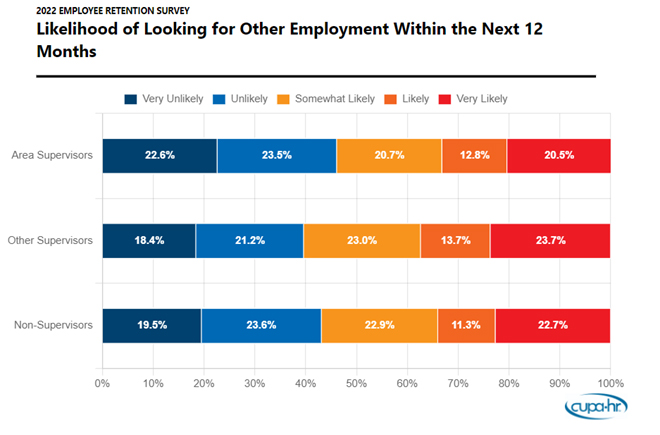
    Higher ed supervisors are looking for other employment opportunities, and less than half would seek new opportunities at their current institution. Nearly two in five (36 percent) supervisors indicate they are likely to look for other employment in the next 12 months, and only 40 percent say they would seek job opportunities at their current institution. The most common cited reason for seeking other employment is pay.

    Most higher ed supervisors work long hours and have absorbed more duties since the onset of the COVID-19 pandemic. Data show that supervisors are more likely than non-supervisors to work additional hours. Fewer than half (47 percent) of non-supervisors work more hours than what is considered full-time. However, 89 percent of area supervisors and 76 percent of other supervisors work more hours per week than what is considered full-time at their institution. Additionally, supervisors are more likely than non-supervisors to agree that they have absorbed additional responsibilities of other staff who have left the institution since the onset of COVID-19. Supervisors are also more likely than non-supervisors to report that they experienced an increase in job expectations since the start of the pandemic.
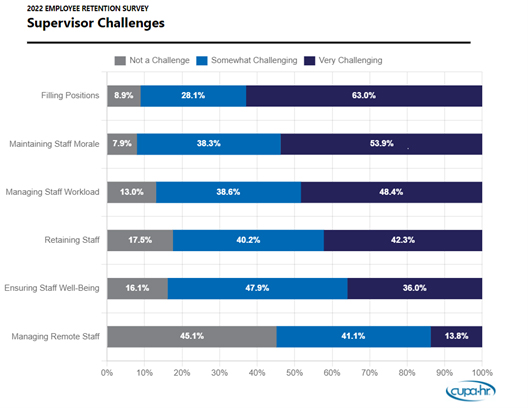

    Filling positions and maintaining morale are supervisors’ top challenges. As shown in the figure below, almost two-thirds (63 percent) of supervisors indicated they find filling positions very challenging and over half (54 percent) found maintaining staff morale very challenging.

    Higher ed supervisors report a lack of adequate training and support. Only three in five supervisors agree that they have resources and support in their supervisory role. Less than half (46 percent) agree that they have been provided with adequate management training for their supervisory role. However, when supervisors have more resources and support in their supervisory roles, more power to advocate for their staff, more power to allow flexible schedules, and more power to allow their staff to work remotely, they are less likely to seek other employment.

    Implications of Supervisor Turnover and How to Combat It

    Turnover in any role can impact an institution due to loss of talent, institutional knowledge and team or interdepartmental rapport. However, turnover in a supervisor role has more far-reaching implications. Supervisor turnover also impacts direct reports, who must adjust to a new supervisor and may need to adapt to new team priorities and vision. Loss of supervisors also equates to a loss of leaders who are key to succession plans.

    In light of what the data show, there are several actions higher ed institutions can take to keep their supervisors:

    • Provide supervisors with resources and support in their capacity as supervisors, particularly around filling empty positions and managing staff morale.
    • Ensure supervisors have the ability, knowledge and resources to advocate for their staff.
    • Give supervisors more autonomy to determine their staff’s working arrangements, as the data show that supervisors who have more power to allow their staff to work remotely and have flexible schedules are less likely to seek other employment.
    • Commit to reducing supervisor workload.
    • If possible, raise salaries for supervisors (but not at the expense of non-supervisors).

    For a deeper look into the data, read the full report.

    Note: In the findings, “area supervisors” refer to those supervisors who are the top-most leaders in their department, units or areas (self-identified in the survey; 26 percent of respondents). “Other supervisors” are those who self-identified as having at least one direct report but were not the top-most leader in their department (31 percent of respondents). “Non-supervisors” are those employees who have no direct reports (43 percent of respondents).

    CUPA-HR Research

    CUPA-HR is the recognized authority on compensation surveys for higher education, with its workforce surveys designed by higher ed HR professionals for higher ed HR professionals and other campus leaders. CUPA-HR has been collecting data on the higher ed workforce for more than 50 years, and we maintain one of the largest workforce databases in existence. CUPA-HR also publishes numerous research publications and interactive graphics highlighting trends and issues around higher ed workforce planning, pay equity, representation of women and racial/ethnic minorities and more. Learn more about CUPA-HR research.


    Source link

  • Higher Ed Without Borders Now Available on Audio and Video – Edu Alliance Journal

    Higher Ed Without Borders Now Available on Audio and Video – Edu Alliance Journal

    As we enter the holiday season, we recommend you tune in to  Higher Ed Without Borders. We now have the 2022 audio podcast season available, including 14 complete episodes. In addition, we have created five video highlight programs on our YouTube Channel. The series is a production of Edu Alliance.

    Also, we are proud to announce that in December and January, five new episodes are being produced.  Our last episode for the 2022 season will be with Dr. Chris Howard, Executive Vice President and COO of Arizona State University.

    In January 2023, Dean Hoke and Tom Davisson will co-host a four-part mini-series titled Small College America. Scheduled guests will be:
    Dr. Barry Ryan, President of Woodbury University, California
    Ryan Smith, President, University of Rio Grande, Ohio
    Dr. Stefanie Niles, President of Cottey College, Missouri
    Dr. Janelle Vanasse, President of Alaska Pacific University, Alaska  

    The YouTube series currently has 6 video highlights, with more to come. They include:
    Dr. Ehab Abdel Rahman, Provost of The American University in Cairo
    Dr. Allan Goodman, Chief Executive Officer of the Institute of International Education Part 1
    Dr. Allan Goodman, Chief Executive Officer of the Institute of International Education Part 2
    Dr. Jim Henderson, President of the University of Louisiana System
    Dr. Mariët Westermann, Vice-Chancellor of New York University, Abu Dhabi
    Dr. Frank Dooley, Chancellor of Purdue University Global

    Guest for the 2022 season includes:
    Elliott Masie, founder of MASIE Innovations 
    Dr. Cynthia Jackson Hammond, President of the Council for Higher Education Accreditation
    Dr. Peter Wells. Chief of the Section for Higher Education at UNESCO, Paris
    Dr. Samantha Alvis, Senior Advisor for Higher Education for USAID 
    Dr. Matthew Wilson, Dean, and President of Temple University Japan Campus
    Dr. Tarek Sobh, President of Lawrence Technological University
    Dr. Tony Chan, President of King Abdullah University of Science and Technology in Saudi Arabia 
    Dr. Gil Latz, Vice Provost for Global Strategies and International Affairs, The Ohio State University
    Dr. Mariët Westermann, Vice-Chancellor of New York University, Abu Dhabi
    Dr. Jim Henderson, President of the University of Louisiana System
    Dr. Allan Goodman, Chief Executive Officer of the Institute of International Education
    Dr. Frank Dooley, Chancellor of Purdue University Global
    Dr. Ehab Abdel Rahman, Provost of The American University in Cairo

    Feel free to let us know if you have any questions or comments. Happy Holiday Season to you and your loved ones.

    Dean Hoke and Dr. Senthil Nathan
    Edu Alliance Group and Co-Hosts of Higher Ed Without Borders
    [email protected]
    [email protected]

    Source link

  • 2022 Top Tools for Learning Votes – Teaching in Higher Ed

    2022 Top Tools for Learning Votes – Teaching in Higher Ed

    Each year, I look forward to reviewing the results of Jane Hart’s Top 300 Tools for Learning and to submitting my votes for a personal Top Tools for Learning list. I haven’t quite been writing up my list every single year (missed 2020), but I did submit a top 10 list in 2015, 2016, 2017, 2018, 2019, and 2021. I haven’t come across too many others’ 2022 Top Tools for Learning votes, yet, but did enjoy reviewing Mike Taylor’s list.

    I avoid looking at the prior year’s lists until I have identified my votes for current year. Once my list was finished for 2022, however, I did compare and realize that I had left Zoom off for this year. Given that I use Zoom pretty much daily for meetings, teaching, speaking engagements, and podcast interviews, I suspect this is one of those things where Zoom has become so integral to my life that it’s become like water that I can’t see because I’m swimming in it.

    Something that I am still looking forward to getting more practice with is a technique shared by Kevin Kelly on Episode 406 of the Teaching in Higher Ed podcast. Kevin shared about how to turn a Zoom chat into a useful summary and included a sample summary from an AAEEBL Meetup in the show notes for the episode.

    Another thing I realize as I reflect back on the current and prior years of voting is how much every single tool I use fits into a personal knowledge mastery system, which I have learned so much about from Harold Jarche over decades now. Harold Jarche writes:

    Personal knowledge mastery is a set of processes, individually constructed, to help each of us make sense of our world and work more effectively. PKM keeps us afloat in a sea of information – guided by professional communities and buoyed by social networks.

    PKM is the number one skill set for each of us to make sense of our world, work more effectively, and contribute to society. The PKM framework – Seek > Sense > Share – helps professionals become knowledge catalysts. Today, the best leaders are constant learners.

    Harold was on Episode 213 of the Teaching in Higher Ed podcast, if you would like to learn more about PKM. There is also an entire collection of PKM episodes.

    My 2022 Top Tools for Learning

    Below are my top 10 Tools for Learning for 2022. Jane Hart’s survey methodology has shifted over the years. She now asks us to list each tool and then identify which of three categories we most often use it for: personal learning, workplace learning, or education. Mine overlap quite a bit, within those categories, but I’ve done my best to pick the context in which I use it most often.

    1. Overcast | Personal Learning | PKM-Seek

    This podcast “catcher” app is a daily part of my life and learning. Overcast received a major design overhaul in March of 2022, which led me to reorganize my podcast playlists to take full advantage of the new features. In October of 2021, I wrote up my podcast favorites, in case you’re interested.

    2. Unread | Personal Learning | PKM-Seek

    While Overcast is for the spoken word, Unread is primarily for written pieces. Powered by real simple syndication (RSS), Unread presents me headlines of unread stories across all sorts of categories, which I can tap (on my iPad) to read, or scroll past to automatically mark as read. I use Unread in conjunction with Inoreader, which is a robust RSS aggregator that can either be used as an RSS reader, as well, or can be used in conjunction with an RSS reader, such as Unread.

    On a related note, if you like the idea of information flowing to you (via RSS) versus you having to go find it – and you like to cook – check out the app Mela. I switched to it in the past year and haven’t looked back.

    3. Twitter | Personal Learning | PKM-Seek

    I continue to benefit from a strong personal learning network (PLN), which for me is at its most vibrant on Twitter. Whether it’s for something as simple as getting some good tv/movie recommendations when I am under the weather, or for a deeper and more significant purpose of learning from those in the disability community, I find a tangible benefit with almost every visit. Yes, there are also major problems on social media platforms, including Twitter. But for me, the key has been all in who I follow and how I engage in community with others on Twitter.

    4. Raindrop | Workplace Learning | PKM-Sense

    While the first three tools I mentioned were all about seeking information, Raindrop is all about sense making (in the present and future) for me. It is a digital bookmarking tool. I wrote about how I use Raindrop in late 2020. I continue to see daily benefits with having such a simple-yet-robust way of making sense of all the information coming at me on a daily basis. Raindrop recently added the ability to highlight text on a page you have bookmarked, but I haven’t experimented with that feature much yet. If I want to do something with annotations and highlighting, I tend to gravitate toward Hypothes.is, a social annotation tool.

    5. PollEverywhere | Education | PKM-Sense

    When I started in a professional career in the early 1990s, I used to work for a computer training company. One regular thing that would happen with less-experienced instructors would be them standing at the front of the class, asking if everyone “got it” or was “with them.” As you can imagine, many times people either didn’t realize that they were lost, or they were too embarrassed to admit it.

    Polling tools like PollEverywhere remove the barrier of people not realizing that they don’t understand something, or for those are reluctant to share their confusion publicly. PollEverywhere also has features to support team collaboration, asynchronous and/or synchronous polling, and can integrate with a learning management system (LMS). I primarily use PollEverywhere for formative assessment, allowing people to respond anonymously to the questions being posed. I subscribe to the Present plan, which allows me to have up to 700 people responding at one time on a given poll question. People in an education context who needed to create reports and access archived poll responses would likely need to go with an Individual Instructor premium account, or department/university-wide plan.

    6. Padlet | Education | PKM-Sense

    One of many collaborative tools I enjoy using is Padlet, a virtual cork board. I use Padlet to create a shared vision for a class or a team, to create a crowd-sourced music playlist for an event or class, as a parking lot, and to collectively come up with ways to extend learning. This year for our faculty gathering, we have Padlet boards for virtual collaboration and have also printed out posters (with QR codes that point back to the Padlet boards) that people can respond in person to using sticky notes. I love the blend of the analog and the digital that is possible using this approach.

    7. Loom | Education | PKM-Share

    The past couple of years, Loom has become a part of my daily computing life. It is a simple screen casting tool. Record what’s on your screen (with or without your face included via your web cam) and as soon as you press stop, there’s a link that automatically gets copied to your computer’s clipboard which is now ready to paste anywhere you want. I use Loom for simple explanations, to have asynchronous conversations with colleagues and students, to record how-to videos, and to invite students to share what they’re learning. If you verify your Loom account as an educator, you get the pro features for free.

    8. Canva | Workplace Learning | PKM-Share

    My use of the graphic design website Canva has evolved over the years. I started by using it to create graphics and printable signs for classes. Now I also use it to create presentations (which can include embedded content, slides, videos, etc.). As I just revisited Canva features in writing this past, I discovered even more things I wasn’t even aware that Canva can do.

    I find the pro version worthwhile for both work and for Teaching in Higher Ed, as having the ability to include an entire team of people and have everyone be able to access a brand kit(s) to achieve consistent colors, logos, and other brand assets is a game-changer. We haven’t experimented as much with branded templates or comments and sharing, but there’s so much to benefit from with Canva working collaboratively. The free plan is also quite generous and worth signing up for, even if you don’t wind up upgrading to Pro or Canva for Teams.

    9. WordPress | Workplace Learning | PKM-Share

    The Teaching in Higher Ed website has been on a hosted WordPress site for so long, I can’t even remember where it resided prior to WordPress. My friend and web developer, Naomi Kasa, has helped keep the site beautiful and functional. One of my favorite features of the site is the page Naomi created with all my upcoming and past speaking engagements. It is great having all that information in one place and to see the collection of resources keep growing over time. Take a look at my resources page for a recent speaking engagement and how I embedded a Canva presentation, which includes use of embedded content and video.

    10. Blubrry | Workplace Learning | PKM-Share

    If you are going to have a podcast and you want to efficiently and effectively get it released to the majority of the various podcast players, you are going to need a podcast hosting company. We have used Blubrry for years now and appreciate its reliability, ease of use, and integration with WordPress.

    Your Turn

    Would you like to submit a vote with your Top Tools for Learning? You can fill out a form, write a blog post, or even share your picks on Twitter. The 2022 voting will continue through Thursday, August 25 and the results will be posted by Tuesday, August 30, 2022.


    Source link

  • Higher Ed Without Borders speak with President Jim Henderson of the University of Louisiana System – Edu Alliance Journal

    Higher Ed Without Borders speak with President Jim Henderson of the University of Louisiana System – Edu Alliance Journal

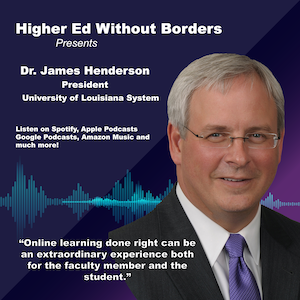
    On this podcast episode of Higher Ed Without Borders co-hosted by Edu Alliance Founders Dr. Senthil Nathan and Dean Hoke speak with Dr. Jim Henderson, President of the University of Louisiana System.

    Dr. James Henderson, President of the University of Louisiana System, a multi-university campus system with an enrollment of approximately 90,000 students. Prior to being appointed as President of the System, Dr. Henderson served as President of Northwestern State University.  He is a native of Shreveport Louisiana. He received his Master’s in Administration from the University of West Florida, and his Doctor of Management degree from the University of Maryland – University College.

    In an October 2021 newspaper article in the Acadiana Advocate, Dr. Henderson’s wife Tonia discussed her husband and love of learning. “Jim has “gone through a lot of schooling” during their marriage and he is a constant reader. He earned his master’s and doctorate while they were married. He also has routinely taken coursework where available — he oftentimes takes Massive Open Online Courses, or MOOCs — most recently one in Irish literature. “He’s always trying to learn new things,” she said.

    His penchant for lifelong learning made an impact on their three children; only the youngest lives at home now. She says she gets inspired by watching him use his time so well. He allots time for work, family, and his own study.”

    Senthil and Dean discussed with Dr. Henderson about the university system and his views on education and leadership.

    Comments and Suggestions:

    Higher Ed Without Borders would love to hear your ideas for future topics and guests. Connect with Dr. Senthil Nathan or Dean Hoke on LinkedIn. You can also visit the Edu Alliance website. To hear the entire series please subscribe to Higher Ed Without Borders on your preferred podcast platforms such as Apple, Spotify, or Google. The podcast is sponsored by Edu Alliance, an education consulting firm located in Bloomington Indiana, and Abu Dhabi, United Arab Emirates.

    We assist higher education institutions worldwide on a variety of mission-critical projects. Production support was provided by White Rabbit Printing and Design.

    If your organization wants to know more about how Edu Alliance can best serve you, please contact either Dean Hoke or Dr. Senthil Nathan.

    Source link

  • Why Executive Coaching Works in Higher Education – Edu Alliance Journal

    Why Executive Coaching Works in Higher Education – Edu Alliance Journal

    “When a leader gets better, everyone wins!”

    July 5, 2022 by Dr. Candace Goodwin – Although every industry has undergone significant changes over the past several years, higher education has been impacted more profoundly. When the pandemic hit, traditional colleges and universities were abruptly forced to adapt their mindset and move toward thinking differently, scrambling to transform standard brick-and-mortar programs into online or hybrid delivery modalities. Colleges and universities that already had successful online programs could pivot quickly and sustain student enrollment. Universities unable to make these changes rapidly faced many challenges.

    High education leadership teams were confronted with workforce challenges they had not faced before. The changes in the economy, staffing shortages, healthcare concerns, loss of international students, diversity, equity, and inclusion were all simultaneously impacting higher education. College leadership focused on enrollment as their highest priority and lost sight of how the pandemic influenced staff and shaped their expectations and preferences. Employees were seeking out empathy, remote work, and flexible work hours and wanted to feel more connected than ever.

    As the environment of higher education leadership becomes more complicated by outside events and shifting employee motivations, the benefits of executive coaching only increase. High- quality executive coaching balances organizational priorities like enrollment with the leadership development and insight required to move those priorities forward. Executive coaching is an essential problem-solving tool for higher education executives seeking support balancing leadership challenges and understanding the higher education landscape from both the 30,000 ft elevation and the 100 ft elevation.

    1. Executive coaching activates and animates wisdom.

    Many executives and aspiring higher education leaders lean most heavily on their level of intelligence. Clayton (1982) defined intelligence as the ability to think logically, conceptualize, and abstract from reality. Intelligence focuses on how to do. It helps leaders accomplish and achieve.

    By contrast, Clayton defines wisdom as the ability to grasp human nature, which is paradoxical, contradictory, and subject to continual change. Wisdom provokes a person to consider the consequences of their actions on themselves and the effects on others.

    Wisdom helps people decide whether to pursue a course of action. Higher education executives work in concert with many others. It is incumbent on all higher education leaders to work with their wisdom.

    The difference between intelligence and wisdom can be described as knowing what vs. knowing how. According to Stenberg (2005), knowing how adds creativity and experience to our knowledge. While an executive has proven intelligence, the wisdom gained by learning from various experiences provides multiple points of view at their disposal to solve problems creatively.

    It is no longer sufficient to only have intelligence and management skills to make high- level and far-reaching leadership decisions. Wisdom is a crucial component of good leadership. Staudinger, Lopez, and Baltes (1997) found that individuals who discussed life problems with another person and reflected on the conversation before responding out-performed others. Executive coaching can make the difference in that kind of wisdom and more.

    An executive coach for higher education helps college and university executives activate and animate their wisdom. Executive coaches guide leaders to go beyond reporting metrics and learn ways to increase their wisdom through natural reciprocity, investing in their team, and developing new leadership traits. The result is a higher education leader able to make more creative and cultured decisions that are the best for university and college leadership, staff, and students.

    2. Executive coaching galvanizes conscious and intentional conversations.

    There are two conversations we have every day. One is with other people—and one is in our heads. Having conversations with other people can feel fraught in this increasingly complicated world. Higher education executives need to ensure their conversations are conscious and intentional. Executive coaching can help!

    Conscious conversations encourage connection and overcoming differences. The basis is hearing and understanding instead of judging as right or wrong. Participants in a conversation of this nature must be fully present, listen fully and respectfully, keep an open mind, and be patient. It is important to understand that conversations of this kind are a skill to be learned and built upon. There is always room to improve communication as a leader.

    Intentional conversations are purposeful and planned. Being intentional means being strategic in how to communicate, what to communicate, and to whom. Intentional conversations can make staff members feel valued and ensure that conversations are productive.

    With an executive coach, higher education executives can build confidence in their ability to have conscious and intentional conversations.

    3. Executive coaching stimulates creativity.

    With the landscape for higher education rapidly changing, a successful higher education executive needs to move beyond the same old, same old. It is time for creativity in all aspects of leadership. Nothing helps creativity like the collaboration that comes from partnering with an executive coach.

    Most executives could benefit from switching things up and taking their leadership off auto pilot. A significant outcome could be developing a flexible mindset and considering new ways to get things done. A lack of creativity could result in missing opportunities for innovation and growth. Working with an executive coach helps open the door to explore innovative ideas and getting excited by new, creative possibilities.

    4. Executive coaching creates “emotional safety.”

    Having emotional safety means feeling secure enough to be your most authentic self, and isn’t that the ideal for all employee-leader scenarios? Who wouldn’t want to bring their real selves to work? Well, that takes work. Emotional safety is an important aspect of having a satisfying connection. Connection is increasingly vital to today’s workforce. It is worth the investment.

    Higher education executive coaching cultivates emotional safety so executives can get the most out of their experience. Our brains constantly detect whether a situation is safe or dangerous. When people experience safety, they are better listeners, able to collaborate more, innovative, creative, and able to connect with others. Emotional safety has positive effects that flow to others.

    Emotional safety encourages freedom of expression and increased compassion. A skilled executive coach can help guide you to understanding and increasing emotional safety.

    Executives and leaders in higher education benefit from the investment in high-quality executive coaching. Coaching is transformative—helping leaders leverage their best selves. An executive coach empowers creativity, impact, connection, and influence. Great leaders have great coaches—everyone can use that kind of support! Especially leaders working in higher education.

    Aides, Kim. “Six Reasons to Hire an Executive Coach.” Frame of Mind Coaching, 16, Nov. 2021, https://www.frameofmindcoaching.com/blog/reasons-to-hire-an-executive-coach.

    Boeder, E. “Emotional Safety is Necessary for Emotional Connection” The Gottman Institute. https://www.gottman.com/blog/emotional-safety-is-necessary-for-emotional-connection/

    Clayton V. (1982). Wisdom and intelligence: the nature and function of knowledge in the later years.

    International journal of aging & human development, 15(4), 315–321. https://doi.org/10.2190/17tq-bw3y-p8j4-tg40 https://pubmed.ncbi.nlm.nih.gov/7183572/

    Drake, David and Webb, Peter (2018).” Coaching for Wisdom: Enabling Wise Decisions.” Research Gate, February 2018, https://www.researchgate.net/publication/323257694_Coaching_for_Wisdom_Enabling_Wise_D ecisions

    Levine, Arthur and Pelt, S. “The Future of Higher Education is Occurring at the Margins.” Inside Higher Education, 4, Oct. 2021, https://www.insidehighered.com/views/2021/10/04/higher-education- should-prepare-five-new-realities-opinion

    Staudinger, U.M., Lopez, D. F., and Baltes, P. B. (1997). The psychometric location of wisdom-related performance: Intelligence, personality and more. Personality and Social Psychology Bulletin, 23(11). 1200-1214,

    Sternberg, R. J. (2005). WICS: A model of leadership. The Psychologist- Manager Journal, 8(1), 20-43.

    Sternberg, R. J. (2005a). WICS: A model of leadership. The Psychologist-Manager Journal, 8(1), 20–43


    Dr. Candace Goodwin a member of the Edu Alliance Group Advisory Council is a culture strategist and the CEO of Organizational Leadership Partners, an organization that helps leaders achieve exceptional results through the alignment of organizational priorities and culture. Candace’s expertise in culture, employee engagement, emotional intelligence, and leadership development provides guidance to leaders who desire to create an environment where people can do their best work.

    Dr. Goodwin has a Doctorate in Organizational Leadership, an MBA in Human Resources, and a Bachelor’s degree in Finance.

    Edu Alliance Group, Inc. (EAG) is an education consulting firm located in Abu Dhabi, the United Arab Emirates, and Bloomington, Indiana, USA. We assist higher education institutions worldwide on a variety of mission-critical projects. Our consultants have accomplished university/college leaders who share the benefit of their experience to diagnose and solve challenges.

    EAG has provided consulting and successful solutions for higher education institutions in Australia, Egypt, Georgia, India, Kazakhstan, Morocco, Nigeria, Uganda,  United Arab Emirates, and the United States.

    Edu Alliance offers higher education institutions consulting services worldwide. If you like to know more about how Edu Alliance can best serve you, please contact Dean Hoke at [email protected] 

    Source link

  • Higher Ed Without Borders Announces Its First Guest – Edu Alliance Journal

    Higher Ed Without Borders Announces Its First Guest – Edu Alliance Journal

    May 29, 2022 – Higher Ed Without Borders a podcast series dedicated to education professionals worldwide announced its opening guest will be Dr. Ehab Abdel-Rahman, Provost of The American University in Cairo.  The series is hosted by co-founders of Edu Alliance Dr. Senthil Nathan in Abu Dhabi, UAE, and Dean Hoke in Bloomington, Indiana. The episode will be available on June 7th.

    Each episode is a half-an-hour-long conversation with international thought leaders that will enlighten and provide some new thoughts on critical issues facing higher education globally. You can subscribe to this free podcast series by going to Higher Ed Without Borders or searching for “Higher Ed Without Borders” on your preferred podcast app.

    Podcast Guest Dr. Ehab Abdel-Rahman

    Dr. Abdel-Rahman is the Provost of the American University in Cairo (AUC).  The university founded in 1919 has over 7,000 undergraduate and graduate students from over 60 nations. He is the Chief Academic Officer and provides administrative leadership and oversight for all academic components of the University. As Provost, he has twice led the re-accreditations of AUC by the Middle States Commission on Higher Education (MSCHE)  and the National Authority for Quality Assurance and Accreditation of Education “NAQAAE”.

    He also spearheaded the development of AUC’s Strategic Plan, and in 2020, AUC’s QS World University Rankings moved up 25 places, placing it amongst the top 1.5% of universities worldwide.

    Dr. Abdel-Rahman holds his Bachelor’s and Master’s Degrees in Physics from Helwan University in Cairo and his Ph.D. in Physics from the University of Utah.

    Future Guests Include

    • Dr. Allen Goodman, Chief Executive Officer of the Institute of International Education (IIE)
    • Dr. Frank Cooley, Chancellor Purdue University Global
    • Dr. Jim Henderson, President, and Chief Executive Officer of the University of Louisiana System
    • Dr. Gil Latz, Vice Provost of Global Strategies, and International Affairs for The Ohio State University
    • Dr. Mariët Westermann Vice Chancellor of New York University, Abu Dhabi

    Co-Host Biographies

    Dr. Senthil Nathan is Co-Founder and Managing Partner of Edu Alliance Ltd in Abu Dhabi, UAE.  Since the founding of the company in 2014, Senthil has been involved in numerous advisory & consulting projects for higher education institutions and investment firms.

    After spending a decade in the USA on research and engineering design projects, Dr. Nathan joined the Higher Colleges of Technology in 1993, the largest higher education institution in the UAE. He served in various positions and from 2006-to 2014 was Deputy Vice-Chancellor / Vice Provost for Planning & Administration. Dr. Nathan has been involved in numerous advisory and consulting roles in education/training & development engagements. In 2014 he received the Distinguished Alumni Award from the National Institute of Technology in India. He is the Chairman of the Board of Trustees for Livingston University in Uganda. Dr. Nathan is an accomplished speaker and presents at educational events worldwide.

    Dean Hoke is Managing Partner of Edu Alliance Group in the United States and Co-Founder of Edu Alliance Ltd. in the United Arab Emirates. Dean has decades of progressively responsible and visionary leadership roles in higher education, communications & online learning. He has led numerous initiatives that have created innovation & positive change in the higher education & non-profit sector. He has worked since 1974 in senior positions in higher education, broadcasting, and online learning.

    He participates in numerous advisory & consulting projects in the fields of international education, branding, business intelligence, and online learning. He is an active speaker and writer in the field of global higher education and distance learning.  Dean is a member of the Board of the American Association of University Administrators, the Franklin University School of Education Advisory Board, and is a member of the Board of Advisors for Higher Education Digest.

    Edu Alliance

    The podcast is a production of Edu Alliance an education consulting firm located in Bloomington, Indiana, and Abu Dhabi, United Arab Emirates. Founded in 2014 Edu Alliance assists higher education institutions worldwide on a variety of mission-critical projects. The consulting team is accomplished leaders who share the benefit of their experience to diagnose and solve challenges. They have provided consulting and executive search services for over 35 higher education institutions in Australia, Egypt, Georgia, India, Kazakhstan, Morocco, Nigeria, Uganda, United Arab Emirates, and the United States.

    A special thanks to:

    White Rabbit in Bloomington, Indiana is the production partner providing graphics and audio support.

    Higher Education Digest is the media partner for Higher Ed Without Borders podcast. The Digest is an independent Higher Education Portal and Magazine.

    Source link

  • Award-Winning Work in Higher Ed HR – 2022 HR Excellence Award and Higher Ed HR Rock Star Award – CUPA-HR

    Award-Winning Work in Higher Ed HR – 2022 HR Excellence Award and Higher Ed HR Rock Star Award – CUPA-HR

    by CUPA-HR | May 3, 2022

    From creating diversity efforts and development initiatives to leading change, human resources teams and HR practitioners across the country are doing great work every day.

    CUPA-HR’s regional Higher Education HR Awards program recognizes some of the best and brightest in higher ed HR and honors HR professionals who have given their time and talents to the association.

    Here are this year’s regional award recipients:

    HR Excellence Award

    Honoring transformative HR work in higher education and recognizing a team that has provided HR leadership resulting in significant and ongoing organizational change within its institution

    Office of Human Resources Management, Fordham University (Eastern Region)
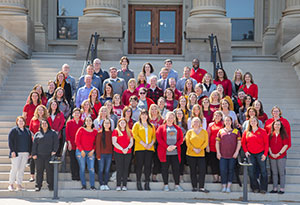
    Fordham University’s office of human resources management has transformed from a primarily transaction-focused department to a strategic partner that is relied upon throughout the university. The department has demonstrated its strategic strength on multiple fronts including the management of the university’s COVID-19 shutdown and reopening, return-to-work policies, customer service, technology, communication with employees that resulted in increased engagement and trust, anti-bias training, professional development initiatives and the performance management process. Additionally, in keeping with and living Fordham’s Jesuit mission of Cura Personalis, “caring for the whole person,” the office developed and implemented programs to help employees maintain a healthy work-life balance. Some health and wellness services that were developed include back-up childcare support, on-site and virtual physical fitness classes, and behavioral health services, such as a registered dietician available to employees. In doing so, the HR team has distinguished itself as a trusted advisor to employees, managers and senior leaders alike.

    University Human Resources, Iowa State University (Midwest Region)

    In 2019, Iowa State University implemented a new financial management and human capital management system. In conjunction with the new system, finance and HR service delivery teams were developed, pulling distributed customer-facing finance and HR roles into two centralized teams. University human resources’ performance through this significant and ongoing organizational change has been positive for the entire campus community. The HR delivery model has led to increased consistency and standardization in delivery of services across the university. It has also created a more well-trained and cohesive team of professionals that work together up and down the chain to find creative solutions to HR challenges and opportunities. HR support for leaders across the institution has significantly improved through better access to accurate data, streamlined processes for workforce and position planning, compensation adjustments, support addressing low-preforming employees and behavioral issues, large-scale employee movement and reorganizations, and professional human capital consulting. The new HR delivery systems have resulted in a much more efficient, collaborative and cohesive HR unit that is better equipped to serve employees and supervisors. At the same time, employees and supervisors have benefitted from HR’s reliability, transparency, accountability and consistency in its efforts to support them.

    Talent and Culture Department, Broward College (Southern Region)
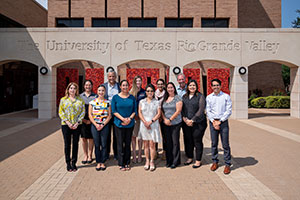
    Recognizing that HR alone cannot create culture but that it plays a critical role in ensuring the infrastructure is in place to support the cultural aspirations of an organization, the talent and culture department at Broward College has worked over the last several years to spearhead significant organizational change. Beginning in 2019, the university launched its three-year culture transformation plan. An integral step in the transformation process was the implementation of information-gathering discussions between the HR leadership team and employee groups comprised of administrators, faculty and professional technical staff, which provided substantive feedback on areas that needed the most attention. This organizational change, led by the talent and culture department, has resulted in more substantive collaboration; stronger relationships among faculty, staff and administrators; and greater trust and communication between employees and their supervisors. It has also served as a catalyst for innovative projects throughout the organization designed to maximize the experience of employees, students and the community. Some major initiative highlights include the creation of talent business partner roles, Leadership 360 Assessments, psychological safety workshops, employee resource groups, employee onboarding, and a leadership development program called BC LEAD that educates and empowers managers at all levels to rise to leadership excellence.

    HR Campus Climate Liaisons, The University of Texas Rio Grande Valley (Western Region)
    After implementing a strategic action planning process, led by an internal HR workgroup called Campus Climate Liaisons, The University of Texas Rio Grande Valley saw double-digit improvements in climate survey results within three years, all amid a pandemic. The liaison group consists of individuals from various HR areas, such as talent development, organizational development, employee wellness and employee relations/business partners. The group was trained to provide support to assigned departments with result-sharing, action-planning and ongoing progress-reporting. This method ensured that all departments received the same level of support and helped the HR team better track progress toward climate goals. It also helped empower all department leaders to have conversations about campus climate and department climate. The biggest improvements were seen in areas of faculty, administration and staff relations; senior leadership; and facilities. The campus climate liaison model has been so successful that it will continue to be used for future campus climate initiatives and to provide ongoing support to all departments.

    Higher Ed HR Rock Star Award

    This award recognizes an individual who is serving in the first five years of a higher education HR career who has already made a significant impact.

    Audrey Davis, Assistant Director of Personnel, Texas Tech University (Western Region)
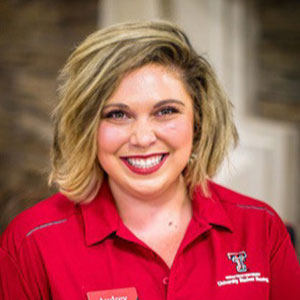
    With her enthusiasm and inspirational demeanor, Audrey Davis has built strong and trusting relationships with each department she works with, not only within university student housing, but within each auxiliary services area at Texas Tech University. Since taking over the personnel team, Audrey has demonstrated continuous innovation and creative thinking, which has completely changed the way the student housing personnel team operates and provides services. After only two years in her role, she has identified and eliminated major gaps in the onboarding/offboarding processes. She has also developed a collaborative hiring system that allows hiring managers to communicate efficiently with the personnel team to discuss new hires, promotions and terminations. Audrey’s initiatives have resulted in university student housing being named a center for excellence for human resourcing by the assistant vice president for auxiliary services. Audrey continues to make a positive impact with her role and demonstrates her passion through advocacy, by fostering a welcoming work environment and by building confidence in her team to serve as a one-stop shop for personnel services.


    Source link

  • 2022 Data: Changes in Higher Ed Pay and Workforce Size – CUPA-HR

    2022 Data: Changes in Higher Ed Pay and Workforce Size – CUPA-HR

    by CUPA-HR | April 27, 2022

    CUPA-HR has released its data on overall higher ed pay increases, as well as changes in workforce size for 2021-22.

    Higher Ed Pay Increases Have Not Kept Pace With Inflation

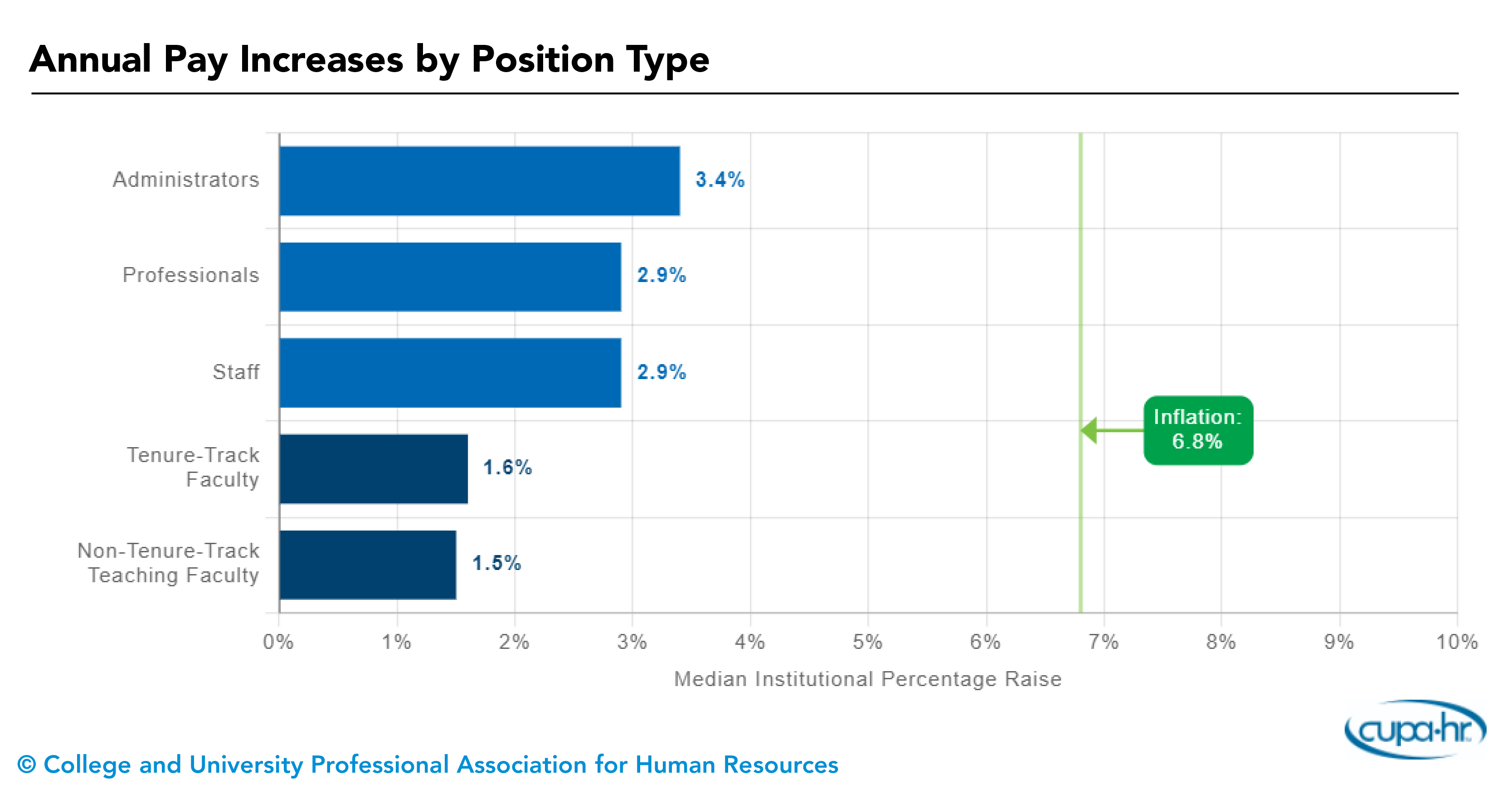
    The soaring inflation rate has far outpaced pay increases for the higher education workforce. According to findings from CUPA-HR’s annual workforce surveys for 2021-22, overall median salaries for administrators increased by 3.4%. Professionals and non-exempt staff saw increases of 2.9%, and salaries for tenure-track and non-tenure-track faculty increased by 1.6% and 1.5%, respectively. The inflation rate for 2021 was 6.8% and continues to climb.

    This is not the first year that pay increases have not kept up with inflation. Pay increases for administrators, professionals and staff last met or exceeded inflation in 2019-20.  Non-tenure-track faculty salary increases last met or exceeded inflation in 2016-17, and tenure-track faculty salary increases have not kept pace with inflation in any of the past six years.

    Explore pay-increase trends on CUPA-HR’s website.

    Overall Workforce Size Has Declined in the Wake of the Pandemic

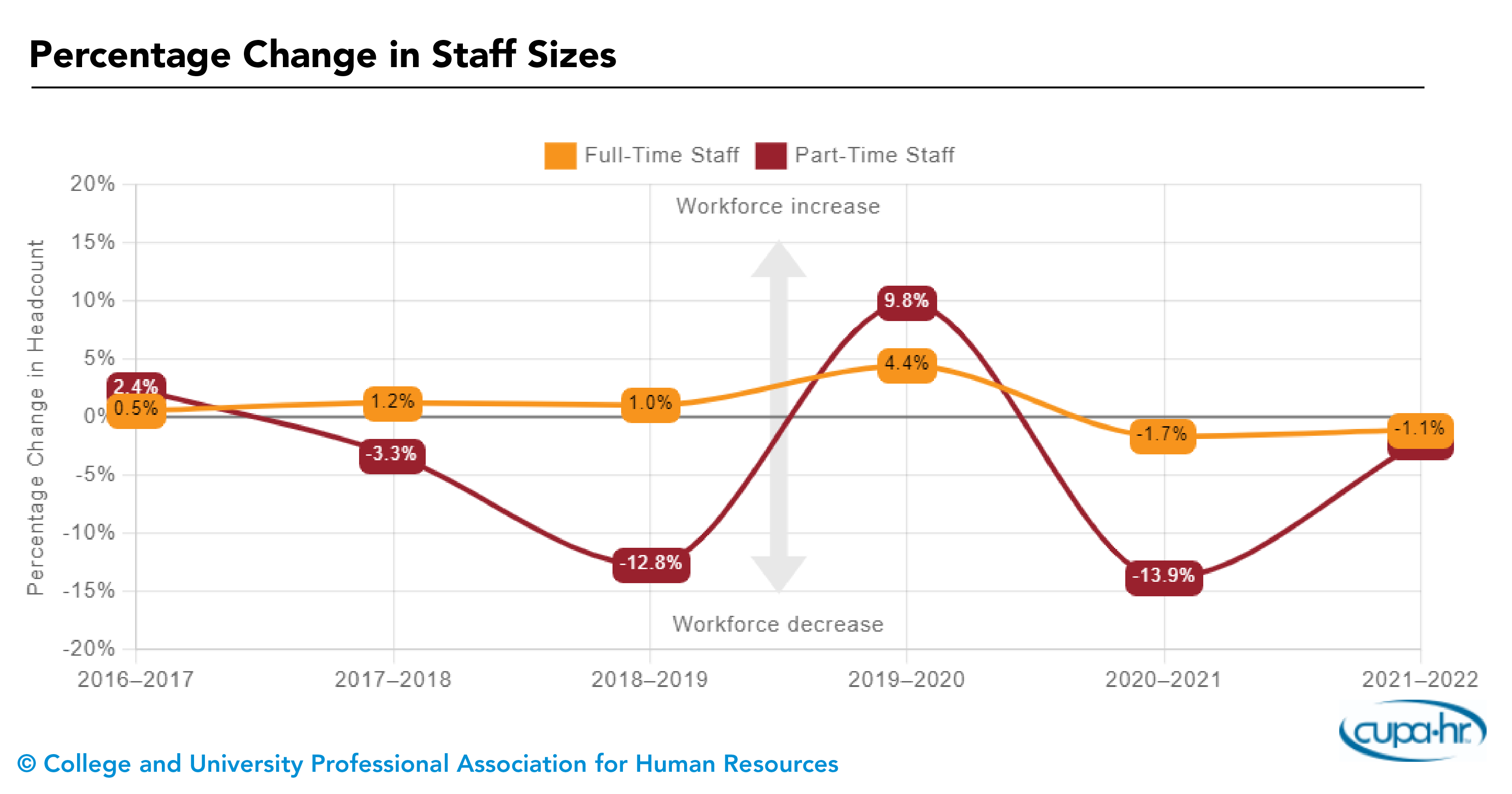
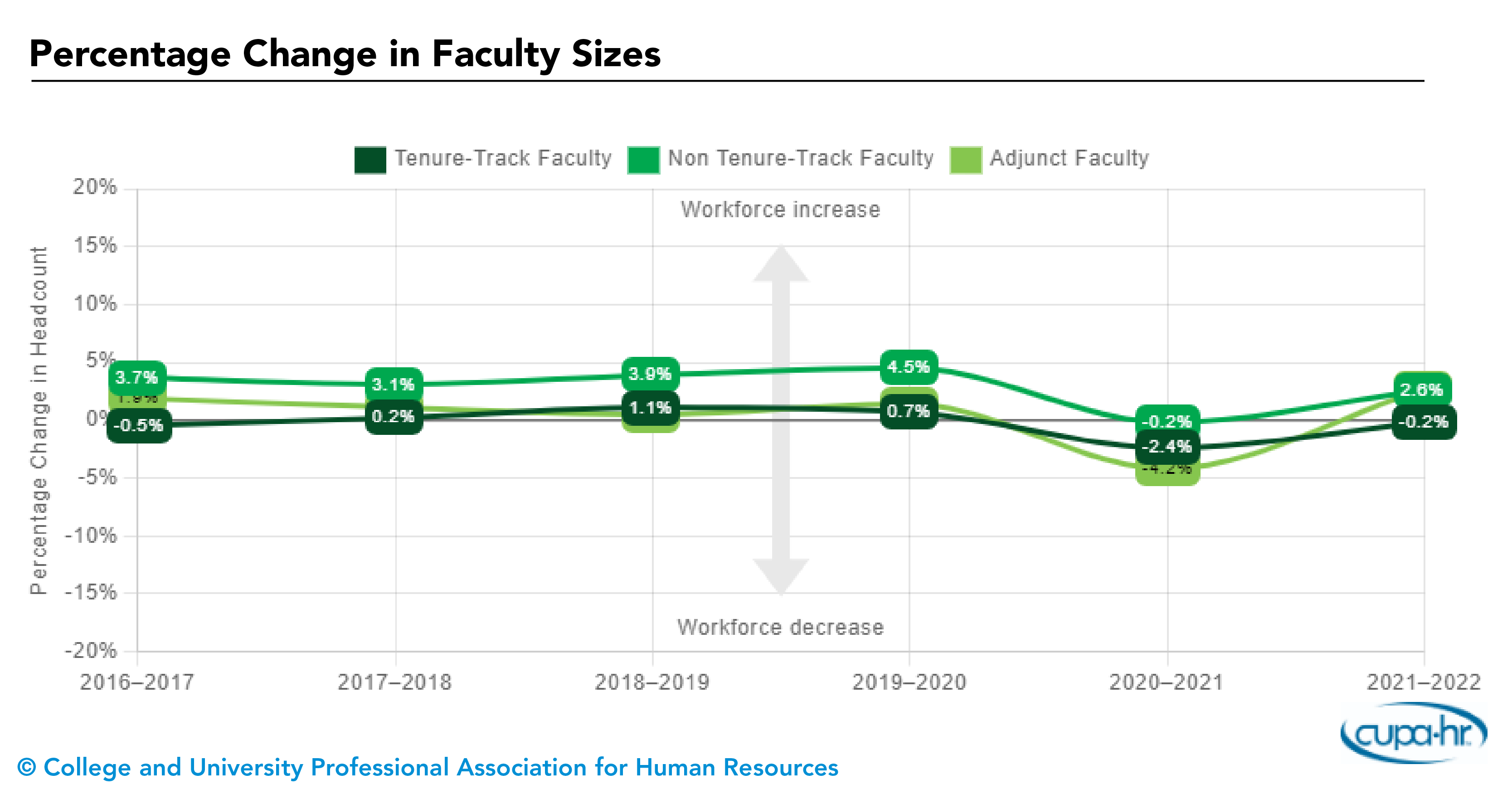
    Historically, the overall size of the higher education workforce has increased from year to year. However, colleges and universities are experiencing the same employee recruitment and retention challenges that most U.S. employers have struggled with in the past few years. In both 2020-21 and 2021-22, the size of full-time staff, part-time staff, and tenure-track faculty declined from the prior year.

    Two areas of the workforce that saw growth this year were those of non-tenure-track faculty and adjuncts. Although the number of non-tenure-track faculty and adjuncts declined between 2019-20 and 2020-21, those numbers have rebounded in 2021-22.

    Explore the trends in workforce size changes on CUPA-HR’s website.

    In-Depth Data and Custom Reports

    Higher ed institutions can use CUPA-HR’s DataOnDemand (DOD) subscription service to run comprehensive data tables and analyses.


    Source link