Tag: Higher

  • Carnegie Foundation launches sustainability classification pilot

    Carnegie Foundation launches sustainability classification pilot

    The Carnegie Foundation for the Advancement of Teaching and the American Council on Education announced Thursday that they have launched a pilot of their new Sustainability Elective Classification, a designation that will recognize institutions of higher education that “embed sustainability and climate action into their core missions,” according to the announcement.

    The pilot program will include 21 colleges and universities from across the 50 states and Puerto Rico and will aim to refine the criteria for the classification while working to guarantee that it is attainable to institutions of all sizes and types. The classification is expected to consider “institutional efforts across curriculum, research, operations, community engagement, and workforce development, with an emphasis on preparing students for careers in sustainability fields.”

    “The Elective Classification for Sustainability recognizes how institutions of higher education are essential to the future of American innovation and progress, within and beyond their classrooms,” Timothy F. C. Knowles, president of the Carnegie Foundation, said in the announcement. “These pilot institutions are helping to forge the way.”

    The Sustainability Elective Classification is scheduled to launch in early 2026. The Carnegie Foundation and ACE are also looking for a university or institution to serve as the classification’s administrative and operational host.

    Source link

  • Trump’s sex and gender order could create risk for colleges

    Trump’s sex and gender order could create risk for colleges

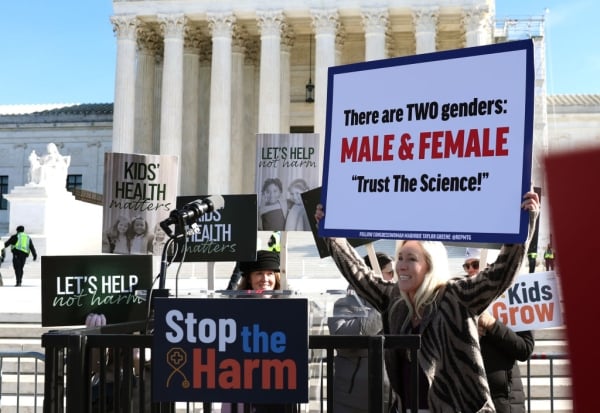
    While running for president, Donald Trump pledged to fight the Biden administration’s efforts to expand protections for transgender students. On day one of his second term in office, he got to work fulfilling that promise.

    In an executive order, which is part of a broader effort to restrict the rights of transgender people, Trump declared that there are only two sexes and banned the federal funding of “gender ideology.” His supporters hailed the move as a return to common sense, while LGBTQ+ advocates saw it as an attack seeking to erase the existence of trans people.

    For colleges and universities, the order raises more questions than it answers, and its immediate implications are unclear. As with other executive orders, it includes many provisions that require the Education Department to take action and issue guidance about how colleges should comply. But depending on how the department responds, the order could complicate institutions’ efforts to accommodate transgender students and eventually change how the federal government enforces Title IX of the Education Amendments of 1972.

    Susan​​​​ Friedfel, a higher education attorney at Jackson Lewis, a New York City law firm that works with colleges and other employers, said more information is needed from the Education Department to determine how the order will affect higher ed institutions, especially since other federal and state laws protect LGBTQ+ students.

    “We have a lot of questions,” she said. “It’s challenging because we have conflicting laws that apply to the same space.”

    In the meantime, she encouraged colleges to revisit their Title IX policies to ensure they are in compliance with the 2020 regulations put in place by the first Trump administration and to think about how best to accommodate everybody.

    The order, titled “Defending Women From Gender Ideology Extremism And Restoring Biological Truth to the Federal Government,” defines “sex,” “male” and “female,” among other terms, and orders federal agencies to use those definitions when “interpreting or applying statutes, regulations, or guidance and in all other official agency business, documents, and communications.”

    The order is likely to face legal challenges, said Cathryn Oakley, senior director of legal policy at the Human Rights Campaign, who argues that it’s unlawful.

    “It is important that people not give this executive order more credence than it deserves,” she said.

    Other LGBTQ+ advocates echoed Oakley, emphasizing that executive orders don’t create or change laws.

    “Discrimination based on sex, including discrimination against transgender, nonbinary, and intersex people, remains illegal, and it cannot be legalized through this executive order,” Fatima Goss Graves, president and CEO of the National Women’s Law Center, said in a statement.

    But Republican lawmakers, conservative legal organizations and other anti-trans advocates applauded Trump’s order, saying it would protect women and girls from discrimination and ground federal law in “biological fact.”

    “Blatant and deliberate attempts to redefine our sons’ and daughters’ identities by questioning biology itself has done significant harm to our children and society,” said Representative Tim Walberg, the Michigan Republican who chairs the House education committee. “[The] action by the Trump administration acknowledges the biological differences between men and women. In doing so, it is protecting women from discrimination and securing the progress women have made over the decades.”

    What’s in the Order

    In addition to defining “sex” and other terms, the order outlines a plan to combat “gender ideology,” which the Trump administration defines as replacing “the biological category of sex with an ever-shifting concept of self-assessed gender identity, permitting the false claim that males can identify as and thus become women and vice versa.”

    Federal officials were told to remove any internal or external documents that “inculcate gender ideology” and take “any necessary steps to end the federal funding of gender ideology.” Additionally, agencies will now only use the term “sex” instead of “gender” in all applicable federal policies and documents, according to the order. The Biden administration gave people the option on passport applications to mark their gender as X rather than choose male or female. That option is now being eliminated.

    On Thursday, Secretary of State Marco Rubio said that the State Department wouldn’t process any passport applications seeking to change the applicant’s gender from male to female or requesting the X option, The Guardian reported.

    Agencies are required to give an update on their efforts to implement the order in 120 days.

    The Trump administration also directed the attorney general to correct the Biden administration’s “misapplication” of the Supreme Court’s 2020 decision in Bostock v. Clayton County, which said that LGBTQ+ individuals were protected from discrimination in the workplace on the basis of sexual orientation or gender identity under Title VII of the Civil Rights Act of 1964.

    The first Trump administration said that Bostock didn’t apply to Title IX, which bars sex-based discrimination in education settings. But the Biden administration reversed that guidance in June 2021.

    The Bostock decision was key to the Biden administration’s new Title IX regulations, which clarified that the law also prohibits discrimination based on sexual orientation or gender identity. A federal judge ruled earlier this month that the new Title IX rule was unlawful and wiped the regulations off the books.

    Trump’s executive order also requires the education secretary to rescind a number of guidance documents related to the now-vacated Title IX regulations, as well as resources for supporting LGBTQ+ students. That includes the Education Department’s June 2021 Dear Colleague letter that said Title IX protects LGBTQ+ students from discrimination based on their sexual orientation or gender identity.

    In addition, the Trump administration is rescinding a back-to-school message for transgender students from the Departments of Education, Justice and Health and Human Services that provided resources for students who experience bullying or discrimination.

    ‘Nothing Radical’

    Kim Hermann, the executive director of the Southeastern Legal Foundation, a conservative legal organization that sued the Biden administration over the Title IX regulations, said Trump’s order immediately restores the privacy and physical safety rights of women, so colleges that don’t comply could face federal civil rights investigations or lawsuits.

    “There’s nothing radical about this executive order,” she said. “All it does is solidify Congress’s original intent when they passed the laws … Our girls and our women on college campuses are sick of their rights being eroded.”

    Friedfel said the current Trump administration will likely investigate complaints from cisgender students who are uncomfortable sharing spaces with transgender students.

    “That doesn’t mean that they necessarily have to do anything radically different, but recognize that there’s that risk there,” she said.

    Oakley said that guidance from the department is necessary for universities to understand what’s expected of them and how the Office for Civil Rights will enforce Title IX. She doesn’t expect OCR to take discrimination against LGBTQ+ faculty, staff and students seriously.

    “It’s also going to be very difficult to understand how to be in compliance when the folks who are enforcing the law are not respecting the actual case law,” she said. “So it is going to create a tremendous amount of confusion.”

    Source link

  • Scientists worried after Trump halts NIH grant reviews

    Scientists worried after Trump halts NIH grant reviews

    Orders to freeze travel, meetings, communications and hiring at the National Institutes of Health—and all other agencies within the Department of Health and Human Services—has some federally funded researchers on edge just days into President Donald Trump’s second term.

    Scholars say they’ve received emails canceling key meetings that determine which research projects to fund and they’re worried about how those and other disruptions could stall the billions of dollars in NIH-funded projects universities oversee.

    “I suspect that folks outside the sciences don’t understand just how disruptive even a short delay in funding decisions can be,” Adam Forte, an associate professor of geology at Louisiana State University who runs his own lab, posted on BlueSky Thursday alongside numerous other concerned scholars. “This is how we lose huge amounts of scientific capacity, scientific capacity we as a collective have already invested huge amounts of time and money in, just lighting it on fire to watch the flames.”

    If they leave, it’s not like there is much chance they’re coming back to that, or a similar position. That expertise is just gone as they are forced to move onto something else to pay the bills. A spectacular waste from a “short” delay in the machinery that funds science. 5/6

    Adam Forte (@topoismyforte.bsky.social) 2025-01-23T12:23:24.069Z

    Some research policy experts say a pause is typical for the initial days of a new administration and that it’s too soon to tell whether this week’s order is a cause for concern. Others, however, are interpreting it as part of a larger message from Trump, who has repeatedly undermined scientific findings about COVID-19 and climate change and nominated Robert F. Kennedy Jr., who falsely claims there are no safe or effective vaccines, to lead the HHS.

    While Kennedy, who previously vowed to enact mass layoffs at the NIH, and Trump’s other cabinet nominees await Senate confirmation, Trump has already issued a blitz of executive orders—including some that roll back diversity and environmental justice initiatives, as well as protections for federal workers and immigrants—since retaking the White House Monday. (In addition to those in HHS, all federal agencies are also under a hiring freeze.)

    “It’s not unheard-of to see some things paused when a new administration takes over, but when we look at the whole package of language and executive orders that have come out this week, they’re all tied up together,” said Jennifer Jones, director of the Center for Science and Democracy at the Union of Concerned Scientists. “The goal is to intimidate, chill and create this exact sort of fear.”

    A Communications Freeze

    That fear for NIH-affiliated researchers came after Dorothy Fink, acting secretary of HHS, sent a memo Tuesday to all HHS division heads, including the directors of the NIH, the Centers for Disease Control and Prevention, and the Food and Drug Administration.

    “As the new administration considers its plan for managing the federal policy and public communications processes, it is important that the President’s appointees and designees have the opportunity to review and approve any regulations, guidance, documents, and other public documents and communications (including social media),” explained the memo, which instructed agency employees to refrain from numerous forms of communications, including issuing grant award announcements and public speaking, until a presidential appointee can review them. The memo is in effect until Feb. 1.

    An NIH spokesperson clarified to Inside Higher Ed via email that the restrictions apply to communication “not directly related to emergencies or critical to preserving health,” and that any “exceptions for announcements that HHS divisions believe are mission critical” will be made “on a case-by-case basis.”

    On Wednesday, Glenda Conroy, a senior travel official for NIH, emailed NIH employees notifying them that all sponsored travel for HHS employees is also suspended until further notice.

    Disruptions to Research

    As of right now, all these restrictions mean that scheduled meetings have been canceled or postponed, including NIH study sections, which convene scientific experts to decide which projects to fund.

    And university-affiliated researchers make up a sizable portion of the grant application pool. The $44 billion NIH is the largest federal research funding source for colleges and universities, which receive billions in NIH grants each year to support medical and other scientific research projects, including those that have advanced treatments for common diseases such as cancer and Alzheimer’s.

    Chrystal Starbird, an assistant professor of biology and a cancer researcher at the University of North Carolina at Chapel Hill’s School of Medicine, had been planning for months to attend a study section next week where nearly 60 grants were set to be reviewed, but she got word a couple of days ago that it was canceled.

    “Ultimately, the NIH will continue to function, so maybe it’s not a huge issue, but for the people being reviewed now it is,” she said. “None of those grants will be reviewed on time. The question is: How are they going to get all of us together again to review the grant?”

    And rescheduling the study sections for weeks or months after the communication restrictions lift may disrupt certain ongoing projects.

    “Some people may be using this funding to do research that may have more time pressure,” Starbird said, noting that clinical research typically adheres to strict patient-monitoring timelines. “We have to acknowledge that there’s already a significant impact from this pause.”

    ‘Too Soon to Assume’ Worst-Case Scenario?

    Carrie Wolinetz, a science and health policy consultant who worked for the NIH between 2015 and 2023, said in an email that the communications freeze is similar to memos from previous transitions. Although she acknowledged that pausing study section meetings seems broader than previous transitions, it doesn’t strike her “as tremendously outside the norm of activities that might be paused while a new team is transitioning.”

    And though it’s understandable that all of these restrictions are “causing anxiety,” she said it’s “too soon to assume that worst case scenario.”

    “It becomes a concern if there is a long cessation of activity, of the sort you might experience if there was an extended government shutdown,” she said. “There is likely to be minimal impact in the short term—other than for folks who hopped on flights only to discover their meeting was cancelled, which I imagine was pretty irritating.”

    But others caution that having such restrictions in place for even a short time could force people out of their jobs, create a talent void and potentially stall innovation.

    “Even if this is short-lived bumpiness, the uncertainty in funding can have career-altering implications, especially for young scientists,” Erica Goldman, a former academic and director of policy entrepreneurship for the Federation of American Scientists, said in an email.

    “If conferences or travel are canceled, for example, the inability to present new ideas and network with senior colleagues can have cascading effects,” she continued. “I’m reminded of the experiments, data, and professionals who left the field during COVID-19. Even temporary pauses can have lasting consequences.”

    Source link

  • Should universities cash in on cryptocurrency donations?

    Should universities cash in on cryptocurrency donations?

    In 2023, Korean video game company WeMade pledged to donate the equivalent of one billion Korean won ($695,988) in Wemix tokens—a cryptocurrency linked to the blockchain platform of the same name—to Seoul National University.

    What seemed like a moment for celebration quickly descended into controversy, with the university eventually ceasing to accept cryptocurrency donations altogether.

    So, what happened? Shortly after the donation was made, WeMade reportedly liquidated a large share of its coins, causing a significant currency devaluation and meaning SNU’s donation was no longer worth so much—a problem given that the funds had been earmarked for a specific project.

    That wasn’t the only barrier. Under South Korean financial regulations, the university was also unable to open a corporate account for virtual asset exchange. With calls to change the law unanswered, the university was left holding a volatile currency it was unable to convert to cash.

    Now Korean regulators are reportedly considering allowing the country’s universities to convert cryptocurrency for the first time—potentially opening a significant new fundraising stream for the country’s financially ailing sector.

    Elsewhere, universities are already cashing in on the crypto craze, most notably in the U.S. In 2021, the University of Pennsylvania received $5 million in Bitcoin from an unnamed donor. A year later, Vitalik Buterin, co-founder of Ethereum, a leading blockchain, donated the equivalent of $9.4 million in USDC coin to the University of Maryland to fund public health research in the wake of the pandemic.

    The Giving Block, a U.S.-based platform that facilitates cryptocurrency donations to nonprofit organizations, said that the higher education sector has been one of its “biggest growth areas” over the past two years, with Washington State University and Northeastern University among the company’s clients.

    “There are several things driving this, like the booming crypto market and broader mainstream adoption, but the biggest driver for schools is simply following the money,” said Pat Duffy, its co-founder.

    With analysts suggesting popular currencies like Bitcoin will continue to grow in value this year, spurred on by newly inaugurated Donald Trump’s crypto-friendly rhetoric, universities could be set to benefit—if they are prepared to manage the risks that come with the volatile landscape.

    “For donors in the U.S., the biggest driver is the tax incentive,” said Duffy. “You can skip capital gains taxes on appreciated assets and still get a deduction for the full market value.

    “The donor pays no taxes on their appreciated crypto, and neither does the school. Donors across the country are eliminating tens of millions of dollars in tax liability by choosing to give with crypto, and giving larger gifts … as a result.”

    For universities, accepting cryptocurrency may also allow them to target their fundraising at a younger, tech-savvy market. “They can attract more people if they accept crypto payments,” said Nir Kshetri, professor of management at the University of North Carolina at Greensboro.

    It’s not just donations where universities are capitalizing. Some, like Bentley University, have begun accepting tuition fees in cryptocurrency, with significant implications for international students.

    In Nigeria, for example, converting the naira to the U.S. dollar to make fee payments can be a complicated process. For some, paying in decentralized cryptocurrency is simpler and faster, according to Kshetri.

    However, a key risk for universities is the unpredictability of cryptocurrency markets, with fears compounded by the volatility of Bitcoin in recent years. While the market is recovering, crashes such as the one experienced in 2022 have left a lasting impact and made some universities wary.

    “Right now it’s at a peak, but who’s to say we won’t see a return to what we saw two years ago when the bottom fell out?” cautioned Bill Stanczykiewicz, director of the Fund Raising School at Indiana University Indianapolis’s Lilly Family School of Philanthropy.

    According to Stanczykiewicz, best practice is to avoid holding on to cryptocurrency, even if it is predicted to increase in value. “What we say to fundraisers is if you get crypto, turn it into your national currency as quickly as you can,” he said, or use a platform like the Giving Block, which does this for you.

    However, this approach isn’t universal. In Paraguay, Universidad Americana is less risk-averse than some, evaluating the market before converting any cryptocurrency payments.

    Universities considering going down this avenue also need to consider the ethical aspects, said Stanczykiewicz, and whether such donations adhere to their institution’s values.

    Specifically, the environmental impact of currencies like Bitcoin is a concern for some. However, Kshetri argued, the coin has already been mined prior to the donation—that is, the damage has already been done. “Just to transfer that Bitcoin from you to me consumes very little … electricity,” he said.

    Whatever your ethical view, those interviewed for this article agreed on this: Cryptocurrency is here to stay and, for universities, it’s simply a question of how quickly they embrace it.

    “Historically, it was regulatory uncertainty that made universities nervous about crypto acceptance and investing,” said Duffy. Today, he continued, in the U.S., “regulatory clarity and the political support we see on both sides of the aisle have cleared up those concerns.”

    With countries like South Korea set to provide a regulatory green light, too, it may not be long before institutions around the globe follow in the footsteps of their U.S. counterparts.

    Source link

  • Direct and Indirect Assessment Measures of Student Learning in Higher Education – Faculty Focus

    Direct and Indirect Assessment Measures of Student Learning in Higher Education – Faculty Focus

    Source link

  • Higher education postcard: Dartington | Wonkhe

    Higher education postcard: Dartington | Wonkhe

    Dartington Hall is a splendid old country house.

    Its great hall dates from 1388, and has a wonderful hammerbeam roof, an a porch where the arms of Richard II can still be seen. The trouble with keeping old buildings going – when you’re no longer a medieval feudal lord, and when wages have risen – is that upkeep is pretty tough. So it was fortunate that Dartington was bought, in 1925, by Leonard and Dorothy Elmhirst.

    The Elmhirsts were interesting. Leonard was from minor English gentry, poor but clearly clever (he completed his degree in agriculture from Cornell in two years). Dorothy inherited at 17 a fortune (about half a billion dollars in todays money). She met Leonard when he was seeking donations to support his club for international students at Cornell. Romance blossomed: they married in 1925.

    But before then, Leonard had accepted a job as secretary to Nobel-prize-winning polymath, poet and painter Rabindranath Tagore. This took him to India, where he supported Tagore’s work on rural reconstruction. This influenced him and Dorothy to attempt something similar in the UK, and in 1925 they purchased Dartington Hall. This became a home for all sorts of experimental work – on agriculture and rural economics and society, and also arts and creativity. About 1500 people worked on the estate; it gave concerts (the BBC broadcast the English Singers Quartet on 24 November 1934, and on Saturday 1 December 1934 a concert by Claud Biggs on the piano, accompanying contralto Astra Desmond); and the Western Morning News and Daily Gazette was entranced, on 28 May 1934, with Uday Shan Kar’s Hindu dancing.

    In 1935 a charitable trust was established to run the estate, and a a wide variety of activities continued. These included summer schools (such as the Fabian Society school which is pictured on the card), concerts, classes of all sorts. Post war, these activities became more significant: an adult education centre was established in 1955, and in 1961 Dartington College of the Arts was founded. Initially this focused on training teachers in the arts: music, dance and drama, and visual arts.

    In 1973 the college gained “assisted” status and received funding from Devon County Council to extend its offer to provide undergraduate degrees. Degrees were awarded by the Council for National Academic Awards (CNAA), the body which awarded degrees across the non-university higher education sector. This was prompted by a shift in government policy to require teacher education to be to degree-level (the first of many such shifts in professional education over the years).

    The changes in funding arrangements in the late 1980s – the removal of polytechnics and colleges from local authority control, and the creation of the Polytechnics and Colleges Funding Council – created financial challenges for Dartington, as it lost its special funding. These were addressed by closing some programmes and rationalising others. And again, in 2006, the college faced financial difficulties. Scale appears to have been the problem, exacerbated by the college not owning its buildings and therefore being unable easily to expand student numbers.

    This time the problems were insurmountable, and the college merged what was then Falmouth University College, and is now Falmouth University. The provision was moved away from the Dartington site.

    But that isn’t the end of the story for higher education at Dartington: Dartington Hall Trust is registered with the Office for Students and established a provider with two faculties: Dartington School of Arts and Schumacher College (each of which continued the work of former colleges associated with the Dartington site).

    Back to the postcard: we’ve encountered the Fabians before, in the establishment of the London School of Economics. They seem to have run summer schools at Dartington for several summers in the 1940s at least, but I haven’t been able to track down which one this card depicts. Can anyone recognise any of the earnest (Bevin or otherwise) socialists?

    And here’s the jigsaw for you to have a go at. Have fun!

    Source link

  • Personalized Communication Strategies That Drive Student Engagement in Higher Education

    Personalized Communication Strategies That Drive Student Engagement in Higher Education

    Key Takeaways:

    • Personalized, timely, and relevant communication is key to engaging prospective students and meeting enrollment goals in higher education.


    • Effective strategies rely on immediacy, relevance, automation, and trackability, ensuring impactful and consistent interactions.


    • Omnichannel outreach, using a mix of email, SMS, print, and digital platforms, enhances visibility and builds trust by meeting students where they are.


    • Data-driven tools enable tailored, personalized communication, real-time adjustments, and sustainable strategies.


    Connecting with prospective undergraduate students in meaningful ways requires a thoughtful blend of strategy, immediacy, and personalization. Gone are the days when generic messaging could effectively spark interest or drive engagement. Today’s prospective students expect communications that reflect an understanding of their individual needs, aspirations, and priorities and their value to your institution.

    Institutions aiming to enhance their enrollment strategies must adopt a more data-informed and strategic approach to communication. This means reaching out with the right message, at the right time, and through the right channels.


    Laying the Foundation for Communication Success

    Effective communication with students is built on four key principles: immediacy, relevance, automation, and trackability. Each element plays a critical role in ensuring that interactions resonate with students and influence their decision-making process.

    • Immediacy: Quick and timely responses that change as students’ behaviors change demonstrate attentiveness and can make a significant impression on prospective students. Delays in following up on inquiries or campus visits risk the loss of momentum and interest. Statistics show that the school that responds to inquiries first is more likely to convince that student to enroll.


    • Relevance: Tailored, personalized communication should go beyond basic name inclusion. Students expect messages that address their specific interests. Misaligned content, such as sending information unrelated to a student’s expressed major, can quickly undermine trust.


    • Automation: Streamlined, automated workflows keep communication consistent and dependable, even during staff transitions or times of high demand. Manual processes, such as college fair follow-ups that sit unprocessed for long periods, can derail engagement. Automation prevents these bottlenecks, enabling timely responses even when staff are unavailable.


    • Trackability: Monitoring communication effectiveness helps institutions refine their strategies and optimize ROI.

    By integrating these principles, higher education institutions can deliver a cohesive and impactful communication strategy that strengthens student engagement and builds trust.


    The Importance of Omnichannel Outreach

    While email has long been—and remains—a cornerstone of communication, relying on it exclusively is no longer sufficient. The sheer volume of emails students receive daily makes it easy for even the most well-crafted messages to be overlooked. To stand out, institutions must adopt an omnichannel approach with campaigns that combine email with print materials, SMS messaging, voice blasts, digital ads, social media engagement, and microsites, all tailored to student interests.

    Each channel serves a unique purpose for student engagement in higher education. Print materials, for example, are particularly effective at involving families in the decision-making process. A well-designed brochure placed on a kitchen table can spark conversations among family members, especially parents, who are often key influencers in the college selection process.

    Similarly, integrating consistent, tailored messaging across multiple channels ensures that students receive a seamless experience. Whether they encounter an institution on social media, via a targeted ad, by SMS message, or through an email campaign, the message should feel cohesive and tailored to their interests. Omnichannel strategies, timed appropriately through the enrollment timeline, not only improve visibility but also demonstrate an institution’s commitment to meeting students where they are, thus building trust and rapport.


    Leveraging Data for Personalization

    Modern communication strategies must be rooted in data. By analyzing student preferences and behaviors, institutions can craft messages that resonate on an individual level. With data-informed insights, institutions can identify what matters most to prospective students—whether that’s career outcomes, financial aid, or specific academic opportunities—and address those priorities directly.

    For example, students interested in STEM programs may be more receptive to communications highlighting research opportunities and faculty expertise, while first-generation students may appreciate messages emphasizing affordability and support services.

    To further maximize impact, institutions can use surveys and initial engagement data to tailor their outreach strategies, which allows them to deploy resources efficiently while maintaining relevance. For example, expensive print materials can be reserved for students who show strong interest in particular programs, while a social media campaign may be more appropriate for inquiries earlier in the enrollment cycle.

    Real-time data tracking lets institutions segment their strategies dynamically. If a particular campaign underperforms across the board or for certain cohorts of students, modifications can be made immediately to better align with student preferences. This agility is essential for maintaining relevance and impact throughout the recruitment cycle.


    Building a Sustainable Communication Infrastructure

    Sustainable communication strategies rely on the integration of advanced tools and technologies. While a customer relationship management (CRM) system lays a strong foundation, institutions often need more specialized solutions to elevate their outreach efforts. Liaison offers a suite of products designed to enhance and streamline communication and enrollment strategies, including:

    • Enrollment Marketing (EM): Liaison’s EM software and marketing services help institutions manage and analyze personalized, automated omnichannel campaigns, ensuring consistent and effective messaging across multiple channels.


    • Othot: This AI-driven tool leverages predictive and prescriptive analytics to optimize communication strategies and enrollment decisions, tailoring outreach to align with student behavior and institutional goals.


    • Centralized Application Service (CAS): By simplifying the admissions process for students and providing institutions with tools for marketing, data management, and application processing, CAS supports efficient communication with applicants.

    By incorporating these technologies, along with Liaison’s CRMs, institutions can maintain a seamless and unified communication flow so that prospective students receive timely, relevant, and personalized messages. These solutions also allow institutions to monitor campaign performance and adjust strategies in real-time, maximizing the effectiveness of resources and making messaging more impactful for target audiences. This integration reduces reliance on fragmented workflows, preventing gaps or delays caused by disconnected platforms.

    Aligning tools and strategies across departments using Liaison’s technologies keeps messaging consistent and impactful, even as prospective students engage with multiple touchpoints throughout their journey.


    Achieving Long-Term Engagement

    Effective communication with students is about building relationships that extend beyond the initial stages of recruitment. Institutions that invest in understanding and addressing the unique needs of their prospective students position themselves as partners in their academic journey.

    By delivering personalized, timely, and relevant messages through multiple channels, institutions can foster deeper connections and enhance student engagement in higher education. As the competitive landscape of enrollment continues to shift, adopting a strategic and data-informed approach to communication will remain essential for success.

    Ready to elevate your communication strategies? Discover how Liaison’s advanced tools and technologies can transform how you connect with prospective students. From personalized, omnichannel campaigns to data-driven insights, our solutions help you engage students meaningfully and meet your enrollment goals. Contact us today to learn more.

    About the Author

    Craig Cornell is the Vice President for Enrollment Strategy at Liaison. In that capacity, he oversees a team of enrollment strategists and brings best practices, consultation, and data trends to campuses across the country in all things enrollment management. Craig also serves as the dedicated resource to NASH (National Association of Higher Education Systems) and works closely with the higher education system that Liaison supports. Before joining Liaison in 2023, Craig served for over 30 years in multiple higher education executive enrollment management positions. During his tenure, the campuses he served often received national recognition for enrollment growth, effective financial aid leveraging, marketing enhancements, and innovative enrollment strategies.

    Source link

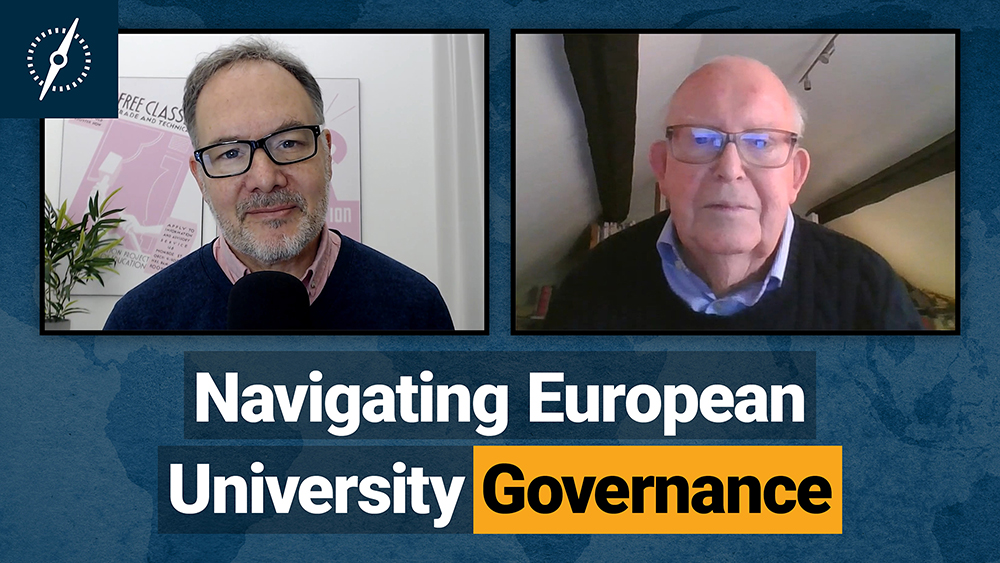
  • The Governance of European Higher Education: Convergence or Divergence? with Michael Shattock

    The Governance of European Higher Education: Convergence or Divergence? with Michael Shattock

    Higher education is famously isomorphic. Around the world, knowledge is divided into disciplines in almost identical ways. Around the world, students go through a largely similar bachelor’s, master’s, doctorate sequence. And around the world, higher education institutions are heavily stratified, mainly according to their research outputs. Higher education institutions aren’t exactly homogenous. But the systems they live in, what they do, what they cover, et cetera, are substantially similar, except for one thing. Governance.

    Governance can mean a few things in higher education. At the system level, it’s about the relationship between institutions, both individually and collectively, and government. At the institutional level, it’s about the nature of public oversight, if any. These two different varieties of governance vary enormously from one country to another, and I would argue, are at the root of the glorious level of disharmony, individuality, and sheer quirkiness we see across national systems today, despite all the drivers towards isomorphism.

    The person who’s possibly written the most about this topic anywhere, ever, is Michael Shattock. He’s the former Registrar of Warwick University, a visiting professor at the University College of London’s Institute of Education, and an Honorary Research Professor in the Department of Education at Oxford University. He’s the author or co-author of a number of books about university governance around the world, and he joined us for this episode to talk about one of his more recent books, published by Bloomsbury, called The Governance of European Higher Education, Convergence or Divergence, co-authored with Aniko Horvath and Juergen Enders.

    Europe has some very old and deep-seated differences in the ways universities are governed. The French, German, and English systems, to take only three, have completely different ideas about what the relationship between the university and the state should be, not to mention some very contrasting notions about the role of the professoriate in institutional management. What practical impact do these differences have? Well, that’s what Michael and I sat down to chat about a few weeks ago. I hope you enjoy the conversation.


    The World of Higher Education Podcast
    Episode 3.17 | The Governance of European Higher Education: Convergence or Divergence? with Michael Shattock

    Transcript

    Alex Usher (AU): Michael, in your book, you talk about three grand traditions of European governance: the British or Anglosphere model, the French Napoleonic model, and the German Humboldtian model. How do those three styles or forms of governance vary when it comes to the relationship between universities and the state?

    Michael Shattock (MS): Well, I wouldn’t call them grand traditions. I think what they are now is more a set of underlying components of higher education policies.

    The Humboldtian tradition, which started in 1810, had an enormous influence across Europe because it brought research and teaching together into a single model. Around the same time, Napoleon established a single university for all of France, but it focused exclusively on teaching. This approach eventually led to the creation of the Grandes Écoles, which were also focused primarily on training.

    In the Anglosphere, universities were founded by local communities and had no initial relationship with the state. In the UK, for example, universities enjoyed considerable autonomy, which only began to change when they started seeking public funding. This relationship was formalized in 1919 and changed again after World War II in 1946, when the government decided to fully fund universities, which were struggling to recover financially.

    AU: One area where these traditions and these approaches to university-state relations have had a significant impact is in how countries have expanded their higher education systems since World War II. For example, some countries have introduced new universities or specialized institutions like the Fachhochschulen in Germany or the Institut Universitaire de Technologie in France. Does one system handle massification better than the others?

    MS: I think Germany has done particularly well in handling massification. Their success stems in part from the German constitution, which emphasizes homogeneity across the Länder. Another factor is that higher education in Germany is devolved to the Länder, so each of the 16 or 17 Länder has its own higher education system.

    These systems are interconnected and governed through collaboration between the Länder, the Conference of German Rectors, and, to some extent, the federal government through bodies like the Wissenschaftsrat. This framework ensures coordination without creating the competition you might see in more marketized systems.

    However, the German system isn’t without its issues. Following the Humboldtian model, Germany requires all universities to be both research- and teaching-oriented. The Fachhochschulen, which were established after the war, are not allowed to conduct research. As a result, three-quarters of students attend universities, while only one-quarter attend Fachhochschulen.

    Even so, the system is relatively equitable across the country and maintains strong principles of integrating research and teaching.

    AU: Governance isn’t just about university-state relations—it’s also about how institutions govern themselves. How do these three traditions differ in that regard?

    MS: Well, if we start with the Napoleonic tradition—which extends beyond France to Italy, Spain, and Portugal—you’ll see that universities are still under strong state control. In theory, the state is meant to act as a steering body, but in practice, these systems are highly regulated.

    The first issue when it comes to expansion in these systems is whether the state is willing to support growth and allocate resources accordingly. By contrast, in the UK, there’s a tacit belief that anyone with the appropriate qualifications should be able to access higher education. Theoretically, funding follows the students, but in reality, over the past five years, we’ve seen the students come while the funding often doesn’t follow.

    Secondly, there’s been a long-running debate—originating with the Lisbon declaration—about whether continental European universities should aim to match American universities. A series of reports, including excellent research by Professor Aguillon, highlighted a key difference: American universities often have lay-run governing bodies, whereas many European universities do not.

    This principle of having a governing body separate from purely academic leadership has been widely debated across Europe, with each country arriving at different solutions. In Hungary, for instance, the governing body consists of only five members, all from the ruling political party—a move that has faced objections in Brussels. Meanwhile, in Norway, the governing body includes two to five laypeople alongside academics, and they’ve even abolished the Senate, feeling it’s no longer necessary.

    So, there have been significant changes in the governance structures of universities, particularly in how these top-level committees are organized.

    AU:  Michael, you state in your book that European systems have faced three major challenges this century: the Lisbon declaration’s push to make Europe the most innovative society, the Bologna Process, and the rise of international rankings. How have European systems responded to these drivers? Have their responses been uniform, or have they diverged?

    MS: If you recall, my book has a secondary title, Convergence or Divergence. After the Lisbon Declaration, the expectation was that there would be significant convergence across European higher education systems. However, higher education wasn’t part of the Treaty of Rome, meaning the EU has no formal jurisdiction in this area.

    One might have assumed that the Bologna Process, with its establishment of the “3-2-3” model—three years for undergraduate degrees, two years for master’s degrees, and three years for PhDs—would lead to greater alignment in how universities are run. But that hasn’t been the case. In fact, the book strongly argues that divergence has overshadowed convergence, driven by national preconceptions and the varying resources available in different countries.

    Take Portugal, for example. In the book, we use it as a case study for universities in Southern Europe. Historically, Portugal’s universities were concentrated in coastal cities like Lisbon, Porto, and Coimbra, with no significant presence in rural areas. One of the country’s key higher education initiatives has been to establish institutions in the countryside. While not entirely successful, this effort has been an important part of their overall strategy to expand access.

    So, while divergence has often dominated, it’s worth noting that differing starting points can sometimes lead to similar endpoints. In some cases, divergent reactions to challenges may still result in convergence on a single model over time.

    AU: Divergence often happens because systems start from different points. For example, the relationship between research and teaching has been diverging in some systems, especially through institutional stratification. Are we seeing convergence in academic culture around this?

    MS: I wouldn’t describe it as a convergence, but if you think back to Lisbon, there was a strong emphasis on increasing the commitment to research within university systems. This focus has led to significant changes in how higher education systems are structured.

    For example, in the UK, research and teaching are managed by two entirely separate government departments. The Department of Education oversees teaching, while the Department of Industry and Innovation handles research. As a result, universities receive funding from two distinct sources.

    In Portugal, we encountered an unusual situation where the government felt it needed to invest more in research. To address this, they proposed—or perhaps it was the universities’ idea—to move research activities off the main university campuses and into smaller, independent research centers. These centers would allow polytechnic researchers to collaborate with those from established research universities. However, this approach has created unintended consequences. These research campuses have become increasingly autonomous, to the point where university rectors often have little understanding of what’s happening at these off-campus sites. Rather than strengthening the polytechnics, this model has effectively turned university campuses into teaching-only institutions, which I see as a step backward.

    The EU has also become more involved in this area, despite not having a formal role in higher education. Through the Horizon program, the EU has made substantial funding available for academics across member states to compete for. Interestingly, the UK has just negotiated its way back into Horizon following Brexit. This shift suggests that the EU, which had previously focused on undergraduate teaching through initiatives like the Bologna Process, is now channeling its higher education investments almost entirely into research via Horizon.

    As a result, universities across Europe are being pulled in different directions, and the ways these tensions manifest vary significantly from country to country.

    AU: One part of your book I enjoyed was your discussion of student participation in governance. In continental Europe, students often have significant roles in decision-making. How do these roles differ across countries?

    MS: I think the cultures around student participation differ significantly between countries. Let me start with Germany. The German higher education system went through a difficult period of intense student activism in the 1980s and 1990s. What has emerged from that is a system where students now play a significant role in university governance, particularly through their involvement in the Senate.

    This involvement is quite remarkable. For instance, when a candidate for a professorship is presented to the Senate for approval, student members have the same rights as academic members to challenge or endorse the appointment. Students are deeply integrated into the university’s internal negotiations, and rectors often leverage student opinions to balance or counteract the influence of academic groups. In this way, students have become a central element of university governance.

    In Norway and Portugal, the role of students is slightly different. National student organizations in these countries hold substantial influence within government decision-making. Additionally, they take on responsibilities that, in systems like those in Britain or Canada, would typically fall to the universities themselves. These include providing student accommodation, offering career advice, and managing other social services.

    While students in these systems may engage with certain academic issues, their role in the direct governance or operational management of the university is far less pronounced than what we see in Germany.

    AU: This isn’t your first book on university governance. With this new book on Europe, do you see European systems heading in the same direction as the rest of the world, or are they charting a different course?

    MS: The global trend is toward greater state involvement and oversight in higher education. Even in countries like Japan, there has been an attempt to shift from a traditional government-management relationship with universities to what is described as a “steering” relationship. However, in reality, governments still maintain a significant grip on university systems.

    Looking across Europe, you can observe different approaches to state control. Take Hungary, for example. In Hungary, the state has effectively taken over the management of the higher education system. Chancellors, often drawn from other public service sectors, are imposed by the state to sit on university governing bodies alongside rectors, with significant control over finances.

    In contrast, countries like Norway and Germany have a much lighter touch when it comes to state intervention. In these systems, there is a belief—particularly in Germany—that university autonomy is crucial for institutional success. This stands in stark contrast to Britain, where there is a rhetoric supporting university autonomy, but in practice, universities are heavily influenced by external pressures like league tables and global rankings.

    Another interesting shift in recent years has been the growing recognition of universities as “anchors” in their communities. This concept emphasizes the important role universities play, particularly in smaller towns, in contributing to local social and economic well-being. This idea of universities having a broader community impact is relatively new compared to 25 years ago, but it reflects an evolving understanding of the societal role of higher education.

    AU: Let’s look forward 25 years. If you were to write this book again in 2050, would you expect more convergence or divergence?

    MS: Well, I have to admit, I was afraid you would ask me this question, and I’ve given it some thought. To put it simply, I believe that in Europe, divergence will persist. The nation-state, as it currently operates in Europe, will continue to resist attempts by the EU to modernize and harmonize higher education systems. This resistance makes it difficult to achieve the kind of convergence the EU envisions.

    AU: Michael, thank you so much for joining us today.

    MS: Pleasure.

    AU: And thank you to our producers, Tiffany McLennan and Sam Pufek, and to you, our listeners and viewers. If you have any questions about today’s episode or suggestions for future ones, email us at [email protected]. Don’t forget to subscribe to our YouTube channel. Join us next week when our guest will be Javier Botero, discussing developments in Colombian higher education. Bye for now.

    *This podcast transcript was generated using an AI transcription service with limited editing. Please forgive any errors made through this service.


    Source link

  • A troubling moment for public higher ed (opinion)

    A troubling moment for public higher ed (opinion)

    David Kozlowski/Moment Mobile/Getty Images

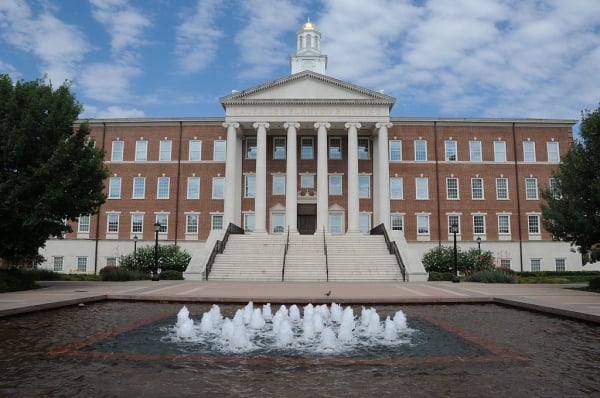
    Earlier this month, my institution, Southern Methodist University, made headlines by hiring President Jay Hartzell away from the University of Texas at Austin, one of the country’s largest and most prestigious public universities. The move surprised many on both campuses and sent shock waves through higher education.

    While I can’t presume to know all the motivations behind President Hartzell’s decision and I don’t speak for SMU, as a faculty member who studies higher education, I believe this moment demands our attention. Many public universities are under serious threat, and private universities need to realize that their future is closely tied to the success of their public counterparts.

    For more than a decade, SMU has been my academic home. The campus boasts smart and curious students, dedicated faculty who care about teaching and research, and strong leadership from the administration and Board of Trustees. We’re in the middle of a successful capital campaign and enjoying both athletic success after our move to the Atlantic Coast Conference and a growing research profile.

    Yet, even as I anticipate the leadership that President Hartzell will bring to SMU, I can’t ignore the broader context that has made such a move more common and deeply troubling.

    Hartzell isn’t the only example of a major public university president leaving for the relative safety of private higher education. His predecessor at UT Austin Greg Fenves left for Emory University. Carol Folt resigned from the University of North Carolina at Chapel Hill before getting the University of Southern California presidency. Back in 2011, Biddy Martin famously left the University of Wisconsin at Madison for Amherst College in one of the early examples of this trend. So, what is going on and why are major public university presidencies less attractive than they once were?

    The Struggles of Public Universities

    Being a public university president in a red state is the toughest job in higher education today.

    Public universities in these politically charged environments are under siege. They face relentless ideological attacks from state legislators and are constantly forced to navigate resource challenges from years of underfunding.

    Politicians attacking public higher education are not simply questioning the budgets or management—they are attempting to dismantle these institutions. Efforts to reduce tenure protections, anti-DEI legislation and restrictions on what can be taught are all part of a broader effort to strip public universities of their autonomy.

    The goal of these attacks is clear: to reduce the influence and authority of public universities and their leaders and undermine the critical role they play in shaping a well-informed and educated workforce and citizenry.

    At the same time, some institutions are adopting policies of institutional neutrality, reducing the ability of presidents to speak out on these issues.

    The cumulative effect of these efforts is to make public universities and their leaders less effective in advocating for their missions, students and faculty.

    The Short-Term Advantages for Private Higher Ed

    In the short term, these challenges facing public universities have opened opportunities for private institutions. With public universities bogged down in political and financial crises, private universities can poach top faculty and administrators, offering them better resources and less political interference.

    I don’t fault private universities for capitalizing on these opportunities—they are acting in their own self-interest and in the interests of their own missions, students and faculty.

    But I fear that this approach is shortsighted and ultimately damaging to the broader higher education community. At a time when trust in higher education is declining, when the value of a college degree is being questioned and when the public is increasingly disillusioned with the academy, it is vital that we don’t allow attacks on public institutions to further erode public faith in all of higher education.

    Why Private Universities Must Stand Up for Public Higher Ed

    Private universities are uniquely positioned to advocate for the broader value of higher education and the critical role public institutions play.

    First, private universities can use their platforms to champion the ideals of higher education. With public universities under attack from state legislatures and special interest groups, private institutions can and should speak out against the politicization of higher education. Whether through research, advocacy or public statements, private universities can be powerful allies in the fight to protect the autonomy of public institutions.

    Second, private universities can advocate for increased public investments in higher education. They can use their influence to urge policymakers to restore funding for public universities and reject anti–higher education policies. At a time of declining public support, private universities can push for policies that ensure all students, regardless of background, have access to high-quality postsecondary education to develop the skills to succeed in today’s economy.

    Third, private universities can help bridge the divide between public and private higher education by forming partnerships with public two- and four-year institutions. These partnerships could include joint research initiatives, transfer and reciprocal enrollment programs, or shared resources to expand access and opportunity.

    The Time for Action Is Now

    In this critical moment for higher education, private universities need to demonstrate leadership—not just for their own interest, but for the interests of the entire industry. If we want to safeguard the unique contributions of both public and private higher education, we need to work together to ensure both sectors thrive.

    Now is the time for all those who believe in the transformational power of higher education to stand up and take action. The future of higher education depends on it.

    Michael S. Harris is a professor of higher education in the Simmons School of Education and Human Development at Southern Methodist University.

    Source link

  • Trump administration allows immigration arrests at colleges

    Trump administration allows immigration arrests at colleges

    The acting secretary of the Department of Homeland Security on Tuesday rescinded guidance that prevented immigration arrests at schools, churches and colleges.

    Since 1993, federal policy has barred immigration enforcement actions near or at these so-called sensitive areas. The decision to end the policy comes as the Trump administration is moving to crack down on illegal immigration and stoking fears of mass deportations. 

    “This action empowers the brave men and women in [Customs and Border Protection] and [Immigration and Customs Enforcement] to enforce our immigration laws and catch criminal aliens—including murders and rapists—who have illegally come into our country,” acting DHS secretary Benjamine Huffman said in a statement. “Criminals will no longer be able to hide in America’s schools and churches to avoid arrest. The Trump administration will not tie the hands of our brave law enforcement, and instead trusts them to use common sense.”

    Advocates for undocumented people have warned that such a policy change was possible, and some college leaders have said they won’t voluntarily assist in any effort to deport students or faculty solely because of their citizenship status, although they said they would comply with the law. On Wednesday, the Justice Department said it would investigate state and local officials who don’t enforce Trump’s immigration policies.

    Source link