Tag: Higher

  • Education Department names “Postsecondary Success” honorees

    Education Department names “Postsecondary Success” honorees

    The U.S. Department of Education has named the six inaugural winners of its Postsecondary Success Recognition Program, which were selected out of a pool of 200 institutions invited to apply, according to a Thursday news release.

    The program, which was introduced last April, aims to reward institutions that “are enrolling underserved student populations, facilitating successful student transfers and completions, and equipping graduates for careers that lead to economic mobility,” Thursday’s announcement stated.

    The winners include three associate degree–granting institutions—CUNY Hostos Community College, Miami Dade College and Salish Kootenai College—and three bachelor’s degree–granting institutions: San José State University, the University of South Carolina and the University of Texas at Arlington.

    The department also granted a special “trailblazer” award to Georgia State University, for both its internal efforts to improve graduation rates and its National Institute for Student Success, which supports student success efforts at more than 100 campuses across the country.

    The presidents of the winning institutions celebrated the achievement in statements shared by the department.

    “As a community college in the South Bronx, the poorest congressional district in the United States, our mission is to provide social mobility through education and to create lifelong learners who will uplift their communities for generations to come,” said Hostos Community College president Daisy Cocco De Filippis. “We understand that for our students, the stakes are high, and the challenges can seem insurmountable. That is why we dedicate ourselves to relentlessly supporting our students and helping them get their degrees with a manos a la obra (all hands on deck) ethos that informs everything we do. While our students’ success is the highest reward, on behalf of the entire faculty and staff of Hostos Community College, I want to express our most sincere gratitude for this recognition of our efforts. Mil gracias y bendiciones.”

    Source link

  • A Q&A with the American Historical Assoc. executive director

    A Q&A with the American Historical Assoc. executive director

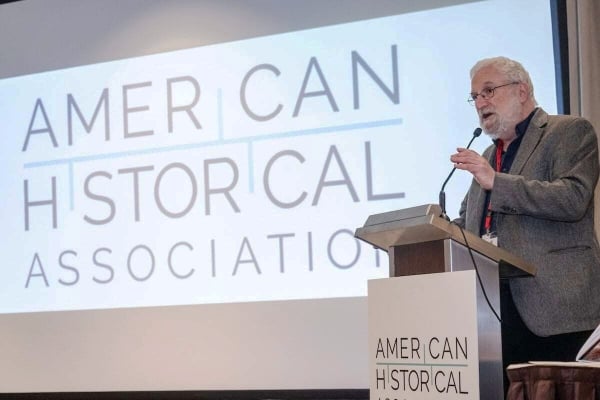
    A chapter of history is closing: Jim Grossman is retiring after 15 years as executive director of the American Historical Association, a group of more than 10,400 members. He began leading the scholarly organization after two decades at Chicago’s independent Newberry Library, where he was vice president for research and education. His own scholarly work focused on American urban history, especially of Chicago, and the Great Migration of African Americans.

    In the past decade and a half, the AHA and its members have commented on contemporary controversies that have arisen from or invoked historical events, such as the Charlottesville, Va., white supremacist rally; the debate over whether to remove Confederate monuments; the Jan. 6, 2021, U.S. Capitol insurrection; and more. Over that time, lawmakers in some states began restricting how history—especially when it’s relevant to current events—is taught.

    Grossman headed the AHA amid such controversies and has repeatedly spoken out in defense of the discipline. He’s denounced the first Trump administration’s 1776 Commission report, which criticized histories produced by Howard Zinn and The New York Times Magazine’s 1619 Project. Grossman called the report “history without historians.” He’s also pushed for other historians to do more public-facing work.

    The AHA has itself faced criticism during Grossman’s tenure, including for then-president Jim Sweet’s critique of The 1619 Project in 2022. This past weekend, it entered another current controversy when attendees of its annual conference overwhelmingly passed a resolution opposing “scholasticide” in Gaza and the U.S. government’s funding of Israel’s war.

    Inside Higher Ed interviewed Grossman shortly before that conference about his tenure and the current issues the history discipline faces. The questions and answers have been edited for clarity and length.

    Q: Why did you apply to become executive director in the first place?

    A: I had been involved in a variety of AHA activities. There were things I was trying to do in Chicago at the Newberry Library that involved increasing the public scope of historians. What the AHA provided was the opportunity to do some of those things on a national scale, rather than just within Chicago. How do we get historians to be more involved in public culture, more influential in public policy?

    Q: Why are you retiring now?

    A: I’m 72 years old. It’s time for somebody younger to be doing this work—not because I don’t enjoy it, but because I think it’s important for membership organizations to be directed by people who are generationally closer to the membership and the audience. And I’ve had 15 years to accomplish what I’ve tried to accomplish.

    Q: What have your biggest accomplishments been?

    A: At least getting started on helping the discipline rethink the definition of historical scholarship—to broaden the definition of scholarship for promotion and tenure. We came out with recommendations that departments are taking seriously about thinking about going beyond books and peer-reviewed articles. Reference books, textbooks, op-eds, testifying in legislatures and courts—all of these things are works of scholarship.

    Second is I think that we reoriented the AHA towards a much broader scope, so that the AHA and the discipline itself take teaching more seriously. Our annual conference is no longer “a research conference”; it includes all sorts of things that relate to teaching, that relate to advocacy, that relate to professional development. I also think that we have ramped up and broadened our advocacy work. We’re very active in state legislatures now; we’re very active in reviewing changes to state social studies and history standards for K-12 education. So, we’ve kept our focus on Capitol Hill and in Washington, but we’ve moved out to the states.

    Q: Why did you make such an emphasis during your tenure on broadening the focus of AHA? Is it because of a decline in tenure-track, traditional faculty jobs for new history Ph.D. earners?

    A: That was part of it. But that came later. I had that goal from the very beginning because I became a historian because I think historians are useful to public culture as well as academia. If I had my druthers, every time a decision was made at a table in government, private sector, nonprofit sector, I would want a historian at the table. Everything has a history, and since everything has a history, historical context always matters when you’re making decisions, when you’re trying to develop good judgment.

    That’s what someone learns in a history course. They learn judgment by thinking about the past. Historians don’t need to be working just as teachers and professors. Historians should be everywhere.

    Q: You’re saying you’ve gotten AHA more involved in state legislatures, in discussions of state standards—all of these things are political or politics-adjacent, right?

    A: Not necessarily. Let’s start with the federal level. We work on the Hill and in federal agencies to promote history. Our congressional charter, which goes back to 1889, says that we are here to promote history. So that’s not politics. It’s engaging in politics in order to promote history, yes. We are providing historical context to congressional staff so that they can make well-informed decisions when they make recommendations to their member. If you’re going to think about immigration policy, you need to know the door was closed for 40 years.

    There are times when we take stands that are perceived as political. We took a stand against the Muslim ban, for example. But we did so on the basis of what we’ve learned from history. State legislatures, it’s the same thing—we are promoting the integrity of history education. We are saying high school teachers need to be trusted as professionals, high school teachers should not be censored in the classroom; we are saying that state history standards should be good history.

    Q: What are the biggest issues within K-12 history—teaching and learning—and how do they actually impact colleges and universities?

    A: State legislatures have mandated that certain things have to be taught for years. What they have not done in the past is say certain things cannot be taught, which is censorship. There’s very little precedent for this. So that is one big challenge, which is fighting back against this notion that state legislatures can tell teachers you cannot teach X, Y or Z. And that affects college because if students don’t learn things in high school, then they’re less prepared when they get to college. If students don’t learn in high school that racism has been a central aspect of American history since Europeans came to the Americas—if students don’t learn that in high school, then the college professors are starting off at a much different level.

    If I had my druthers, every time a decision was made at a table in government, private sector, nonprofit sector, I would want a historian at the table.”

    —Jim Grossman

    We do know that young people are reading less. Instead of wringing our hands and saying they have to read more, we need to step back and ask ourselves, “How do we rethink our college courses for students who are now educated differently?” That doesn’t mean that we shouldn’t be pushing them to read, but it also means that we need to think about different ways of teaching history.

    Q: Has the discipline of history become increasingly polarized over your tenure?

    A: The discipline itself has not been polarized. Historians are still much more capable of disagreeing with each other in a civil manner than my neighbors in the capital. The larger polarization in public culture has harnessed the discipline of history in the same way it’s harnessed other disciplines and other aspects of life, but no, historians are still arguing with each other in a way that’s productive and constructive.

    Q: How do you expect the Trump administration and Republican control of both chambers of Congress to impact the discipline of history?

    A: I have no idea—that’s why we’re here to watch.

    Q: I know you’ve expressed concern about the 1776 Commission coming back.

    A: There has been talk among people who are part of the incoming administration of reviving the 1776 Commission and that notorious report, and so I’m concerned about that possibility, and I’m prepared for that possibility, and when things like that happen, we will speak out.

    Q: What impact has The 1619 Project had on the teaching of history and history scholarship? For instance, I know you were leading the AHA as it faced controversy over former association president Jim Sweet’s criticism of that work.

    A: Jim Sweet, like every historian, has a right to criticize any work of historical scholarship. The 1619 Project is not a work of historical scholarship. It’s—according to its compiler, its organizer—it’s journalism. And that’s fine, and there are aspects of it that I and many of my colleagues agree with, and aspects of it that I and many of my colleagues disagree with, just like any other piece of historical scholarship or journalism. It’s an easy target for people who want to take one thing that has been controversial and then use it for all sorts of other purposes.

    Controversies that ask people to ask questions are useful. It’s useful for teachers to be able to say to students, “So how do we think about the beginnings of a nation? Do we think of the beginning of a nation as the creation of its governing documents? Or do we think about the beginnings of a nation as the origins of its economy? Or do we think about the beginnings of the nation as the beginning of its culture, or as the origins of it, the roots of its culture?” Those are good historical questions, and The 1619 Project has initiated or nourished those questions.

    Q: What impact have the ongoing Israel-Hamas war and related U.S. higher education developments had on the teaching and study and scholarship of history?

    A: I think that many people who teach Middle Eastern history have probably been more careful, and I suspect that classroom management has been more difficult because it’s an emotional topic. But it’s different from The 1619 Project. The 1619 Project offered a certain way of understanding the history of the United States, and a controversial way of seeing the history of the United States—and offered, therefore, teachers an opportunity, or a nudge, to ask important questions and have students address them.

    That’s very different from a war that’s happening on the other side of the world. It’s important to the United States, it’s important to Americans, but it doesn’t have the same valence in teaching a course in American history, which is the most widely taught course in the United States. It does mean that historians have to balance sensitivity to diversity of students in their classroom with the integrity of the history that they teach.


    Source link

  • Federal judge throws out Biden’s Title IX overhaul

    Federal judge throws out Biden’s Title IX overhaul

    Updated at 6:30 p.m. Jan. 9

    A years-long effort to change how colleges respond to reports of sexual harassment and discrimination and to expand protections for transgender students is dead after a federal judge ruled Thursday that the Biden administration’s overhaul of Title IX of the Education Amendments of 1972 was unlawful.

    The court order vacates the rule nationwide and could create more confusion for colleges as they seek to move forward without running afoul of the federal gender equity law. The Title IX changes were already on hold in 26 states and at hundreds of colleges, thanks to a series of lawsuits from 26 Republican attorneys general. Thursday’s order is the first final ruling in those cases and was part of a lawsuit brought by Indiana, Kentucky, Ohio, Tennessee, Virginia and West Virginia.

    Republican lawmakers and state officials celebrated the ruling as a victory for women and girls while advocates for LGBTQ+ students criticized the decision as an attack on transgender students. The Biden rule allowed students to use the bathrooms and locker rooms that align with their gender identity.

    Chief Judge Danny Reeves of the U.S. District Court for the Eastern District of Kentucky, who previously criticized the rule, wrote in a 15-page opinion that the regulations suffer “significant constitutional infirmities.” For instance, using the wrong pronouns for a student could be considered harassment under the rule. That provision “offends the First Amendment,” wrote Reeves, a George W. Bush appointee.

    “As expected, courts have continued to find it impossible to justify the Biden administration’s changes to Title IX rules eviscerating students’ speech and due process rights,” said Tyler Coward, lead counsel for government affairs at the Foundation for Individual Rights and Expression, a free speech and civil liberties advocacy organization.

    The ruling is the latest legal setback for Biden’s higher ed agenda, which hasn’t fared well in federal court.

    ‘Back in Time’

    Colleges and universities will now revert to the previous Title IX rule, which took effect in summer 2020 during the first Trump administration. Those regulations required colleges to hold live hearings with an opportunity for cross-examination to allow those accused of sexual misconduct to confront their accusers—a provision the Biden rules nixed. Additionally, the 2020 regulations defined sexual harassment more narrowly than the Biden Title IX rule.

    “Fitting, I guess—everything’s going back in time four years,” said Brigid Harrington, a higher education attorney at Bowditch & Dewey who focuses on compliance with civil rights laws. “Schools that had been enjoined were already there, so it doesn’t change things for many.”

    Colleges don’t have to throw out all their new policies related to harassment and discrimination; they can keep the parts that don’t conflict with the 2020 rule. For example, under the 2024 regulations, colleges must give pregnant students notice of their rights, and the 2020 rule doesn’t prevent a college from doing so. (Reeves didn’t take issue with the pregnancy provisions but said, “It simply is not proper for the court to rewrite the regulations by excising the offending material.”)

    Thursday’s ruling wasn’t a complete surprise for colleges and universities, considering the injunction and upcoming change in administrations. Andrea Stagg, director of consulting services at Grand River Solutions, a company that works with colleges on Title IX and other issues, said that colleges already have started talking about what to change in their policies and what to keep.

    Still, reimplementing the 2020 regulations will mean retraining and re-educating students, staff and faculty about the changes.

    “It’s very complicated, expensive and exhausting … and folks don’t have the resources,” she said. “For a field that already experiences a ton of burnout … it’s demoralizing to work so hard and then have the rules change on you.”

    Several other lawsuits challenging the rule are still pending, and the Biden administration could appeal the decision to the U.S. Court of Appeals for the Sixth Circuit, so Thursday’s decision may not be the end of the legal battle over Title IX. The Education Department could not be reached for comment Thursday because the offices were closed in commemoration of former president Jimmy Carter’s passing.

    “I don’t think this is the last that we’re going to hear of this,” said Harrington. “I think that civil rights are going to be a big topic for the next four years.”

    A Repudiation or an Attack?

    Republican attorneys general who sued the Biden administration and conservative advocates who criticized the rule celebrated the judge’s decision “as a massive win” and a sign that “common sense is slowly returning.”

    “The court’s ruling is yet another repudiation of the Biden administration’s relentless push to impose a radical gender ideology through unconstitutional and illegal rulemaking,” Tennessee attorney general Jonathan Skrmetti said in a statement. “Because the Biden rule is vacated altogether, President Trump will be free to take a fresh look at our Title IX regulations when he returns to office [Jan. 20].”

    President-elect Donald Trump has criticized Biden’s Title IX changes, and many experts expect him to issue new regulations that are more conservative than his 2020 rule, especially concerning LGBTQ+ students.

    Congressional Republicans, who sought to overturn the Title IX rule, also praised the ruling and pledged to protect educational opportunities for women and girls. Passing legislation that would prevent transgender students from participating on the sports team consistent with their gender identity is a top priority for the House.

    “It is clear the Biden-Harris administration completely lost its way on Title IX,” said Louisiana senator Dr. Bill Cassidy, the chair of the HELP committee, in a news release. “They betrayed the original intent of Title IX by removing longstanding protections that ensured fairness for women and girls.”

    Representative Tim Walberg, the Michigan Republican who chairs the House Committee on Education and the Workforce, said that Biden’s proposed rewrite “would have undermined safety, freedom and fairness for women.”

    Meanwhile, advocates for LGBTQ+ students and those who experience harassment or sexual violence described the ruling as an attack on trans students and others that would impact their educations.

    “With these protections already removed in some states, students who experience sexual assault have had their complaints dismissed, or worse, been punished by their schools after reporting; pregnant students have been unfairly penalized for taking time off to give birth to a child; and LGBTQI+ students have faced vicious bullying and harassment just for being who they are,” said Fatima Goss Graves, president and CEO of the National Women’s Law Center.

    Tracey Vitchers, executive director of It’s On Us, a national organization working to combat campus sexual assault, took issue with claims that overturning the Biden rule would protect women and girls.

    “The 2020 regulations did well-documented harm to the safety of women and girls by making it more difficult to report and obtain justice if they experience sexual violence in school,” she said. “If preserving the rights and safety of women and girls was the actual litmus test for today’s decision, the judge would have chosen to uphold Biden’s rule. Instead, the safety of women and girls is being weaponized to discriminate” against trans people.

    Vitchers added that while Title IX is important, colleges are required under state and federal laws to respond to reports of harassment and address student safety.

    “Institutions are going to have to find ways to be creative to uphold the rights and safety of students on their campus under this new environment,” she said. “If Title IX is going to continue to be this horrible political football it has turned into, we need to see schools invest in evidence-based approaches to sexual violence prevention, because the ultimate goal is to ensure students have an education free of sexual violence.”

    Jessica Blake contributed to this report.

    Source link

  • Old Dominion University launches fill-in wellness classes

    Old Dominion University launches fill-in wellness classes

    xavierarnau/E+/Getty Images

    “Hello faculty! Are you attending a conference, going on vacation, taking a sick day or want to take a break from your usual lecture? Consider having staff from the Recreation and Wellness Health Promotion team come in and lead an engaging and educational presentation during your class time!”

    So reads a circulating announcement from Old Dominion University’s Rec Well staff, inviting professors to consider their guest-lecturer services when conflicts with teaching schedules arise.

    What it is: Health educator Steven Gunzelman says that the new service—called “Don’t Cancel That Class!”—is also available to conflict-free professors who simply see value in connecting their students with key health information they might not otherwise get.

    “One of our strategic cornerstones is health and well-being, so we really wanted to develop something that would go into the classrooms and meet with students in that kind of setting, where we can talk about these kinds of things that they might not learn other ways, like feeling stress or sleep issues,” he explains. “Students are here to, of course, get their academics. But in order to be able to graduate and get those life skills, they need health and well-being. It’s a big component of [student success], as well.”

    ODU follows the collective impact approach to well-being, meaning that no single department or office on campus owns this responsibility, or—to put it another way—that everyone owns this responsibility. Rec Well, for its part, offers programs throughout campus on a wide variety of topics. But the “Don’t Cancel That Class!” initiative allows professors to pick a guest talk from the following list of five, starting with one concerning the use of alcohol and other drugs:

    • AOD & Me: Safety With Substances
    • Burn Bright, Not Out: Strategies for Managing Stress
    • Food for Thought: Nutrition 101
    • Play It Safe: The Lowdown on Safe Sex
    • Zzz’s for a Better You: A Sleep Hygiene Journey

    The why and how: Gunzelman says the list is informed, in part, by the top four health campus health concerns, based on internal data gleaned from the American College Health Association’s National College Health Assessment: stress, anxiety, depression and sleep.

    This tracks with Inside Higher Ed’s own Student Voice survey series, which in 2024 found that nearly all students said stress was impacting their ability to focus, learn and perform well academically, either a great deal (43 percent) or some (42 percent), and fewer than half (42 percent) rated their mental health as excellent or good. And in another 2023 Student Voice survey that asked about sleep, 60 percent of respondents said getting more of it was a top health goal.

    ODU professors interested in scheduling a guest lecture can fill out this form. Gunzelman says the first to schedule a guest lecture was a professor of engineering, who wanted students to learn more about managing stress. He expects this to be a particularly popular topic.

    While the current “Don’t Cancel That Class” staff is small, Gunzelman’s hope is that it will be able to accommodate as many requests as possible and possibly expand topic options with time. As for measuring impact, Gunzelman initially plans to solicit feedback from students about the usefulness of the information shared and how likely it is to influence their behavior going forward.

    The student feedback will also help staff members refine their approach.

    “Can we add in more engagement, or can we add in more topics that are more geared toward students?” he says, for example. Gunzelman also suggests that professors encourage student participation, “whether it be surprise, whether it be a plan, whether it’s built into the syllabus for credit, or if they want to be part of it and are still in the room with us.”

    Don’t cancel that class: ODU is one of a growing number of institutions to offer a Don’t Cancel That Class–style initiative. The University of Minnesota at Morris, for example, offers one that includes workshops on professional development and academic skills such as time management, financial literacy and résumé building.

    Programs of that nature highlight the connection between academics and other pillars of student success, such as health and wellness. But the general practice of finding alternatives to canceling course sessions, especially multiple course sessions, is also considered a best practice in faculty work. The English department at the University of Louisville, for example, suggests rescheduling sessions (including via synchronous online sessions), asking a faculty colleague to fill in or assigning students an independent learning exercise or asynchronous lesson.

    Does your institution have a different kind of don’t-cancel-that-class initiative? Tell us about it.

    Source link

  • 7 Key Considerations When Choosing Cloud Partner for Higher Education

    7 Key Considerations When Choosing Cloud Partner for Higher Education

    Data privacy and compliance in educational cloud solutions is no more a choice, but a mantra. Colleges and universities can get a lot out of moving to the cloud, but picking the right cloud partner is very important. An effective partner can help organizations improve their processes, improve student experience, and work more efficiently. When your institution decides on a cloud partner, you may have to consider these 7 factors that are discussed in the blog:


    Data Privacy and Compliance in Educational Cloud Solutions. Why?

    Safeguarding sensitive student and institutional data is an absolute necessity in the field of higher education. It has become a mandate that higher education institutions establish robust privacy and compliance standards, as data breaches have increased by 75% between 2021 and 2023.

    To protect data across international boundaries, a trustworthy cloud partner must comply with regulations such as the General Data Protection Regulation (GDPR), the Family Educational Rights and Privacy Act (FERPA), and ISO 27001. To give just one example, research has shown that 63 percent of students give higher priority to educational institutions that exhibit robust data protection measures. By selecting a cloud service that offers encryption, access control, and frequent audits, you are not only meeting a technical necessity; you are also taking a step toward developing trust in a world that is driven by data.


    Benefits of Cloud Computing in Higher Education Institutions


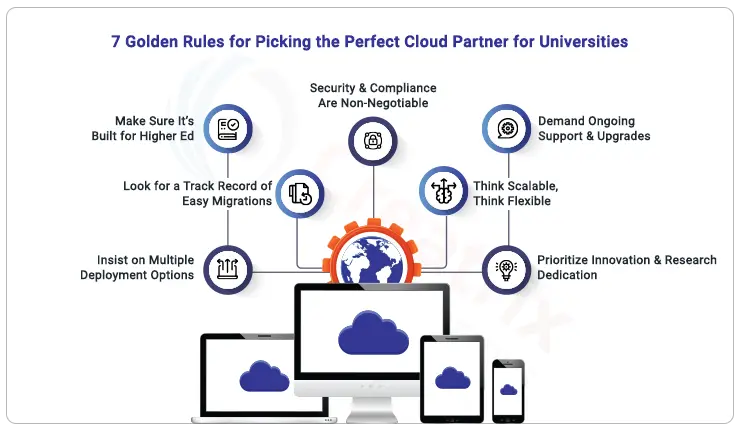
    How to Choose the Right Cloud Provider for Universities? 7 Factors You Can’t Ignore


    7-golden-rules-for-picking-the-prefect-cloud-partner


    1. Solutions Tailored for Higher Education

    As said earlier, data privacy and compliance in educational cloud solutions is no longer an option but a necessity. Hence, as a first step, verify that your cloud partner provides solutions that are 100 % tailored to higher education institutions. A standard cloud provider may need to adequately meet the specific requirements of academic settings. Solutions created expressly for higher education to understand the complexity of student information systems, academic administration, and compliance regulations, which help avoid inefficiencies and missed opportunities.


    2. Several Deployment choices

    To maintain data privacy and compliance in educational cloud solutions, the next important thing to consider is to be open to several deployment choices. Flexibility depends on the capacity to choose among several deployment choices. A cloud partner should provide SaaS deployment methods, and hybrid, managed, and cloud-based solutions so your university may move on its terms. This flexibility guarantees that you can pick the right deployment method that is most suited for you, for your long-term and present requirements of your university.


    3. Proven History of Smooth Migrations

    It can be hard to move to the cloud, so it’s important to work with a partner who has a history of getting cloud transfers done on time and on budget. Before working with educational institutions, a reliable vendor should have shown that they can handle large-scale migrations with little trouble and no loss of data protection for educational institutions.


    4. Expertise in Security and Compliance

    Cybersecurity is a significant issue for higher education organizations managing sensitive information. Your cloud partner must implement stringent security protocols, with tight-kint encryption, multi-factor authentication, and routine security assessments. Furthermore, verify their adherence to industry standards and regulations, including GDPR and FERPA, to safeguard your institution’s data and uphold legal compliance.


    5. Scalability and Flexibility for Growth

    Higher education institutions are continually developing. Your cloud partner must provide scalable solutions that can adapt to your institution’s requirements. Your cloud infrastructure must possess the flexibility to scale up or down seamlessly in response to increased student enrollment, new academic programs, or expanded research efforts, without significant disruptions.


    6. Continuous Assistance and Enhancement

    Considering data privacy and compliance in educational cloud solutions, selecting a cloud partner that offers ongoing assistance after the initial deployment is a must. Continuous advisory services, system enhancements, and routine performance evaluations are a strict must-have. Note that an effective partner actively optimizes processes and identifies areas for improvement.


    7. Dedication to Research and Innovation

    Your cloud partner ought to be dedicated to ongoing innovation and development. Seek for suppliers who actively support research and development to improve their products depending on client comments. Constant evolution of a partner will allow your university stay at the forefront of educational technology and enable it to move with the times and meet new problems.


    Winding Thoughts Creatrix Campus Advantage

    With over a decade of experience, Creatrix Campus provides customized cloud solutions to higher education. We are built with data privacy and compliance in educational cloud solutions. You can streamline operations, improve the student experience, and future-proof your technical infrastructure with our focus on security + scalability + educational institution needs. For continuous support or flexible deployment, Creatrix Campus will help your institution succeed in the cloud!

    Ready to transform your institution’s cloud journey? Please contact us today.

    Source link

  • 2025 Higher Ed Trends | Collegis Education

    2025 Higher Ed Trends | Collegis Education

    2025 Higher Education Trends: What to Watch and How You Can Plan

    Higher education is experiencing transformative shifts as institutions respond to societal, economic, and technological changes. This year is set to bring new opportunities and challenges. We’re always keeping a pulse on the industry and where it’s headed so we can stay proactive and prepared –– ready to support our partners through whatever conditions they’re facing.

    10 most impactful higher ed trends for 2025

    1. Increased mergers and consolidations

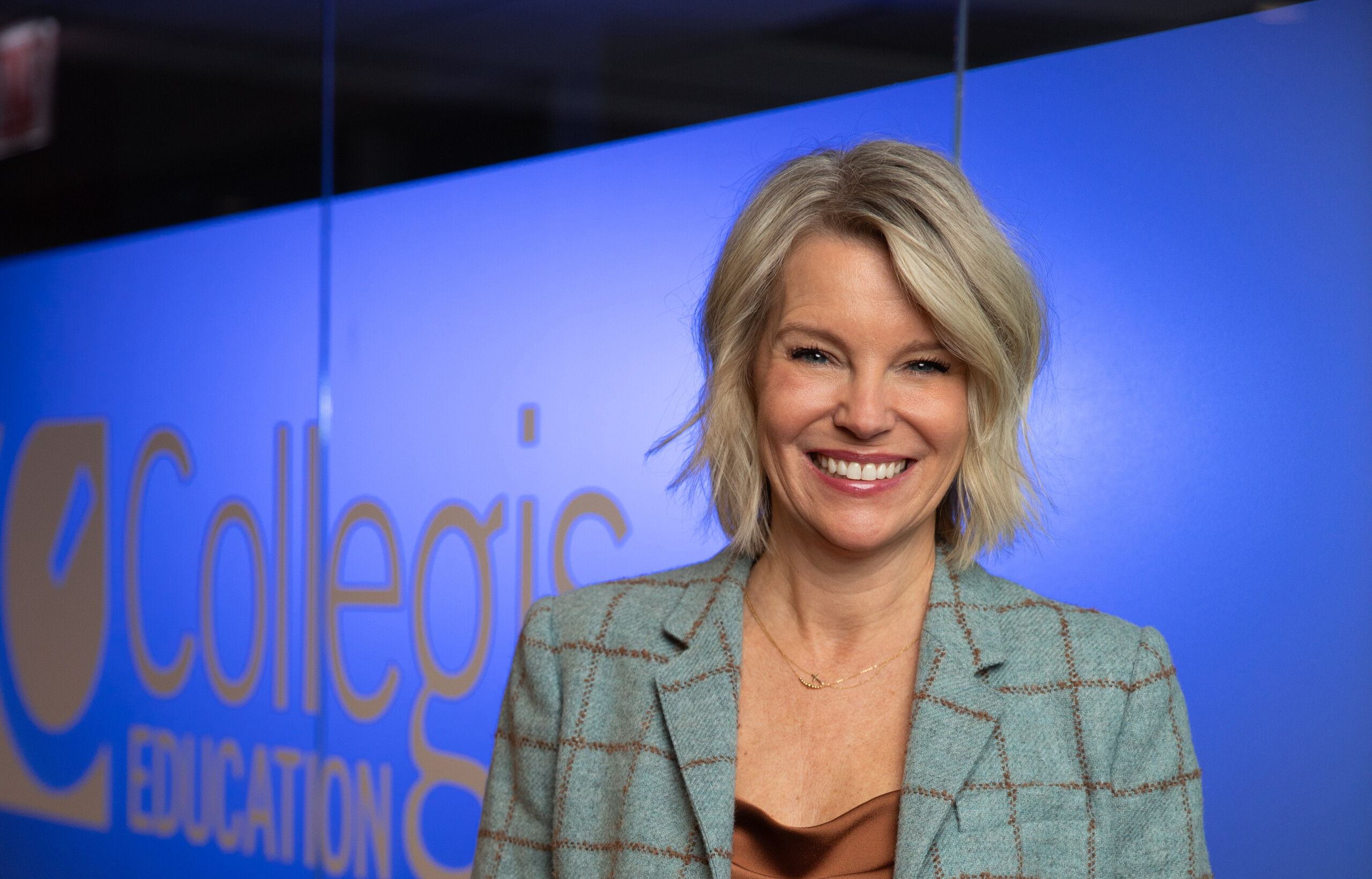
    The pace of mergers and consolidations among smaller colleges is expected to accelerate in 2025, according to Collegis Education CEO Kim Fahey. With financial pressures and declining enrollment, many institutions will view mergers as a strategic alternative to closure. But these transitions are anything but simple.

    “Mergers involve unique technology requirements and complex data management challenges,” Fahey explains. Successfully integrating applications, systems, and hardware requires expert guidance. Higher ed leaders will look to partner with experienced organizations to help navigate these intricacies.

    2. Heightened focus on data privacy and security

    The information security landscape is becoming increasingly intricate. With 21 comprehensive state privacy laws, alongside European Union (EU) regulations, federal rules, and Title IV requirements, compliance challenges are mounting.

    “Smaller schools often lack the experience and qualifications to manage these threats,” notes Dr. Jason Nairn, CISSP, Collegis VP of Information Technology. Cyberattacks, like phishing and social engineering, are relentless. In 2025, institutions must prioritize more robust cybersecurity measures, leveraging external partnerships and security tools to protect sensitive data.

    3. Acceleration of digital transformation

    Cloud migration will take center stage as institutions transition away from outdated, on-campus systems. While many schools still rely on highly customized platforms, which limits their ability to adopt or migrate to more modern technology, the adaptability and scalability of cloud platforms are simply too compelling to ignore.

    Furthermore, technology infrastructures must be sufficiently modernized in order to capitalize on emerging tech innovations in AI and predictive analysis. This process can’t happen overnight –– it’s an evolution, according to Fahey.

    “Cloud migrations take 18+ months, so schools need to act now,” she emphasizes. An institution-wide commitment to digital transformation will not only modernize operations but also position institutions to stay competitive in an increasingly tech-driven environment.

    4. Adoption of shared services models

    Financial constraints will push smaller schools toward shared services and consortium models to access the technology and expertise they need at a manageable scale. These models allow institutions to pool resources and reduce costs but require significant change management, according to Jeff Certain, VP of Solution Development at Collegis.

    “This will require schools to standardize and make some concessions,” Certain explains. “This could pose a challenge, but they may not have an option.” Institutions must embrace these shifts to remain sustainable while navigating limited budgets.

    5. Growth in career-focused and flexible education

    Programs aligning with workforce needs will gain momentum in 2025. Alternative credentials like microcredentials and certificates will become more prominent, offering shorter, career-oriented pathways for learners.

    “Institutions will increasingly recognize and credit learning outside the classroom, exploring more direct pathways into the workforce,” predicts Dr. Tracy Chapman, Chief Academic Officer for Collegis. This reflects growing demand for flexible, career-focused education that meets student and employer expectations.

    6. Ed tech consolidation and market impact

    It is not just colleges and universities facing consolidation. Ed tech companies and services providers are also reshaping the landscape with their own mergers and acquisitions. While these changes may offer schools more comprehensive solutions, they may not necessarily align with institutional objectives.

    “Some recent acquisitions have led to poorer customer experiences,” Fahey observes. Institutions must carefully evaluate new partnerships to ensure they will deliver meaningful improvements.

    7. Higher Focus on Retention

    With the “enrollment cliff” looming, institutions must double down on maintaining their existing student base as a key to sustainability. Purposeful and cost-effective retention strategies will play a pivotal role in maintaining financial health, as retaining current students is often more cost-effective than recruiting new ones.

    “Retention strategies build stronger, more loyal communities,” says Patrick Green, VP of Enrollment Strategy. Forward-looking schools have perceived the importance of fostering a sense of belonging across the student lifecycle and are providing robust support networks that improve student persistence and satisfaction.

    8. Rise of value-focused marketing

    Students and families are increasingly demanding clear ROI from their education. As a result, institutions will need to demonstrate how their programs lead directly to employment and career advancement.

    “Building relationships with regional industries and showcasing job placement rates will be essential,” advises Tanya Pankratz, AVP of Marketing at Collegis. Marketing efforts will need to start highlighting tangible outcomes (e.g., alumni success stories, job placement rates, and employer partnerships) to win over prospective students.

    9. Expanded role of AI and emerging technologies

    AI and other emerging technologies will revolutionize higher education operations. From enrollment management and personalized marketing to virtual campus tours using augmented reality (AR) and virtual reality (VR), technology has the means to dramatically enhance the student experience –– or wreak technical havoc if data, platforms and tools are misaligned.

    “AI-driven tools make personalization more accessible, but the strategy remains critical,” notes Dan Antonson, AVP of Data and Analytics. Institutions must invest in data infrastructure to fully harness these advancements in order to build and maintain a competitive edge.

    10.Proliferation of strategic partnerships

    Higher ed institutions are increasingly recognizing that they don’t need to own the entire value chain. In 2025, strategic partnerships will play a more prominent role.

    “Institutions will double down on their core mission of education and seek out partners to support other critical functions,” Dr. Chapman explains. These partnerships provide access to technology, expertise, and resources, allowing schools to focus on what they do best — educating students.

    Opportunities on the horizon for higher ed

    As evident in this compilation of higher ed trends, the landscape is set for significant change in 2025 and beyond. Institutions that proactively address these trends will be well-positioned to navigate challenges and seize opportunities. By embracing digital transformation, fostering strategic partnerships, and adopting value-driven approaches, schools can ensure long-term success in an evolving marketplace.

    Excited about the opportunities that lie ahead? Collegis Education has the experience and expertise to guide you through any twists and turns you may face. We’ll help you stay on the leading edge instead of chasing trends. Connect with us and let’s start creating solutions together.

    Source link

  • 2025 Higher Education Trends: What to Watch & How You Can Plan

    2025 Higher Education Trends: What to Watch & How You Can Plan

    Higher education is experiencing transformative shifts as institutions respond to societal, economic, and technological changes. This year is set to bring new opportunities and challenges. We’re always keeping a pulse on the industry and where it’s headed so we can stay proactive and prepared –– ready to support our partners through whatever conditions they’re facing.

    10 most impactful higher ed trends for 2025

    To help institutions stay ahead, we asked our team of experts to share their predictions for this year’s most impactful trends in higher education. From AI and digital transformation to new enrollment strategies, these insights highlight what’s shaping the future of higher ed— and how institutions can adapt.

    1. Increased mergers and consolidations

    The pace of mergers and consolidations among smaller colleges is expected to accelerate in 2025, according to Collegis Education CEO Kim Fahey. With financial pressures and declining enrollment, many institutions will view mergers as a strategic alternative to closure. But these transitions are anything but simple.

    “Mergers involve unique technology requirements and complex data management challenges,” Fahey explains. Successfully integrating applications, systems, and hardware requires expert guidance. Higher ed leaders will look to partner with experienced organizations to help navigate these intricacies.

    2. Heightened focus on data privacy and security

    The information security landscape is becoming increasingly intricate. With 21 comprehensive state privacy laws, alongside European Union (EU) regulations, federal rules, and Title IV requirements, compliance challenges are mounting.

    “Smaller schools often lack the experience and qualifications to manage these threats,” notes Dr. Jason Nairn, CISSP, Collegis VP of Information Technology. Cyberattacks, like phishing and social engineering, are relentless. In 2025, institutions must prioritize more robust cybersecurity measures, leveraging external partnerships and security tools to protect sensitive data.

    3. Acceleration of digital transformation

    Cloud migration will take center stage as institutions transition away from outdated, on-campus systems. While many schools still rely on highly customized platforms, which limits their ability to adopt or migrate to more modern technology, the adaptability and scalability of cloud platforms are simply too compelling to ignore.

    Furthermore, technology infrastructures must be sufficiently modernized in order to capitalize on emerging tech innovations in AI and predictive analysis. This process can’t happen overnight –– it’s an evolution, according to Fahey.

    “Cloud migrations take 18+ months, so schools need to act now,” she emphasizes. An institution-wide commitment to digital transformation will not only modernize operations but also position institutions to stay competitive in an increasingly tech-driven environment.

    4. Adoption of shared services models

    Financial constraints will push smaller schools toward shared services and consortium models to access the technology and expertise they need at a manageable scale. These models allow institutions to pool resources and reduce costs but require significant change management, according to Jeff Certain, VP of Solution Development at Collegis.

    “This will require schools to standardize and make some concessions,” Certain explains. “This could pose a challenge, but they may not have an option.” Institutions must embrace these shifts to remain sustainable while navigating limited budgets.

    5. Growth in career-focused and flexible education

    Programs aligning with workforce needs will gain momentum in 2025. Alternative credentials like microcredentials and certificates will become more prominent, offering shorter, career-oriented pathways for learners.

    “Institutions will increasingly recognize and credit learning outside the classroom, exploring more direct pathways into the workforce,” predicts Dr. Tracy Chapman, Chief Academic Officer for Collegis. This reflects growing demand for flexible, career-focused education that meets student and employer expectations.

    6. Ed tech consolidation and market impact

    It is not just colleges and universities facing consolidation. Ed tech companies and services providers are also reshaping the landscape with their own mergers and acquisitions. While these changes may offer schools more comprehensive solutions, they may not necessarily align with institutional objectives.

    “Some recent acquisitions have led to poorer customer experiences,” Fahey observes. Institutions must carefully evaluate new partnerships to ensure they will deliver meaningful improvements.

    7. Higher Focus on Retention

    With the “enrollment cliff” looming, institutions must double down on maintaining their existing student base as a key to sustainability. Purposeful and cost-effective retention strategies will play a pivotal role in maintaining financial health, as retaining current students is often more cost-effective than recruiting new ones.

    “Retention strategies build stronger, more loyal communities,” says Patrick Green, VP of Enrollment Strategy. Forward-looking schools have perceived the importance of fostering a sense of belonging across the student lifecycle and are providing robust support networks that improve student persistence and satisfaction.

    8. Rise of value-focused marketing

    Students and families are increasingly demanding clear ROI from their education. As a result, institutions will need to demonstrate how their programs lead directly to employment and career advancement.

    “Building relationships with regional industries and showcasing job placement rates will be essential,” advises Tanya Pankratz, AVP of Marketing at Collegis. Marketing efforts will need to start highlighting tangible outcomes (e.g., alumni success stories, job placement rates, and employer partnerships) to win over prospective students.

    9. Expanded role of AI and emerging technologies

    AI and other emerging technologies will revolutionize higher education operations. From enrollment management and personalized marketing to virtual campus tours using augmented reality (AR) and virtual reality (VR), technology has the means to dramatically enhance the student experience –– or wreak technical havoc if data, platforms and tools are misaligned.

    “AI-driven tools make personalization more accessible, but the strategy remains critical,” notes Dan Antonson, AVP of Data and Analytics. Institutions must invest in data infrastructure to fully harness these advancements in order to build and maintain a competitive edge.

    10. Proliferation of strategic partnerships

    Higher ed institutions are increasingly recognizing that they don’t need to own the entire value chain. In 2025, strategic partnerships will play a more prominent role.

    “Institutions will double down on their core mission of education and seek out partners to support other critical functions,” Dr. Chapman explains. These partnerships provide access to technology, expertise, and resources, allowing schools to focus on what they do best — educating students.

    Opportunities on the horizon for higher ed

    As evident in this compilation of higher ed trends, the landscape is set for significant change in 2025 and beyond. Institutions that proactively address these trends will be well-positioned to navigate challenges and seize opportunities. By embracing digital transformation, fostering strategic partnerships, and adopting value-driven approaches, schools can ensure long-term success in an evolving marketplace.

    Excited about the opportunities that lie ahead? Collegis Education has the experience and expertise to guide you through any twists and turns you may face. We’ll help you stay on the leading edge instead of chasing trends. Connect with us and let’s start creating solutions together.

    Innovation Starts Here

    Higher ed is evolving — don’t get left behind. Explore how Collegis can help your institution thrive.

    Source link

  • Understanding academic dismissal from the student perspective

    Understanding academic dismissal from the student perspective

    visualspace/E+/Getty Images

    Around 40 million Americans have some college credit but no credential. While some of these students left higher education voluntarily, others left involuntarily due to academic dismissal, or repeated low academic achievement.

    Recently published research from a Texas A&M University, San Antonio, faculty member seeks to understand how students who experienced academic dismissal fared and how institutions can support these learners as they return to college.

    Author Ripsimé K. Bledsoe found a majority of learners experienced a major life event that contributed to their academic shortfall, including loss of a loved one or illness of self or others. Students who have returned to college after dismissal demonstrated greater self-awareness, help-seeking behaviors and understanding of how to achieve success.

    The background: While students stop out for a variety of reasons—with recent studies pointing to the high costs of higher education as a major driver—academic challenges are a common factor. At many colleges, students whose cumulative grade point average falls below 2.0 are placed on academic probation, followed by academic dismissal if they make insufficient academic progress.

    Previous research shows a gap in creating a model of academic dismissal reinstatement, one that has created challenges for institutions who want to assess readmission policies or create programs to address the issue, according to the report.

    The present study uses community college student survey and interview data to understand the factors that influenced them to return to college and what assisted in this process.

    Methodology

    All students who participated in the study had left a two- or four-year college due to academic dismissal; re-enrolled at a large, urban community college; and were taking a Strategies for Student Success course. The survey includes 171 respondents from 13 course sections, and researchers conducted semistructured interviews with 11 of the respondents. Data was collected in fall 2018.

    Students say: The survey results demonstrated that academic readiness from high school did not directly predict success in college, as a majority of students took key college preparatory coursework in high school, including AP classes or Algebra 2 or higher, and only 40 percent took developmental courses in college.

    Further, almost half of students were “downward transfers,” with 45 percent admitted to a four-year college, and 41 percent attended a four-year institution at some point. Around 75 percent of students had enrolled in college within three months of completing high school or a GED, and half of respondents passed some type of first-year seminar.

    The greatest share of students on academic dismissal (43 percent) appealed to return immediately after being placed on dismissal. One-third returned a year later or more time.

    Two-thirds (67 percent) of dismissed students said a life-changing event was the strongest reason their grades dropped, including the death of someone close to them (26 percent), sickness (24 percent), the birth of a child (17 percent), moving away from home (11 percent), involvement in a violent experience (8 percent), loss of a job (7 percent) or spousal problems (6 percent).

    Put in practice: In interviews, researchers identified five factors that affected students’ dismissal and could, conversely, impact academic momentum.

    1. College readiness. For some students, transitioning to college contributed to their dismissal because the environment was more challenging and less structured. To combat this upon their return, students sought more structure and community to ensure academic achievement, including investing in study skills, note taking, time management and self-monitoring.
    2. A critical incident. While many learners experienced dismissal following a challenging experience in their lives, academic dismissal provided a turning point, particularly for learners who spent their time away from college working, to reassess their goals and ambitions. The institution where study participants attended required learners to reflect on their experiences prior to re-enrolling, which also helped students’ self-evaluation. “Consequently, institutions with automatic reinstatement, loose structuring, or no policies at all, can potentially rob students of the critical impact of academic dismissal and an appeal process,” according to the report.
    1. Effective teaching. Students said faculty interactions and support was one of the most important factors of success in the classroom upon their return. Faculty who created an atmosphere for active learning and participation were more engaging and effective. Students also identified their own learning strategies, including metacognition and self-regulation, as previous barriers to success and now a focus area.
    2. Academic resilience. Learners who returned had motivational attributes including a strong growth mindset, clear goals, self-determination and sense of personal responsibility. Students also demonstrated resilience when they faced setbacks and found solutions for the obstacles in their way, including turning to peers, tutors or faculty members.
    3. Supportive guidance. All participants in the study participated in specialized advising to guide them through the appeal process as well as help around course choices, loads and majors. These experiences were relational, not transactional, and helped affirm students’ help-seeking behaviors in positive ways, mitigating students’ feelings of confusion or like they must navigate higher ed on their own.

    So what? While this study provides characteristics of students returning from academic dismissal, there is a need for more data around probation, time away after dismissal or forced withdrawals versus voluntary departure, according to the report.

    College and university leaders should also consider their appeal process to create greater connections between students and staff or faculty, rather than an automatic reinstatement policy or a loose policy.

    “Formulating a well-crafted, institution-specific policy provides a meaningful milestone for students to stop, seek support, and reassess,” Bledsoe wrote.

    The study does not advocate for dismissal programs but does ask institutional leaders to create policies with more awareness of the different factors that impact academic success and to tie dismissal to support systems.

    Get more content like this directly to your inbox every weekday morning. Subscribe here.

    Source link

  • Top 8 Disruptive Trends Shaping Higher Ed in 2025

    Top 8 Disruptive Trends Shaping Higher Ed in 2025

    The coming year promises to be transformative for higher education as institutions find new ways to manage enrollment targets, operating costs, and shifting student expectations. Several existing and emerging trends have the potential to alter the higher ed landscape as we know it in 2025.

    Disruption isn’t necessarily a bad thing. It often leads to innovation and more efficient ways to meet the needs of students, faculty, and administrators. The good news is we have the tools and the know-how to address these challenges head-on. Institutions focused on building foundational capabilities in the coming months are best positioned to leverage technology effectively and position themselves for continued success.

    Here are the trends I predict will significantly impact higher ed this year and what we can do to take advantage of them.

    1. More Urgent Digital Transformation Plans
      Institutions need access to valid, reliable, and meaningful data to operate effectively. Thousands of schools still rely on proprietary, on-premise student information systems (SIS) with fragmented data sources, which limits their ability to make data-enabled decisions. Given that migrating to cloud-based solutions can take 18+ months, it’s important for schools to start the process now. Although the process is difficult given the significant change management associated with large cloud migrations, it will enable them to operate more efficiently and compete more effectively. I anticipate we’ll see SIS cloud migrations at the top of the priority lists at many institutions.
    2. Heightened Focus on Cybersecurity
      Cyber attackers have targeted higher education for years because they know they are a rich source of student and institutional data and the digital infrastructures at most schools are outdated. Hackers continue to find new ways to access networks and data, especially as the number of connected devices and applications swells. Institutions need to stay vigilant to cyber threats while also complying with various data privacy laws. I count 18 states with privacy regulations in addition to U.S. federal and European Union requirements. It’s an extremely complex situation only made more difficult by the shortage of cybersecurity professionals, especially at smaller schools. In 2025, institutions will focus on automating network security protocols and finding outside resources to augment their security capabilities.
    3. Expanded Use of Shared Services
      Smaller schools need access to the same technology and technical expertise as larger schools, just on a reduced scale with a more limited budget. I anticipate that smaller schools will seek strategic partners to manage critical IT and other specialized services to support data access, reliability, and usability. It’s a smart way to reduce costs while maintaining essential day-to-day services, enhancing security protocols, and being prepared for technology advancements.
    4. Continuation of Mergers and Acquisitions
      Financial pressures and the threat of closures will continue to drive acquisitions of some smaller schools. Mergers create significant challenges to combine the data, applications, and systems of the two institutions. However, the benefits to both sides are worth it in streamlining operations, retaining existing students, and growing enrollment. Given the breadth and depth of our functional and technical expertise, we can help schools to navigate the challenges and drive positive results.
    5. Adoption of Data-Enabled Technologies
      As institutions embrace digital transformation, they build out the foundation needed to take advantage of data-enabled technologies such as artificial intelligence (AI). With the initial hype of AI behind us, I anticipate in 2025 that schools will start to deploy AI-enabled solutions that feed off rich data sources to personalize recruitment efforts, improve retention, invigorate online classes, and predict demand for course offerings, as a few examples.
    6. Refinement of Enrollment and Retention Strategies
      The declining number of high school graduates and international enrollments continues to intensify the effort to recruit and retain students. I expect to see schools expand how they leverage data to personalize recruitment campaigns, target secondary audiences (such as adult learners and transfer students), and nurture existing students. The success of this strategy relies heavily on having the right infrastructure in place to support centralized data access, emerging technologies, and analytic tools.
    7. Shift to Career-Focused and Flexible Learning Opportunities
      Like changing recruitment and retention methods, institutions will continue to adapt their academic programs to meet the evolving needs of the workforce. They will highlight outcomes based on data about job placement rates, alumni success stories, and collaborations with area businesses to illustrate tangible benefits. They will evaluate current course offerings and pivot when it makes sense to expand hybrid learning models, professional development programs, and skill-based credentials. This effort may involve launching new programs in high-demand fields, such as data science and cybersecurity, or retooling existing programs to incorporate emerging technologies.
    8. Consolidation of Ed-tech Solution Providers
      Many higher education software and service providers have discussed how they could combine forces to serve colleges and universities better. I think we’ll see M&A activity pick up over the next two years. These consolidations will further the need for institutions to standardize business processes and accelerate cloud migrations as legacy systems will eventually become unsupported.

    I’m excited about the positive impact these eight trends might make in 2025. Higher education institutions that prioritize foundational improvements by aligning their data, technology, and talent are best suited to successfully address mounting challenges like demographic shifts and affordability concerns.

    I can’t wait to see how schools that adopt AI and predictive analytics are able to improve decision-making and enhance student experiences. However, the real breakthrough will come from integrating systems and breaking down data silos. Institutions that invest in building these foundational capabilities will be better positioned to leverage emerging technologies, drive measurable outcomes, and fulfill their mission to support lifelong learners.

    — Kim Fahey, CEO Collegis Education

    Innovation Starts Here

    Higher ed is evolving — don’t get left behind. Explore how Collegis can help your institution thrive.

    Source link

  • 2025 Higher Ed Disruptions | Collegis Education

    2025 Higher Ed Disruptions | Collegis Education

    The coming year promises to be transformative for higher education as institutions find new ways to manage enrollment targets, operating costs, and shifting student expectations. Several existing and emerging trends have the potential to alter the higher ed landscape as we know it in 2025.

    Disruption isn’t necessarily a bad thing. It often leads to innovation and more efficient ways to meet the needs of students, faculty, and administrators. The good news is we have the tools and the know-how to address these challenges head-on. Institutions focused on building foundational capabilities in the coming months are best positioned to leverage technology effectively and position themselves for continued success.

    Here are the trends I predict will significantly impact higher ed this year and what we can do to take advantage of them.

    1. More Urgent Digital Transformation Plans
    Institutions need access to valid, reliable, and meaningful data to operate effectively. Thousands of schools still rely on proprietary, on-premise student information systems (SIS) with fragmented data sources, which limits their ability to make data-enabled decisions. Given that migrating to cloud-based solutions can take 18+ months, it’s important for schools to start the process now. Although the process is difficult given the significant change management associated with large cloud migrations, it will enable them to operate more efficiently and compete more effectively. I anticipate we’ll see SIS cloud migrations at the top of the priority lists at many institutions.

    2. Heightened Focus on Cybersecurity
    Cyber attackers have targeted higher education for years because they know they are a rich source of student and institutional data and the digital infrastructures at most schools are outdated. Hackers continue to find new ways to access networks and data, especially as the number of connected devices and applications swells. Institutions need to stay vigilant to cyber threats while also complying with various data privacy laws. I count 18 states with privacy regulations in addition to U.S. federal and European Union requirements. It’s an extremely complex situation only made more difficult by the shortage of cybersecurity professionals, especially at smaller schools. In 2025, institutions will focus on automating network security protocols and finding outside resources to augment their security capabilities.

    3. Expanded Use of Shared Services
    Smaller schools need access to the same technology and technical expertise as larger schools, just on a reduced scale with a more limited budget. I anticipate that smaller schools will seek strategic partners to manage critical IT and other specialized services to support data access, reliability, and usability. It’s a smart way to reduce costs while maintaining essential day-to-day services, enhancing security protocols, and being prepared for technology advancements.

    4. Continuation of Mergers and Acquisitions
    Financial pressures and the threat of closures will continue to drive acquisitions of some smaller schools. Mergers create significant challenges to combine the data, applications, and systems of the two institutions. However, the benefits to both sides are worth it in streamlining operations, retaining existing students, and growing enrollment. Given the breadth and depth of our functional and technical expertise, we can help schools to navigate the challenges and drive positive results.

    5. Adoption of Data-Enabled Technologies
    As institutions embrace digital transformation, they build out the foundation needed to take advantage of data-enabled technologies such as artificial intelligence (AI). With the initial hype of AI behind us, I anticipate in 2025 that schools will start to deploy AI-enabled solutions that feed off rich data sources to personalize recruitment efforts, improve retention, invigorate online classes, and predict demand for course offerings, as a few examples.

    6. Refinement of Enrollment and Retention Strategies
    The declining number of high school graduates and international enrollments continues to intensify the effort to recruit and retain students. I expect to see schools expand how they leverage data to personalize recruitment campaigns, target secondary audiences (such as adult learners and transfer students), and nurture existing students. The success of this strategy relies heavily on having the right infrastructure in place to support centralized data access, emerging technologies, and analytic tools.

    7. Shift to Career-Focused and Flexible Learning Opportunities
    Like changing recruitment and retention methods, institutions will continue to adapt their academic programs to meet the evolving needs of the workforce. They will highlight outcomes based on data about job placement rates, alumni success stories, and collaborations with area businesses to illustrate tangible benefits. They will evaluate current course offerings and pivot when it makes sense to expand hybrid learning models, professional development programs, and skill-based credentials. This effort may involve launching new programs in high-demand fields, such as data science and cybersecurity, or retooling existing programs to incorporate emerging technologies.

    8. Consolidation of Ed-tech Solution Providers
    Many higher education software and service providers have discussed how they could combine forces to serve colleges and universities better. I think we’ll see M&A activity pick up over the next two years. These consolidations will further the need for institutions to standardize business processes and accelerate cloud migrations as legacy systems will eventually become unsupported.

    I’m excited about the positive impact these eight trends might make in 2025. Higher education institutions that prioritize foundational improvements by aligning their data, technology, and talent are best suited to successfully address mounting challenges like demographic shifts and affordability concerns.

    I can’t wait to see how schools that adopt AI and predictive analytics are able to improve decision-making and enhance student experiences. However, the real breakthrough will come from integrating systems and breaking down data silos. Institutions that invest in building these foundational capabilities will be better positioned to leverage emerging technologies, drive measurable outcomes, and fulfill their mission to support lifelong learners.

    — Kim Fahey, CEO Collegis Education

    Source link