Tag: Higher

  • Exploring the motivation and satisfaction of higher education staff

    Exploring the motivation and satisfaction of higher education staff

    For all the criticisms leveled at the sector as a group of employers, the number of staff working in higher education keeps on growing.

    Understanding why they choose to work in higher education, what they value about their work, and how well the organisation they work for lives up to their expectations can help inform questions about what matters the most when resources are tight – pay and conditions are obviously important but people work in HE for a whole range of reasons, and not all of those expectations require resource to meet.

    In our summer staff survey we gathered nearly 5,000 responses on these topics from people who currently work in or around the sector. We don’t make any claims that this is a representative sample – we can’t say with certainty what the sector as a whole feels but comparing similar groups of staff (for example by contract type) with each other yields fascinating insights and points the way towards understanding this fundamental issue.

    For our motivation question bank we presented a range of possible motivations as follows:

    • Working in an organisation whose values I share
    • Opportunities for learning, development and professional growth
    • Working alongside and collaborating with like-minded colleagues
    • The generosity of the pay and benefits package
    • Having the autonomy to focus on the work that is important to me
    • Having a level of flexibility about where and when I work
    • My physical working environment and the resources I have access to within it
    • Receiving recognition for my hard work and contribution
    • Knowing the work I do makes a positive impact – on students, on the advancement of knowledge, on my community
    • Working in an organisation that I am confident is generally well run, and achieving its objectives
    • Having opportunities to engage in activities that enhance community connection eg networks, clubs and groups, volunteering, public lectures etc

    Then we asked people whether they felt each was an “important” motivation, and whether they were “happy” with their organisation’s performance against each one. A “yes” answer means that someone was happy, or agreed something was important.

    We’re not running any fancy statistics here, but our working assumption is that a difference of more than four percentage points between different groups is interesting and notable enough to report on. This would vary by the size of the groups in question.

    Two sectors?

    We don’t know for sure (it isn’t data that we collect via HESA for the population) but there’s as many professional and support services staff as there are academics. And the former are far more likely to have experience working outside higher education – from the responses to our staff survey we see that around 80 per cent of our professional and support staff had worked outside the sector, compared to 64 per cent of academics, though those numbers might be lower in both instances had we specifically excluded casual work such as temporary work while studying.

    The cliché of the unworldly professor in an ivory tower is clearly being left in the past – but the kinds of roles done by professional services staff are in demand right across the economy. On the face of it is far easier for them to find work elsewhere, and given the state of the sector, you’d assume this might be better paid.

    Given this, it was surprising to see that while 68.8 per cent of academic respondents cited pay and benefits packages as something that was important to them, nearly three quarters of professional and support staff found this area of the working experience important.

    In asking these kinds of questions you almost don’t expect people to say they are happy with their pay and benefits – so more than 40 per cent of our professional services respondents doing so is notable. After all, we hear enough from the various sector professional associations about the difficulty of recruiting and retaining skilled staff in a variety of key roles.

    [Full screen]

    Relative importance

    Of all the suggested motivations for working in higher education, only two were not selected as important by more than 80 per cent of respondents: pay and conditions (73.5 per cent) and having opportunities to engage in activities that enhance community connection (41.4 per cent) – the latter scoring significantly lower than every other suggestion.

    The three most important motivations selected were “knowing the work I do makes a positive impact” (87.5 per cent), “Working alongside and collaborating with like-minded colleagues” (86.9 per cent) and “Working in an organisation I am confident is generally well run” (84.5 per cent).

    Looking at the areas where there was the largest gap between those who said something was important to them and those that agreed they are happy with the extent they get to experience it in their working lives, by far the largest gap relates to confidence the organisation is run well and is achieving its objectives, only 31.7 per cent saying they are happy with this, a gap of 52.8 percentage points.

    The next highest gap relates to recognition: whereas 80.4 per cent of respondents said receiving recognition for their hard work and contribution was important, only 33.3 per cent said they were happy with this – a gap of 47.1 percentage points.

    The third highest gap was in opportunities for learning, development and professional growth: whereas 83 per cent of respondents said this was important, only 44.3 per cent said they were happy with this, a gap of 38.7 percentage points.

    Free as in freedom

    Academic respondents were far more likely to cite autonomy to focus on the work that is important to them as a key motivating factor (86.7 per cent), but the number is still high for other staff (79.6 per cent), whereas professional services staff (83.5 per cent) were slightly more likely than academics (79.9 per cent) to cite flexibility in when and where they work.

    Staff of all kinds are reasonably happy (c.65 per cent) with the levels of flexibility on offer. Clearly the experiences of Covid-19, and perhaps the drive for providers to rationalise estates – swapping offices for desks, or regular desks for hot desks – is also having an impact. You might expect that women would be more likely to value flexibility in working and you would be right – 84.8 per cent of women in our sample said this was important to them, compared to 76.5 per cent of men. However, similar proportions of men and women (around 65 per cent) reported being happy with the amount of flexibility on offer.

    In terms of autonomy – the ability that a member of staff has to focus on work that is important to them – a little under half of both academic and professional staff were happy with what was on offer. It is worth bearing in mind that autonomy is always limited in some way in any role; for example, marking and exam boards pretty much need to happen when they do.

    Value judgement

    Despite frequent accusations of cultural relativism, a strength of universities is their values. Intriguingly, 60 per cent of professional services staff by just 45 per cent of academics were happy with the way that this manifests – despite similar levels of importance (85.8 per cent for academics, 82.7 per cent for professional) being placed on sharing the values of the organisation one works for.

    If we think back to the idea that professional services staff would be more likely to work in other sectors, this does make sense. Values, and the sense of having a positive impact (86 per cent said this was important to them), are clearly going to be key motivations to work in a sector where perhaps pay and conditions don’t stack up.

    An amazing 90 per cent of academic staff said that knowing that the work they did has a positive impact (on students, the advancement of knowledge, and/or on their community) was important to them. But just 53 per cent of academics and of professional staff saw this in practice. To be fair, this was one of the best performing motivations in our survey – but it is interesting that staff are no longer seeing the good that higher education does, especially when it is becoming so important to make this case culturally and with the government.

    Recommend to others

    It’s easy to get disheartened when you think about the staffing needs of higher education providers and how they are met. Although academics are clamouring to work in the UK sector, it feels like the terms and conditions are worsening and newer staff – in particular – are getting a raw deal. With professional staff, the fact that many specialisms can get better paid work elsewhere has some wondering about the quality of the staff we are able to recruit.

    We asked all of our respondents whether they would recommend working in the sector to someone they cared about – and perhaps surprisingly three-quarters said “yes” or “maybe”. And there was very little difference between those making “yes”, “no”, or “maybe” on any of the motivation axes we discuss above (those who said “yes” were very marginally less likely to say pay and benefits were important to them).

    However those that were more likely to recommend the sector to others were significantly happier with every aspect we examined. In contrast more than 80 per cent of those who would not recommend working in the sector were not happy with the amount of recognition they got for their hard work and contribution, and more than 85 per cent felt that their organisation was not run well. Recommendation is generally considered a good proxy for job satisfaction, and this survey seems to bear that out.

    What people want to change

    We asked respondents to say more where they had identified a gap between something they consider to be important, but the degree to which they are happy with the extent they actually experience that.

    There were comments on workload and wellbeing, small-scale or systemic failures to offer recognition for achievement and, particularly from those in professional services, a desire for greater recognition, and development and/or progression opportunities. Some commented that the economic environment makes these asks more difficult.

    But in terms of messages for leaders there is a lot about communication and consultation – a sense that the people who work in the sector understand the financial problems the university faces but want to be told the truth about them and be constructive in helping to solve them.

    Clearer lines of communication and wider consultation on significant changes.

    Greater dialogue with leaders when major decisions are made which impact the way in which I can carry out my role and an opportunity to demonstrate my expertise to build trust in my decision making.

    Clear, transparent and timely sharing of strategy and the impact of the changes to come from the changes.

    Another challenge is on the perceived values driving strategy and tactics – there’s a sense that management decisions are perceived as being short term, and that it is financial expediency rather than an underlying (and shared) purpose that is informing decisions.

    There’s also commentary on issues around execution of strategy – the sense that while plans are spoken about they are not always put into practice or cascaded down the institution, or become snarled in bureaucracy.

    Greater consistency, both between faculties and also on strategic planning. At the moment there are so many different initiatives that, while we talk about working smarter, the opposite is actually the case.

    We need a clear strategy as to how we are going to get through the next couple of years which needs to be properly communicated. At the moment it feels like we are stuck in a vortex of chaos, with school level projects being put on hold whilst we wait for university level decisions, but the months go by and no meaningful direction or plan seems to be in place.

    Better delegation and direction from above, more collaboration across the institution as a whole but also with core departments where the work intercepts with others work, creating a network of colleagues in those core teams.

    A key takeaway is that the kind of organisational complexity in decision-making that has long been tolerated in higher education may not serve staff well when resources are stretched and bandwidth is low. Complexity may serve various legitimate organisational purposes but it can also cut staff off from understanding what’s happening, and what they personally need to do about it. It also creates a lack of consistency as multiple messages emerge from different quarters.

    But also, while we were specifically focused on areas for improvement, it’s worth adding that a good few comments gave a general thumbs up – their working environment was clearly motivating them in the right ways – and that shows that it can be done.

    The biggest risk of an exercise like this one is to suggest that where there is discontent or concern, that it is attributable to the wider environment, and not something that can be addressed or mitigated. While there’s clearly very little scope in most institutions to roll out shiny new initiatives, most comments suggest that some attention to hygiene factors – praise, involvement, honesty – could make a difference in sustaining staff motivation during these trying times.

    We’ll be picking up the conversation about sustaining higher education community during tough times at The Festival of Higher Education in November. It’s not too late to get your ticket – find out more here.

    Source link

  • Texas Tech System Ends Class Discussions of Trans Identity

    Texas Tech System Ends Class Discussions of Trans Identity

    The Texas Tech University System has ordered all faculty to refrain from classroom discussions of transgender identity, The Texas Tribune reported.

    In a letter to the leaders of the five universities in the system, Texas Tech Chancellor Tedd Mitchell wrote that the institutions must comply with “current state and federal law,” which “recognize only two human sexes: male and female.“ He cited Texas House Bill 229, which defines sex strictly as determined by reproductive organs, a letter from Texas governor Greg Abbott directing agencies to “reject woke gender ideologies,” and President Trump’s January executive order—which is not a federal law—declaring the existence of just two genders.

    “While recognizing the First Amendment rights of employees in their personal capacity, faculty must comply with these laws in the instruction of students, within the course and scope of their employment,” Mitchell wrote.

    The move follows a confusing week at Angelo State University—part of the Texas Tech System—where a new set of policies first seemed to prohibit faculty from engaging in any sort of pride displays but ultimately limited discussion and content only related to trans identity.

    Mitchell’s letter provided little guidance for faculty about how to implement the new policy, suggesting it presents certain challenges.

    “This is a developing area of law, and we acknowledge that questions remain and adjustments may be necessary as new guidance is issued at both the state and federal levels,” he wrote. “We fully expect discussions will be ongoing.”

    Source link

  • Building and rebuilding trust in higher education

    Building and rebuilding trust in higher education

    Trust is fundamental to all of our relationships, and it is vital for meaningful relationships.

    It can be an anchor in uncertain times, as explored in this special edition of the International Journal of Academic Development. Within higher education, trust underpins our diverse institutional relationships with students, and their families, friends and supporters; colleagues, regulatory bodies, employers, trade unions, students’ unions, prospective students and schools, international partners as well as local communities and many other groups. These individual interactions combine to build a complex matrix of relationships in which trust originates, takes form or develops.

    Or sometimes, it doesn’t. Uncertainty and complexity can stifle relationships, suppressing trust as partners hold back or withdraw, leading to a crisis in confidence. A lack of trust can derail any relationship, well intended institutional narrative or strategy.

    Having trust often means believing that you matter in some way to a person, or to the people working in an organisation, or system, enough for them to care about your experiences and feelings. It’s possible to trust without being highly engaged, but it’s difficult to get engaged without having trust.

    Trust matters in higher education because universities are there to support individuals to achieve their goals, whether these are in teaching or research. Those individuals need to feel that people and systems are designed to include and support them. Trust has to be earned and it can easily be lost. Reflecting on the many challenges for the UK higher education sector and the multifaceted priorities and constraints it will be impossible to meet the expectations and aspirations of our students, colleagues and partners unless there is trust at every level.

    When we encounter media articles like this one from the Guardian, we are asked to consider the possibility that trust in the whole system of higher education is beginning to fail – perhaps a consequence of massification and a loss of faith in education for its own sake, rather than as a passport to a shrinking pool of traditional jobs. We need to talk about why higher education remains worthwhile, and how we can work together to maintain trust in it and to ensure that students feel their own value as part of its systems.

    Nurturing relationships

    When we build trust we are also building partnerships. When we recognise an institution as trustworthy, we are frequently noting that it delivers on what it has promised and that it values relationships with its stakeholders; it holds itself accountable. And it is not just about the large-scale sector wide challenges, it is also about considering how we build trust through the average everyday experiences of our diverse student and colleague communities.

    Creating trustful spaces in the classroom is one element of this. Teachers’ perception of trust-building has shown that trust is based on teachers’ care and concern for students as much as on their subject knowledge and teaching ability. Research on how students in engineering perceive trust-building efforts also shows that they value attention to them as individuals most highly. They also use their trust in the institution to mitigate perceived problems with individual colleagues or services, believing that the university, or their department, makes student-centred decisions with respect to recruiting and training lecturers and professional services staff, and accepting that occasionally, they may not find an individual teacher trustworthy.

    Trust and accountability also underpin meaningful cultural change in uncomfortable spaces and sensitive areas. When we trust each other we can have difficult conversations and begin to accept the existence of hidden barriers across our diverse colleague and student groups. Inside the university, teams must trust each other, empathising with each other’s views and values – 2024’s report from AdvanceHE and Wonkhe showed that trust is paramount when leading strategic change in challenging times. Because of this, trust underpins institutional sustainability; particularly within a sector that is currently responding to rising costs and income constraints.

    Nurturing relationships through difficult choices about resources and provision requires a fine balance, transparency, and accountability if trust is to be maintained and difficult decisions explained. Few people would continue a relationship in which trust has broken down or with someone or something that they would describe as untrustworthy, but many of use will recognise the situation where this has happened and all parties feel powerless to rebuild the trust.

    What can individuals and leaders do?

    Trust can be expressed in many forms: You can trust me, I trust you, you can trust yourself, you can trust each other. Within a complex array of opportunities and challenges which call for attention, HE institutions will benefit from finding the most appropriate strategies, performance indicators and (regulatory) endorsements which will create trust and accountability in their provision to build their reputation. As leaders, how do we show colleagues that we trust them? How do we encourage others to show that they trust us? What do we do to ensure that we are trustworthy?

    At a larger scale, a trustworthy research partner shares ideas, makes it easy to distribute funding between institutions, invites contributions from stakeholders, colleagues working in the field, and students. A trustworthy community partner supports students and employees from the local area, ensuring that they feel welcome and valued, and uses local services. A trustworthy internationalised university supports cultural diversity and makes both moving to and working with research and teaching easier by explaining practical and organisational differences. By considering how long-term relationships are built and maintained, we can develop a track record of ‘quality’ provision and demonstrate that they are ‘worth it’ to students, colleagues, funders, regulatory bodies, employers and other partners.

    When trust in leaders or institutions is lost, the response is often rapid and drastic, with changes in staff and policies having the potential to create further turbulence. As the research with students showed, trust in institutions and systems can survive individual lapses. Maybe a first step should always be to try to rebuild relationships, making oneself, the university, or the system slightly vulnerable in the short term as we work to show that higher education is a human activity which may sometimes not work out as planned, but which we believe in enough to repair.

    We can work at all kinds of levels to build and foster trust in our activities. Public engagement has the power to counter hostile narratives and build trust and so does effective partnership work with our local communities, students and Students’ Unions. Working together, listening to and valuing our partners’ perspectives enables us to identify and mitigate the impacts of challenges and take a constructive and nuanced approach to build both trust and inclusive learning communities. If we are to tackle our current pressing sector challenges and wicked problems such as awarding gaps when trust in public institutions is low, it has never been more important to collaborate with our partners, be visibly accountable and focus on equity.

    So how can we work together to offer a holistic view of the benefits and value that focusing on trust building can bring? We are keen to build a community of practice to systematically strengthen trust across the HE sector. Join us to develop a trust framework which will explore environments that increase or decrease trust across stakeholder groups and consider how to encourage key trust behaviours such as sharing, listening, and being accountable in a range of professional contexts.

    If you are interested, get in touch and let us know what trust in higher education means to you: Claire Hamshire Rachel Forsyth. Claire and Rachel will be speaking on this theme at the Festival of Higher Education on 11-12 November – find out more and book your ticket here

    Source link

  • Trending Higher Ed Marketing Terms: A Glossary for Institutional Leaders

    Trending Higher Ed Marketing Terms: A Glossary for Institutional Leaders

    The pace of change in marketing technology can be dizzying, particularly for colleges and universities that are navigating enrollment challenges, digital transformation, and shifting student expectations. As your institution evaluates its tech stack, partners, and strategic priorities, fluency in key marketing technology (MarTech) terms isn’t just helpful. It’s essential.

    This glossary highlights 33 of the most relevant MarTech buzzwords for 2025 and beyond. Each term is defined with higher ed in mind, helping you decode the jargon and focus on what matters: reaching, enrolling, and retaining students more effectively.

    The language of modern higher ed marketing

    Consider this your cheat sheet for decoding today’s higher ed marketing terminology. Browse the buzzwords below, organized by topic.

    Data & identity terms

    First-party data
    Information collected directly through your institution’s digital properties — like your website, CRM, or application portal — used for personalized and compliant outreach.

    Zero-party data
    Data students or prospects intentionally share, such as preferences, interests, or intended major, often gathered via forms or surveys.

    Third-party data
    Data acquired from external providers to supplement internal profiles, which is increasingly less reliable due to privacy regulations and cookie deprecation.

    Cookieless tracking
    Alternatives to third-party cookies, using first-party data or contextual signals to measure behavior and personalize experiences.

    Student digital twin
    A virtual representation of a student that consolidates academic, behavioral, and engagement data to personalize support and anticipate needs. Learn more.

    Unified data architecture
    An integrated framework that brings together siloed systems (CRM, SIS, LMS) into a cohesive data environment for analytics and action.

    Data pipeline / ETL
    “Extract, transform, load” (ETL) processes that move and prepare data between systems, ensuring accurate and timely flow across platforms.

    Data trust/data hygiene
    Ensuring your data is clean, consistent, and reliable — a foundation for accurate analytics and effective campaigns.

    Data compliance
    Adhering to legal and ethical standards for data collection, usage, and storage, which is critical for maintaining trust and avoiding penalties.

    Data governance
    The policies and standards that ensure institutional data is accurate, secure, and compliant with regulations like FERPA and GDPR.

    GDPR (General Data Protection Regulation)
    A European Union regulation that sets strict guidelines for collecting and managing personal data, influencing privacy standards worldwide.

    AI & automation terms

    Generative AI
    Artificial intelligence that creates content (text, video, imagery) based on prompts and data inputs, increasingly used for marketing and student engagement.

    Predictive analytics
    Data models that forecast future behaviors, such as enrollment likelihood or student success risk, using historical and behavioral inputs.

    Predictive modeling
    A subset of predictive analytics that builds statistical models to anticipate outcomes, such as course success, stop-out risk, or inquiry-to-application conversion.

    Lead scoring
    Assigning values to prospective students based on behaviors and attributes to prioritize outreach and improve conversion.

    Marketing automation
    Tools that automate tasks like email sends, lead nurturing, and retargeting to deliver timely, personalized communication at scale.

    Conversational AI
    Chatbots and virtual assistants that engage users in real time, guiding inquiries and collecting data while reducing staff workload.

    AI-driven personalization
    Using machine learning to tailor experiences (like web content or email) based on user data and behavior.

    Engagement scoring
    Measuring how actively a student or lead is interacting with content to gauge interest and inform next steps.

    Retention risk scoring
    Modeling that identifies students likely to stop out based on early indicators, enabling timely support and intervention.

    Ready for a Smarter Way Forward?

    Higher ed is hard — but you don’t have to figure it out alone. We can help you transform challenges into opportunities.

    Performance & optimization terms

    Attribution modeling
    Techniques for assigning credit to marketing touchpoints across the funnel, helping determine what’s driving conversions.

    Return on investment (ROI)
    Measuring the effectiveness of marketing efforts by comparing cost to revenue or outcomes generated.

    Funnel optimization
    Improving each stage of the enrollment funnel (from awareness to application) to increase yield and reduce friction.

    A/B testing
    Running controlled experiments between two versions of content or creative to identify what performs best.

    Lift analysis
    A method of measuring the incremental impact of a campaign or intervention by comparing it to a control group.

    Real-time analytics
    Instant access to performance data, allowing teams to adjust campaigns or communications on the fly.

    Brand equity
    The perceived value and trustworthiness of your institution’s brand, which influences enrollment decisions and marketing ROI. Learn about its importance in higher ed.

    Experience, search & strategy terms

    System integration
    Connecting technology platforms (CRM, SIS, LMS, CMS) so data can flow across systems and support a seamless user experience.

    Program viability modeling
    Using market, enrollment, and financial data to assess which academic programs to invest in, optimize, or sunset. Learn more about academic portfolio strategy.

    Behavioral segmentation
    Grouping users based on their actions (like clicks, visits, or engagement) to enable more precise targeting.

    Semantic search
    Search engines increasingly rely on meaning and intent rather than keywords, making content structure and clarity more important than ever.

    Structured data/schema markup
    Code that helps search engines understand and categorize your content, improving visibility in search engines and AI search.

    Cross-lifecycle marketing
    Coordinating engagement strategies across the entire student lifecycle (from prospect to alumni) to build long-term relationships and lifetime value.

    Looking ahead

    Understanding MarTech terms isn’t about chasing trends. It’s about equipping your institution to make informed, future-ready decisions about technology, data, and strategy. Use this glossary as a reference point as you audit your tech stack, plan campaigns, or vet potential partners.

    Ready to go deeper? Partner with Collegis to unlock the full power of your data and technology. Our marketing services and data expertise enable institutions to build smarter strategies, streamline their systems, and drive measurable growth in enrollment and student success.

    Innovation Starts Here

    Higher ed is evolving — don’t get left behind. Explore how Collegis can help your institution thrive.

    Source link

  • Most adults say higher education is important but want colleges to stay out of politics

    Most adults say higher education is important but want colleges to stay out of politics

    This audio is auto-generated. Please let us know if you have feedback.

    Dive Brief:

    • Nearly 4 in 5 surveyed Americans, 78%, said a college education is somewhat or very important to a young person’s success, according to a new poll from researchers at Vanderbilt University.
    • Despite increasing polarization around higher ed, a significant majority of both Democrats and Republicans — 87% and 68%, respectively — said a college education was at least somewhat important.
    • The broadly favorable public sentiment comes amid the federal government’s allegations of “violations, shortcomings and biases” at colleges, John Geer, head of the nonpartisan Vanderbilt Project on Unity & American Democracy, said in a Wednesday press release.

    Dive Insight:

    The Trump administration has increasingly targeted higher education, decrying colleges as hubs of liberal indoctrination and wastes of federal funding. Against this backdrop, Vanderbilt researchers polled 1,030 adults in English and Spanish from Sept. 5 to Sept. 8.

    “Higher education has undoubtedly been a primary concern for President [Donald] Trump’s administration,” Geer said. “Certainly, people expressed areas of concern and viewed certain institutions as more problematic than others, but support for colleges and universities remains substantial, even in the midst of these many criticisms from Washington,” he said.

    Nearly two-thirds of respondents, 65%, said colleges have a positive effect on society. A large majority of Democrats agreed with this statement, as did most of the “traditional” Republicans surveyed, according to the Wednesday release. 

    A deeper schism emerged from Republican respondents who identified with the Make America Great Again movement. Among those supporting MAGA ideology, 65% said colleges have a negative effect on the U.S. 

    In a February poll, Vanderbilt found that a majority of Republicans surveyed, 52%, identified with the MAGA movement — though slight, it was the first majority since researchers began asking the question in June 2023.

    The September survey also found a broader skepticism of some aspects of higher education that transcended political divides. Among the overall respondent pool, 67% said ideological or political bias is at least somewhat of a serious problem at colleges. Within that share, 35% said bias is a problem at most institutions.

    However, the respondents who said political bias exists on campuses did not broadly fault academic instruction. About 2 in 5, or 43%, blamed administrative decisions, while 16% cited what is being taught in the classroom.

    Nearly three-quarters of respondents, 71%, said colleges should not “take official positions on controversial political issues.” Broken down by political party, 83% of Republicans and 59% of Democrats concurred with that statement. 

    “That mix of skepticism and expectation underscores how difficult it will be for colleges to persuade the public that they are neutral arbiters in a polarized environment,” Vanderbilt said.

    The public showed mixed opinions on different types of institutions, the poll found. 

    For instance, 70% of respondents expressed confidence in community colleges. Vanderbilt researchers noted that community colleges “have largely avoided the controversies embroiling larger, wealthier institutions.”

    But that confidence level dropped sharply for Ivy League institutions. Less than half of those surveyed, 48%, expressed a somewhat or very favorable opinion of those eight universities. 

    What’s more, respondents’ view of the Ivies varied significantly by their political party. Among Democrats, 72% approved of Ivy League universities, compared to just 33% of Republicans.

    Other colleges earned a similar approval rating as the Ivies but with a smaller political divide.

    Just 2 in 5 respondents expressed overall confidence in colleges in the Southeastern Conference, which includes the University of Georgia, the University of Tennessee and Mississippi State University among its 16 members.

    About half of Republicans, 51%, expressed a favorable opinion of those institutions, as did 33% of Democrats.

    Source link

  • University of Arizona Shutters Chinese Microcampuses

    University of Arizona Shutters Chinese Microcampuses

    The University of Arizona is quietly shutting down its four microcampuses in China at the end of this semester, in response to a government report released earlier this month that criticizes branch campuses of U.S. institutions in China.

    The report, by the House Select Committee on the Chinese Communist Party and the Committee on Education and the Workforce, said American college and university branch campuses in China can “facilitate technology transfer and pose national security risks.” It follows a similar report from a year ago that the new report said led to the closure of eight U.S. branch campuses in China.

    The report, “Joint Institutes, Divided Loyalties,” highlights programs at 13 institutions deemed to be “high risk”—including one UA microcampus, the Arizona College of Technology at Hebei University of Technology, which awards students a B.S. in applied physics—and calls on the universities to sever those partnerships. (It also highlights a former partnership between UA and the Harbin Institute of Technology, a Chinese university affiliated with the country’s Ministry of Industry and Information Technology, but the university told Inside Higher Ed that partnership ended in 2023.) It’s unclear if any of the other 12 institutions have taken steps toward ending their programs at Chinese institutions.

    Though the report only referenced one current UA microcampus, the university said it will close all four of its campuses in China.

    “Acknowledging a congressional directive, the University of Arizona immediately terminated its China-based microcampus agreements. We have communicated directly with those affected and are working with enrolled students to help them continue their education,” a university spokesperson told Inside Higher Ed via email.

    In total, 2,200 students, 36 faculty and four staff will be impacted by the closures, the spokesperson said. UA will provide funds to help employees relocate back to the U.S.; the university is also working to help students figure out next steps.

    The university has a total of 18 microcampuses across the globe—programs that are housed at another university, in which students are taught by a mix of professors from UA and the partner institution and earn degrees from both institutions. The first such program was a bachelor’s program in law at Ocean University of China, in which students study both Chinese and U.S. law.

    University officials told Inside Higher Ed in 2017 that the main goals of the microcampuses were to increase the university’s internationalization, provide students with affordable international pathways and earn revenue. They also said they hoped to eventually launch 25 microcampuses worldwide and reach 25,000 students.

    In a post on X, the Committee on Education and the Workforce lauded UA’s move.

    “@uarizona is making the right decision to end its China-based campus agreements. The CCP uses these programs to steal cutting-edge research for its own military buildup and promote communist ideology,” the post reads. “These programs are a direct threat to U.S. national security. Every American school should follow suit and end agreements with the CCP.”

    ‘Boom, We Shut Down’

    Ken Smith, who leads the environmental science dual-degree program at UA’s microcampus at the Northwest Agriculture and Forestry University in China’s Shaanxi province, said he was informed the program would be shuttering just a week ago.

    Now in its fifth year, the program has been incredibly successful, Smith said. It had recently completed a yearlong federal and provincial review process and had received exceptional marks. Student outcomes were also strong, with many going on to top-tier graduate programs in the U.S. and Europe. Others were able to find careers in China, despite environmental science being a low-demand degree in the country, because they held degrees from a well-regarded U.S. university.

    “Things were really going super well, and, boom, we shut down,” he said.

    Rong Qian, who graduated in the program’s second class this past spring, told Inside Higher Ed he was “shocked” to hear the program was ending. He credited the UA professors for boosting his confidence and inspiring him to apply to graduate school in the U.K., where he is now studying at Imperial College London. He also noted that UA’s reputation has helped him and his classmates get into such good programs.

    “I want to express my gratitude for those professors, especially those from [UA] … not only for their patience and time [with] me and my studies, but also for their encouragement, their support and their easygoing characteristics,” he said.

    Smith said that current seniors in the program will still be able to graduate with their UA degrees, and he’s working with both UA and NWAFU to try to find a way for the third-year students to finish out their programs as well. However, he’s doubtful that newer students will be able to get a degree from UA; they could study online or come to the U.S. to finish, but he doesn’t think the former option will hold much appeal, while the latter is prohibitively expensive for most.

    In the university’s email to students at the affected campuses sent earlier this week, which the university shared with Inside Higher Ed, Jenny Lee, dean of international education, wrote, “The U of A is committed to supporting you in the completion of your degree. We welcome you to join us at our main campus, in Tucson, Arizona, under an extended Study Arizona Program for up to 4 semesters (usually during the junior and senior years). The U of A will follow up soon with further guidance regarding Study Arizona and other possible options for your degree completion pathway.”

    The closure of the program is not just a loss for UA, Smith said, but also for the nation as a whole.

    “Living in China for the past four years and watching the U.S. news, I think a lot of political figures don’t know much about China … It’s a major modern economic power, a major military power,” he said. “I think it’s in everyone’s best interest that people in the U.S. and people in China understand each other. The kind of program I was involved with was a major educational success, but it was also a diplomatic success. It got the University of Arizona’s name out there. People wanted us there. They enjoyed learning about the American education system, and, unfortunately, now, that’s all over.”

    Source link

  • Grad v. Professional Programs a Key Issue for ED Panel

    Grad v. Professional Programs a Key Issue for ED Panel

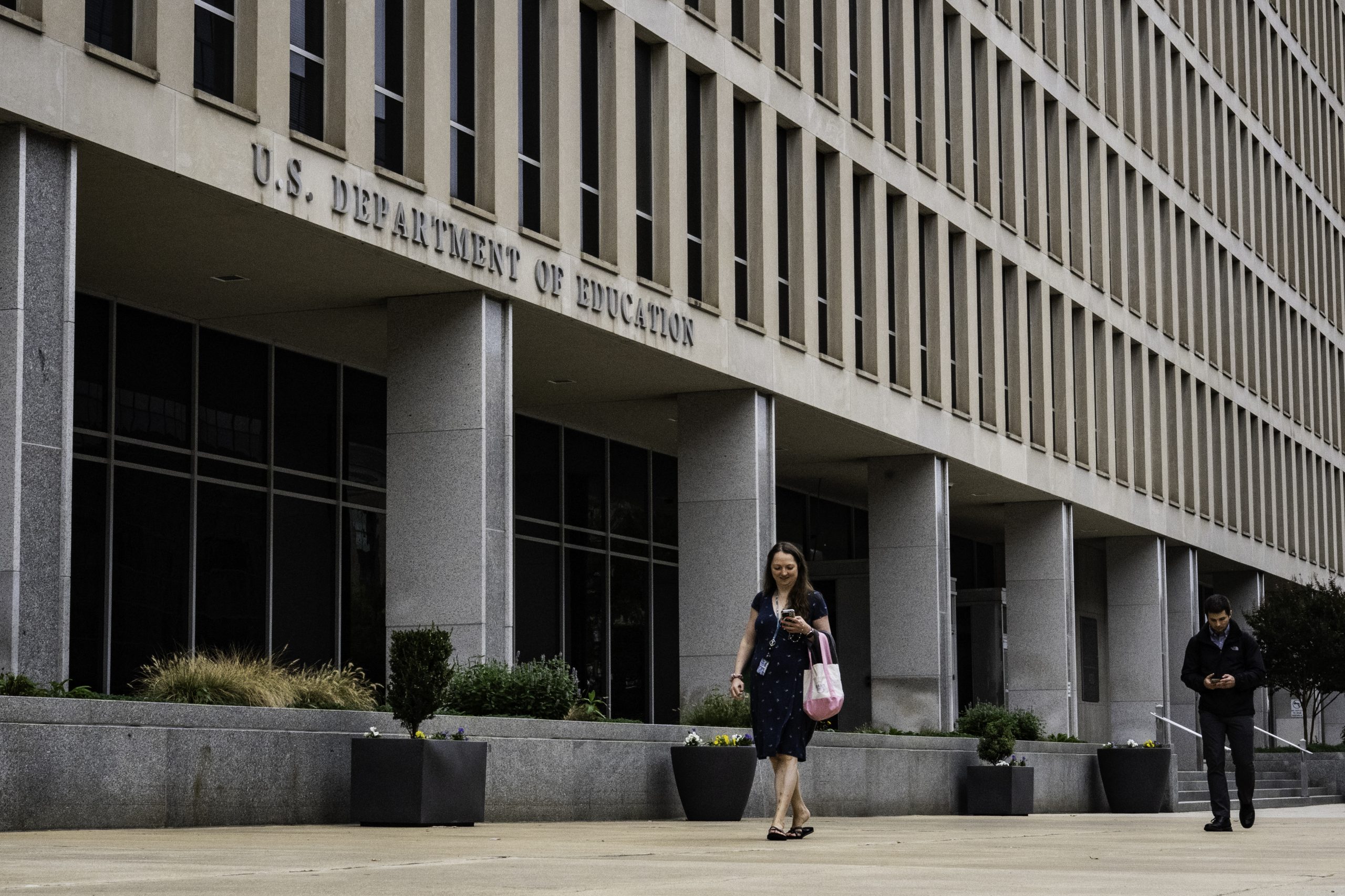
    Despite the possibility of a government shutdown next week, the Education Department is slated to begin the complicated endeavor of determining how to carry out the sweeping higher ed changes in Congress’s One Big Beautiful Bill Act.

    The agenda for the weeklong meeting, which kicks off Monday, includes hammering out details about loan repayment plans and how to help struggling borrowers return to good standing. The key issue on the table, though, will likely be determining how best to differentiate between graduate and professional degree programs for future borrowers.

    The terms “graduate” and “professional” were once nothing more than a trivial self-prescribed classification. But under the Republicans’ new law, they have become critical labels that could alter which college programs get more federal aid. For example, under the new plan, student borrowers in a graduate program will be limited to $20,500 per year or $100,000 total, whereas those enrolled in a professional program will be able to borrow more than double that.

    And while lawmakers on Capitol Hill gave the department a foundational definition of what qualifies as professional in the bill, it’s up to Education Under Secretary Nicholas Kent and the negotiated rule-making advisory committee to write rules that detail how that definition will work in practice. (The committee is scheduled to meet for another weeklong session in November, and only after that can the department finalize its proposal and open the floor for public comment.)

    Some university lobbyists and career associations want the department to include more programs in the professional bucket and make a comprehensive list of those that qualify. Others recommend using a broad definition and then letting institutions sort the programs. Consumer protection advocates, however, are urging the department to stick to the original, more narrow definition in an effort to prevent greater levels of student debt.

    The department’s initial proposal, released this week, stuck largely to the 10 programs cited in the existing definition but added a catch-all clause to add “any other degrees designated by the Secretary through rulemaking.”

    To Clare McCann, a former Education Department official and now managing director of policy for the Postsecondary Education and Economics Research Center at American University, the initial proposal shows that the department doesn’t quite know how it wants to define a professional program.

    “This is a really complicated issue,” she said. “So it seems clear to me that the department is planning to use this first session to gather ideas and feedback but is not planning to come to the table with a real proposal of its own.”

    Further complicating the issue, McCann and others say, it’s going to be difficult for the department to finalize its rule fast enough to give students and institutions enough time to prepare. (Currently, the new loan caps are slated to kick in as of July 1, 2026.)

    As McCann explained, the earliest colleges and universities could expect to see a proposed rule—let alone a finalized one—would be later this fall. And at that point, many prospective students have already started receiving acceptance letters.

    “There will be many people making decisions about whether and where they’re going to graduate school, and they’ll be doing that in a vacuum, without final rules about what they’ll be able to borrow and how they’re going to be able to repay it,” she said. “So this whole regulatory process is going to be an incredible time crunch.”

    Current Definitions

    The current definition of “professional,” which is laid out in the Higher Education Act of 1965, states that in order to qualify as professional a degree must signify that a student has the skills necessary beyond a bachelor’s degree in order to practice a specific profession.

    Later it adds that “professional licensure is also generally required,” and provides a short but nonexhaustive list of programs that could fit the bill, including: pharmacy, dentistry, medicine, osteopathy, law, optometry, podiatry, veterinary medicine, chiropractic medicine and theology. (That list served as the foundation for the department’s proposal.)

    Some groups, like the National Association of Independent Colleges and Universities, made clear in their public comments that they interpret this definition to be an intentionally “flexible” and “inclusive approach.” And based on that, they encouraged the department to maintain a broad definition and allow institutions to self-certify their programs with periodic review from the department.

    Jordan Wicker, the senior vice president of legislative and regulatory affairs at Career Education Colleges and Universities, a lobbying group for for-profit institutions, added that the economy and higher education landscape are constantly evolving—pointing to the need for a broader definition.

    “I don’t know that you want to re-regulate a comprehensive list any time curriculums or programs change,” he told Inside Higher Ed.

    Others, including the American Council on Education, agree that the interpretation should be broad but say the best way to ensure that is the case is by creating a more complete list of eligible programs. “At the very least,” ACE said in its comment letter, the list should include dozens of clinical and health science programs highlighted under an existing regulation known as financial value transparency. On top of that, it also urges the department to include about 15 additional programs, including architecture, accounting, social work, education and word languages.

    Halaevalu Vakalahi, president of the Council on Social Work Education, agreed, arguing that many programs like hers meet the current definition.

    “We’ve always identified ourselves as a profession,” she said. “There’s licensure, there’s accreditation—all of the things that we have as part of the social [work] profession are also in the list that currently exists on what is a profession.”

    But Third Way, a left-of-center think tank, drew the exact opposite conclusion, arguing that Congress intended for the definition to be stringent and address “unnecessary student debt.” (Graduate student debt accounts for nearly half of the student loan portfolio, raising concerns for lawmakers and advocates.)

    “While this list is not exclusive, Congress did not indicate that it intended to include any other fields in crafting the OBBBA loan limits,” senior policy adviser Ben Cecil wrote in a recent blog post about the distinction. “By codifying this list as written, the Department can best enforce the legislative intent of ensuring that students aren’t overborrowing for graduate school and have manageable debt compared to their program’s earnings.”

    High-Stakes Talks

    With the different proposals on the table, those interviewed agreed that it will be rather difficult for the committee to reach consensus. If the committee doesn’t reach an agreement, the department is free to interpret the definition cited in OBBBA however it wants.

    McCann from PEER, who worked at the department during the Obama and Biden administrations, said that until she starts to see the debate play out, it’s hard to know which approach will win. But no matter what, she added it will likely be an uphill climb.

    “It’s a challenging issue for negotiators, and there are a lot of competing interests with pretty high stakes attached,” she said. So “this is going to be a difficult committee on which to get that kind of agreement.”

    Todd Jones, president of the Association of Independent Colleges and Universities of Ohio and a former Republican staffer in the department, said that he expects the Trump administration will lean toward a more narrow definition if the committee doesn’t reach consensus. At that point, he added, it will be up to the individual types of programs to lobby for why they should be added to the list.

    “The question is, what has the administration already decided that they are going to give on?” Jones said. “And the things I’ve heard while I was in D.C. over the past few months indicate that there may not be support for some of these social science higher degrees being considered professions and instead simply being considered master’s.”

    Source link

  • In Light of AI, a Creative Alternative to Essays (opinion)

    In Light of AI, a Creative Alternative to Essays (opinion)

    For decades now, professors have been complaining about the futility of asking students to write term papers, otherwise known as a research paper. In theory, research papers teach students how to gather a large body of information, weigh conflicting interpretations and come up with their own ideas about the subject, all while honing their writing skills.

    But the reality is very different. The prose is usually terrible and the ideas a bad rehash of class lectures. Grading these essays is pure torture. Anecdotally, I’ve heard many say that evaluating papers is the worst part of teaching. If Dante had known about grading, he would have added a new circle of hell where the damned have to grade one bad paper after another for all eternity.

    And now we have AI, or “artificial intelligence,” in the form of ChatGPT, Grok, Gemini and a host of other platforms. Submit a prompt, and these programs spit out an essay that, aside from the occasional hallucination, is actually pretty good. Grammatical mistakes are rare; there’s a thesis, evidence and organization.

    Even worse, using AI for schoolwork is rampant in both K–12 and higher ed. As James D. Walsh puts it in his now-infamous New York magazine article, “Everyone Is Cheating Their Way Through College.” And it’s nearly impossible to catch cheaters, especially now that the airless, robotic prose that’s often a marker of an AI-written essay can be masked by programs that promise to “unlock truly human-like AI text.”

    What to do? If you have a large class, interviewing students about their essays to ensure they didn’t use AI is impractical, and randomly choosing students to interview could lead to charges of bias. Besides, suspecting everyone of plagiarism destroys the class atmosphere.

    Many have gone back to handwritten exams and in-class writing assignments. But grading a pile of blue books is as agonizingly tedious as a pile of papers.

    My solution has been to replace the final research paper with a creative project.

    Instead of a detailed prompt or instructions, I give my students very wide latitude to do, as the phrase goes, whatever floats their boat. Nonetheless, I still set a few parameters. They have to tell me several weeks in advance what they have in mind. They can’t take a piece of paper, draw a line across it and say, “Behold: my interpretation of Hamlet.”

    I have only two hard rules: The project must reflect a good-faith effort to interpret something we’ve read in class, and they have to hand in a brief description of what they tried to accomplish. For those willing (most are), the students present their projects to the class during the period allotted for the final exam. Other than that, they do what they want—and I’ve gotten amazing results.

    When I was teaching the literature of terrorism, one student happened to be going to New York for spring break, so she went to the Sept. 11 memorial and interviewed people. Another student composed a rock opera based on Thomas Kyd’s Elizabethan play The Spanish Tragedy. A group put together a postapocalyptic performance of King Lear on the heath, using the university’s loading docks for their stage. I’ve gotten raps, short stories, children’s books, parodies performed and written, musical compositions, and paintings.

    For example, a student produced this project for my last Shakespeare class (reproduced with the student’s permission):

    Created by Teresa Cousillas Lema

    This pencil drawing represents the student’s response to Al Pacino’s delivery of Shylock’s “Hath not a Jew” speech in Michael Radford’s 2004 film, The Merchant of Venice. The three images represent the different emotions Shylock displayed over the course of his speech: rage, sadness, determination.

    For the background, this student wrote out Shylock’s speech, thereby committing it (she told me) to memory. But this project represents more than a pretty picture: It demonstrates a profound response to Shakespeare’s words and Pacino’s delivery of them.

    This project accomplished nearly the same goals a term paper is supposed to accomplish: reflecting on the material and responding to the play both emotionally and intellectually. As a final payoff, while most students forget about their term papers seconds after they submit them, I’m guessing this student will remember this one and carry forward a deep appreciation of Shakespeare.

    Granted, switching to creative projects does not entirely eliminate the possibility of using AI to cheat. Students could still resort to AI if they want to produce anything that involves writing (e.g., a screenplay or a short story), or, for visual projects, they could use an AI art generator. But the opportunity to create something they’re invested in, as opposed to responding to the professor’s essay topics, reduces the incentive to not do the work. The project is something the student wants to do rather than something they have to do.

    Yet there is something lost. When the creative project replaces the research paper, students will not have the experience of sorting through multiple and contradictory interpretations. They won’t learn about literary theory and different approaches to literature. And they won’t learn how to write critical prose.

    In short, in my discipline, replacing the research paper with a creative project means moving away from teaching English majors how to be literary critics, and that’s not small. It means reorienting the undergraduate English major away from preparing our best students for graduate school and more toward historically informed response.

    Nonetheless, it makes no sense to continue with an evaluation method that just about everybody agrees has long since lost its value. So I suggest abandoning the essay for another method that not only accomplishes nearly the same aims but, in the end, brings joy to both student and teacher.

    Peter C. Herman is a professor of English literature at San Diego State University.

    Source link

  • Employers Value Postsecondary Credentials, Durable Skills

    Employers Value Postsecondary Credentials, Durable Skills

    Public perceptions of college have been declining over the past decade, but the role of postsecondary education as a training ground for the workforce remains clear, according to employer surveys.

    Recently published data from the U.S. Chamber of Commerce and College Board found that a majority of hiring managers say high school students are not prepared to enter the workforce (84 percent) and that they are less prepared for work than previous generations (80 percent).

    Similarly, a survey from DeVry University found that 69 percent of employers say their workers lack the skills they need to be successful over the next five years.

    The trend line highlights where higher education can be responsive to industry needs: providing vital skills education.

    Methodology

    DeVry’s survey, fielded in summer 2025, includes 1,511 American adults between the ages of 21 and 60 who are working or expect to work in the next 12 months, and 533 hiring managers from a variety of industries.

    The Chamber of Commerce report was fielded between May 20 and June 9 and includes responses from 500 hiring managers at companies of all sizes.

    Cengage’s State of Employability includes responses from 865 full-time hiring managers, 698 postsecondary instructors and 971 recent college graduates. The study collected data in June and July.

    Investing in education: Nine in 10 respondents to the Chamber of Commerce’s survey indicated that trade school graduates and four-year college graduates with industry-recognized credentials were prepared to enter the workforce. About three-quarters said college graduates without industry-recognized credentials were prepared for the workforce.

    According to Devry’s data, three-fourths of hiring managers believe postsecondary education will continue to be valuable as the workplace evolves over the next five to 10 years.

    A 2025 report from Cengage Group found that 71 percent of employers require a two- or four-year degree for entry-level positions, up 16 percentage points from the year prior. However, only 67 percent of employers said a degree holds value for an entry-level worker—down from 79 percent last year—and fewer indicated that a college degree remains relevant over the span of a career.

    The Chamber of Commerce’s survey underscored the role of work-based learning in establishing a skilled workforce; just under half of employers said internships are the top way for students to gain early-career skills, followed by trade schools (40 percent) and four-year colleges (37 percent). This echoes a student survey by Strada Education Foundation, in which a majority of respondents indicated paid internships had made them a stronger candidate for their desired role.

    However, fewer than two in five hiring managers said it’s easy to find candidates with the skills (38 percent) or experience (37 percent) they need. In DeVry’s survey, hiring managers identified a lack of skilled workers as a threat to productivity at their company (52 percent), with one in 10 saying they would have to close their business without skilled talent.

    Looking to the future, 80 percent of the hiring managers DeVry surveyed said investing time and money in education is worthwhile in today’s economy; a similar number said education would advance a worker’s professional career as well.

    Needed skills: Nearly all hiring managers said they’re more likely to hire an entry-level employee who demonstrates critical thinking or problem-solving abilities, compared to a candidate without those skills. Ninety percent consider effective communication skills a top quality in an applicant.

    DeVry’s survey showed that skills have impact beyond early career opportunities; 70 percent of employers said durable skills are a deciding factor in promotions, with critical thinking (61 percent), self-leading (50 percent) and interpersonal communication (50 percent) as the top skills needed for the future.

    A majority of educators polled by Cengage said postsecondary institutions should be responsible for teaching industry-specific skills, with 60 percent placing the onus on instructors and 10 percent on campus advisory services or programs. Employer respondents said they expect recent graduates to bring job-specific technical, communication and digital skills to the table when hired.

    The Chamber of Commerce survey underscored a need for early education, with 97 percent of respondents saying high school courses should teach professional career skills. Even so, 87 percent of respondents still believe work experience is more valuable than formal education.

    Do you have a career-focused intervention that might help others promote student success? Tell us about it.

    Source link

  • Strategic Approach to Mobility, Transfer, Academic Partnership

    Strategic Approach to Mobility, Transfer, Academic Partnership

    Serving approximately 100,000 students each year, Maricopa County Community College District is one of the nation’s largest community college districts. Many bachelor’s-granting institutions seek to recruit Maricopa students, but these institutions often fall short in serving them effectively by not applying previously earned coursework, overlooking their specific needs or failing to accept credit for prior learning in transfer. After years of requesting changes from transfer partners without seeing adequate response, Maricopa Community Colleges determined it was time to take action by establishing clear criteria and an evaluation process.

    A Legacy of Transfer

    Since its establishment, university transfer has remained a central pillar of the mission of the MCCCD. Transfer preparation is a chief reason students enroll across the district’s 10 colleges. In fact, 38 percent of students districtwide indicate upon admission that their goal is to transfer to a university.

    A significant portion of these students transition to Arizona’s three public universities under the framework of the Arizona Transfer System. Beyond that, Maricopa maintains formal articulation agreements with over 35 colleges and universities, both in state and across the nation, including private and public institutions.

    Developing Strategic Transfer Partnerships

    Each university partnership is formalized through a memorandum of understanding that outlines the roles, expectations and mutual responsibilities of Maricopa and the partner institution. Recognizing the need for a more strategic and data-informed approach, MCCCD developed a model years ago to ensure that both potential and existing transfer partnerships align with the district’s evolving strategic priorities. The model provides a structured framework for assessing new and continuing partnerships based on institutional relevance, resource capacity and student need.

    A Point of Evolution

    In 2022, the district overhauled its partnership model to better meet the needs of today’s learners, who increasingly seek flexible pathways to a degree. Many students now arrive with a mix of traditional coursework, transfer credit and prior learning assessment, including military service, industry certifications and on-the-job training, creating greater demand for clear, consistent and student-centered transfer pathways. The updated model ensures partner institutions complement, rather than counter, MCCCD’s efforts, particularly in recognizing learning that occurs outside the traditional classroom.

    The new model sets out the following criteria as minimum requirements:

    • Accepts and applies credits earned through prior learning assessment: The integration of PLA and alternative credit was a central focus of the redesign, recognizing the unique advantages these offer transfer students. Many students move between institutions, accumulate credits in segments and work toward credential completion. While some follow the traditional route from a two-year college to a four-year university, others take different paths, transferring from one two-year institution to another, or returning from a four-year institution to a two-year college through reverse-transfer agreements. These varied journeys highlight the need to embed PLA fully into the transfer agenda so that all learning, regardless of where or how it was acquired, is recognized and applied toward students’ goals. By making PLA a built-in component of the revamped model, MCCCD and its university partners can better meet learners where they are in their educational journey.
    • Provides annual enrollment and achievement data: To support this renewed focus, MCCCD asked all university partners to update their MOUs through a new university partnership application. This process gathered key institutional data and ensured alignment with updated partnership criteria and made it mandatory.
    • Accredited with no adverse actions or existing sanctions against the institution: Partner institutions must hold accreditation in good standing, accept both nationally and regionally accredited coursework, and recognize Maricopa-awarded PLA credit.
    • Aims to accept and apply a minimum of 60 credits: They are expected to apply at least 60 applicable Maricopa credits, academic and occupational, and accept Maricopa’s general education core.
    • Has a minimum of 50 students who have transferred at least 12 Maricopa earned credits in the last three years: This requirement is intended to demonstrate need and gauge student interest.
    • Surveys Maricopa transfer students annually: Partners must commit to administering annual transfer surveys and tracking student outcomes using jointly defined metrics.

    Institutions that do not meet this standard are not advanced in the partnership process but are welcome to reapply once they meet the baseline criteria. As a result, more partners are actively engaging and strengthening their policies and processes to gain or maintain eligibility.

    Key Findings

    Several themes emerged from the first year of implementation:

    Since the revamp, MCCCD is seeing promising results. Current and prospective partners have demonstrated strong commitment to the revised partnership model by elevating transfer and PLA practices, expanding pathways that accept 75 to 90 credits and participating in on-campus student support initiatives through goal-oriented action plans. They are using the model to facilitate conversations within their institutions to further advance internal policies and practices.

    Post-COVID, demand for online learning and support services remains strong, particularly among working students and those needing flexible schedules, as reflected in survey results. While participation in past transfer experience surveys was low, the district has made this requirement mandatory and introduced multiple survey options to better capture the student voice and experience. These insights enable MCCCD to collaborate with partners on targeted improvement plans.

    New criteria MCCCD is considering, several of which some partners have already implemented, include reserving course seats for Maricopa transfer students, creating Maricopa-specific scholarships, offering internships and other work opportunities and waiving application fees.

    MCCCD is currently assessing the impact of its revamped partnership model to measure the success of these efforts. Preliminary findings from the three-year review indicate that most, if not all, partner institutions are meeting or exceeding established metrics. These early results reflect a strong commitment to the agreements and reaffirm the value of the updated criteria in fostering more meaningful and impactful partnerships.

    A Model for Intentional Partnerships

    The Maricopa Community College District’s revamped university transfer partnership model is a strategic effort to keep partnerships active, student-centered and aligned with key institutional priorities. Through intentional collaboration, transparent policies and practices and shared responsibility, Maricopa and its university partners are building more effective, forward-thinking transfer pathways.

    Source link