School (in)Security is our biweekly briefing on the latest school safety news, vetted by Mark Keierleber. Subscribe here.
Happy 2026 — and just like that, we’re more than a quarter of the way through this century. For news about school safety and students’ civil rights, 2025 was one for the history books — unless, of course, they get banned.
A bid to close the Education Department. Hundreds of thousands of deportations. A free-speech crackdown. And much, much more.
With the new year now underway, I figured I’d look back to highlight some of the largest news stories in the School (in)Security universe in 2025 that could see major developments over the next 12 months.
Trump’s immigration crackdown breaches the schoolhouse gate
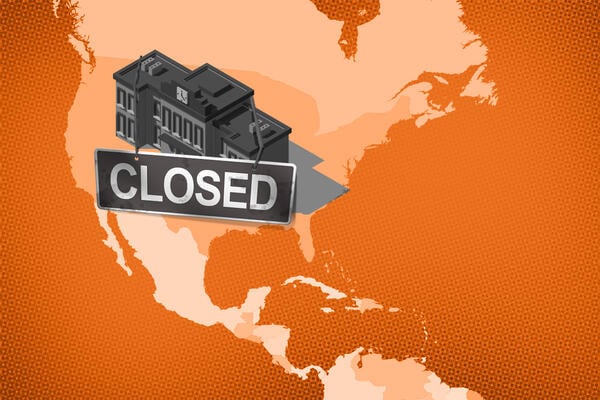
In an unprecedented response to President Donald Trump’s ongoing immigration crackdown and its impact on education, Minneapolis Public Schools shut down all of its schools for two days this week. The announcement came after immigration authorities reportedly tear-gassed students and arrested staff outside a high school. The Department of Homeland Security denied using tear gas.
The encounter occurred just hours after a federal agent shot and killed Renee Nicole Good, a 37-year-old mother of three, who a DHS officer shot dead in her car.
Students, families and K-12 schools throughout the country have felt the significant and far-reaching effects of the administration’s militarized mission on U.S. soil, which has resulted in more than half a million deportations.
Student enrollment plunged after the Trump administration eliminated a longstanding policy against conducting raids at schools, churches and other “sensitive locations.” In limited but unprecedented ways, immigration agents acted on the policy change. In Florida, the Pinellas County school district applied to assist ICE in arresting immigrants — only to quickly backtrack as controversy ensued.
While agents have conducted “wellness checks” on unaccompanied minors across the country, including through visits to schools, thousands of children have been detained and are reportedly being held “as long as possible to increase the likelihood of deporting them.”
Through it all, school communities across the country have banded together, my colleague Jo Napolitano reported, to send a clear message: “Not on our watch.”
Looking forward: The sheer number of agents deployed to Minneapolis, a reported 2,000, and the violence and death that resulted could point to a willingness by the administration to double down on its targeting of cities and schools in the coming year.
Sign-up for the School (in)Security newsletter.
Get the most critical news and information about students’ rights, safety and well-being delivered straight to your inbox.
DEI became a four-letter word
Following a presidential campaign that centered on anti-immigrant and anti-transgender rhetoric, Trump made good on a promise with an order barring diversity, equity and inclusion initiatives in schools. And, about as quickly, federal courts clapped back. In April, federal judges blocked the Education Department’s effort to withhold federal money from schools that didn’t pledge to carry out the Trump administration’s interpretation of anti-discrimination laws.
In December, the Department of Health and Human Services released a set of sweeping regulations designed to block gender-affirming care for minors, a move that advocates warned puts lives at risk. Iowa, meanwhile, became the first state in the country to strip discrimination protections from transgender and nonbinary people.
Perhaps most consequential is the Trump administration’s efforts to decimate the Education Department — and its Office for Civil Rights, where thousands of unresolved investigations alleging discrimination in schools based on race and gender were left to languish.
Expect an even smaller federal presence in school civil rights issues moving forward. In December, Attorney General Pam Bondi announced an order rescinding a 50-year-old rule that held schools responsible for neutral policies that negatively affect students of a certain race or nationality.
Looking ahead: The Supreme Court is scheduled to hear oral arguments next week over whether conservative states can ban transgender students from competing on school sports teams that align with their gender identity.

PowerSchool is breached — and millions of documents are leaked
After PowerSchool became the target of a massive cyberattack in late 2024, Massachusetts teenager Matthew Lane was sentenced to prison for carrying out a failed get-rich-quick scheme that led to perhaps the largest student data breach in history. Now that Lane has had his day in court, attention has pivoted back to PowerSchool’s culpability in the breach.
The company has faced lawsuits from dozens of students, parents and school districts over allegations it failed to put adequate safeguards in place to protect troves of sensitive student data.
In a separate complaint, Texas filed suit against the company, charging it deceived its customers about the strength of its cyber protections.
“If Big Tech thinks they can profit off managing children’s data while cutting corners on security, they are dead wrong,” Texas Attorney General Ken Paxton said in a media release. “Parents should never have to worry that the information they provide to enroll their children in school could be stolen and misused.”
The rise of artificial intelligence — and efforts to keep it contained
Kids fell in love with AI-powered chatbots last year. No, really. As students turned to AI for help with their homework, for fun and to find romantic partnerships, skeptics warned that young people could grow socially and emotionally disconnected from the humans in their lives. Several lawsuits accused chatbots of leading kids down dark paths — even to suicide.
On Wednesday, Character.AI and tech giant Google agreed to settle lawsuits filed by parents who said their children harmed themselves after using the startup’s chatbot.
Keep your eyes peeled: Bipartisan legislation proposed late last year could require chatbot users to verify their age — and force teens to break up with their digital companions.
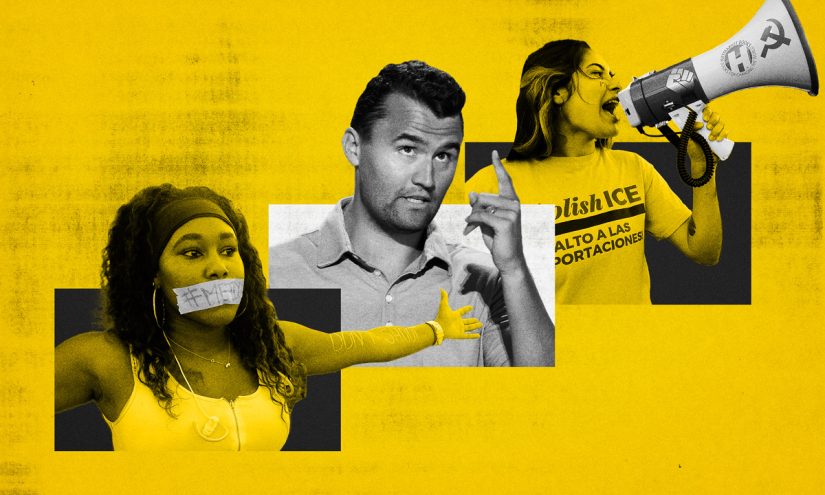
The murder of conservative pundit and operative Charlie Kirk was met with swift backlash as K-12 teachers, professors and college students were disciplined for social media posts celebrating his death. As the Trump administration vowed vengeance on Kirk’s critics, First Amendment protections for students were left on even shakier ground.
Meanwhile, in Texas, Gov. Greg Abbot announced an initiative to launch Turning Point USA chapters at all high schools in the state — and warned educators of “meaningful disciplinary action” if they didn’t fall in line.
Add to the mix federal efforts to silence pro-Palestinian college student activists. In September, a federal judge ruled a Trump administration effort to arrest and deport international students based on their pro-Palestinian advocacy was a blatant First Amendment violation.
What happens next will play out in the courts: On Tuesday, the American Federation of Teachers filed a federal First Amendment lawsuit against the Texas Education Agency alleging it violated the free speech rights of educators in the wake of Kirk’s death.
Emotional Support

Sinead contemplates what’s to come in 2026 from her perch.
Did you use this article in your work?
We’d love to hear how The 74’s reporting is helping educators, researchers, and policymakers. Tell us how